Pentagon pushes for logistics fleet modernization — buying foreign ships as a quick fix
The Pentagon is planning radical changes in its logistics strategy, aiming to speed up the modernization of its transport fleet. General Randall Reed, commander of the United States Transportation Command (USTRANSCOM), proposed acquiring four foreign ships annually. The plan, presented in written testimony before the Senate Armed Services Committee, aims to rapidly boost the U.S. fleet’s transport capacity to meet rising operational demands, especially in the context of competition with China.
logistics navy worldwide news12 march 2025 | 15:40 | Source: Gazeta Morska | Prepared by: Kamil Kusier | Print
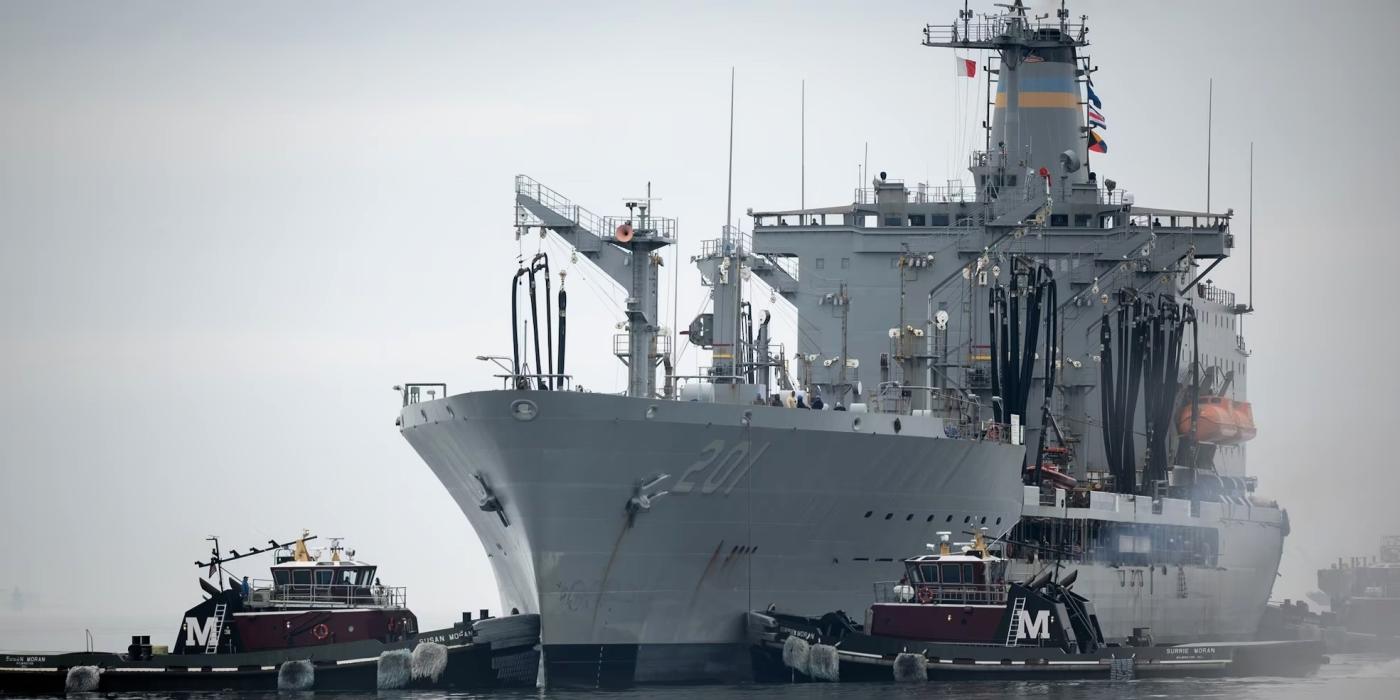
fot. U.S. Navy
Pentagon's priority: rapid fleet modernization
General Reed emphasized that the current U.S. logistics fleet is outdated and urgently needs modernization. He noted that "the median age of the 46 Roll-on/Roll-off ships we use for surge operations from the continental United States is 47 years; 14 of these 46 ships are 50 years or older." Furthermore, many of these vessels are steam-powered, making it challenging to recruit sailors to operate such ships.
To avoid years-long waits for new vessels built in domestic shipyards, the Pentagon is considering purchasing ships abroad. The planned acquisitions include vessels that can be adapted to meet U.S. Navy and Army requirements. At the same time, the Pentagon assures that in the long term, it will support the U.S. shipbuilding industry to balance rapid capability increases with domestic industrial security.
Lifting limits and increasing flexibility
General Reed supports the Navy’s strategy of acquiring foreign vessels from the commercial market. Currently, there is a cap on purchasing a maximum of 10 used ro-ro ships, seven of which have already been acquired, with two more planned for this year. Reed suggested lifting this cap and buying four such ships per year — or at least two — to offset the fleet's declining capacity due to aging.
- We must build new and buy used, the general stressed, while also emphasizing the importance of adhering to the Jones Act and continuing shipbuilding in American yards.
Controversy and divided opinions
General Reed’s strategy has sparked mixed reactions. Supporters argue that buying ready-made foreign vessels will quickly boost transport capacity and reduce operational risks stemming from the limited number of available military ships. Critics, however, point to potential negative impacts on the U.S. shipbuilding industry and challenges in integrating foreign-built ships into U.S. logistics systems.
One of the key arguments for the new strategy is the growing competition with China, which is rapidly expanding its naval fleet. Increasing U.S. transport capabilities is crucial for ensuring troop and resource mobility in the event of a conflict.
Future outlook
General Reed’s proposal fits into the broader Pentagon strategy for modernizing logistics forces and enhancing their resilience to threats. In the coming months, Congress will decide on funding this project as part of next year’s defense budget.
The decision to acquire foreign ships could reshape the Pentagon’s approach to maritime logistics for years to come. If the project is approved, it will be a significant step toward modernizing the U.S. logistics fleet and adapting it to today’s geopolitical realities. As General Reed pointed out — swift action and flexibility are key for American maritime logistics to keep up with an increasingly dynamic world.
see also
Buy us a coffee, and we’ll invest in great maritime journalism! Support Gazeta Morska and help us sail forward – click here!
Kamil Kusier
redaktor naczelny
comments
Add the first comment
see also
EU-Mercosur deal: challenges and opportunities for Polish ports, transport, and agriculture
Russian escort and U.S. oil chase: a new front in the North Atlantic. Implications for shipping and energy markets
Changing course of tankers: geopolitics, sanctions and a new map of crude oil trade
Port of Gdynia strengthens its role in European logistics with Finnlines’ Biscay Line
Indonesia 2025-2030: the maritime pillar of Southeast Asia’s growth
EUNAVFOR Atalanta escorts WFP vessel safely through Bab-el-Mandeb
Port of Władysławowo handles another heavy-lift operation for offshore infrastructure
Elenger accelerates Baltic decarbonisation as bioLNG and emission pooling gain momentum
Shadows of Putin on the Baltic Sea
Gdańsk’s Baltic Hub unveils T3. A new benchmark for Baltic container infrastructure
ADVERTISEMENT
ADVERTISEMENT