Together for security in the Baltic Sea - a united response to emerging threats
Security in the Baltic Sea, the protection of critical infrastructure, and readiness to respond to potential acts of sabotage are key priorities for both the Polish navy and NATO allied forces. Joint efforts by regional states are not just a demonstration of strength but a necessity in the face of a dynamically evolving geopolitical landscape. The Baltic Sea, as a strategic economic and military area, requires constant monitoring and international cooperation.
security navy nato news07 march 2025 | 14:29 | Source: Gazeta Morska | Prepared by: Kamil Kusier | Print

fot. 8FOW / Marynarka Wojenna RP
The Polish navy on guard in the Baltic
Since 2022, the Polish navy has been continuously conducting Operation "Zatoka," focused on countering sabotage threats and detecting suspicious activities in key maritime infrastructure areas. The operation was initiated in response to incidents such as the Nord Stream pipeline damage, which underscored the need to enhance the protection of pipelines, telecommunication and power cables, drilling platforms, and oil and gas terminals. The operation includes constant monitoring of Poland’s exclusive economic zone and territorial waters.
NATO strengthens Baltic security
In response to rising threats, NATO launched Operation Baltic Sentry in January 2025, aiming to intensify allied military presence in the Baltic Sea. The primary objectives include countering covert sabotage operations, protecting underwater infrastructure, and neutralizing threats posed by the so-called shadow fleet.
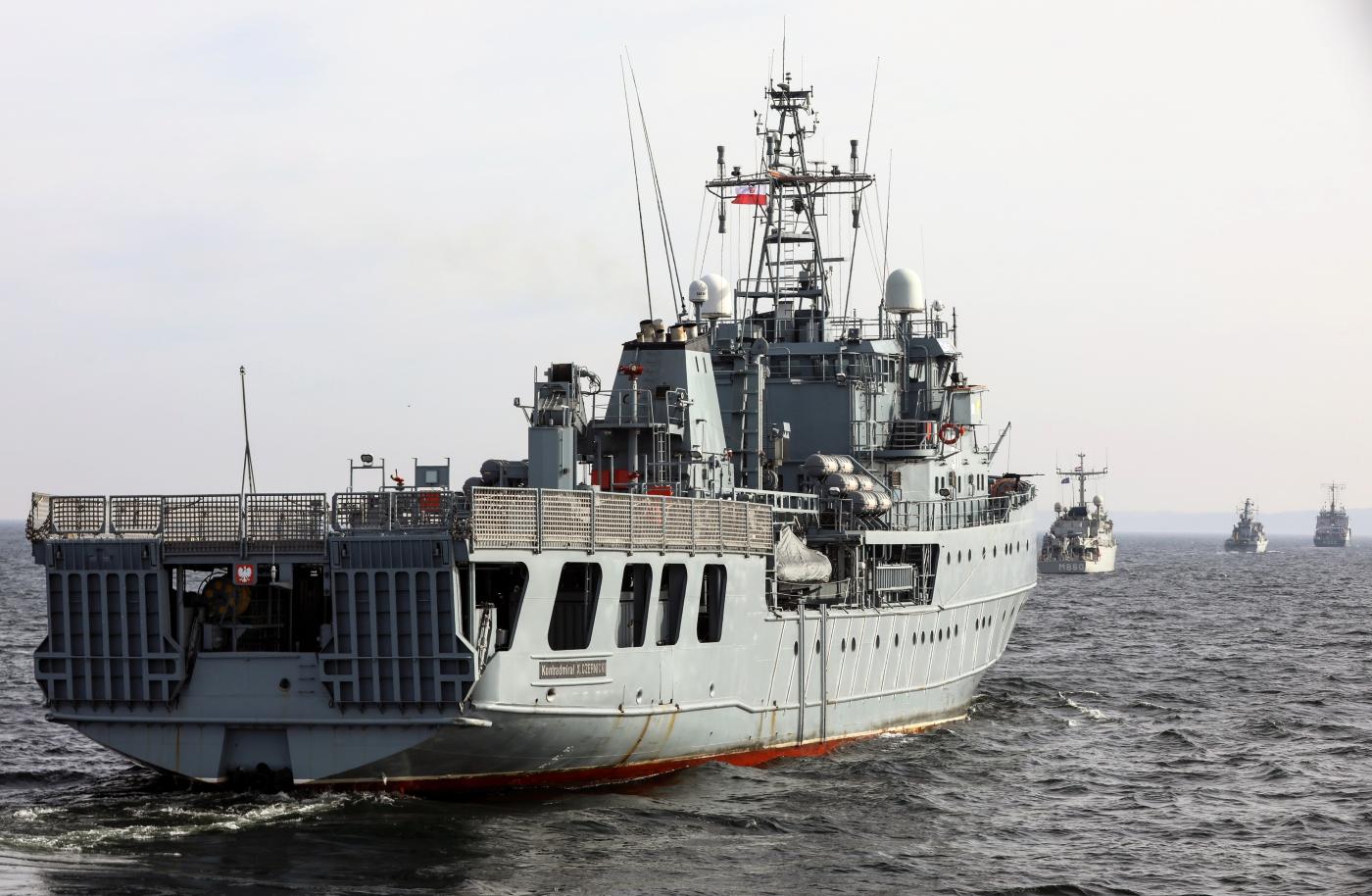
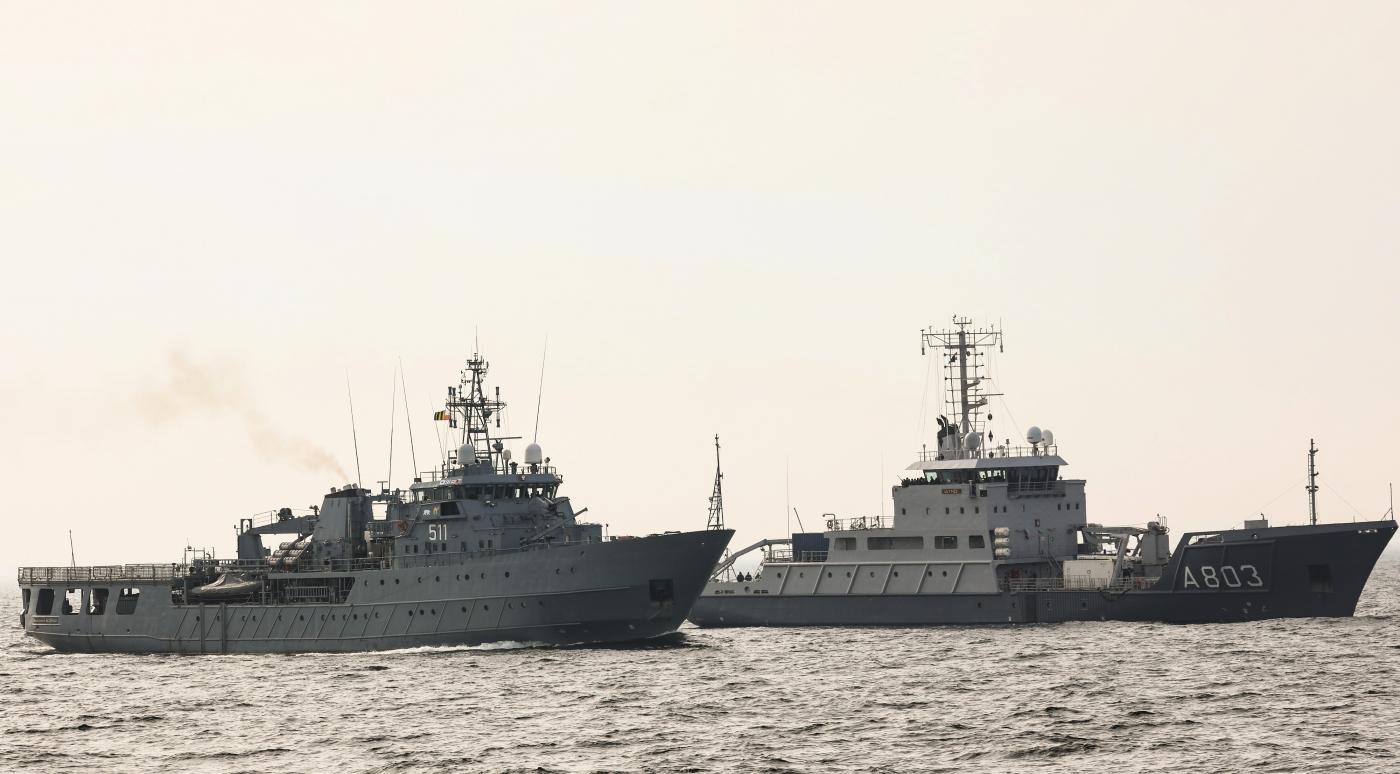
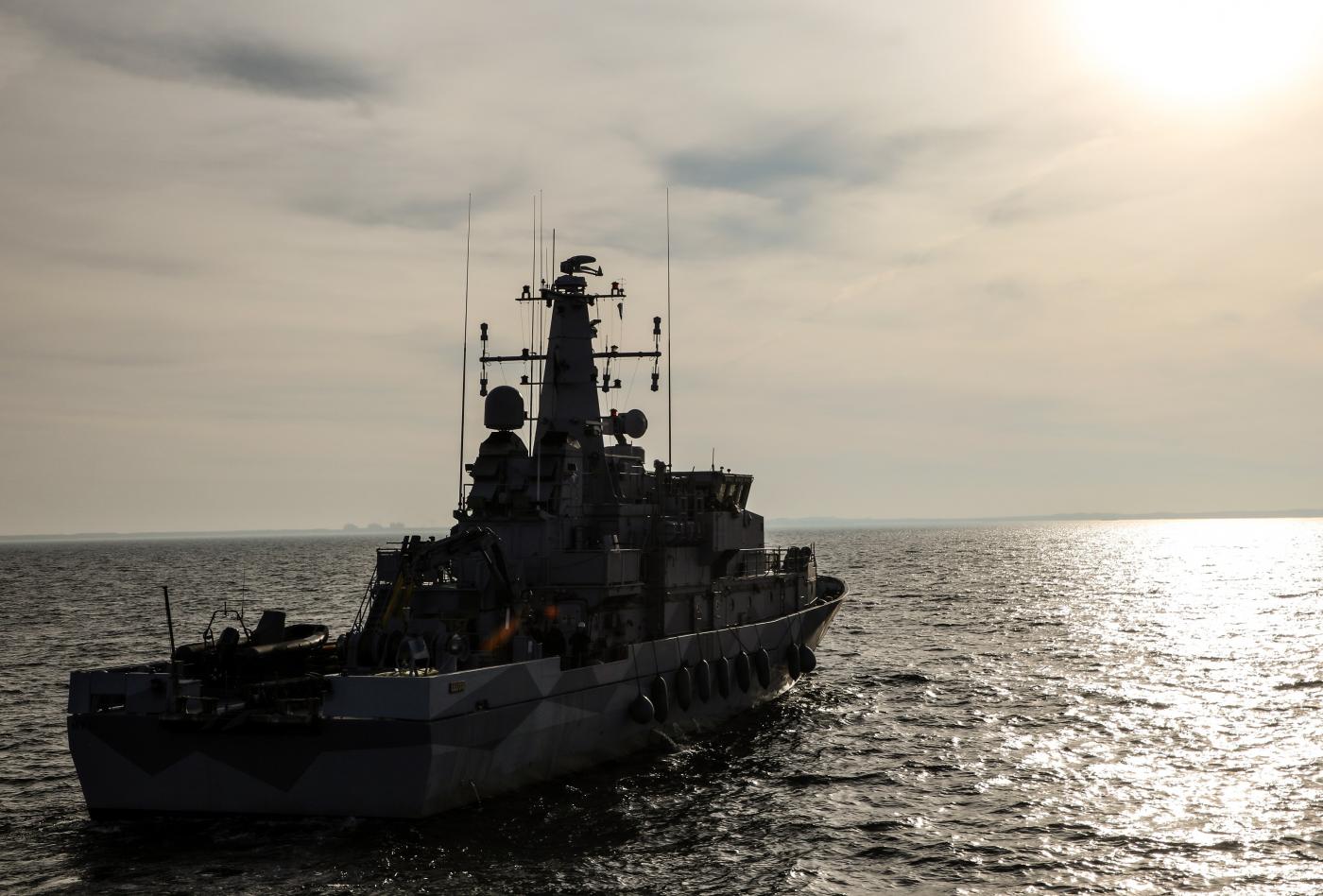
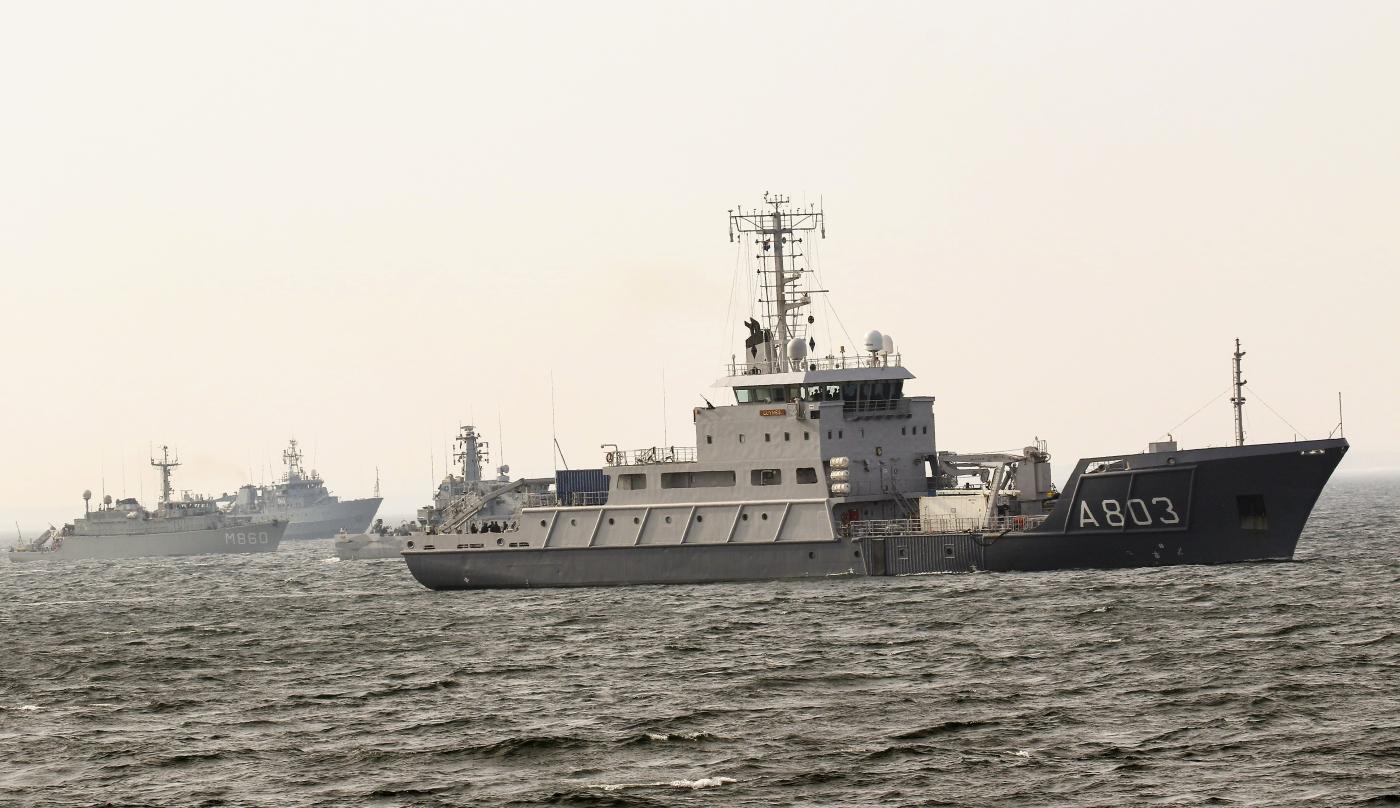
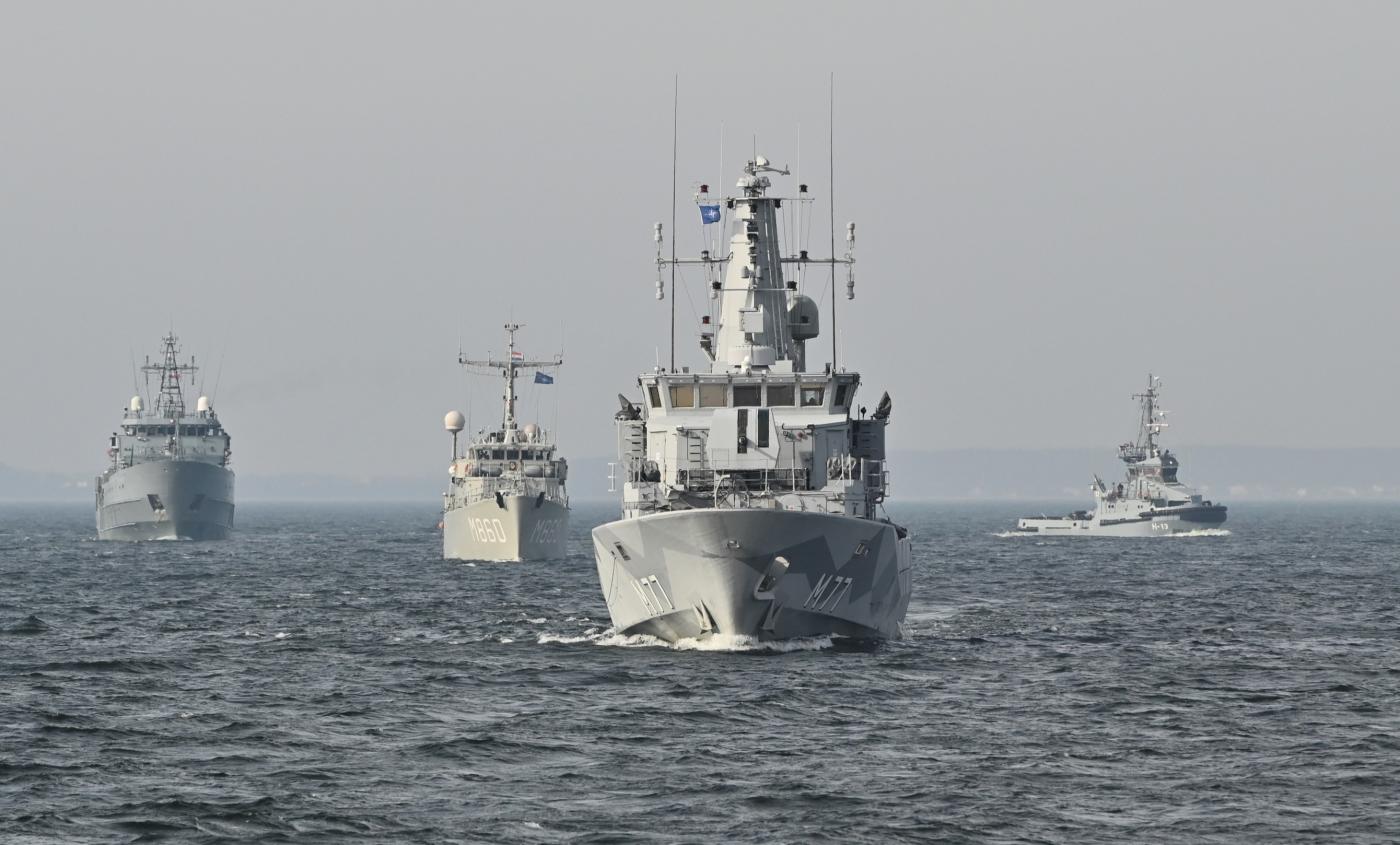
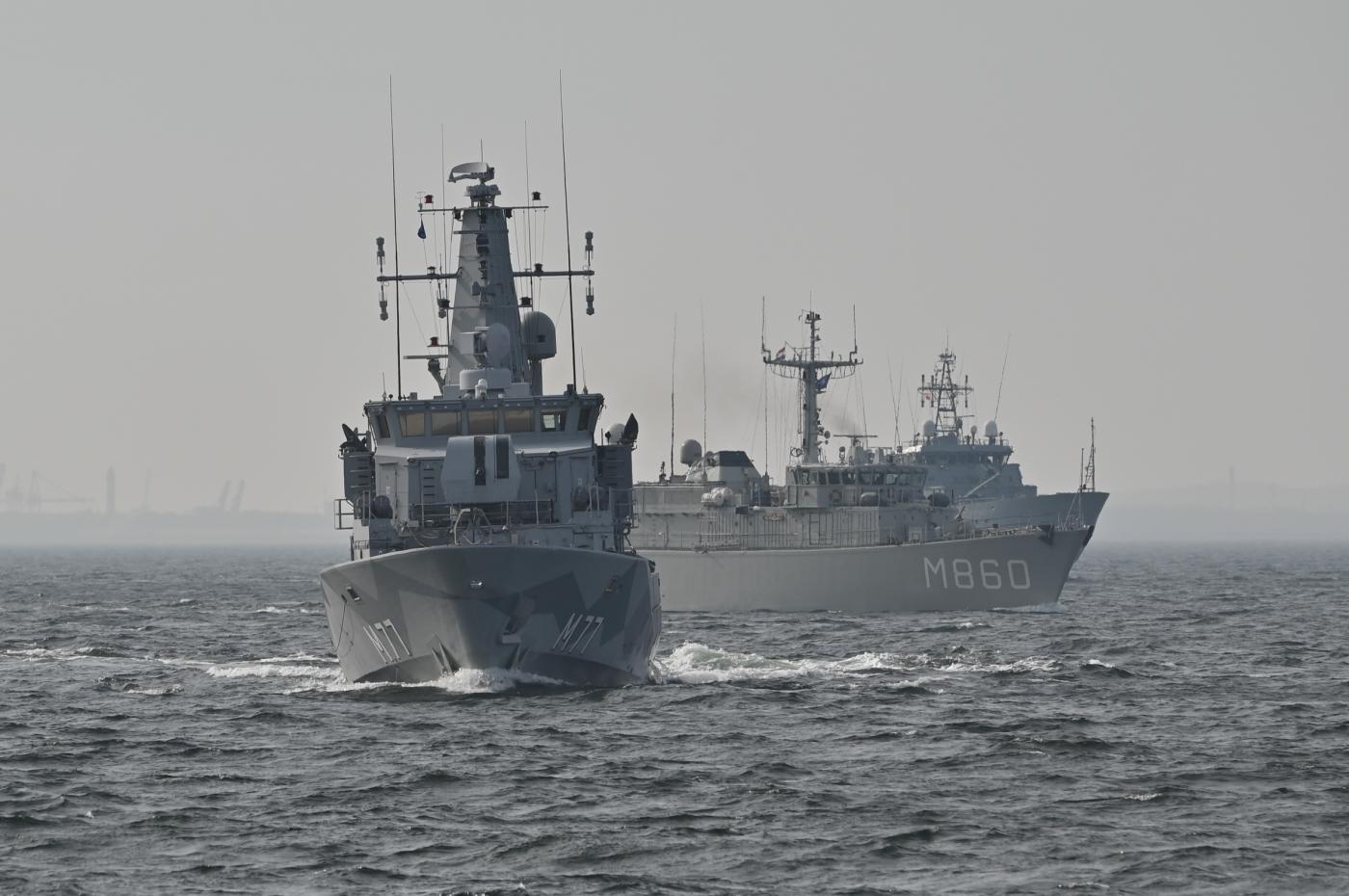
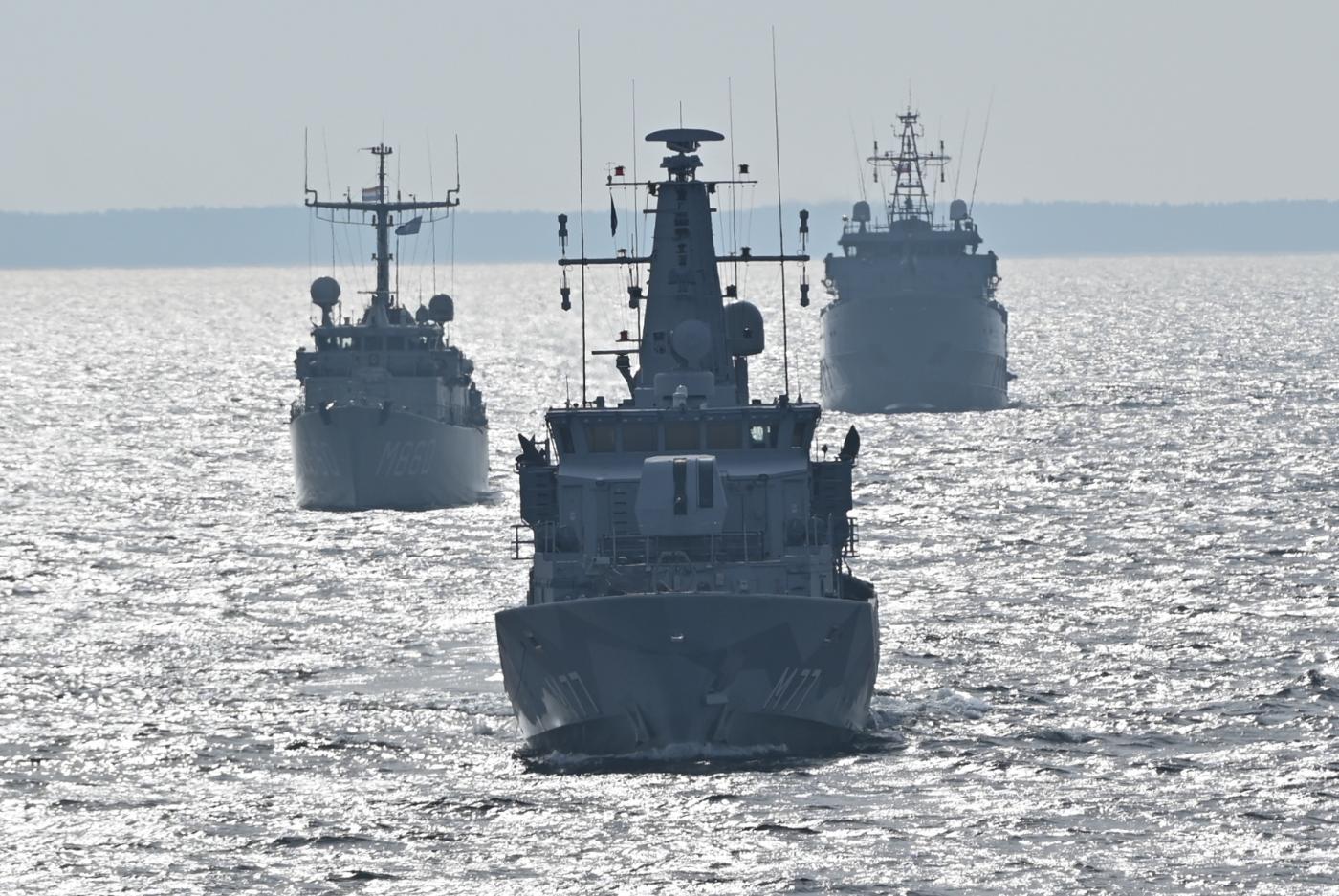
As part of allied cooperation, the Świnoujście naval port hosted NATO’s Standing NATO Mine Countermeasures Group 1 (SNMCMG1), demonstrating the consolidated efforts of all regional nations toward maritime security.
Polish Navy’s engagement in NATO missions
Poland has actively participated in allied operations in the Baltic and beyond for years. NATO maintains four standing naval groups: two groups of large surface combatants (Standing NATO Maritime Group 1 and 2) and two mine countermeasures groups (Standing NATO Mine Countermeasures Group 1 and 2).
Ships from the 8th Coastal Defense Flotilla have been part of these structures for years. Between 2002 and 2015, mine countermeasure vessels from the 13th Minesweeper Squadron regularly participated in SNMCMG1, while ORP Kontradmirał X. Czernicki served as the flagship of this group four times. In 2023, for the first time in history, Poland deployed three vessels to a NATO group: ORP Czernicki and two minesweepers, ORP Drużno and ORP Hańcza. The operational area of the group covered the Baltic Sea, the North Sea, the Norwegian Sea, and the eastern Atlantic.
Baltic security – a shared responsibility
Thanks to regular patrols and operations conducted by the Polish navy and NATO’s allied task forces, the risk of sabotage in the Baltic Sea is effectively minimized. The increased presence of warships in the region not only ensures the protection of critical infrastructure but also reinforces allied solidarity and readiness to respond to threats.
Amidst a rapidly evolving international security landscape, cooperation to safeguard the Baltic Sea remains not just a priority but a strategic commitment for all regional states.
see also
Buy us a coffee, and we’ll invest in great maritime journalism! Support Gazeta Morska and help us sail forward – click here!
Kamil Kusier
redaktor naczelny
gallery

comments
Add the first comment
see also
"Let everyone know we will prevail". Poland’s armed forces set strategic course for 2026-2039
“Army 500” and strategic transformation: Poland sets the course for long-term deterrence and allied readiness
Medical evacuation from offshore vessel in the Baltic. Rescue 511 helicopter and m/s Huragan deployed
Karol Nawrocki: “The strength of the republic lies in its armed forces”. Security requires national unity
Human trafficking, money laundering, millions frozen. Successful operation by border guard and tax administration
Evening SAR operation in the Baltic. Two kitesurfers stranded offshore
Medical evacuation from sailing ship in Gdynia port. 17-year-old safely transported
Medical evacuation from Danish-flagged vessel Skoven off Łeba. Joint SAR operation in the Baltic Sea
Almost 2.5 million travellers cleared in 2025 by the Maritime Border Guard
Frontex officers train with Polish Maritime Border Guard
ADVERTISEMENT
ADVERTISEMENT