U.S. Coast Guard cutter Polar Star concludes Operation Deep Freeze 2025, departs Antarctica
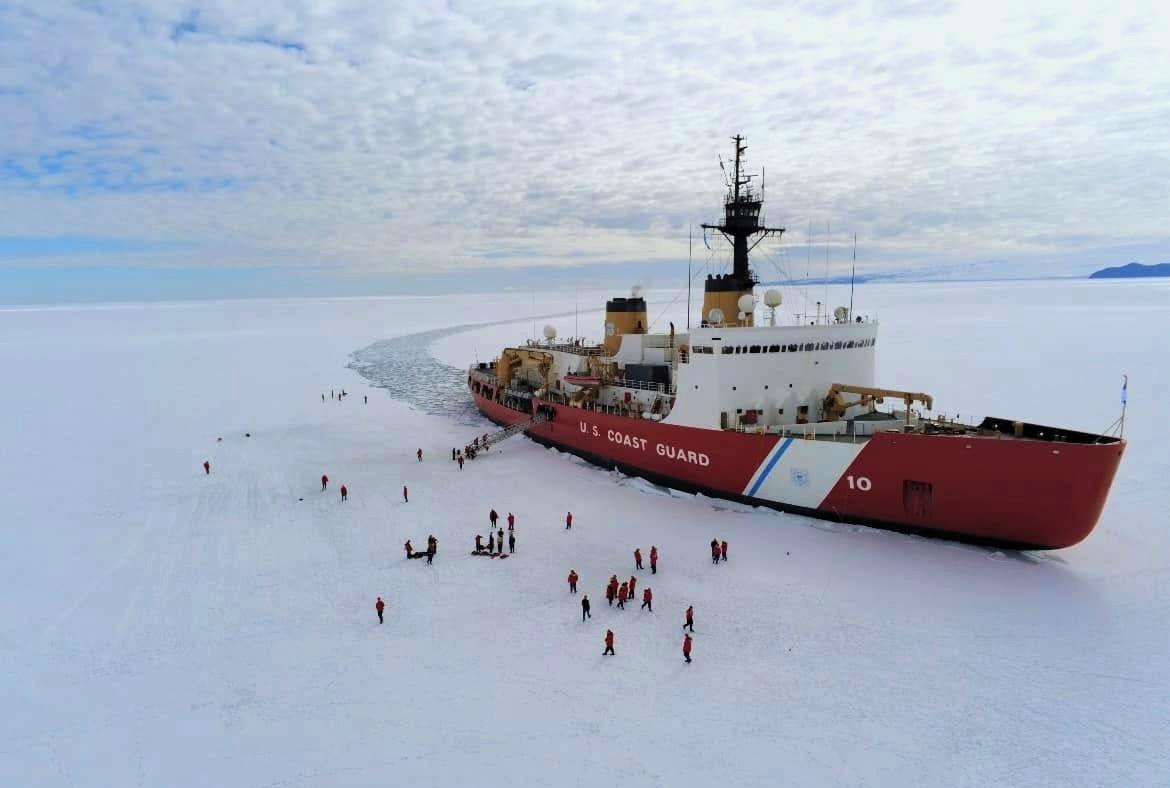
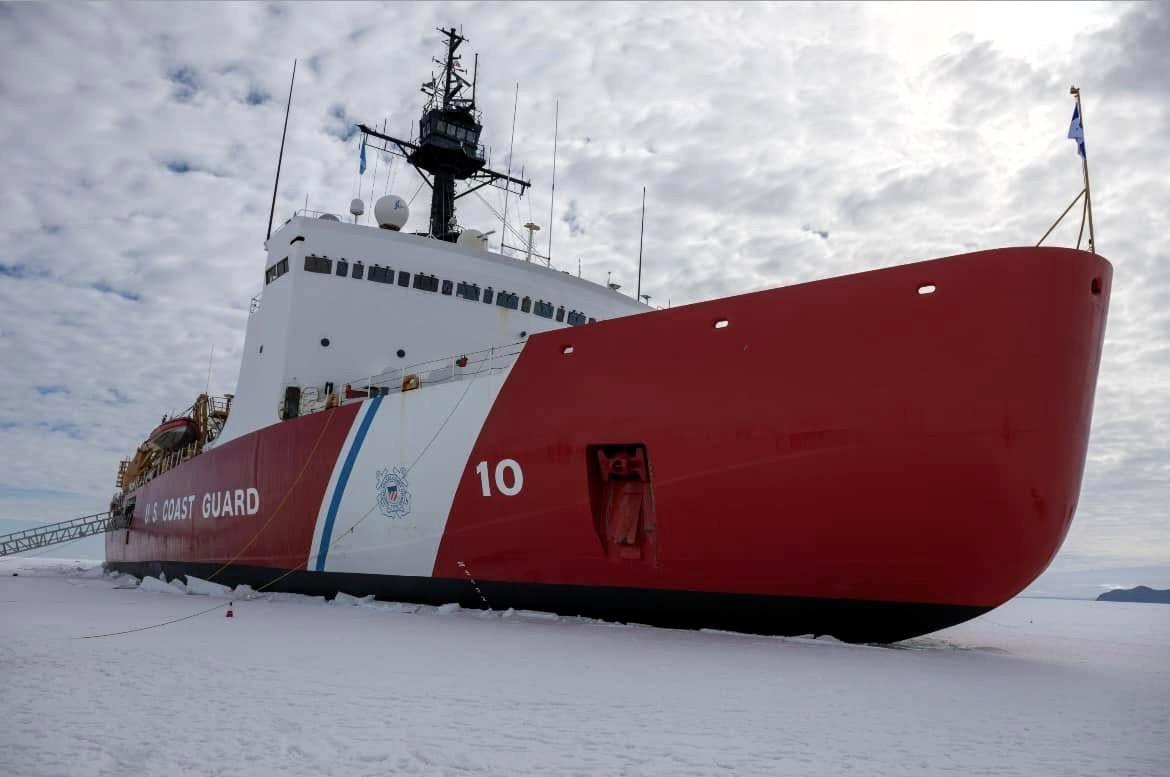
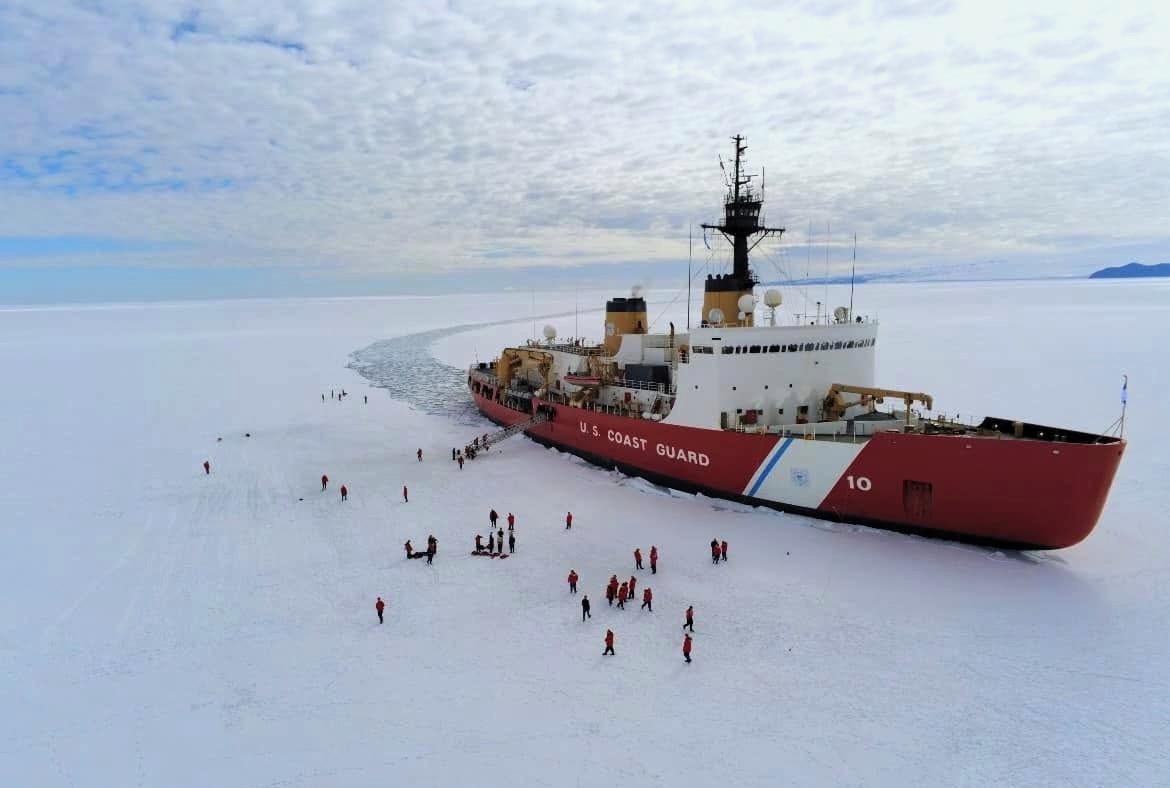
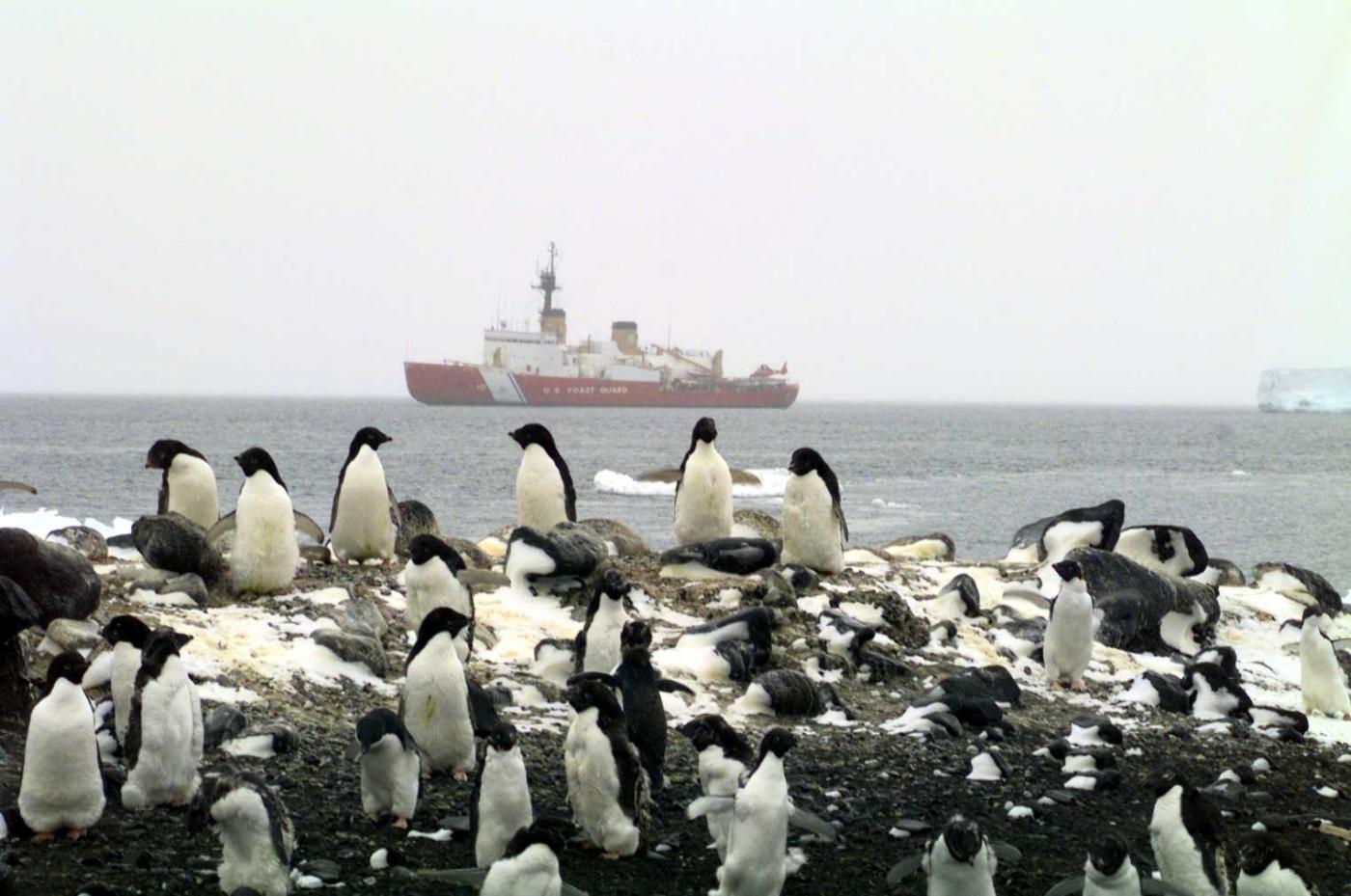
After 65 days operating south of the Antarctic Circle, the U.S. heavy icebreaker USCGC Polar Star (WAGB 10) has completed its mission in support of Operation Deep Freeze 2025 and departed the Antarctic region.
worldwide coast guard news09 march 2025 | 08:17 | Source: Gazeta Morska | Prepared by: Kamil Kusier | Print
fot. U.S. Coast Guard
Operation Deep Freeze is an annual mission led by the U.S. Antarctic Program (USAP) in collaboration with the U.S. Department of Defense, supporting the National Science Foundation (NSF). The program advances U.S. commitments under the Antarctic Treaty, fosters international scientific cooperation, ensures the conservation of Antarctic resources, and promotes their sustainable management.
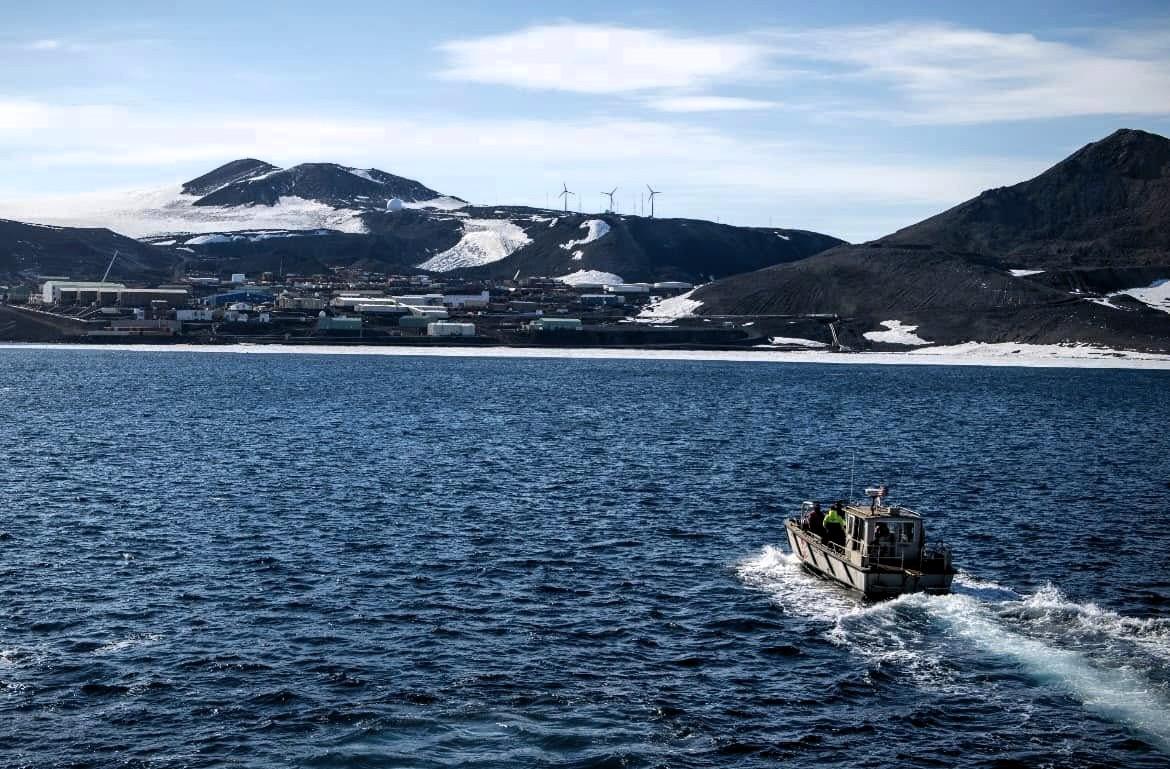
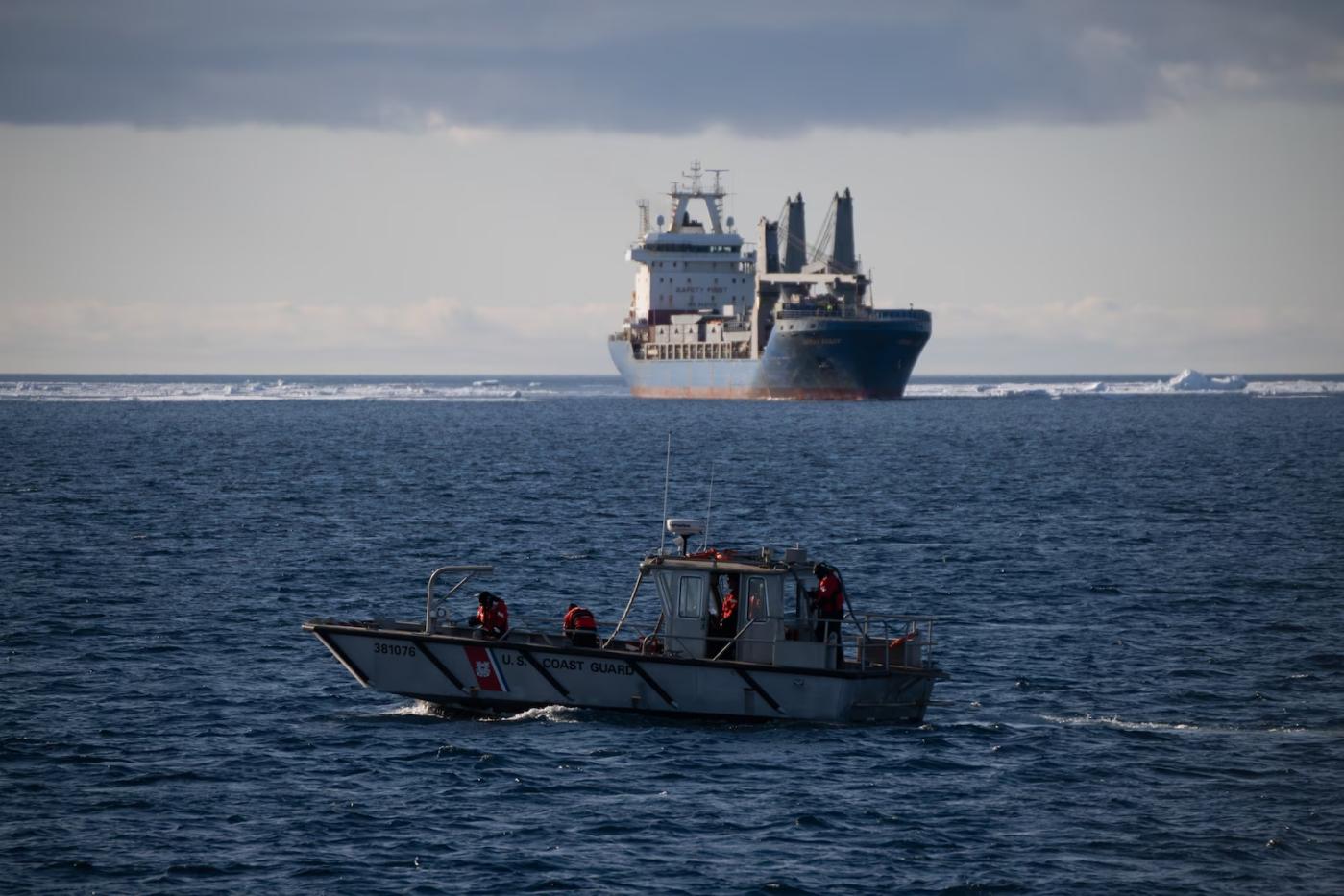
This highly complex mission involves strategic and tactical airlift operations, medical evacuation support, search and rescue capabilities, sealift logistics, seaport access, bulk fuel delivery, and port cargo handling. Polar Star’s primary task was icebreaking in McMurdo Sound, ensuring a navigable passage for supply vessels servicing both the U.S. McMurdo Station and New Zealand’s Scott Base.
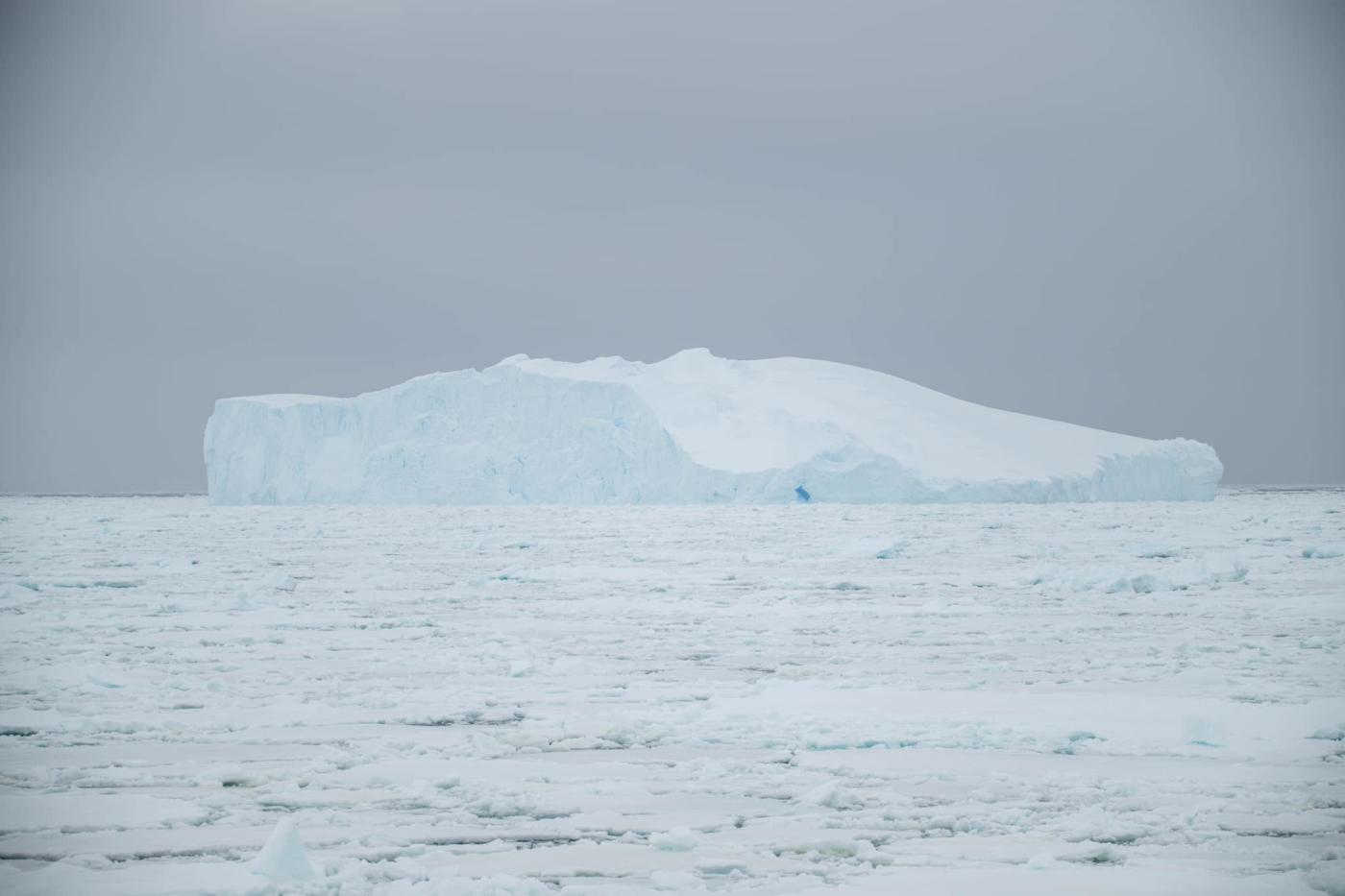
- This year, the sea ice conditions in McMurdo Sound were exceptionally light, a welcome change from last year’s extreme conditions, said Capt. Jeff Rasnake, commanding officer of USCGC Polar Star. - Operation Deep Freeze presents significant challenges, particularly when maintaining and operating a 49-year-old ship on such a demanding mission. However, our meticulous deployment planning allowed us to take full advantage of favorable conditions, keeping ahead of developments without overexerting the cutter or the crew. That planning made a major difference.
During the mission, Polar Star conducted a crew exchange with the Royal New Zealand Navy’s replenishment vessel HMNZS Aotearoa, further emphasizing the importance of international defense cooperation in Antarctic operations.
The icebreaker also supported the Commission for the Conservation of Antarctic Marine Living Resources (CCAMLR), becoming the first U.S. surface asset to assist in monitoring fishing activities and safeguarding marine resources in the Southern Ocean.
- Each deployment to Antarctica requires precise planning and coordination due to the extreme and unpredictable environment, Jeff Rasnake added. - The joint-agency collaboration within Joint Task Force – Support Forces Antarctica this year was outstanding and upheld the proud tradition of U.S. military support for the U.S. Antarctic Program, ensuring security and stability in the region.
Since departing its Seattle homeport in November, USCGC Polar Star has covered nearly 16,000 nautical miles, with port calls in Honolulu, Sydney, and McMurdo Station. The crew marked the vessel’s 49th anniversary with a visit to Cape Polar Star in the northern Ross Sea—named after the icebreaker in recognition of its scientific contributions during Operation Deep Freeze 86.
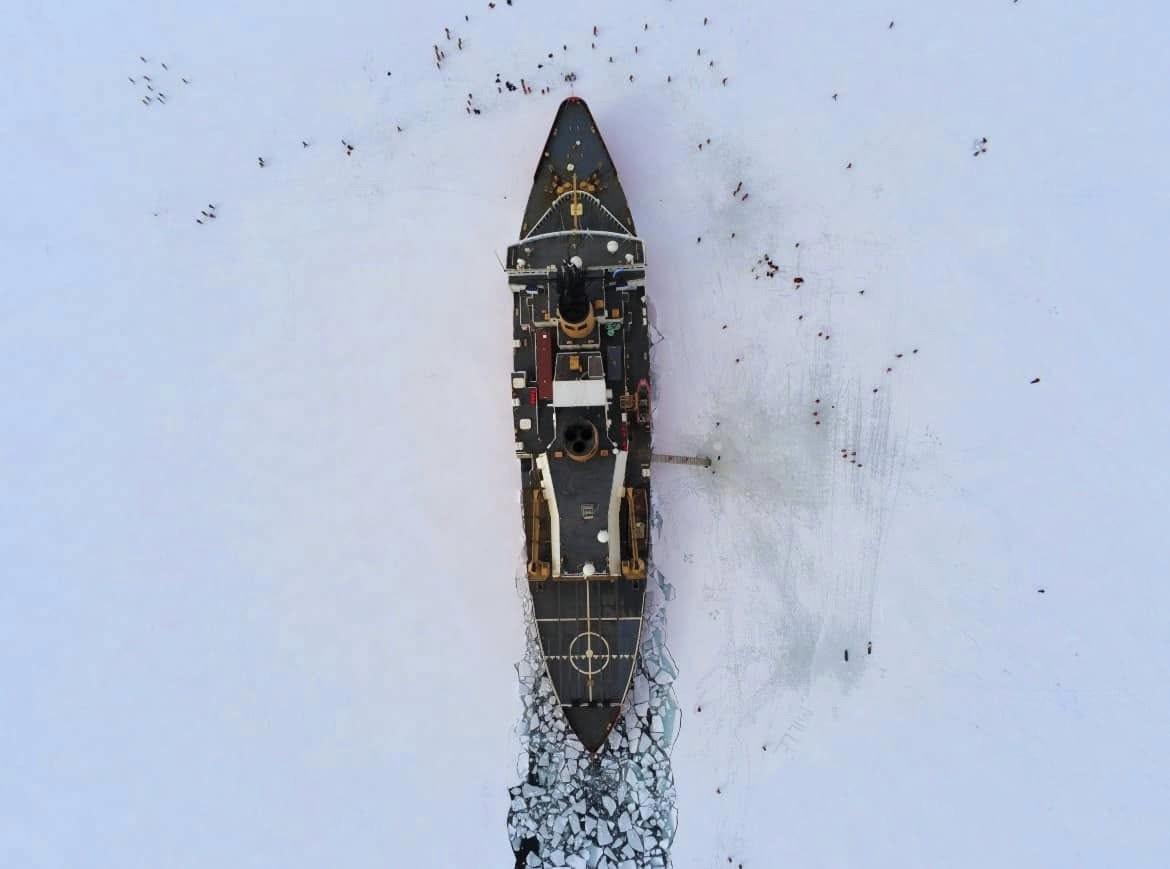
USCGC Polar Star remains the United States’ only icebreaker capable of operating in both polar regions. The Seattle-based cutter, commissioned in 1976, is 399 feet (122 meters) long, 84 feet (25 meters) wide, with a 34-foot (10-meter) draft. Powered by six diesel engines and three gas turbines generating up to 75,000 horsepower, it remains a critical asset for U.S. operations in the world’s most extreme maritime environments.
Buy us a coffee, and we’ll invest in great maritime journalism! Support Gazeta Morska and help us sail forward – click here!
Kamil Kusier
redaktor naczelny
gallery

comments
Add the first comment
see also
From a German U-boat to the Scottish cliffs, fire from a Portuguese frigate. How NATO rehearses support from the se
Twenty-one metres wide, walls ninety metres high. A minehunter in the Corinth Canal
138 days in pirate hands. Sward sails on under escort while four hijacked ships remain off Somalia
A third companion for Leviathan. Indratus, the former Game Changer, leaves Oceanco after a refit
Italy uses its 95-year-old tall ship to promote the nation. Poland has Dar Młodzieży and a quarrel over a quay
USS Paul Ignatius docks in Stockholm. An American destroyer in the Swedish capital for the third time in four years
Batavia goes ashore. The Dutch show what to do with a ship no longer worth keeping afloat
Gdańsk and New York sign a letter of intent. US trade is growing, a direct service is missing
WB Group to transfer technology to Bulgaria's Optix. FONET, TOPAZ and COMP@N radios head for Panagyurishte
Dar Młodzieży is back in Gdynia after five months, two Atlantic crossings and three intakes of cadets
ADVERTISEMENT
ADVERTISEMENT