EUNAVFOR Atalanta escorts WFP vessel safely through Bab-el-Mandeb
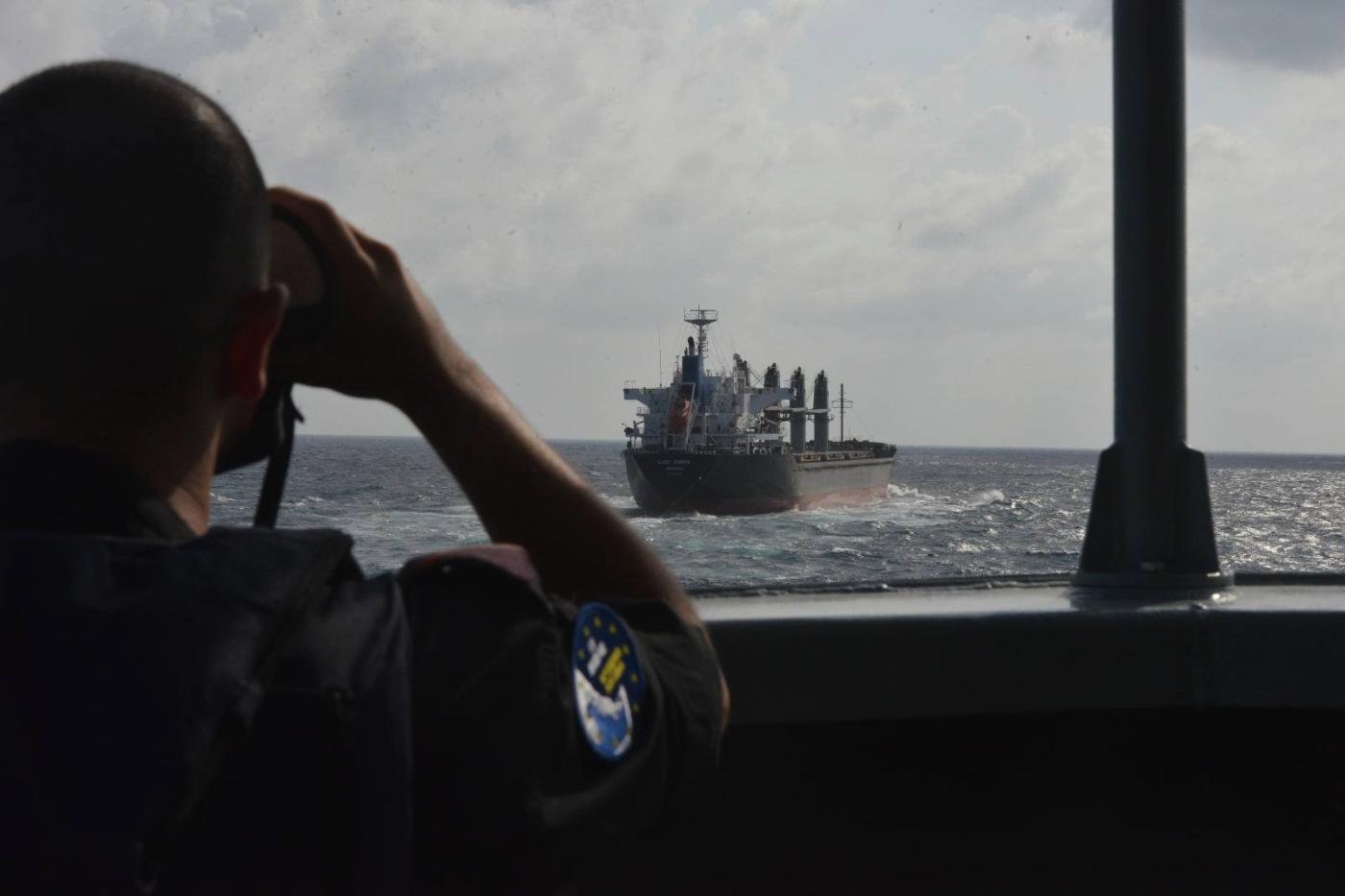
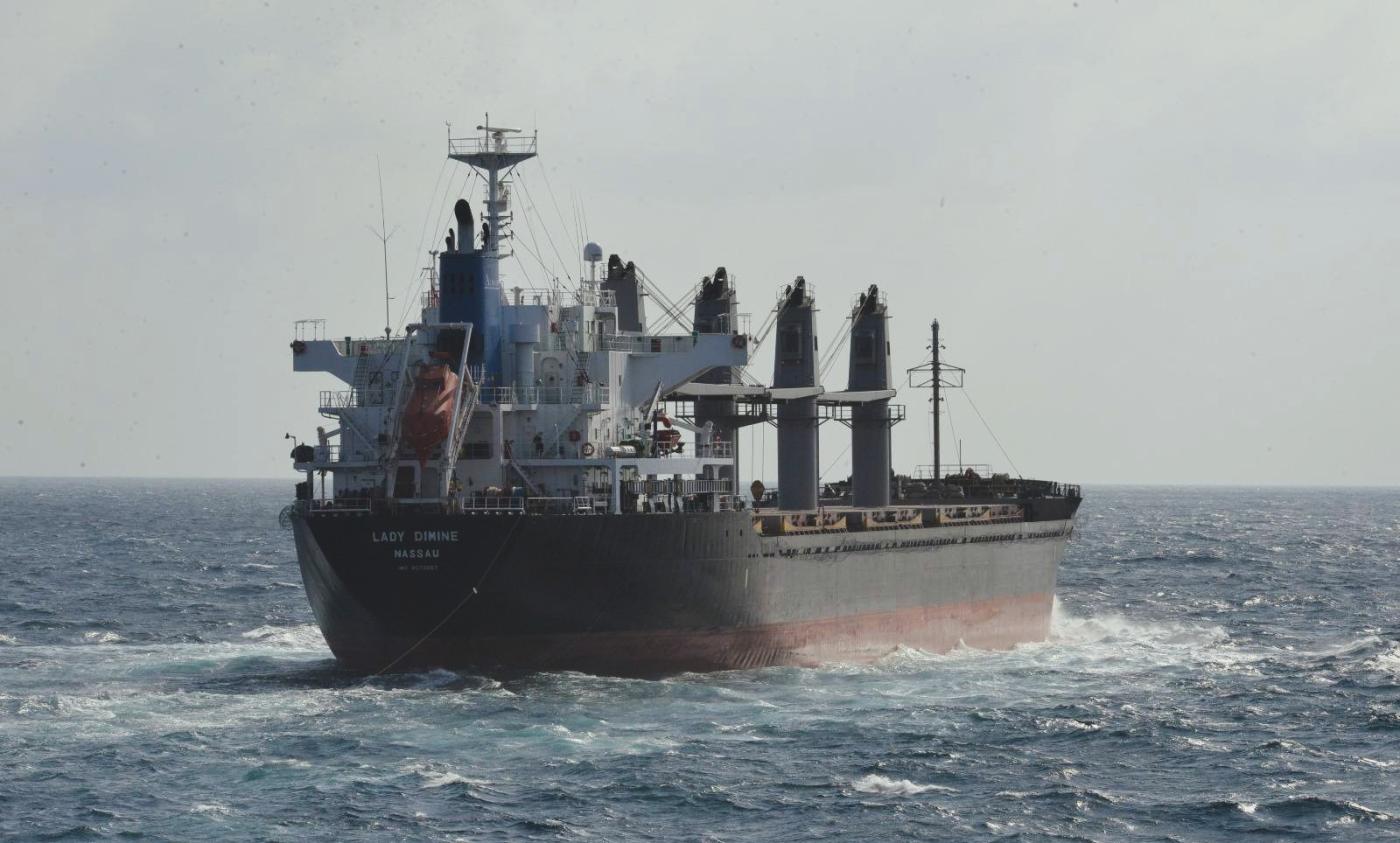
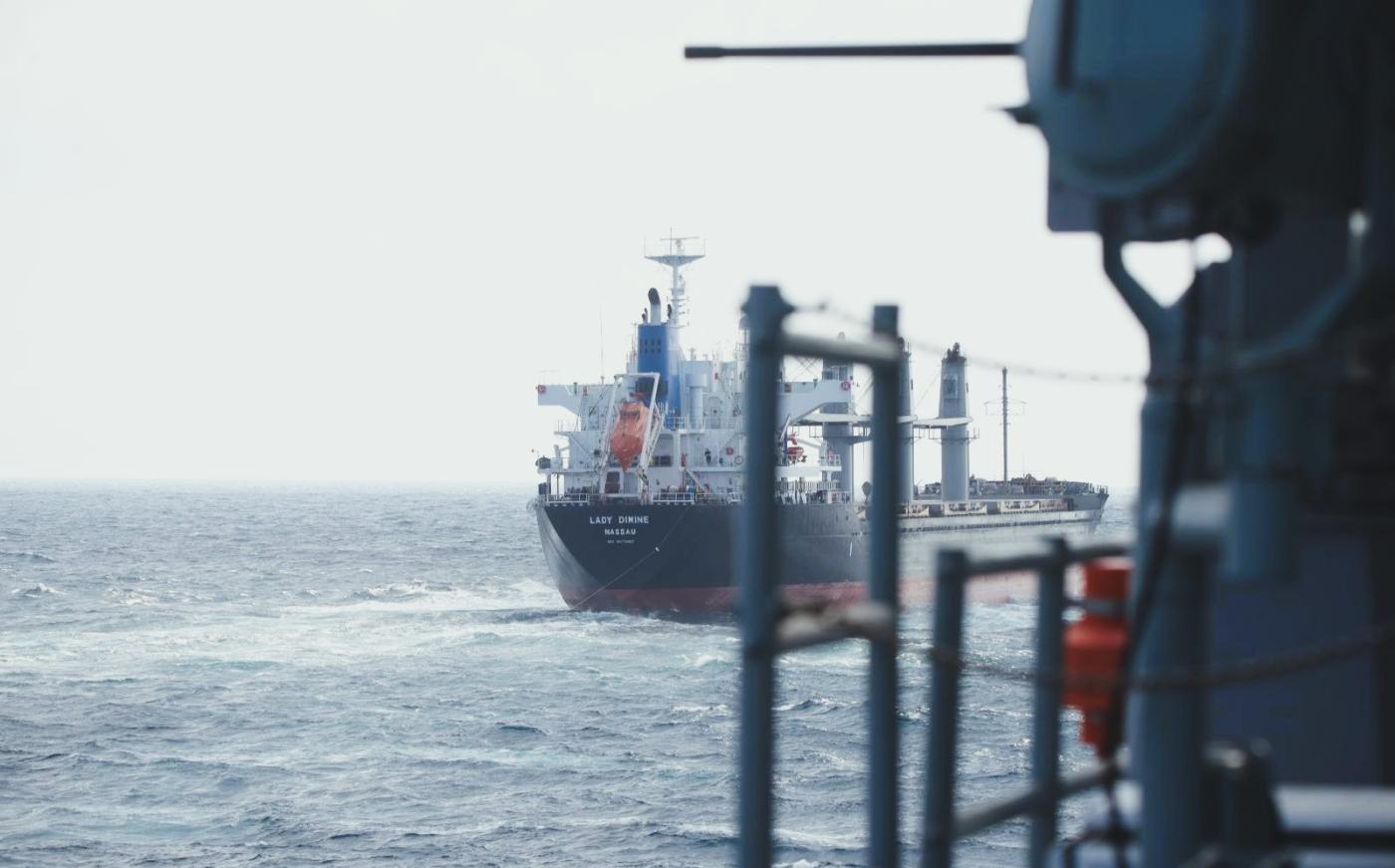
Between 6 and 7 December 2025, EU naval forces operating under EUNAVFOR Atalanta successfully conducted a high-risk escort operation for the World Food Programme (WFP). The merchant vessel Lady Dimine, transporting 12 tonnes of wheat to Yemen, completed her transit of the Bab-el-Mandeb Strait and arrived safely at the Port of Aden without incident.
security logistics navy worldwide nato transport and forwarding news08 december 2025 | 07:11 | Source: Gazeta Morska | Prepared by: Kamil Kusier | Print
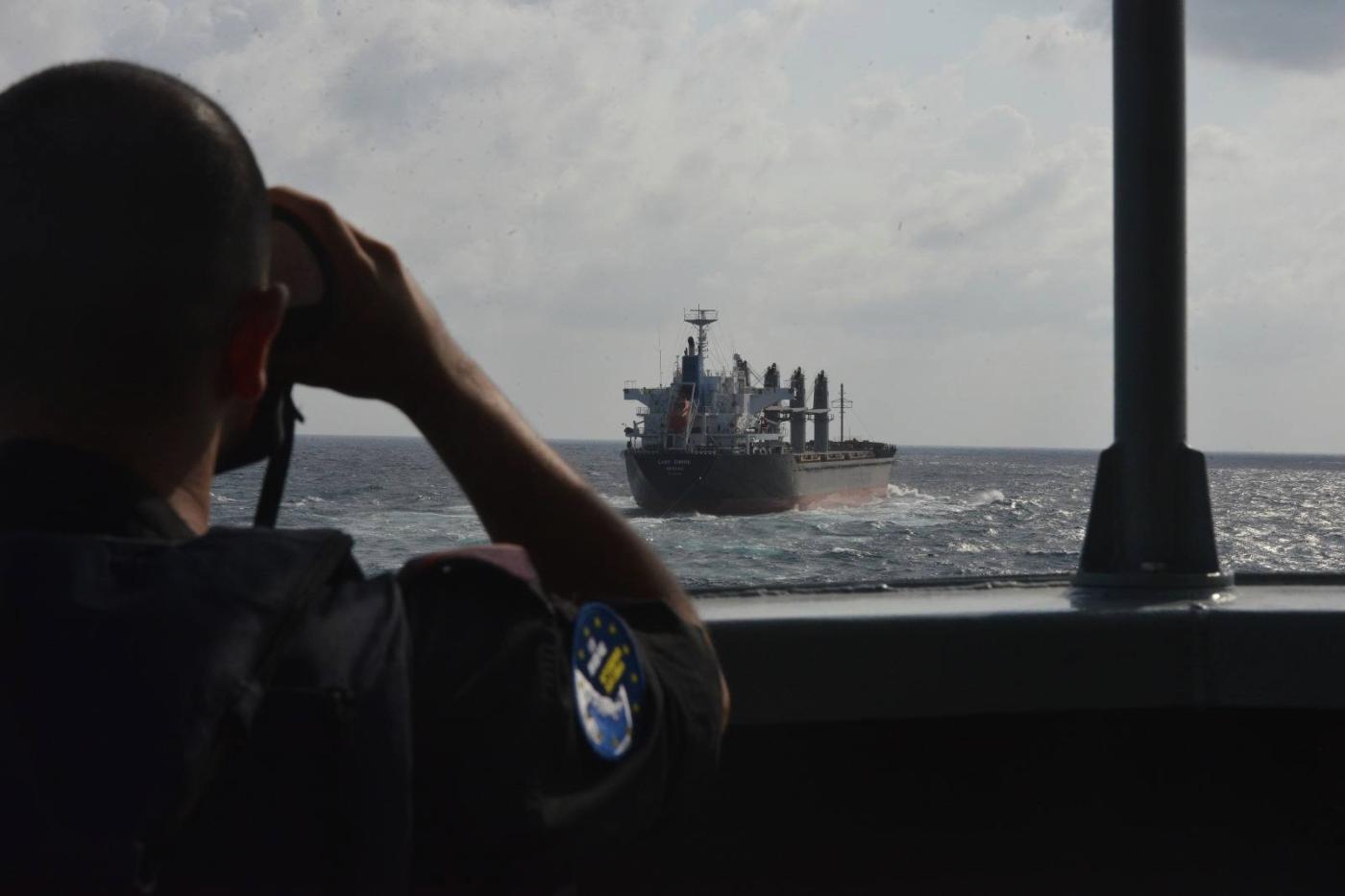
fot. EUNAVFOR
Heightened risk leads to immediate operational response
The escort was triggered after 5 December alerts reported attempted attacks against commercial shipping in the southern Red Sea, prompting a raised threat assessment for the Gulf of Aden and, in particular, the chokepoint of Bab-el-Mandeb.
Given the security volatility in the region—including maritime threats linked to the Yemeni conflict, irregular armed activity, and sporadic piracy—merchant ships engaged in humanitarian missions remain particularly vulnerable.
Flagship ESPS Victoria ensures secure transit
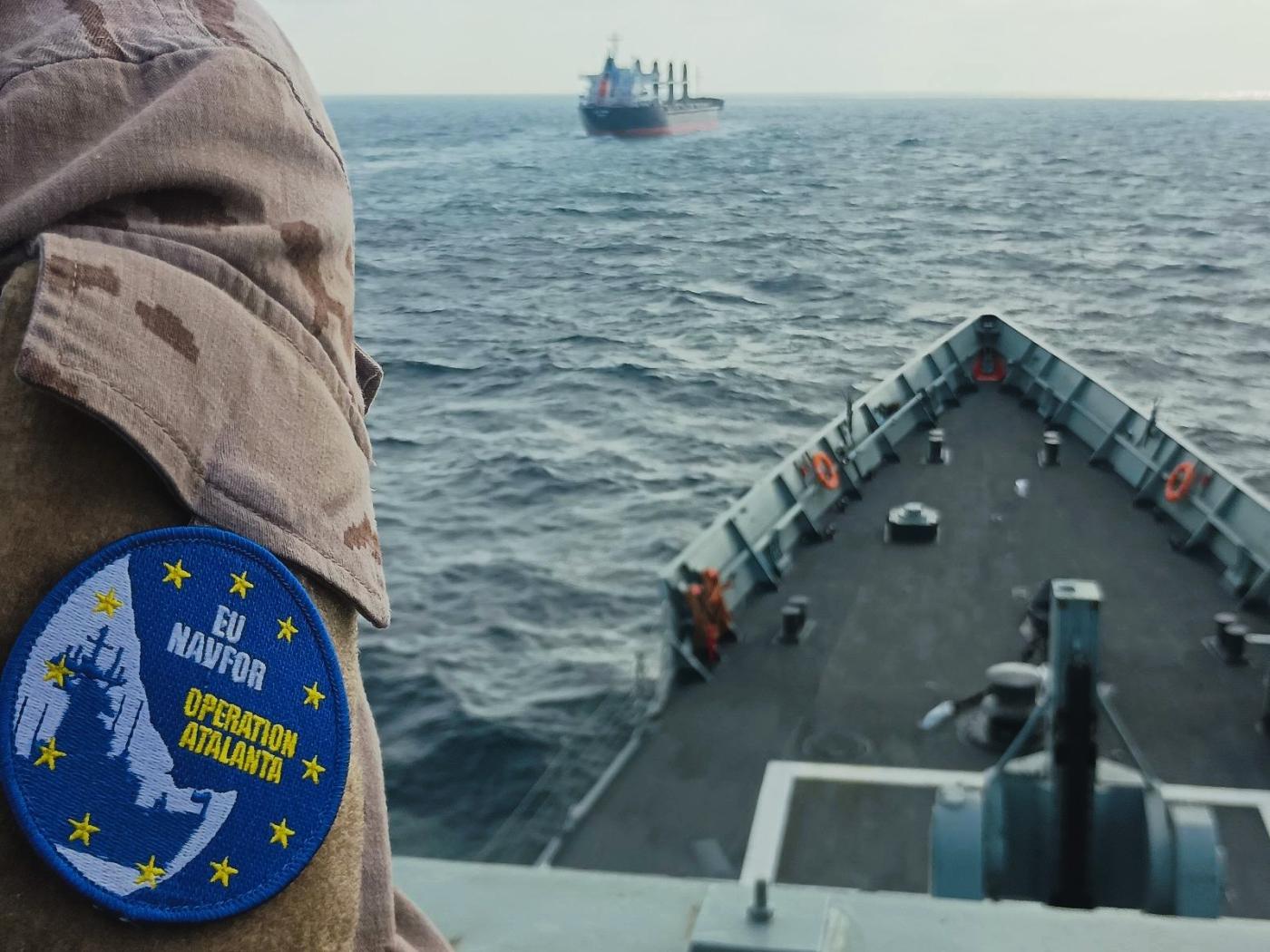
Responding to the increased risk, the Atalanta flagship, Spanish Navy frigate ESPS Victoria, was tasked with intercepting and escorting Lady Dimine as she approached the high-risk sector.
The escort operation, initiated on 6 December in the late afternoon, included:
- close protection navigation through the high-threat corridor,
- continuous surface and air surveillance,
- rapid-reaction readiness for potential hostile actions,
- tactical coordination with other maritime security stakeholders in the area.
The operation concluded on 7 December, when Lady Dimine entered Aden safely, enabling critical humanitarian supplies to reach Yemen’s civilian population amid ongoing shortages.
WFP vessel protection: a core mission since 2008
Protection of World Food Programme vessels is one of Atalanta’s primary executive tasks and remains central to its mandate. Since its launch in 2008, the mission has safeguarded over 2,500 vessels, enabling the delivery of more than 3.3 million tonnes of humanitarian cargo to ports in Somalia and the wider Horn of Africa.
This sustained record of performance is supported by permanent naval presence, coordinated information-sharing, and close cooperation with UN agencies. As the security environment in the Red Sea and Gulf of Aden has deteriorated over the past year, Atalanta’s humanitarian protection role has become even more strategically significant.
Strategic impact beyond a single mission
The safe transit of Lady Dimine underscores the continued importance of maritime security operations in maintaining stability along one of the world’s most critical trade and aid corridors. For Yemen—where conflict, food insecurity and infrastructure degradation remain severe—the uninterrupted flow of humanitarian shipments is essential.
For global shipping, the incident highlights the operational value of a capable naval security architecture. Bab-el-Mandeb remains a high-risk bottleneck, and the presence of EU maritime forces provides reassurance to commercial operators, insurers, and humanitarian actors alike.
A demonstration of operational credibility
The December escort operation once again demonstrates EUNAVFOR Atalanta’s ability to deliver effective, high-readiness maritime protection under challenging conditions. By ensuring the secure arrival of WFP cargoes, the mission reinforces both regional stability and the global humanitarian logistics chain.
Buy us a coffee, and we’ll invest in great maritime journalism! Support Gazeta Morska and help us sail forward – click here!
Kamil Kusier
redaktor naczelny
gallery
comments
Add the first comment
see also
"Let everyone know we will prevail". Poland’s armed forces set strategic course for 2026-2039
“Army 500” and strategic transformation: Poland sets the course for long-term deterrence and allied readiness
Medical evacuation from offshore vessel in the Baltic. Rescue 511 helicopter and m/s Huragan deployed
Karol Nawrocki: “The strength of the republic lies in its armed forces”. Security requires national unity
Human trafficking, money laundering, millions frozen. Successful operation by border guard and tax administration
Evening SAR operation in the Baltic. Two kitesurfers stranded offshore
Medical evacuation from sailing ship in Gdynia port. 17-year-old safely transported
Medical evacuation from Danish-flagged vessel Skoven off Łeba. Joint SAR operation in the Baltic Sea
Almost 2.5 million travellers cleared in 2025 by the Maritime Border Guard
Frontex officers train with Polish Maritime Border Guard
ADVERTISEMENT
ADVERTISEMENT