Low-pressure volatility over the Baltic Sea. Dynamic start of the week followed by gradual stabilization
The final days of March bring a marked deterioration in weather conditions across the Polish coast and the wider Baltic Sea region. The current synoptic setup over Northern Europe favors the development of dynamic, convection-driven phenomena typical for the transitional period between winter and spring.
weather pomerania west pomerania tricity newsToday | 00:25 | Source: Gazeta Morska | Prepared by: Kamil Kusier | Print
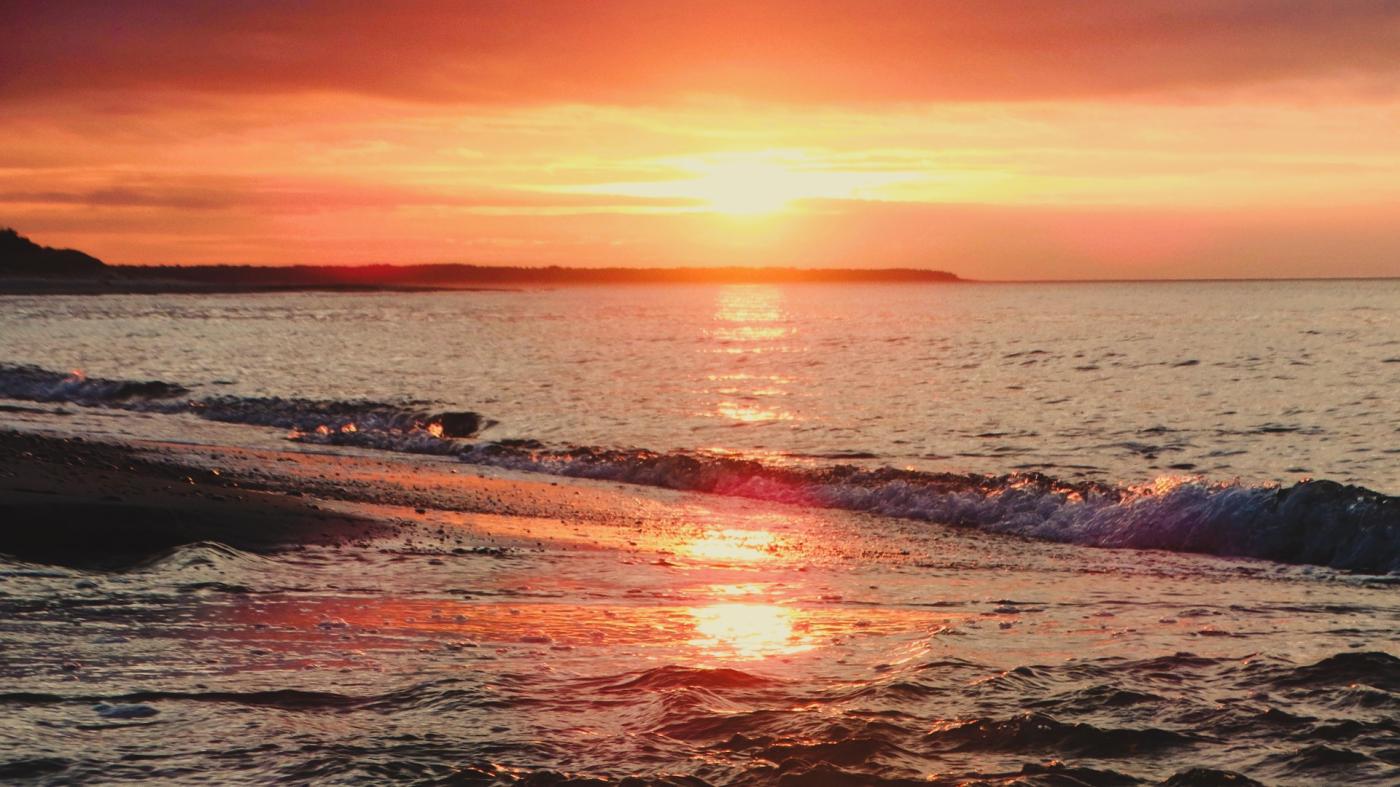
fot. Mariusz Jasłowski / meteo24.com.pl
Forecast analysis indicates the presence of a low-pressure trough accompanied by active atmospheric fronts, shaping highly variable and locally hazardous weather conditions across Pomerania and the coastal zone.
Frontal activity, convection and the Baltic effect
On Monday, the region remains under the influence of an unstable polar maritime air mass. The advection of cold, moisture-rich air from the northwest, combined with the relatively warmer surface of the Baltic Sea, enhances low-level thermal contrasts and supports convective development.
In practical terms, this translates into frequent, short-lived yet locally intense weather events. Along the coastal belt—including major hubs such as Gdańsk, Gdynia and the central and western coastline—conditions favor scattered showers, including mixed precipitation (rain and wet snow), graupel and isolated hail.
Under sufficient instability, isolated thunderstorms may develop. While still relatively uncommon for late March, such events are not unusual under strongly unstable conditions and highlight the transitional nature of the current atmospheric regime.
The Baltic Sea plays a critical role in amplifying these processes. Acting as a regional instability driver, it sustains convective cloud formation and increases the frequency and intensity of precipitation events in coastal areas compared to inland regions.
Wind conditions and operational impact
Wind remains a key operational factor throughout the period. Coastal zones are expected to experience gusts in the range of 40–60 km/h, with locally higher values within convective cells. Combined with daytime temperatures of approximately 4–8°C, this results in significantly lower perceived temperatures, often near freezing.
For maritime operations, this translates into elevated variability in sea conditions. Increased wind speeds contribute to higher wave activity, while intense but short-lived precipitation may temporarily reduce visibility—relevant for both navigation and port-side operations.
Tuesday: continuation of unstable conditions with reduced intensity
Tuesday will see a continuation of unsettled weather, though with slightly reduced intensity. Showers and variable cloud cover will persist, with occasional clear spells. The risk of thunderstorms remains present but significantly lower compared to Monday.
Cold air advection continues to dominate, limiting temperature recovery and maintaining a narrow diurnal range. Overall, conditions remain typical for a transitional and unstable weather phase.
Mid- to late week: gradual stabilization
From Wednesday onwards, a gradual weakening of frontal influence is expected. Weather conditions will begin to stabilize, although intermittent showers and cloud cover will still occur. Convective activity will be less pronounced, and longer periods of sunshine are likely.
The most favorable window is projected for Friday and Saturday, when a temporary ridge of high pressure may bring calmer conditions, reduced precipitation and more sunshine. However, temperatures along the coast are expected to remain moderate, generally not exceeding 10–11°C.
Implications for the maritime sector
The described weather pattern is characteristic of the Baltic transitional season, where residual winter dynamics interact with emerging springtime processes. For the maritime sector, this period requires heightened attention to short-term forecasts and real-time weather developments.
Key operational considerations include:
- gusty and variable wind conditions,
- temporary visibility reductions due to convective precipitation,
- short-duration but intense weather events,
- elevated sea state during the early part of the week.
Despite anticipated improvements later in the week, a fully stable pattern is not expected. The broader synoptic environment over Northern Europe remains active, suggesting a continued risk of renewed dynamic conditions.
The beginning of the week across the Baltic coast is marked by dynamic and, at times, severe weather, with peak activity on Monday. A gradual stabilization trend is expected in the following days, though without a significant or sustained warming phase. For maritime stakeholders, this translates into continued operational caution, particularly during the early part of the week, and the need for flexible planning based on up-to-date meteorological data.
Buy us a coffee, and we’ll invest in great maritime journalism! Support Gazeta Morska and help us sail forward – click here!
Kamil Kusier
redaktor naczelny
comments
Add the first comment
see also
Weather on the Pomeranian coast. A week of winds and nighttime frosts
Mixed precipitation and coastal surge expected on Pomerania. Weekend brings brief weather improvement
February 2026 brings volatile winter weather to Poland and the Baltic Sea
Aurora borealis over the Baltic Sea: a space weather signal for the maritime industry
High-pressure dominance brings frost and snow during winter holidays
Snowstorms, storm surge risk and incoming thaw over the Baltic
Baltic Sea under prolonged storm regime as severe winter weather persists until New Year’s Eve
Storm surge, severe weather and winter instability affect the southern Baltic
A crisp and frosty Christmas morning in Ustka
Christmas period under strong high pressure: freezing fog and storm conditions over the Baltic Sea
ADVERTISEMENT
ADVERTISEMENT