Navantia strengthens its industrial bid in Sweden with LULEÅ-class frigate program
Navantia has significantly reinforced its industrial and political engagement in Sweden as part of its bid for the LULEÅ-class frigate program. On 10 December 2025, the Spanish shipbuilder hosted an in-depth industry cooperation event at the Embassy of Spain in Stockholm, bringing together more than 50 representatives from Swedish maritime and defence companies.
business maritime economy investments navy worldwide nato news14 december 2025 | 14:11 | Source: Gazeta Morska | Prepared by: Kamil Kusier | Print
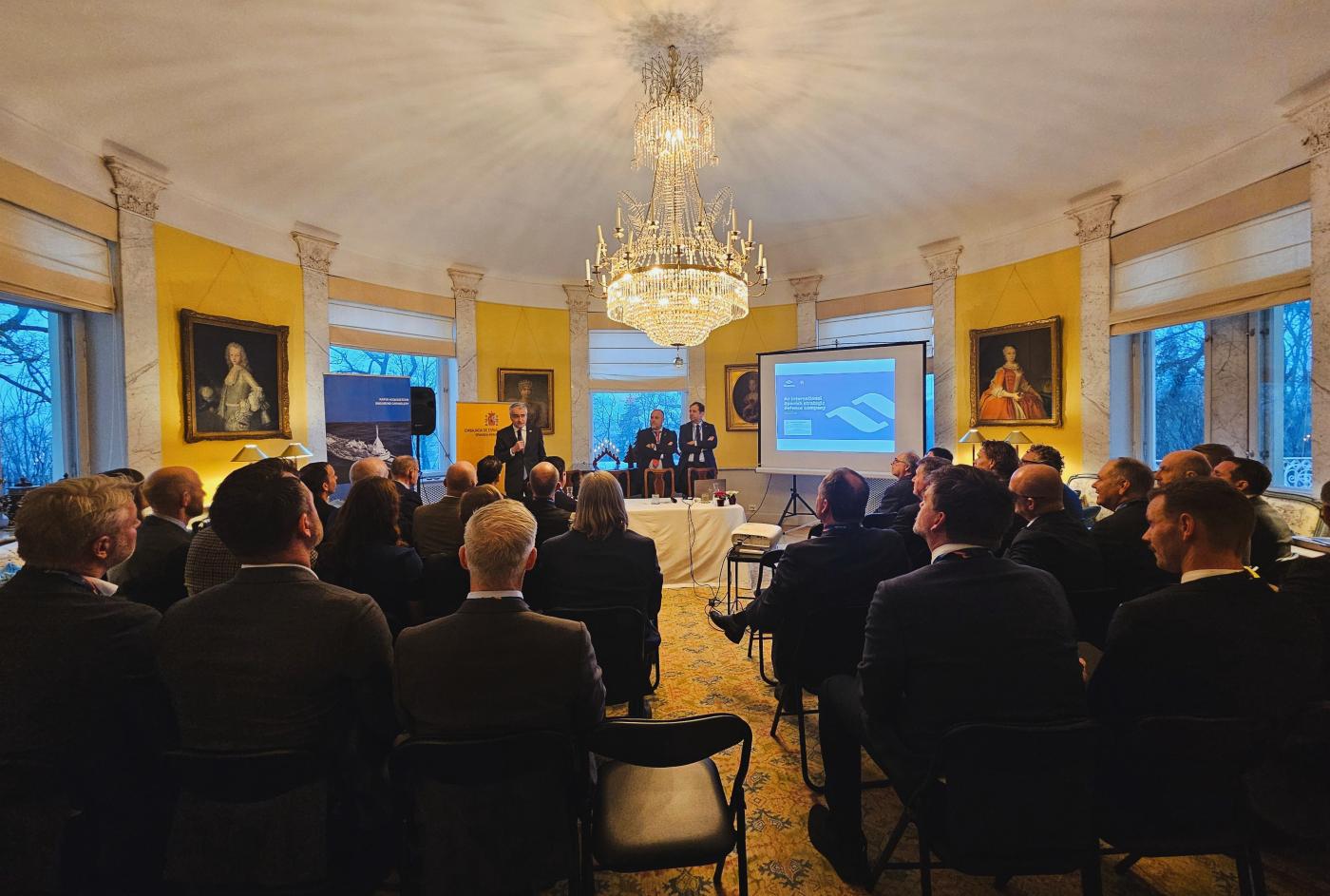
fot. Navantia
The event marks a strategic milestone in Navantia’s effort to position itself as a long-term partner for the Swedish Navy’s future surface combatant fleet.
LULEÅ program: a cornerstone of Sweden’s NATO integration
The LULEÅ program foresees the construction of four multi-role frigates, combined with a comprehensive local sustainment solution. These vessels are expected to deliver:
- full NATO interoperability,
- advanced air and missile defence capabilities,
- anti-surface and anti-submarine warfare,
- high availability in the Baltic Sea operational environment.
Following Sweden’s accession to NATO, the program has gained increased strategic relevance as part of the Alliance’s northern and Baltic deterrence posture.
Local industry as a strategic pillar
Navantia’s proposal is built around deep industrial cooperation with Swedish partners. During the event, the company signed two Letters of Intent with:
- Stockholm Repairyard
- Öresund Drydocks
These agreements aim to establish robust local capabilities for maintenance, repair, overhaul and lifecycle support, ensuring that the frigates remain operationally relevant throughout their service life.
Proven delivery model and lifecycle focus
According to Navantia’s Commercial Director Juan de la Cueva, the company’s value proposition is based on:
- delivery on time and on budget,
- a design tailored to Swedish operational requirements,
- a holistic lifecycle approach validated in international programs.
Navantia emphasises its experience in transferring know-how and integrating local supply chains, positioning itself as more than a platform provider.
Political backing and European defence dimension
The presence and active support of the Spanish Ambassador, Luis Manuel Cuesta Civís, underlines the political importance of the program. It highlights Spain’s commitment to strengthening European naval cooperation and reinforcing NATO-aligned industrial partnerships.
Strategic implications
The LULEÅ-class frigate program represents a decisive choice for Sweden’s naval future. Beyond fleet renewal, it will shape the country’s maritime industrial base, influence regional naval balance in the Baltic Sea, and set a precedent for multinational defence cooperation within NATO.
see also
Buy us a coffee, and we’ll invest in great maritime journalism! Support Gazeta Morska and help us sail forward – click here!
Kamil Kusier
redaktor naczelny
comments
Add the first comment
see also
Russian escort and U.S. oil chase: a new front in the North Atlantic. Implications for shipping and energy markets
The technical backbone of Poland’s maritime economy: from port fuel tanks to comprehensive support
ORLEN Petrobaltic: offshore expertise strengthening Poland’s energy security
Changing course of tankers: geopolitics, sanctions and a new map of crude oil trade
Keel laid for Poland’s FSRU Terminal: a floating pillar of energy security takes shape
Baltic Sea on the job. How Baltica 2 will transform the job market in Pomerania
ORLEN boosts domestic gas output with launch of the Różańsko field
Ekofisk investments strengthen ORLEN’s position on the Norwegian Continental Shelf
ORLEN and WB Group strengthen cooperation to enhance the security of critical infrastructure in the Baltic region
PGE and Ørsted*Enprom for commissioning of Baltica 2 onshore substation
ADVERTISEMENT
ADVERTISEMENT