ORLEN Petrobaltic: offshore expertise strengthening Poland’s energy security
Offshore production of oil and gas from beneath the Baltic Sea seabed plays an important role in strengthening the independence of Poland’s domestic energy sector. The operations of ORLEN Petrobaltic also provide a foundation for the development of new coastal industries, including offshore wind power.
business power engineering maritime economy offshore news05 january 2026 | 11:42 | Source: Gazeta Morska | Prepared by: Kamil Kusier | Print
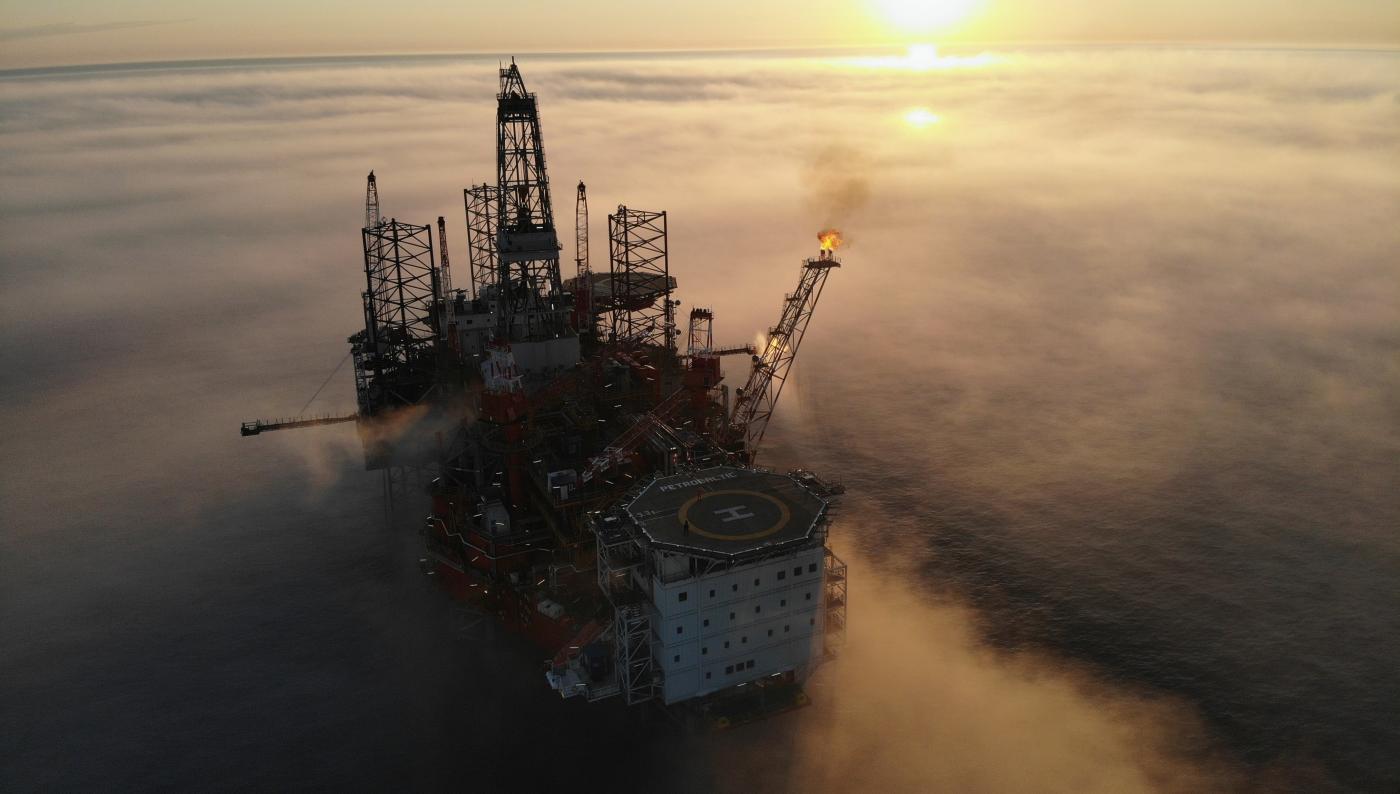
fot. ORLEN Petrobaltic
In today’s debate on energy security, attention is mainly focused on large-scale projects, import routes and new technologies. Much less is said about the importance of local hydrocarbon production, particularly offshore. Meanwhile, for decades the Polish offshore sector has been supplying the national economy with resources from domestic fields, independently of external logistical or political disruptions.
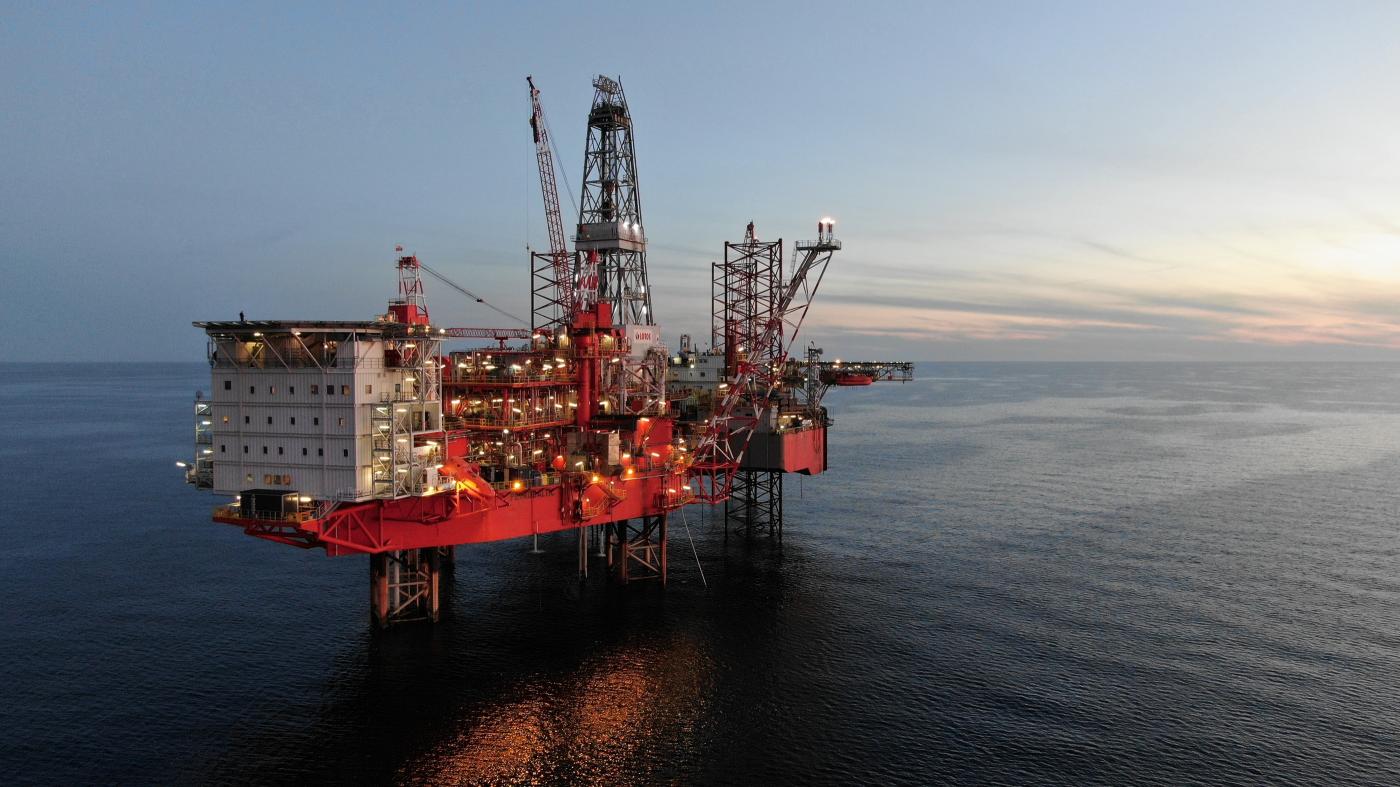
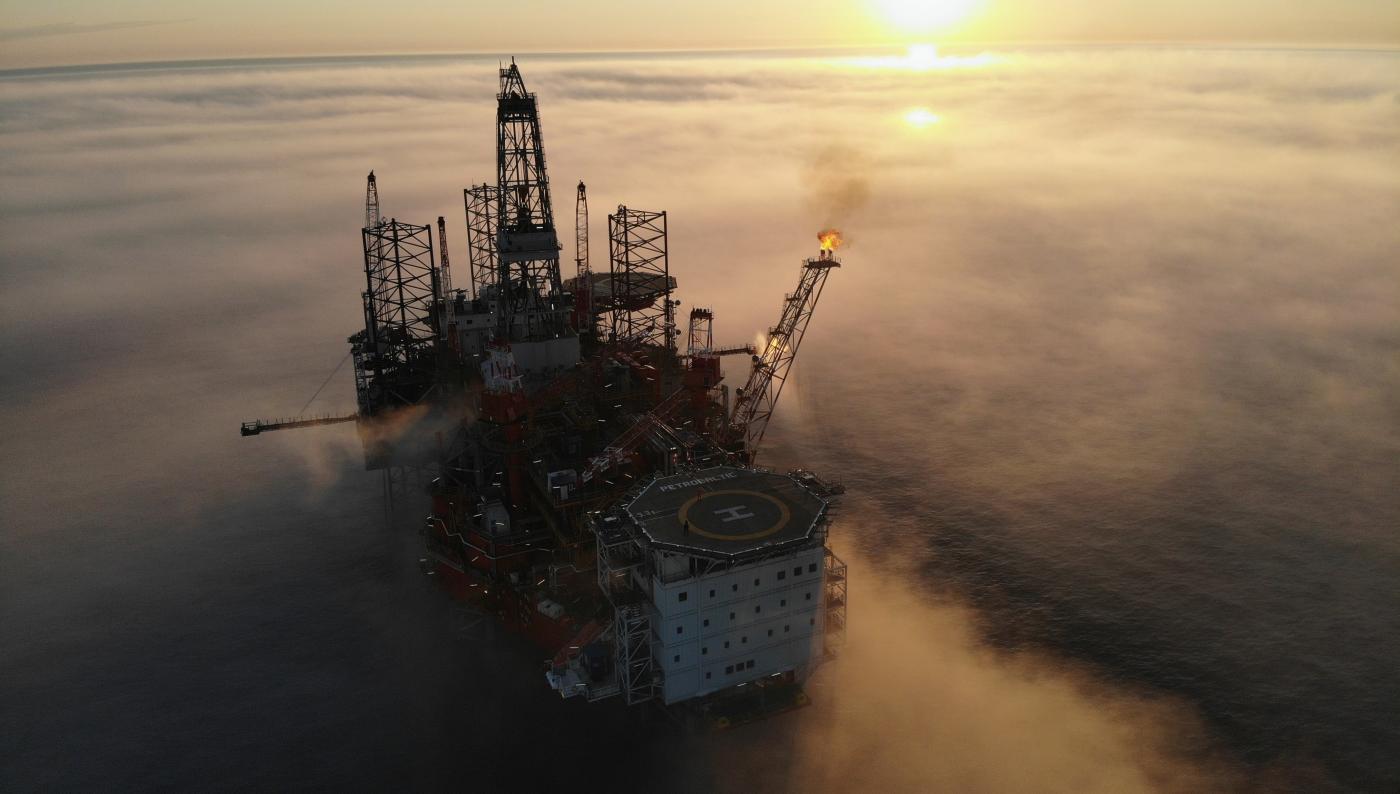
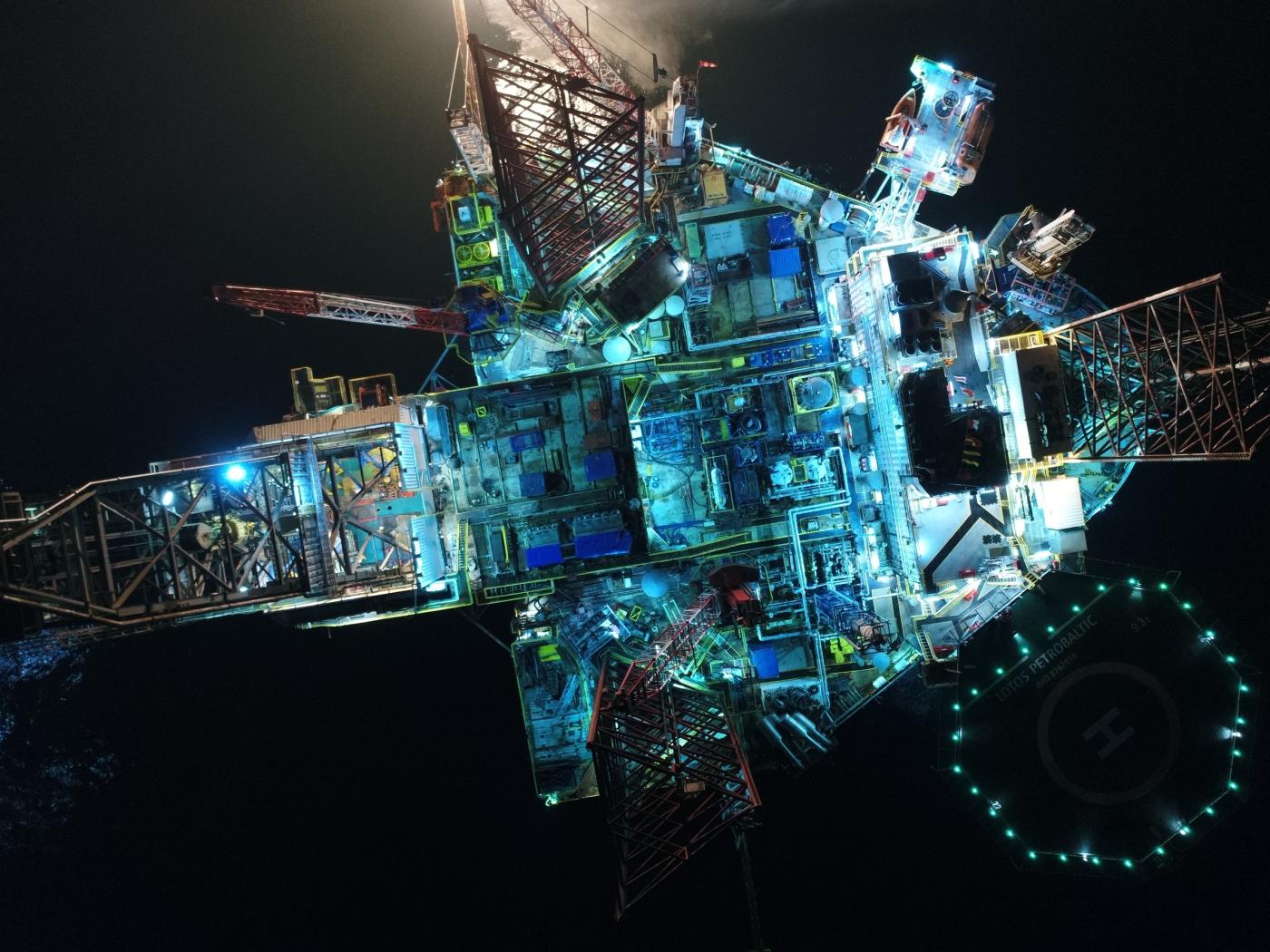
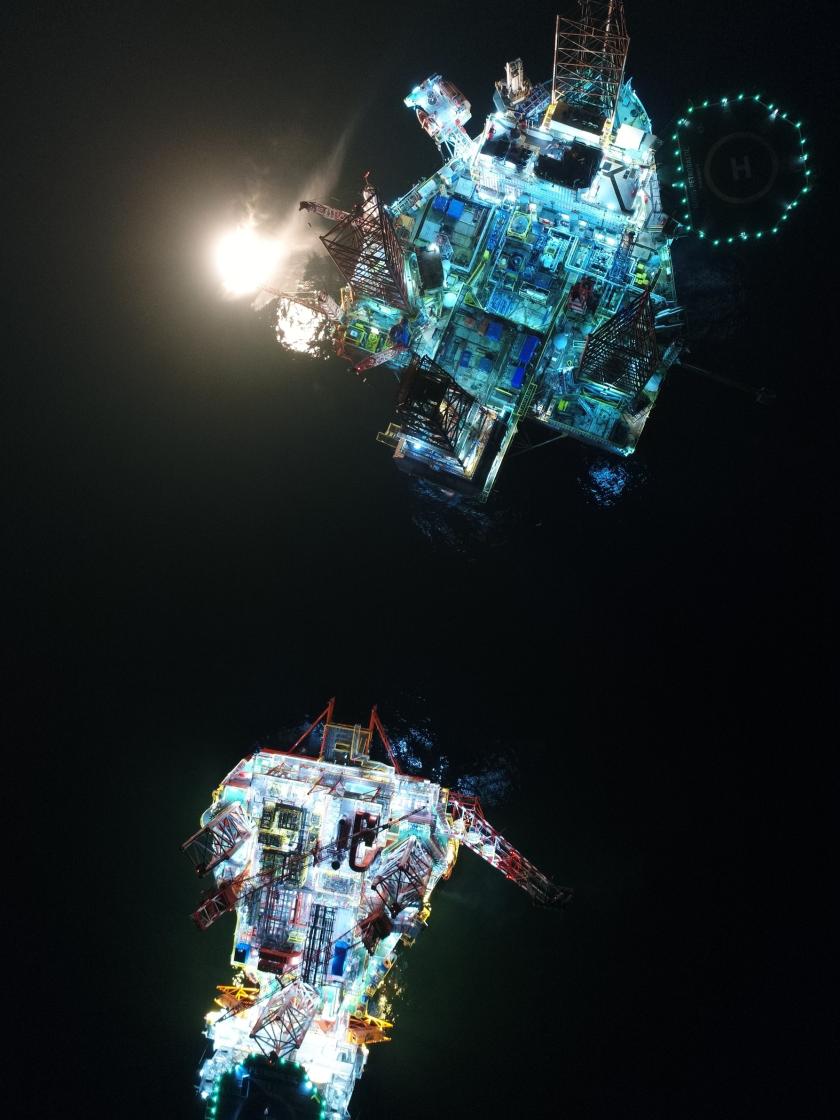
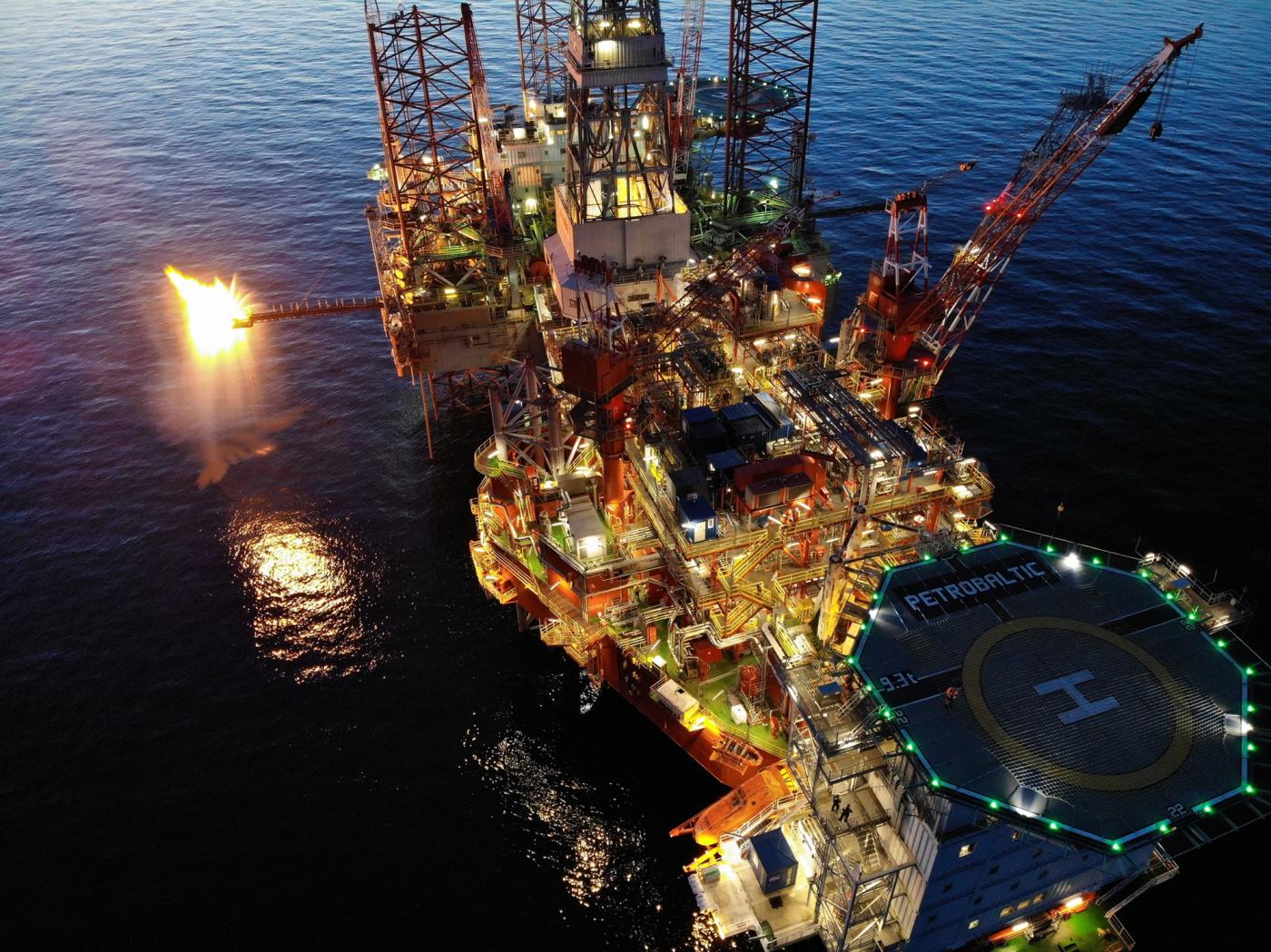
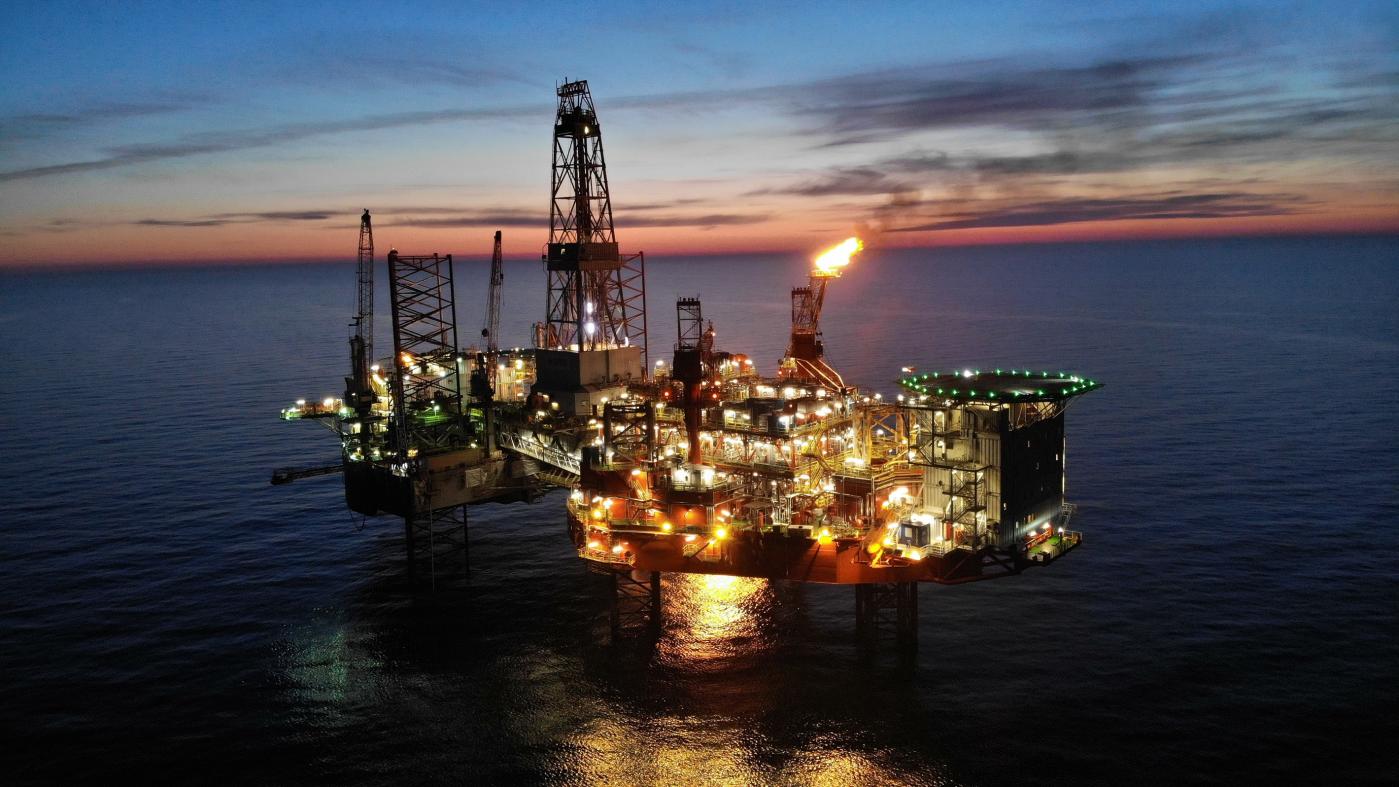
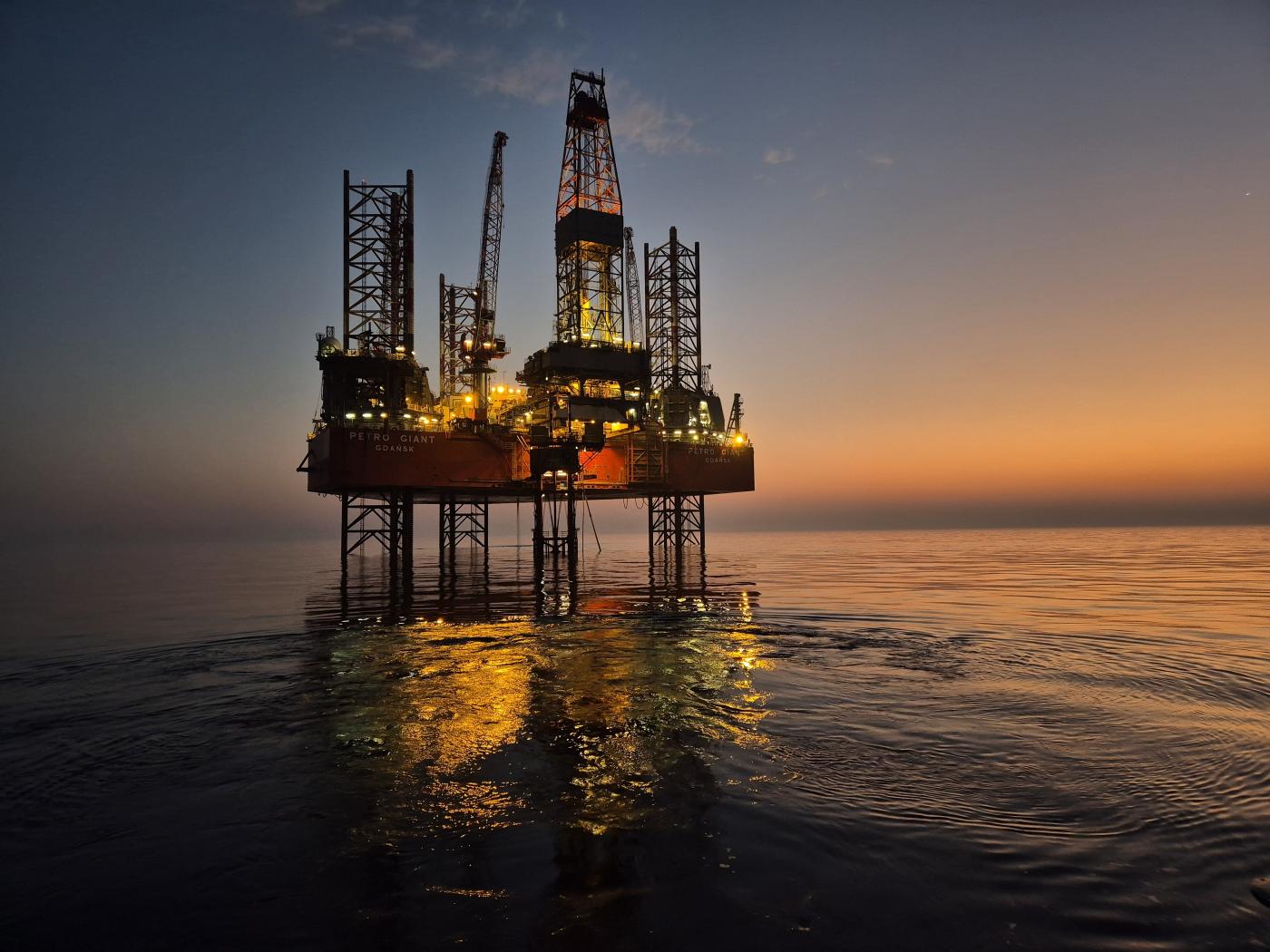
ORLEN Petrobaltic, a company that has been operating in the Baltic Sea for 35 years, carries out oil and gas production using five offshore platforms: two drilling units and three production platforms, including the unmanned PG-1 facility. Offshore operations are supported by tugboats, surveillance and rescue vessels, tankers, as well as an onshore base with a transshipment quay in Gdańsk. This infrastructure is essential not only for oil and gas production, but also for the execution of other offshore projects.
The Baltic Sea: challenging but predictable
The Baltic Sea is one of the most environmentally sensitive and heavily regulated maritime areas in Europe. Its shallow waters, limited exchange with the open ocean and intensive economic use mean that the Baltic ecosystem requires special protection. This translates into very high operational standards in the offshore industry.
- In its operations, ORLEN Petrobaltic places particular emphasis on minimising environmental impact, says Wiesław Prugar, President of ORLEN Petrobaltic and ORLEN Management Board Member responsible for Upstream. - One example is the way associated gas is managed. Instead of being flared, it is transported via a subsea pipeline to Władysławowo, where it is supplied to a combined heat and power plant located close to the shoreline. The gas is then used to generate electricity and heat for local communities.
Offshore: an invisible asset
The greatest value of ORLEN Petrobaltic lies not only in its installations or licences, but in its people and know-how, developed over decades of offshore operations. Each platform, well and service operation contributes to building the skills of both employees and the organisation as a whole.
In Baltic Sea conditions, technical and operational culture is of particular importance. Responsibility for the safety of personnel, infrastructure and the marine environment must be based on precise procedures, continuous monitoring and high-quality engineering support.
- Exploration and production of hydrocarbons from beneath the seabed require highly specialised competencies and infrastructure, adds Wiesław Prugar. - These capabilities are also applicable to offshore wind projects. In 2025, ORLEN Petrobaltic, together with another ORLEN Group company, Geofizyka Toruń, carried out geological surveys of the Baltic seabed within the concession area of the Baltic East offshore wind project.
The works are being conducted offshore at depths of approximately 35 metres and are scheduled for completion in 2025. The collected data will form the basis for the preliminary technical design of the offshore wind farm. When announcing the selection of Polish companies for the project, ORLEN emphasised its intention to maximise the involvement of domestic businesses in the implementation of strategic investments.
At that time, it was highlighted that the domestic value chain of the offshore wind sector is developing dynamically, and that the Baltic Power project — the first offshore wind farm in the Polish Baltic Sea — already relies on Polish companies for more than 20% of its scope.
ORLEN’s ambition, however, is to double this share during the implementation of the Baltic East project.
Offshore in times of transition
The energy transition is reshaping the offshore sector, but it does not eliminate the need for stable sources of energy and raw materials. The transition period requires operators capable of acting responsibly, efficiently and in close integration with other segments of offshore energy.
ORLEN Petrobaltic plans to expand its fleet of vessels dedicated to servicing offshore infrastructure, as well as transporting fuels and LNG. The company is also developing projects related to carbon capture and storage (CCS), involving the injection of CO₂ into geological formations beneath the seabed.
At the same time, ORLEN Petrobaltic is strengthening its capabilities in offshore wind servicing and acquiring new subsea and surface vehicles in preparation for the ongoing transformation of the energy sector.
There is no room for improvisation in the Baltic Sea. There is, however, ample space for professionalism, responsibility and long-term thinking. Together, these qualities ensure that Polish offshore mining remains an important — albeit often overlooked — pillar of the country’s energy system.
see also
Buy us a coffee, and we’ll invest in great maritime journalism! Support Gazeta Morska and help us sail forward – click here!
Kamil Kusier
redaktor naczelny
gallery
comments
Add the first comment
see also
StartupHack 3.0 at GPNT: Space and maritime technologies at the core of innovation
Polish technology powers zero-emission public transport. AREX secures largest municipal contract
Defence.Hub strengthens capabilities in technologies supporting maritime infrastructure security
Hanseatic Global Terminals takes full ownership of Florida International Terminal
Aleksandra Kosiorek: The sea has always been a space of openness for us, and that will not change
Gdańsk to launch Baltic Sea monitoring center
Türkiye advances indigenous GNSS ambitions: what FGN-100-D3 means for the maritime sector
Lithium at the core. TKMS and E3 Lithium align on Canada’s submarine ambitions
Błażej Konkol appointed vice president for infrastructure at the Port of Gdańsk Authority
WB Group expands into Romania, strengthening presence in the Black Sea region
ADVERTISEMENT
ADVERTISEMENT