Hapag-Lloyd to acquire ZIM for $4.2bn: strategic consolidation in the container shipping market
Hapag-Lloyd’s $4.2 billion acquisition of ZIM Integrated Shipping Services marks one of the most significant consolidation moves in the container shipping sector in recent years. The German carrier has agreed to acquire all outstanding shares of the Israeli liner operator for $35 per share in cash, representing a premium of approximately 58% to the pre-announcement trading price. The transaction remains subject to shareholder and regulatory approvals, including review mechanisms linked to Israel’s so-called “golden share.”
business maritime economy investments logistics worldwide transport and forwarding news20 february 2026 | 21:10 | Source: Gazeta Morska | Prepared by: Oskar Wojciechowski | Print
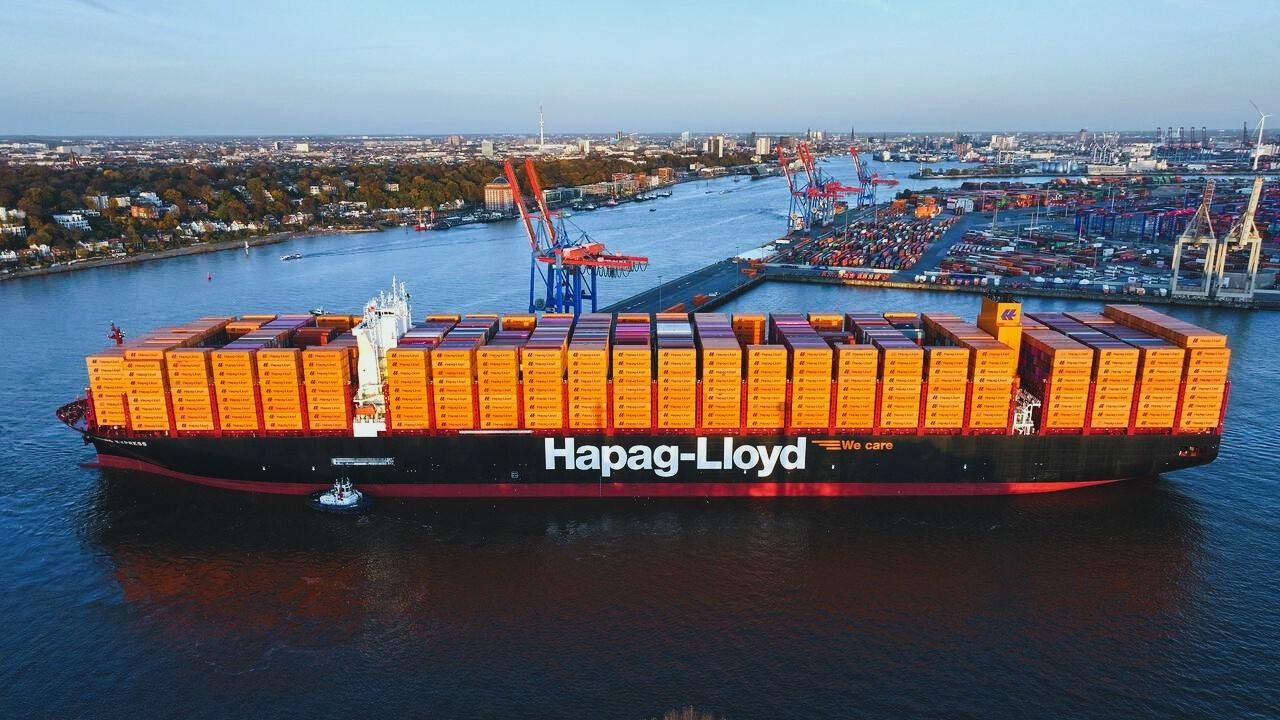
fot. Hapag-Lloyd
Official statements: strategic fit and network expansion
In its official release, Hapag-Lloyd CEO Rolf Habben Jansen emphasized the long-term strategic rationale behind the deal:
- ZIM is an excellent strategic partner for Hapag-Lloyd. Customers will benefit from a significantly strengthened network across key trades, including Transpacific, Intra-Asia, Atlantic, Latin America and the Eastern Mediterranean. We intend to build a strong and long-term presence in Israel.
Similarly, ZIM Integrated Shipping Services President & CEO Eli Glickman highlighted the value creation perspective:
- I am extremely proud of the strategic transformation ZIM has undergone in recent years, generating exceptional value for our shareholders. Until closing, both companies will continue to operate independently and conduct business as usual.
ZIM’s board described the agreement as the most compelling strategic alternative for shareholders and stakeholders alike.
What the Hapag-Lloyd - ZIM deal means for the global container market
Upon completion, Hapag-Lloyd’s fleet would exceed 400 vessels with a combined capacity of roughly 3 million TEU, further solidifying its position among the world’s leading liner operators.
The transaction reflects a broader structural shift in container shipping that has been underway since the collapse of Hanjin Shipping and accelerated during the pandemic freight rate boom. Major players such as MSC Mediterranean Shipping Company, Maersk and CMA CGM have pursued scale, vertical integration and geographic diversification to enhance resilience amid volatile rate cycles.
For Hapag-Lloyd, acquiring ZIM delivers:
- strengthened exposure to the Transpacific trade,
- deeper positioning in the Eastern Mediterranean,
- increased operational flexibility,
- potential cost synergies in chartering, procurement and network optimization.
In an environment shaped by declining spot rates, regulatory decarbonization pressures (EU ETS, FuelEU Maritime) and geopolitical disruptions in the Red Sea region, scale and financial robustness remain decisive competitive advantages.
Labor reaction: strike action in Israel
The announcement triggered a 48-hour warning strike by ZIM employees in Haifa. Labor representatives voiced concerns over:
- potential workforce reductions following integration,
- relocation of corporate functions outside Israel,
- changes in employment terms and conditions,
- dilution of ZIM’s national identity as Israel’s flagship carrier.
At this stage, no formal labor agreement has been announced. Management has indicated that dialogue with employee representatives is ongoing. Historically, post-merger integrations in liner shipping have tended to consolidate administrative and headquarters functions while maintaining operational continuity in trade lanes and port services.
Israel’s golden share and the "New ZIM" structure
A central element of the transaction is the Israeli government’s golden share mechanism, granting the state certain veto rights over strategic decisions. To address national interest considerations, part of ZIM’s operations is expected to be separated into a newly structured Israeli entity (“New ZIM”), tasked with safeguarding essential connectivity between Israel and global markets.
For Israel, ZIM represents more than a commercial operator; it is a strategic logistics asset, particularly given ongoing geopolitical volatility in the region.
What happens next?
Completion of the Hapag-Lloyd acquisition of ZIM will depend on:
- shareholder approval,
- antitrust and regulatory clearances,
- formal review under Israel’s golden share provisions.
If approved, the deal will rank among the most consequential container shipping transactions of the decade. It would further concentrate market power among a limited number of global liner operators and reinforce the structural trend toward consolidation in a sector increasingly defined by capital intensity, decarbonization investment requirements and network scale.
For the industry, the message is clear: the era of mid-sized independent carriers is narrowing, and competitive advantage is increasingly anchored in financial strength, trade network density and strategic geographic positioning.
Buy us a coffee, and we’ll invest in great maritime journalism! Support Gazeta Morska and help us sail forward – click here!
Oskar Wojciechowski
redaktor
comments
Add the first comment
see also
StartupHack 3.0 at GPNT: Space and maritime technologies at the core of innovation
Polish technology powers zero-emission public transport. AREX secures largest municipal contract
Defence.Hub strengthens capabilities in technologies supporting maritime infrastructure security
Hanseatic Global Terminals takes full ownership of Florida International Terminal
Aleksandra Kosiorek: The sea has always been a space of openness for us, and that will not change
Gdańsk to launch Baltic Sea monitoring center
Türkiye advances indigenous GNSS ambitions: what FGN-100-D3 means for the maritime sector
Lithium at the core. TKMS and E3 Lithium align on Canada’s submarine ambitions
Błażej Konkol appointed vice president for infrastructure at the Port of Gdańsk Authority
WB Group expands into Romania, strengthening presence in the Black Sea region
ADVERTISEMENT
ADVERTISEMENT