The Maritime Office in Słupsk returns: ministerial plenipotentiary to oversee reestablishment
After six years of absence from Poland’s maritime administration map, the maritime office in Słupsk is set to return as an independent governmental institution. The minister of infrastructure has appointed a dedicated plenipotentiary to coordinate the reactivation of the office, with Tomasz Bobin taking on this strategic role. Bobin is a seasoned administrator with direct experience in running the institution.
maritime economy politics pomerania ports newsToday | 17:02 | Source: Gazeta Morska | Prepared by: Kamil Kusier | Print
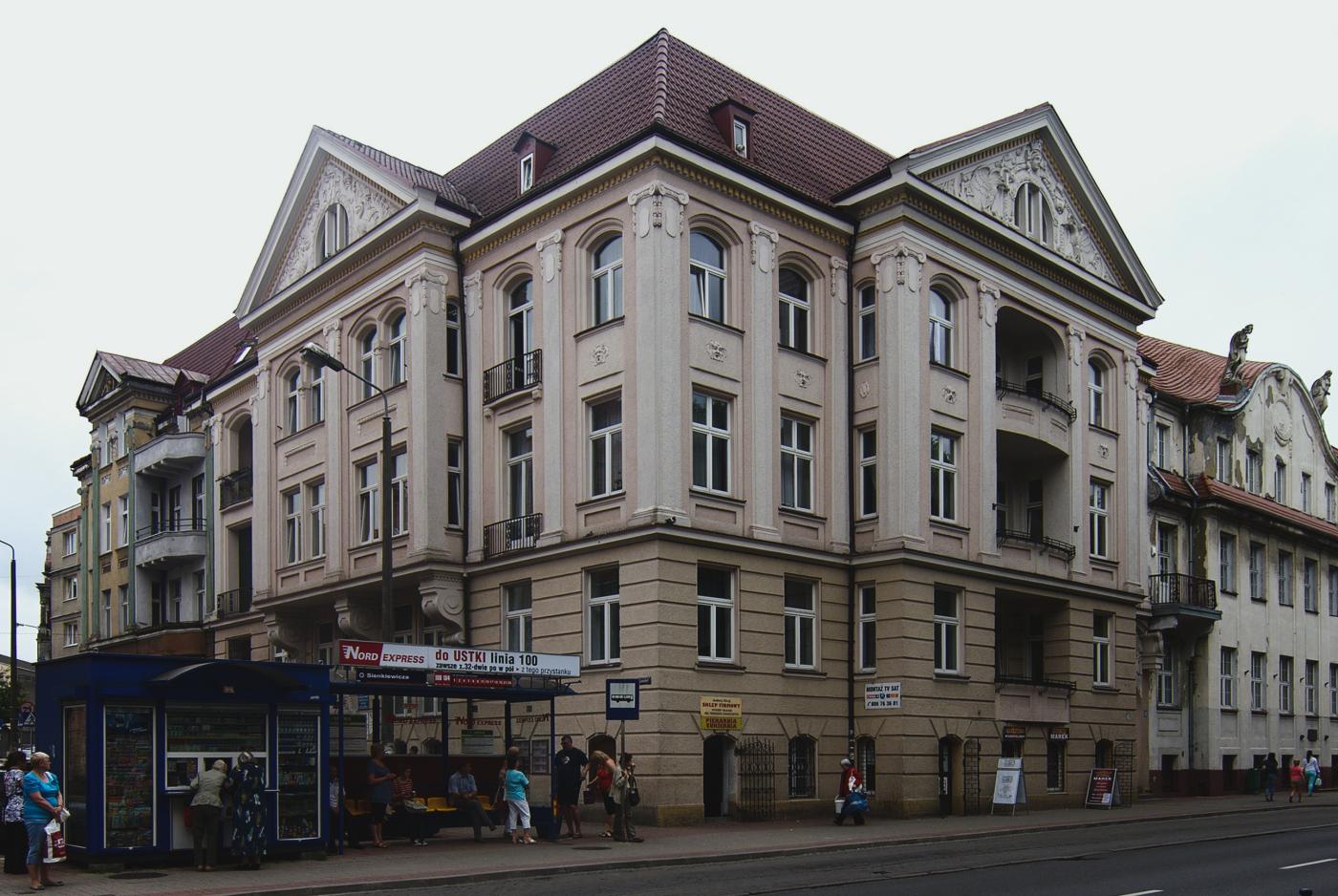
fot. wikimedia
Historical significance
Founded in 1954 as the Koszalin Maritime Office and later renamed the Maritime Office in Słupsk in 1975, the institution has historically played a crucial role in Poland’s maritime administration. Its responsibilities included supervision of middle-coast ports, marinas, and lighthouses, as well as coordination of safety and environmental protection measures along the Baltic Sea.
The Office’s jurisdiction historically spanned several counties—Lębork, Słupsk, Sławno, Koszalin, and Kołobrzeg—covering territorial waters and Poland’s exclusive economic zone in this sector of the Baltic. Its operational structure included port captaincies and marine stations responsible for ports such as Ustka, Darłowo, Kołobrzeg, Łeba, and Rowy.
Closure in 2020 – impacts on the sector
On April 1, 2020, the Maritime Office in Słupsk was officially dissolved, and its responsibilities were redistributed between the Maritime Offices in Gdynia and Szczecin, leaving only branch offices in Słupsk. This decision was controversial, sparking debate among maritime professionals, local governments, and industry stakeholders over potential disruptions in coastal management and maritime safety.
Reactivation and the role of the plenipotentiary
In early 2026, the Minister of Infrastructure appointed a plenipotentiary to oversee the reestablishment of the Słupsk Maritime Office. The plenipotentiary is tasked with coordinating the entire process—from legal and administrative preparation to cooperation with the existing offices in Gdynia and Szczecin.
Tomasz Bobin, former Director of the Maritime Office in Słupsk from 2010 to 2016, brings extensive experience in maritime administration to the role. His previous tenure involved overseeing port management, coastal protection, and operational activities, making him uniquely qualified to lead the office’s return.
Scope and future prospects
The reestablished Office is expected to resume operations by late April 2026, with responsibilities including:
- Management of middle-coast ports and marinas,
- Oversight of coastal protection initiatives,
- Supervision of maritime traffic and safety,
- Implementation of regional infrastructure investments.
Competences currently held by the Gdynia and Szczecin offices will gradually transition to the Słupsk Office, employing both returning staff and new specialists.
Strategic importance
Experts and regional authorities view the Maritime Office’s reactivation as a step toward decentralizing maritime governance and improving operational efficiency. The restored office will strengthen local expertise, streamline decision-making for investments, and enhance administrative support for maritime operators and coastal communities.
For the maritime sector, ports, entrepreneurs, and coastal communities, the return of the Słupsk Maritime Office represents not just institutional continuity but also a renewed opportunity for sustainable regional development backed by competent, localized administration.
Buy us a coffee, and we’ll invest in great maritime journalism! Support Gazeta Morska and help us sail forward – click here!
Kamil Kusier
redaktor naczelny
comments
Add the first comment
see also
Gdańsk - Karlshamn ferry route strengthens Baltic shipping network
Ukraine maintains a safe maritime corridor amid ongoing war
Local content strengthened amid rising market interest in Poland’s energy transition
Construction of Ratownik begins. PGZ Stocznia Wojenna lays keel of a new pillar of Baltic security
Port of Gdańsk’s T5 terminal advances as key installation hub for Baltica 2 offshore wind project
Connecting Poland with Sweden for 50 years: Polferries on the Baltic, past, present, and future of shipping
Port of Gdynia surpasses 1 million TEU for the first time in history
Shipbuilding industry is awesome. Stability. When shifting mass takes control away
Ellerman City Liners launches BALTEX service, positioning Port of Gdynia at the heart of the Baltic network
Port of Gdańsk posts strong 2025 performance as liquid fuels dominate and container volumes hit record high
ADVERTISEMENT
ADVERTISEMENT