Shadow fleet as Russia’s pressure tool. Nordic states and Poland face a new era of Baltic Sea threats
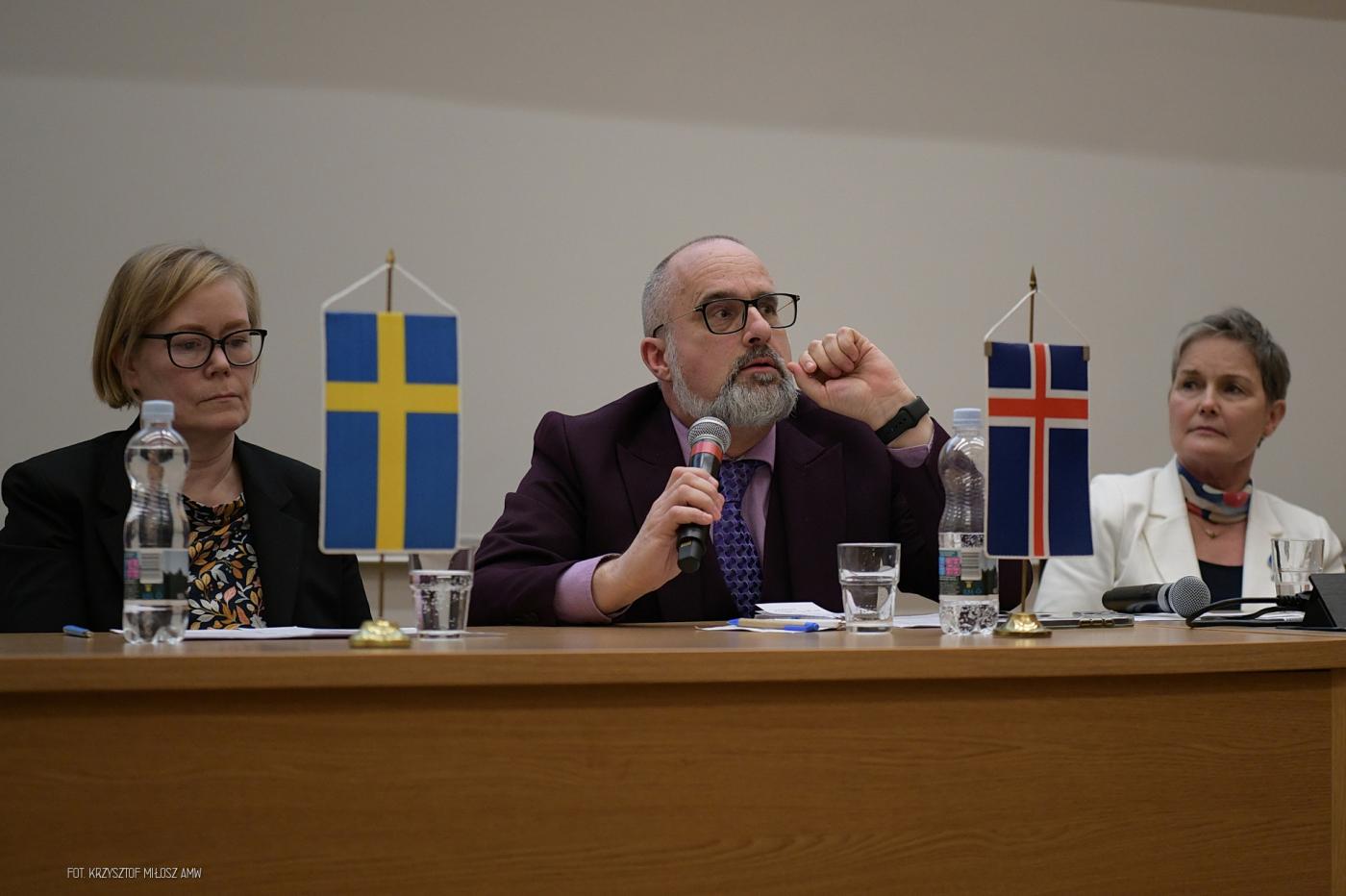
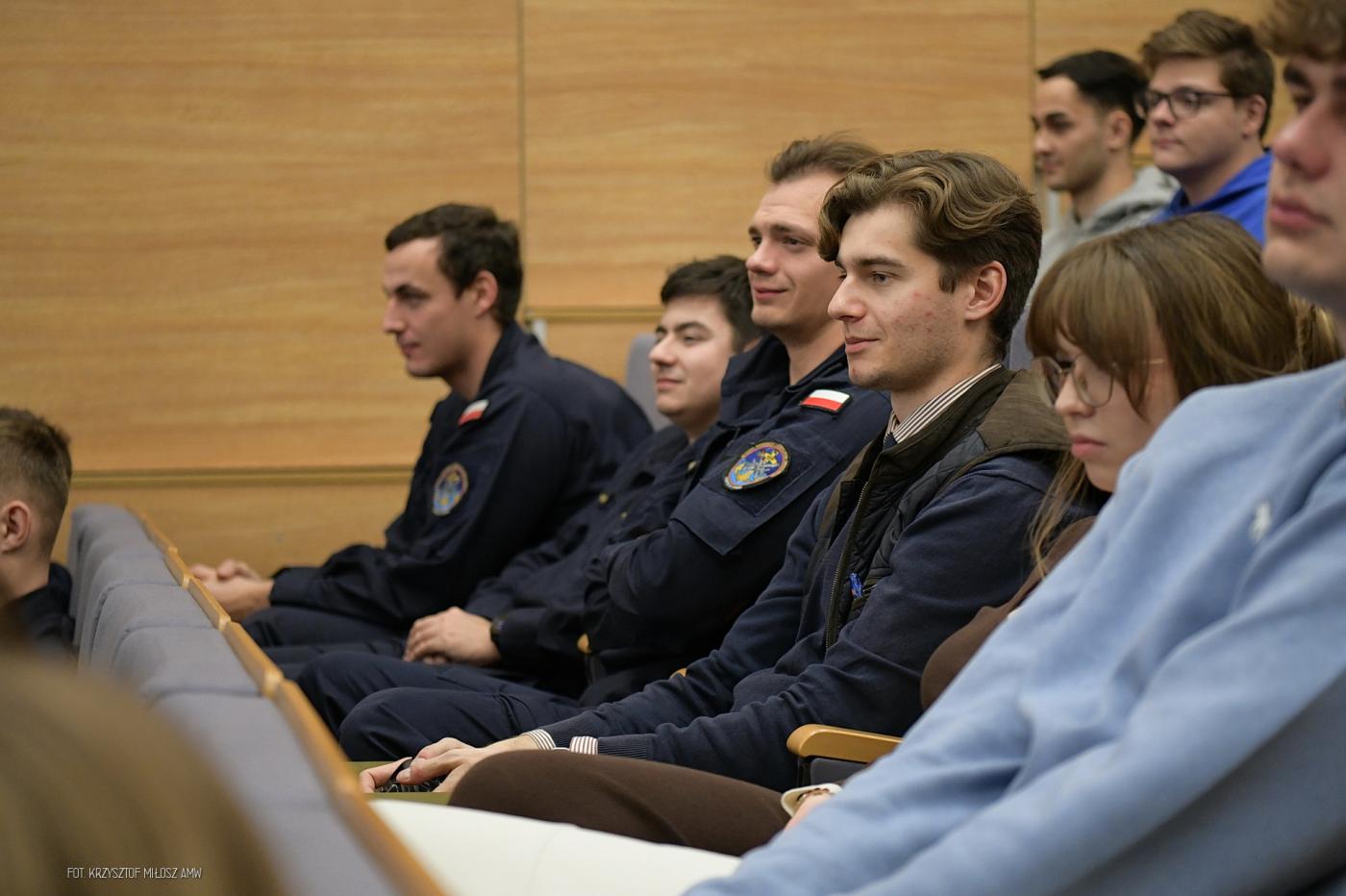
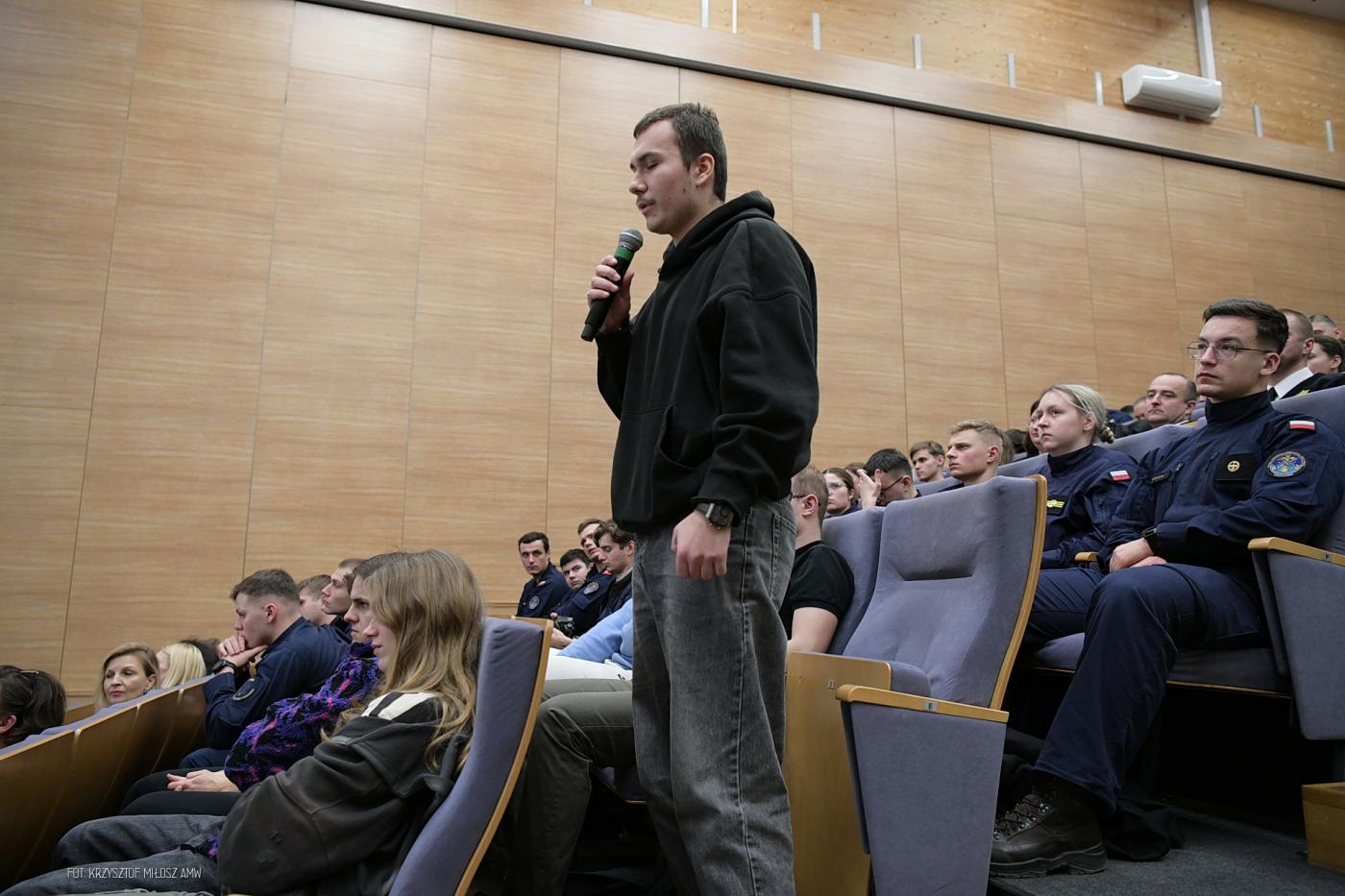
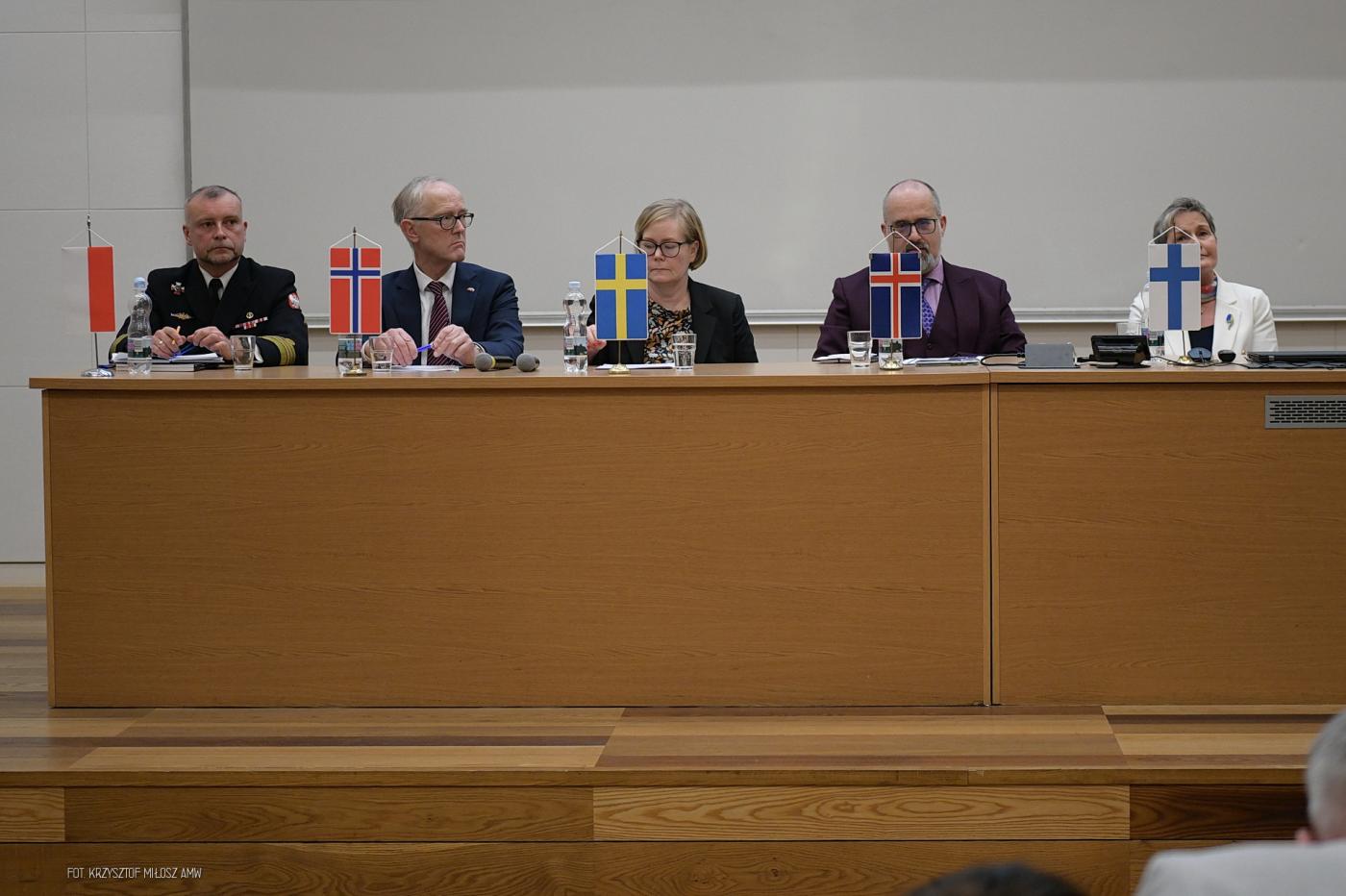
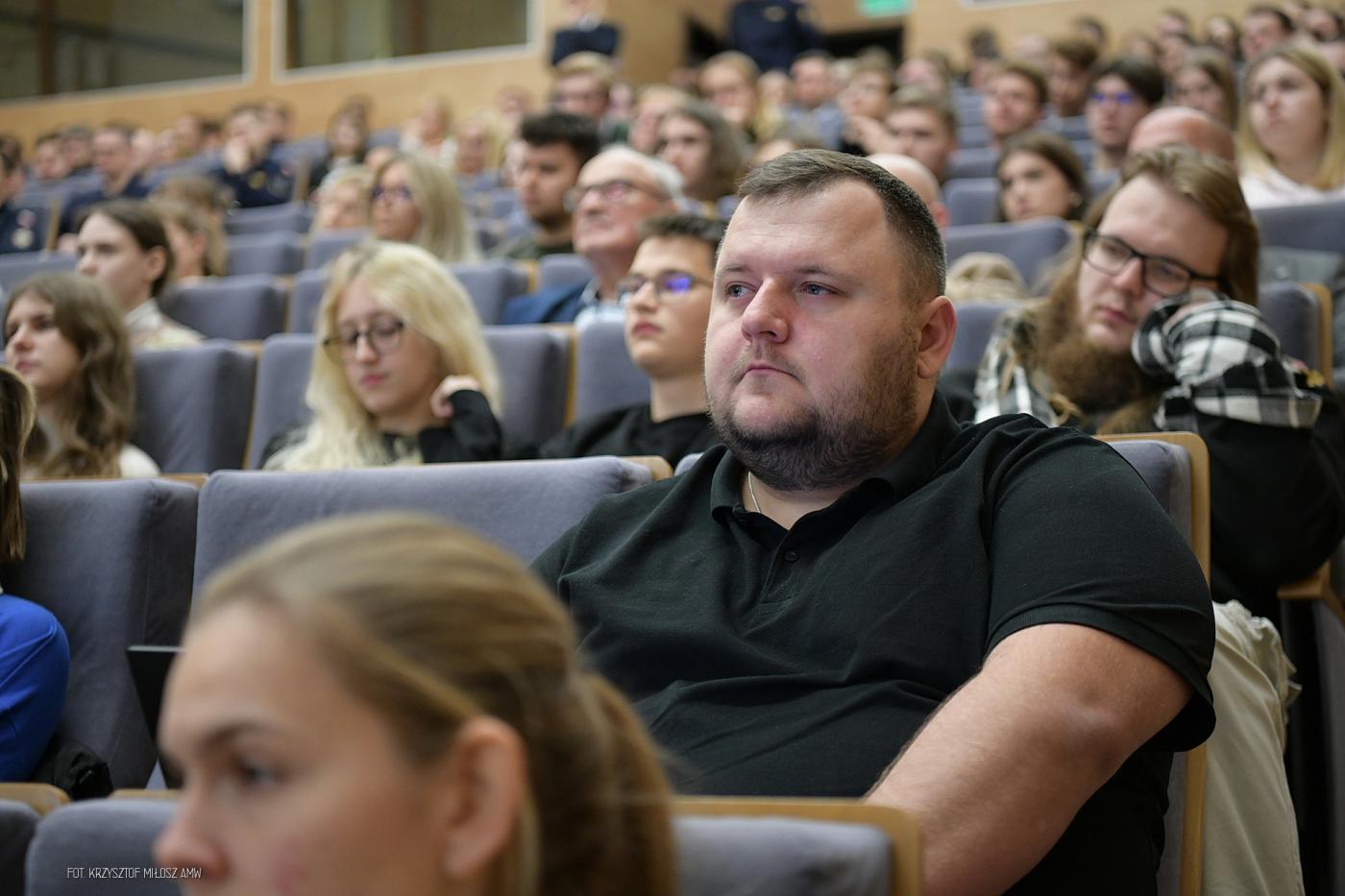
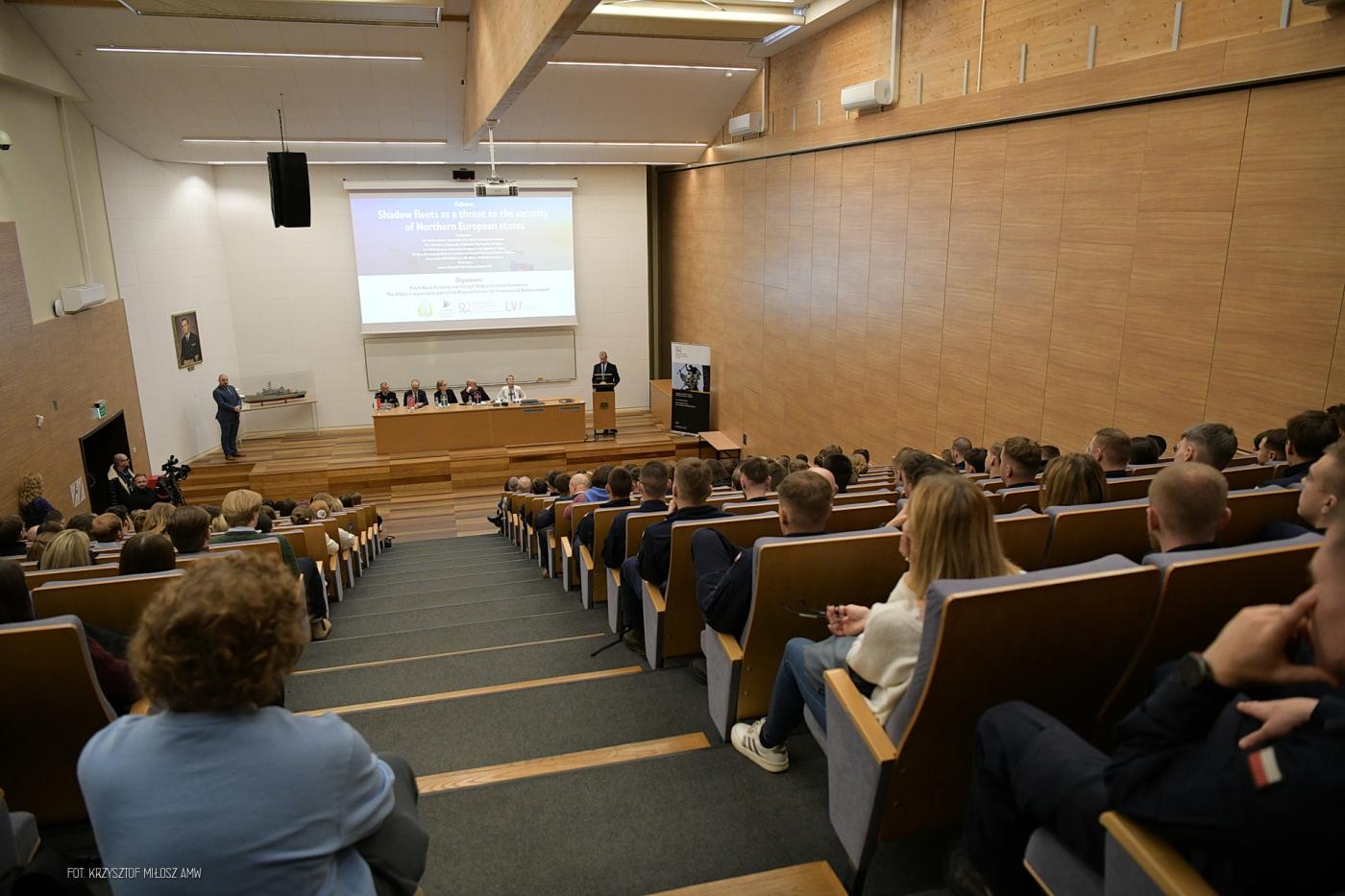
Russia’s “shadow fleet” — the sprawling network of illicit and semi-legal maritime transport circumventing sanctions — has become one of the most serious security challenges in Northern Europe. A high-level debate hosted at the Polish Naval Academy highlighted how quickly this phenomenon has evolved from a marginal issue into a full-fledged instrument of hybrid warfare. Experts and diplomats from Sweden, Finland, Iceland, Norway and Poland presented a picture of the Baltic Sea as an increasingly contested and vulnerable theatre.
security navy worldwide politics commentary news22 november 2025 | 07:07 | Source: Gazeta Morska | Prepared by: Kamil Kusier | Print

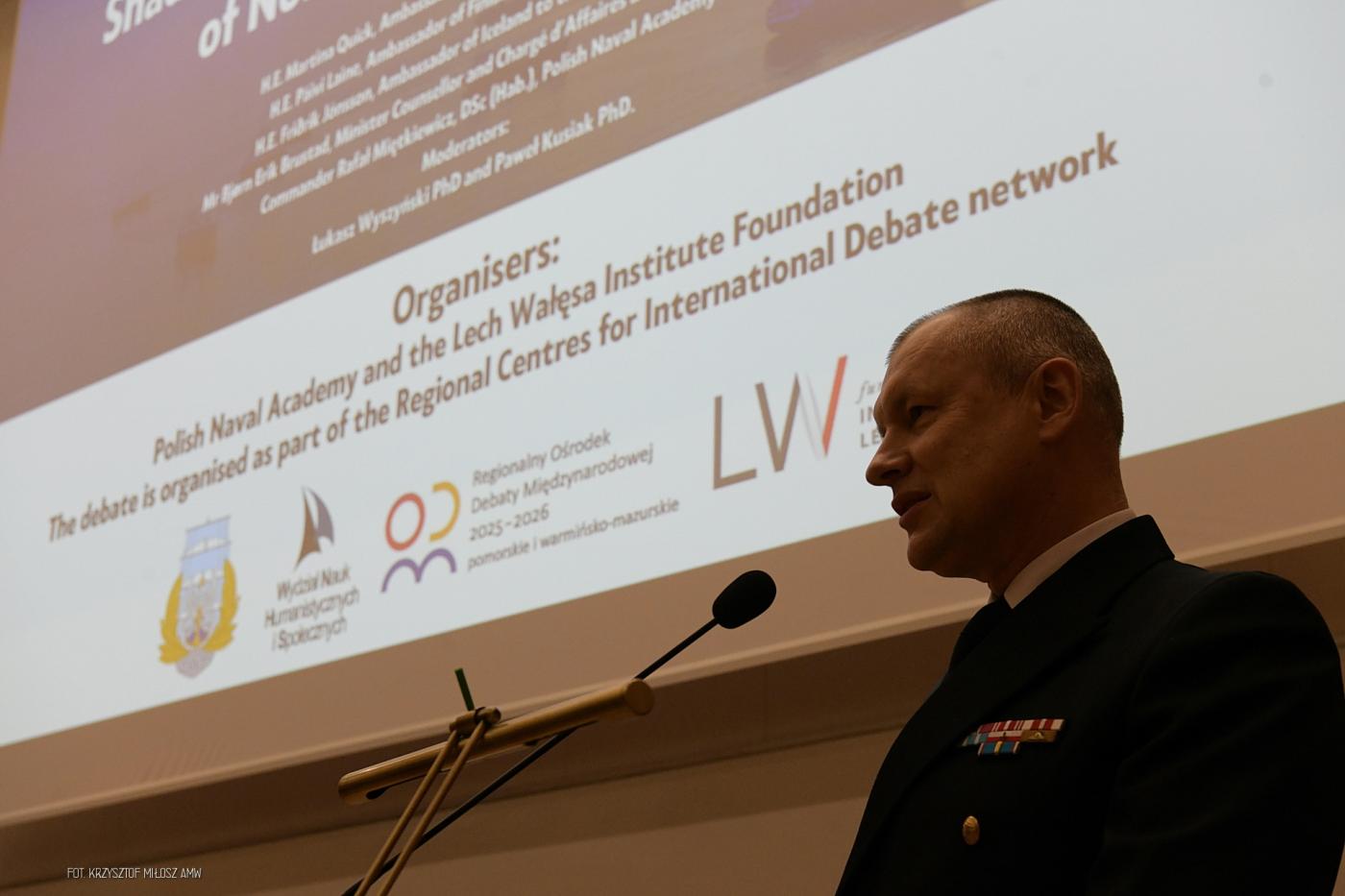
fot. Krzysztof Miłosz / Akademia Marynarki Wojennej
The Baltic Sea is no longer a stable waterspace
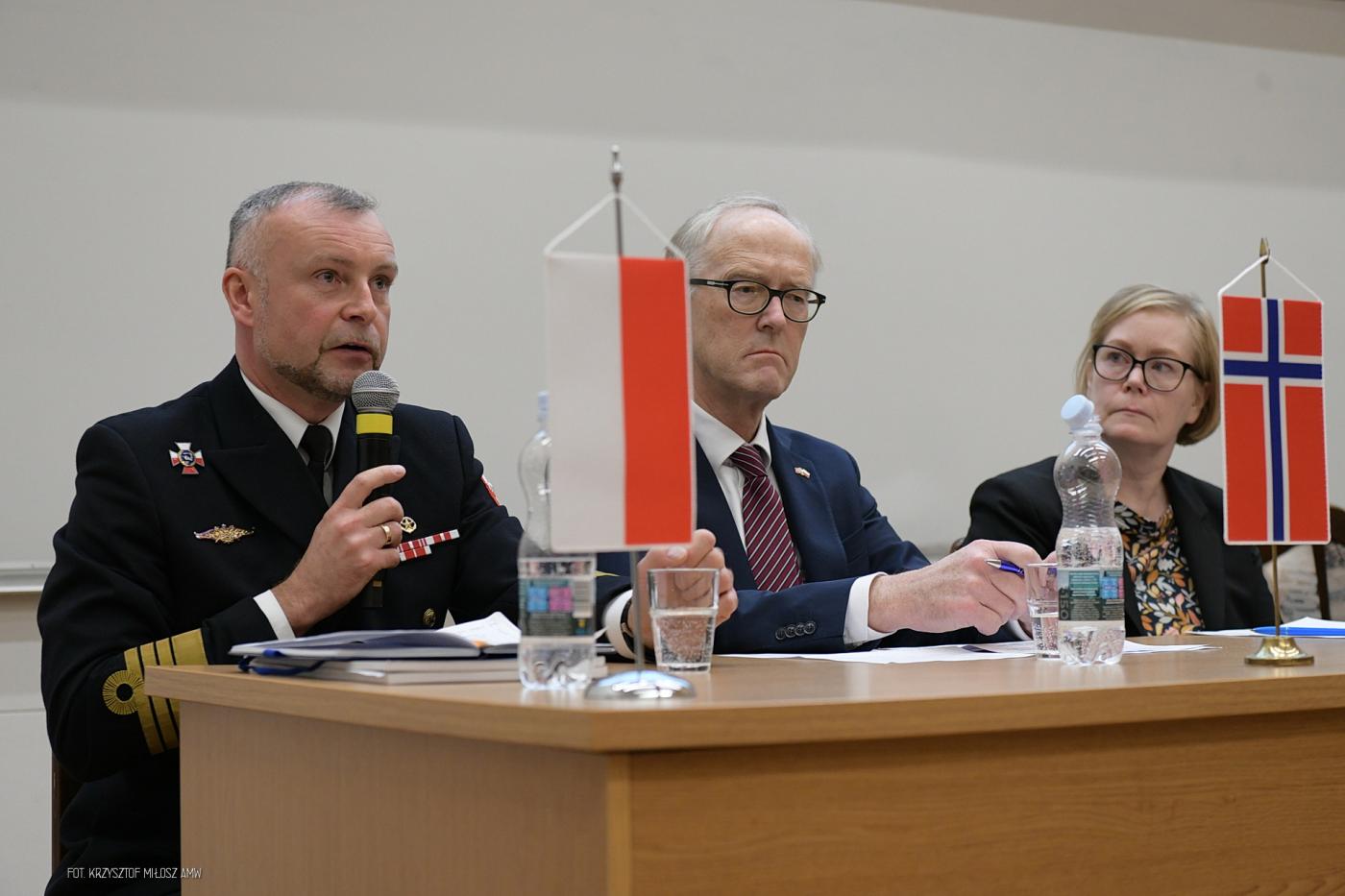
The session opened with Commander Prof. Bartłomiej Pączek, who stressed that the shadow fleet is not a local nuisance but a strategic threat:
- The shadow fleet affects not only northern countries but also transatlantic security. We discussed the issue in Vilnius in 2024. The conclusions were pessimistic then — and today the situation is even more challenging.
He noted that aging tankers operating far below technical standards pose risks not only to the Baltic ecosystem, but also to offshore infrastructure — from oil platforms to subsea communication systems.
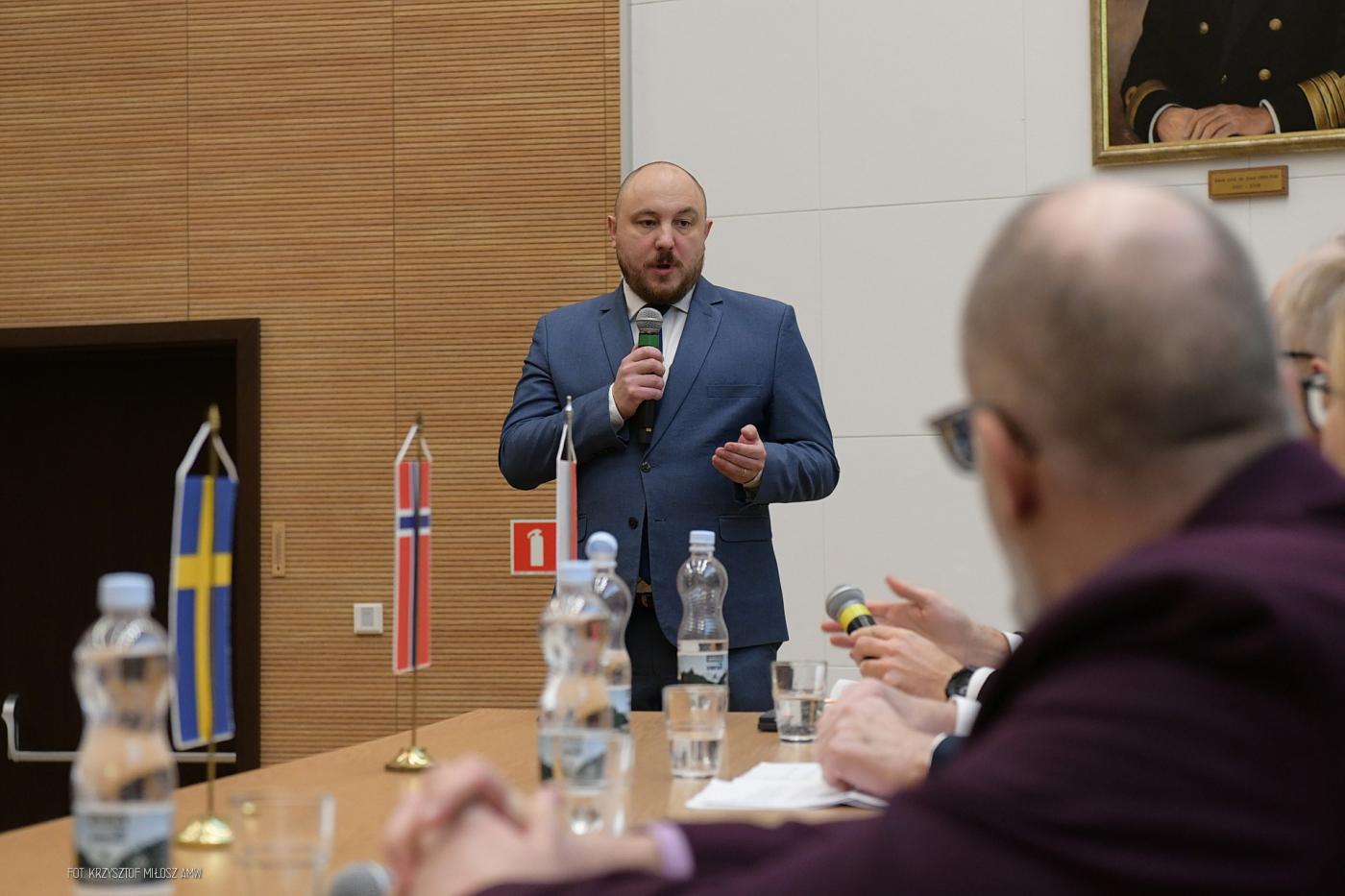
Co-moderator Dr. Paweł Kusiak added that the shadow fleet has become “a geopolitical tool of Russia,” undermining maritime safety in the Baltic and the credibility of Western sanctions.
Scale of the phenomenon: 1,100 ships, billions of dollars, growing risk
Commander Prof. Rafał Miętkiewicz presented one of the most comprehensive analyses:
- The shadow fleet is not only about oil. It includes strategic goods. Russia is building an alternative logistics system operating outside international oversight.
The fleet consists of an estimated 1,100 vessels — many operating under false flags, forged IMO numbers, or using identity theft to mimic legitimate ships.
Russia may have invested up to USD 10 billion into this parallel maritime network, much of it flowing through Europe.
- These are not ‘grey’ vessels. They are ghost ships and zombie ships — unmonitored, sailing without AIS, and operating with no real legal accountability. This is hybrid warfare at sea.
Baltic Sea as a shared responsibility — Sweden’s view
Swedish Ambassador Martina Quick framed the Baltic as a space where security is inseparable across borders:
- Geography is unforgiving. The safety of Poland, Sweden, Finland, Iceland and Norway is interconnected. Baltic stability is our shared responsibility.
She reminded participants of recent infrastructure incidents — from damaged subsea cables to gas pipelines — and warned that poorly maintained shadow-fleet tankers increase the risk of a major spill.
Legal systems under pressure
Iceland’s Ambassador Friðrik Jónsson stressed that the post-WWII maritime regulatory system is ill-prepared for a challenge of this magnitude:
- We cannot ‘remove Russia from the system,’ because the system is global. But we must enforce it. Without inspections and penalties, maritime law becomes an empty shell.
He emphasized that combating the shadow fleet begins on land — in ports, financial flows, and documentation — not at sea.
Gulf of Finland: one of Europe’s most tense maritime zones?
Finnish Ambassador Päivi Laine pointed to the Gulf of Finland as a key transit corridor for the shadow fleet:
- We see constant movement of shadow-fleet units near Finland and Estonia. International crews, false flags and missing documentation create legal grey zones.
She noted that these vessels are often outdated and inadequately insured, increasing the risk of a catastrophic accident in the narrow waters of the Baltic.
Arctic routes and critical infrastructure at risk
Bjørn Erik Brustad, Deputy Head of Mission at the Norwegian Embassy, highlighted growing shadow-fleet activity along northern routes and near critical energy infrastructure:
- We have thousands of kilometers of gas and oil infrastructure across the Baltic, North Sea, Atlantic and Arctic. Shadow-fleet movements near these areas represent a rising threat.
He confirmed that 80% of detained shadow-fleet vessels had links to Russia, demonstrating a high degree of coordination behind the system.
The missing element: enforcement
Prof. Miętkiewicz argued that although Europe has regulations, it lacks unified enforcement mechanisms:
- Law works only when it is shared. Europe remains fragmented — different standards, different procedures, different capacities for detaining vessels.
He pointed to the U.S. model of ship control, where failure to provide documentation triggers direct intervention — a framework Europe still lacks.
Flags of convenience and the role of the global south
The debate also touched on the sale of aging tankers by flag states such as Greece, Malta, and Cyprus — vessels that later end up in the shadow-fleet network.
Ambassador Jónsson stated bluntly:
- Russia is building a monster — a fleet, companies, crews, a parallel world. And we allowed it to grow. Unless we cut its financing, it will only expand.
Finland’s Ambassador added:
- Flag states must be held accountable. Otherwise, we will chase ships at sea instead of addressing the root of the problem.
Public awareness and societal resilience. The shadow fleet and its implications
- The issue of the shadow fleet is highly multifaceted. It reflects the growing tensions within the international system between the Russian Federation and the countries supporting Ukraine. For this reason, the shadow fleet is not only a means of circumventing sanctions on Russian oil, but also a tool for monitoring and influencing the critical infrastructure of NATO and EU member states. Moreover, Moscow’s activities can be interpreted in the context of information warfare and efforts to undermine the credibility of international cooperation mechanisms, Dr. Łukasz Wyszyński told Daily Mare.
As the co-moderator of the debate noted, “the wide spectrum of risks generated by the shadow fleet’s activity requires an adequate and comprehensive response.”
- In doing so, we must think not only in terms of the capabilities of armed forces and law-enforcement agencies, or the rules governing the use of force and coercion, and the application of international law. We should approach this challenge in even broader categories: public awareness and societal resilience, political determination at both the national and international levels, and by analysing the shadow fleet within the wider context of global frictions and tensions — including the interests of stakeholders beyond the European continent, the expert added.
Baltic Sea enters a new era of threats
All participants agreed: the shadow fleet is no longer a marginal workaround, but a strategic instrument of Russian policy. It has become:
- a tool of hybrid warfare,
- a threat to critical infrastructure,
- an environmental risk,
- a challenge to sanctions,
- a test of Western unity,
- and a sign of Russia’s rapid adaptation under pressure.
Europe’s dilemma: principles or convenience?
The shadow fleet is a deliberately constructed system that enhances Russia’s resilience to sanctions and its ability to apply power at sea.
Without a system of inspections, penalties, enforcement, and financial pressure, this parallel maritime ecosystem will become a permanent feature of global shipping.
The unanswered question from the debate remains:
Does Europe have the courage to act — or will it continue pretending the Baltic is still safe?
The Baltic Sea was once a stable region.
Now it has become a proving ground for whether Europe’s maritime security architecture is capable of meeting 21st-century threats.
If the response falls short, the shadow fleet — fluid, opaque, and hybrid — will shape the new rules of the maritime game.
see also
Buy us a coffee, and we’ll invest in great maritime journalism! Support Gazeta Morska and help us sail forward – click here!
Kamil Kusier
redaktor naczelny
gallery









comments
Add the first comment
see also
Polish Naval Academy students advance unmanned maritime systems
Winter on Puck Bay: ice conditions, natural values, and responsible use
Accident at offshore service base construction in Ustka highlights gaps in emergency medical response
Medical evacuation from offshore installation in the Baltic Sea. First naval SAR mission of 2026
Europe without illusions: sea, trade and security in the new transatlantic architecture. a voice of realism?
Winter navigation update: RZGW Szczecin closes Odra waterways and deploys icebreakers
Russian escort and U.S. oil chase: a new front in the North Atlantic. Implications for shipping and energy markets
Medical evacuation from Stena Ebba successfully conducted despite adverse weather conditions
The capture of President Nicolás Maduro: how U.S. maritime operations triggered a geopolitical turning point
The sea as an instrument of power: the maritime dimension of the U.S. National Security Strategy of 2025
ADVERTISEMENT
ADVERTISEMENT