February 2026 brings volatile winter weather to Poland and the Baltic Sea
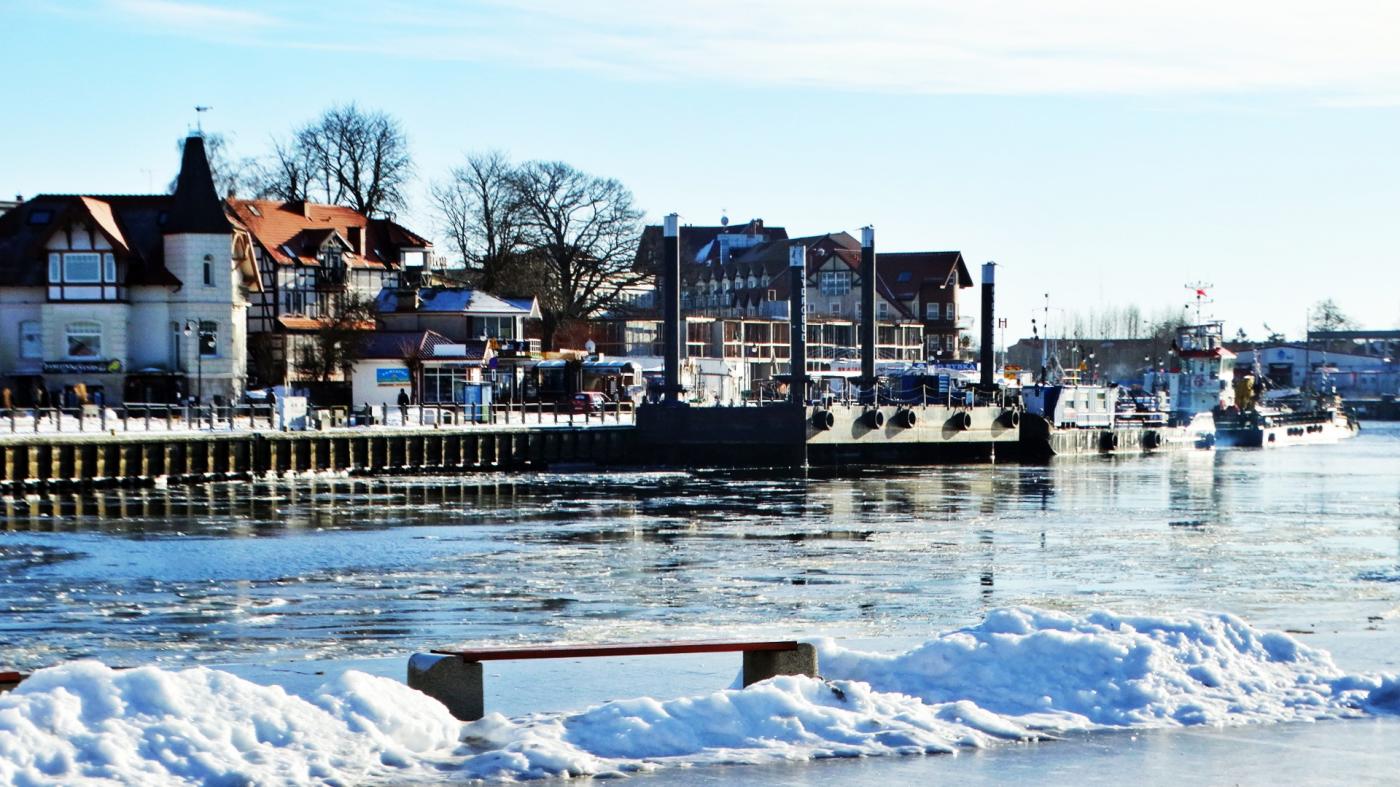
February 2026 is expected to bring highly variable and potentially hazardous winter weather across Poland and the Baltic Sea region. Snowfall, freezing rain, strong winds and severe frost may significantly impact maritime operations, ports and coastal infrastructure.
weather pomerania west pomerania tricity news01 february 2026 | 19:54 | Source: Gazeta Morska | Prepared by: Kamil Kusier | Print
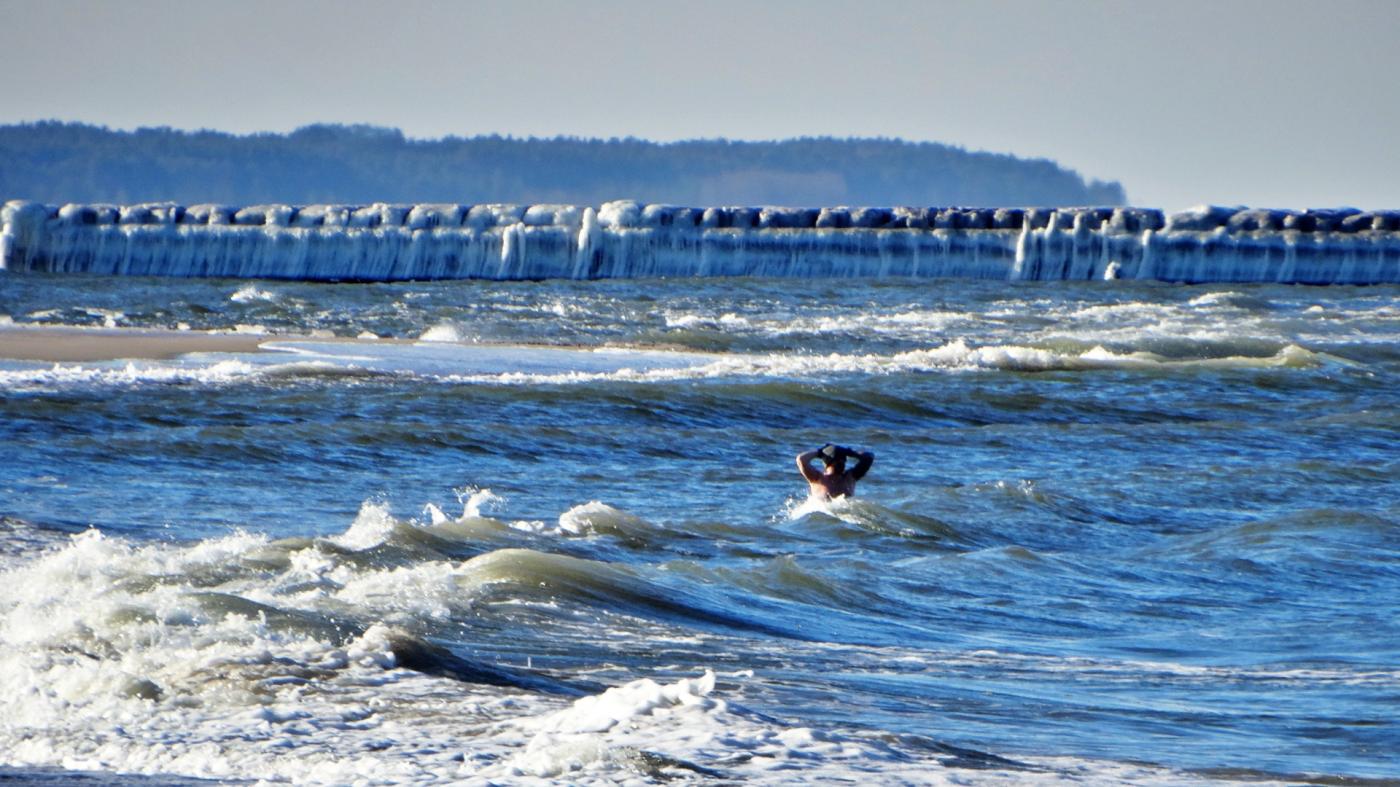
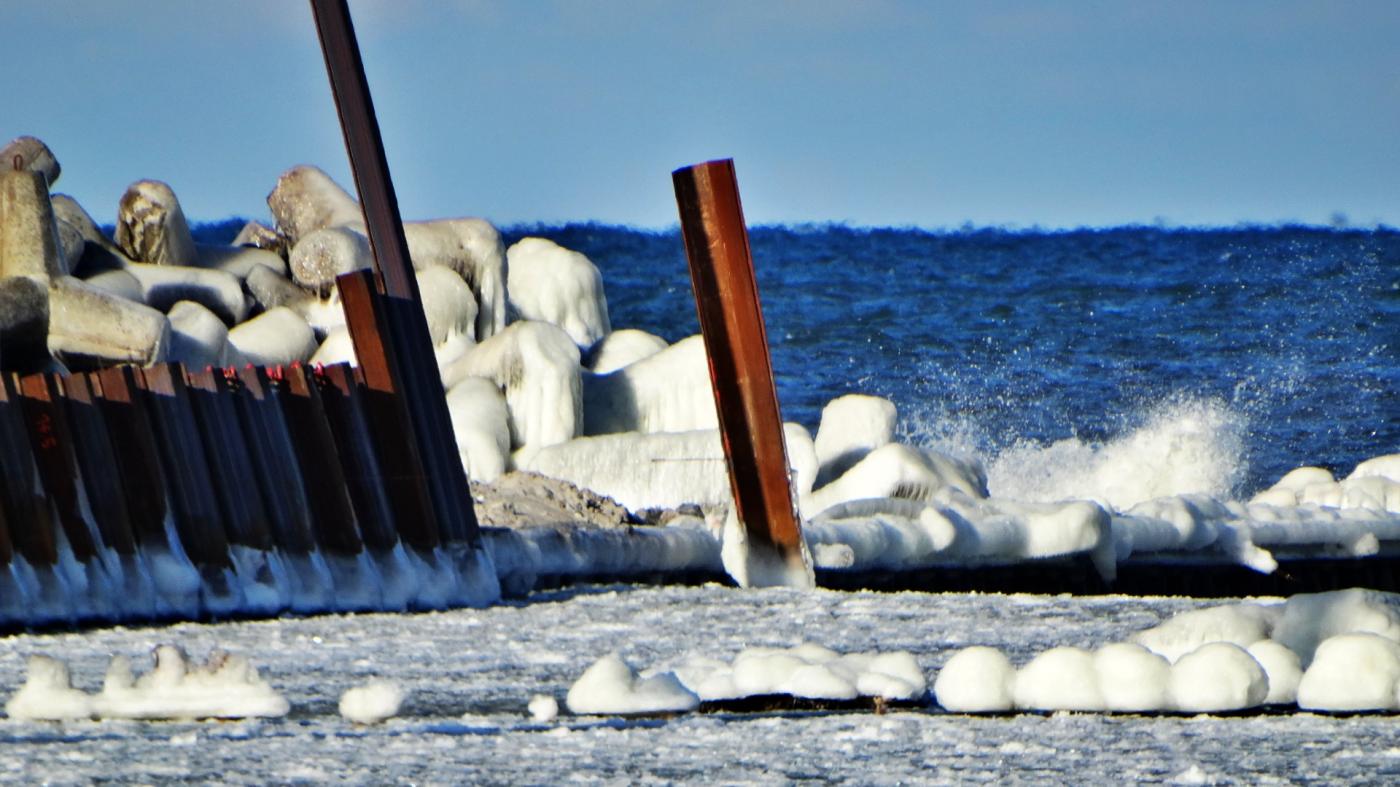
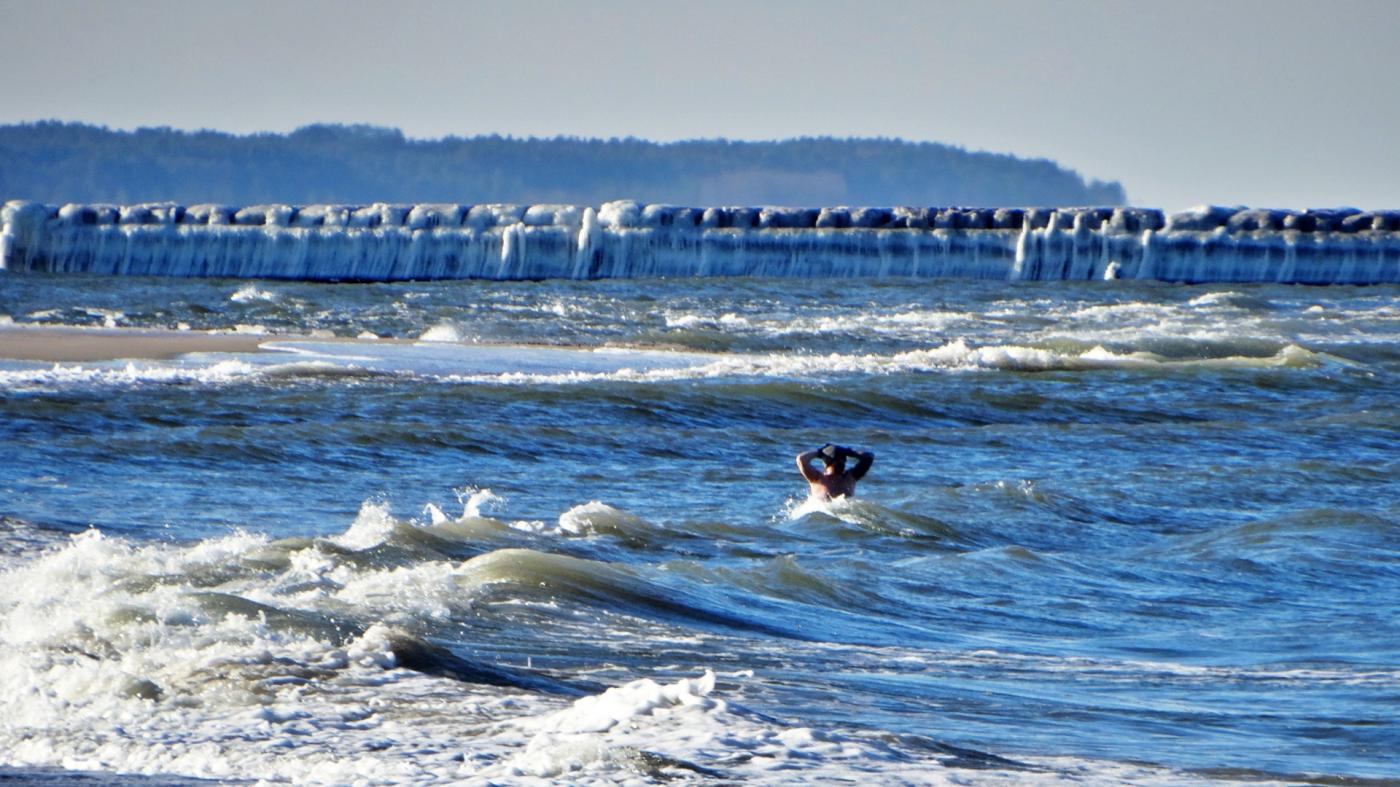
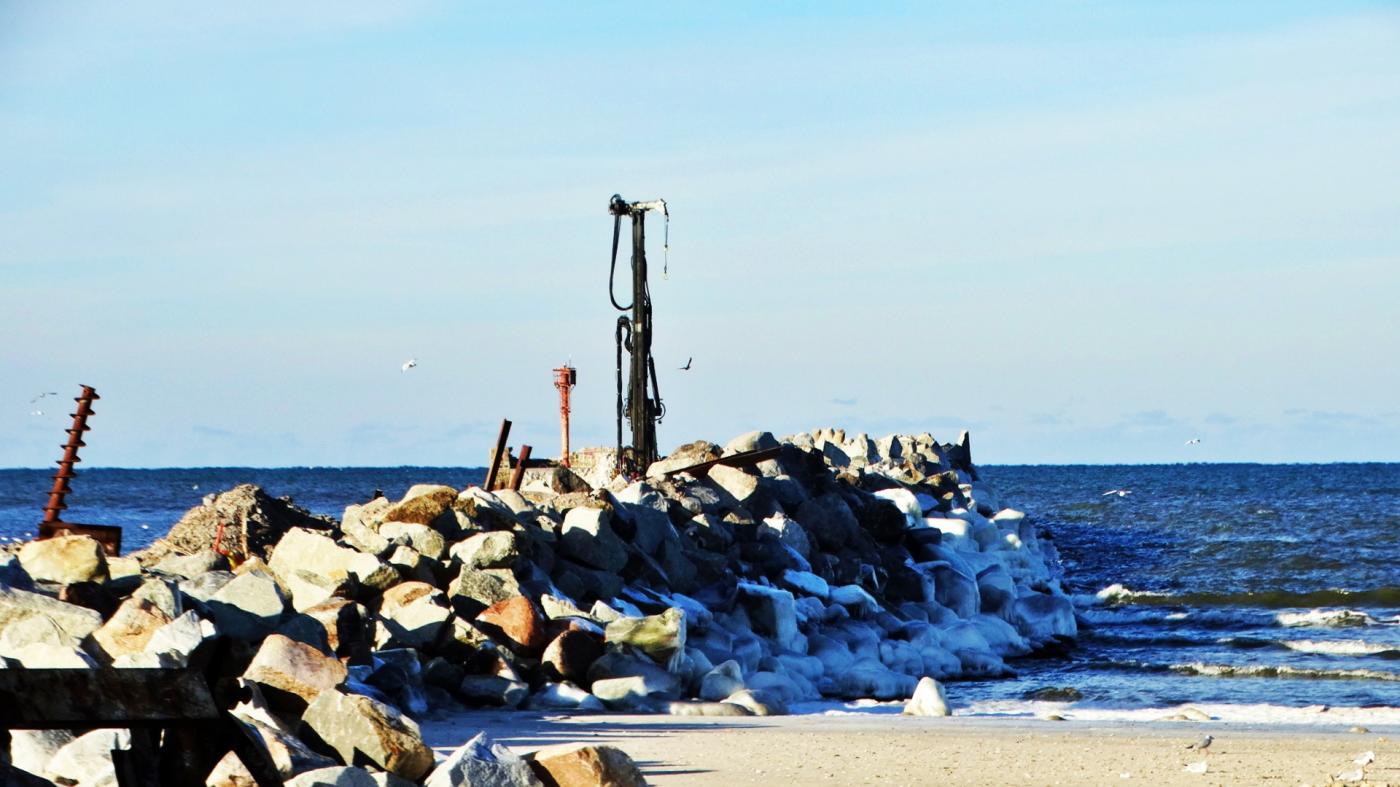
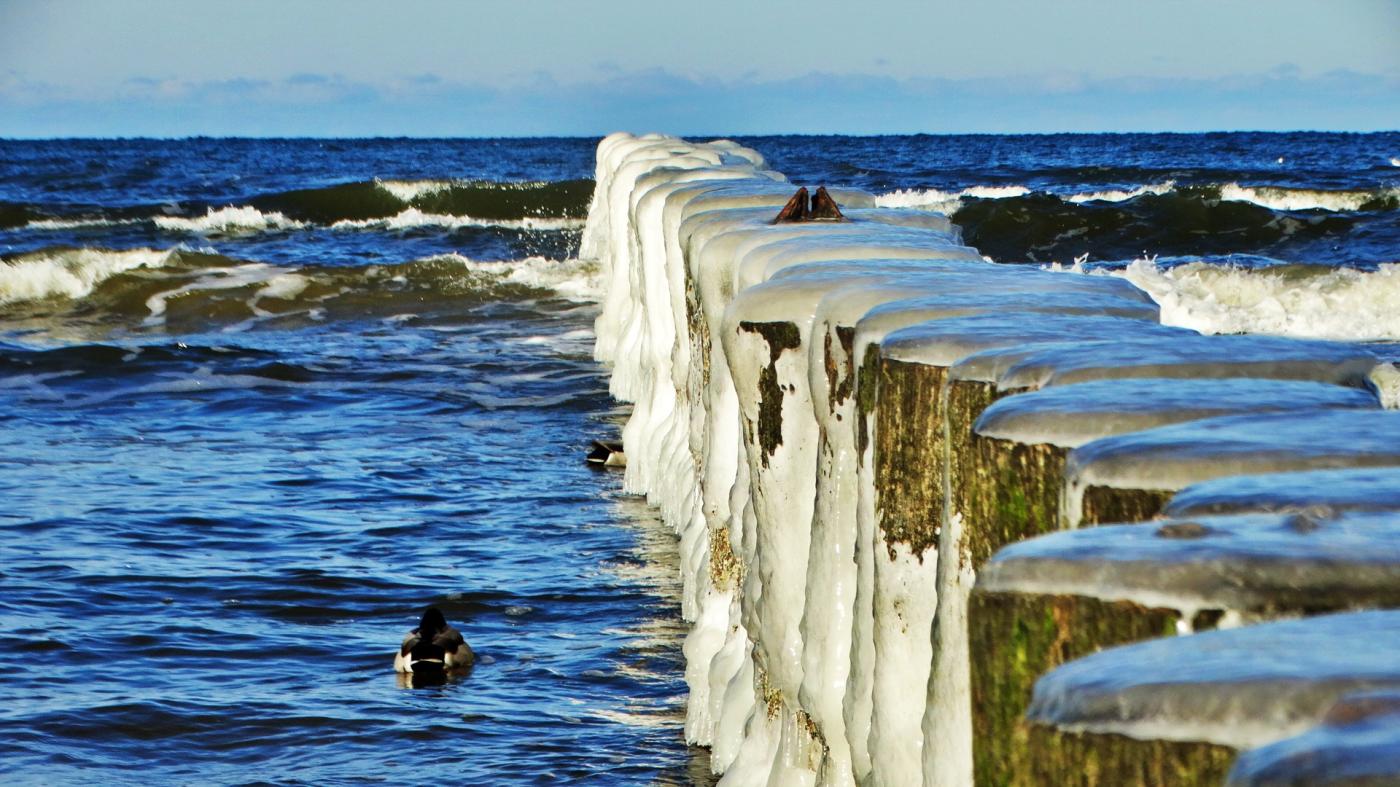
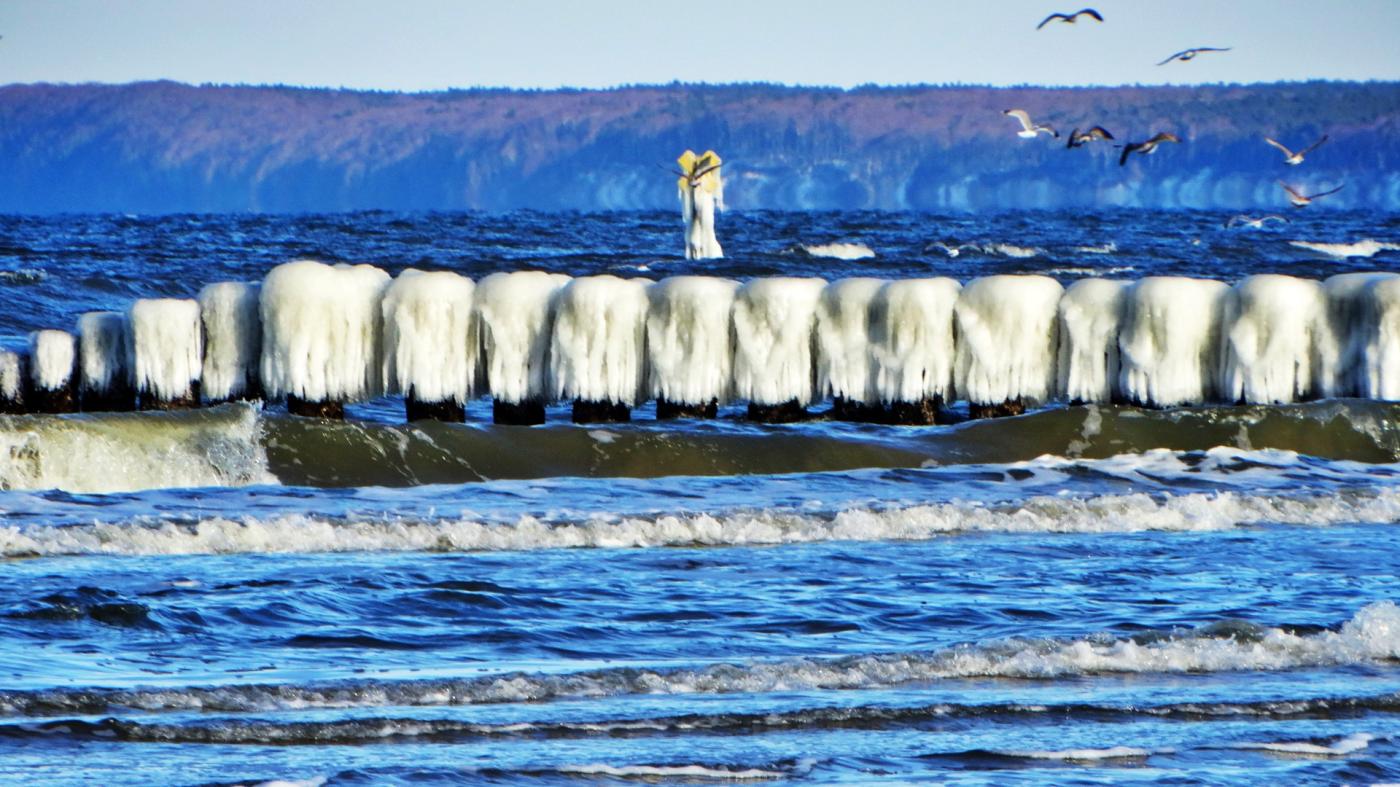
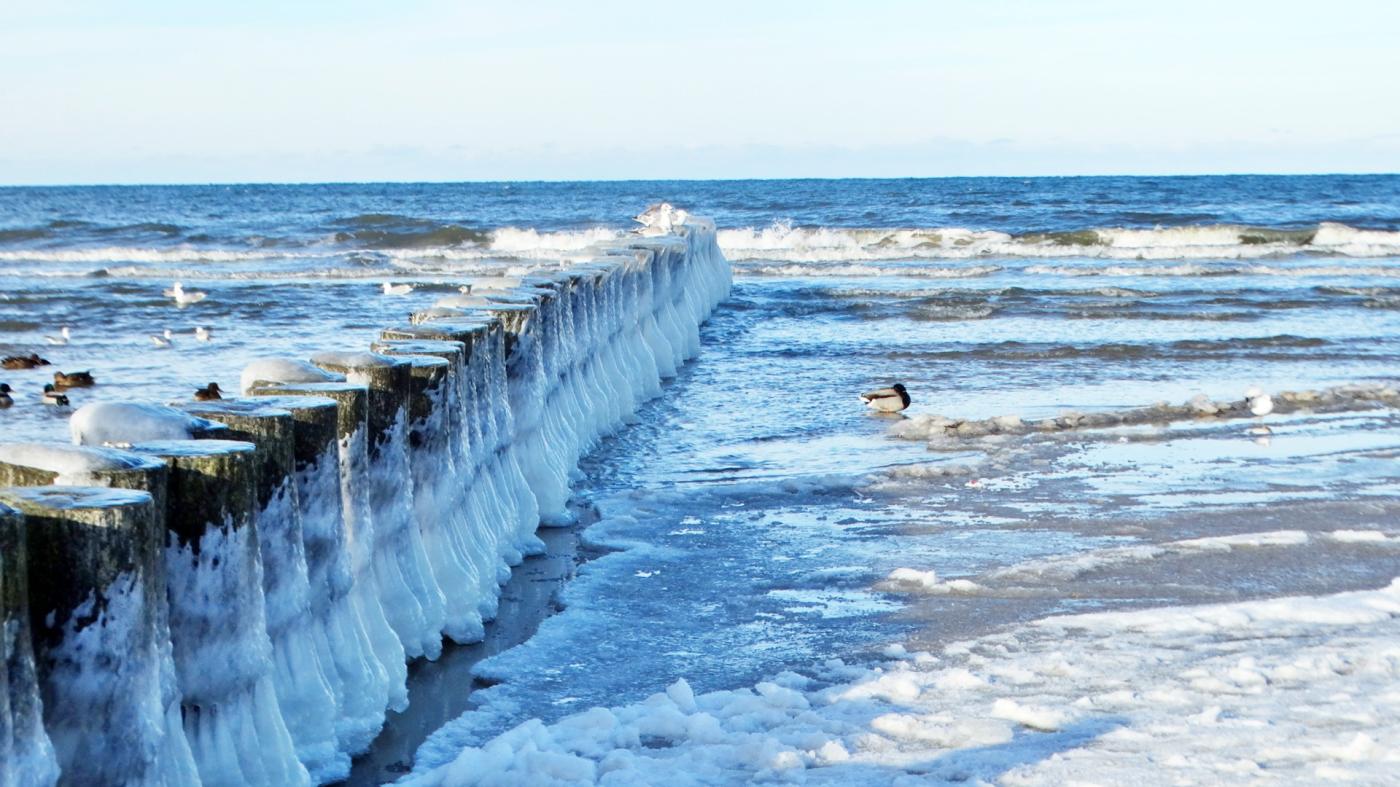
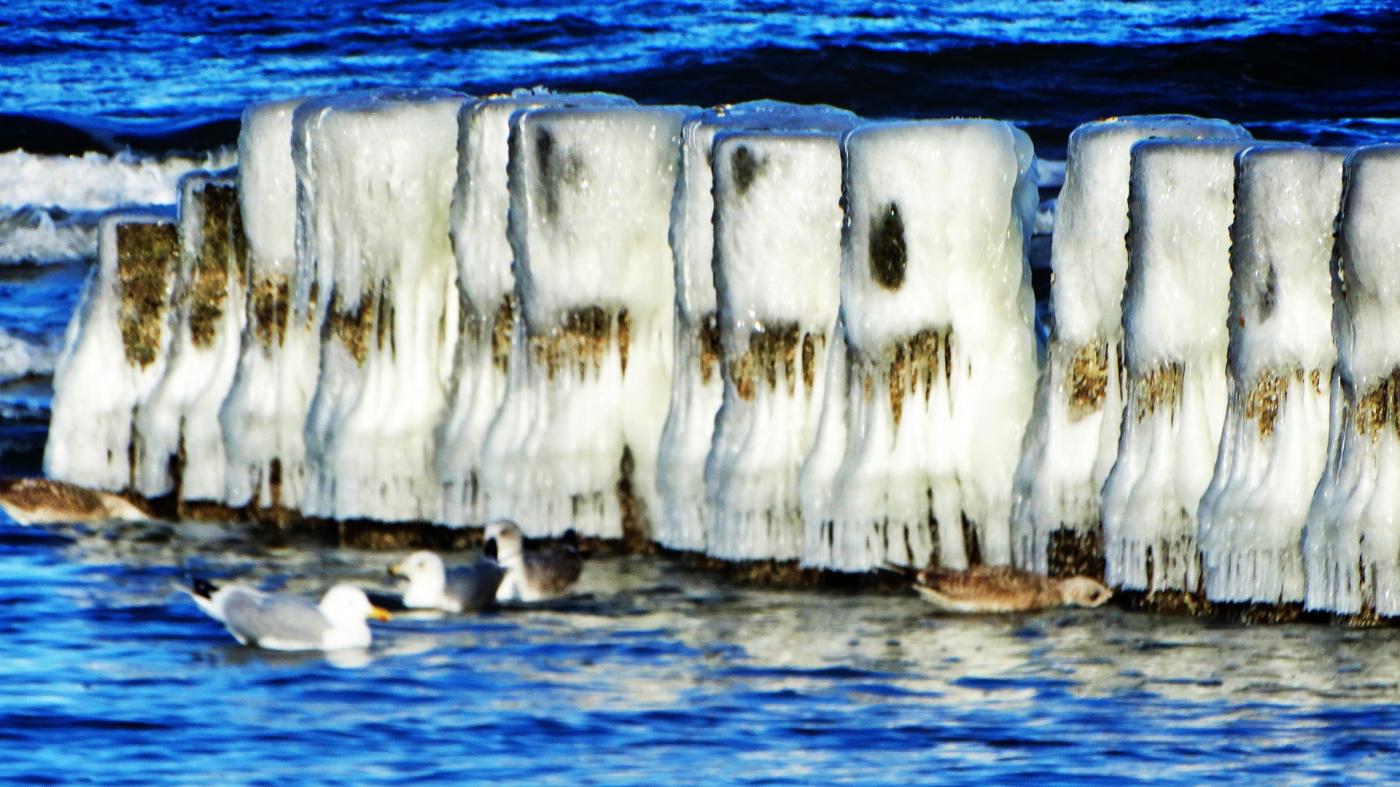
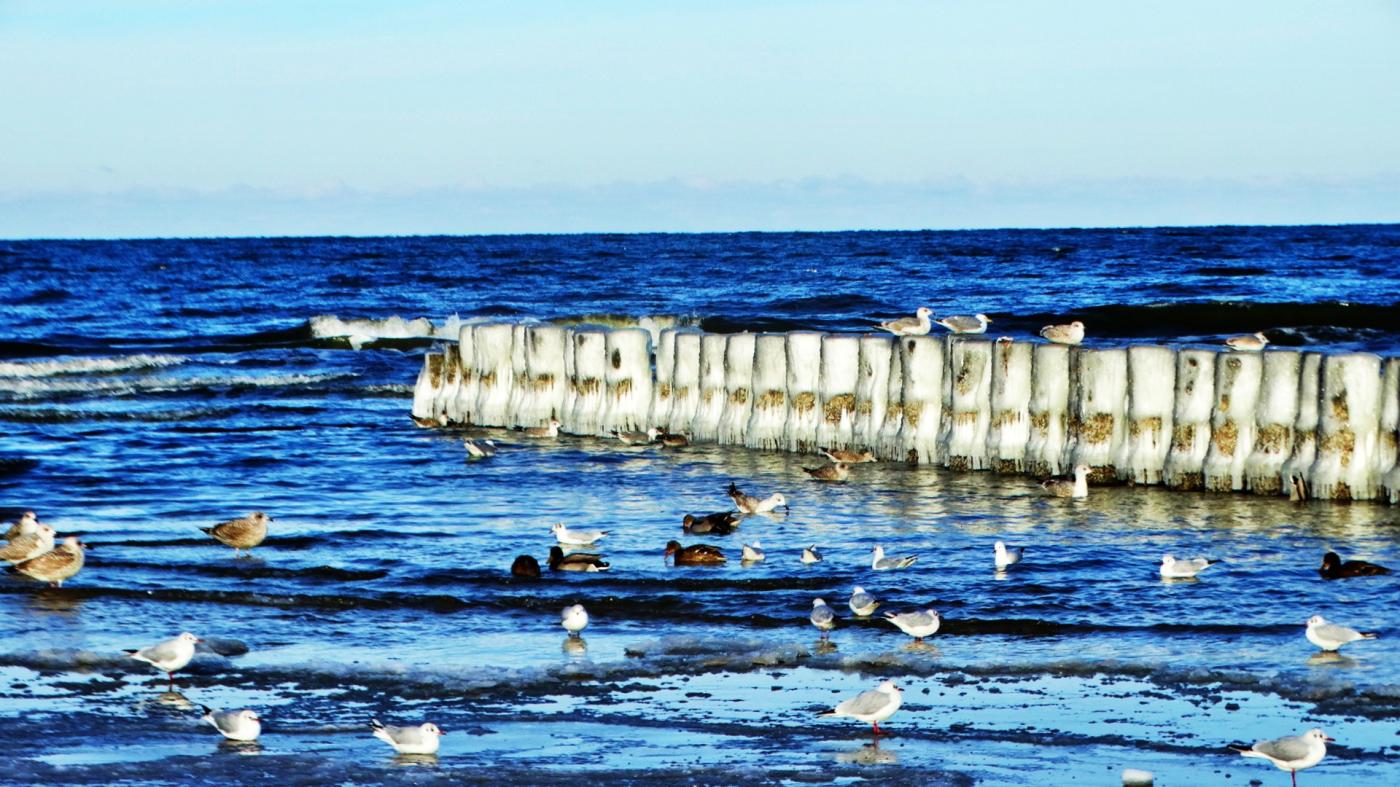
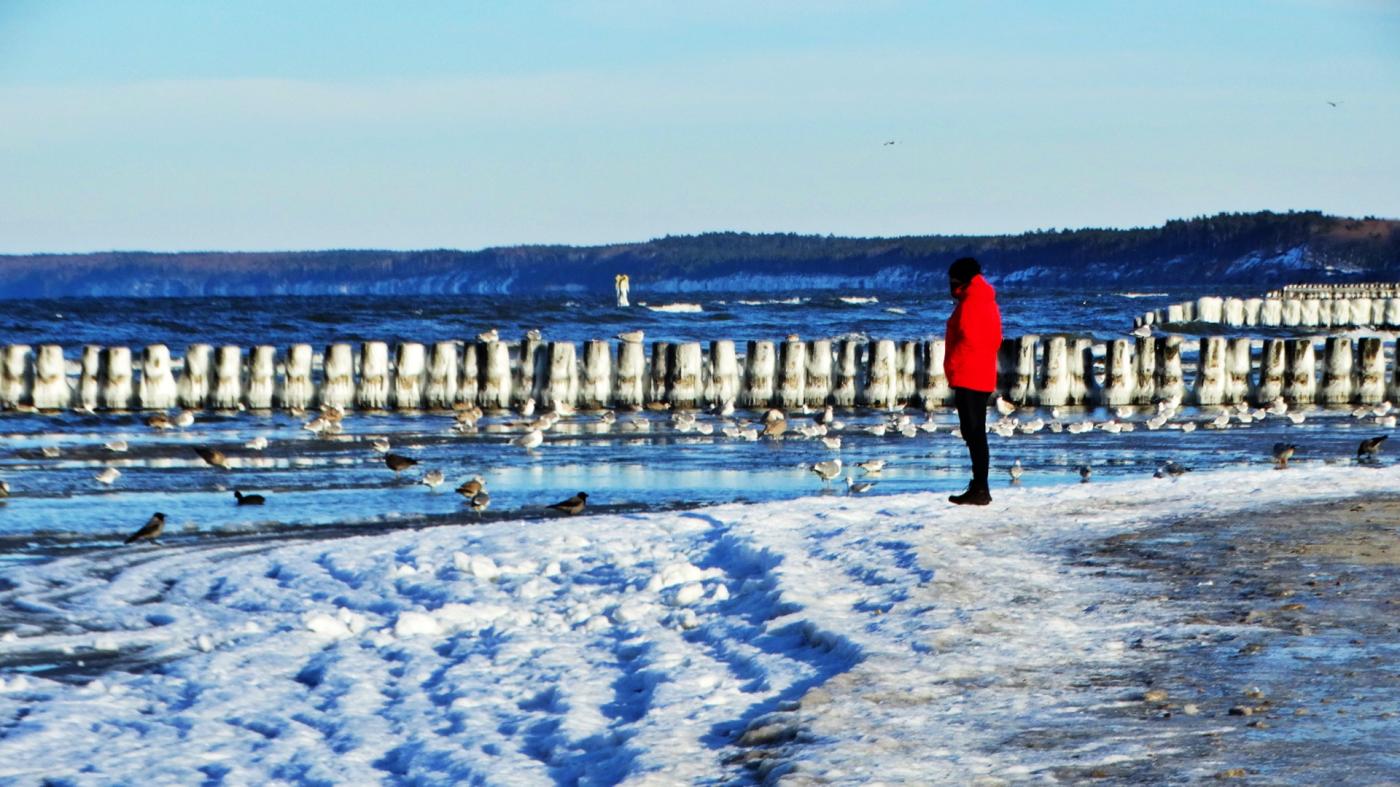
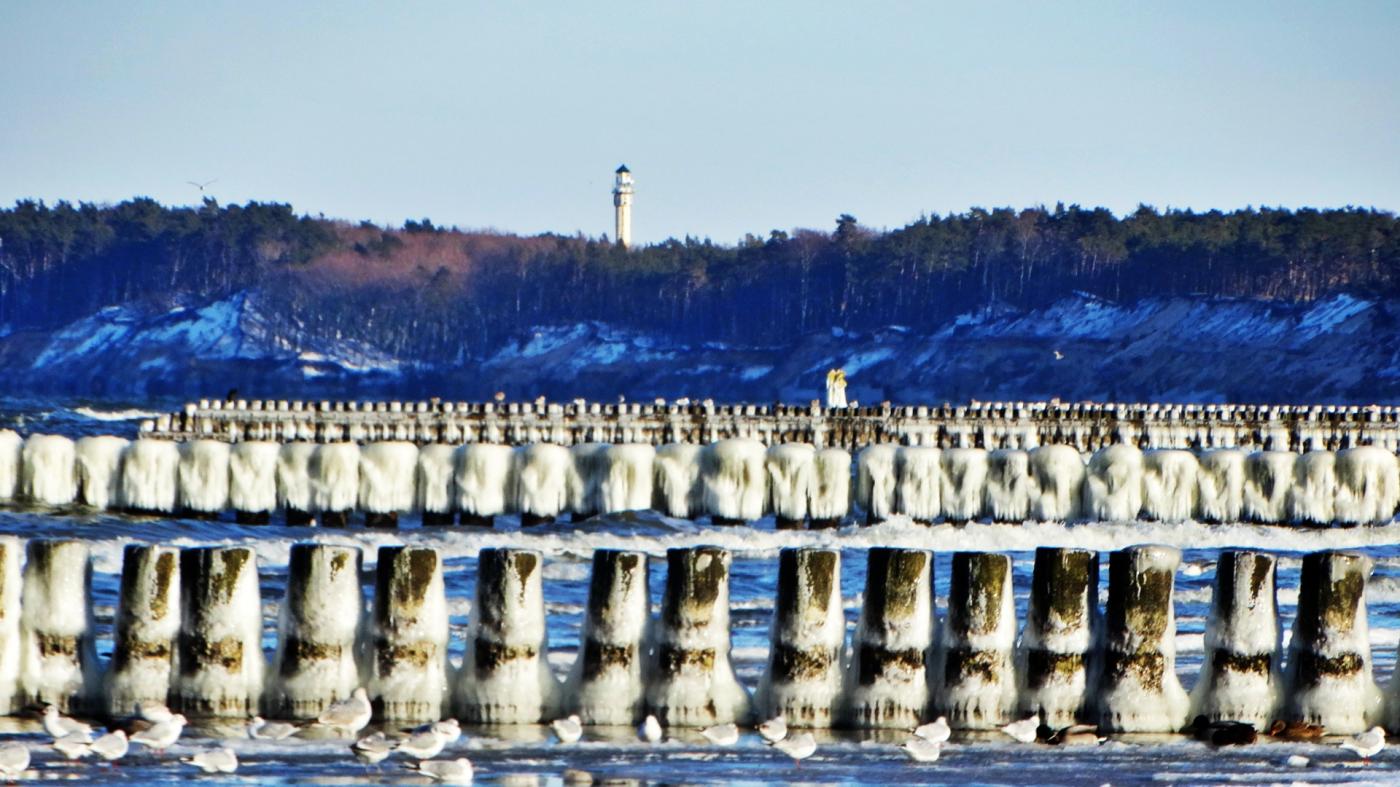
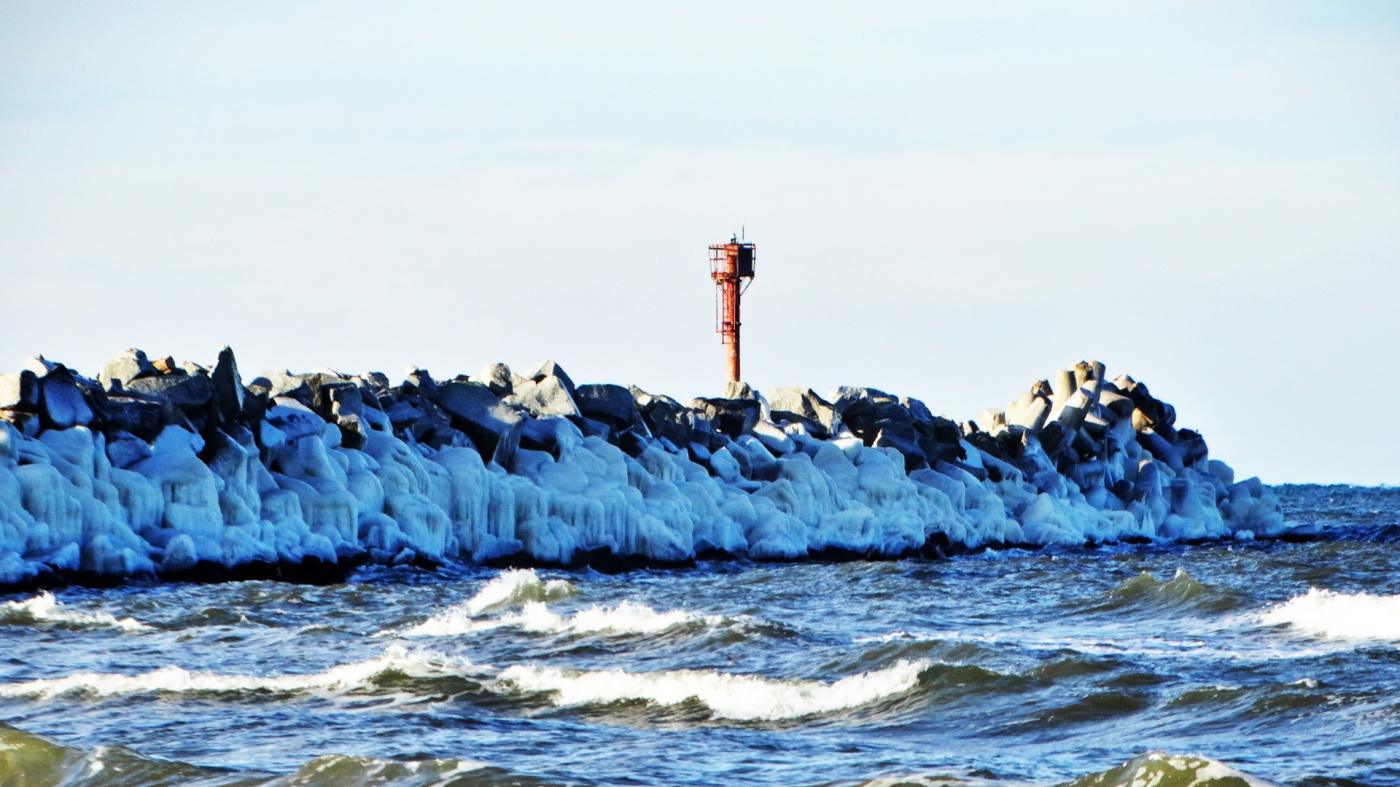
fot. Mariusz Jasłowski
Complex pressure systems dominate the region
According to the latest numerical weather models, Poland and the Baltic Sea will be influenced by a complex interaction of high-pressure systems from Eastern Europe and active Atlantic lows.
- This setup creates a high-risk environment for sudden weather changes - says Mariusz Jasłowski, meteorologist at Meteo24.com.pl. - Especially for maritime and coastal sectors.
Snow and freezing rain pose operational risks
Periods of snowfall and freezing rain are expected throughout the month. These conditions may lead to:
- icy port surfaces,
- hazardous access roads,
- increased risk during cargo handling.
Freezing fog during nighttime and early morning hours may further reduce visibility in coastal areas.
Strong winds and rough sea conditions
Passing weather fronts will bring moderate to strong winds, with gusts reaching 30–60 km/h, increasing wave height over the Baltic Sea.
- Short but intense wind events may disrupt port schedules and maritime traffic – notes Mariusz Jasłowski.
Severe frost in northern Poland
Northern Poland and coastal regions are expected to experience severe frost, with nighttime temperatures dropping well below -15°C, locally even lower.
This may result in:
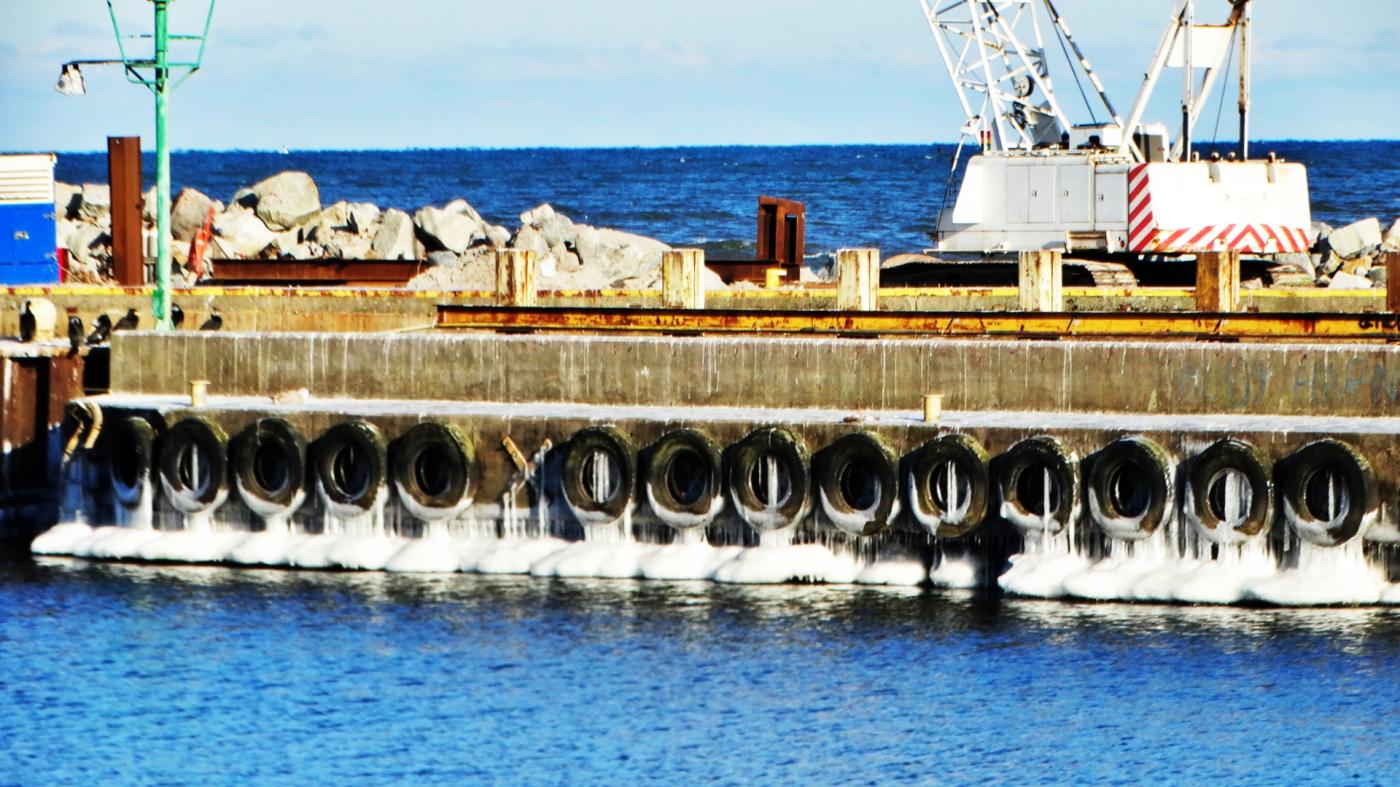
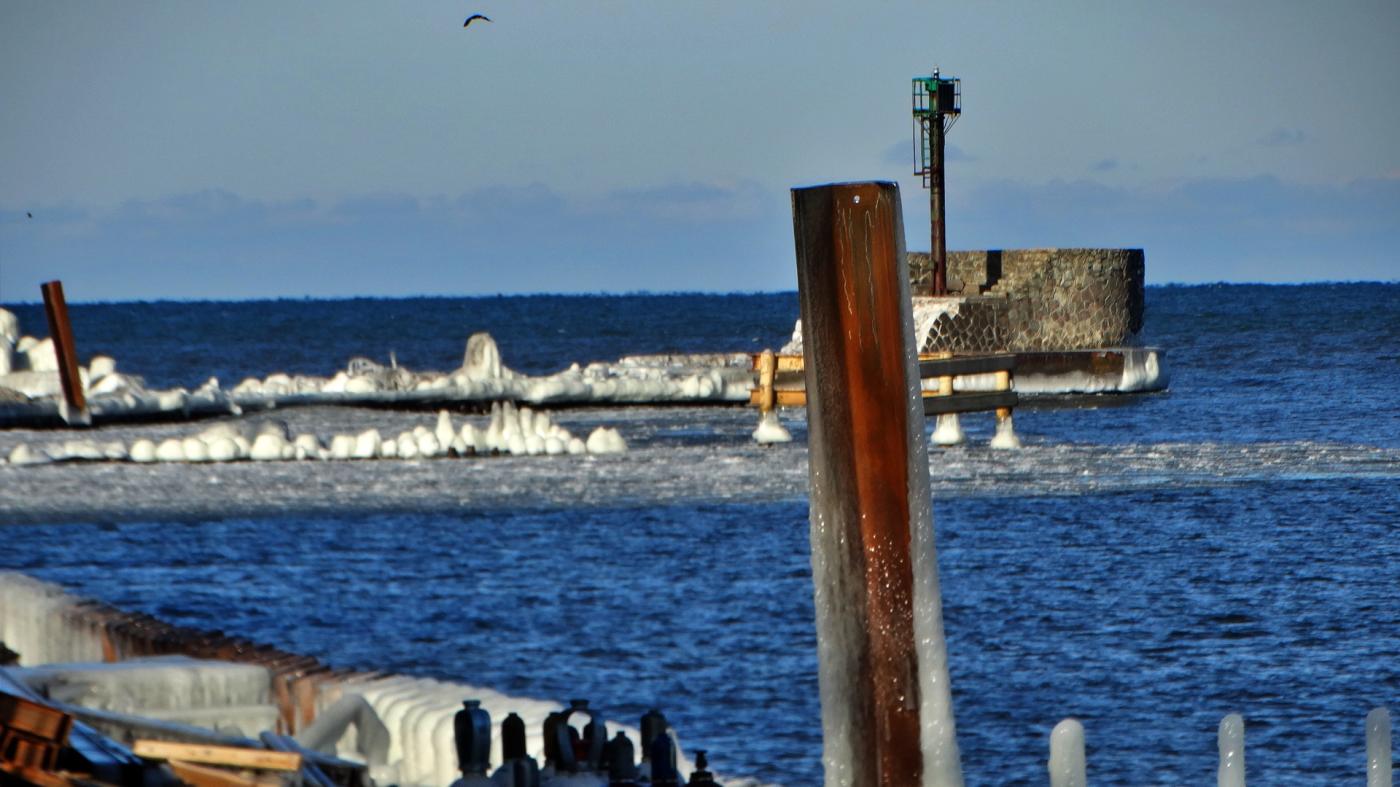
- ice formation on vessels and port equipment,
- increased energy demand and potential outages,
- challenges for offshore and nearshore operations.
Convective winter phenomena possible
Meteorologists do not rule out localized snow squalls and winter thunderstorms, driven by cold air masses moving over relatively warmer Baltic waters.
- These events are brief but can significantly reduce visibility and safety at sea - explains the Meteo24 expert.
Outlook for the maritime sector
February 2026 will require:
- constant monitoring of short-term forecasts,
- adaptive logistics planning,
- readiness for rapid weather deterioration.
- The Baltic Sea region will remain under dynamic atmospheric influence throughout the month – concludes Mariusz Jasłowski, Meteo24.com.pl.
Buy us a coffee, and we’ll invest in great maritime journalism! Support Gazeta Morska and help us sail forward – click here!
Kamil Kusier
redaktor naczelny
gallery
comments
Add the first comment
see also
Aurora borealis over the Baltic Sea: a space weather signal for the maritime industry
High-pressure dominance brings frost and snow during winter holidays
Snowstorms, storm surge risk and incoming thaw over the Baltic
Baltic Sea under prolonged storm regime as severe winter weather persists until New Year’s Eve
Storm surge, severe weather and winter instability affect the southern Baltic
A crisp and frosty Christmas morning in Ustka
Christmas period under strong high pressure: freezing fog and storm conditions over the Baltic Sea
Waterspouts over the Baltic. Spectacle or growing hazard for maritime operators?
British Forecasts: Rare red warning issued for incoming Storm Eowyn
ADVERTISEMENT
ADVERTISEMENT