Stranded polish merchant fleet. A maritime sector in decline
In the late 1980s, the Polish merchant fleet stood as a symbol of maritime strength, boasting over 240 vessels flying the national flag. Today, however, the fleet has dwindled to a mere 14 ships. This decline underscores a profound crisis in Poland's maritime sector, driven by adverse regulatory frameworks and economic inefficiencies.
opinions and comments ports commentary news21 december 2024 | 06:15 | Source: Gazeta Morska | Print
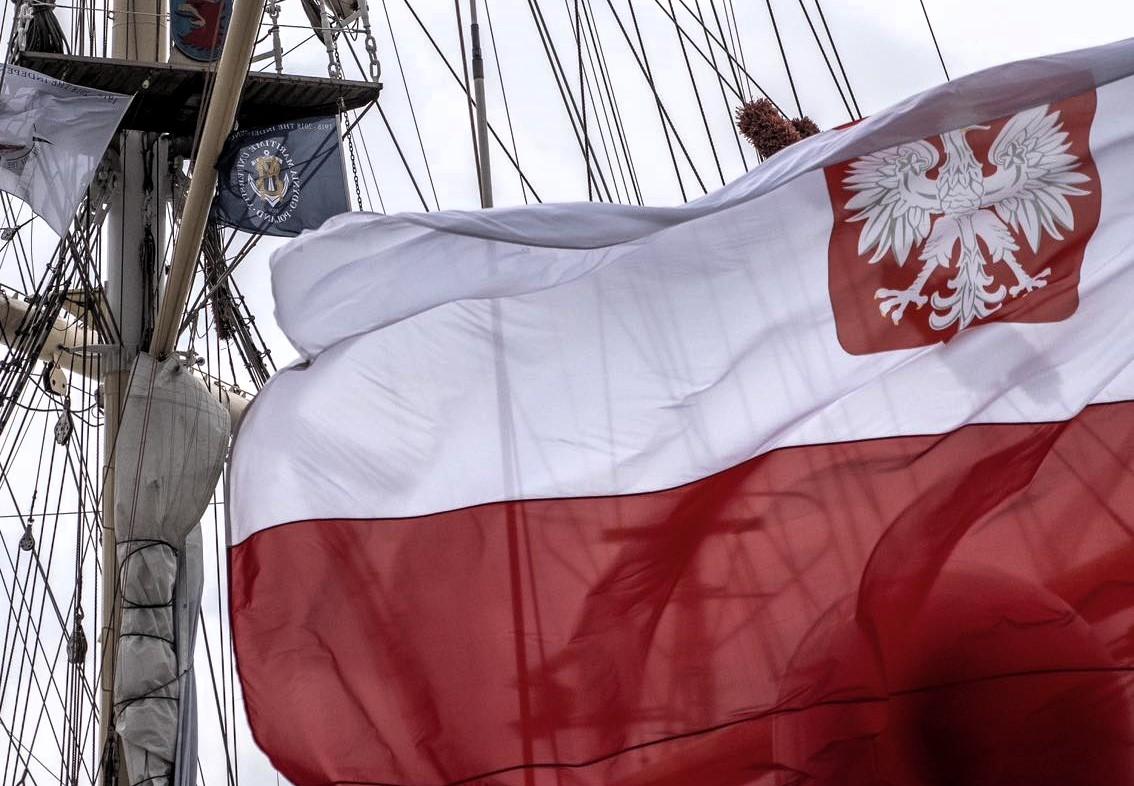
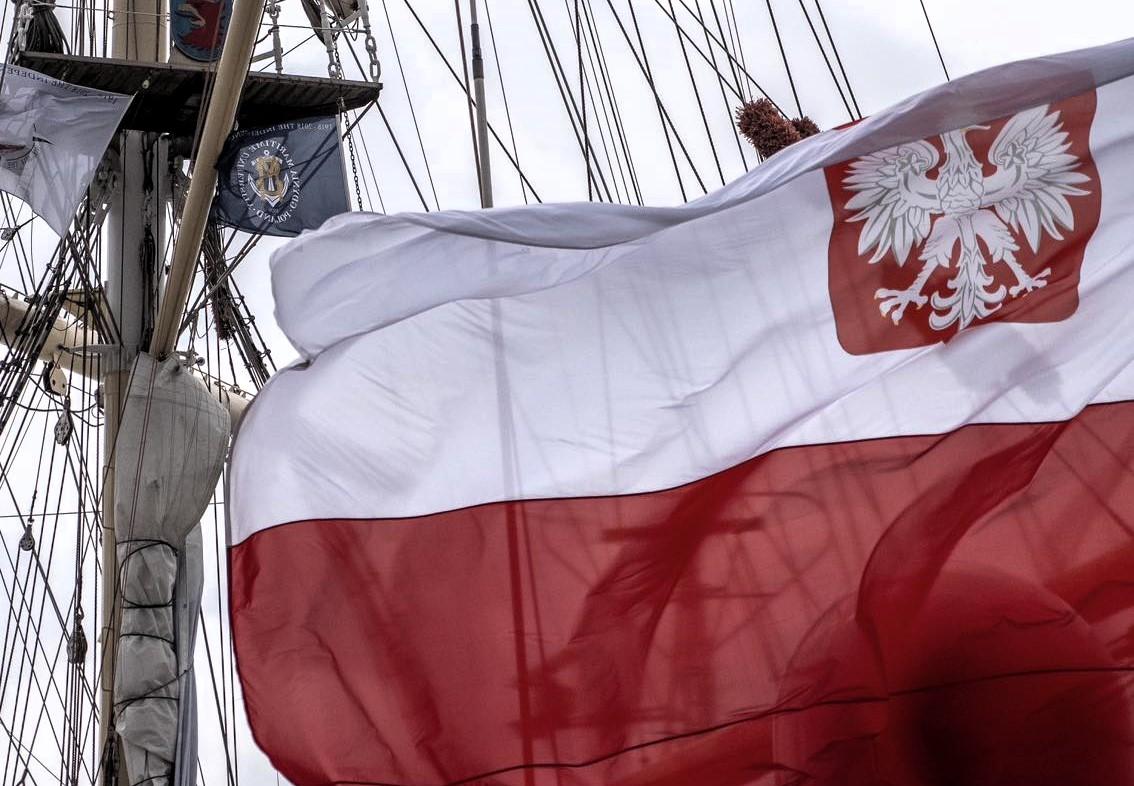
fot. Uniwersytet Morski
The impact of "Flags of convenience"
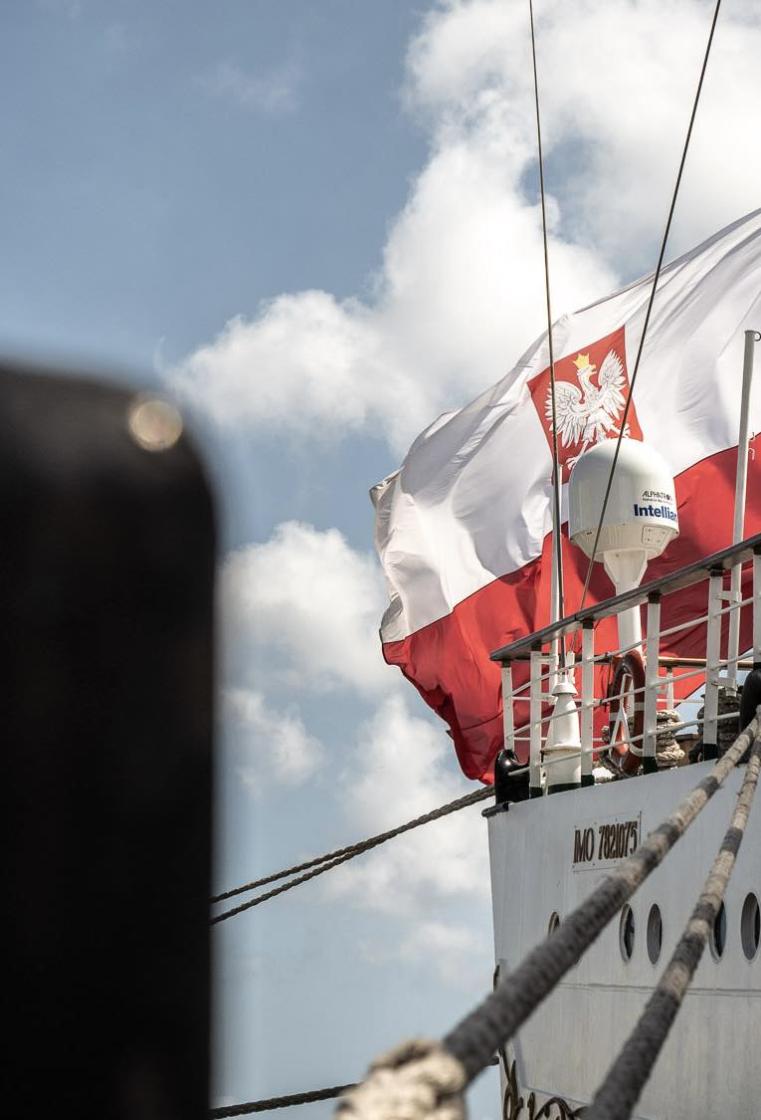
One of the critical challenges has been the migration of Polish-owned vessels to foreign registries, a practice often referred to as operating under "flags of convenience." This shift allows shipowners to benefit from lower operational costs, reduced taxation, and more favorable legal frameworks offered by countries such as Panama, Liberia, and Malta. While advantageous for individual operators, this trend has eroded Poland’s maritime influence and resulted in substantial economic losses.
The regulatory burden
Poland's high taxes and bureaucratic inefficiencies have compounded the problem. Despite introducing a tonnage tax in 2006—intended to simplify the taxation process and attract shipowners back to the Polish flag—the measure has largely failed. Industry stakeholders have criticized the legislation for its cumbersome implementation and insufficient incentives, rendering it ineffective in reversing the fleet’s decline.
Consequences for the economy and national security
The dwindling fleet has far-reaching implications. Economically, Poland forfeits billions in potential revenues from maritime trade, while shipbuilding and ancillary industries face stagnation. Strategically, a diminished merchant fleet weakens the nation’s ability to safeguard maritime supply chains and assert its presence in global shipping lanes.
The need for comprehensive reform
Revitalizing the Polish merchant fleet requires bold, comprehensive reforms. These might include modernizing maritime policies, offering competitive tax incentives, and reducing administrative barriers for shipowners. Additionally, fostering partnerships with the private sector and investing in maritime education could help rebuild the industry’s foundation.
A call to action
Poland's maritime tradition, once a source of national pride, now stands at a crossroads. To avoid permanent decline, the government and industry must work together to address the systemic issues undermining the sector. Only through decisive action can Poland restore its position as a competitive maritime power.
More information is available at Gazeta Morska.
Kamil Kusier
redaktor naczelny
gallery

comments
Add the first comment
see also
Aleksandra Kosiorek: The sea has always been a space of openness for us, and that will not change
Sebastian Kluska, director of MSPiR SAR: No room for improvisation at sea. Skills and judgment matter
Poland as Europe’s food hub. Minister Stefan Krajewski on export, security, and global competition
The sea as an instrument of power: the maritime dimension of the U.S. National Security Strategy of 2025
Between promises and delivery: Poland’s maritime economy in 2025
Defence minister Władysław Kosiniak-Kamysz on a generational shift in the Polish Navy and Baltic deterrence
Indonesia 2025-2030: the maritime pillar of Southeast Asia’s growth
Shadows of Putin on the Baltic Sea
Piotr Gorzeński, president of the Port of Gdynia: I prioritise consistency over competition
“Globalization is a necessity, not a choice.” Andrzej Jaworski on the inevitable processes of the modern economy
ADVERTISEMENT
ADVERTISEMENT