Energy Currents 2025. Europe at a critical point of transformation. Which path will Poland take?
Europe has reached a turning point in its energy transition – a process that is redefining the very foundations of the modern state: its security, competitiveness, and sovereignty. Against the backdrop of global tensions, disrupted supply chains, regulatory pressures, and accelerating digitalization, the question of how to shape future energy systems is no longer a purely technical one. It has acquired a geopolitical – even civilizational – dimension. Which path should Poland choose? That was the focus of our discussion during the Energy Currents 2025 debate.
power engineering offshore opinions and comments politics news28 august 2025 | 11:17 | Source: Gazeta Morska / Grupa Europejskich Konserwatystów i Reformatorów w Parlamencie Europejskim | Prepared by: Kamil Kusier | Print
.png)
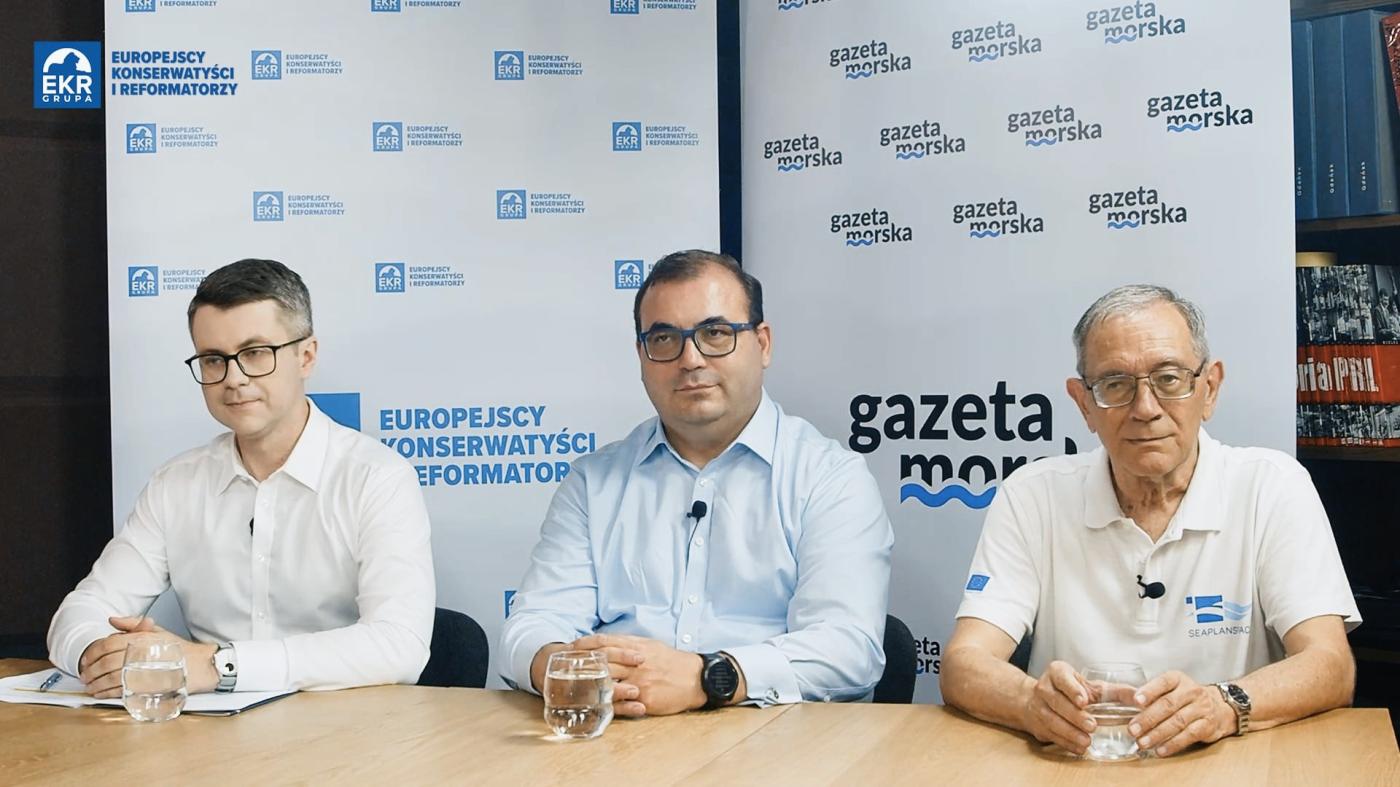
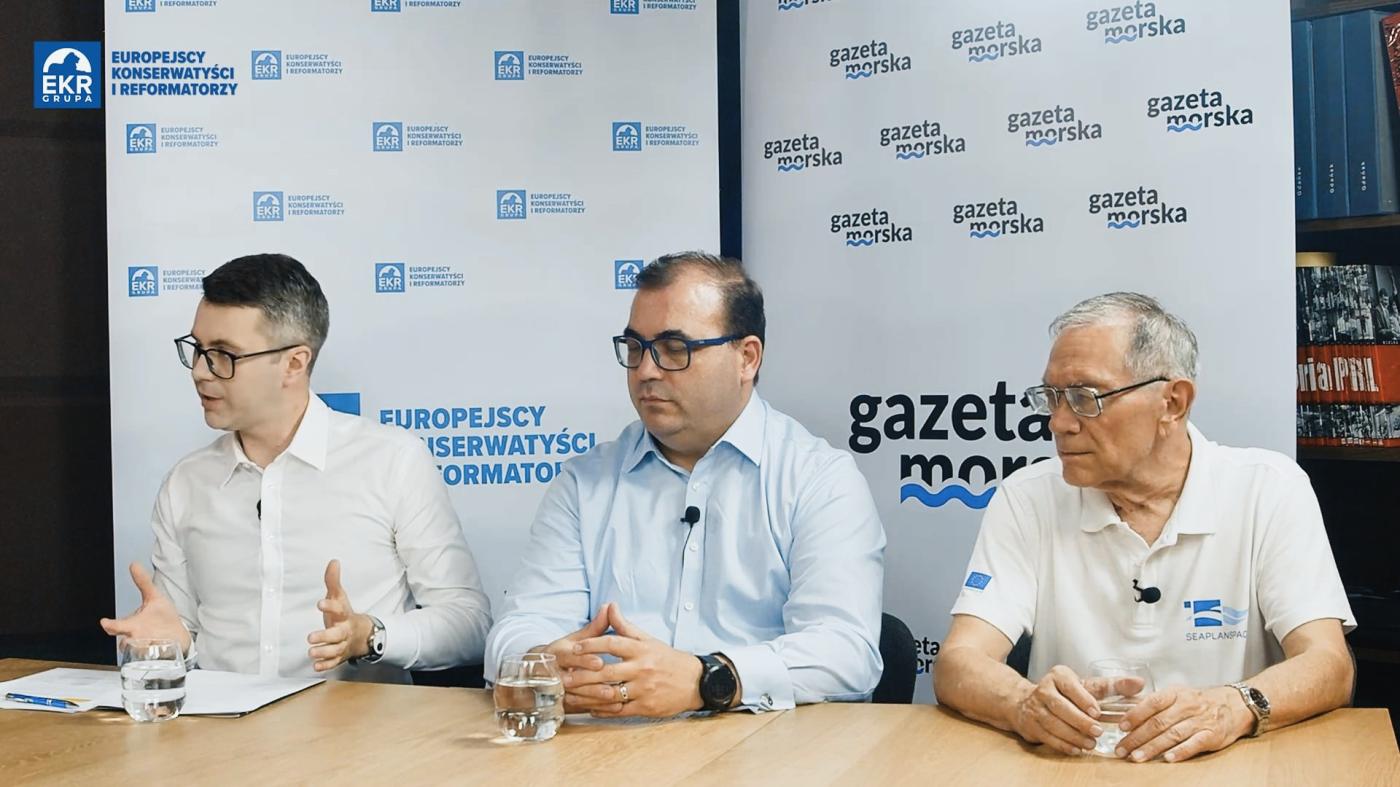
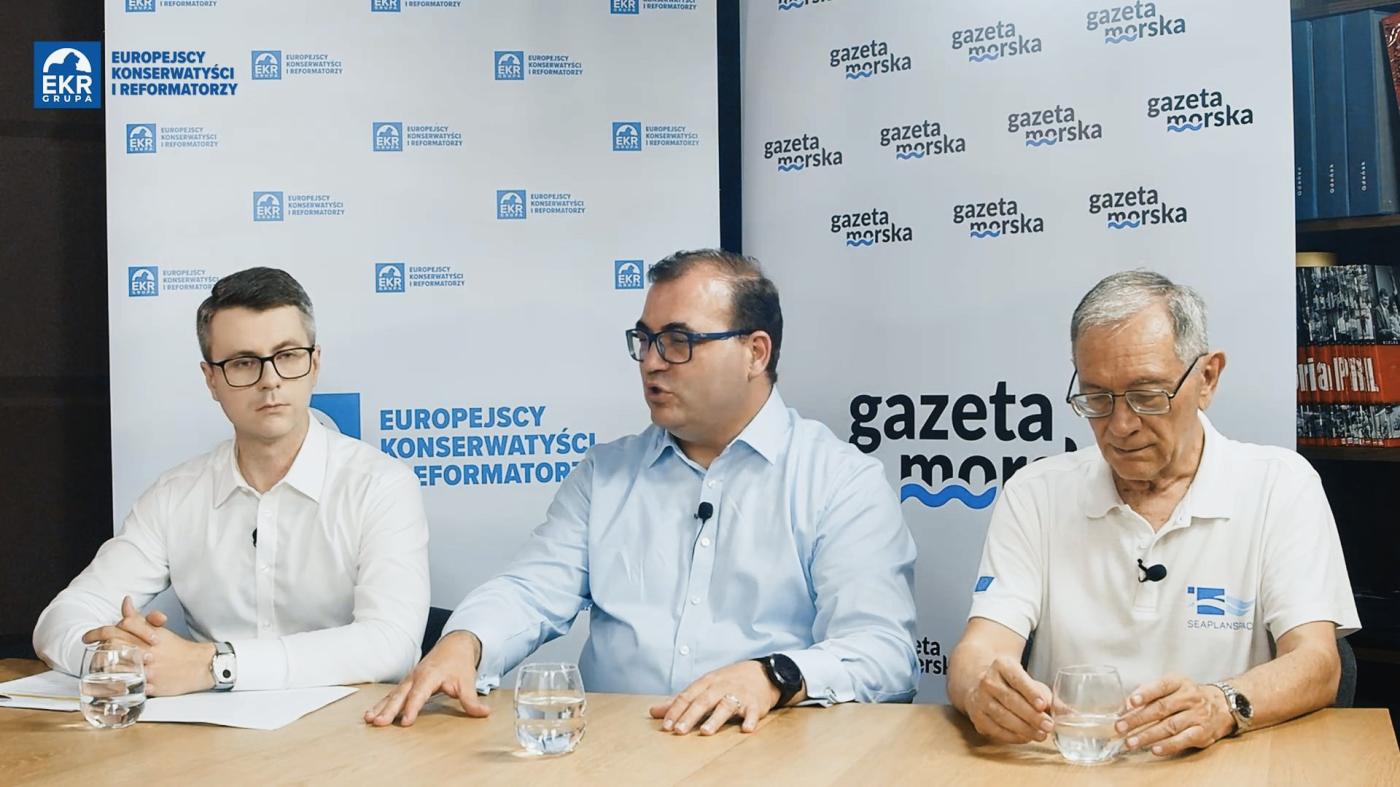
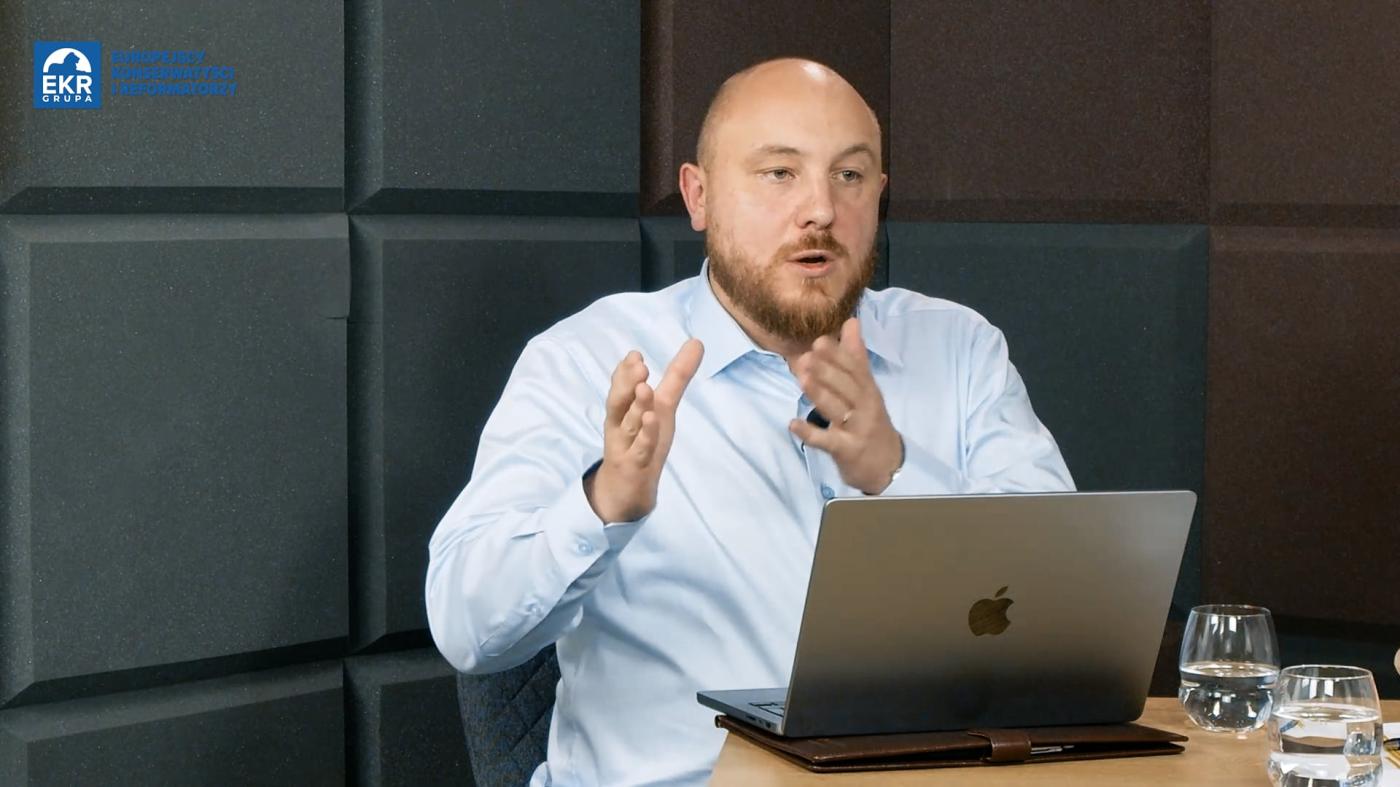
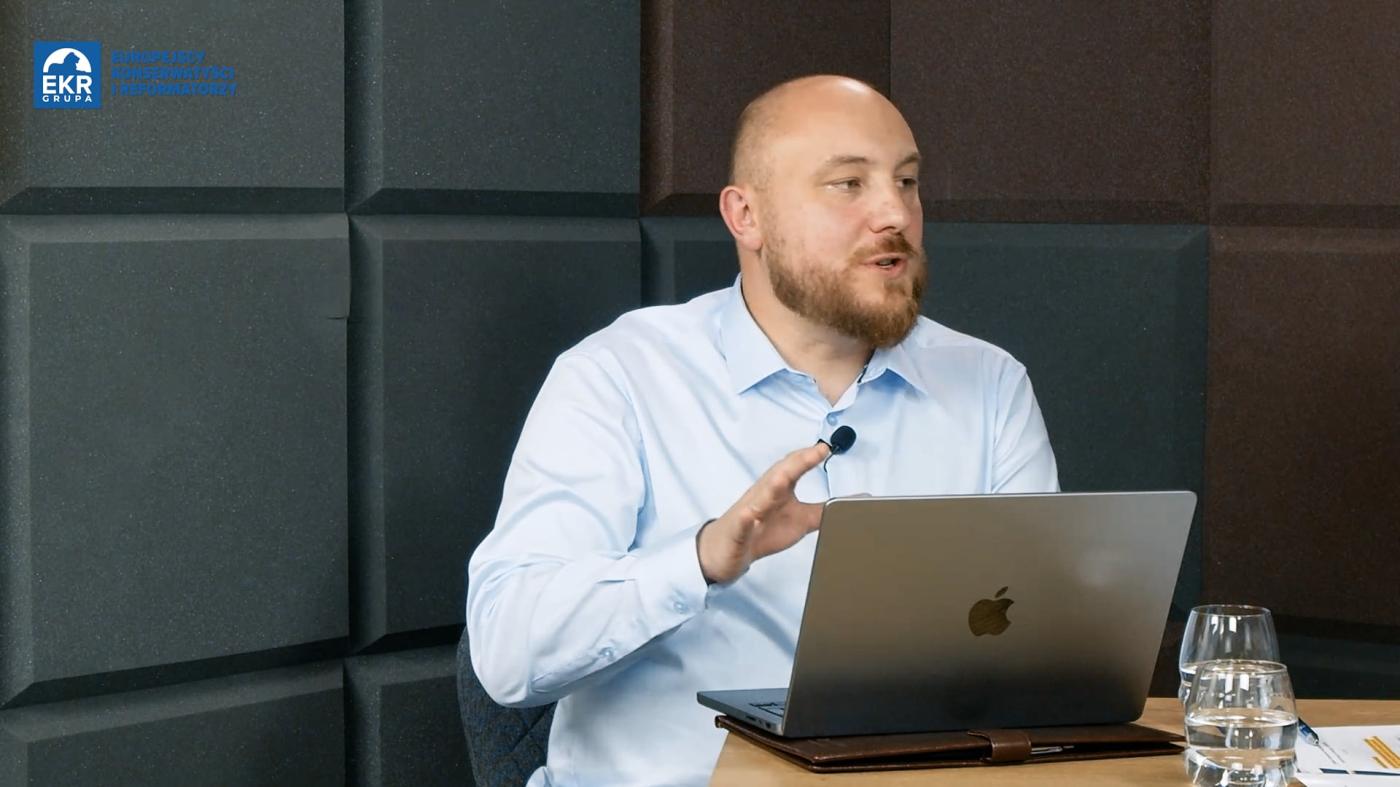
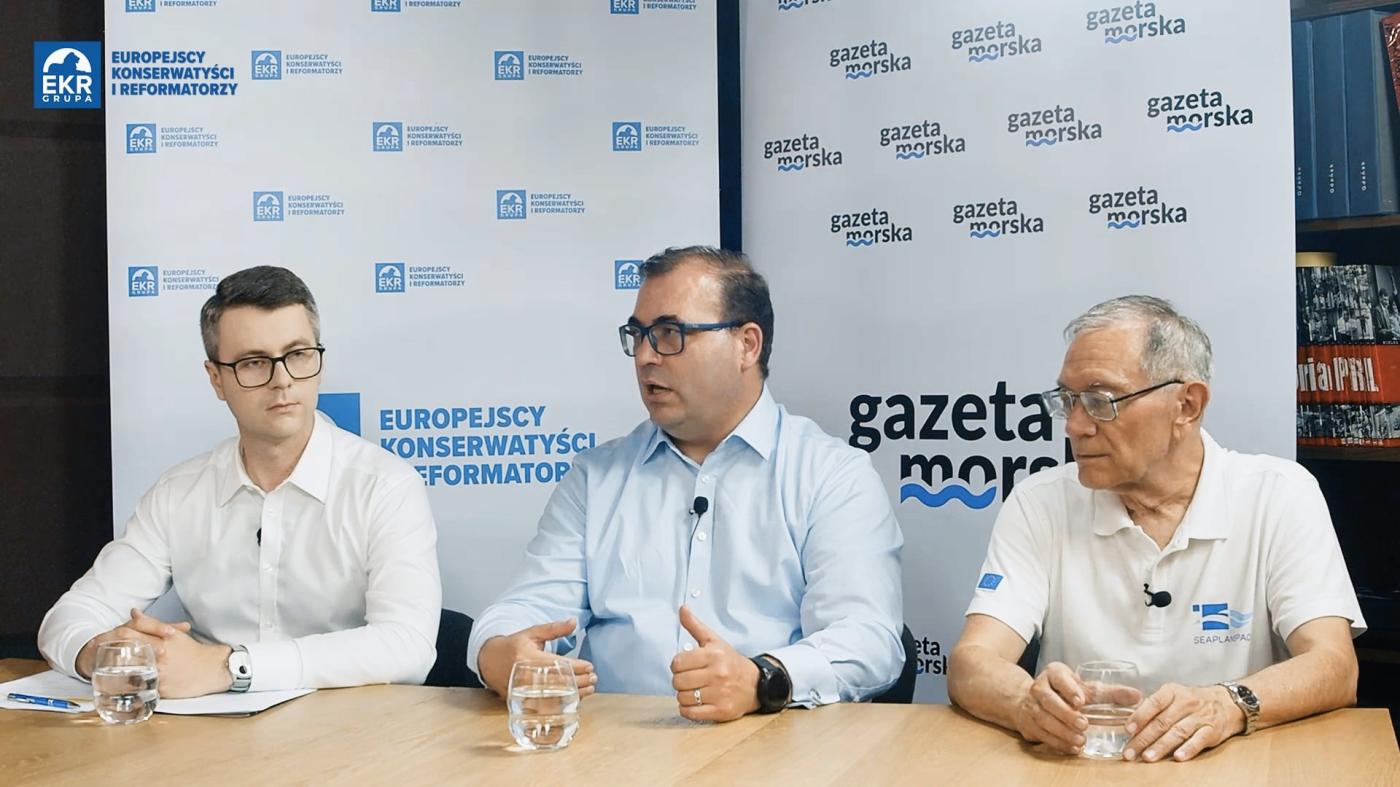
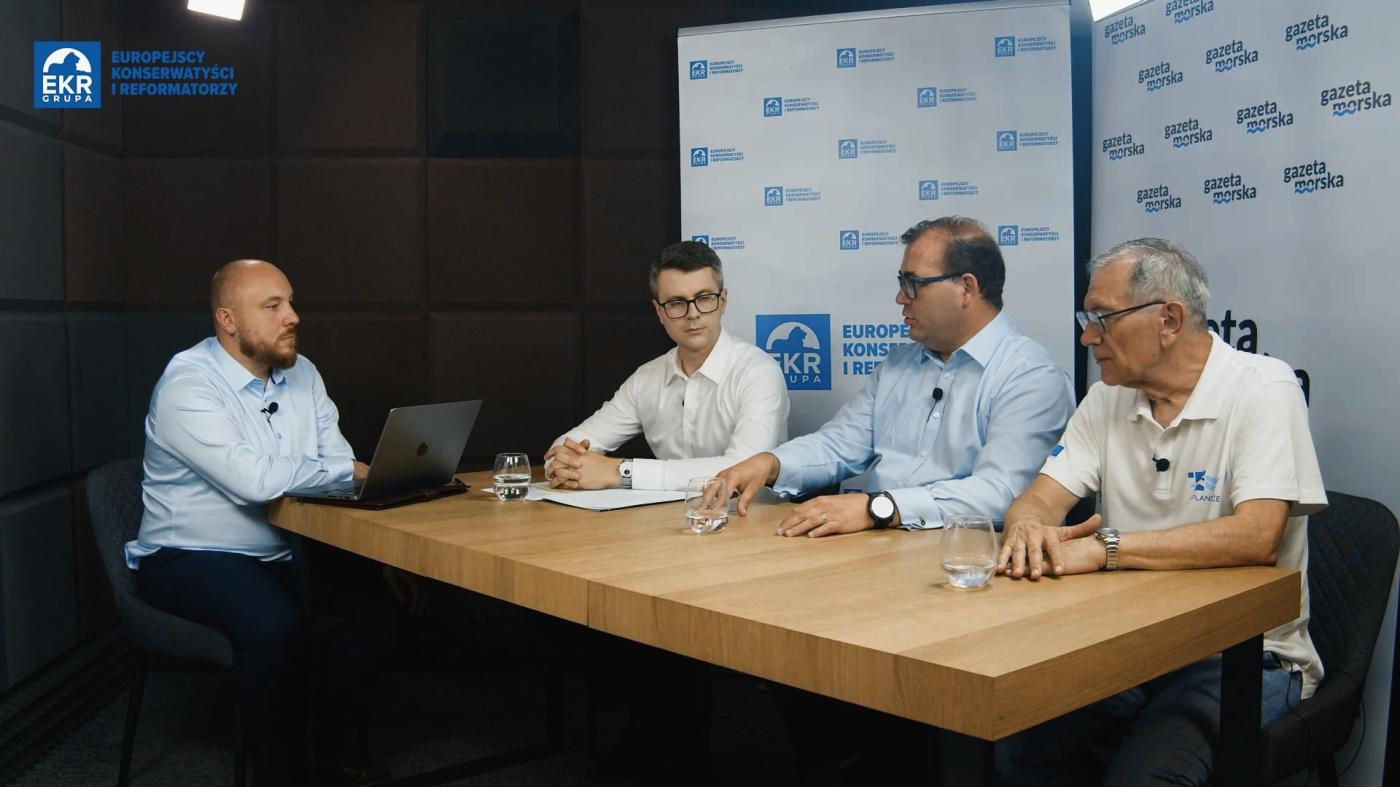
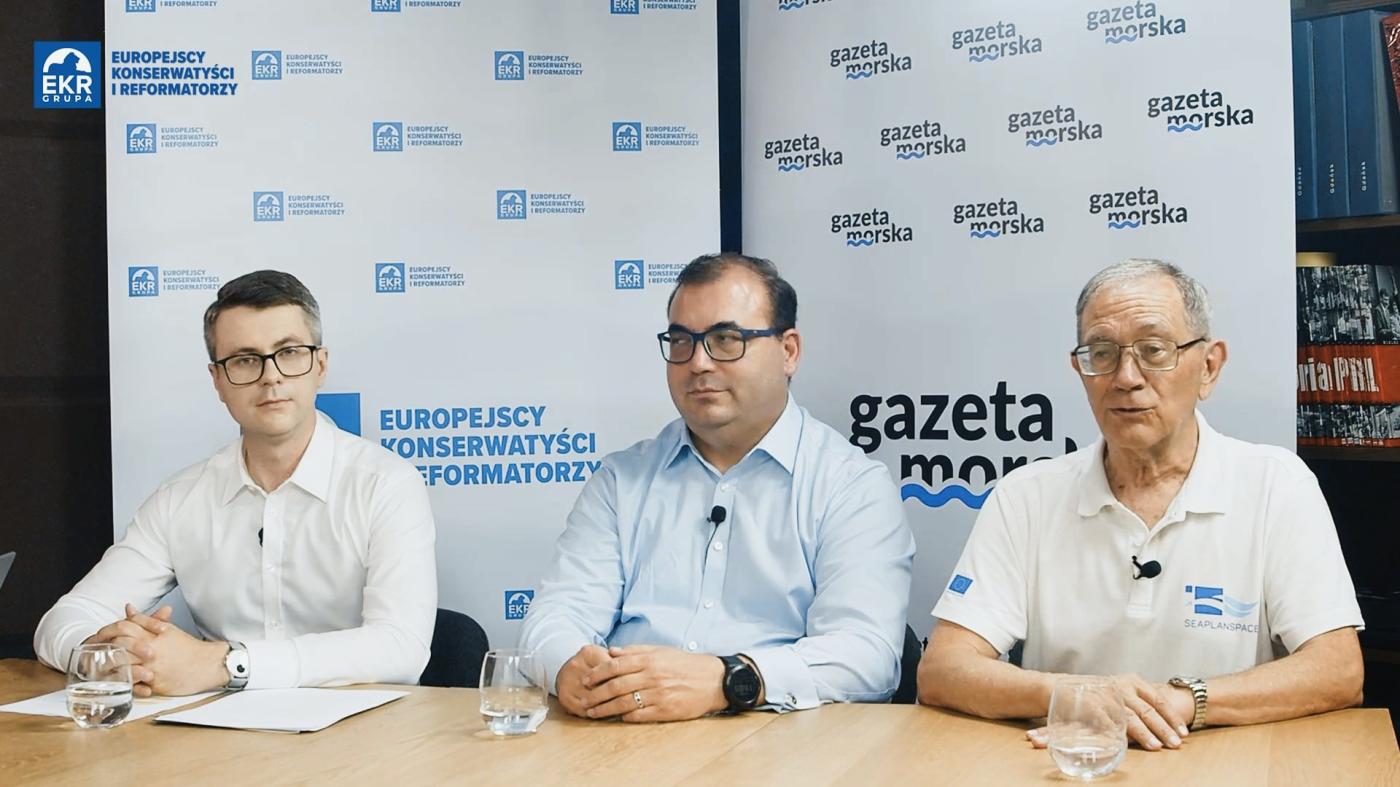
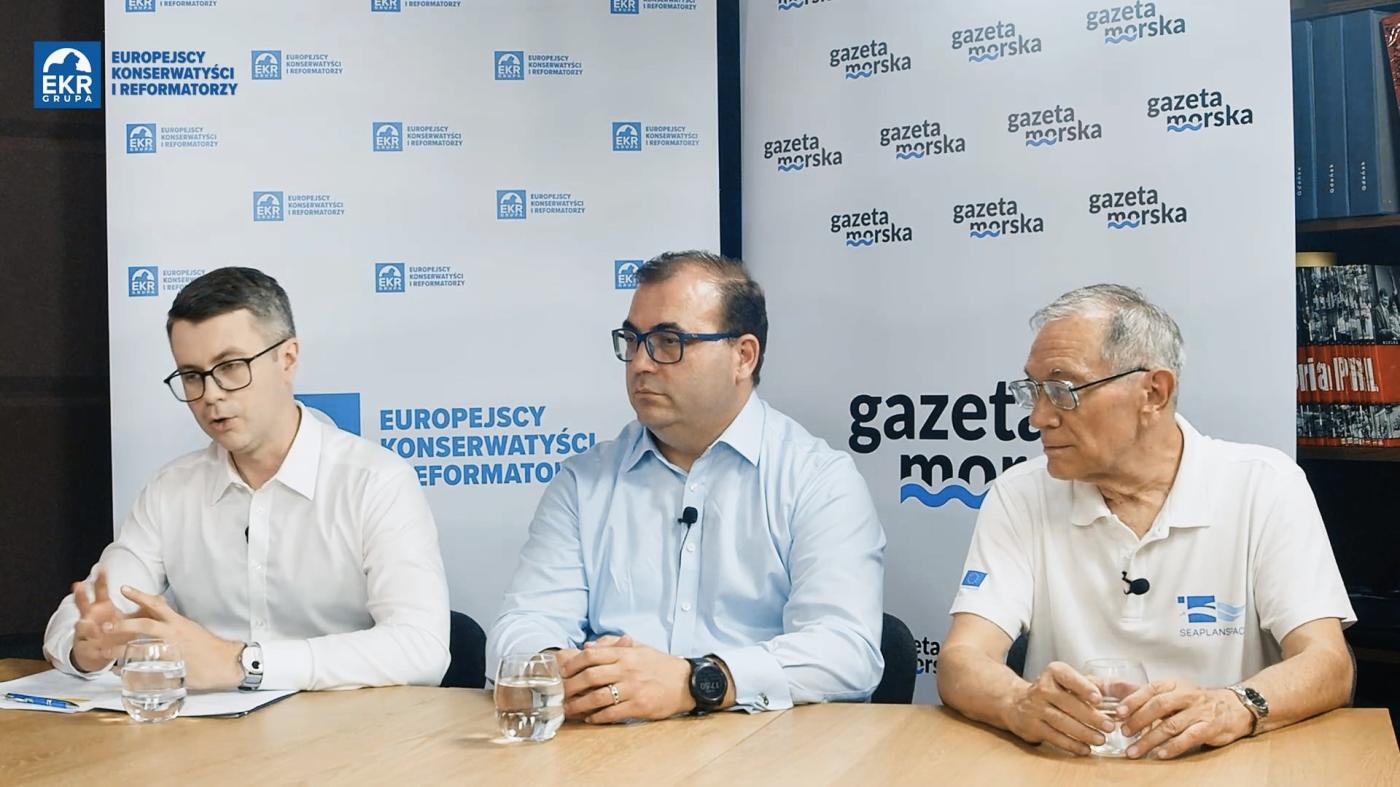
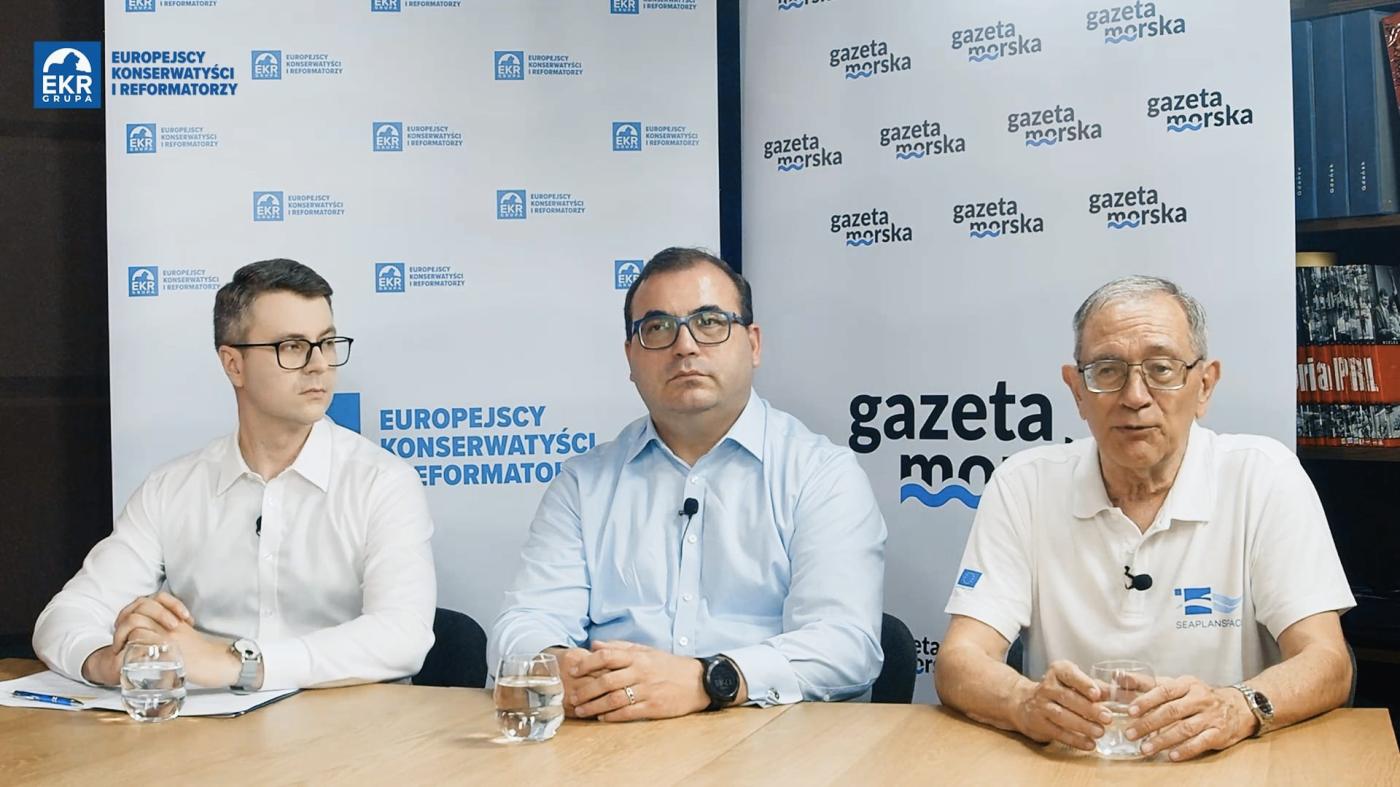
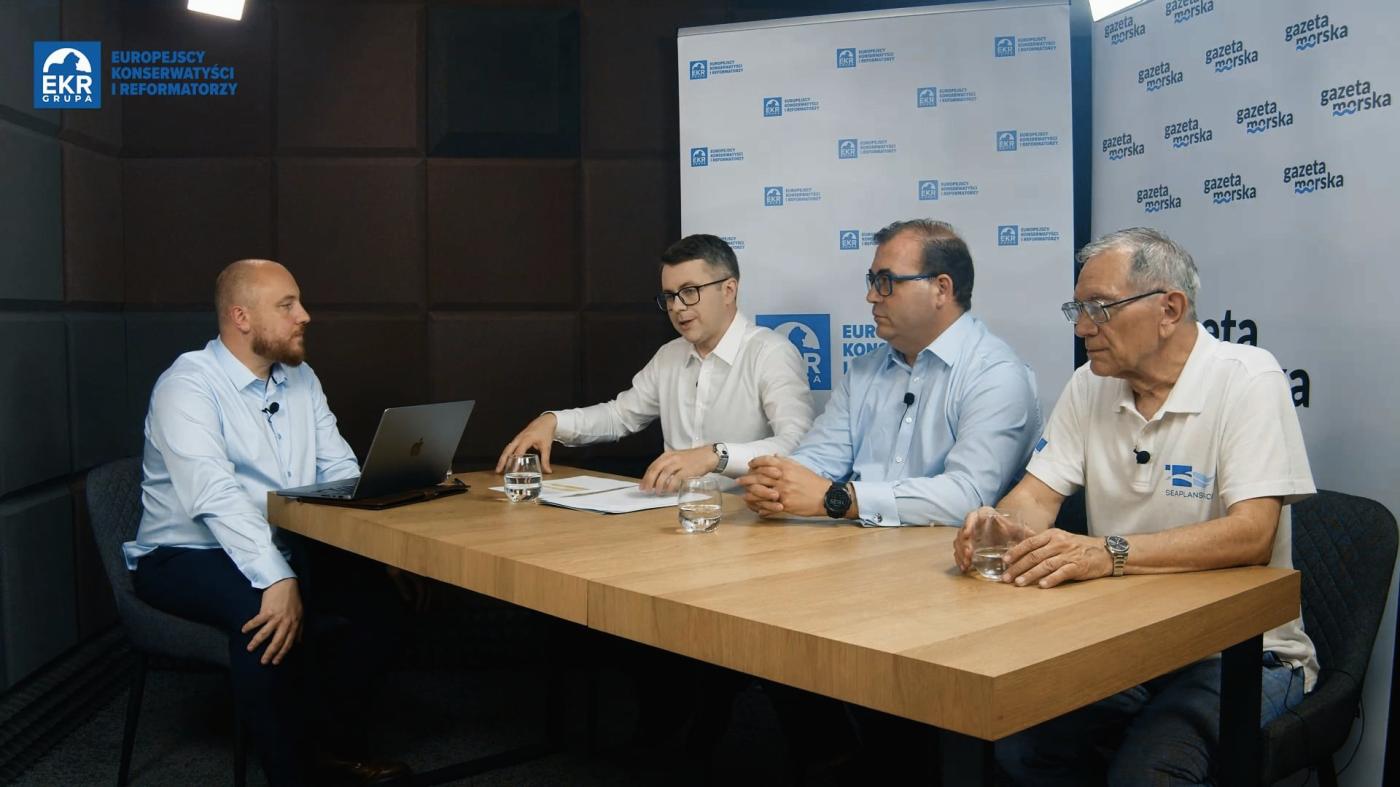
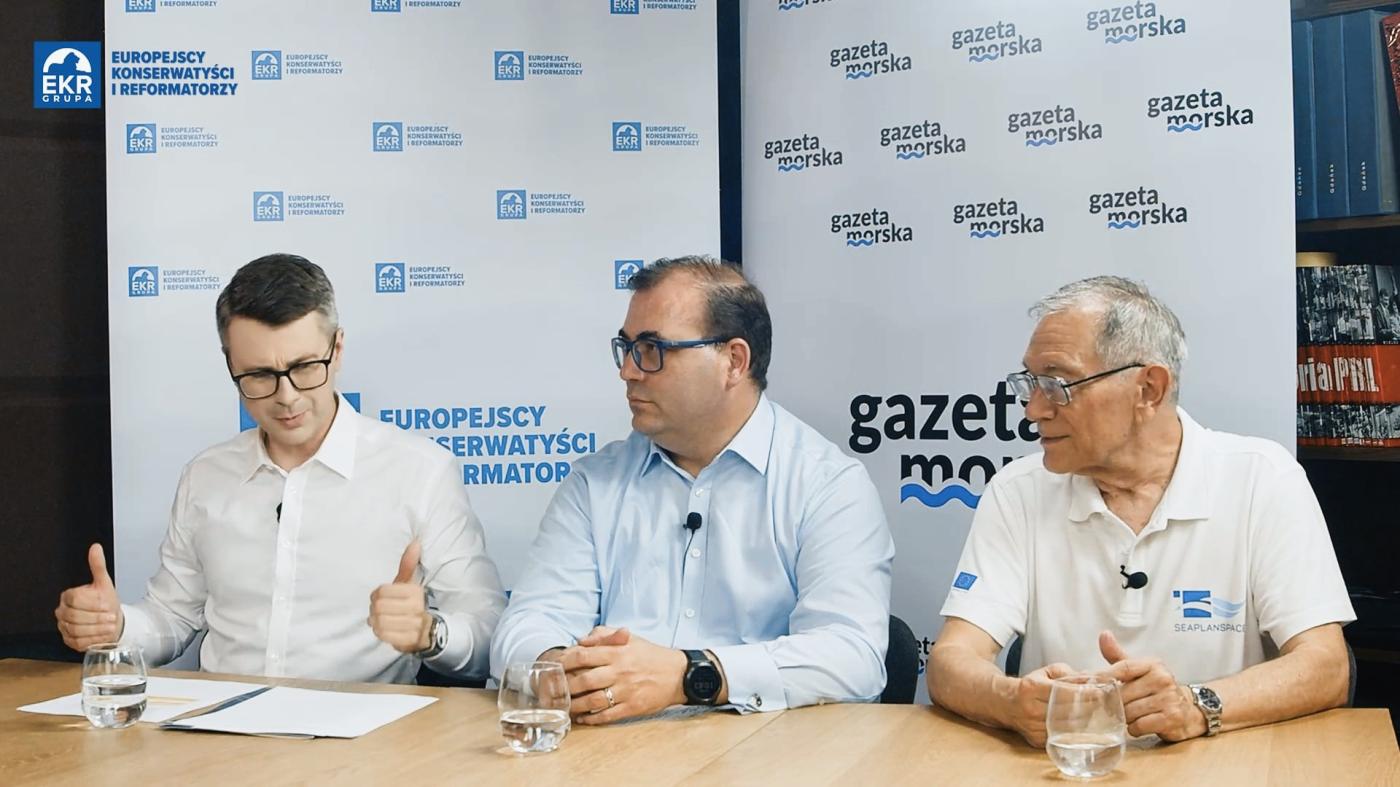
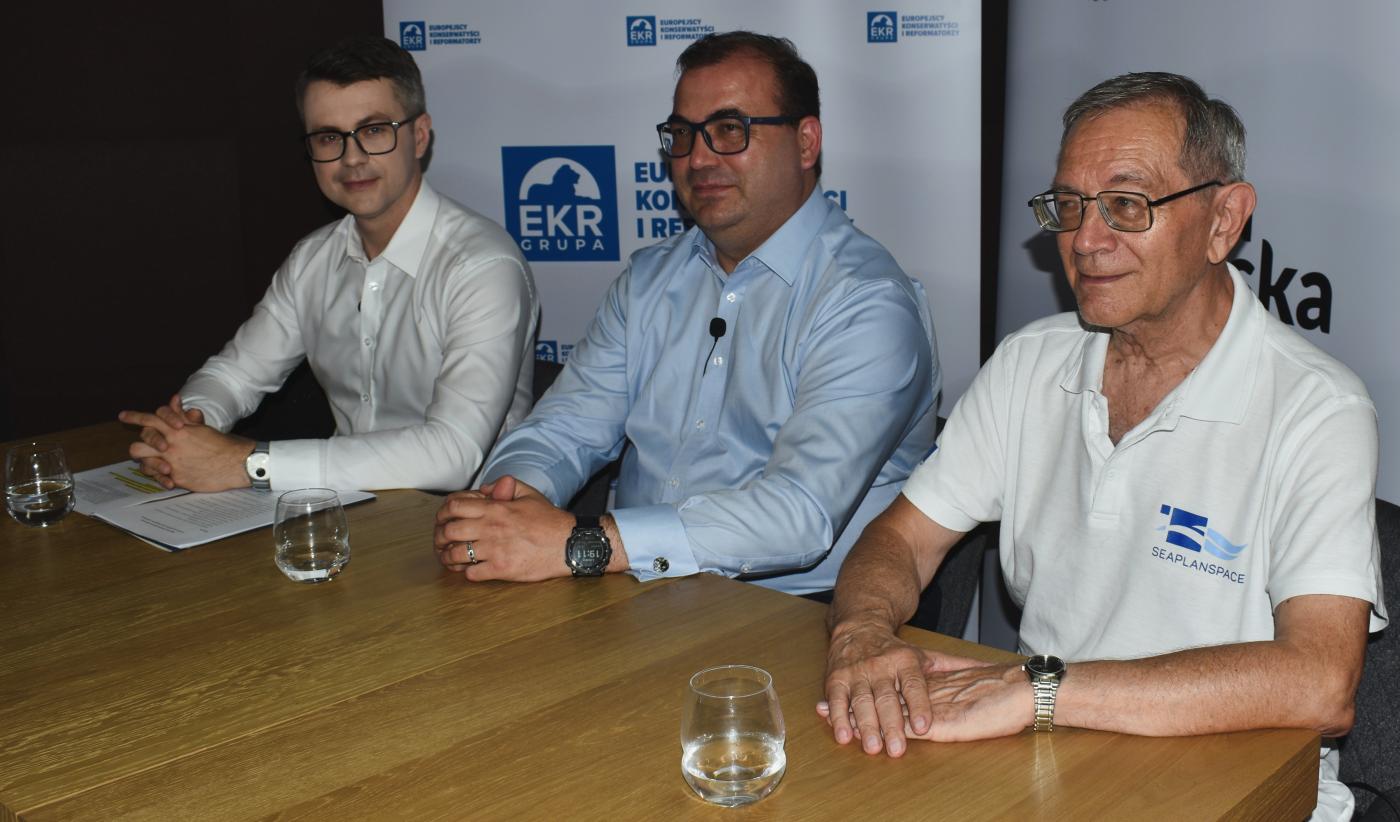
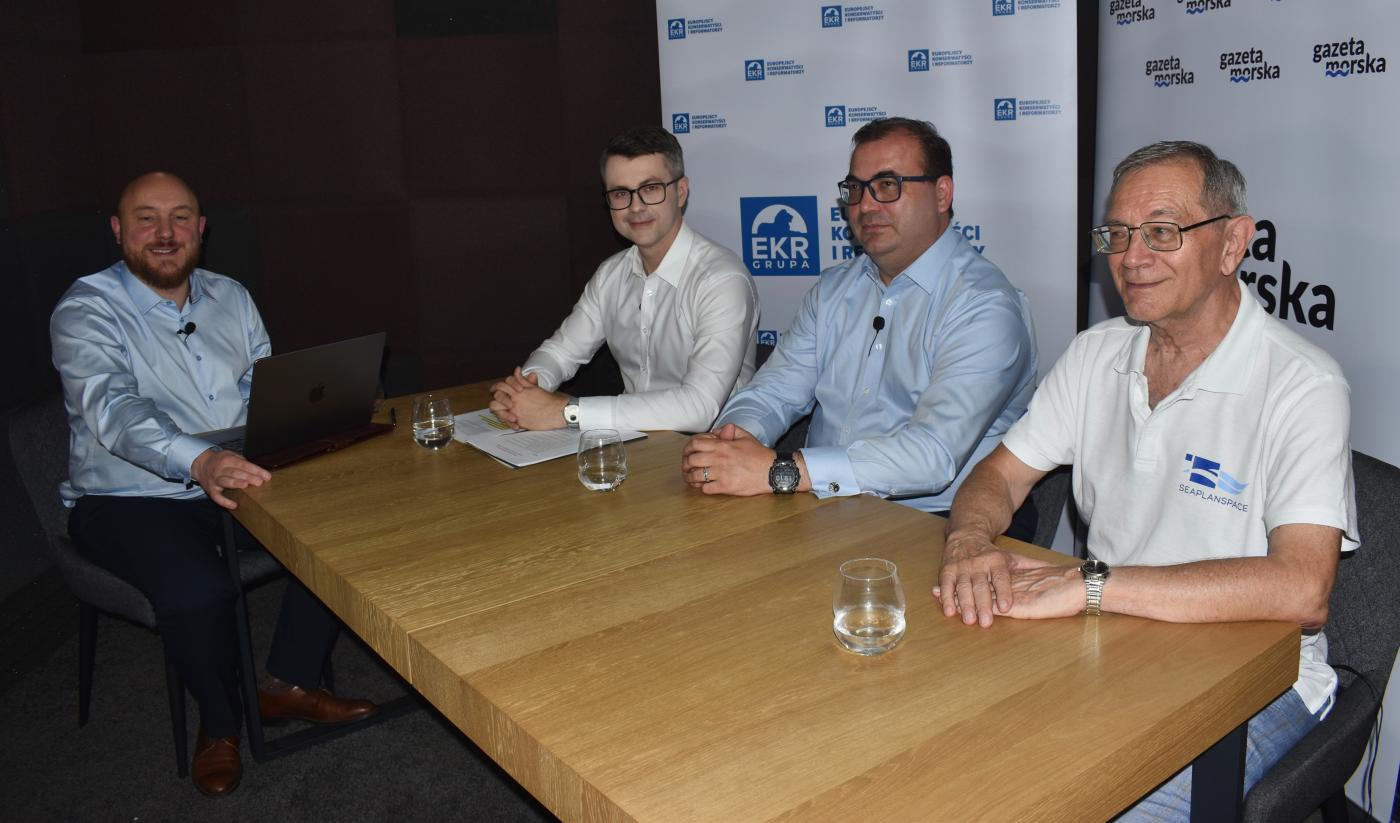
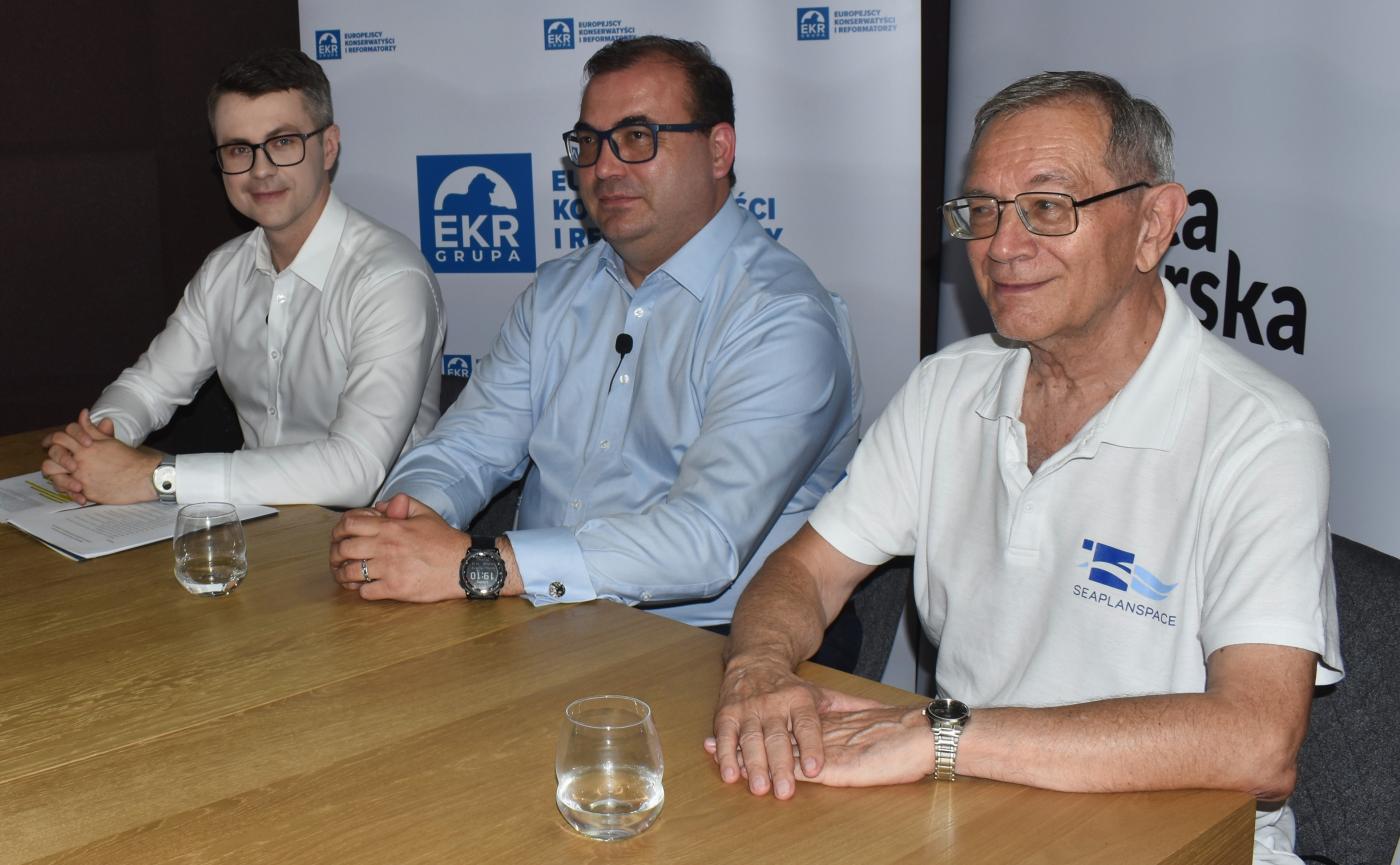
In this context, key concepts such as energy sovereignty, maritime transmission infrastructure, and technological realism are no longer just slogans – they have become essential conditions for effective state policy. These were the themes that resonated during the “Energy Currents 2025” debate, which brought together, among others, MEP Piotr Müller, representing the European Conservatives and Reformists Group in the European Parliament – co-organizer of the debate – Andrzej Jaworski, President of the Chamber of Commerce and Industry, and Prof. Marek Grzybowski, President of BSSC. Their shared message was clear: Poland must define which side of this transformation it wants to be on. It will either shape its own energy future or follow someone else’s script. The Pomeranian region, with its logistics base, port infrastructure, and growing offshore sector, can play a decisive role – provided that its potential is fully leveraged.
The debate showed that energy policy in Poland increasingly extends beyond questions of energy sources and fuel mix. It now embraces system resilience in times of crisis, technological dependencies on Asia, the quality of EU legislation, spatial planning, the role of technical education, and the growing influence of artificial intelligence on energy use and management. Within this complex landscape, nuclear power – both large-scale and in SMR form – is gaining importance, as are ports and coastal regions as transmission hubs and industrial competence centers.
Against the backdrop of EU energy policy, the tension between declared solidarity and the reality of national interests is becoming ever more apparent. Rising energy prices, concentration of renewable technology supply chains outside Europe, protracted project approval procedures, and the European Commission’s ambiguous stance on key issues all raise questions about the true direction of energy integration and Poland’s place within it.
The energy transition is no longer a vision of the future – it is happening here and now. Decisions taken today will determine not only the structure of Poland’s economy, but also the state’s ability to act under extreme conditions, its independence from external suppliers, and, in a broader sense, its ability to participate as an active player in Europe’s new energy order.
The “Energy Currents 2025” debate was organized by KPH Group Sp. z o.o. – publisher of Gazeta Morska and Daily Mare – together with the European Conservatives and Reformists Group (ECR).
The program was financed with the support of the European Conservatives and Reformists Group in the European Parliament.
.png)
Buy us a coffee, and we’ll invest in great maritime journalism! Support Gazeta Morska and help us sail forward – click here!
Kamil Kusier
redaktor naczelny
gallery
comments
Add the first comment
see also
Bechtel signs contract with Doraco for Poland’s first nuclear power plant
PEJ relocates headquarters to Pomerania. A strategic step in Poland’s nuclear power development
Baltic Power completes installation of all 78 offshore wind farm foundations
Baltica 2 cable corridor taking shape: 150 km of inter-array routes completed in the Baltic Sea
PGE Baltica opens 2026 procurement pipeline to the market. Supplier webinar on 26 February
ORLEN acquires 25% stake in Aphrodite field on the Norwegian Continental Shelf
Local content strengthened amid rising market interest in Poland’s energy transition
Port of Gdańsk’s T5 terminal advances as key installation hub for Baltica 2 offshore wind project
Poland’s nuclear project secures landmark financing as PEJ signs first loan agreement with US EXIM
UK sets offshore wind auction record. Offshore beats gas and nuclear on price
ADVERTISEMENT
ADVERTISEMENT