Strait of Hormuz at a strategic crossroads: sinking of IRIS Dena and implications for maritime transport
The Strait of Hormuz, a strategic chokepoint for approximately 20% of global crude oil shipments and significant volumes of LNG, has become the focal point of heightened geopolitical tension between Iran and the United States. The recent sinking of the Iranian frigate IRIS Dena by a U.S. Los Angeles-class improved (688i) attack submarine marks the first direct engagement of its kind in the region in decades, underlining the intersection of military operations and commercial shipping risks.
security navy worldwide nato newsToday | 11:20 | Source: Gazeta Morska | Prepared by: Kamil Kusier | Print
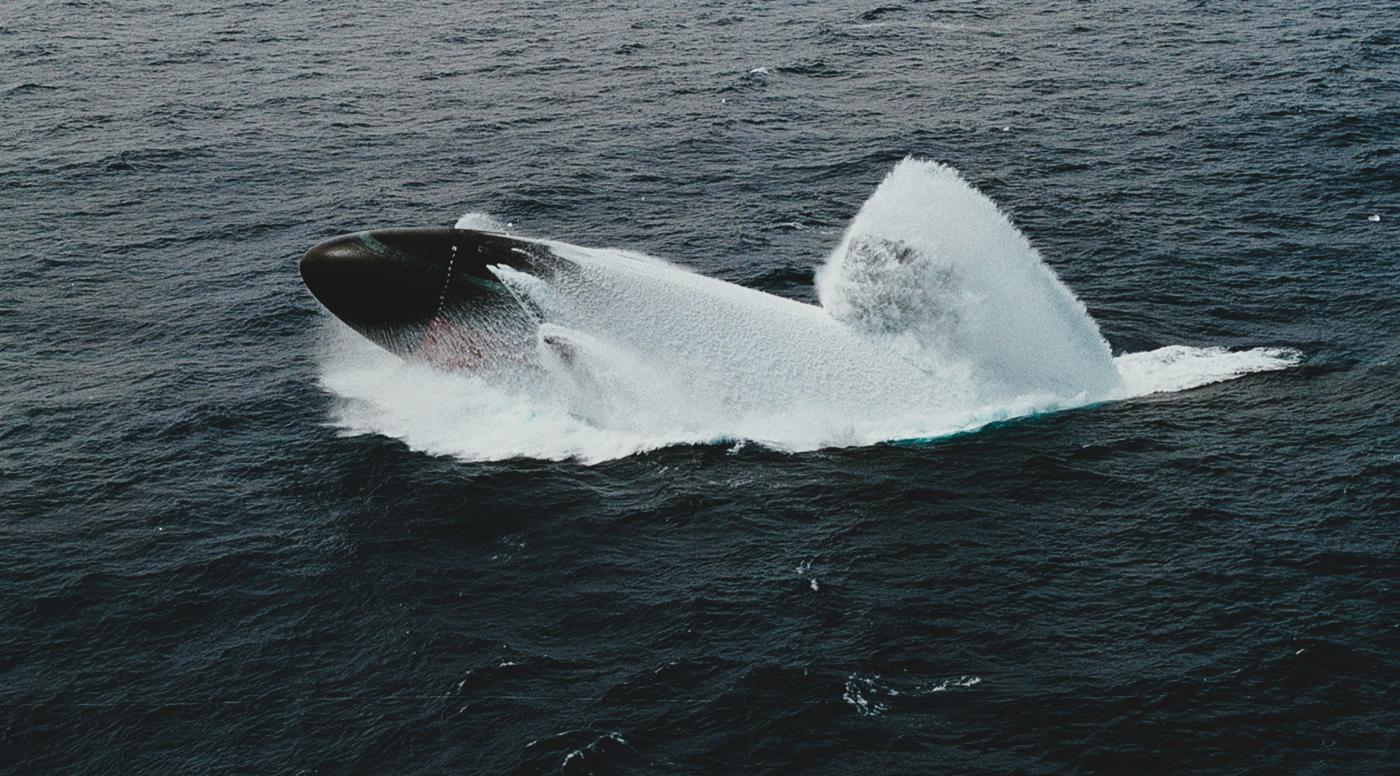
fot. U.S. Navy
According to available reports, the IRIS Dena was struck by a Mk 48 ADCAP torpedo, resulting in over 80 fatalities and several crew members rescued. This incident represents the most significant underwater engagement in the Gulf since the Iran-Iraq war of the 1980s, a period that saw repeated attacks on commercial tankers.
Navigational risks in the strait
Concurrent with military operations, several commercial tankers have sustained damage from missiles or drones, with one vessel reportedly taking on water. Thousands of seafarers are effectively stranded on ships awaiting passage, while shipowners reroute or suspend voyages to mitigate risk.
The Strait of Hormuz, which narrows to approximately 39 kilometers at its tightest point, functions as a critical artery for the global energy supply chain. Even partial disruption can have immediate effects on energy security and commodity pricing, highlighting the sensitivity of maritime transport to geopolitical developments.
Impact on oil transport and energy markets
The immediate consequence of heightened risk in the Strait has been reflected in the energy markets. Brent crude reached $83 per barrel, with analysts warning that sustained escalation could push prices above $100 per barrel. The reaction is not solely due to direct threats; perceived risk itself drives market volatility, affecting charter rates, insurance premiums, and the operational decisions of tanker operators.
Maritime stakeholders are facing multiple operational pressures:
- elevated war-risk insurance costs
- potential delays at loading and discharge terminals
- need for reassessment of routing strategies to bypass high-risk zones
These factors underscore the interconnected nature of regional security incidents and global energy markets.
Strategic analysis: military and geopolitical dimensions
The sinking of IRIS Dena by a Los Angeles-class (688i) attack submarine illustrates U.S. capacity for offensive action in a region where military developments directly intersect with commercial shipping. The incident underscores that the risk extends beyond military vessels to include civilian energy shipments, requiring comprehensive situational awareness from shipping companies.
For commercial operators, this necessitates integration of geopolitical intelligence into operational planning. Real-time monitoring, threat assessments, and contingency protocols have become essential components of maritime risk management in the Gulf region.
Outlook for maritime operations
The coming weeks are likely to determine the stability of commercial traffic in the Strait of Hormuz. Even if current tensions persist without full-scale escalation, operators must account for increased insurance costs and operational restrictions.
Should Iran escalate its actions, including the potential blockade of the Strait, global oil transport could be severely disrupted. Such a scenario would have immediate effects on commodity pricing, port operations, and the logistics of energy distribution, potentially requiring military escorts for tankers to ensure safe passage.
Maritime stakeholders, energy companies, and insurers are therefore reassessing operational protocols, emphasizing the critical need for dynamic risk management and contingency planning in a region where military incidents can have immediate global consequences.
Implications for the energy sector and shipping security
The Strait of Hormuz remains a strategic lynchpin for global energy trade. The sinking of IRIS Dena and the attacks on civilian tankers demonstrate that military and political developments in the Gulf directly influence maritime safety, logistical reliability, and market stability. Shipping companies, insurers, and regulators must adapt operational procedures to this heightened risk environment, where military escalation can abruptly disrupt global energy supply chains. Effective risk management in this corridor has become a core priority for the international maritime and energy sectors.
Buy us a coffee, and we’ll invest in great maritime journalism! Support Gazeta Morska and help us sail forward – click here!
Kamil Kusier
redaktor naczelny
comments
Add the first comment
see also
The submarine contract of the decade? Canada weighs South Korea against Germany
When two powers clash, Poland must be ready to act. Military security must be the priority
Commodore Przemysław Karaś appointed deputy commander of the Maritime Operations Centre - Naval Component Command
Radmor hosts delegation from the Republic of Turkey. Advancing maritime security cooperation
French Navy expands global operations from the Pacific to the Red Sea
"Let everyone know we will prevail". Poland’s armed forces set strategic course for 2026-2039
“Army 500” and strategic transformation: Poland sets the course for long-term deterrence and allied readiness
Medical evacuation from offshore vessel in the Baltic. Rescue 511 helicopter and m/s Huragan deployed
Karol Nawrocki: “The strength of the republic lies in its armed forces”. Security requires national unity
Human trafficking, money laundering, millions frozen. Successful operation by border guard and tax administration
ADVERTISEMENT
ADVERTISEMENT