SNMCMG1 Enhances Mine Countermeasure Readiness During BALTOPS 2025
The multinational maritime exercise BALTOPS 2025 has drawn to a close after several weeks of high-tempo naval operations throughout the Baltic Sea. As the region’s premier annual maritime-focused exercise, BALTOPS 2025 brought together over 40 ships, 25 aircraft, and 9,000 personnel from 16 NATO Allies and partner nations, underscoring NATO’s commitment to collective defence, operational readiness, and regional maritime security.
security navy worldwide nato news21 june 2025 | 06:49 | Source: Gazeta Morska | Prepared by: Kamil Kusier | Print
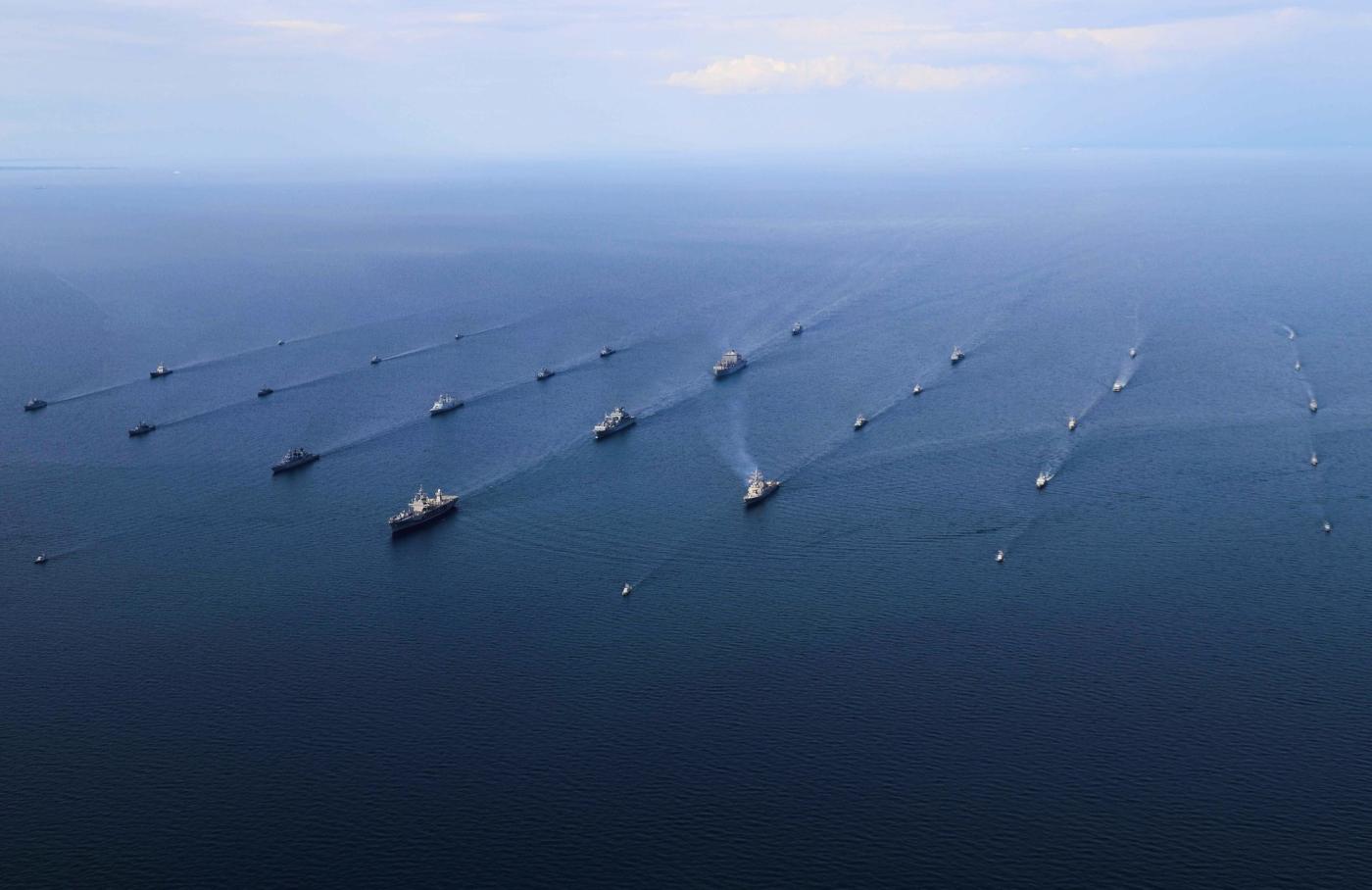
fot. NATO Maritime Command
This year’s iteration focused heavily on complex joint operations in contested maritime environments, with a notable emphasis on mine countermeasure (MCM) operations. A key contributor in this domain was Standing NATO Mine Countermeasures Group One (SNMCMG1), which conducted a robust suite of real-world and simulated tasks designed to enhance underwater threat mitigation capabilities.
Over the course of the exercise, SNMCMG1 units successfully recovered 23 exercise mines and identified 29 historical mines—remnants from past conflicts—still present on the seabed. Additionally, a live countermining operation was executed in Danish territorial waters, adding substantial operational realism and tangible value to the exercise.
- BALTOPS 2025 not only strengthened our interoperability and overall readiness but also delivered real-world impact at sea, stated Belgian Navy Commander Erik Kockx, Commander of SNMCMG1. - By locating and neutralizing historical ordnance and conducting live MCM ops, we’re actively contributing to making the Baltic Sea safer for all who navigate it.
In addition to sharpening tactical proficiency, BALTOPS 2025 offered participating forces the opportunity to reinforce joint command and control structures, bolster maritime situational awareness, and refine rapid response procedures to evolving maritime threats—all while safeguarding critical undersea infrastructure and ensuring freedom of navigation across key sea lines of communication.
As NATO vessels return to their home ports, BALTOPS 2025 leaves behind strengthened operational ties, honed warfighting capabilities, and a renewed shared commitment to maintaining maritime stability and security in the Baltic region and beyond.
see also
Buy us a coffee, and we’ll invest in great maritime journalism! Support Gazeta Morska and help us sail forward – click here!
Kamil Kusier
redaktor naczelny
comments
Add the first comment
see also
Defence.Hub strengthens capabilities in technologies supporting maritime infrastructure security
Damen to build 13 SAR units for Turkey. Strengthening search and rescue in the Aegean Sea
Sebastian Kluska, director of MSPiR SAR: No room for improvisation at sea. Skills and judgment matter
MS Kapitan Poinc to deploy FRB 850 in Baltic SAR upgrade
105th life-saving mission. Naval Aviators conduct double "Heart Action" transport
Another successful medical evacuation over the Baltic Sea. Yet another intervention at offshore wind farms
Fishing trip on Vistula Lagoon cut short due to missing certificates
Drifting tanker near Malta highlights risks linked to the global “shadow fleet”
Cross-border SAR operation on the ice of the Gulf of Bothnia
Body recovered from the waters of Puck Bay near Babie Doły in Gdynia
ADVERTISEMENT
ADVERTISEMENT