Cross-border SAR operation on the ice of the Gulf of Bothnia
The Maritime Rescue Coordination Centre (MRCC) in Turku received an emergency beacon alert originating from the sea-ice area between Oulu in Finland and Luleå in Sweden. The alert indicated that two individuals might be in distress on the frozen surface of the Gulf of Bothnia.
security aviation worldwide maritime rescue news16 march 2026 | 13:33 | Source: Gazeta Morska | Prepared by: Kamil Kusier | Print
fot. Lansi-Suomen merivartio / Vastra Finlands sjobevakningssektion
According to the Finnish Border Guard, the SAR operation was immediately launched despite extremely challenging winter conditions. Aerial assets from both Finland and Sweden were deployed, demonstrating strong cross-border cooperation in the northern Baltic region.
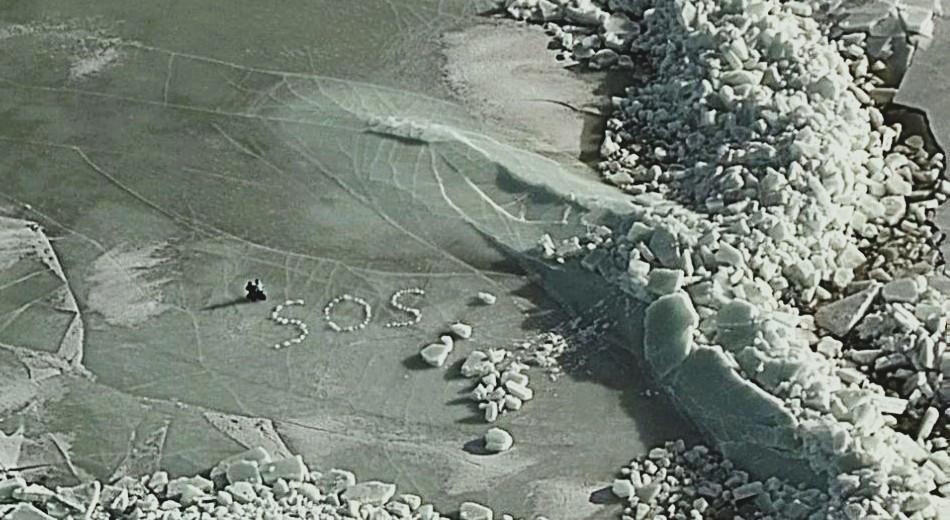
Authorities later confirmed that the two individuals were on a long-distance skiing expedition across the sea ice. They had spent the night in a tent on the ice, but during the night the ice sheet fractured, causing the tent and most of their equipment to fall into the water.
The skiers managed to escape to a more stable section of ice but had almost no gear with them, exposing them to significant risk of hypothermia in sub-zero conditions. In addition, to increase their visibility to rescuers, they laid out a large “SOS” signal on the ice, which could be seen from the air. Such visual distress signals are a critical measure for increasing detectability in remote or hard-to-access areas.
Following the emergency beacon signal, SAR units conducted an extensive aerial search across a vast ice field. The two individuals were eventually located and safely rescued.
This incident highlights the hazards of winter expeditions on sea ice in the northern Baltic. Even though ice thickness in the Gulf of Bothnia can reach several tens of centimetres during winter, ice conditions remain highly dynamic and unpredictable due to wind, currents, and temperature fluctuations.
Rescue authorities emphasize that carrying a personal emergency locator beacon (PLB) and using standard visual signals such as SOS markedly increases survival chances in remote ice-covered maritime environments and allows rapid activation of international SAR procedures.
Buy us a coffee, and we’ll invest in great maritime journalism! Support Gazeta Morska and help us sail forward – click here!
Kamil Kusier
redaktor naczelny
comments
Add the first comment
see also
MS Kapitan Poinc to deploy FRB 850 in Baltic SAR upgrade
105th life-saving mission. Naval Aviators conduct double "Heart Action" transport
Another successful medical evacuation over the Baltic Sea. Yet another intervention at offshore wind farms
Fishing trip on Vistula Lagoon cut short due to missing certificates
Drifting tanker near Malta highlights risks linked to the global “shadow fleet”
Body recovered from the waters of Puck Bay near Babie Doły in Gdynia
RAS exercises in the Caribbean. Dutch patrol vessel Zr.Ms. Friesland conducts joint operations with French Navy
Tactical medical rescue training for services at the Maritime Border Guard
Royal Navy invests in uncrewed surface vessels. Project Beehive to accelerate development of the "Hybrid Navy"
French Navy increases operational activity from the Mediterranean to the Arctic
ADVERTISEMENT
ADVERTISEMENT