Royal Navy invests in uncrewed surface vessels. Project Beehive to accelerate development of the "Hybrid Navy"
The Royal Navy is continuing its transformation toward a fleet that integrates traditional crewed warships with autonomous maritime systems. A new contract worth £12.3 million for the acquisition of 20 uncrewed surface vessels (USVs) represents another step in this process and forms part of the service’s Project Beehive programme.
security business investments navy worldwide shipbuilding industry defense industry news15 march 2026 | 09:14 | Source: Gazeta Morska | Prepared by: Kamil Kusier | Print
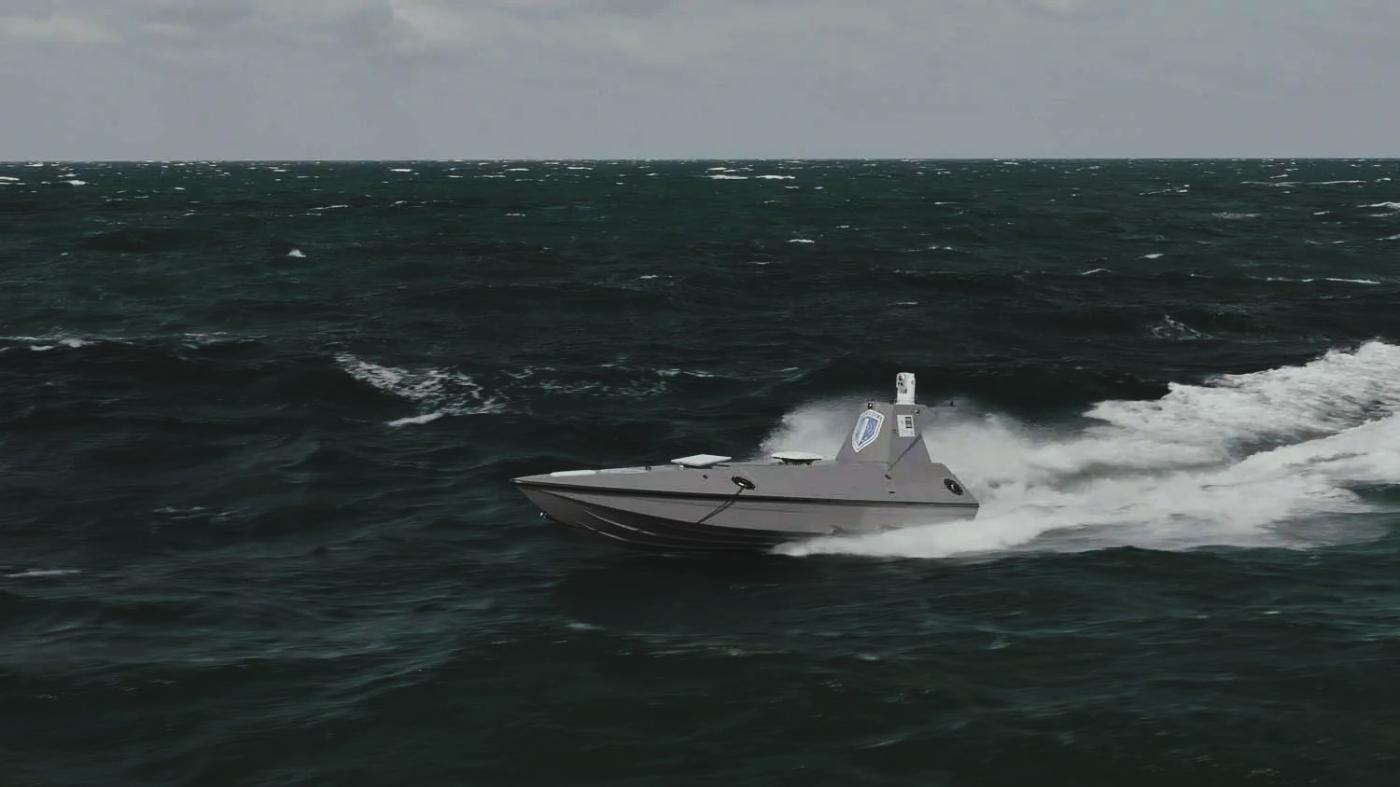
fot. Kraken / Royal Navy
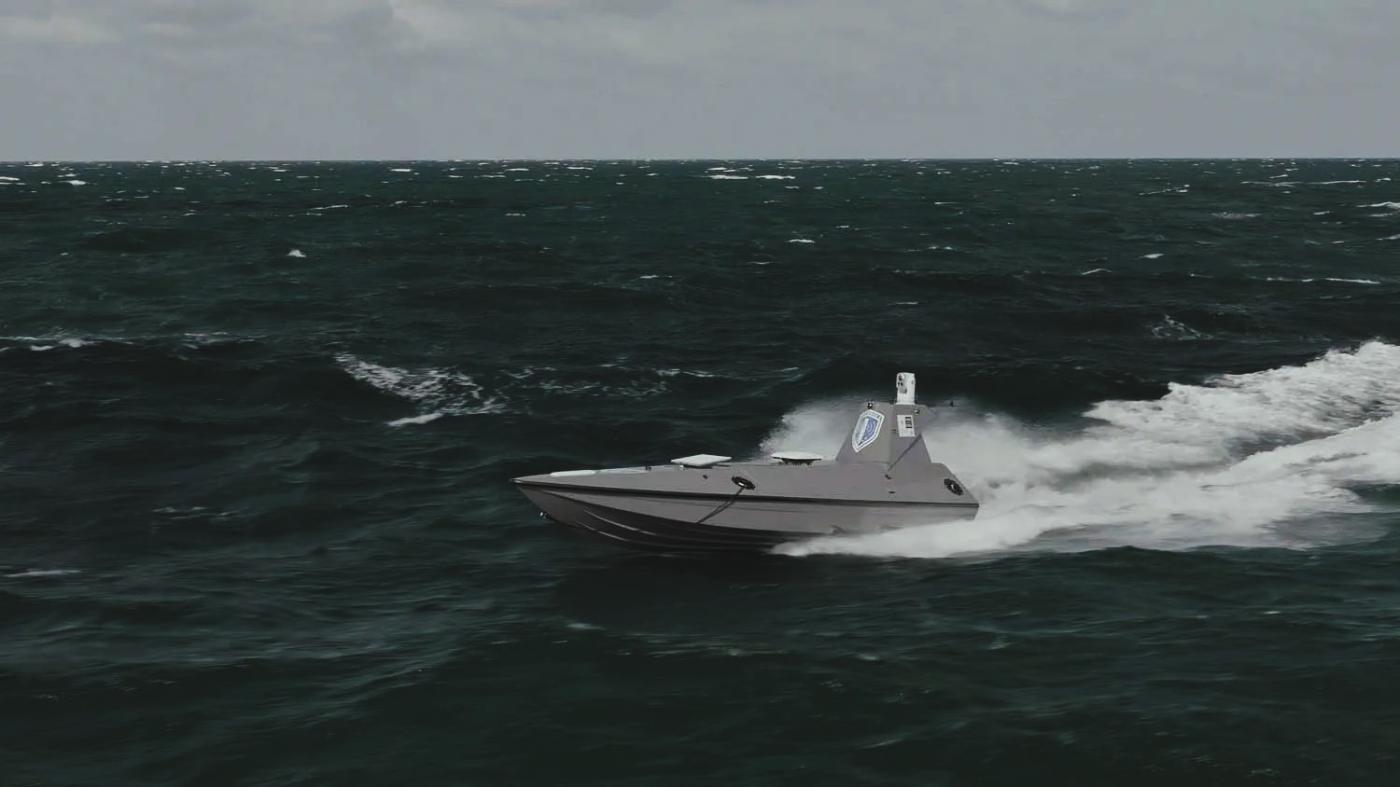
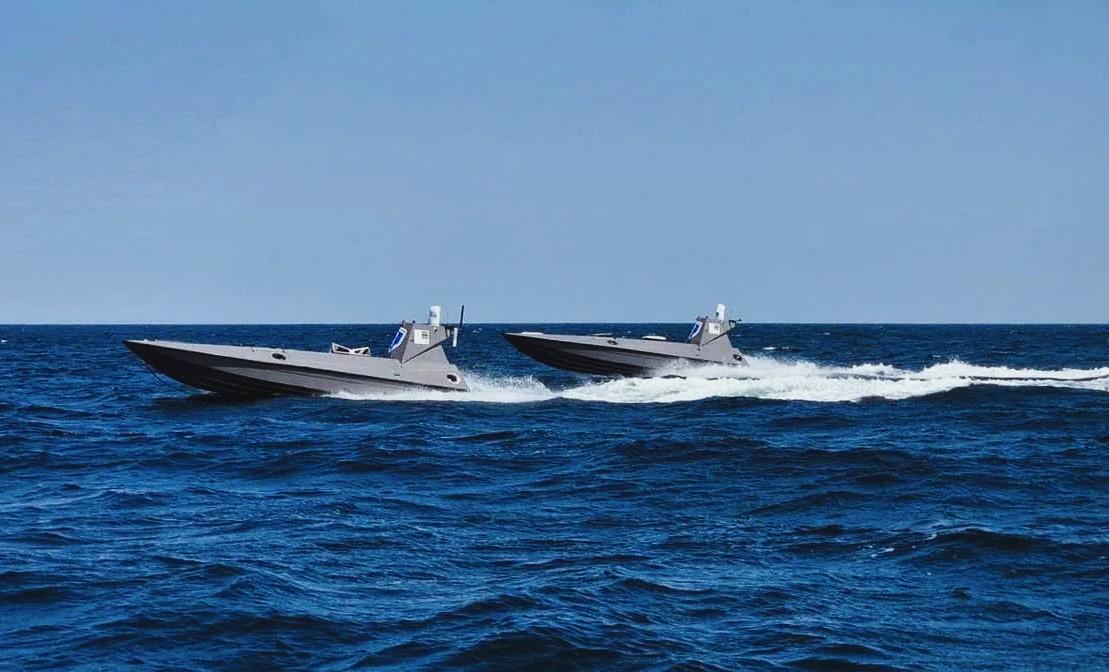
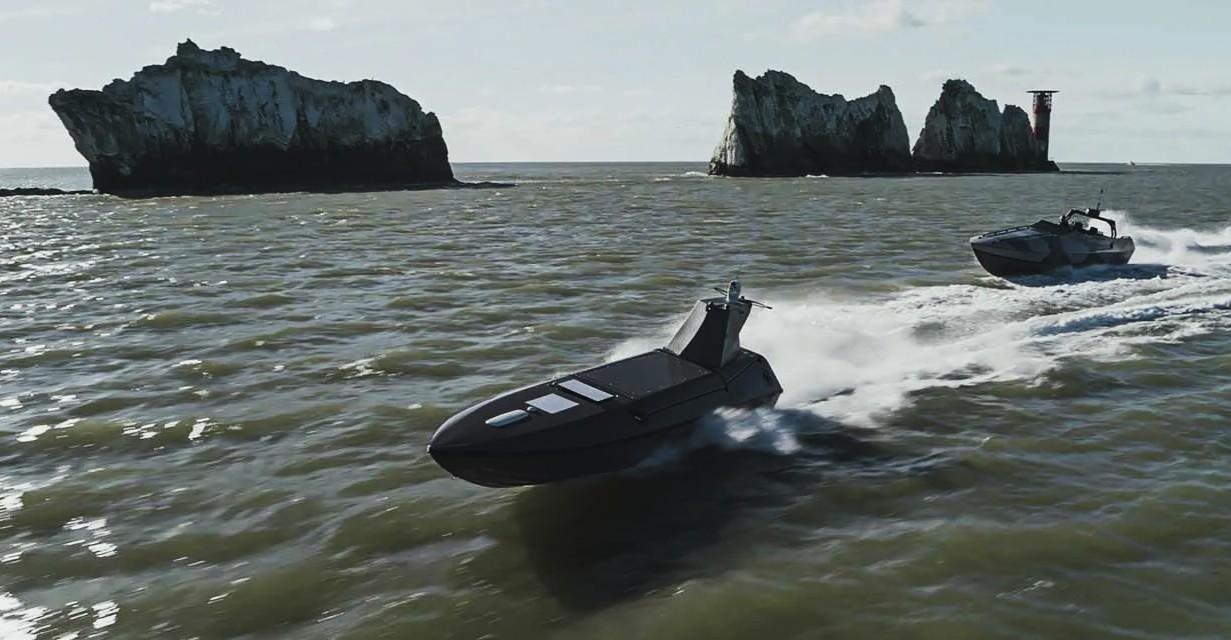
The contract has been awarded to the British company Kraken Technology Group, which specialises in the design and construction of uncrewed maritime platforms. The vessels will be delivered to the Royal Navy’s Coastal Forces Squadron and to 47 Commando Royal Marines, where they will support operational activities, training and further development of autonomous maritime capabilities.
According to the Royal Navy, the programme is intended to provide both an immediate operational capability and a test platform for future technologies supporting the transition to what the service describes as a “hybrid navy”.
A step towards the hybrid navy concept
The concept of the hybrid navy reflects a wider transformation currently taking place across many naval forces. Instead of relying exclusively on traditional crewed platforms, modern fleets are increasingly expected to operate networks of crewed vessels supported by autonomous surface, subsurface and aerial systems.
Second Sea Lord Vice Admiral Paul Beattie described the investment in uncrewed vessels as an important milestone in this transformation.
- The Royal Navy’s investment in uncrewed surface vessels marks a significant milestone in our journey towards a Hybrid Navy. By integrating cutting-edge autonomous technology with our existing capabilities, we are ensuring that our forces remain at the forefront of maritime innovation and warfighting effectiveness.
Through the introduction of uncrewed platforms, the Royal Navy aims to expand maritime situational awareness, improve operational flexibility and reduce risks to personnel in potentially dangerous environments.
Autonomous vessels are expected to complement conventional warships in missions such as maritime surveillance, escort operations and protection of critical maritime infrastructure.
Project Beehive as a technology and operational testbed
Project Beehive has been designed not only as a procurement programme but also as a framework for integrating emerging technologies directly into operational service.
Captain Adam Ballard of the Royal Navy emphasised that the programme will allow the navy to move rapidly from experimentation to operational deployment.
- Project Beehive is an exciting step on the Royal Navy’s Hybrid Navy journey. It takes experimentation conducted by our Disruptive Capabilities team and immediately brings their learning through into operations, proving our ability to rapidly take new technology and adopt it.
One of the key features of the new vessels will be their open architecture, allowing new sensors and mission systems to be integrated quickly as technologies evolve.
- The Kraken USVs will have open architecture for rapid integration of new capabilities to maintain our warfighting edge over our adversaries.
Training of Royal Navy and Royal Marines personnel has already begun, and the first vessels are expected to reach operational capability within the coming months.
Operational role within coastal forces
Once delivered, the vessels will primarily support operations conducted by the Coastal Forces Squadron and Royal Marines units operating in littoral environments.
The platforms are expected to perform a variety of tasks, including:
- maritime surveillance and reconnaissance
- monitoring and tracking vessels of interest
- escort and security missions
- support for amphibious and special operations
- protection of maritime infrastructure
- testing and integration of new autonomous systems.
The programme reflects a broader shift towards distributed maritime operations, in which smaller and more flexible platforms complement larger warships to expand operational reach.
Support for the domestic defence industry
The British government has also emphasised the industrial dimension of the programme.
UK minister for defence procurement and industry Luke Pollard stated that the project contributes both to national security and to the development of the domestic defence technology sector.
- We are building the Royal Navy of the future right now in the face of threats seen around the world. Autonomous vessels will complement our world-class warships, protecting UK waters and helping keep sailors safe on global deployments.
He also highlighted the role of emerging British companies in the defence sector.
- This is innovative technology, developed by an exciting young British company, built right here in Britain, and delivered at pace to keep Britons safe.
Rapid growth of the manufacturer
The contractor responsible for delivering the vessels, Kraken Technology Group, was founded only five years ago but has rapidly expanded its presence in the autonomous maritime sector.
The company has already worked with the UK Ministry of Defence and participated in NATO initiatives such as Task Force X in the Baltic region. It is also developing industrial partnerships with major European defence companies, including Rheinmetall.
Mal Crease, founder and chief executive of Kraken Technology Group, described the award of the contract as an important step for the company.
- We are delighted to partner with the MOD to support the Royal Navy’s mission to transform to a hybrid fleet. The award of Project Beehive is a major validation of our maritime capabilities and our ability to enhance maritime defence through the introduction of disruptive technologies.
Experience from earlier autonomous trials
The Royal Navy already has experience in testing autonomous maritime systems. Recent exercises off the coast of Scotland demonstrated the use of remotely controlled surface vessels to monitor and escort a ship acting as a contact of interest.
These operations were coordinated from the experimental vessel XV Patrick Blackett based in Portsmouth, while the uncrewed vessels themselves were operating approximately 500 miles away.
Such experiments have demonstrated the growing potential of autonomous maritime systems in surveillance and maritime security missions.
Buy us a coffee, and we’ll invest in great maritime journalism! Support Gazeta Morska and help us sail forward – click here!
Kamil Kusier
redaktor naczelny
gallery
comments
Add the first comment
see also
MS Kapitan Poinc to deploy FRB 850 in Baltic SAR upgrade
105th life-saving mission. Naval Aviators conduct double "Heart Action" transport
Another successful medical evacuation over the Baltic Sea. Yet another intervention at offshore wind farms
Fishing trip on Vistula Lagoon cut short due to missing certificates
Drifting tanker near Malta highlights risks linked to the global “shadow fleet”
Cross-border SAR operation on the ice of the Gulf of Bothnia
Body recovered from the waters of Puck Bay near Babie Doły in Gdynia
RAS exercises in the Caribbean. Dutch patrol vessel Zr.Ms. Friesland conducts joint operations with French Navy
Tactical medical rescue training for services at the Maritime Border Guard
French Navy increases operational activity from the Mediterranean to the Arctic
ADVERTISEMENT
ADVERTISEMENT