New artificial reservoir to improve Panama Canal operations
The Panama Canal Authority has decided to finance the construction of a new artificial reservoir in the Rio Indio region. This investment is crucial for ensuring the stable operation of the canal, which plays a vital role in global maritime trade. The project also aims to secure water access for a significant portion of Panama’s population.
logistics worldwide news25 february 2025 | 08:54 | Source: Gazeta Morska | Prepared by: Kamil Kusier | Print
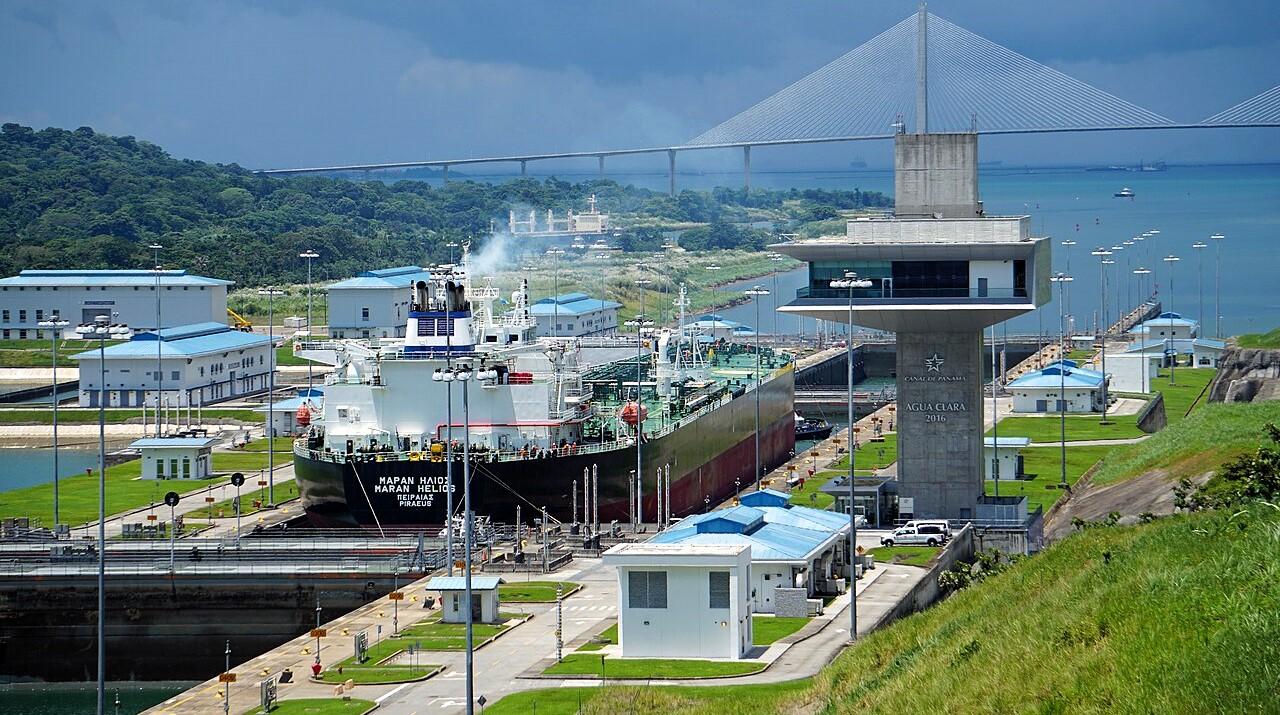
Agua Clara fot. Wikimedia Commons
Stretching over 80 kilometers, the Panama Canal serves as a strategic shipping route connecting Asia with the eastern seaboard of the United States. Its significance to the global economy is indisputable, with approximately 5% of global maritime trade passing through its waters. However, in the last fiscal year, the number of transiting vessels dropped to 11,240—a 20% decline compared to the previous period.
The primary cause of this reduced capacity was extreme weather conditions, particularly prolonged drought, which led to lower water levels. In response, the canal authority was forced to limit the number of transiting ships. The construction of the new reservoir aims to mitigate similar challenges in the future, ensuring not only adequate water levels for canal operations but also a stable supply of drinking water for the population.
This decision underscores the importance of adapting water infrastructure to changing climate conditions. The Panama Canal Authority emphasizes that these measures are designed not only to enhance vessel traffic but also to ensure long-term water security for Panama.
We are on Google News! Join us and follow Gazeta Morska. Get daily updates straight from the sea. Follow us at gazetamorska.pl!
Kamil Kusier
redaktor naczelny
comments
Add the first comment
see also
Swedish ports record lowest ship calls in 18 years. Implications for the maritime sector
First month of Jantar Unity operations. Polsca ferry paves the way for Batory program units
Hapag-Lloyd to acquire ZIM for $4.2bn: strategic consolidation in the container shipping market
Baltic Sea water levels at a record low: a meteorological-oceanographic anomaly with major implications
Poland as Europe’s food hub. Minister Stefan Krajewski on export, security, and global competition
Gdańsk - Karlshamn ferry route strengthens Baltic shipping network
Ukraine maintains a safe maritime corridor amid ongoing war
Connecting Poland with Sweden for 50 years: Polferries on the Baltic, past, present, and future of shipping
Port of Gdynia surpasses 1 million TEU for the first time in history
ORP Czernicki strengthens logistical capabilities of NATO’s SNMCMG1 at sea
ADVERTISEMENT
ADVERTISEMENT