Baltic Sea water levels at a record low: a meteorological-oceanographic anomaly with major implications
In early February 2026, the Baltic Sea reached the lowest mean water level ever recorded since systematic observations began in 1886. According to analyses by marine research institutes, average sea levels across the basin dropped by approximately 67 cm below the long-term mean, corresponding to a temporary deficit of nearly 275 cubic kilometres of water.
ecology maritime economy marine lifestyle logistics ports news12 february 2026 | 12:41 | Source: Gazeta Morska | Prepared by: Kamil Kusier | Print
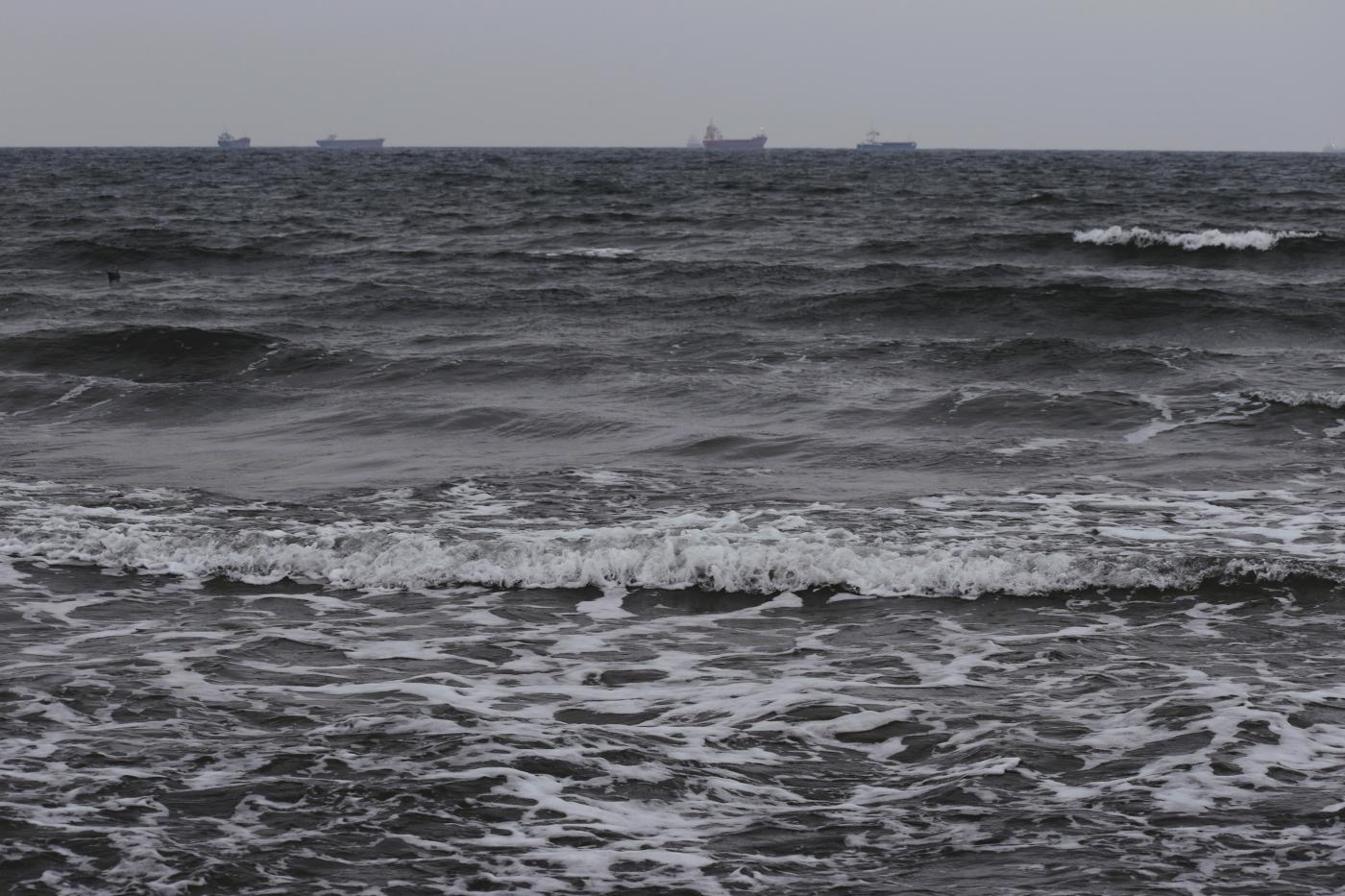
fot. Kamil Kusier / Gazeta Morska
While the phenomenon has attracted public attention and raised concerns about “drying seas”, experts stress that this is not a hydrological drought nor a loss of water from the global ocean system, but rather a rare and persistent meteorological–oceanographic anomaly driven by atmospheric circulation.
The physical mechanism: prolonged wind-driven sea level set-down
The primary driver behind the exceptionally low Baltic Sea level has been a long-lasting dominance of easterly and north-easterly winds, associated with a stable high-pressure system over Eastern and Central Europe that has persisted since early January 2026.
Under such conditions, a process known in physical oceanography as wind-induced set-down occurs. Sustained winds from one direction exert surface stress that pushes large volumes of water out of semi-enclosed basins. In the case of the Baltic Sea, this results in a net outflow through the Danish Straits into the North Sea.
Several structural characteristics of the Baltic amplify this effect:
- the sea has very limited exchange with the open ocean,
- river inflow is small compared to wind-driven transport and barometric forcing,
- the absence of strong low-pressure systems prevents rapid re-balancing of water levels.
As a result, the anomaly has developed simultaneously across the entire Baltic region, from the Bothnian Bay to the southern coastal zones.
Operational implications for shipping and ports
Record-low water levels translate directly into operational constraints for maritime transport and port infrastructure. Reduced sea levels effectively decrease available under-keel clearance, particularly in:
- approach channels,
- shallow coastal waters,
- lagoons and semi-enclosed basins such as the Vistula and Szczecin Lagoons.
Port authorities and ship operators are already facing:
- tighter draught limitations,
- increased navigational risk in fairways and harbour basins,
- greater sensitivity of port operations to ice conditions.
During winter, the combination of low water and ice formation significantly increases mechanical stress on quay walls, mooring systems and vessels, requiring heightened monitoring and adaptive operational planning.
Ice formation and coastal hazards
The unusually low water levels, combined with sustained frost and weak circulation, have resulted in extensive ice cover across many coastal areas. Observations include:
- accelerated freezing of shallow bays,
- the formation of ice ridges and pressure hummocks along exposed shorelines,
- temporary winter ice roads in parts of the northern Baltic region.
Experts emphasise that ice under low-water conditions poses elevated safety risks. Ice thickness and load-bearing capacity can vary sharply over short distances, particularly near:
- piers and breakwaters,
- port structures,
- submerged wrecks and underwater installations.
Environmental perspective: risk and opportunity
From an ecological standpoint, the current situation presents a dual narrative. On the one hand, prolonged low levels and ice cover may temporarily stress coastal ecosystems. On the other hand, marine scientists point to a potentially beneficial downstream effect.
Should atmospheric circulation shift and strong westerly winds resume, conditions would be favourable for a major saline inflow from the North Sea. Such inflows play a critical role in:
- re-oxygenating deep basins of the Baltic Sea,
- mitigating hypoxia and anoxic “dead zones”,
- restoring long-term ecological balance.
Large inflow events are rare and strongly dependent on prior low-water conditions, making the current anomaly a key precursor worth close scientific attention.
Strategic conclusions for the maritime sector
The 2026 Baltic Sea low-water event represents one of the most significant oceanographic anomalies observed in the region in modern times. While its immediate cause lies in natural atmospheric variability, its scale and duration highlight growing challenges for maritime governance and infrastructure resilience.
Climate projections suggest that persistent, stable pressure systems may become more frequent, increasing the likelihood of similar events in the future. For the maritime sector, this underscores the need for:
- incorporating extreme sea-level variability into port design and maintenance,
- adaptive traffic management and operational planning,
- closer integration of oceanographic monitoring into maritime decision-making.
The Baltic Sea once again demonstrates its sensitivity to atmospheric forcing — and its capacity to translate distant meteorological patterns into tangible economic and environmental impacts.
see also
Buy us a coffee, and we’ll invest in great maritime journalism! Support Gazeta Morska and help us sail forward – click here!
Kamil Kusier
redaktor naczelny
comments
Add the first comment
see also
Winter periscope mode and sandbanks instead of ice: how seals rest in the southern Baltic
PLN 15 million allocated for beach nourishment along Poland’s Baltic coast
Dolphins spotted in Szczecin: rare observation near the Pioneers’ Bridge ahead of Christmas
Beka nature reserve: protecting coastal heritage with support from WFOŚiGW Gdańsk
Marina Szafarnia deploys new PortBin through joint business-GOS initiative
The sound of heavy boots: summer season begins at Poland’s Arctowski Station
Bird monitoring confirms low impact of Baltic 2 offshore wind farm on local avifauna
Dead seal washed ashore on Ustka’s western beach. Marine organisations urge public to report, not approach
SG-301 General Józef Haller drills oil spill response off Gdynia
Submarines, Oder National Park, offshore law and VAT. Wednesday marks maritime policy shifts
ADVERTISEMENT
ADVERTISEMENT