Bird monitoring confirms low impact of Baltic 2 offshore wind farm on local avifauna
PGE and Ørsted have concluded a year-long bird monitoring program in the southern Baltic Sea, assessing the potential impact of the planned Baltica 2 offshore wind farm. The findings confirm that the wind farm’s construction and operation will not adversely affect bird feeding areas or migratory routes in the region.
ecology power engineering investments offshore pomerania news05 november 2025 | 17:43 | Source: Gazeta Morska | Prepared by: Kamil Kusier | Print
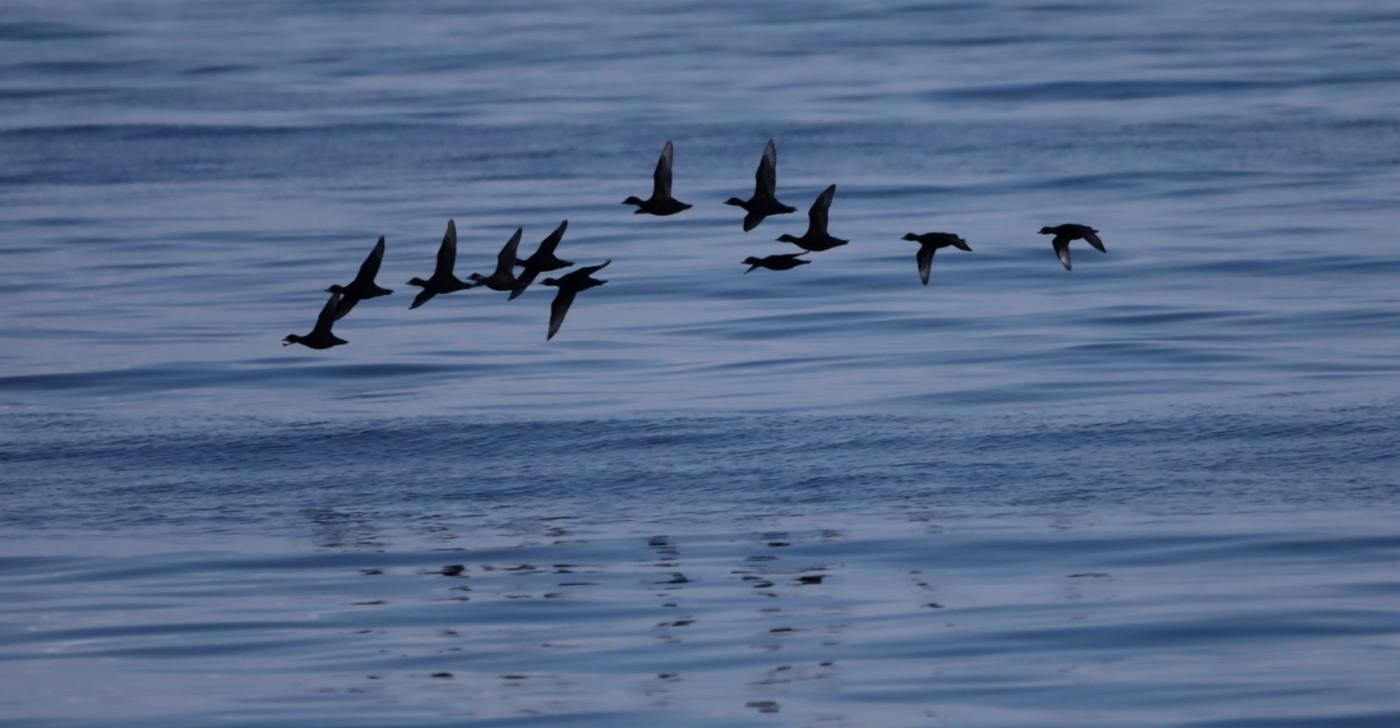
fot. Damiana Boroń / PGE Baltica
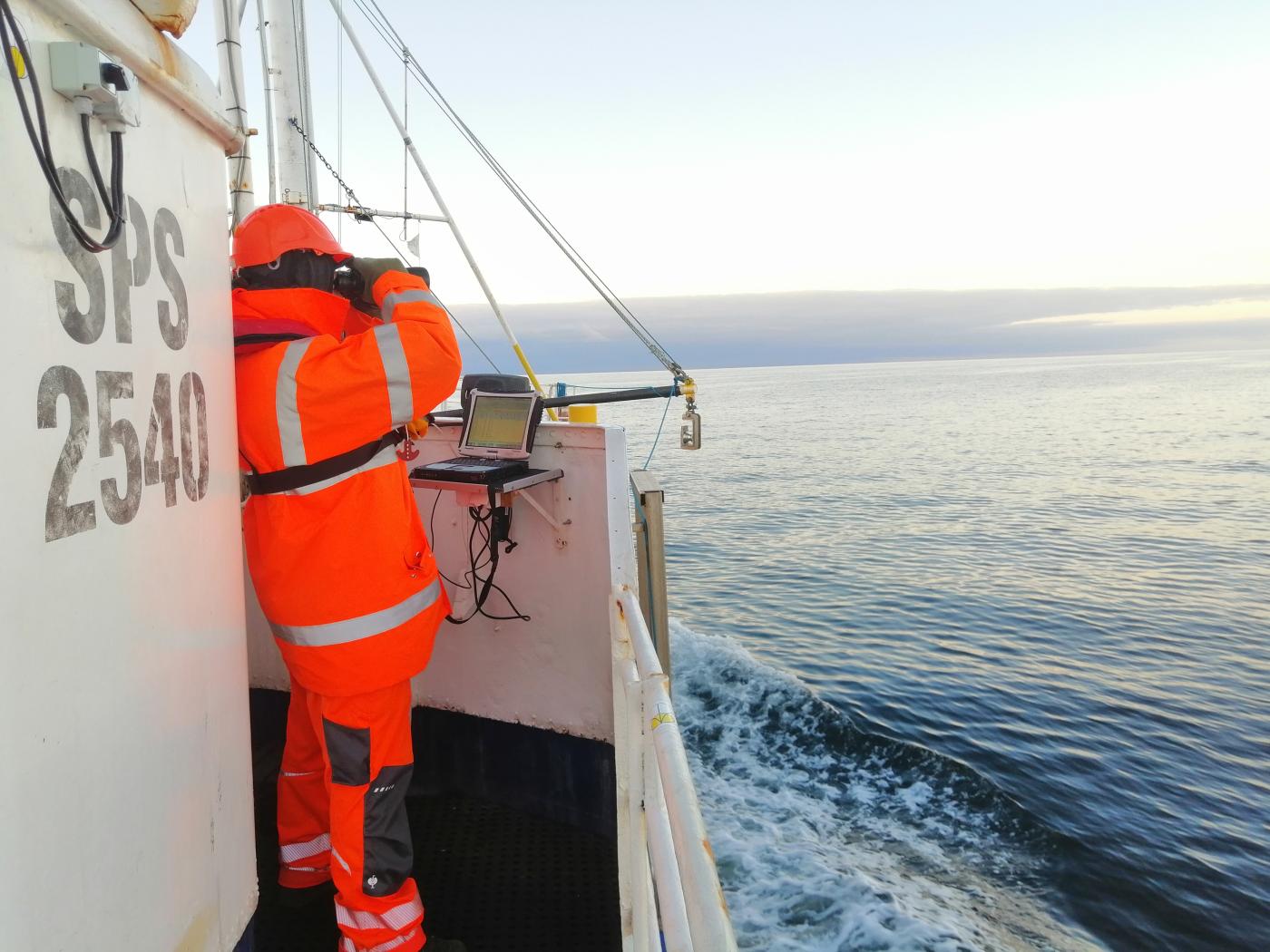
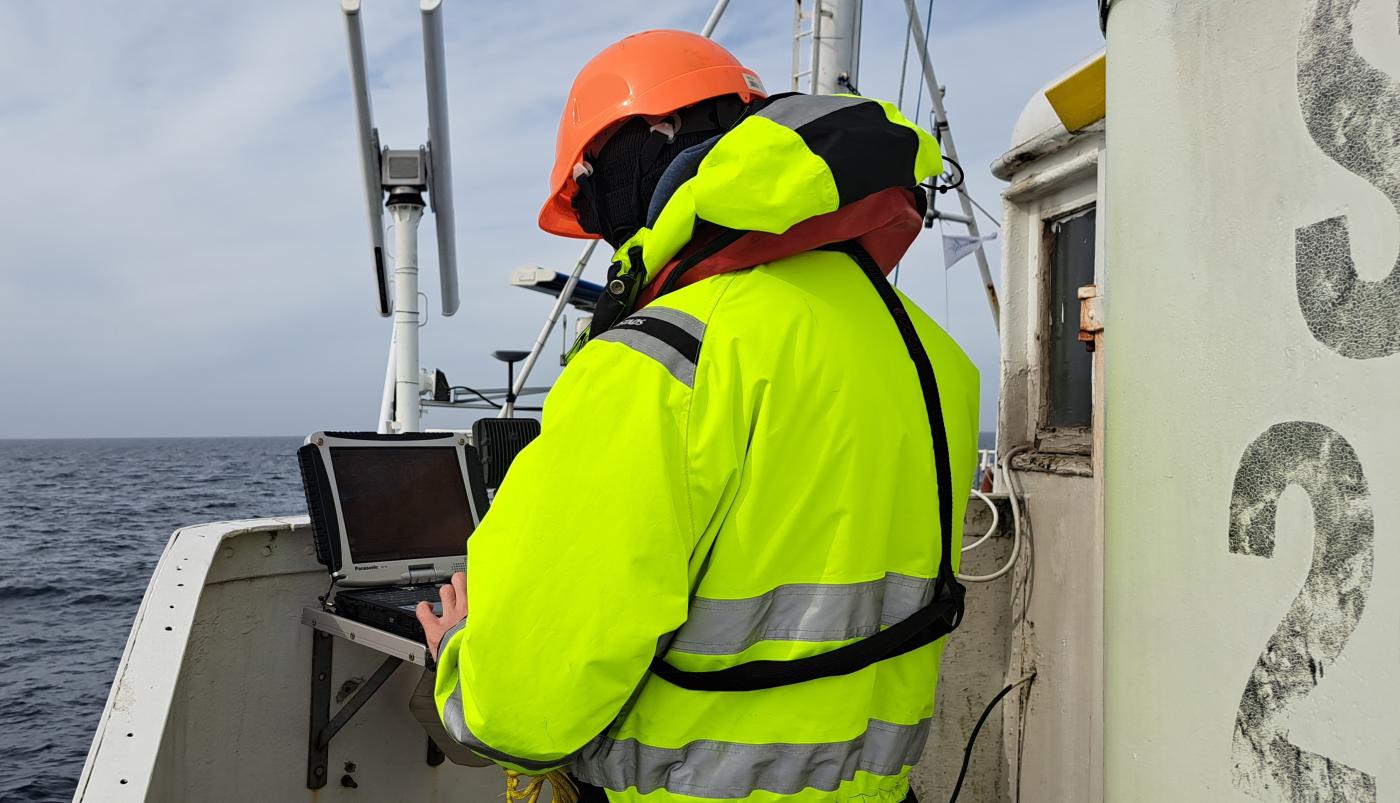
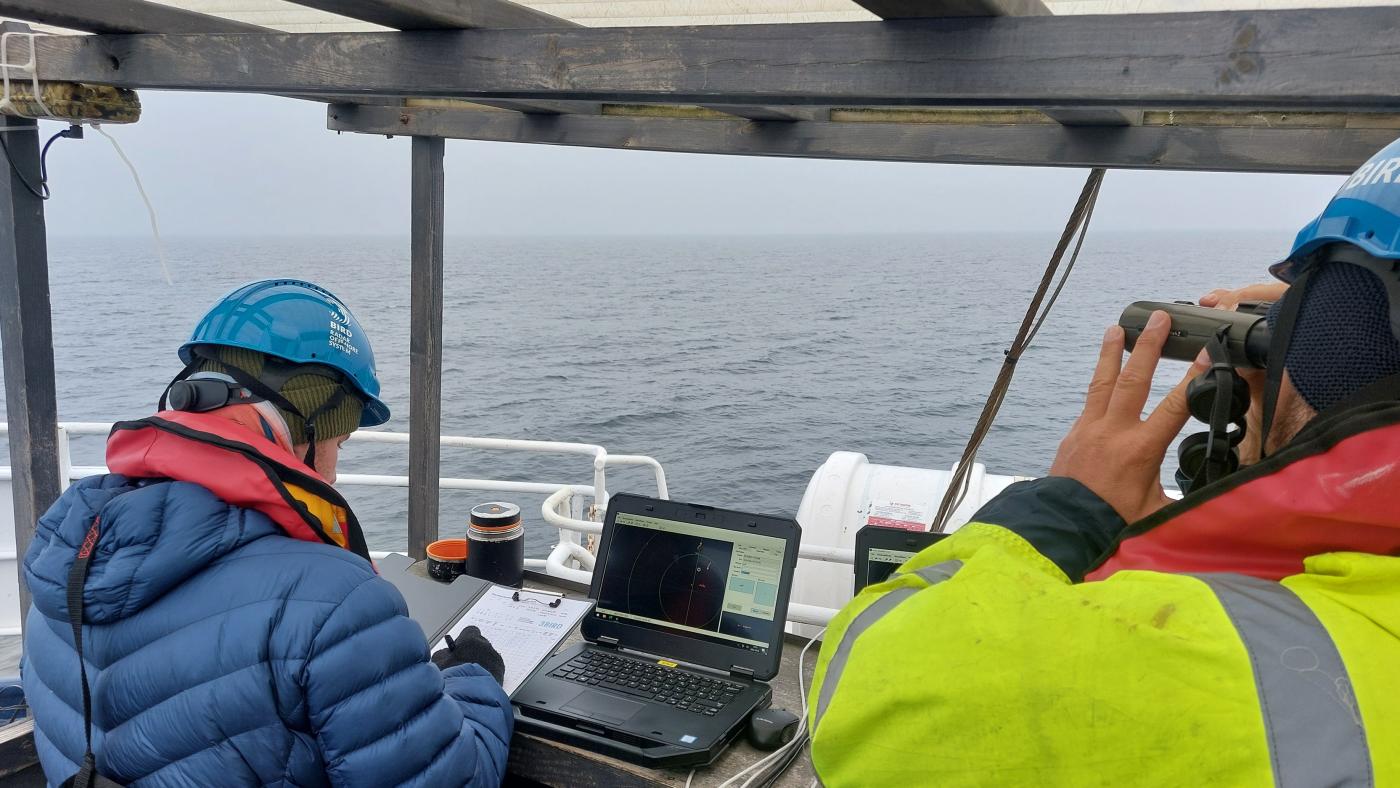
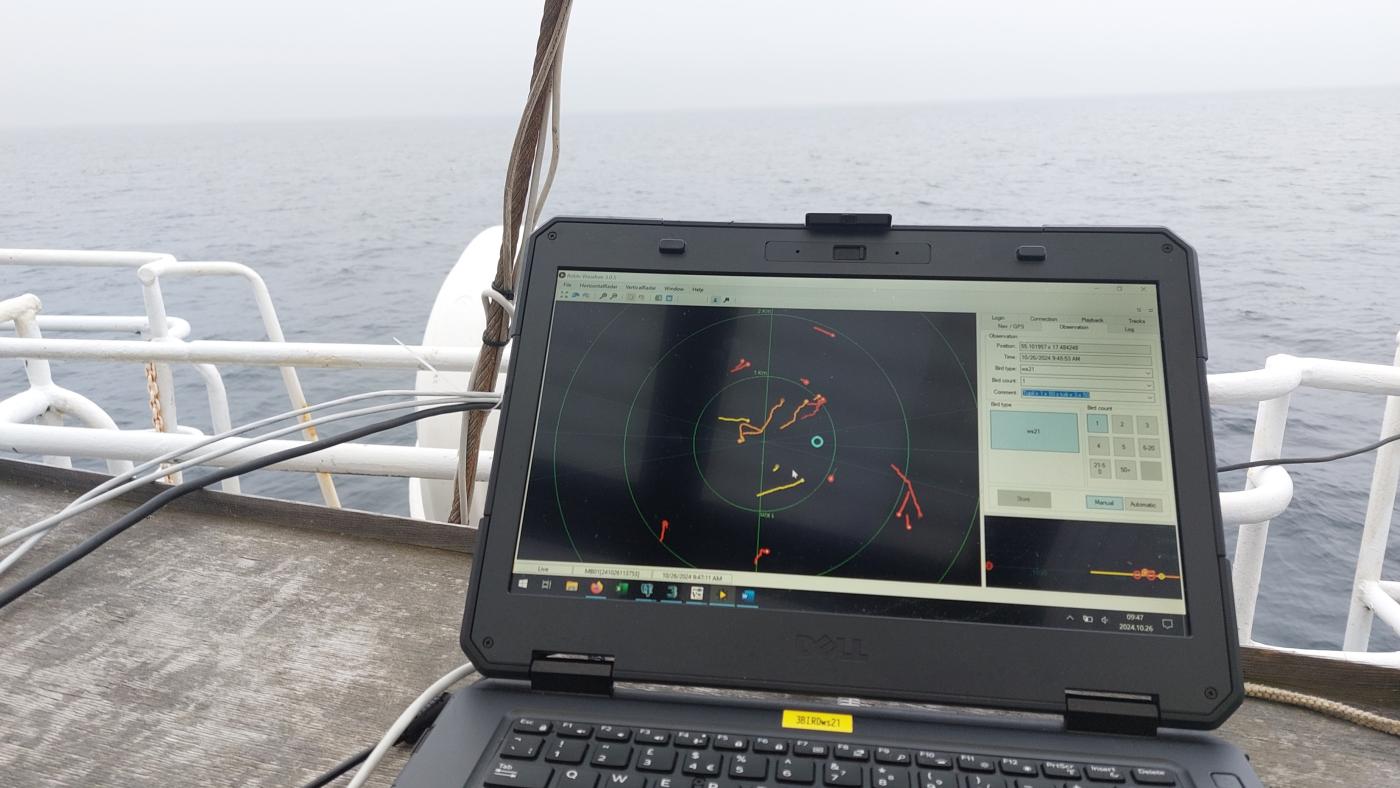
The study, commissioned to the Polish company 3BIRD, took place throughout 2024 across the planned Baltica 2 site, the adjacent Baltica 3 wind farm, and the nearby Słupsk Bank, a Natura 2000 protected area. Observations included both waterfowl and migratory bird species, with nearly 70 different species recorded, ranging from marine birds to land-based species.
– Comparing bird numbers and distribution across the Baltica 2 site and Słupsk Bank has provided valuable insights into seasonal changes in bird populations, their density, movement, and the potential overlap between these areas – explained Michał Palmąka, Director of Permitting and Environmental Monitoring at PGE Baltica.
Common eider dominates in Baltic waters
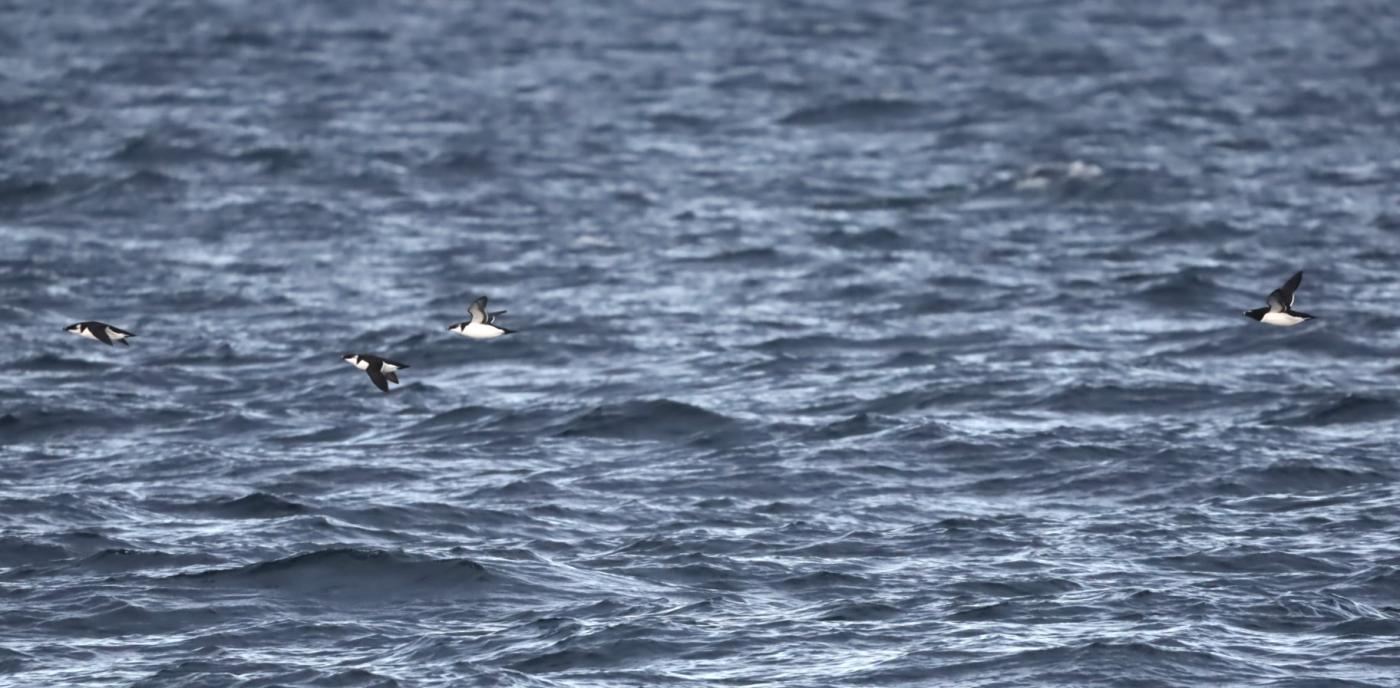
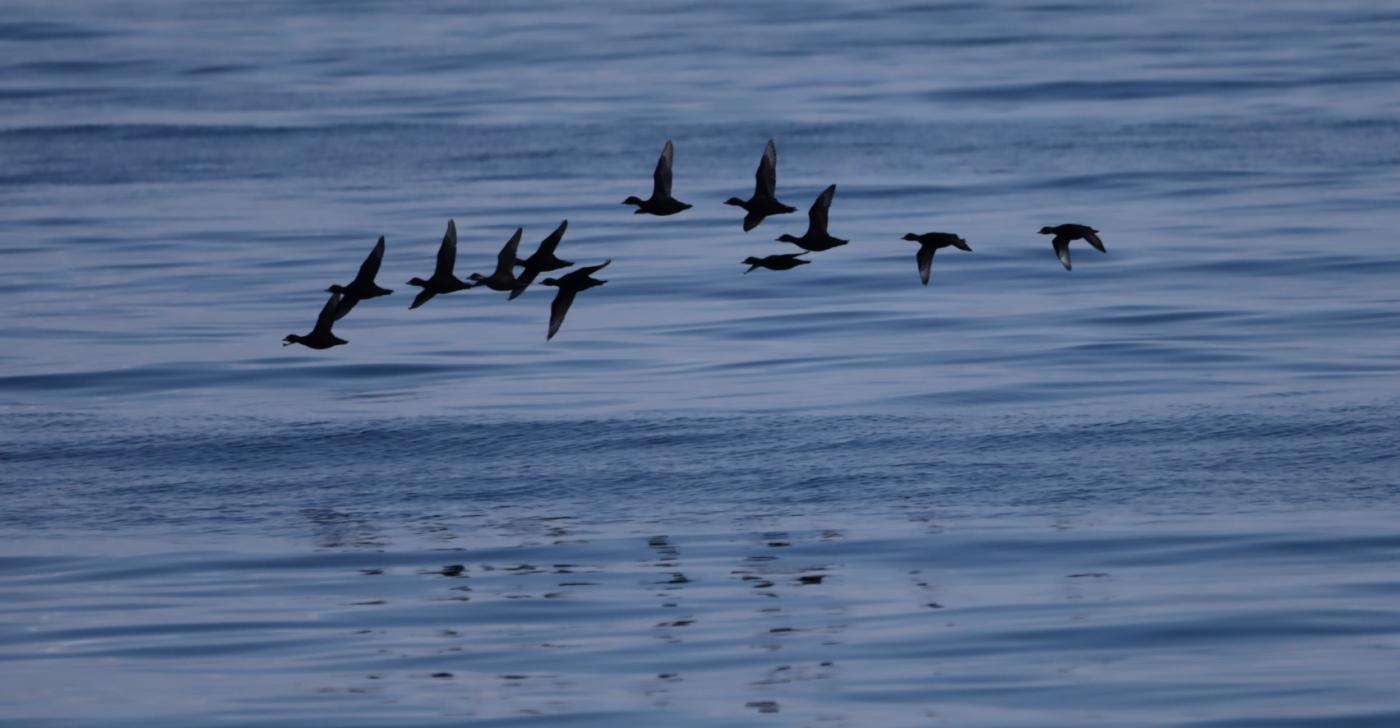
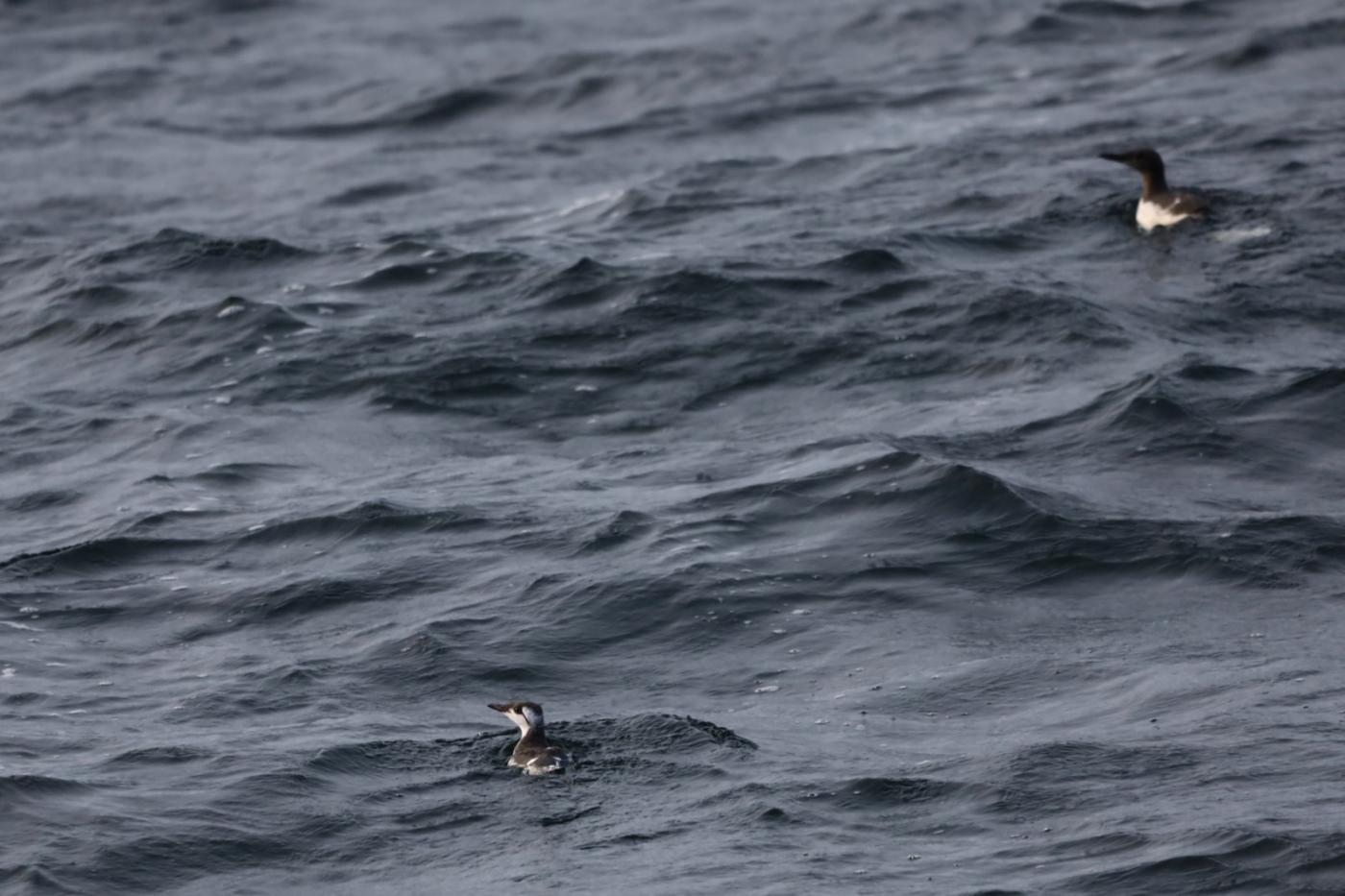
Among the waterfowl, the common eider was the most prevalent species, observed frequently both at the future wind farm site and around the Słupsk Bank. The eider is a diving duck capable of reaching depths of up to 60 meters in search of food. Other notable species recorded included auks, guillemots, and loons.
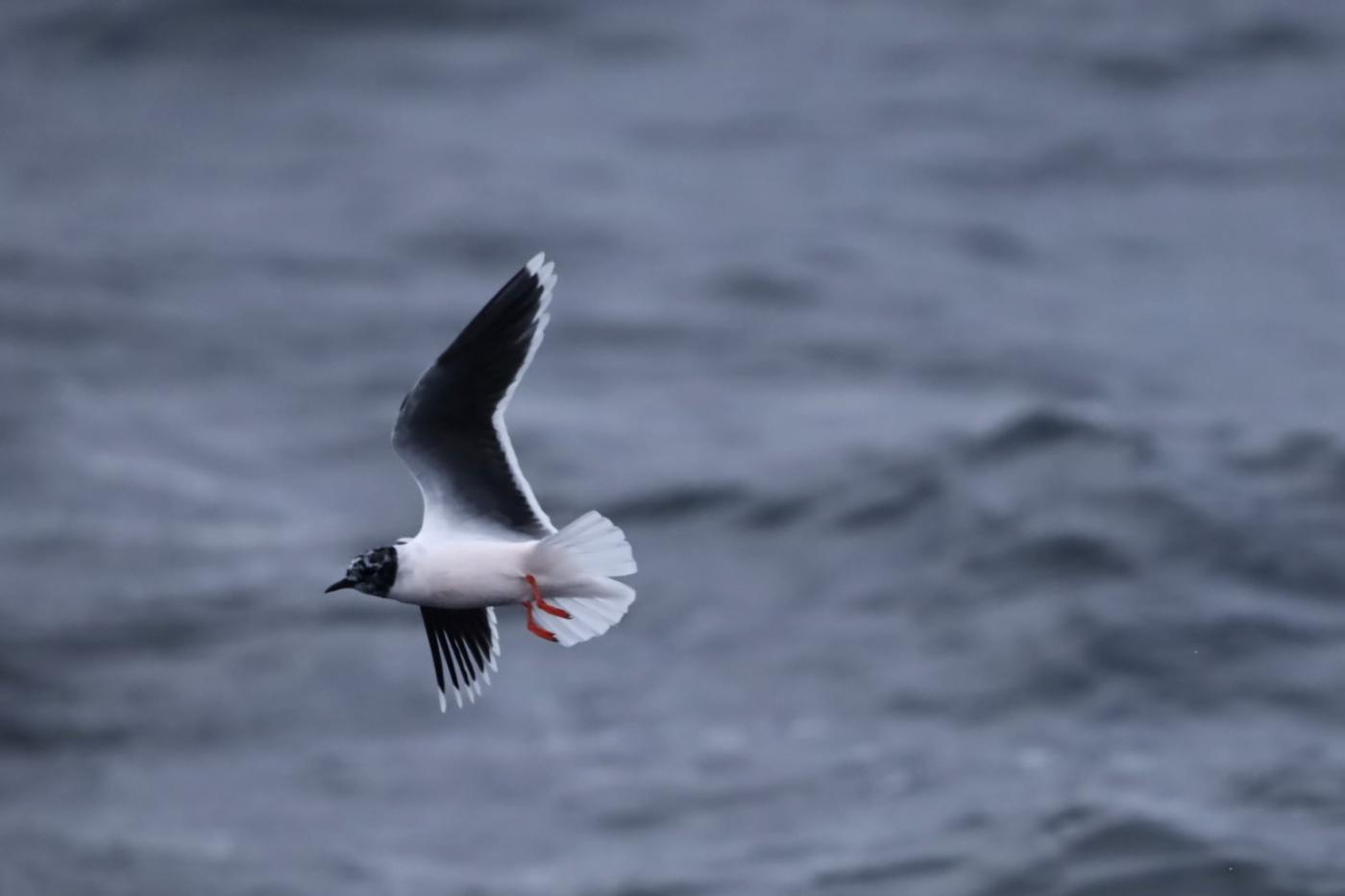
In terms of migratory birds, silver gulls were most commonly observed over the Baltica 2 area, while common eiders were more frequent over the Słupsk Bank. The majority of birds flew at altitudes of up to 20 meters above the water, well below the operational height of wind turbine blades.
Rare species such as the white-billed diver and the great crested grebe were also observed during the surveys, with reports submitted to the Faunistic Commission of the Polish Zoological Society.
Słupsk bank: a critical feeding area for eiders
The data revealed that Słupsk Bank remains one of the most important feeding areas for common eiders in the Baltic. These birds migrate from northern Eurasian tundra regions during the winter, congregating around the Bank. Bird densities at the Słupsk Bank were found to be over ten times higher than at the Baltica 2 site, with common eiders being fifteen times more abundant on the Bank.
– Our observations confirm that birds, particularly eiders, prefer the shallower waters of Słupsk Bank over the deeper waters of the planned wind farm area for both feeding and resting – said Joanna Markowska Cerić, Senior Environmental Protection Manager at PGE Baltica.
Environmental responsibility in site selection
PGE and Ørsted will continue bird monitoring throughout the operational phase of the wind farm. Data from the 2024 survey will serve as a baseline ("zero state") to compare with future monitoring results once the wind farm is operational.
– The most important takeaway from the monitoring is that the planned wind farm site does not serve as a crucial resting or wintering site for marine-associated birds. This confirms that the wind farm's location was chosen with due regard for environmental protection, safeguarding important habitats for endangered and rare bird species – concluded Michał Palmąka from PGE Baltica.
The collaboration with 3BIRD is part of the local content strategy, which engages Polish companies in offshore wind project stages.
– The research campaigns were completed on time, and the quality of the reports was excellent – added Maksym Maksymowicz, Permitting and Environmental Manager at Ørsted.
Buy us a coffee, and we’ll invest in great maritime journalism! Support Gazeta Morska and help us sail forward – click here!
Kamil Kusier
redaktor naczelny
gallery
comments
Add the first comment
see also
Winter periscope mode and sandbanks instead of ice: how seals rest in the southern Baltic
Baltic Sea water levels at a record low: a meteorological-oceanographic anomaly with major implications
PLN 15 million allocated for beach nourishment along Poland’s Baltic coast
Dolphins spotted in Szczecin: rare observation near the Pioneers’ Bridge ahead of Christmas
Beka nature reserve: protecting coastal heritage with support from WFOŚiGW Gdańsk
Marina Szafarnia deploys new PortBin through joint business-GOS initiative
The sound of heavy boots: summer season begins at Poland’s Arctowski Station
Dead seal washed ashore on Ustka’s western beach. Marine organisations urge public to report, not approach
SG-301 General Józef Haller drills oil spill response off Gdynia
Submarines, Oder National Park, offshore law and VAT. Wednesday marks maritime policy shifts
ADVERTISEMENT
ADVERTISEMENT