UK and US Carrier Strike Groups in Singapore Amid Rising Tensions in Iran: A Demonstration of Global Maritime Power
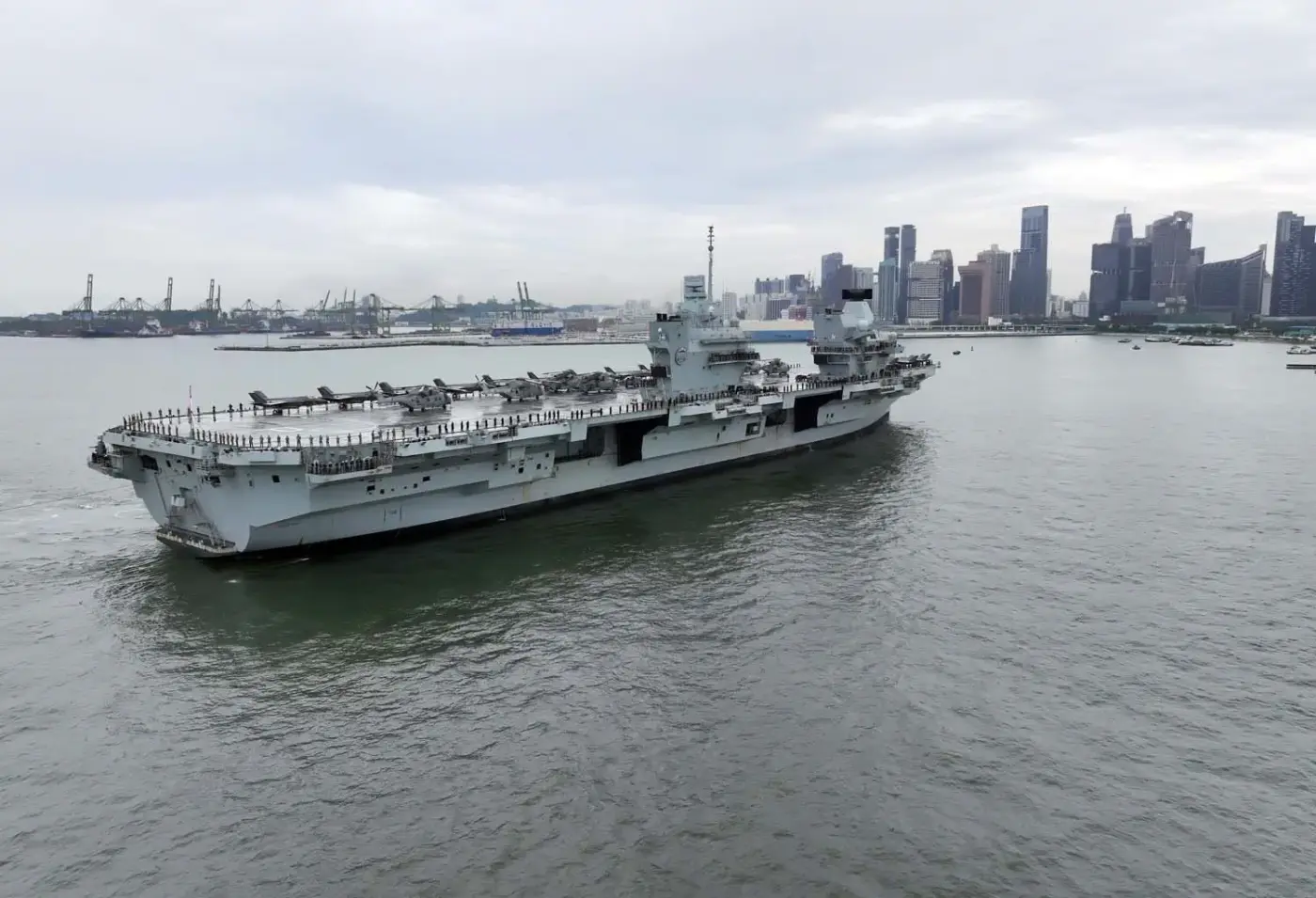
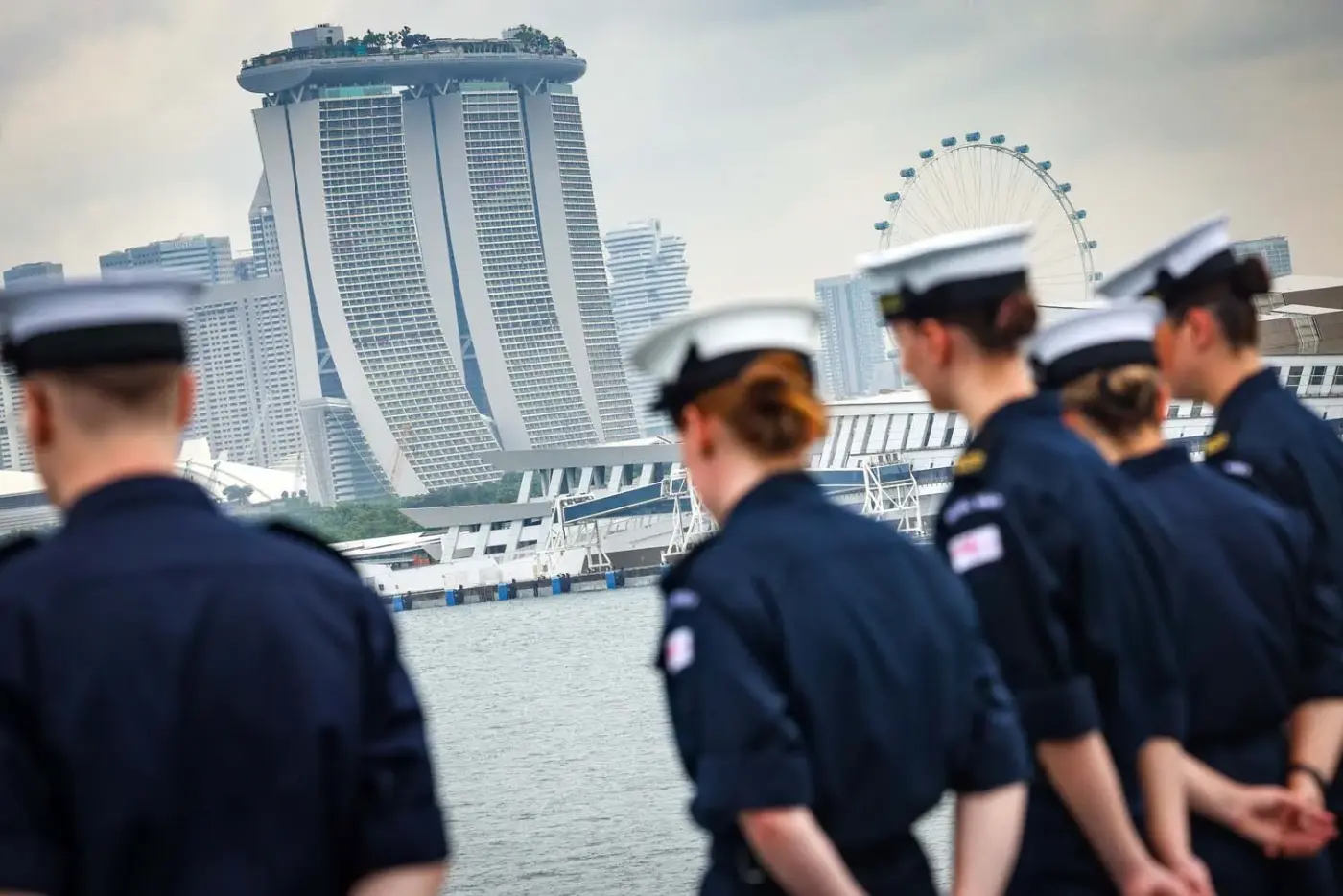
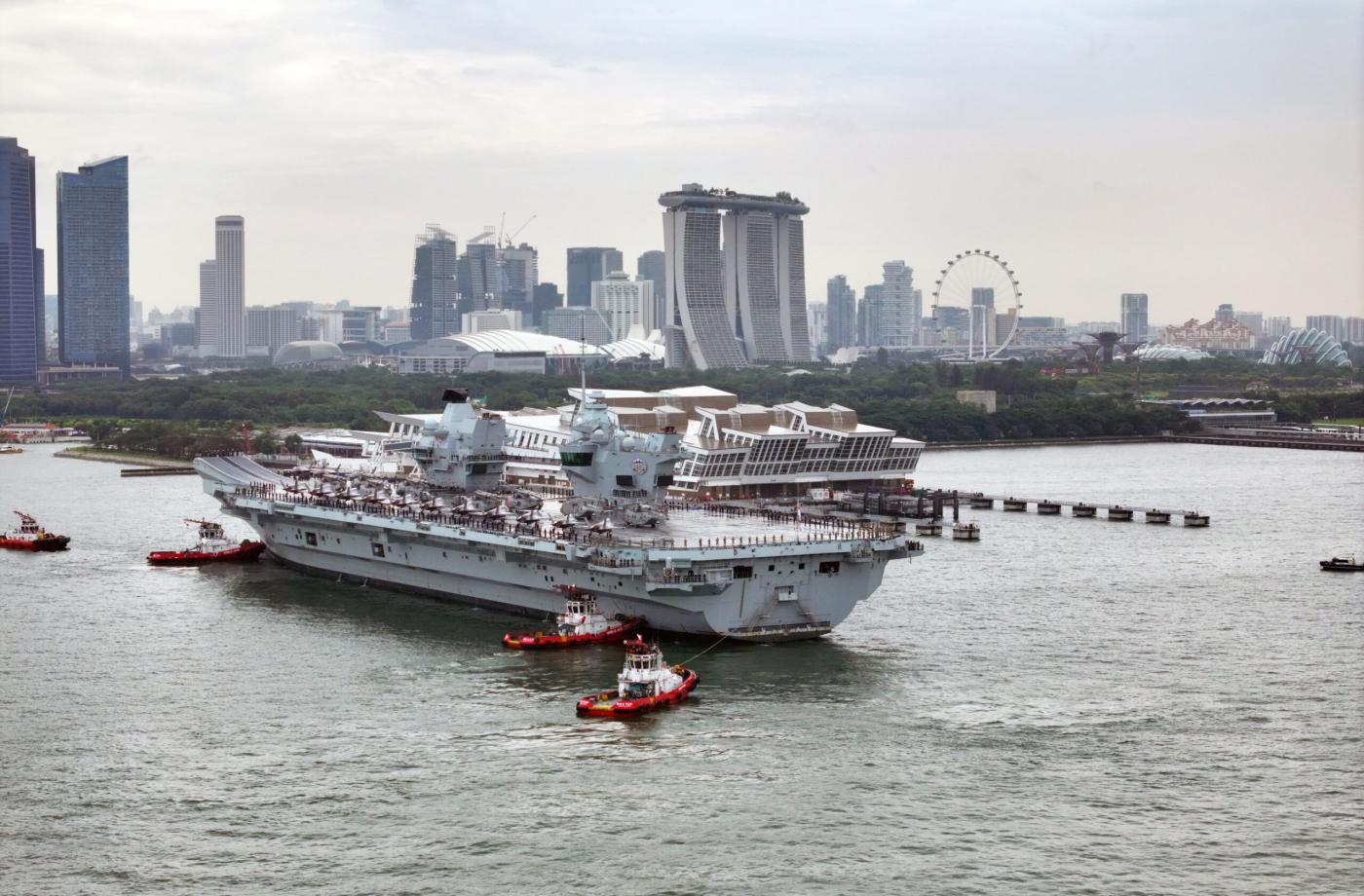
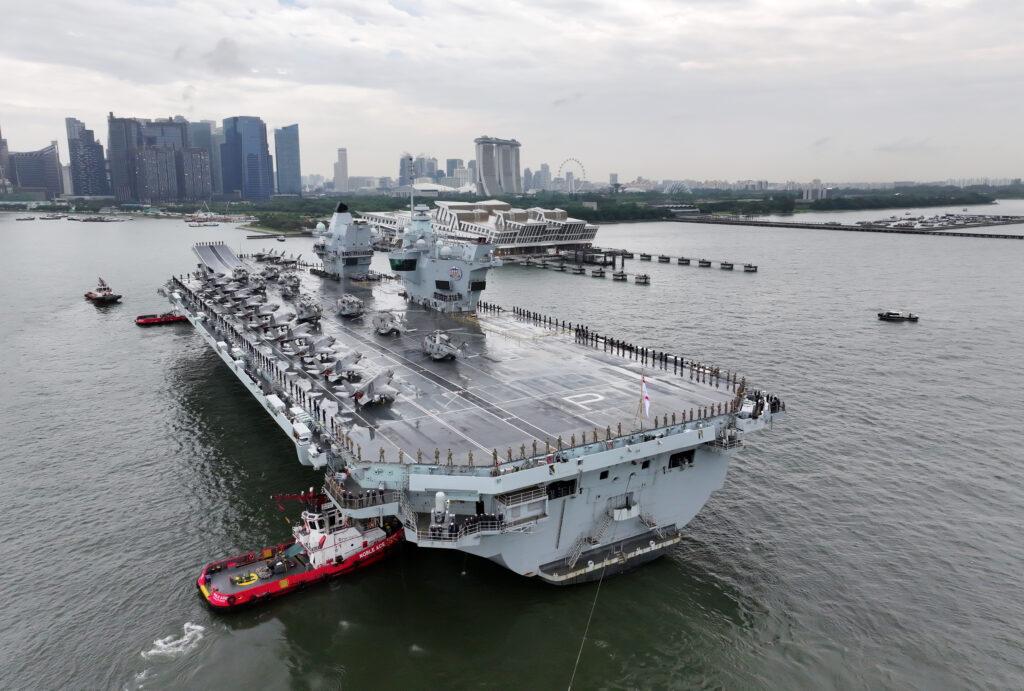
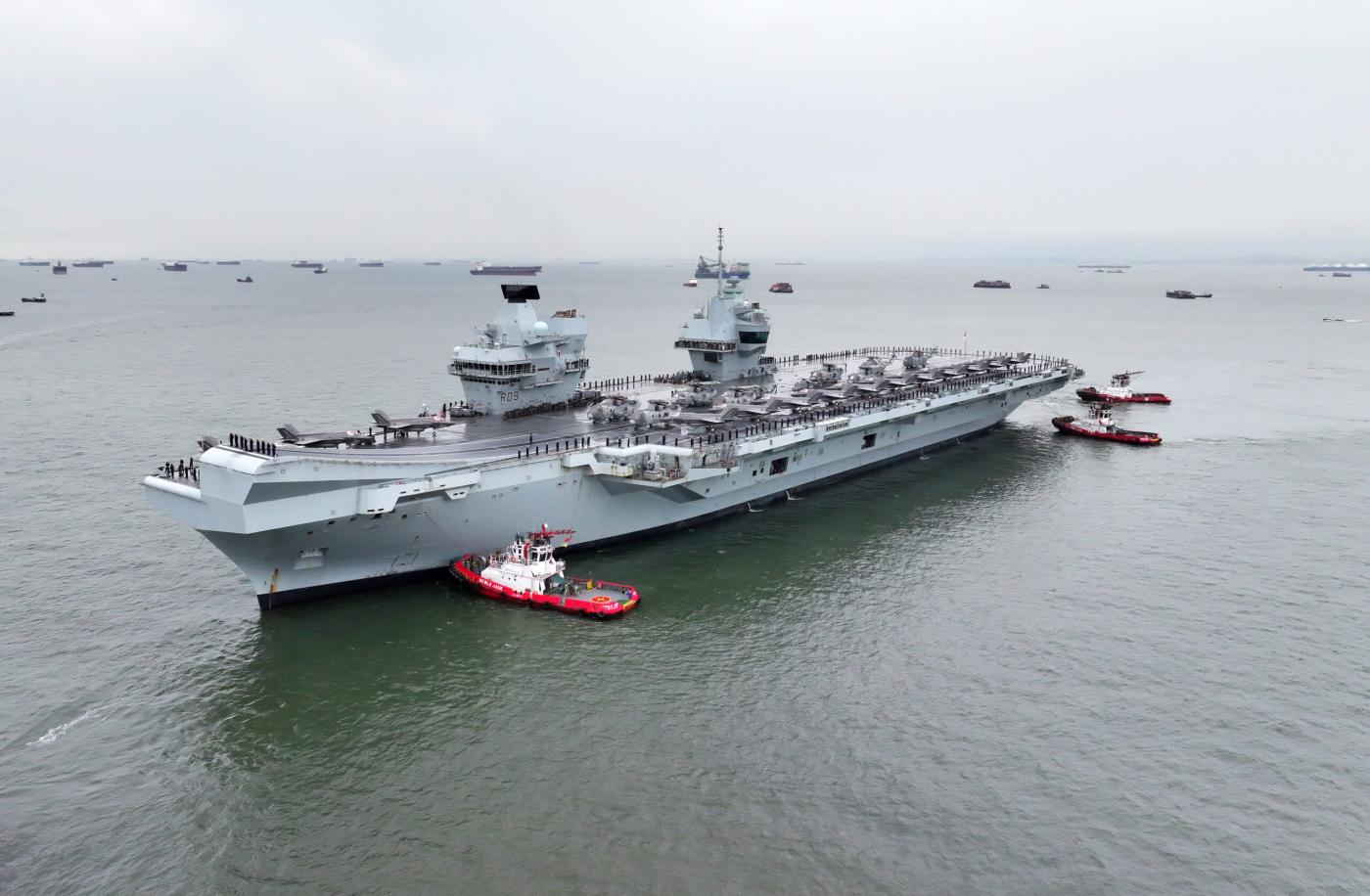
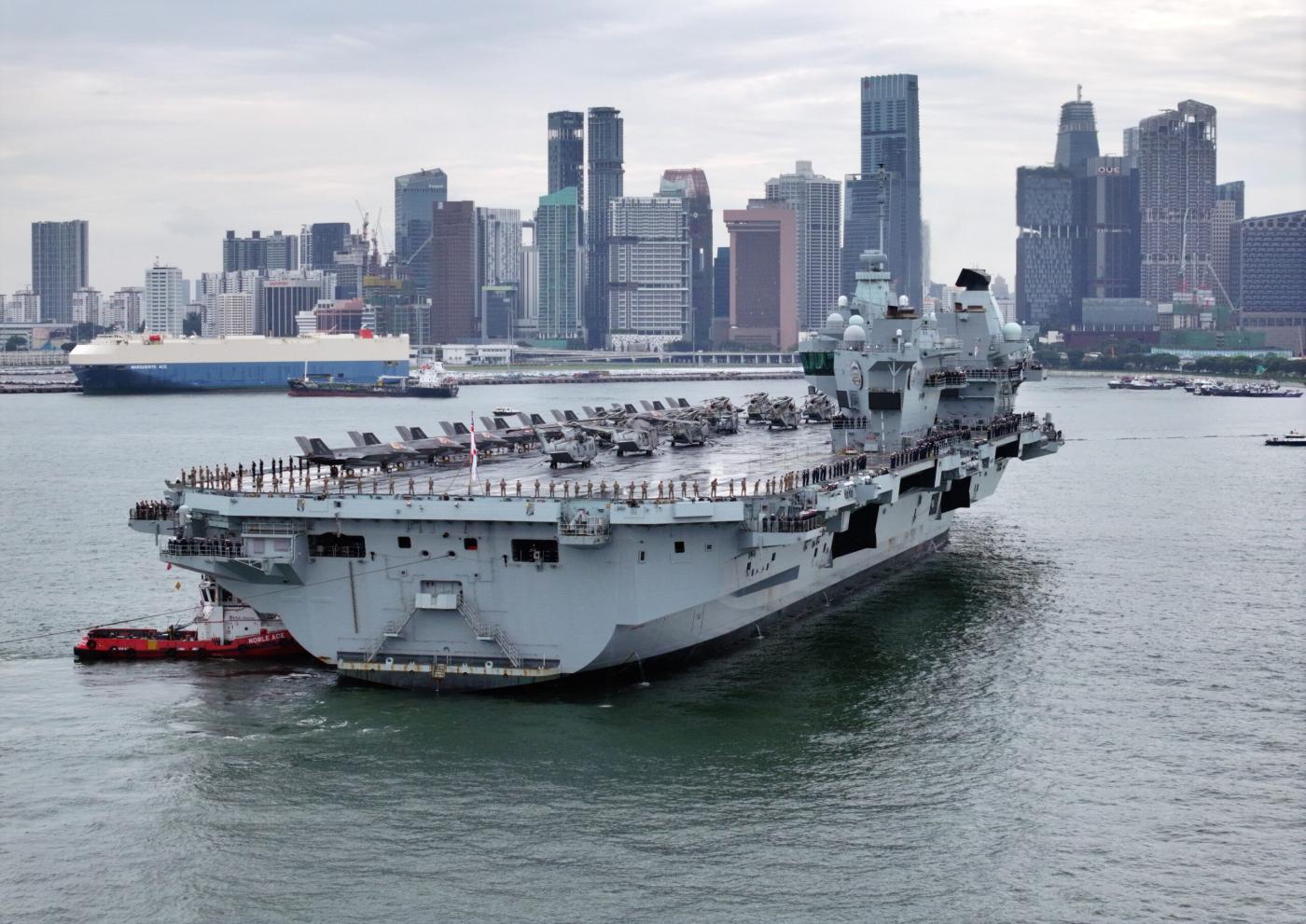
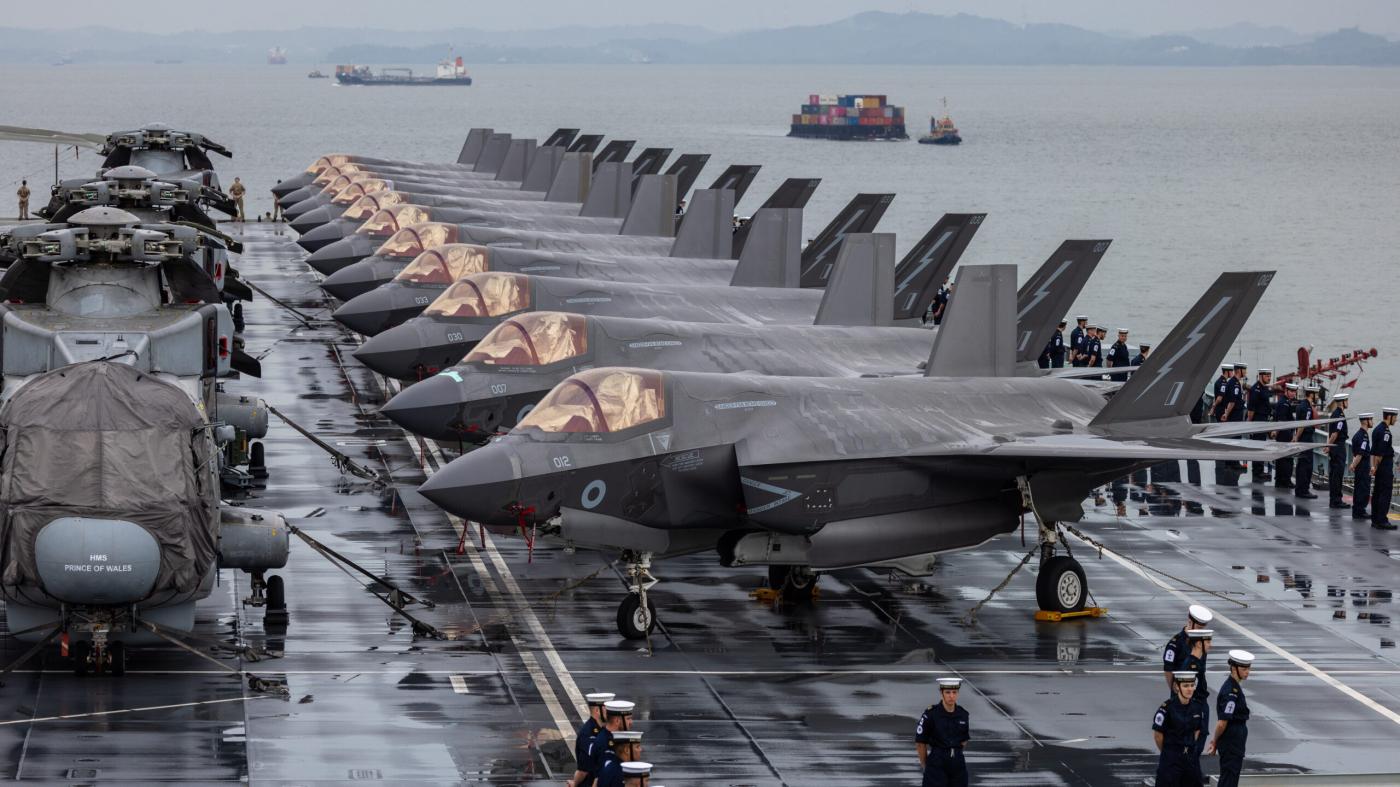
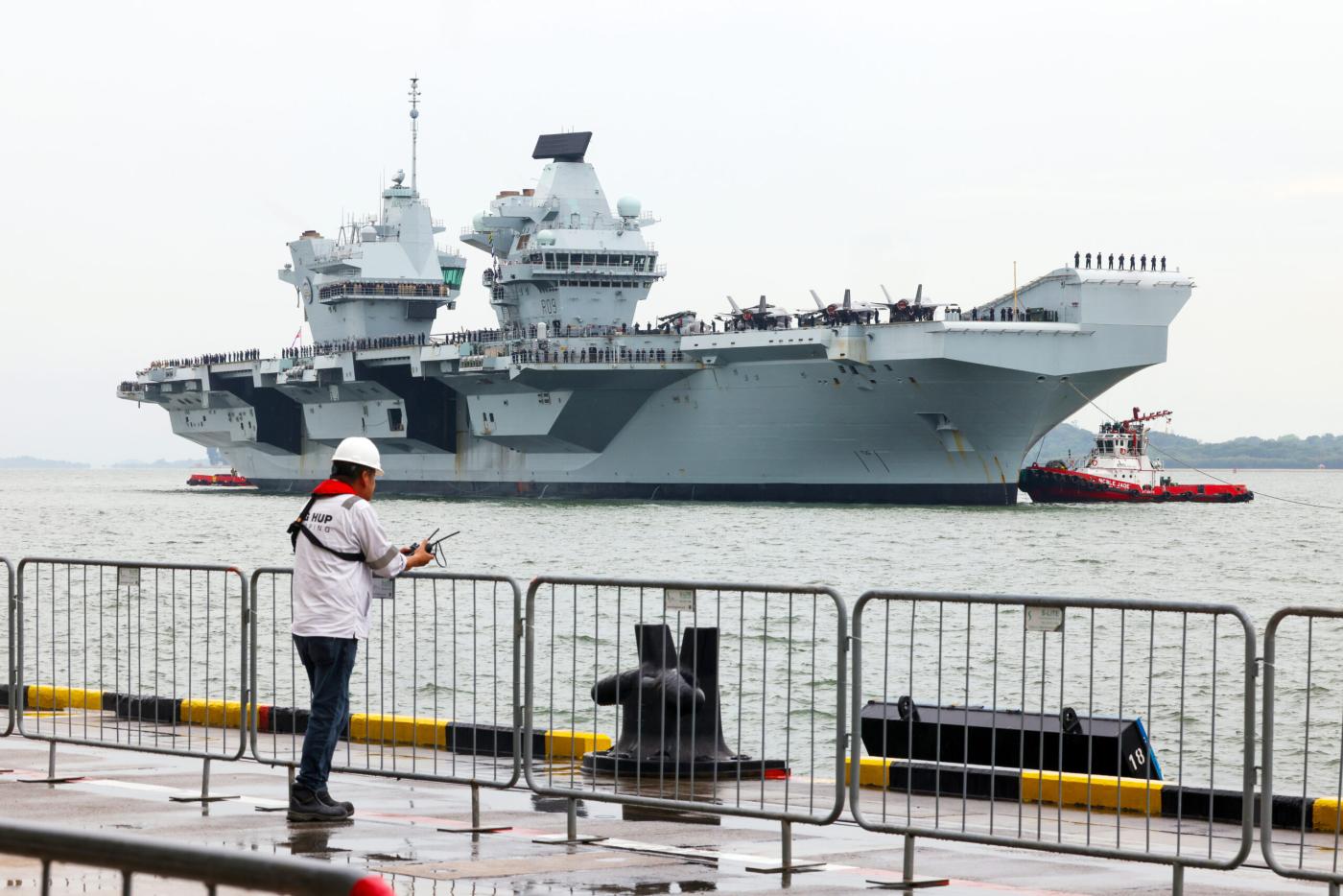
In June 2025, Singapore’s port emerged as a pivotal maritime hub, hosting two of the world’s most powerful carrier strike groups almost simultaneously. The British Royal Navy’s HMS Prince of Wales and the US Navy’s USS Carl Vinson arrived as part of their Indo-Pacific deployments, sending a clear signal of allied naval readiness against a backdrop of escalating tensions in the Middle East.
navy worldwide nato news25 june 2025 | 07:17 | Source: Gazeta Morska | Prepared by: Kamil Kusier | Print
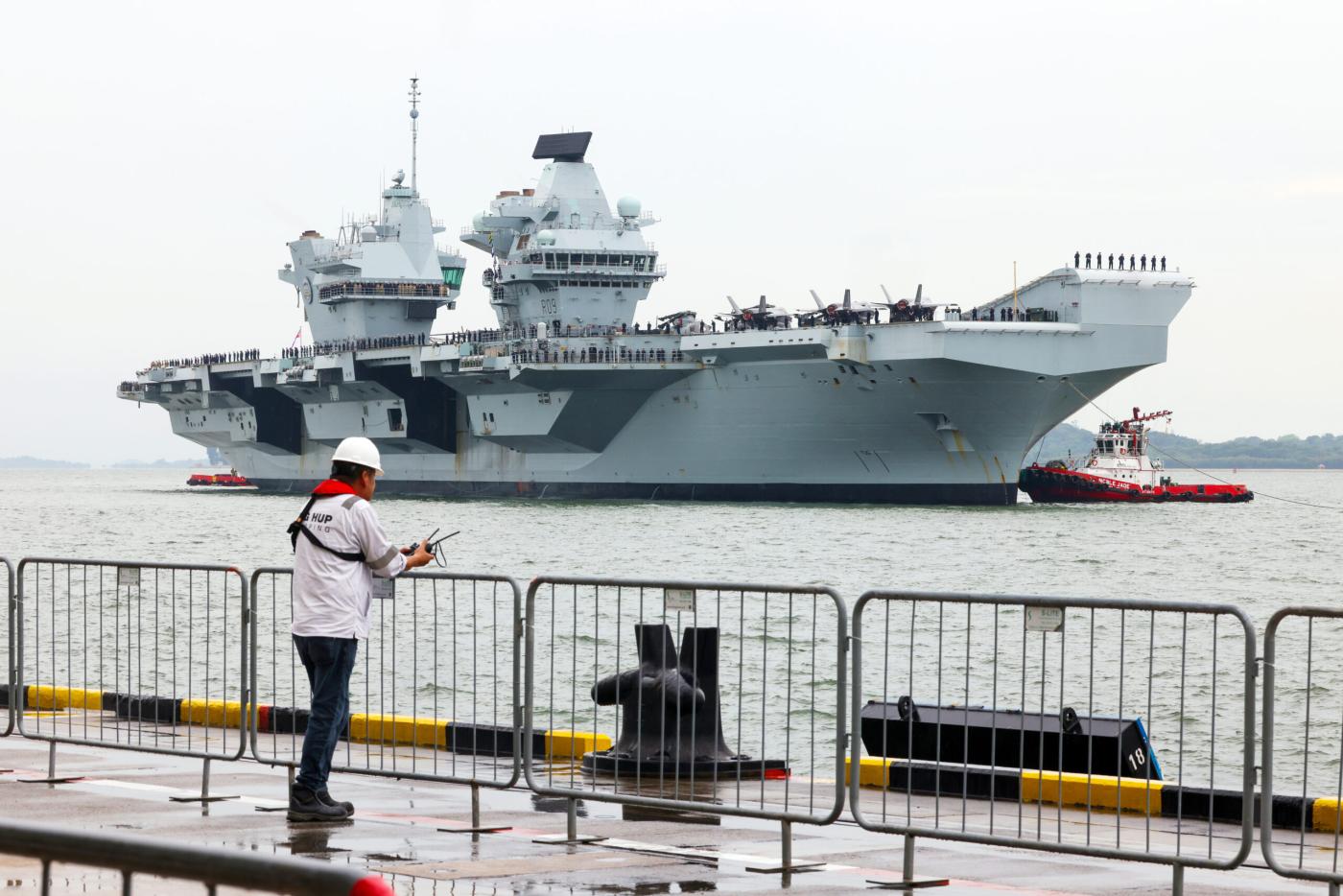
fot. Ministerstwo Obrony UK
Dual Presence, Dual Message
The simultaneous visits of these carrier strike groups are more than routine port calls. They coincide with an intensification of hostilities involving Iran, including drone strikes against Israeli targets and subsequent US retaliatory airstrikes on Iranian nuclear facilities. Iran’s threats to close the Strait of Hormuz—a crucial chokepoint for global oil and LNG shipments—raise the stakes for maritime security not just in the Persian Gulf but across vital trade routes connecting Asia and Europe.
Singapore: Strategic Maritime Nexus
The Indo-Pacific remains the fulcrum of global maritime security. By projecting naval power from Singapore, the US and UK are safeguarding critical sea lines of communication stretching from the South China Sea and the Strait of Malacca to the Persian Gulf.
HMS Prince of Wales
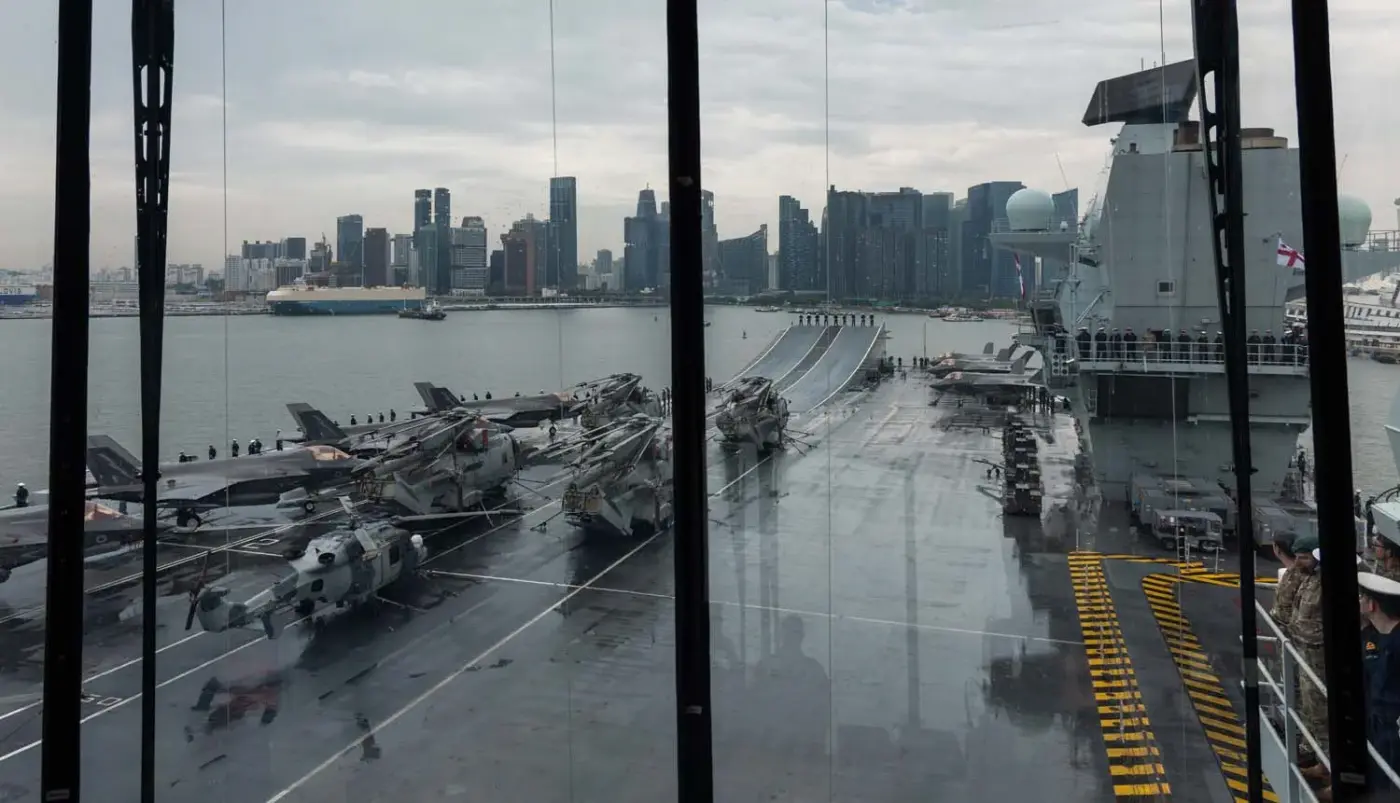
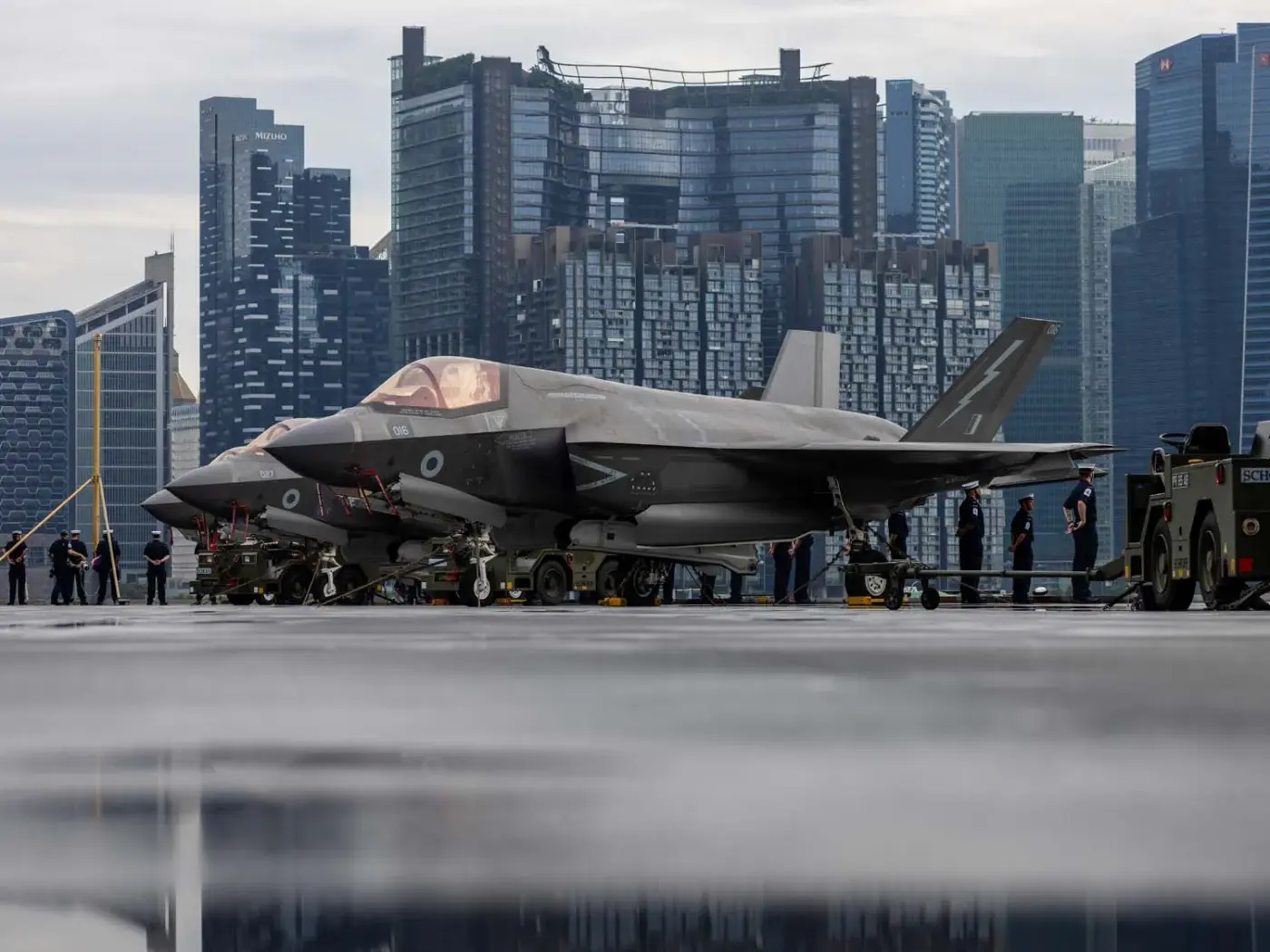
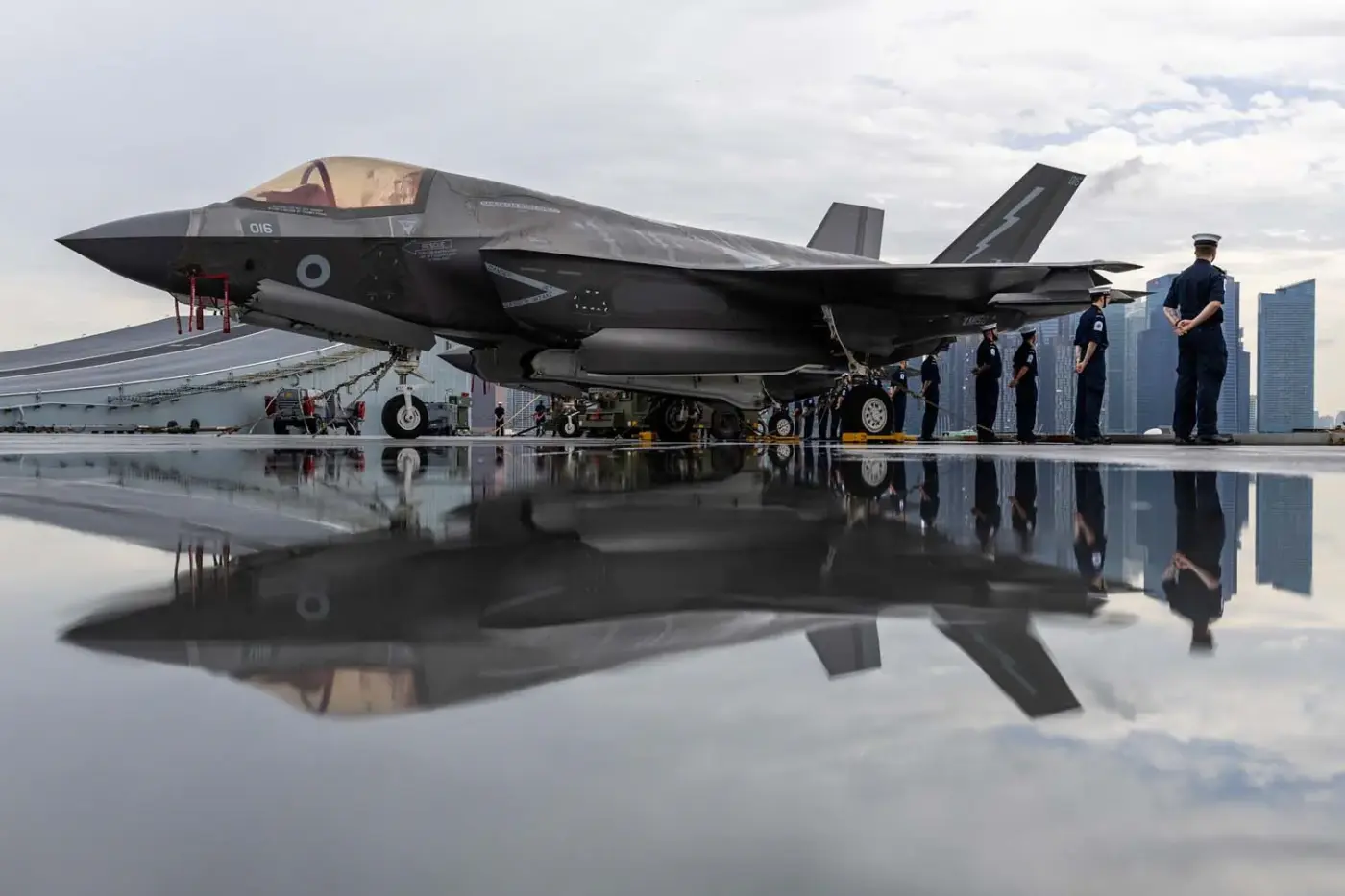
At over 65,000 tons, the Queen Elizabeth-class carrier is a centerpiece of the UK’s Global Britain naval strategy. Capable of deploying up to 36 F-35B stealth fighters and various helicopters, Prince of Wales is engaging in joint exercises with Singapore and ASEAN navies, underscoring London’s commitment to Indo-Pacific security and energy stability.
USS Carl Vinson
A nuclear-powered Nimitz-class carrier, USS Carl Vinson leads Carrier Strike Group One, including guided-missile destroyers and cruisers. Its air wing comprises F/A-18E/F Super Hornets, EA-18G Growlers, E-2D Hawkeyes, and multi-role helicopters. Positioned in Southeast Asia, the group maintains a flexible posture ready to redeploy rapidly to hotspots like the Persian Gulf if needed.
Linking Iran Crisis to Indo-Pacific Security
The potential closure of the Strait of Hormuz threatens to disrupt energy supplies vital to Asian economies—Japan, South Korea, India, and ASEAN countries heavily depend on uninterrupted seaborne imports. The Western naval presence in Singapore acts as a shield for these global supply chains and deters attempts to destabilize the region’s maritime trade routes.
Power Projection and Strategic Flexibility
Combined with strategic bases such as Diego Garcia and long-range assets like B-2 stealth bombers, the allied naval forces demonstrate an integrated, multi-domain capability for rapid global response. The concurrent carrier presence in Asia amid Middle East tensions illustrates NATO’s and allied ability to apply sustained pressure in multiple theaters simultaneously.
Conclusion: Maritime Diplomacy Meets Hard Power
Singapore has become a stage for showcasing Western unity, strength, and strategic resolve. The presence of both UK and US carrier strike groups is more than military posturing—it is a definitive message to allies and adversaries alike: control over global maritime routes remains fundamental to 21st-century security architecture.
Buy us a coffee, and we’ll invest in great maritime journalism! Support Gazeta Morska and help us sail forward – click here!
Kamil Kusier
redaktor naczelny
gallery

comments
Add the first comment
see also
Lithium at the core. TKMS and E3 Lithium align on Canada’s submarine ambitions
The end of a quiet era. Polish Navy harbour tugs in transition
105th life-saving mission. Naval Aviators conduct double "Heart Action" transport
Another successful medical evacuation over the Baltic Sea. Yet another intervention at offshore wind farms
Key leadership changes announced in the Polish Armed Forces
137 years since the Apia cyclone in Samoa: a lesson for modern shipping
RAS exercises in the Caribbean. Dutch patrol vessel Zr.Ms. Friesland conducts joint operations with French Navy
Royal Navy invests in uncrewed surface vessels. Project Beehive to accelerate development of the "Hybrid Navy"
French Navy increases operational activity from the Mediterranean to the Arctic
Polish Navy retires prototype minesweeper ORP Gopło after 44 years of service
ADVERTISEMENT
ADVERTISEMENT