"Let everyone know we will prevail". Poland’s armed forces set strategic course for 2026-2039
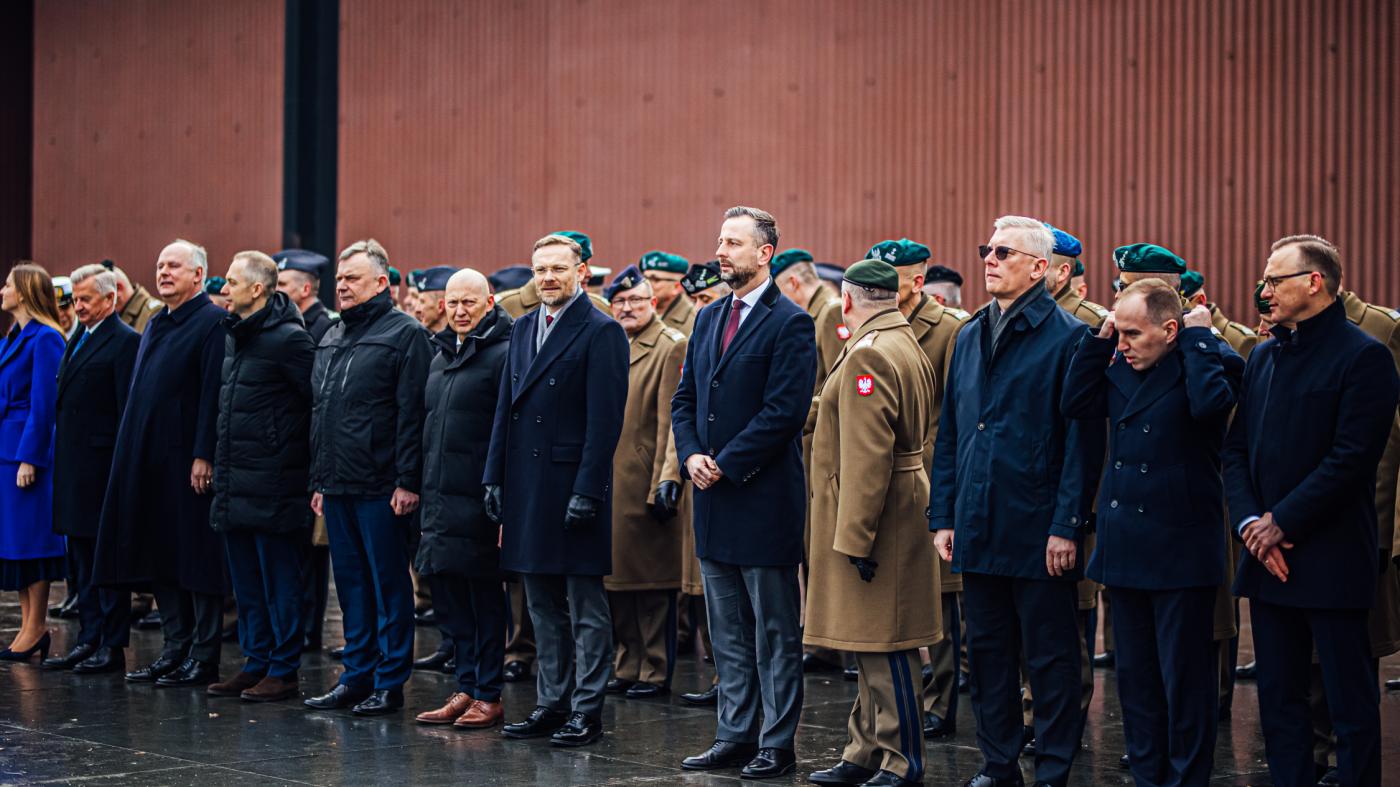
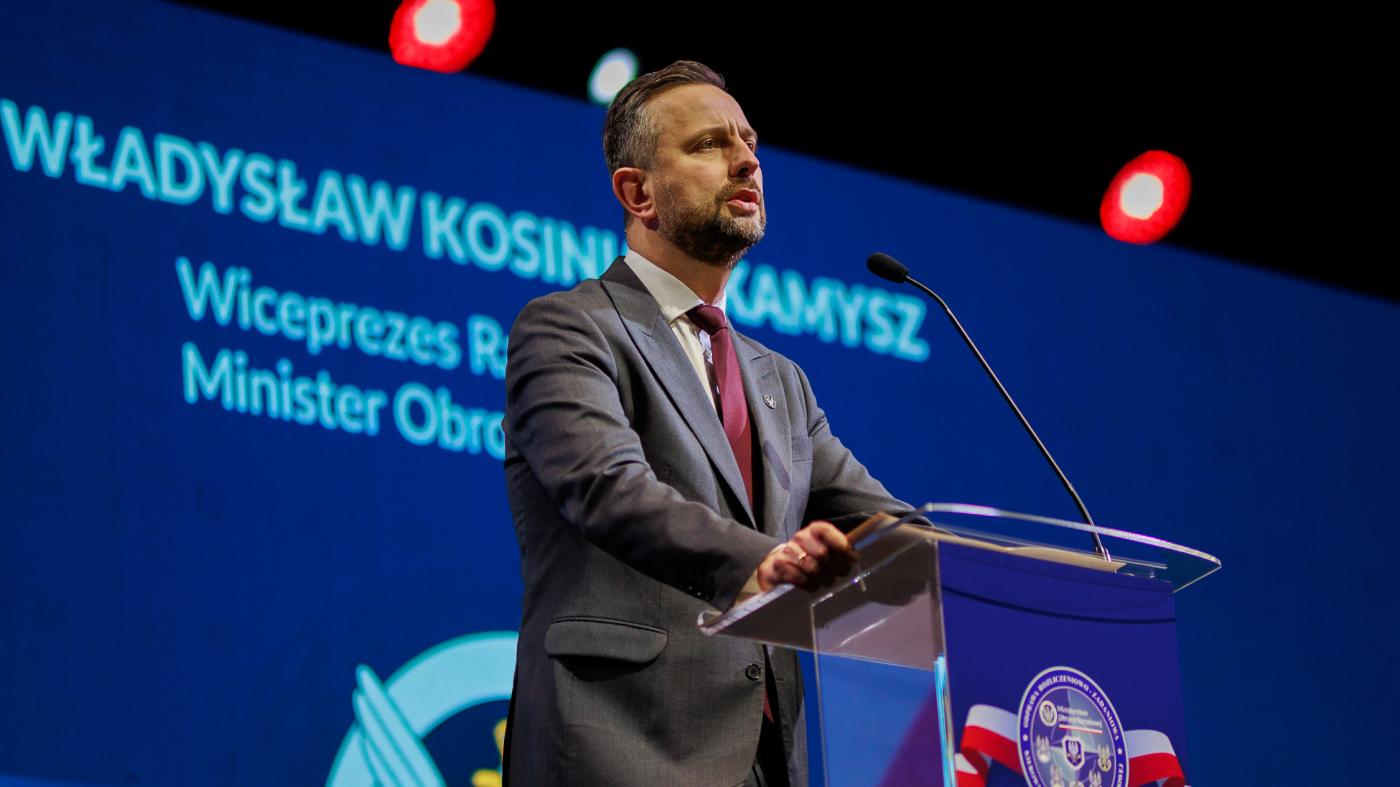
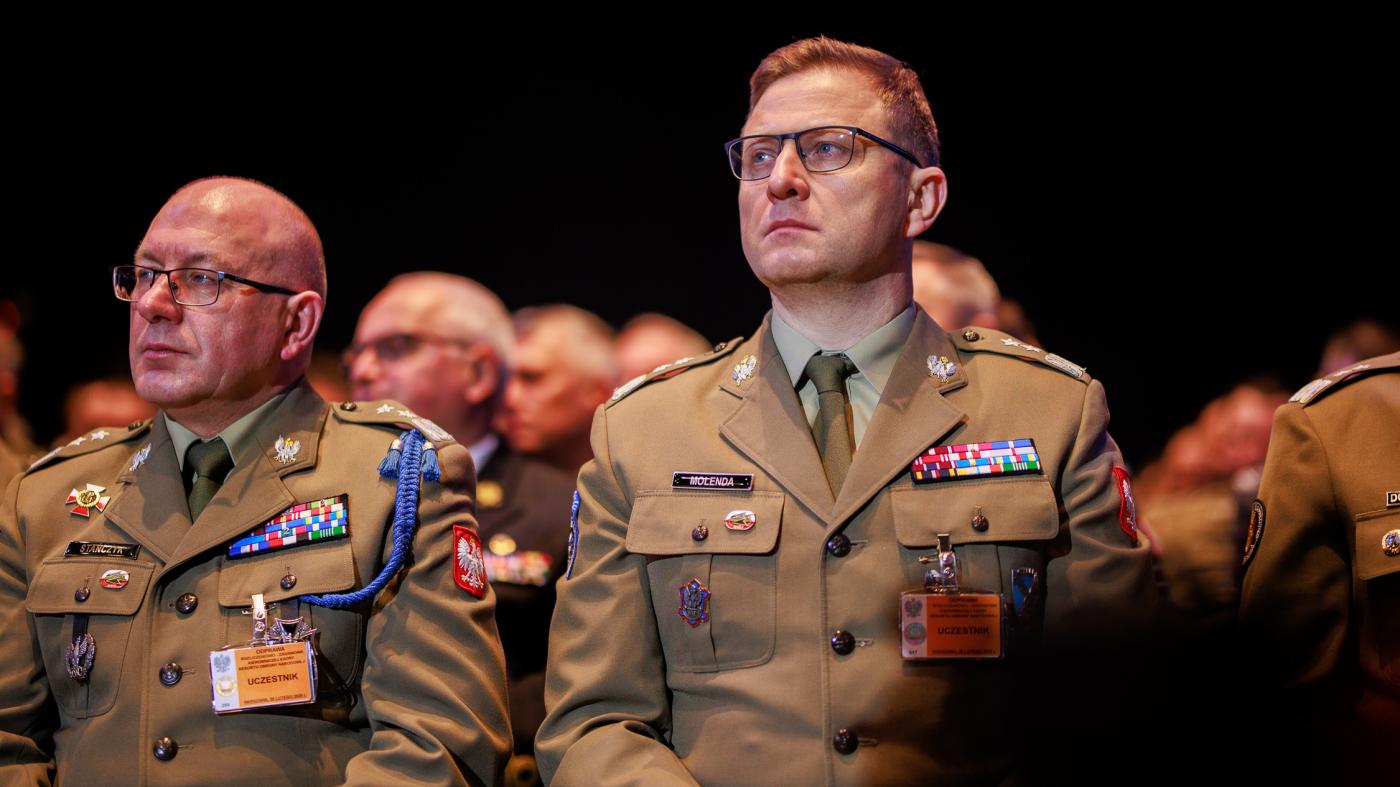
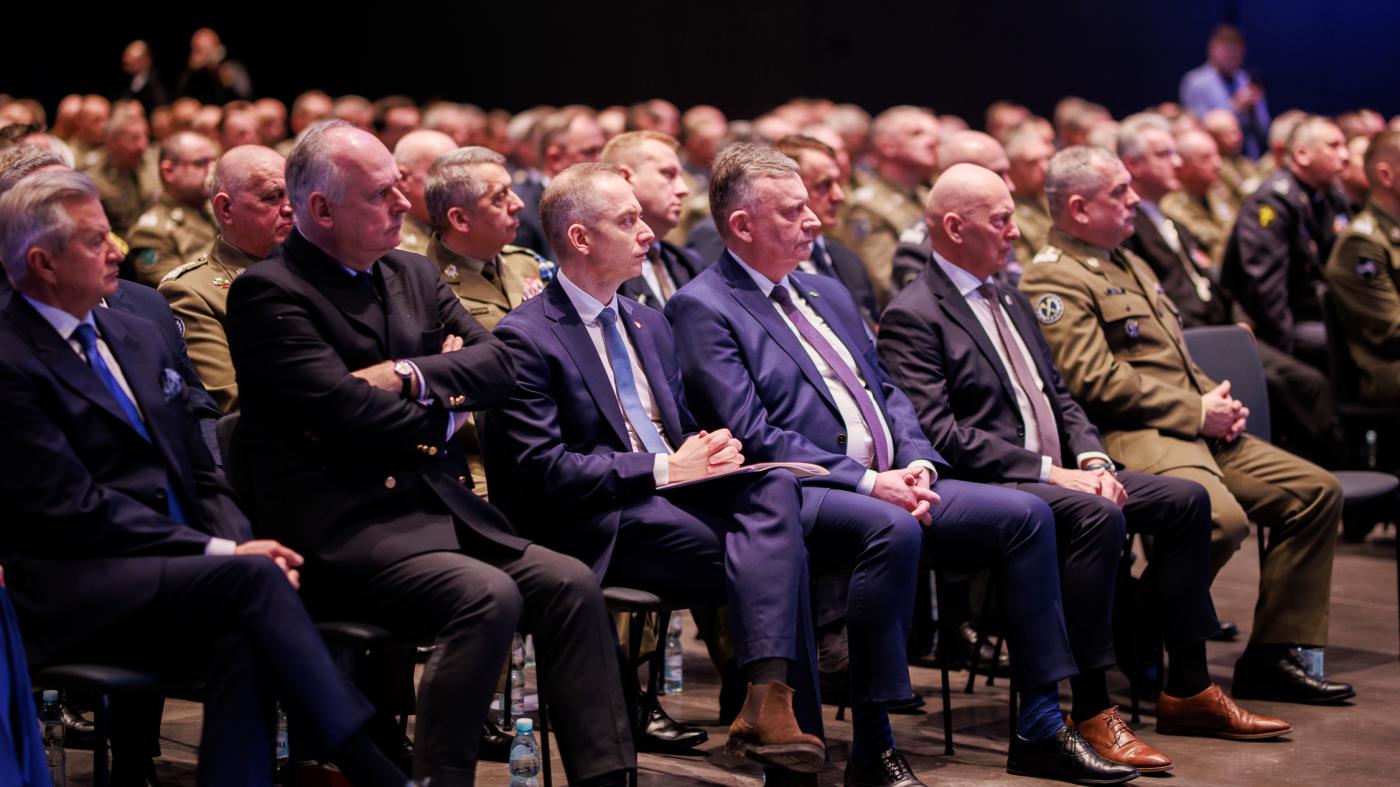
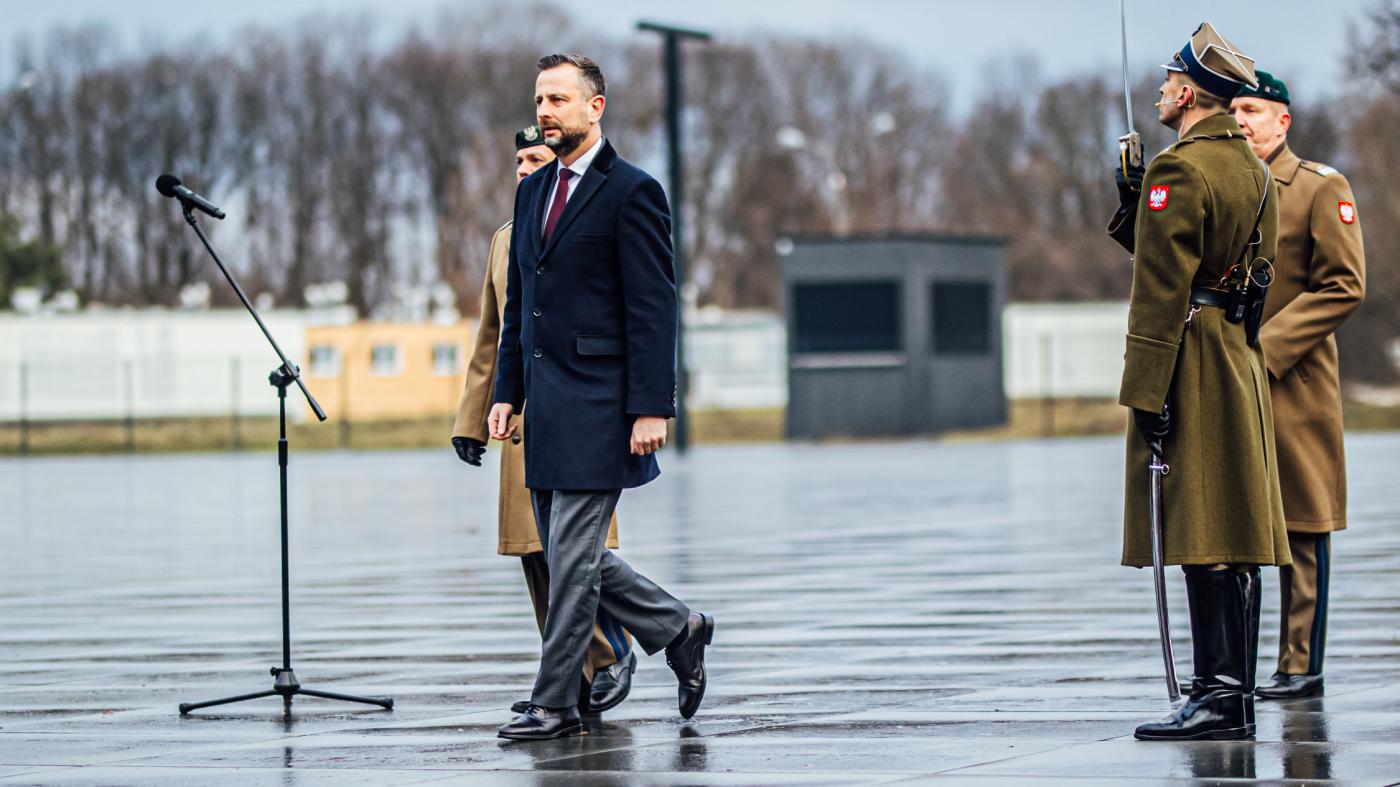
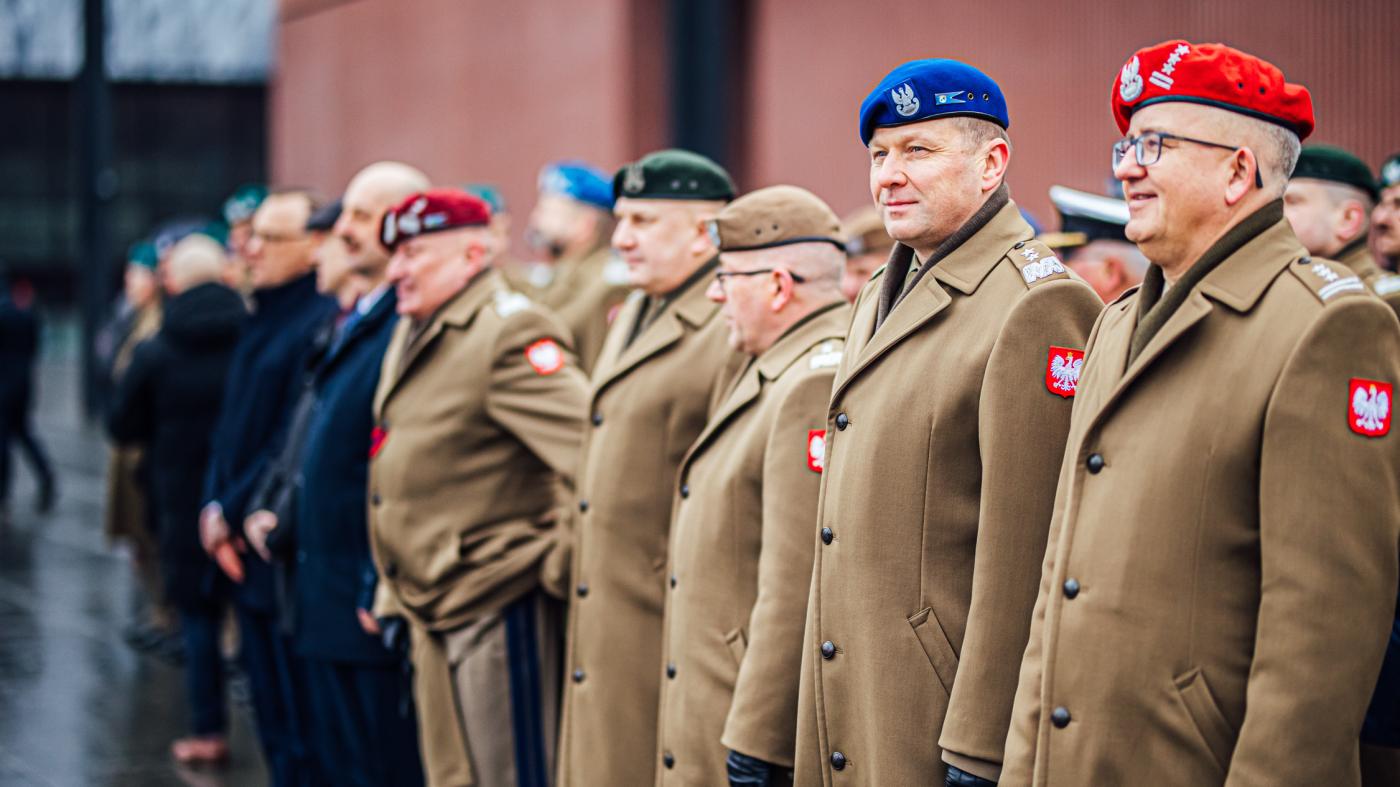
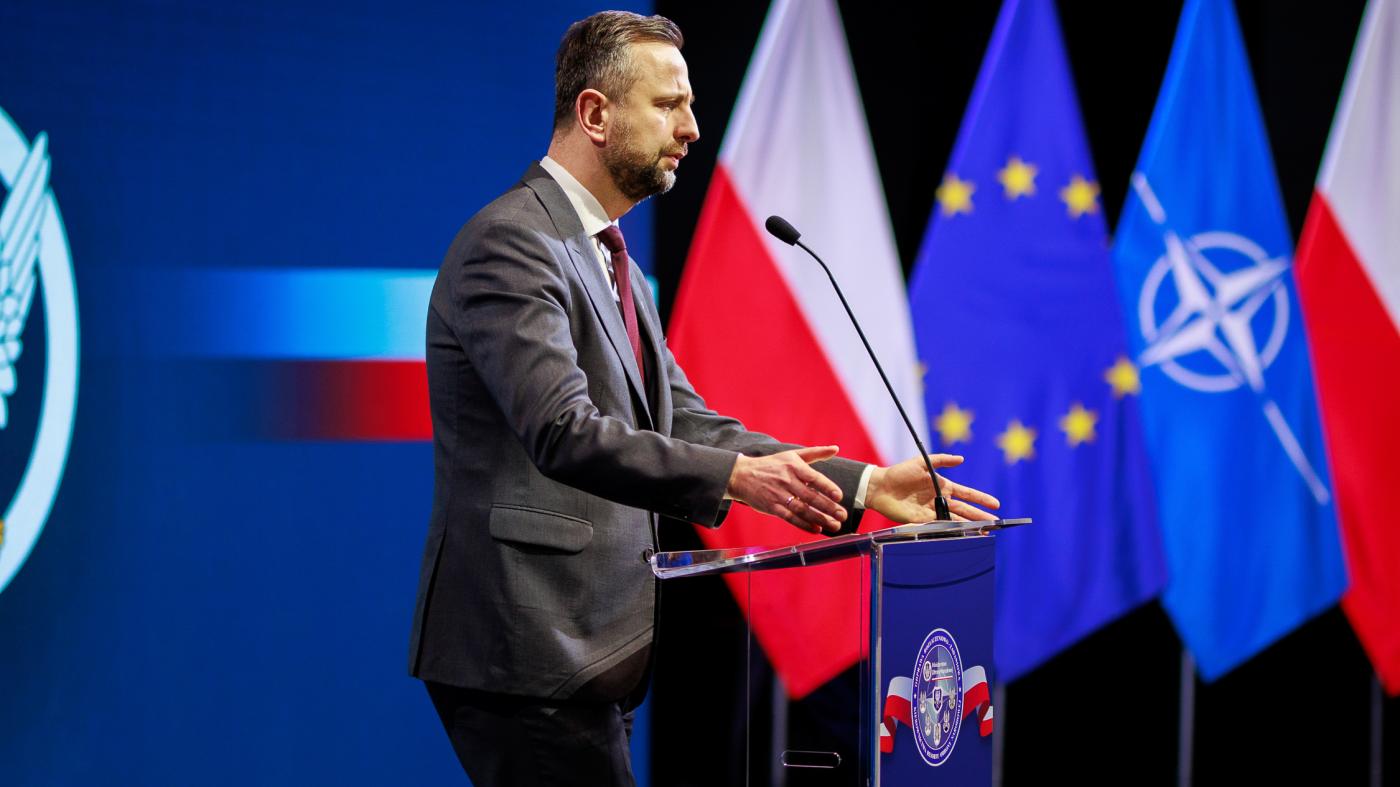
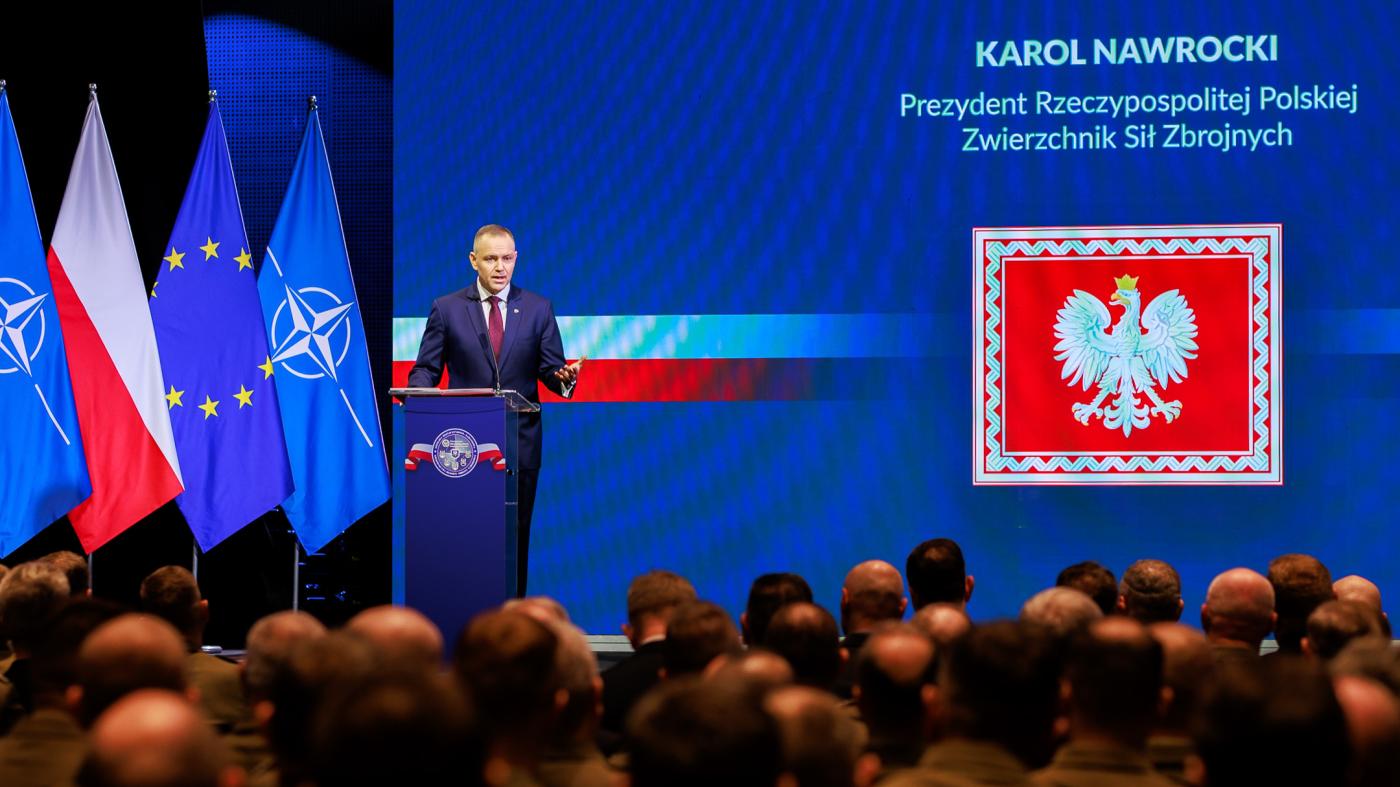
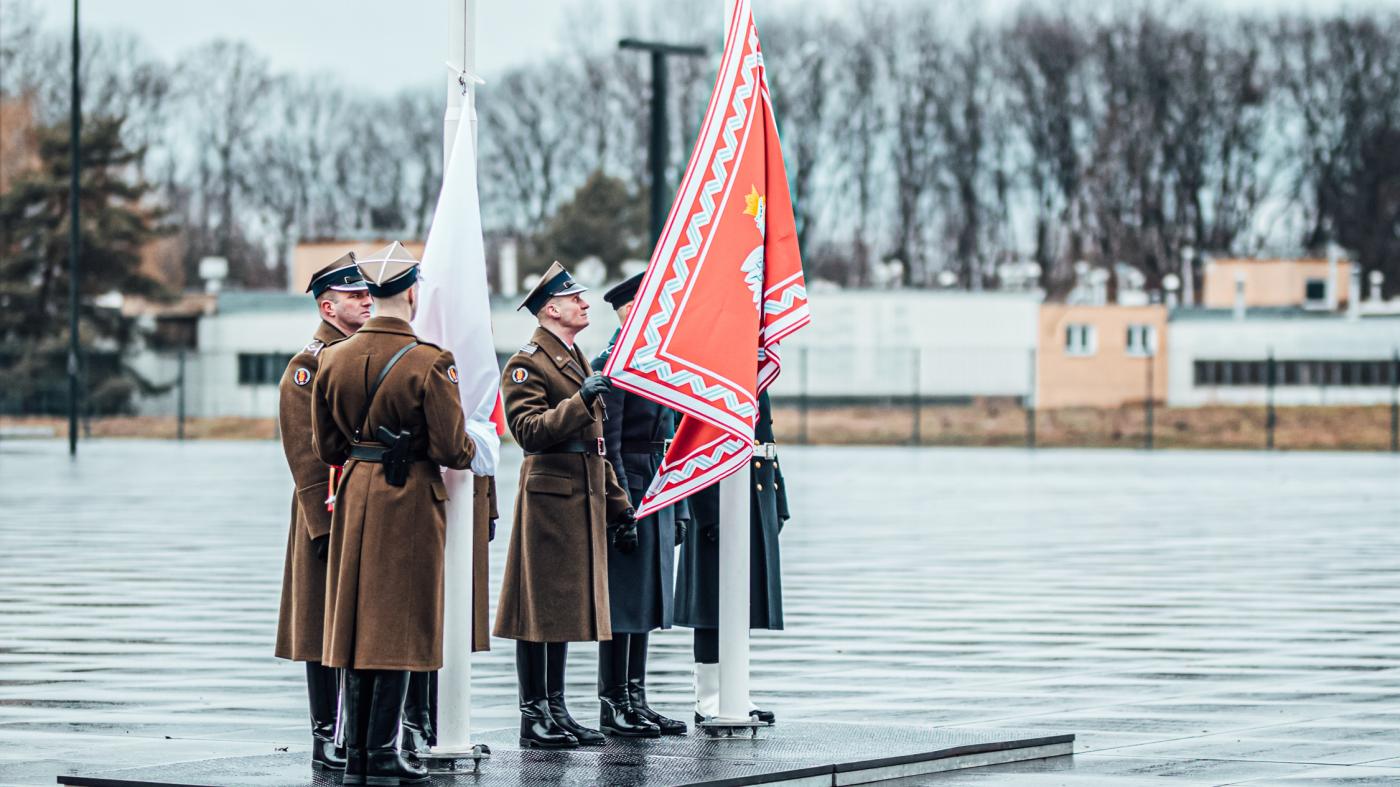
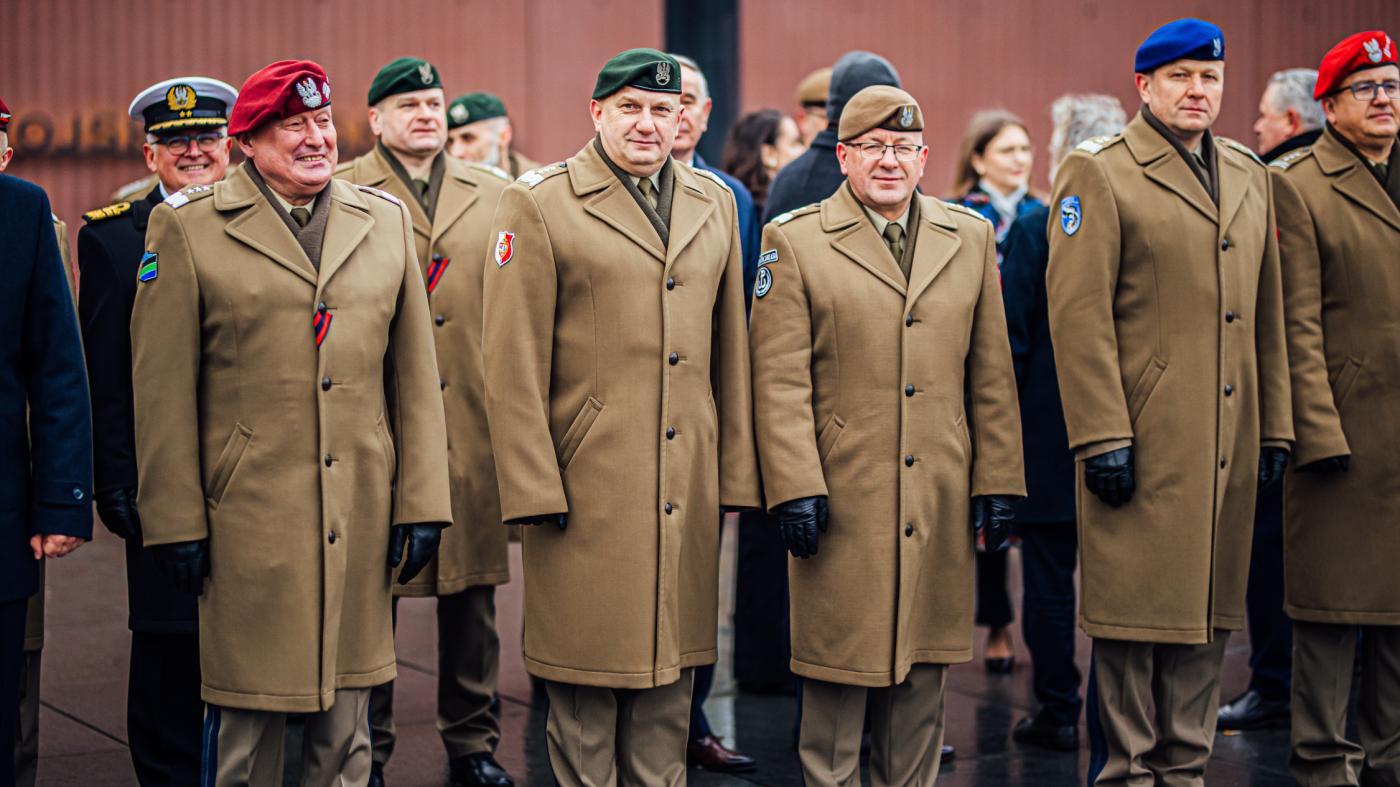
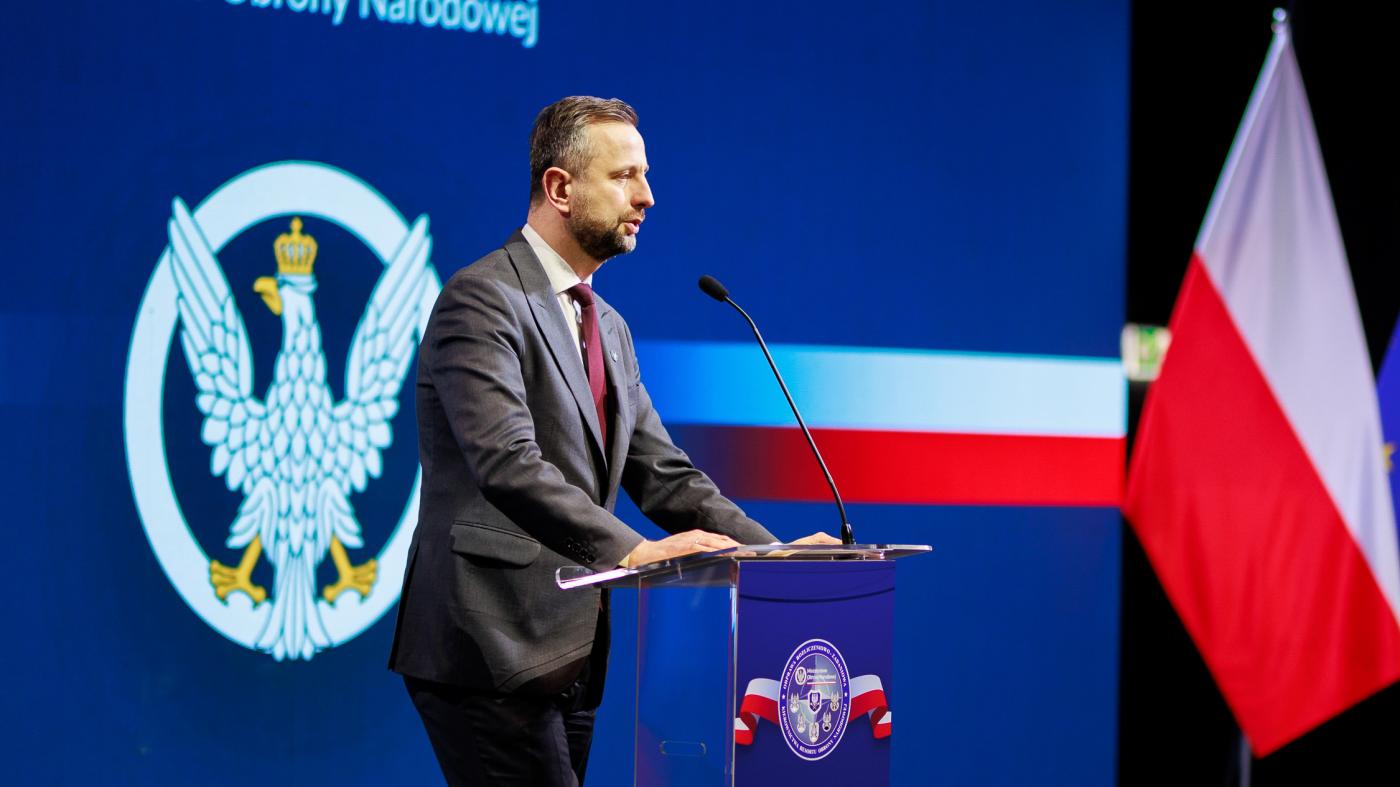
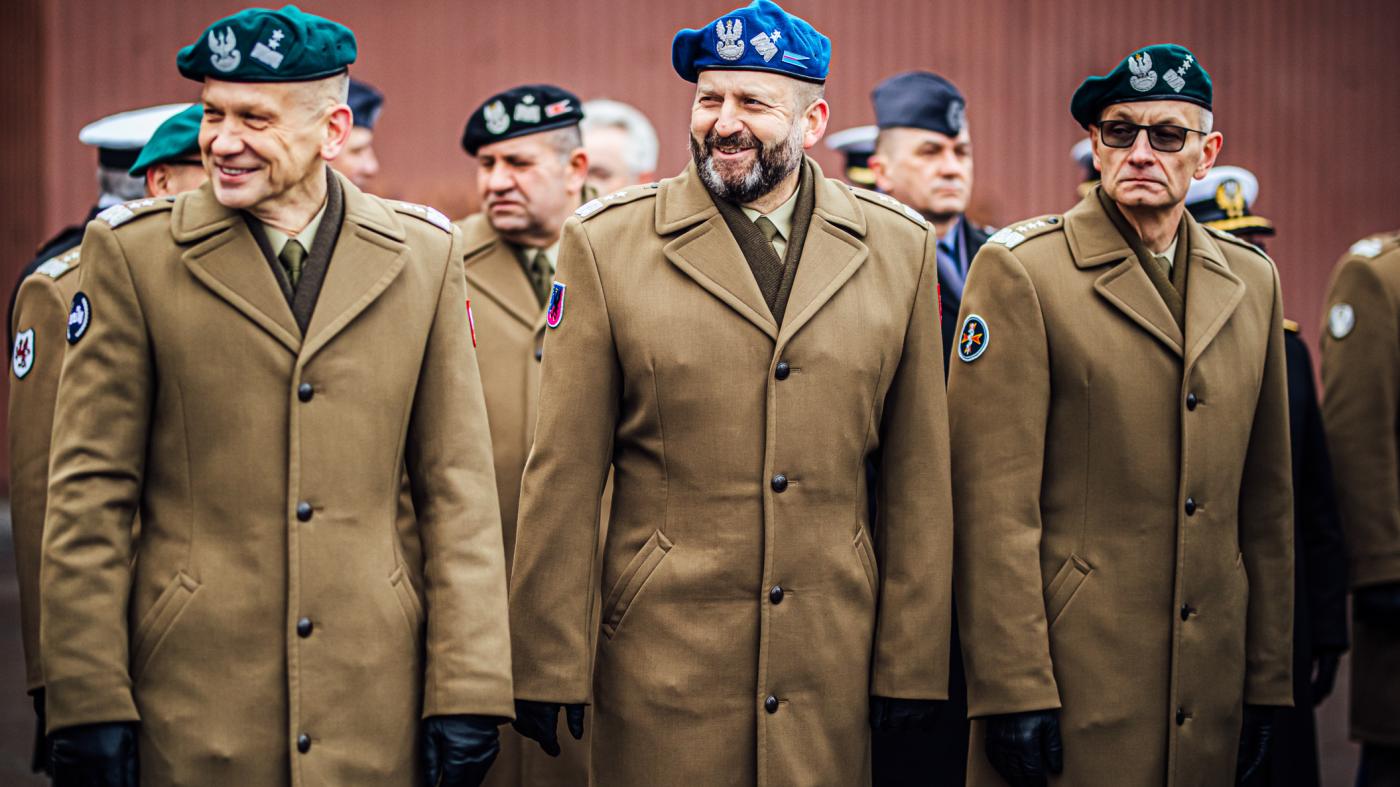
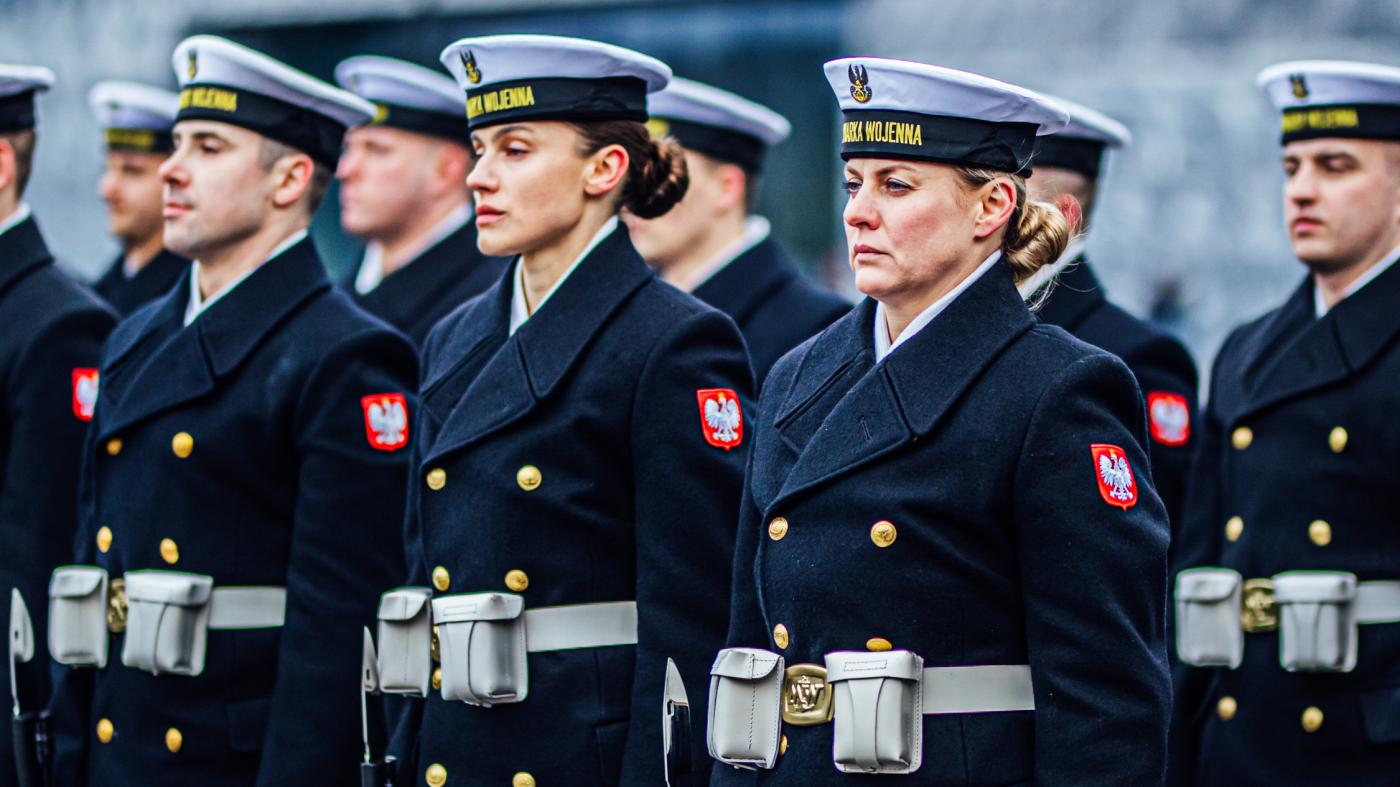
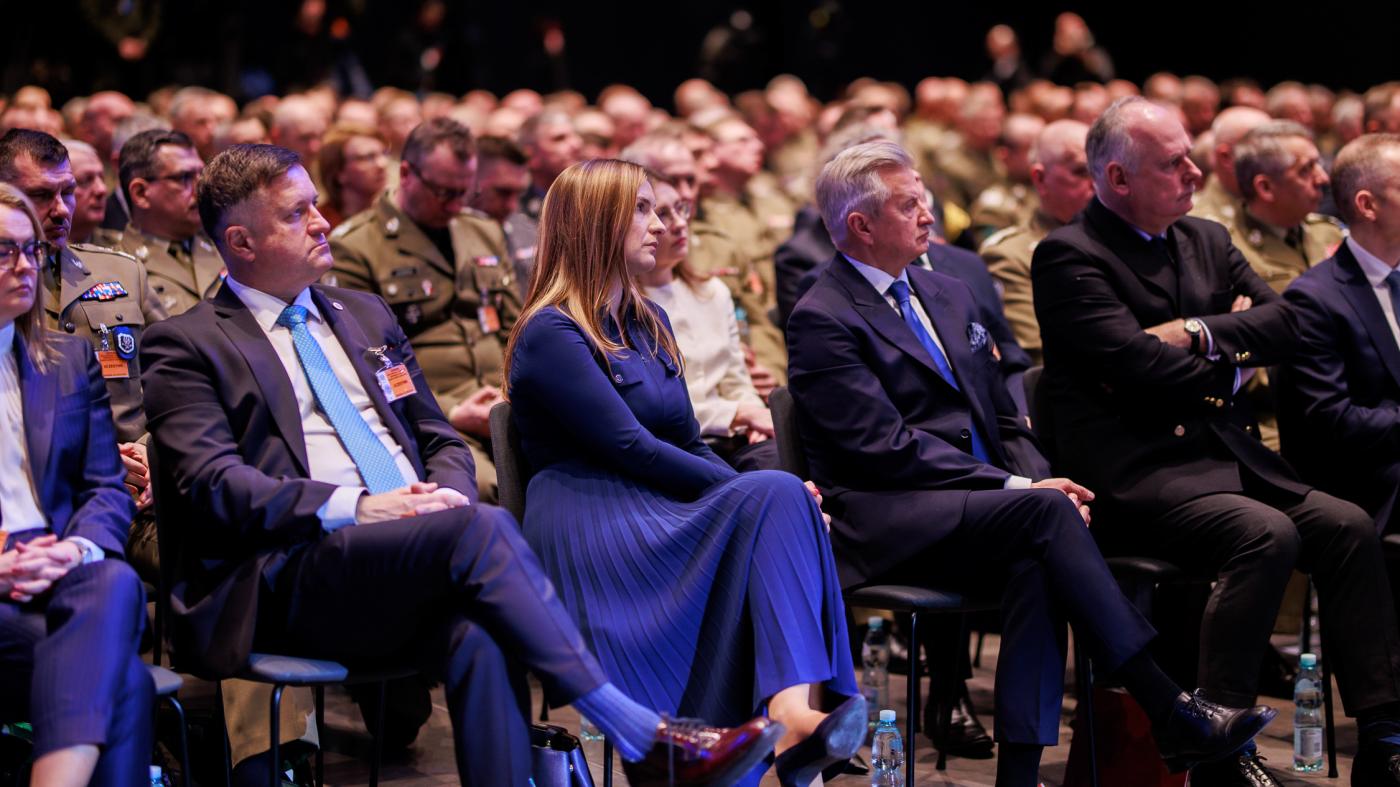
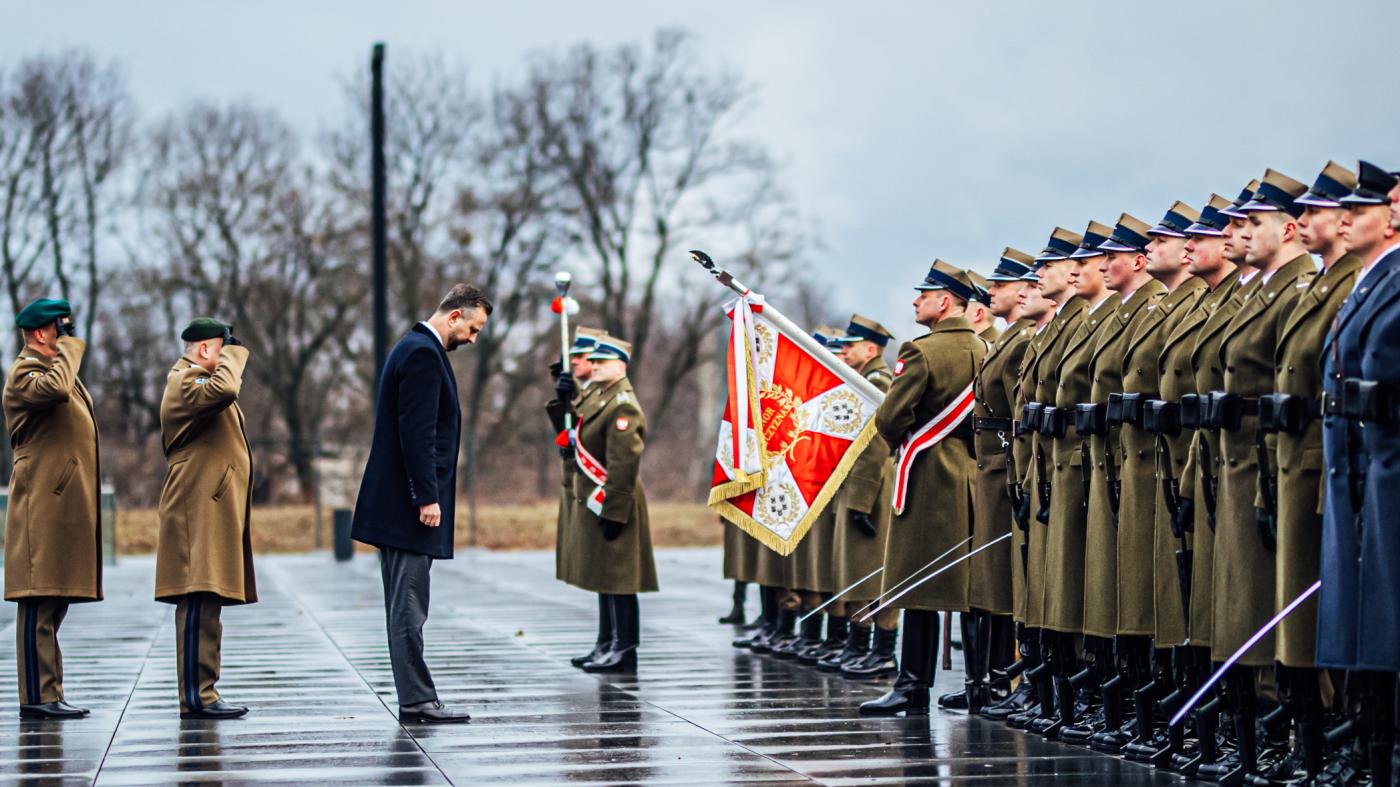
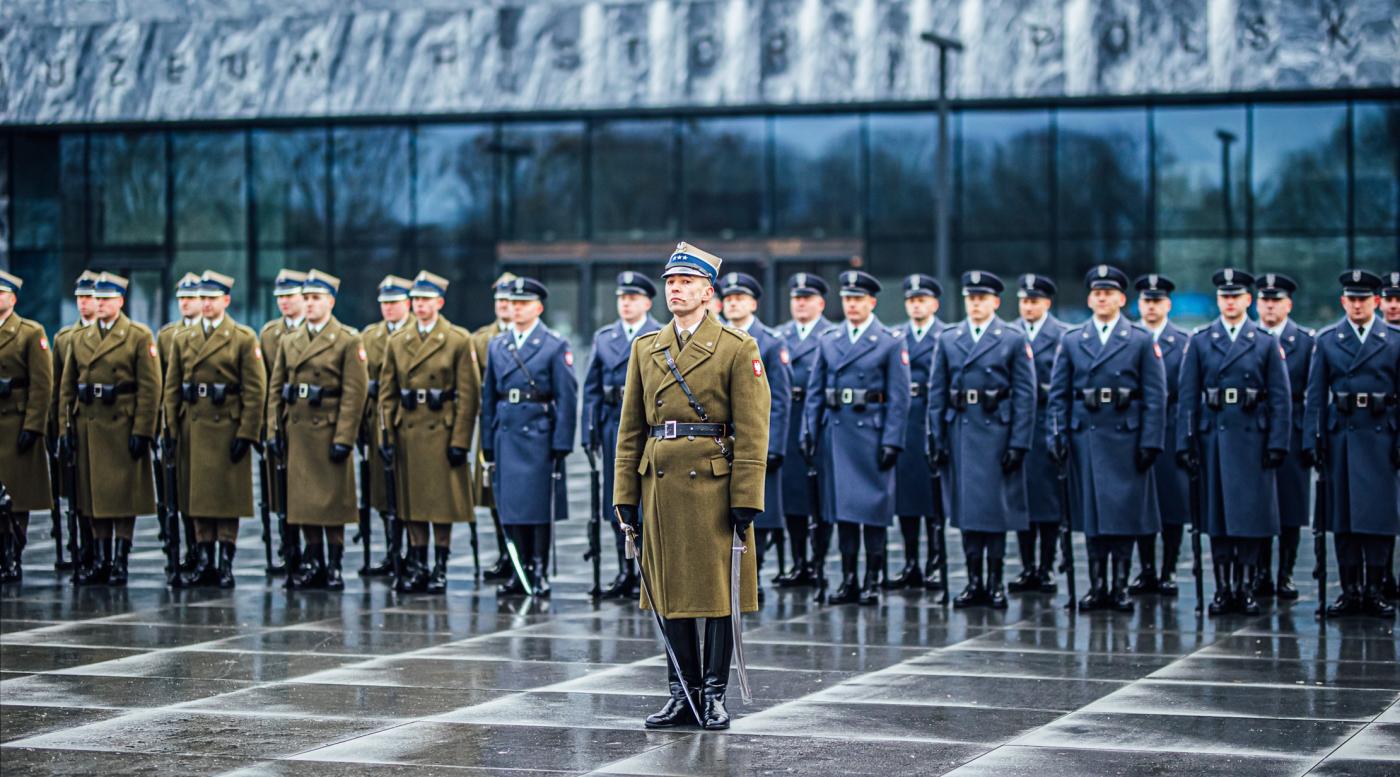
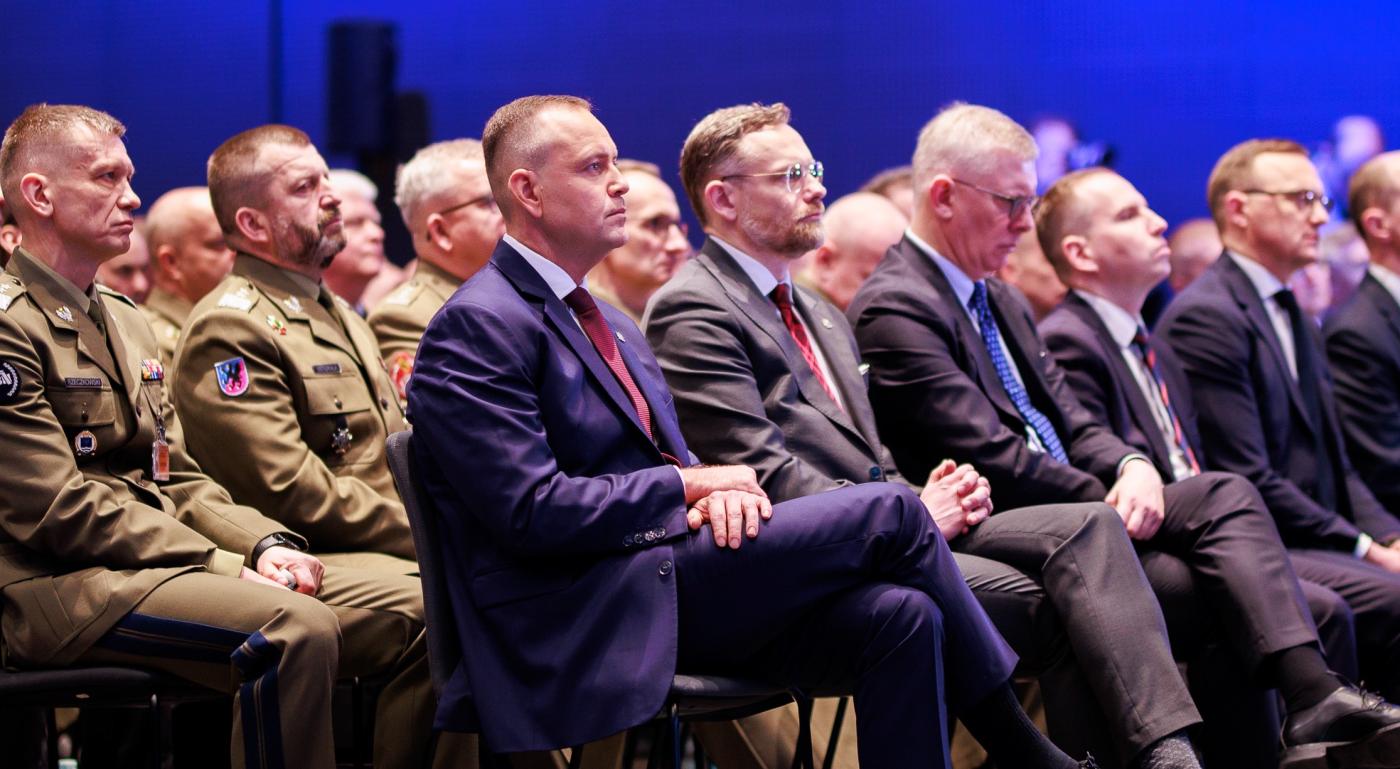
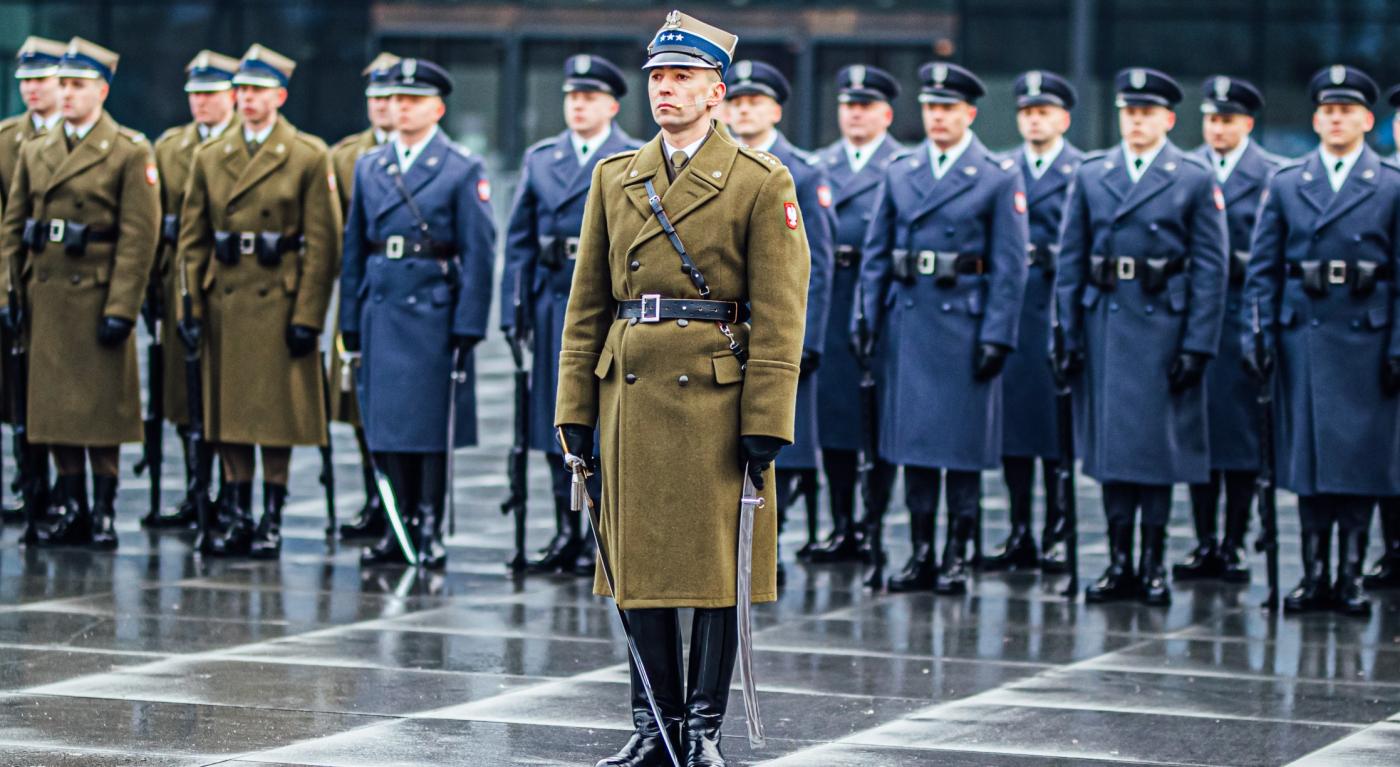
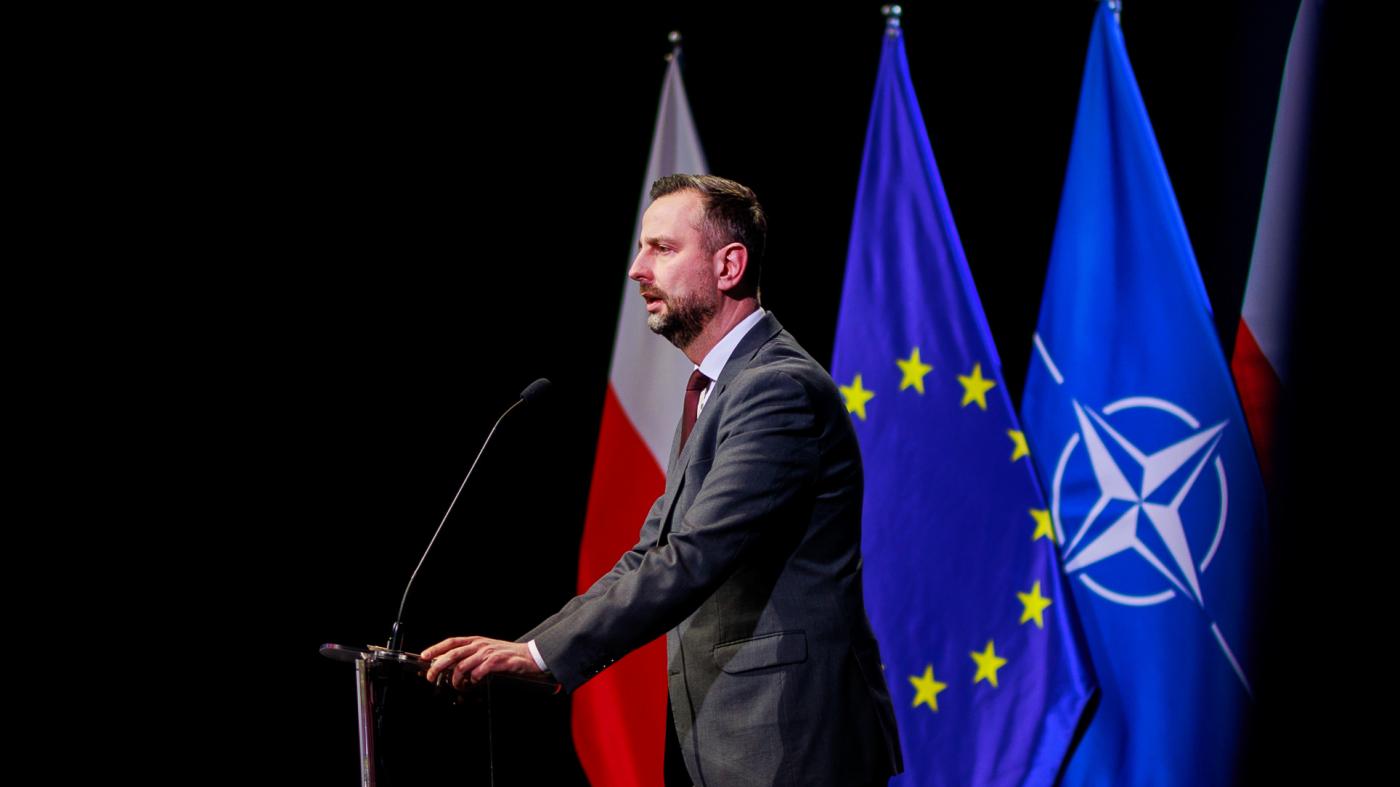
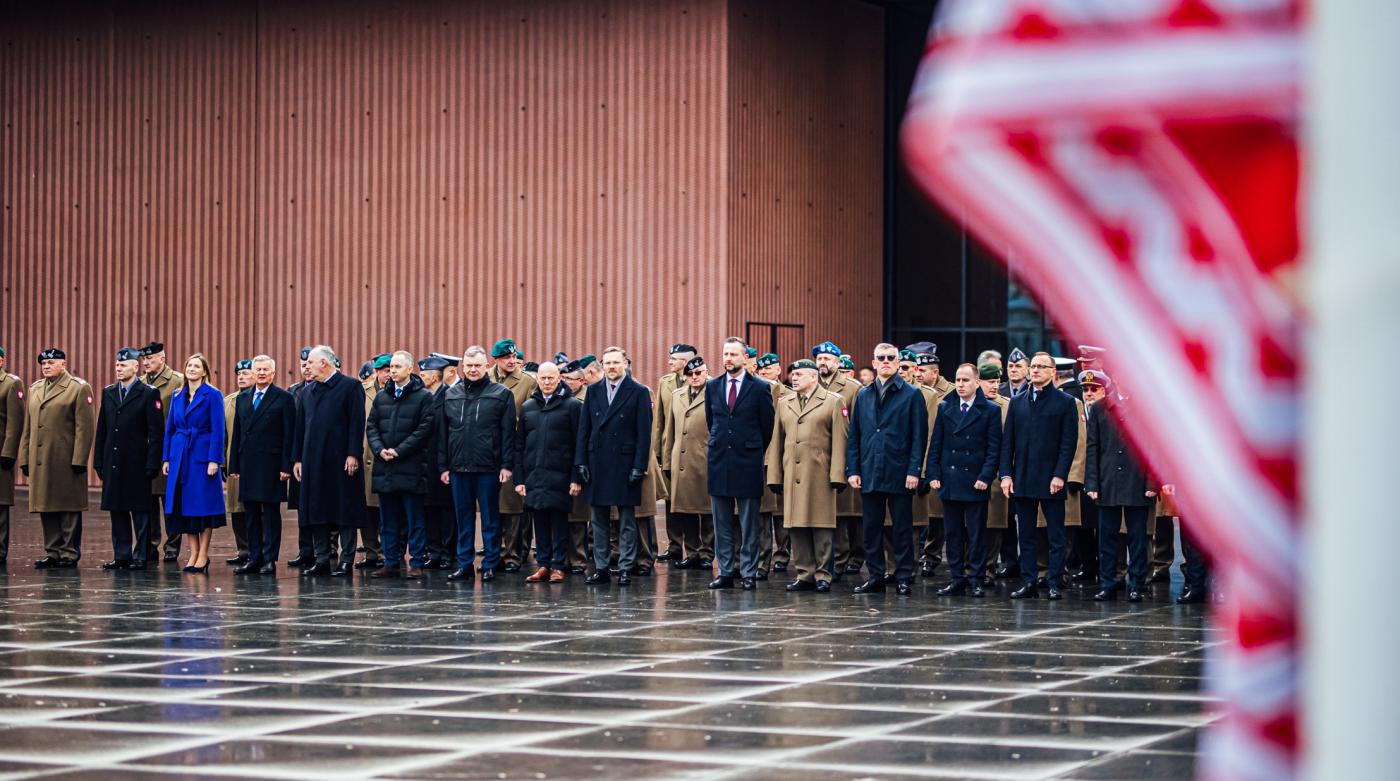
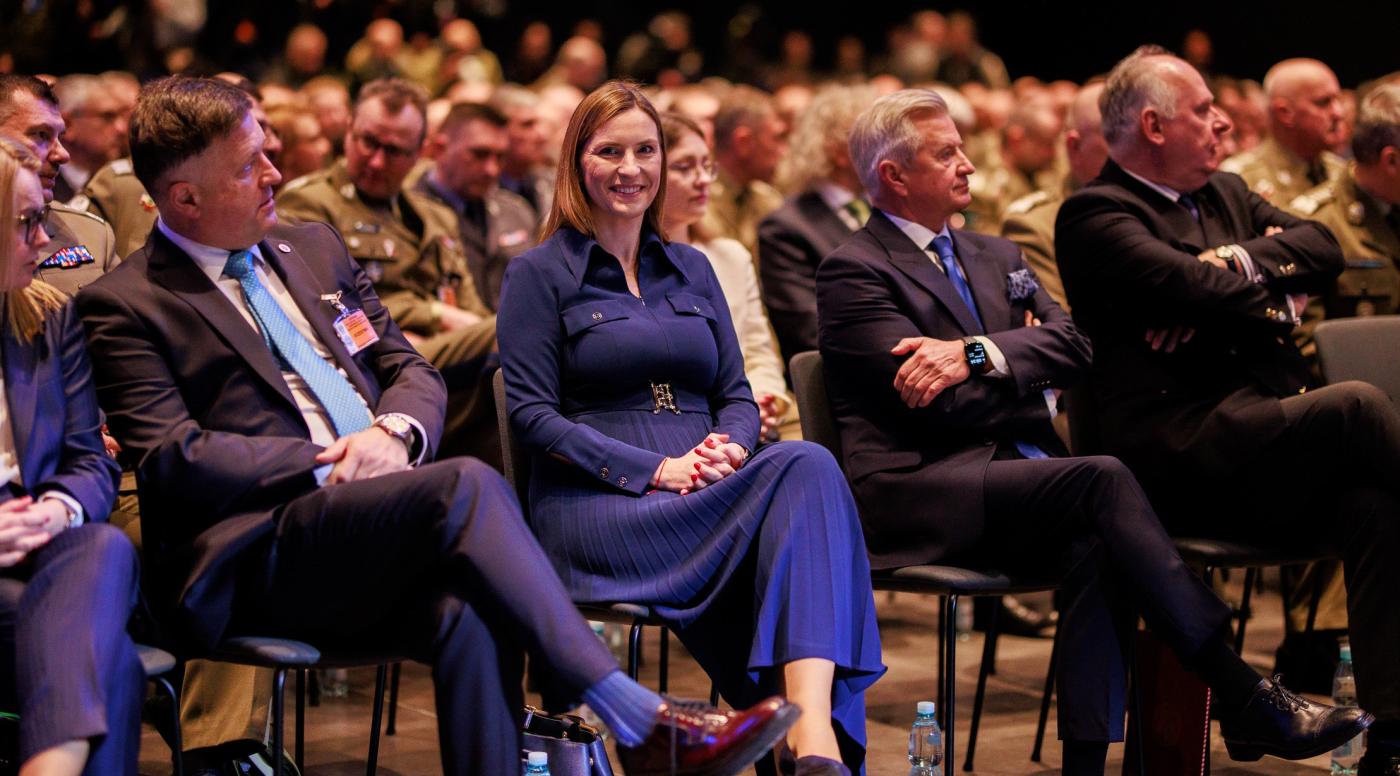
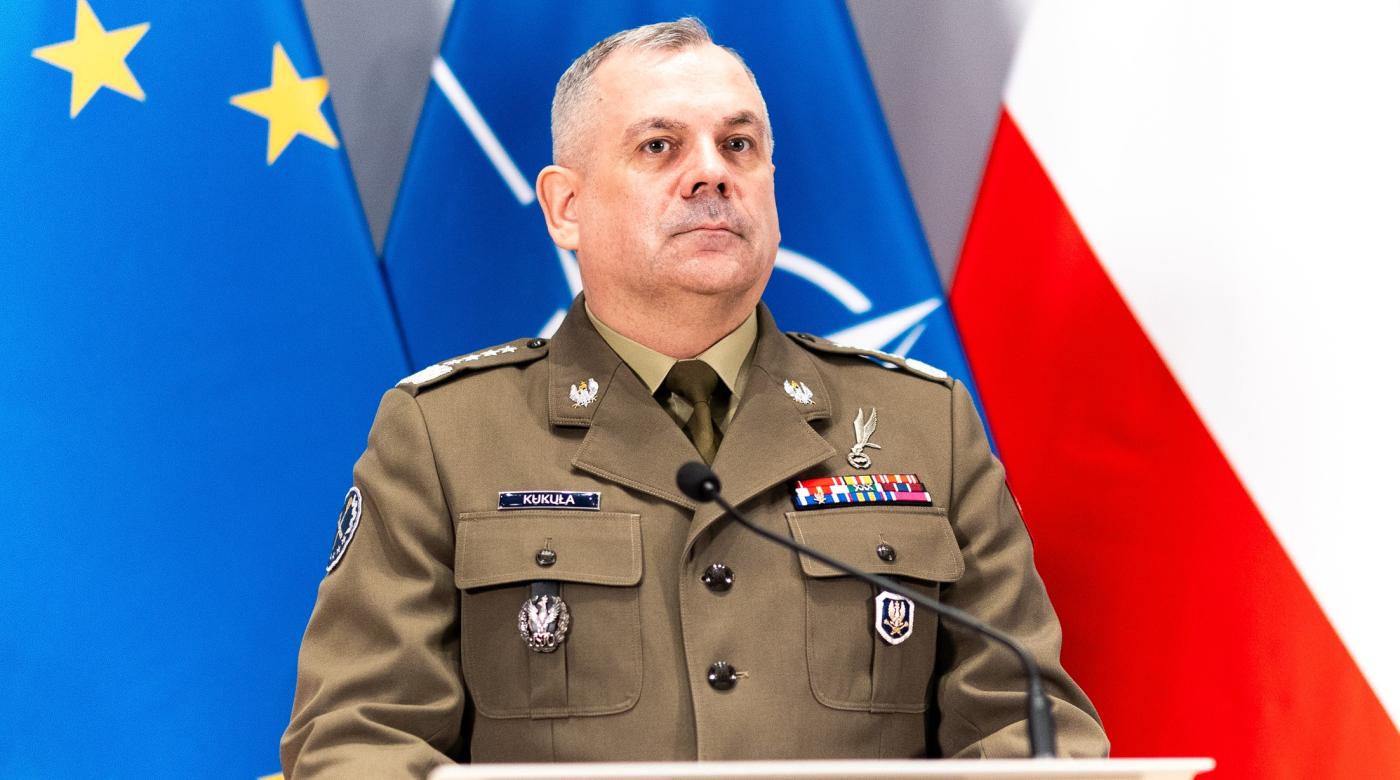
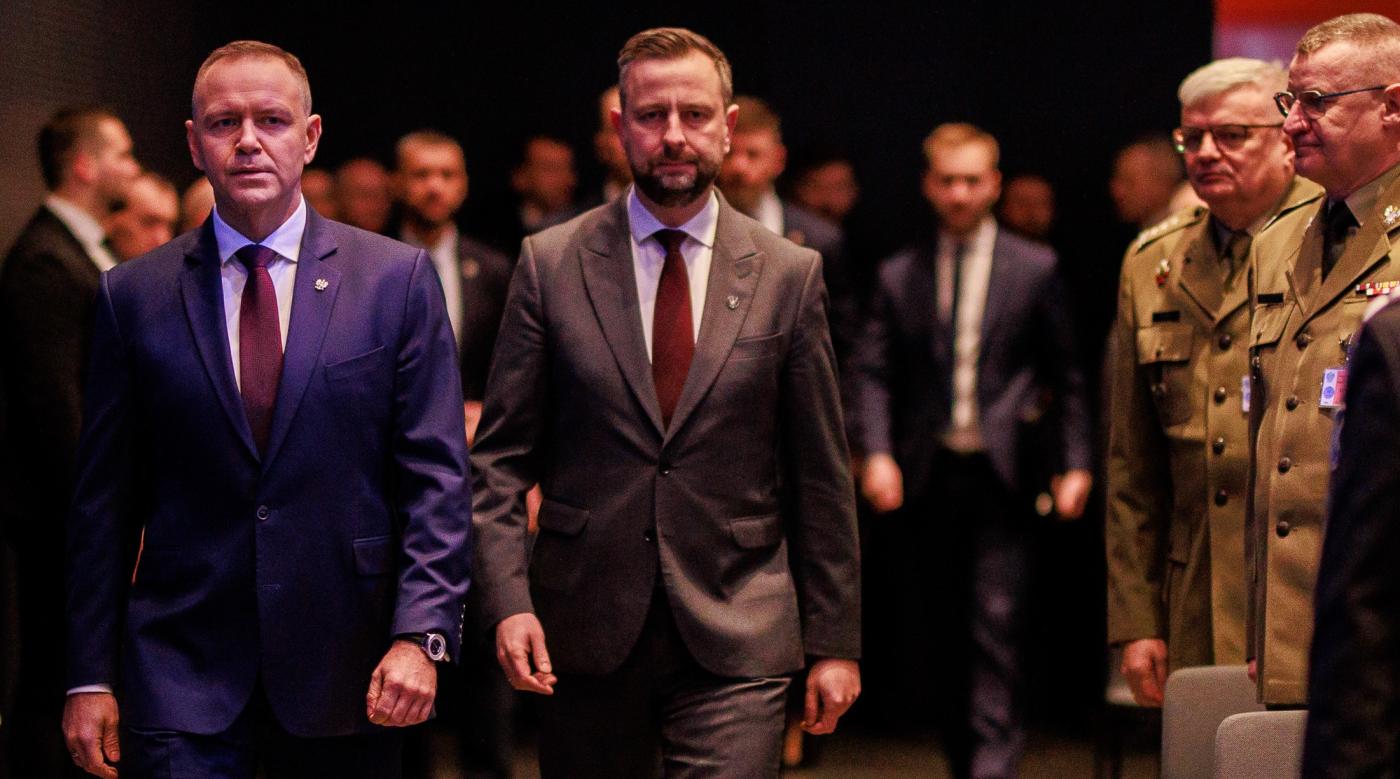
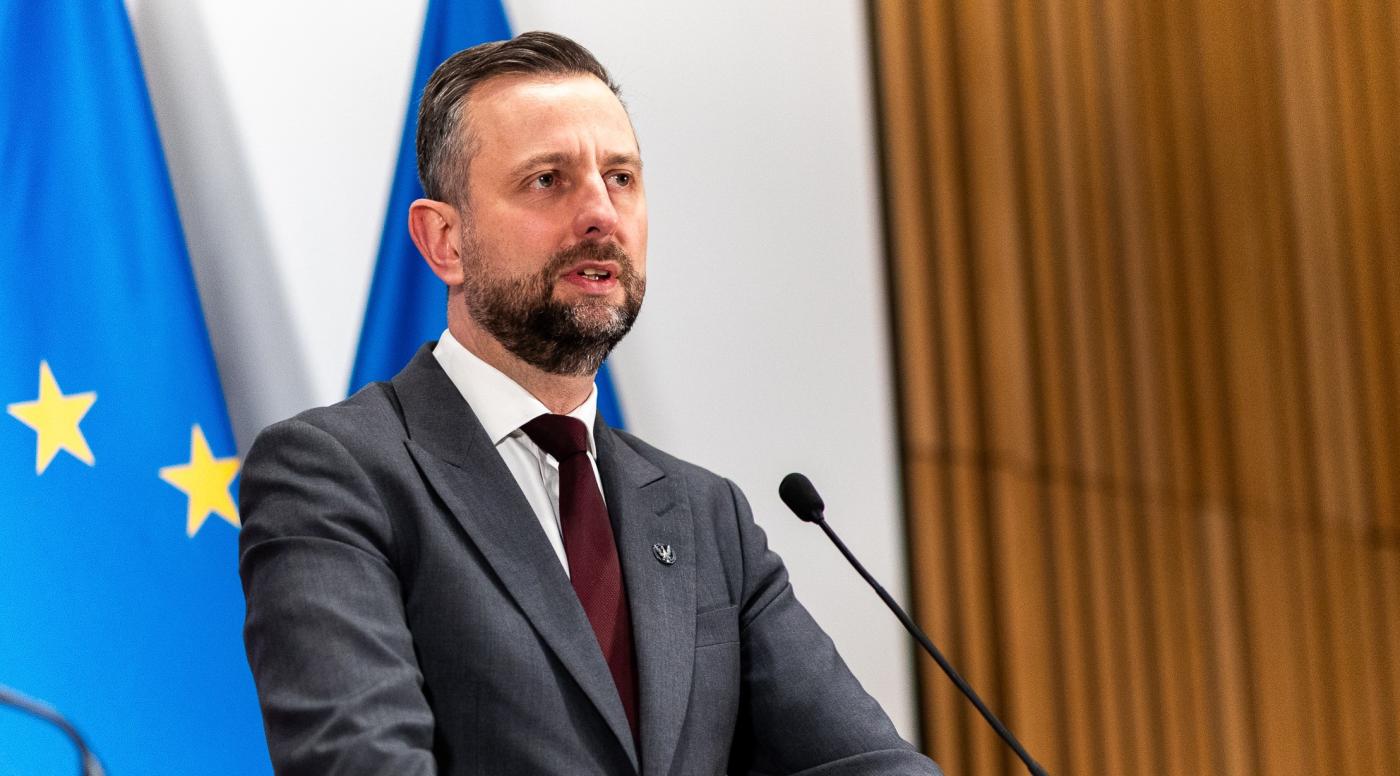
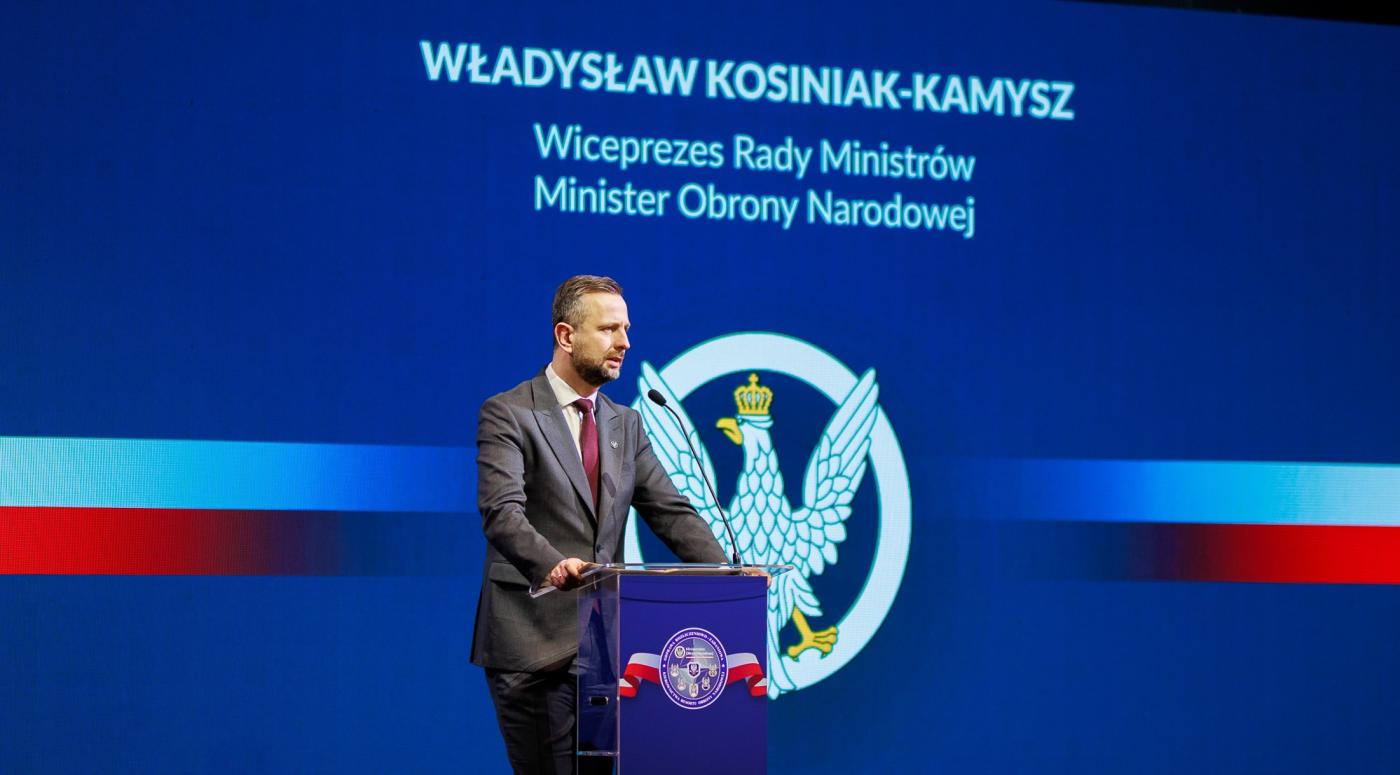
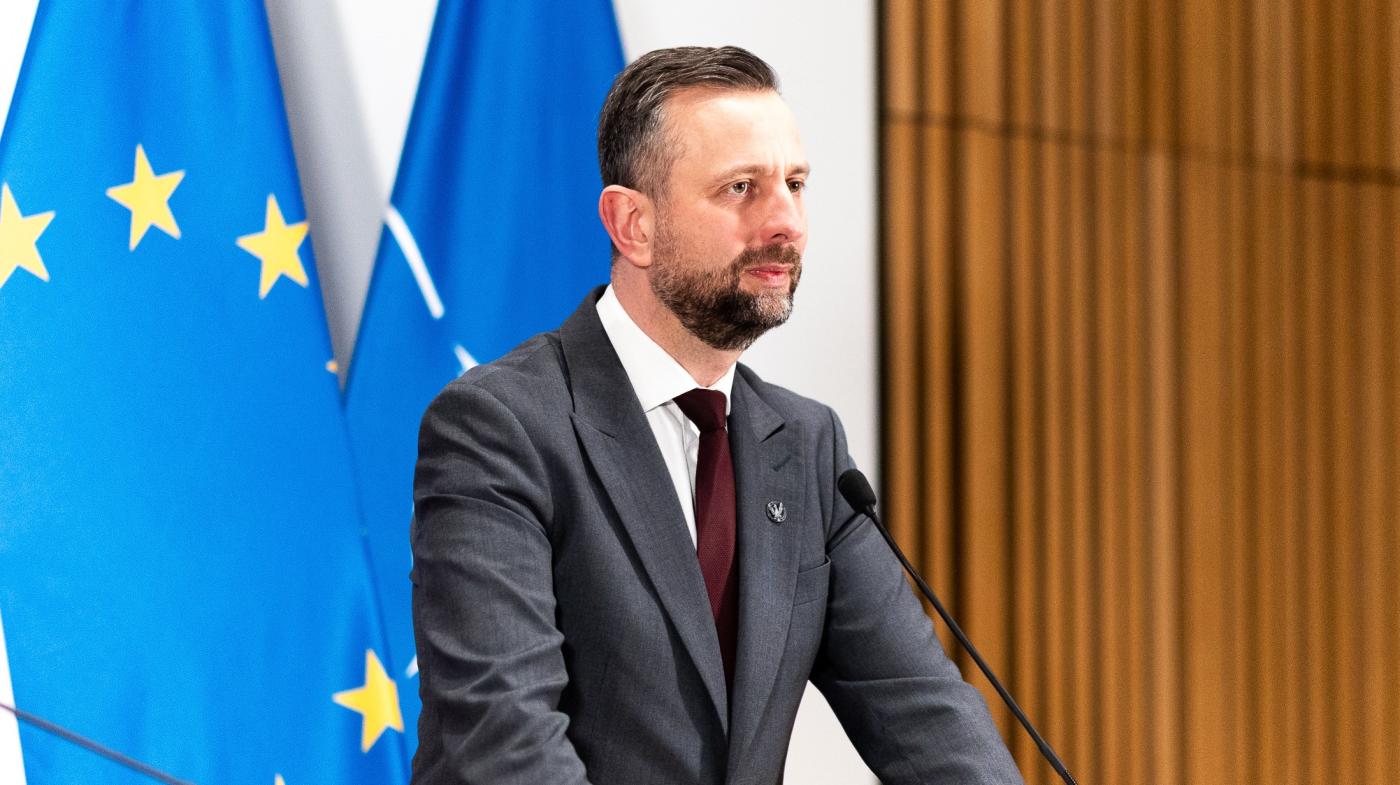
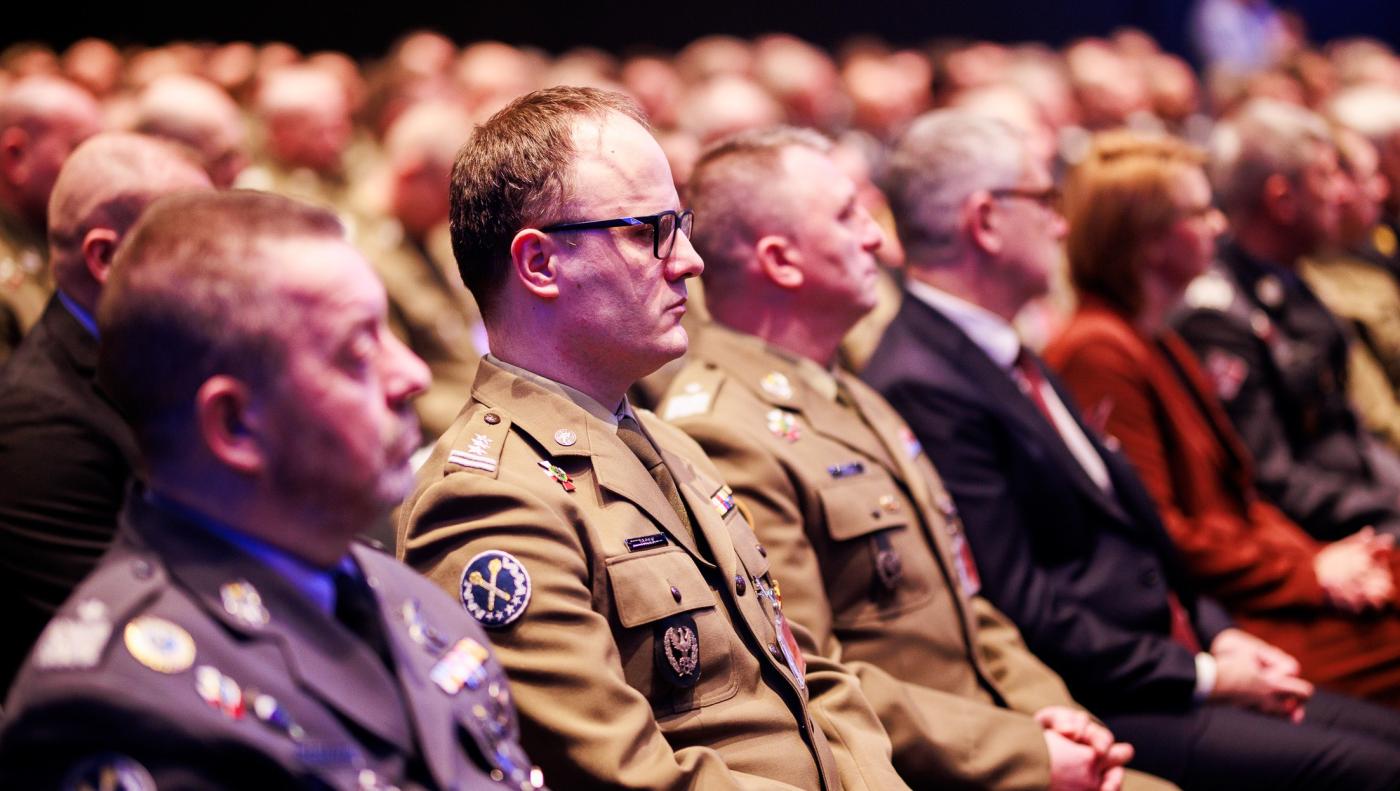
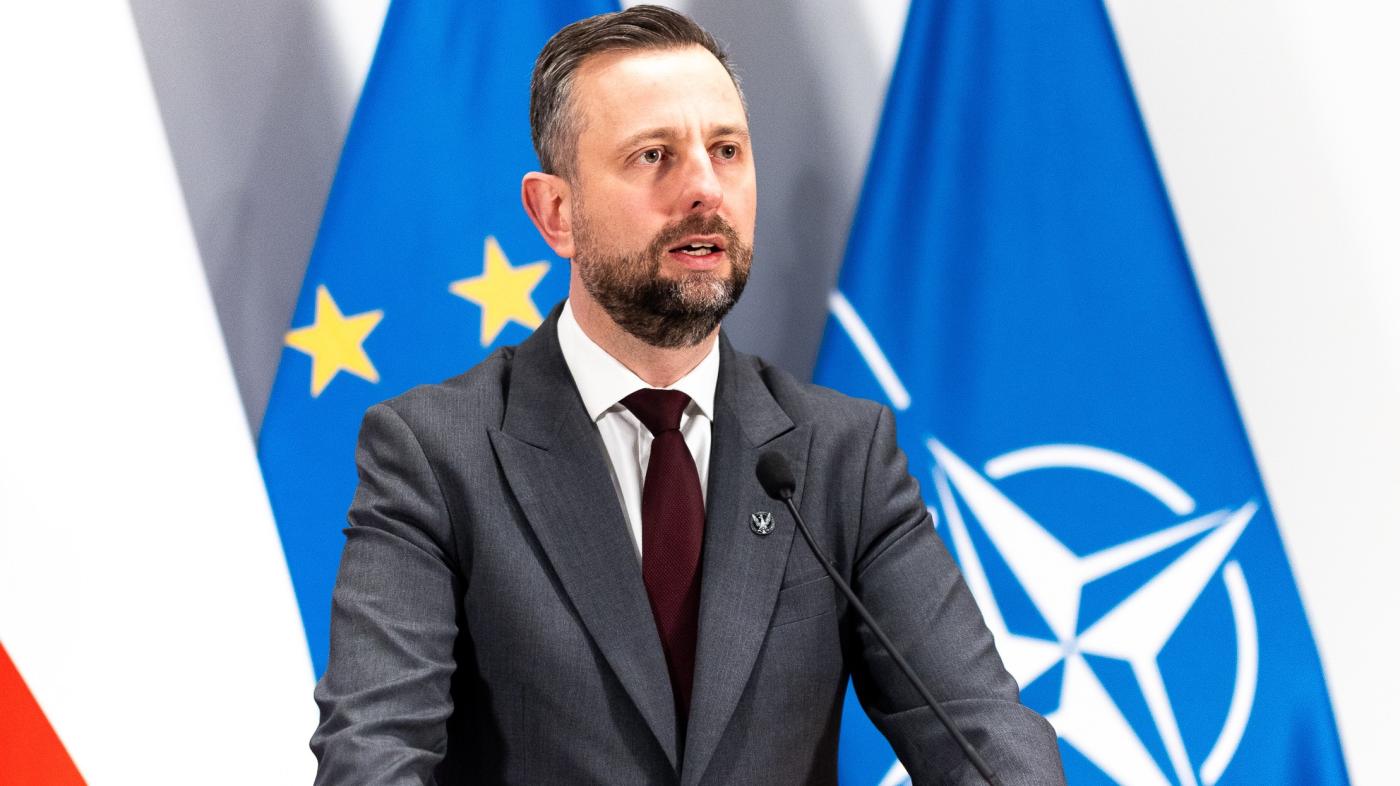
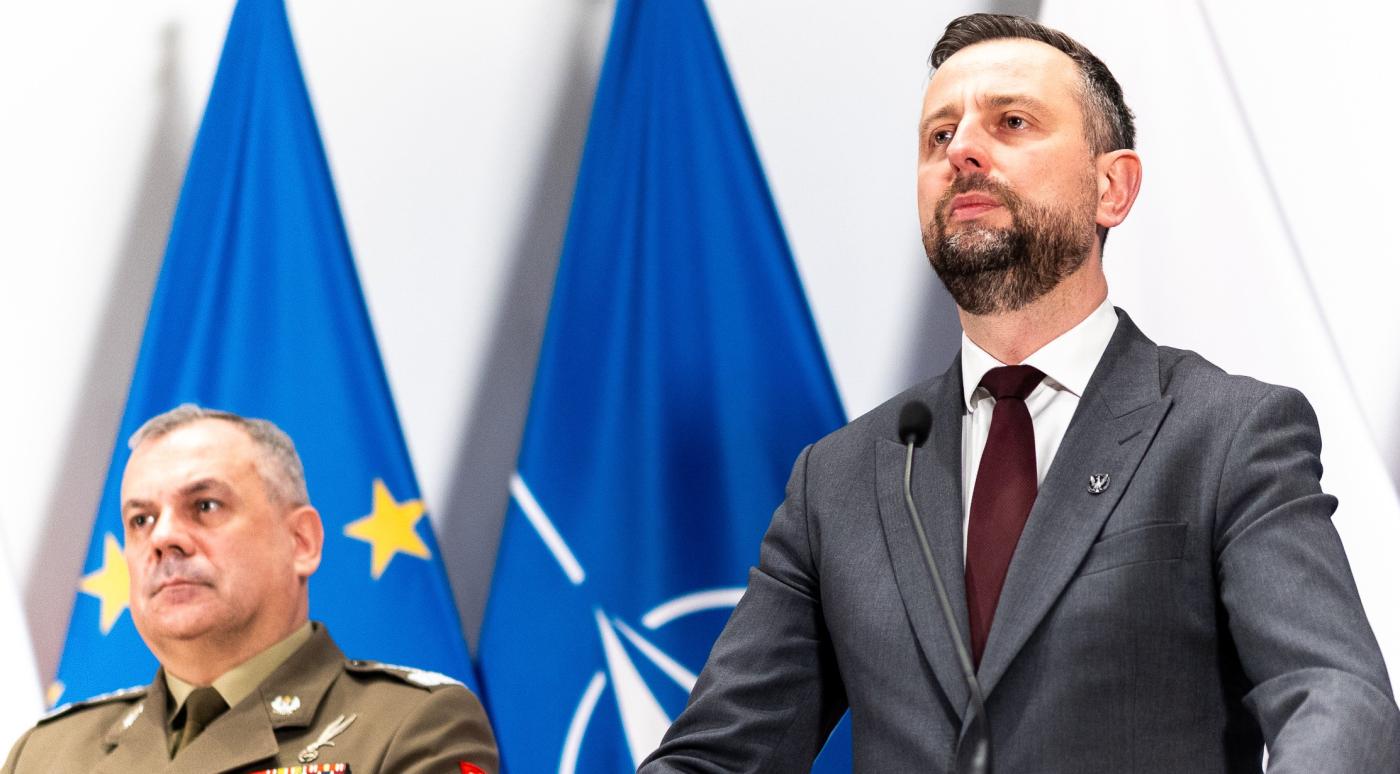
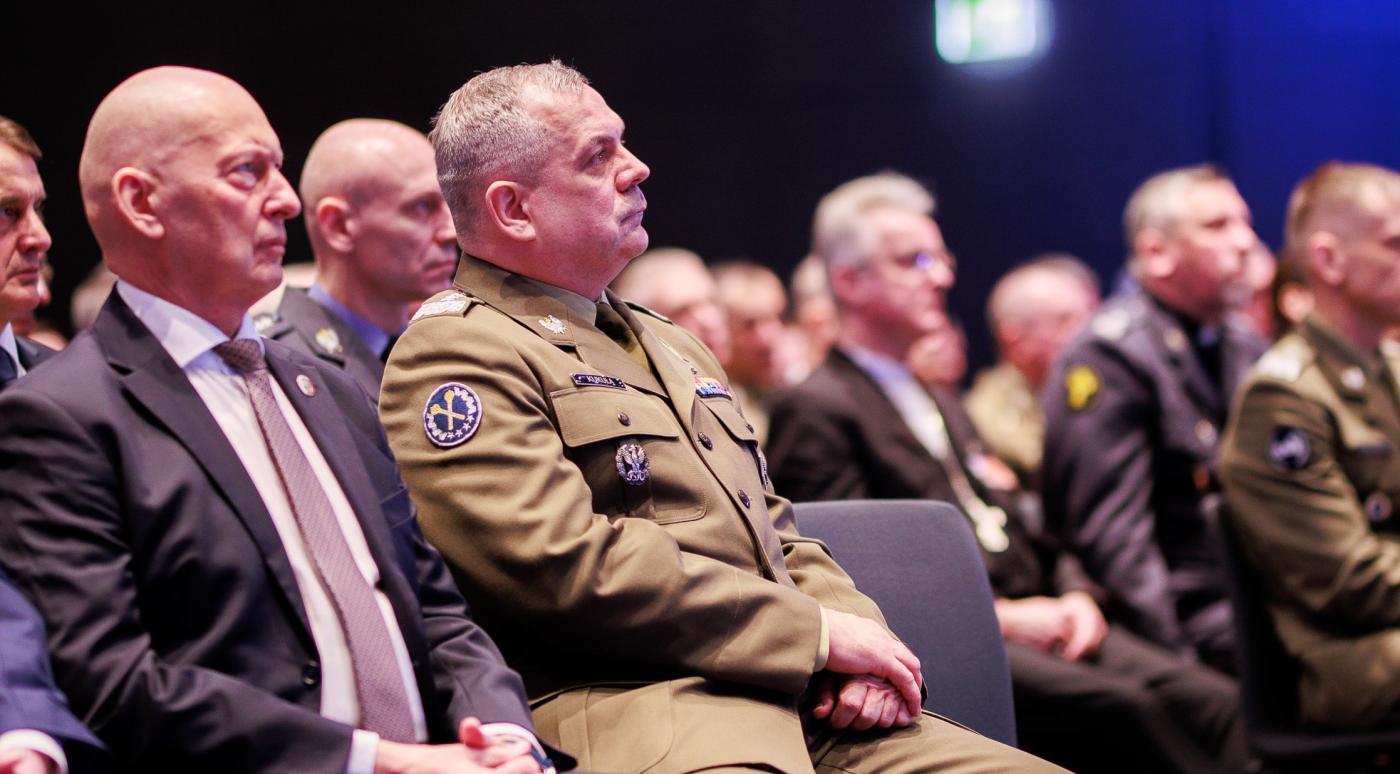
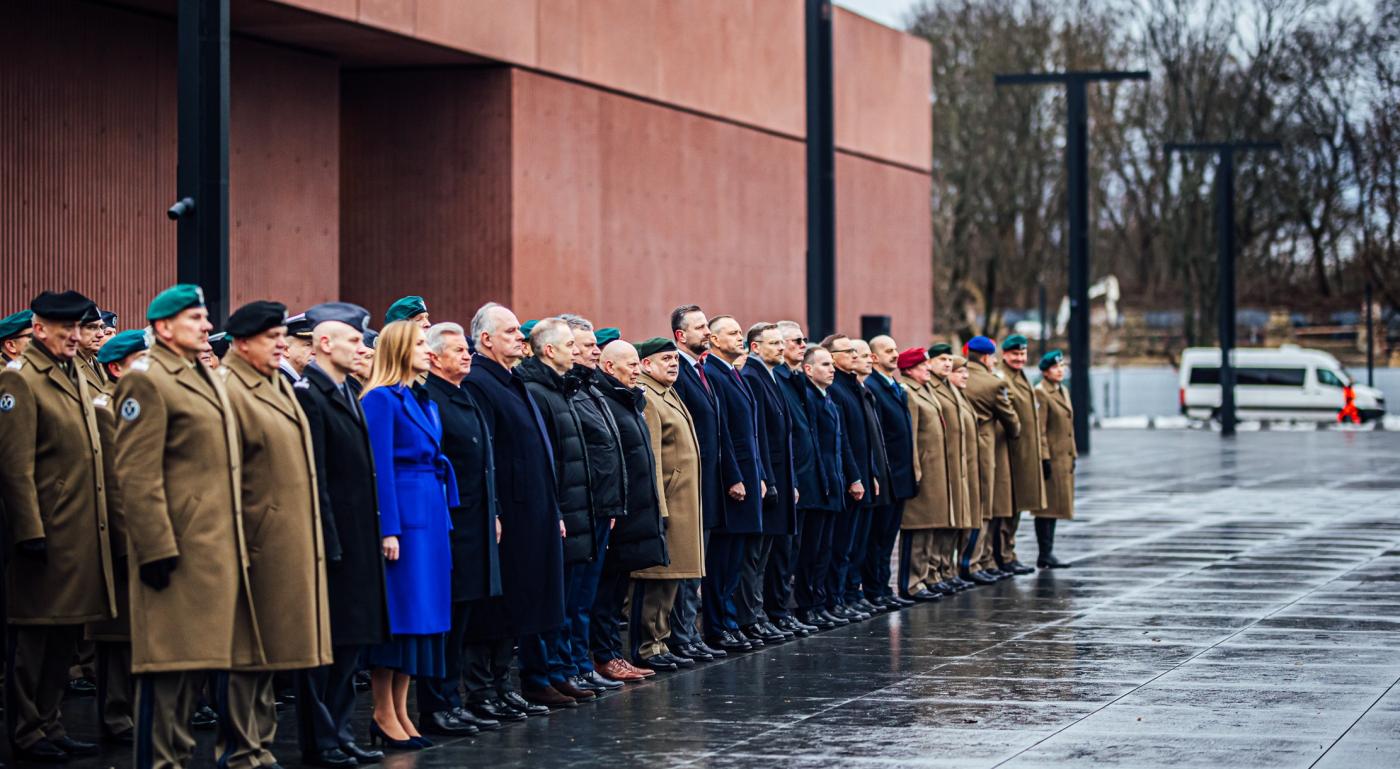
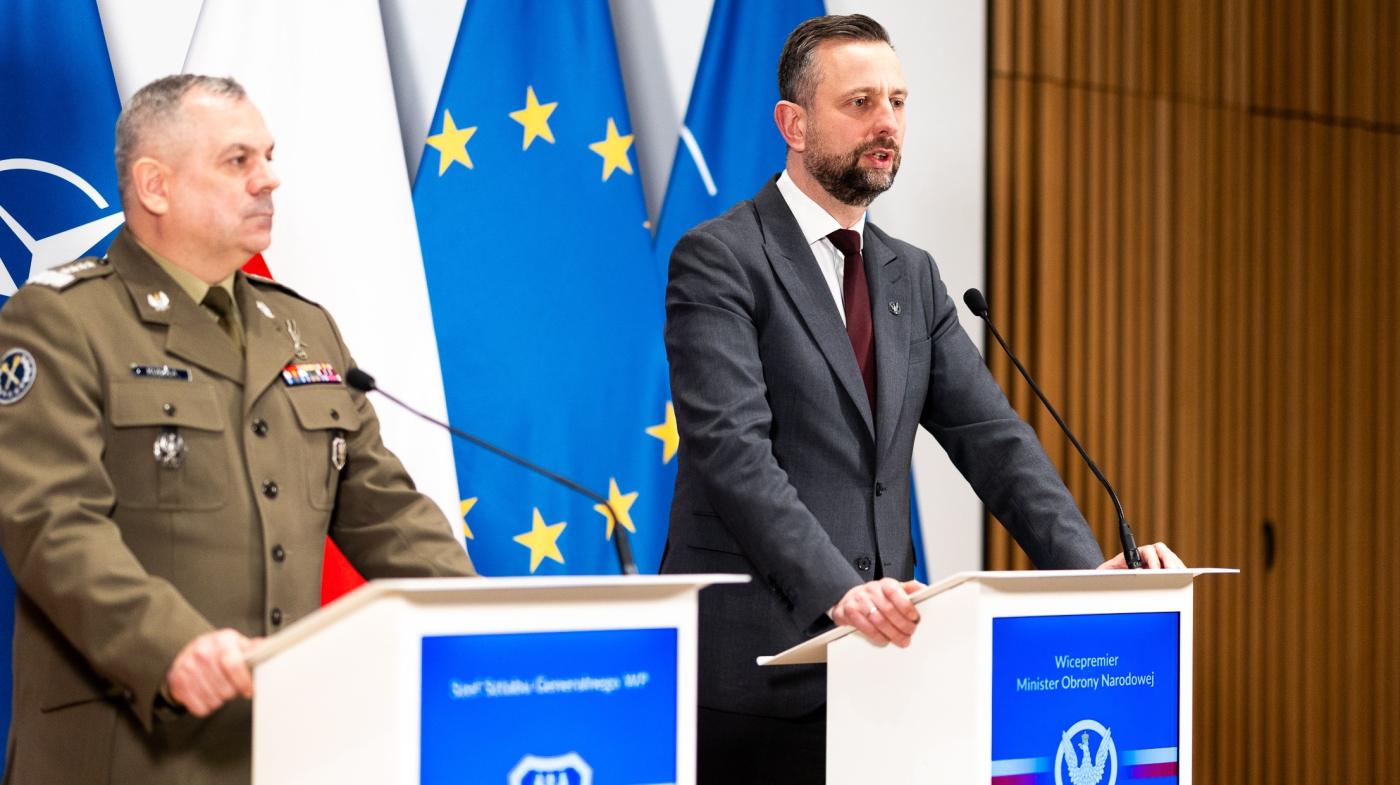
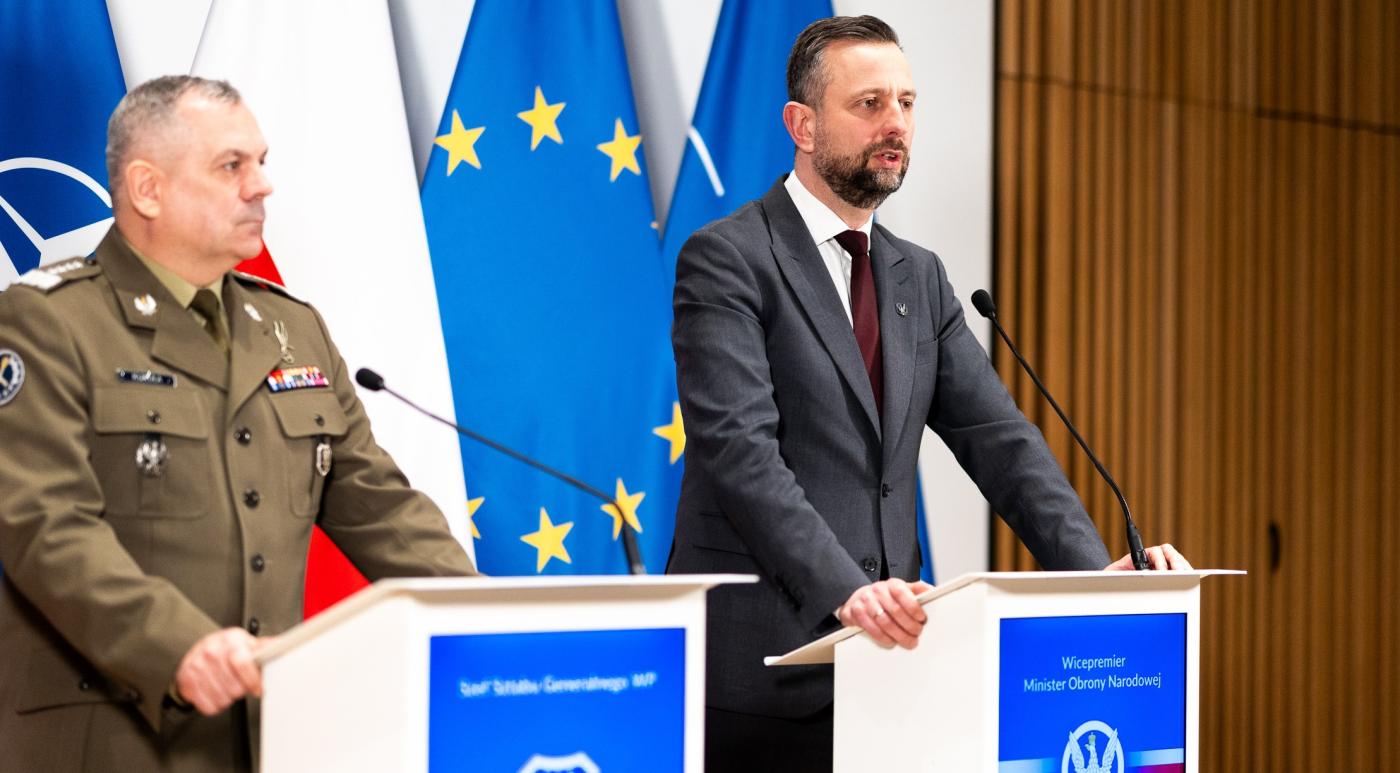
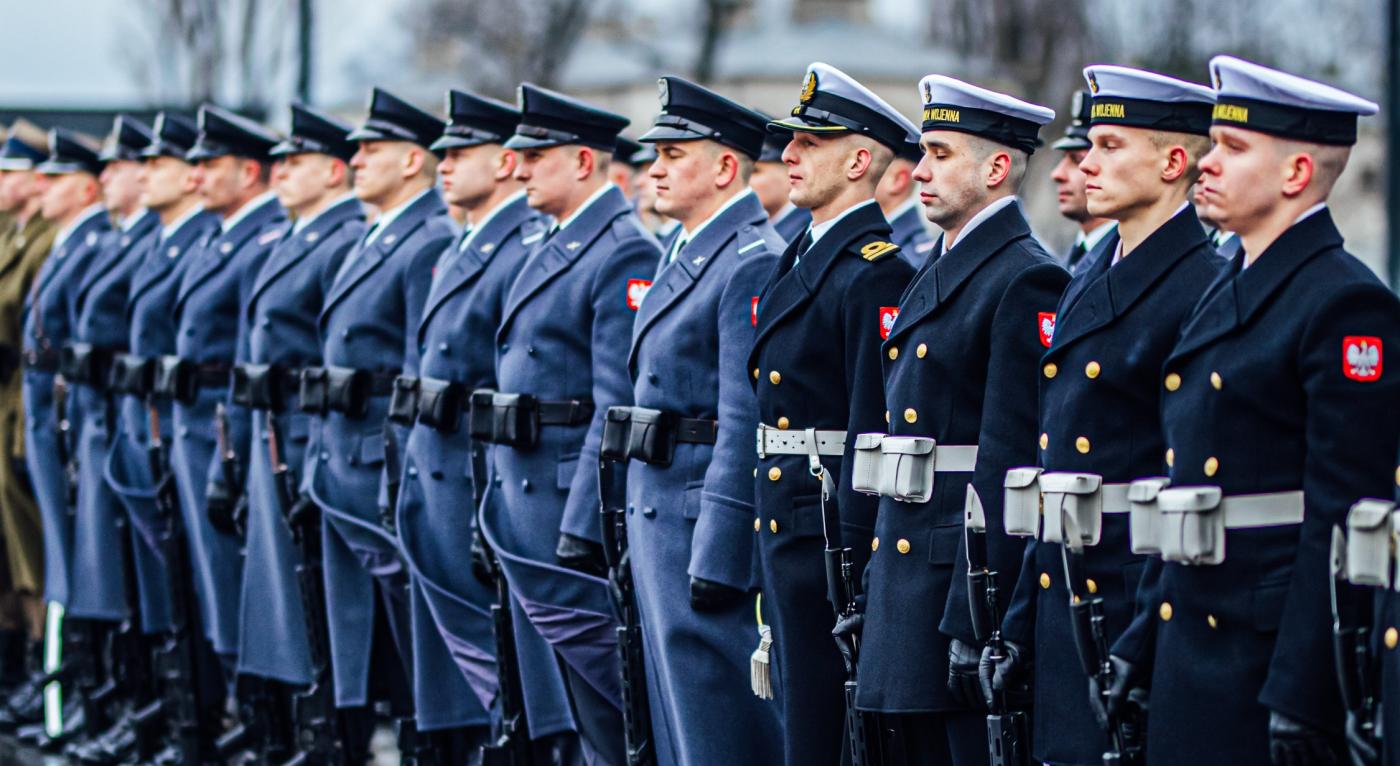
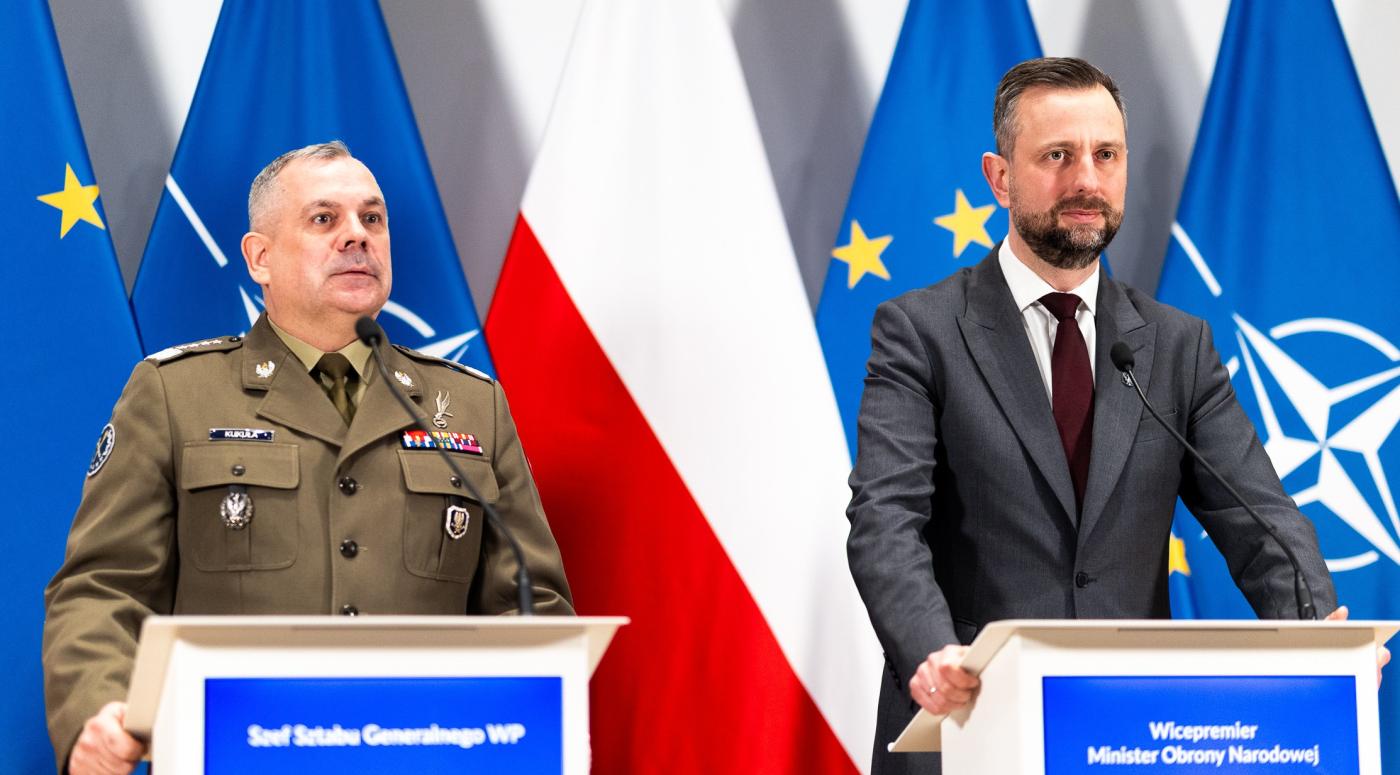
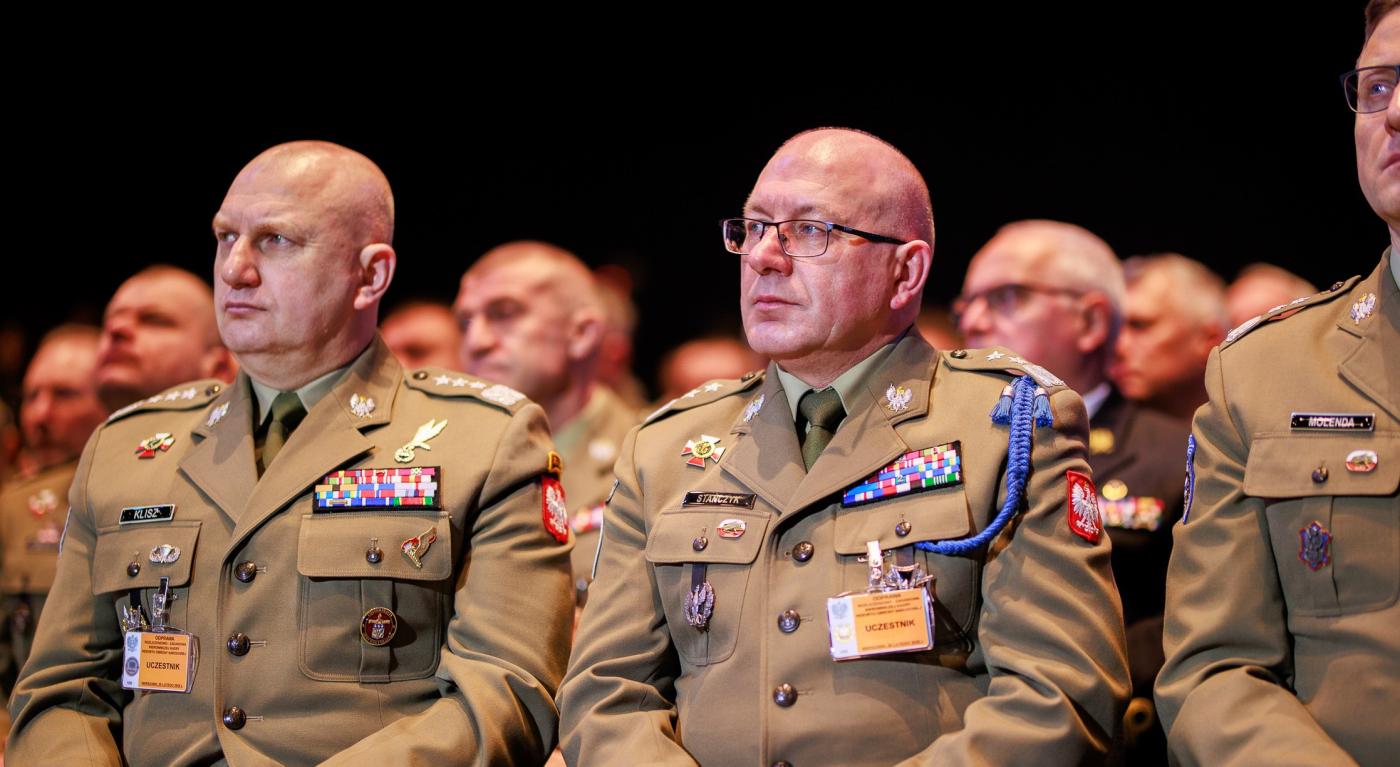
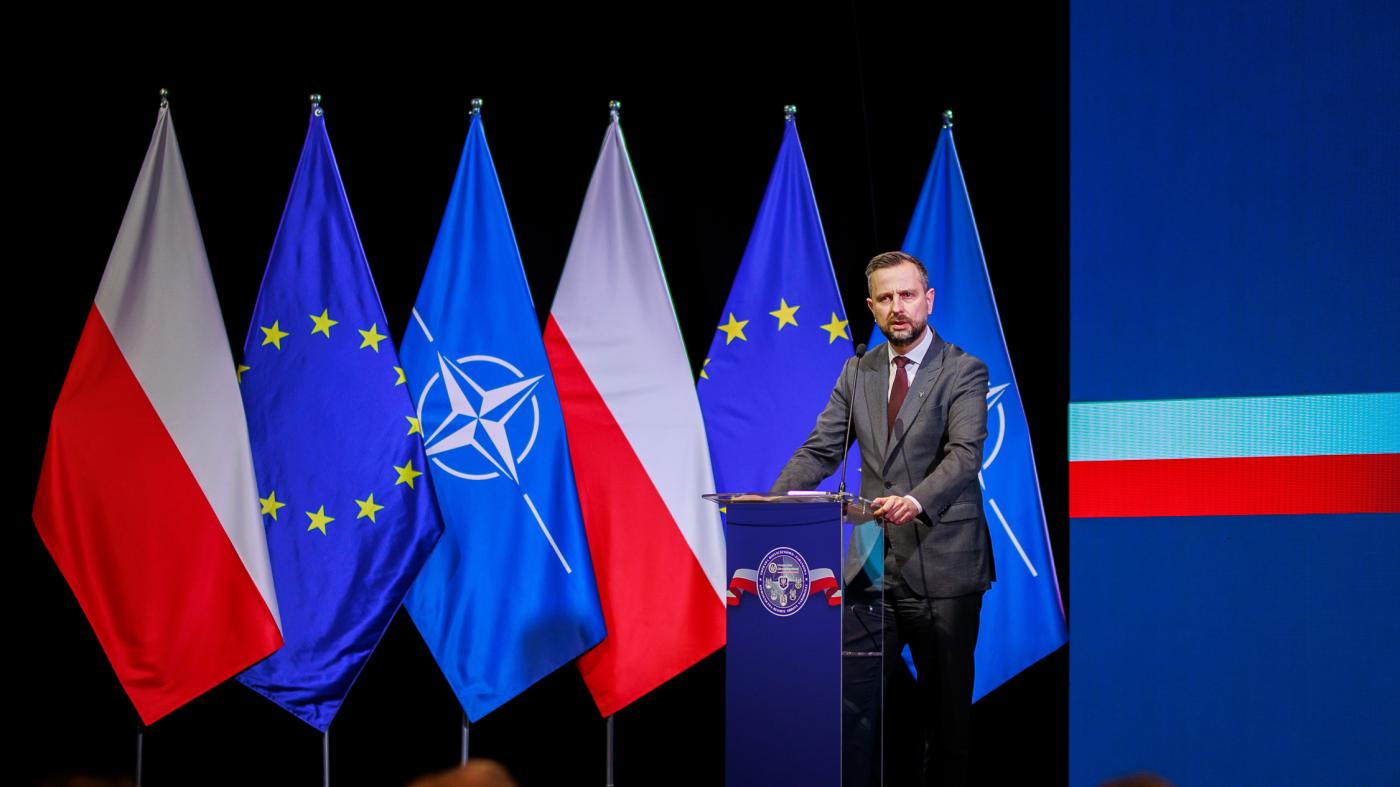
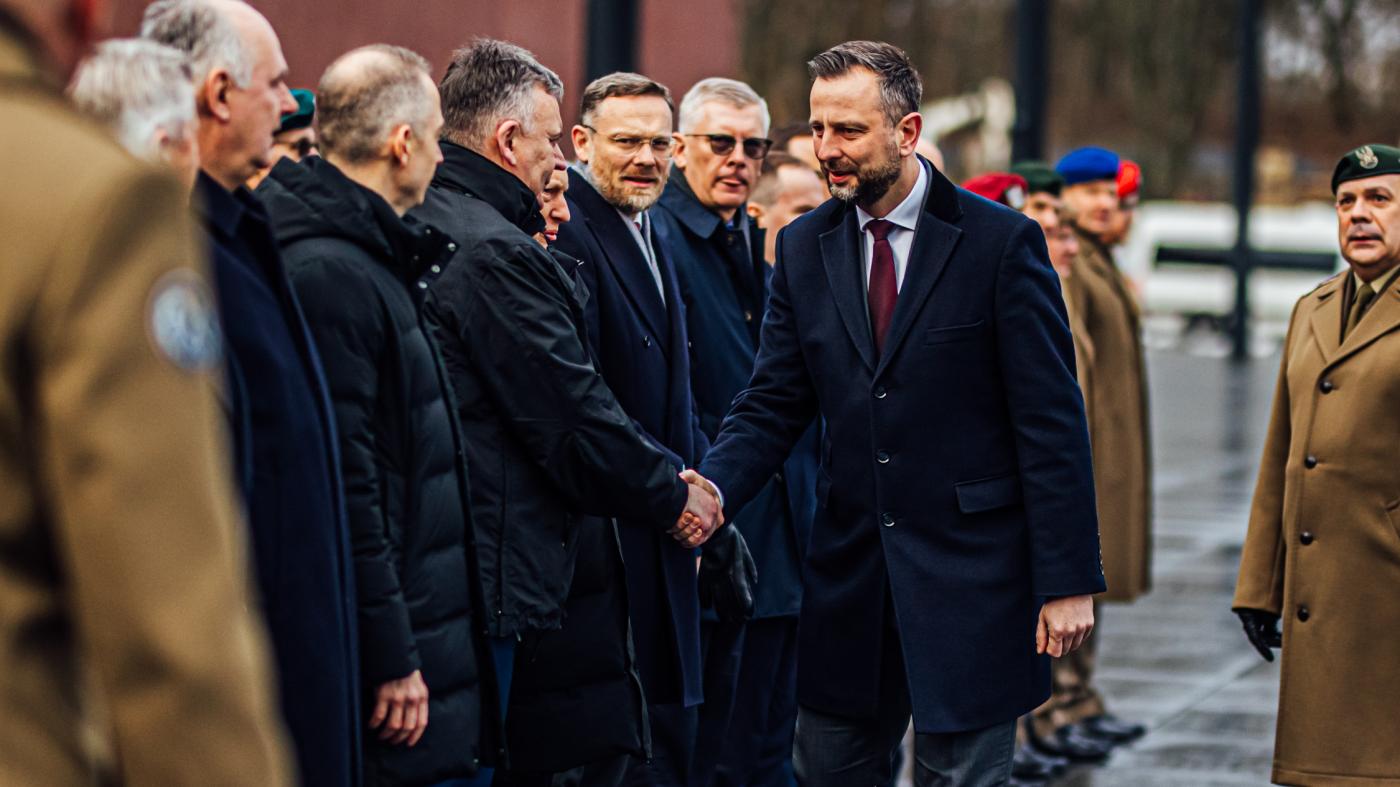
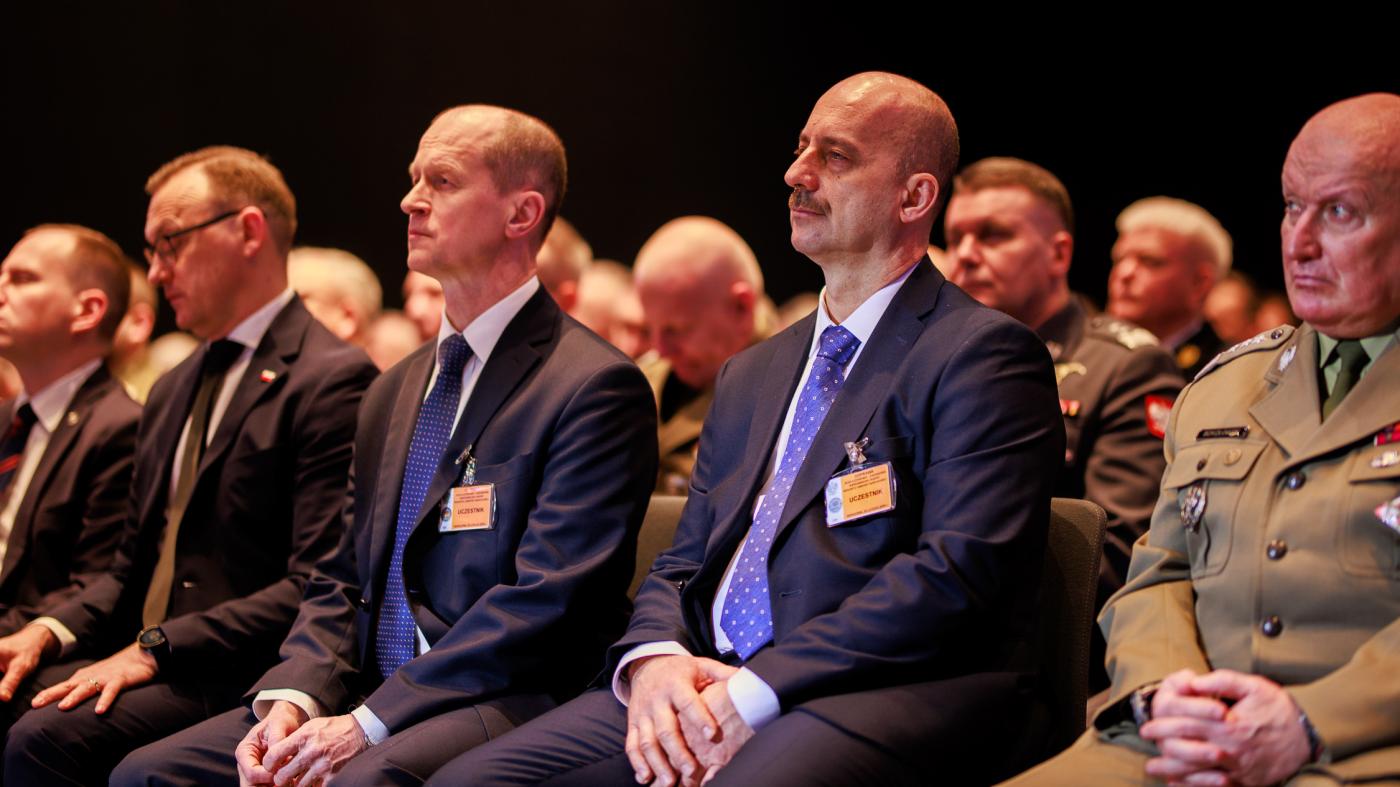
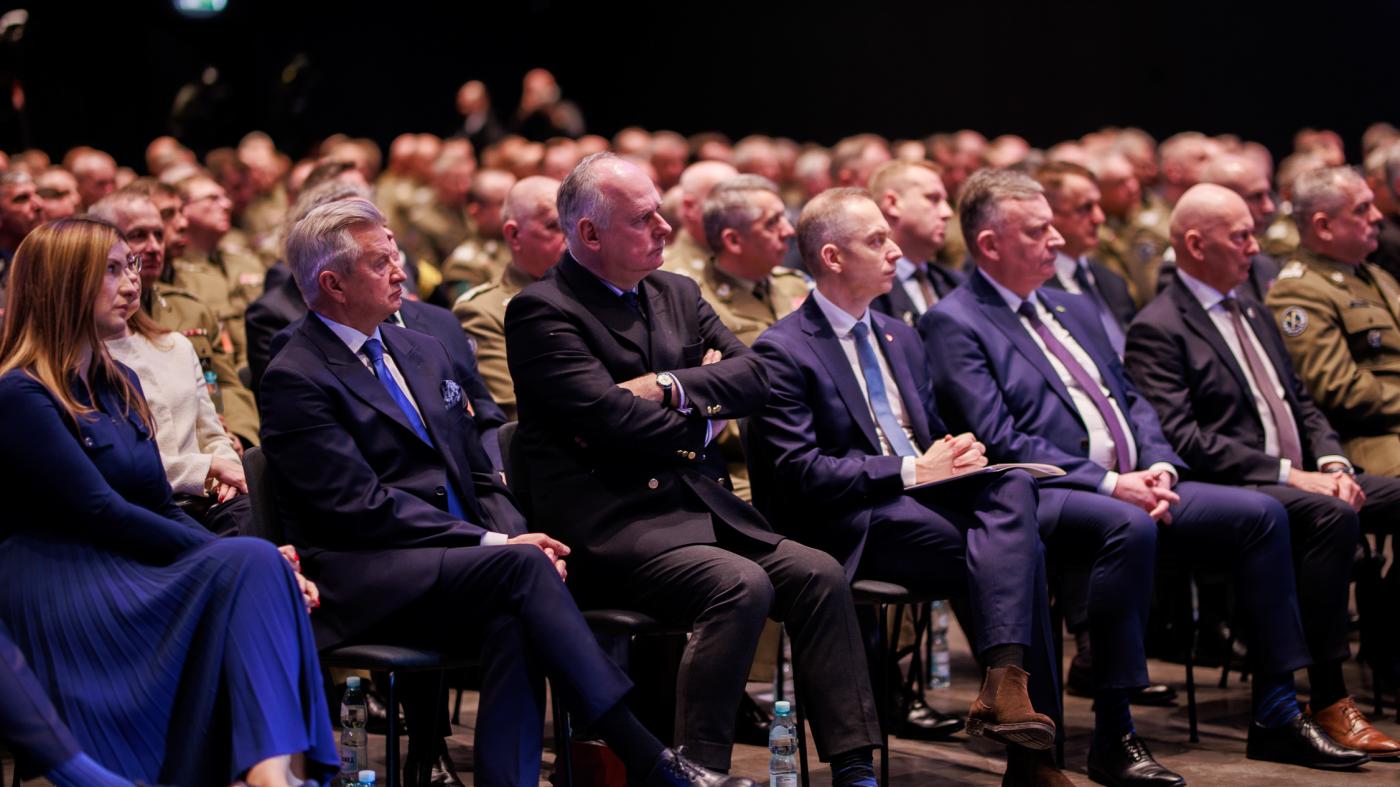
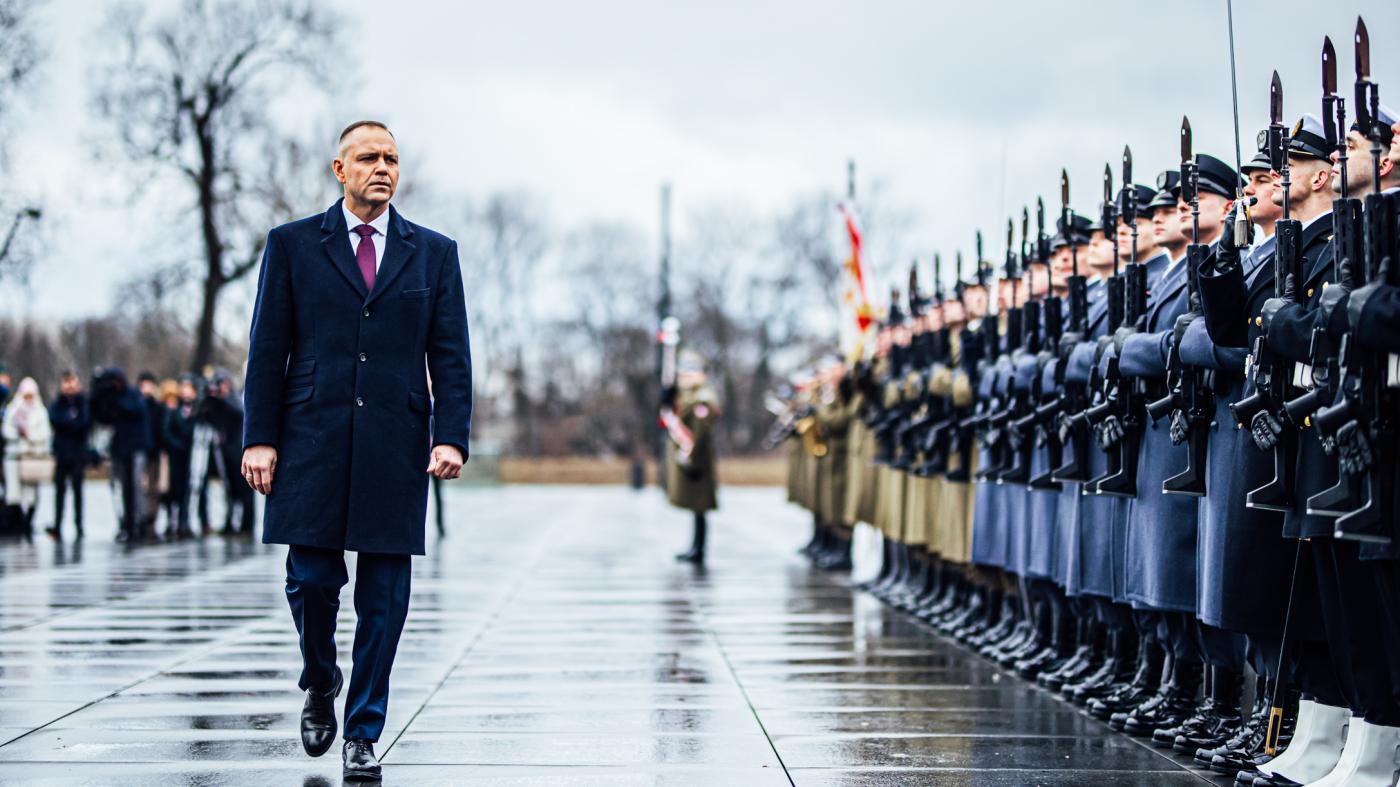
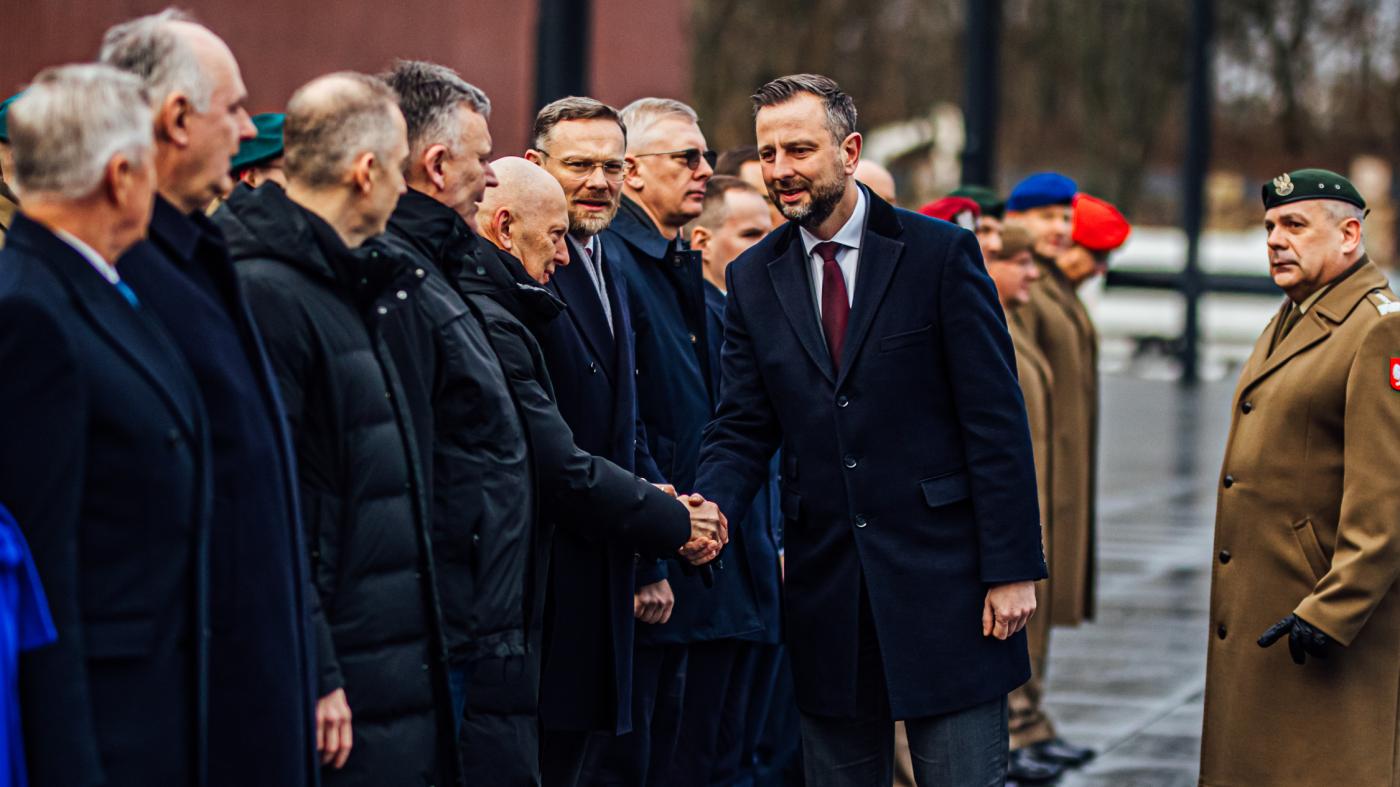
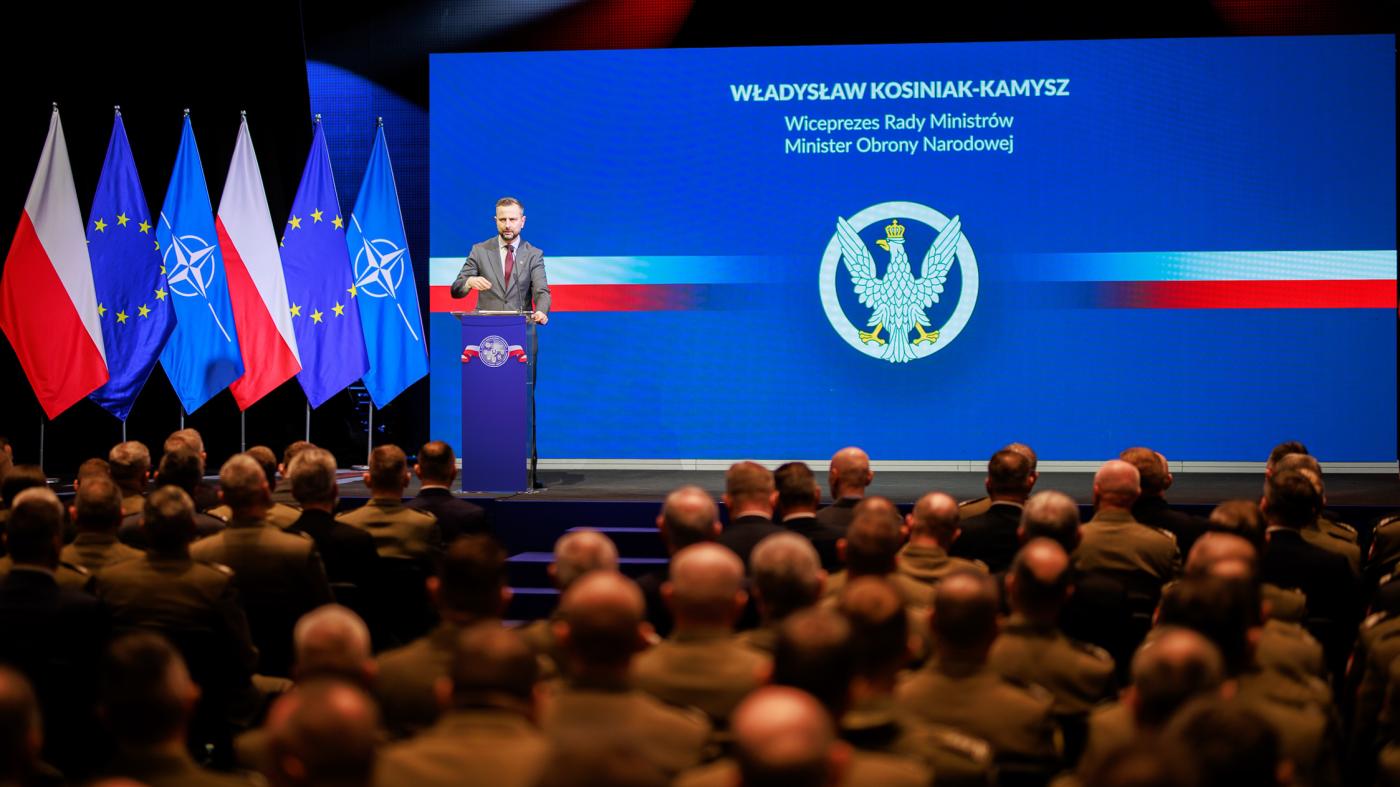
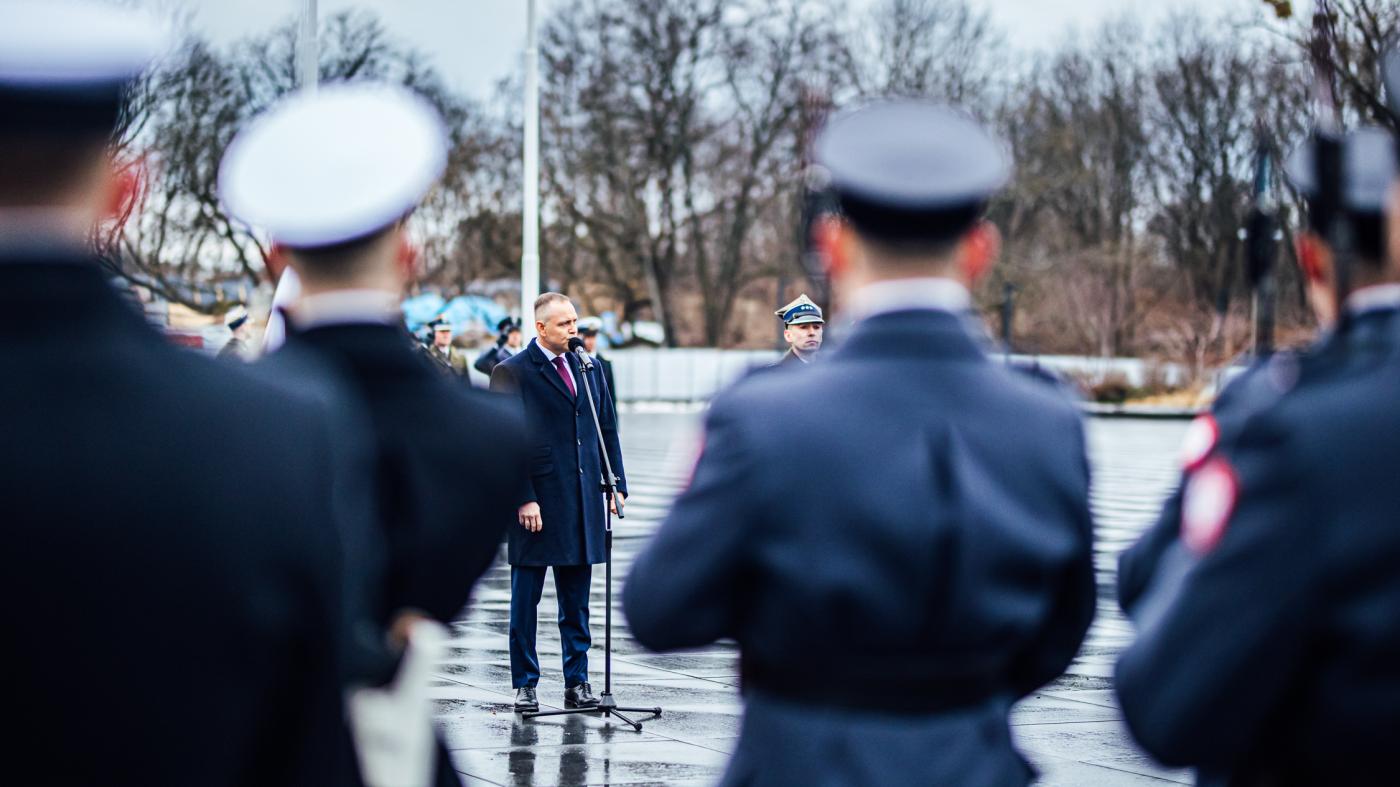
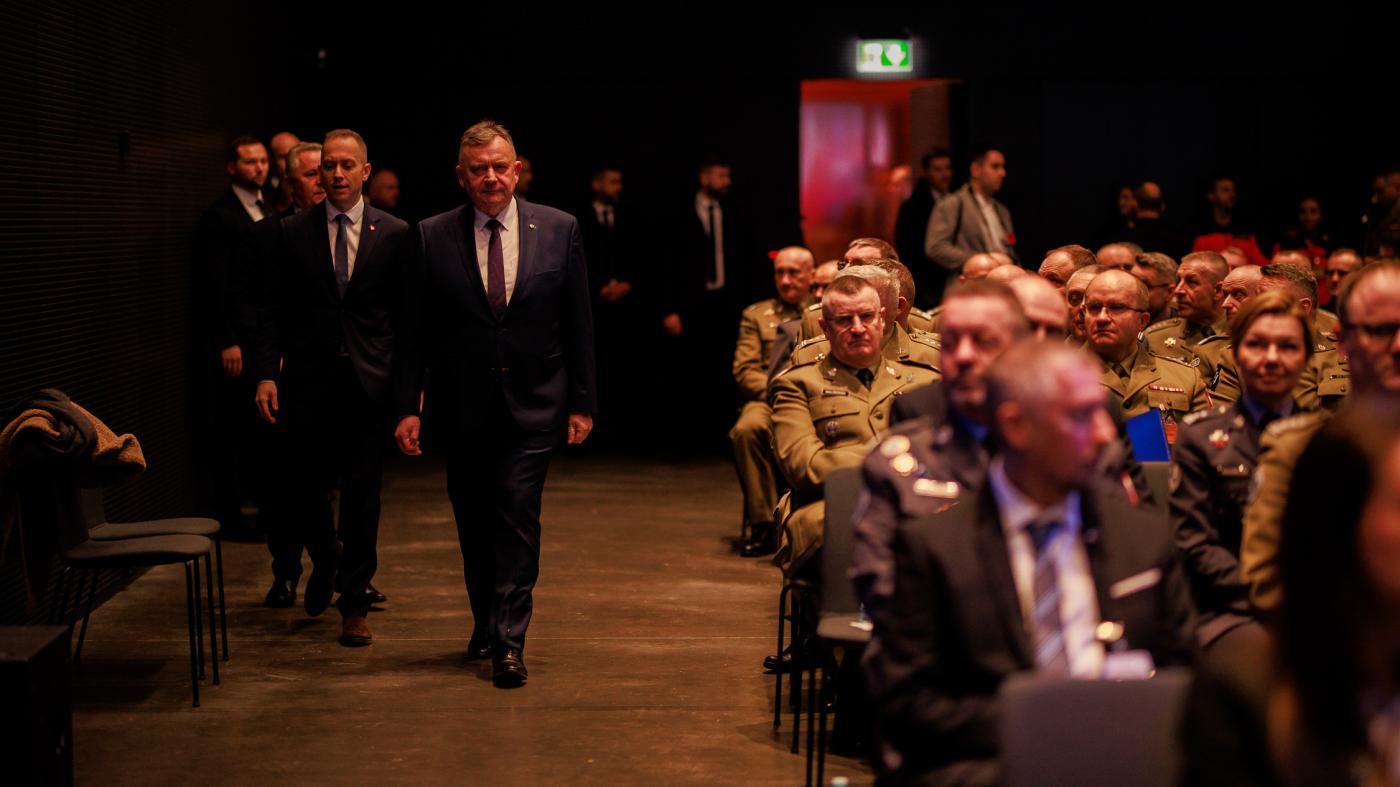
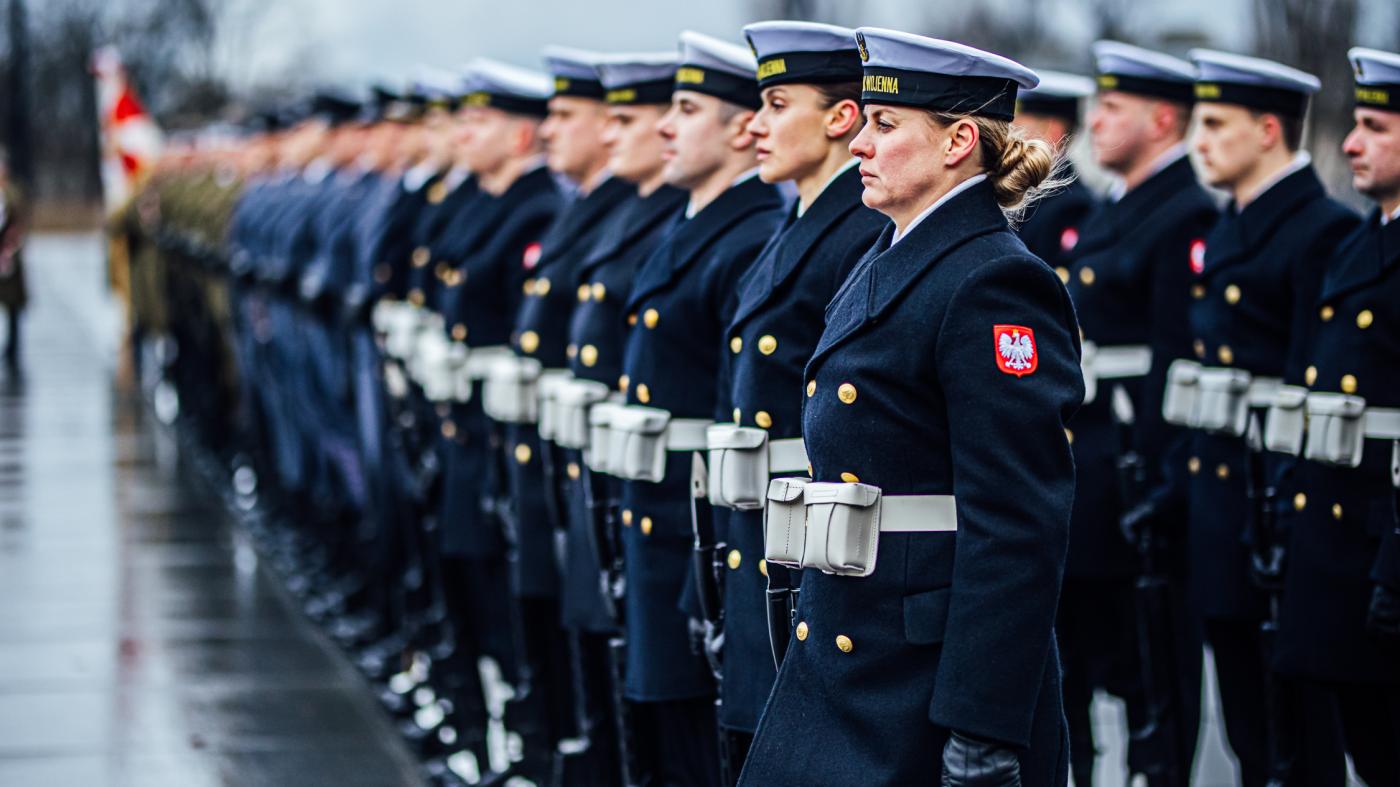
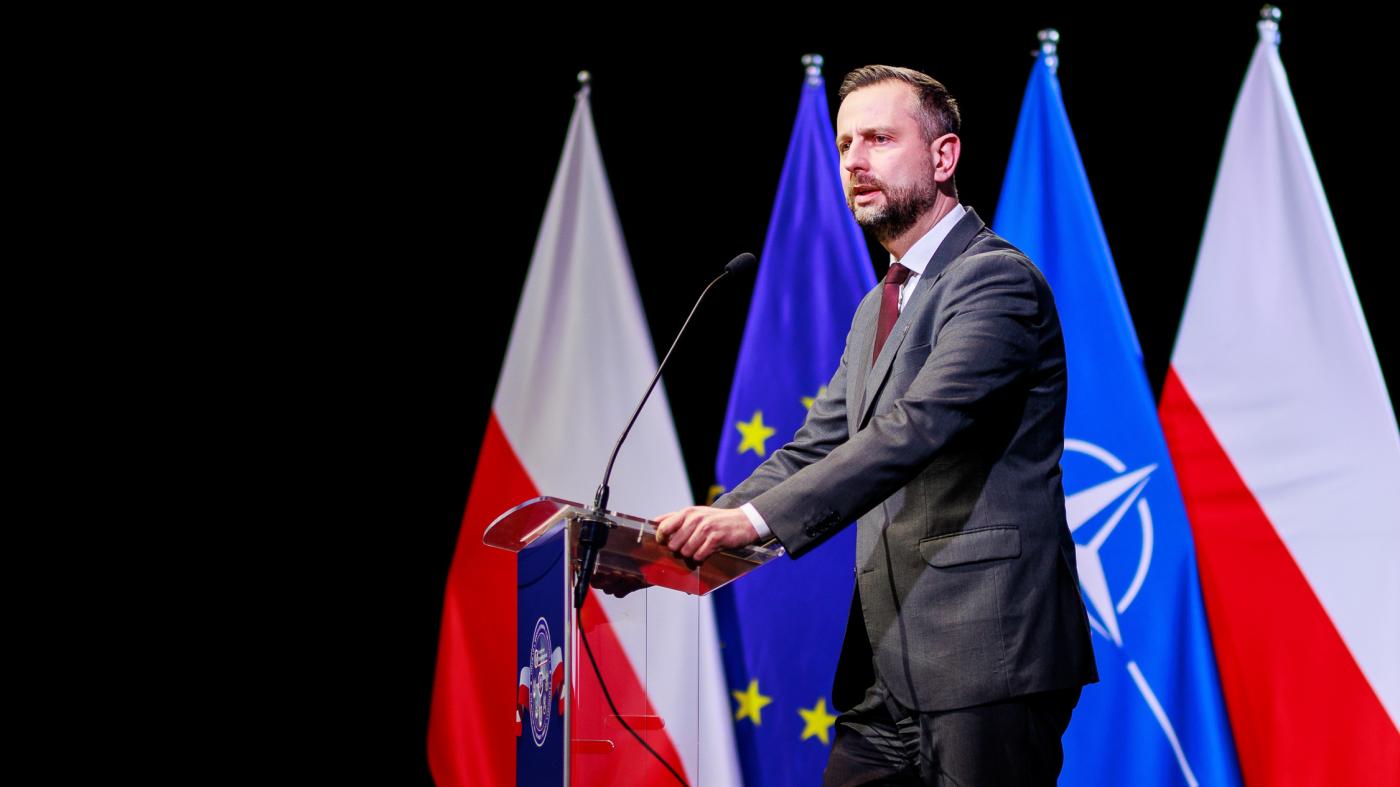
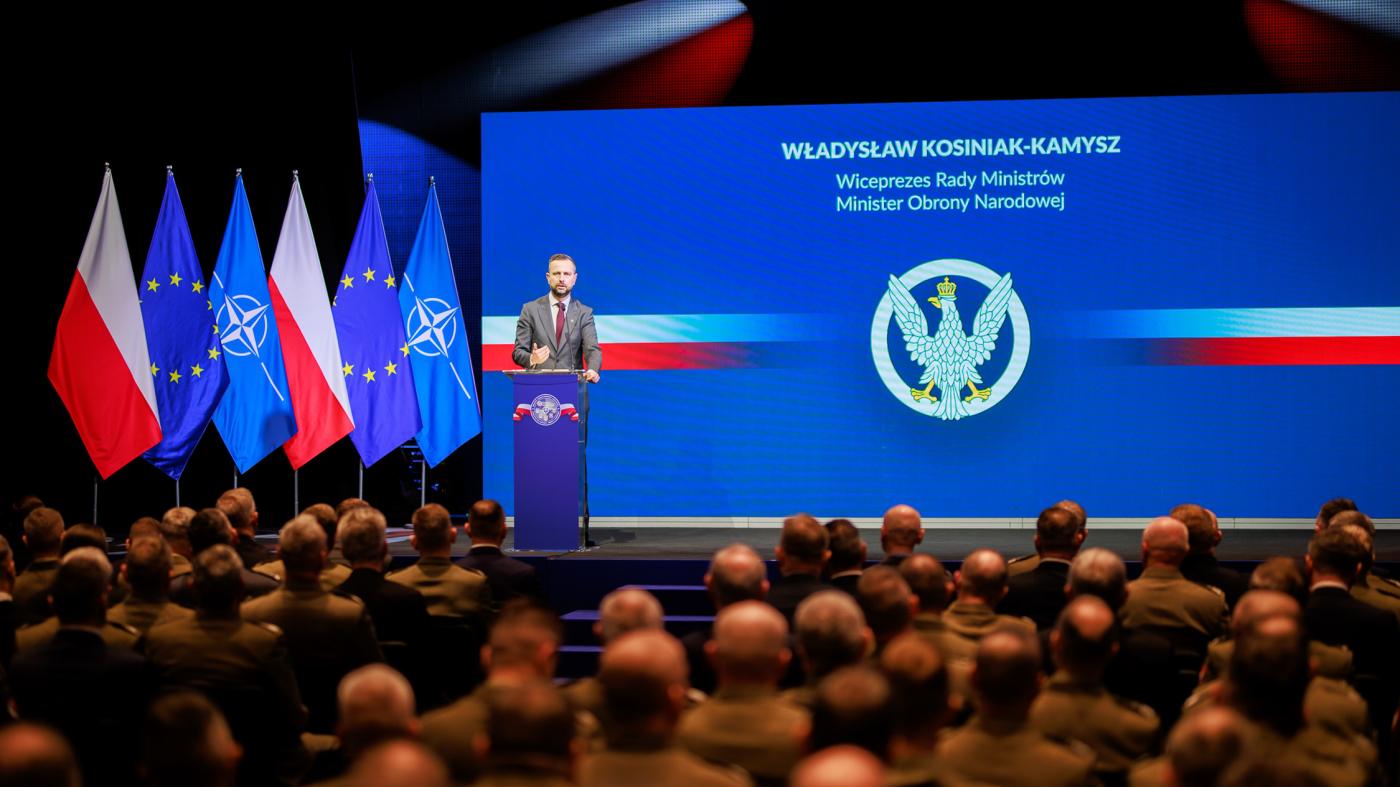
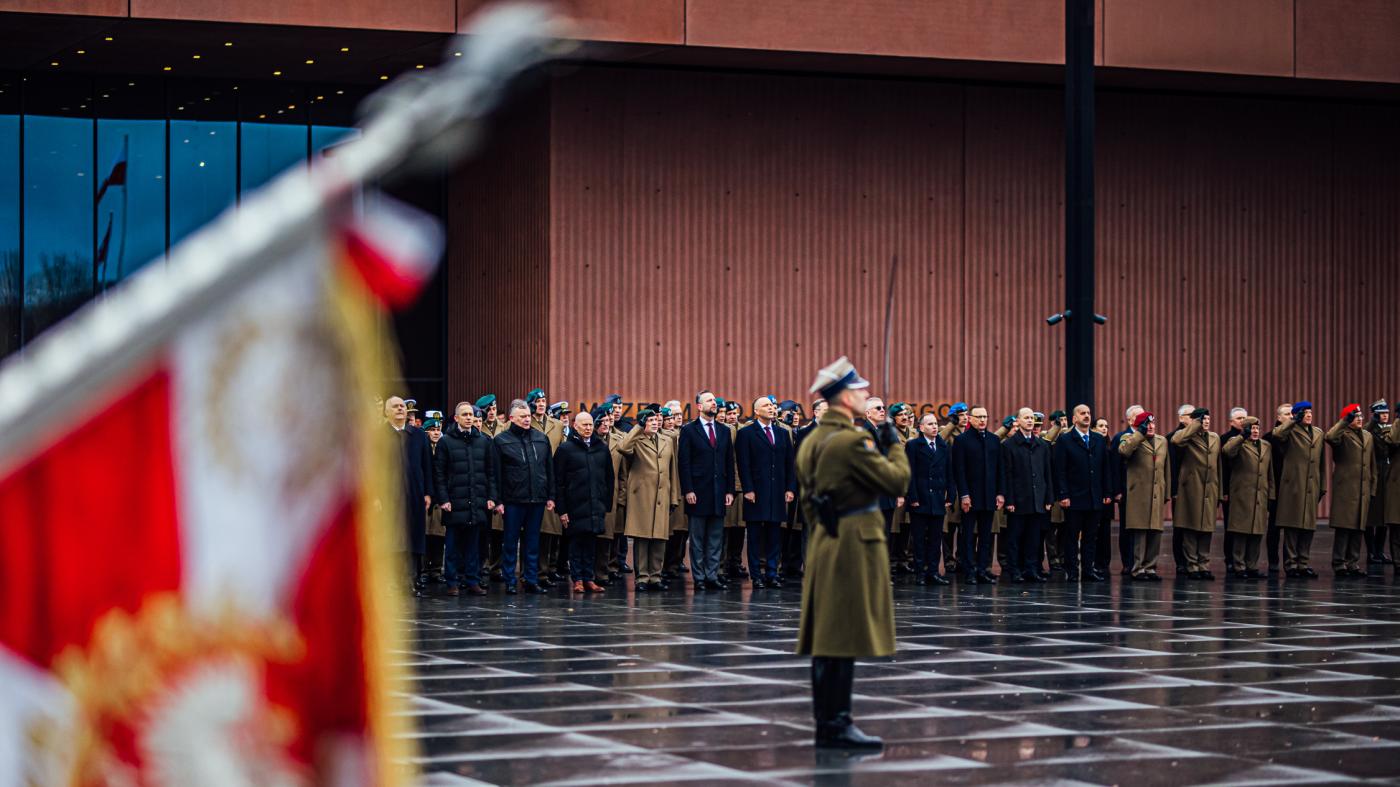
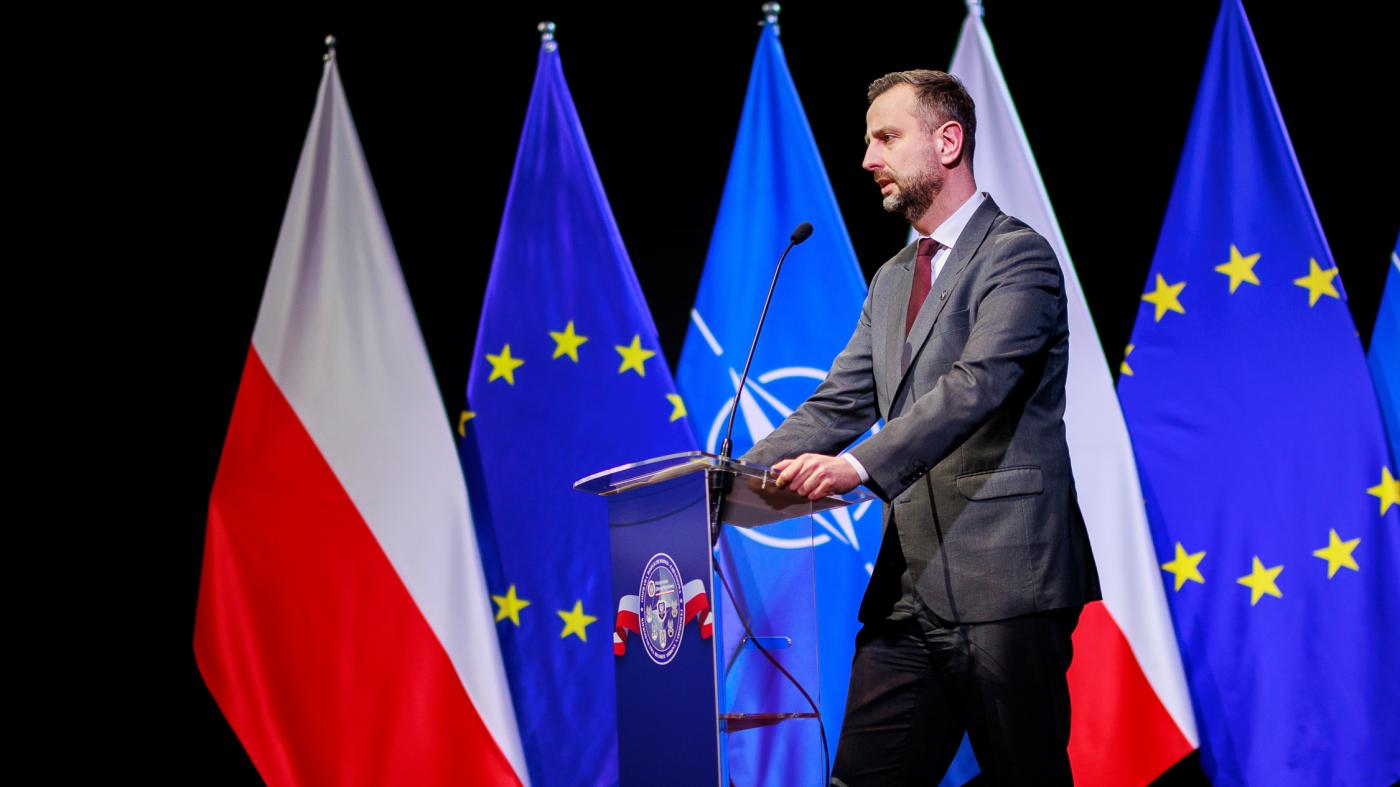
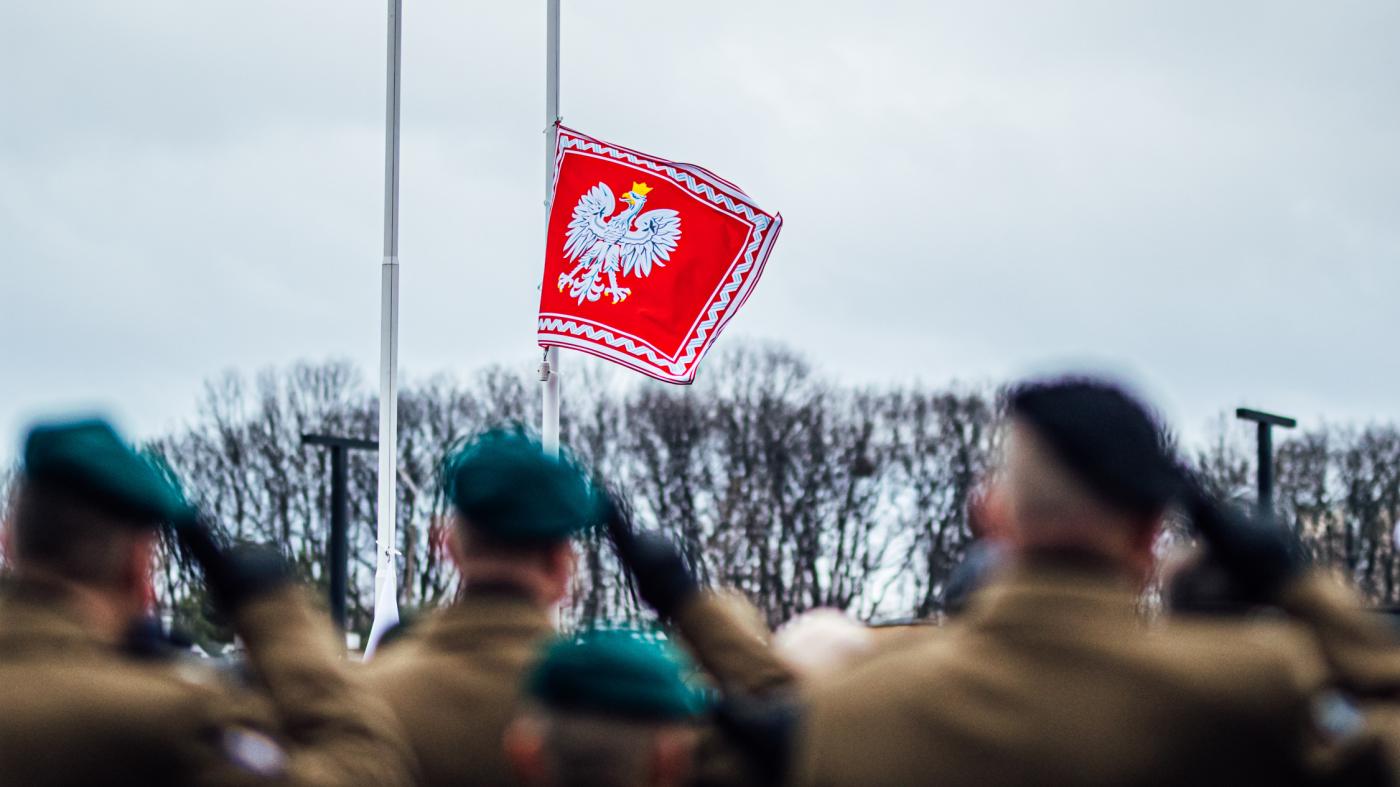
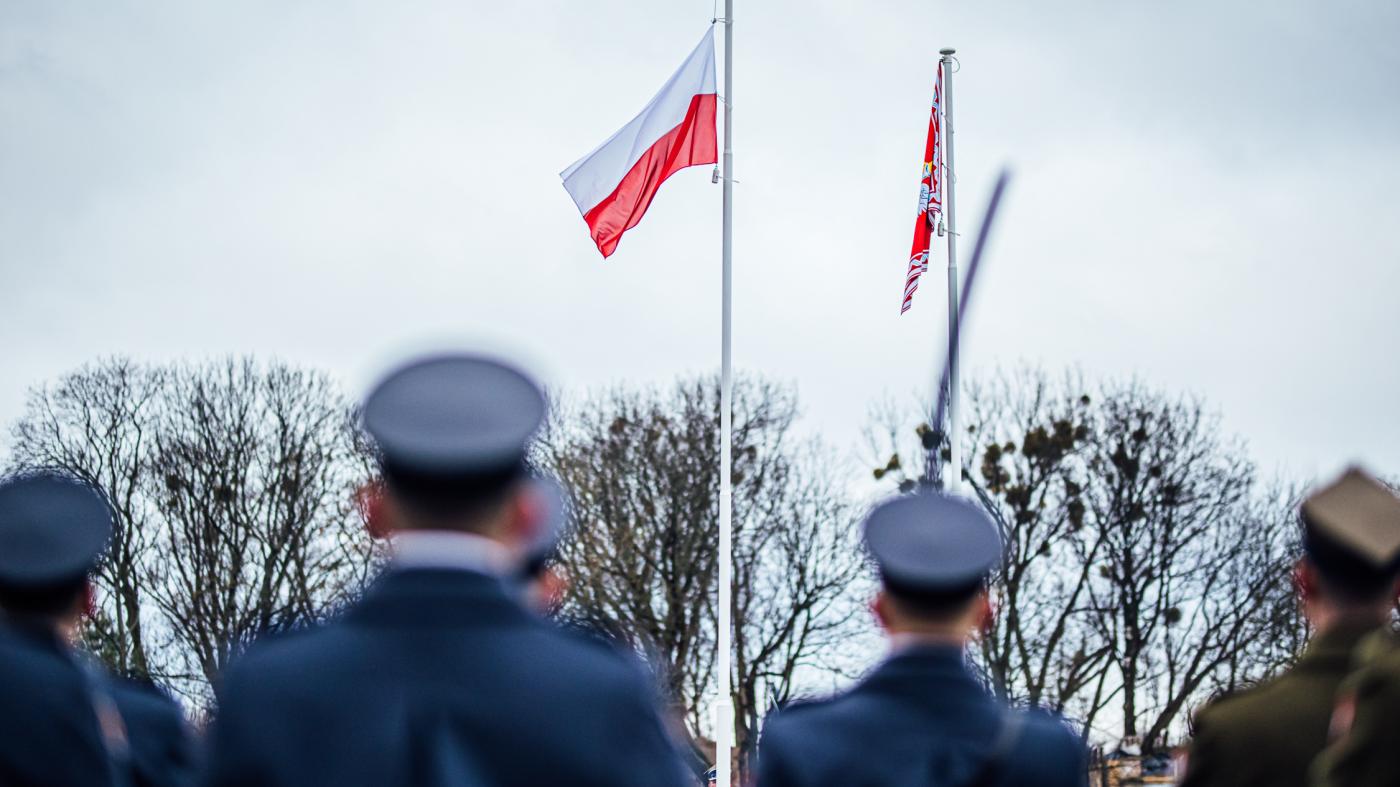
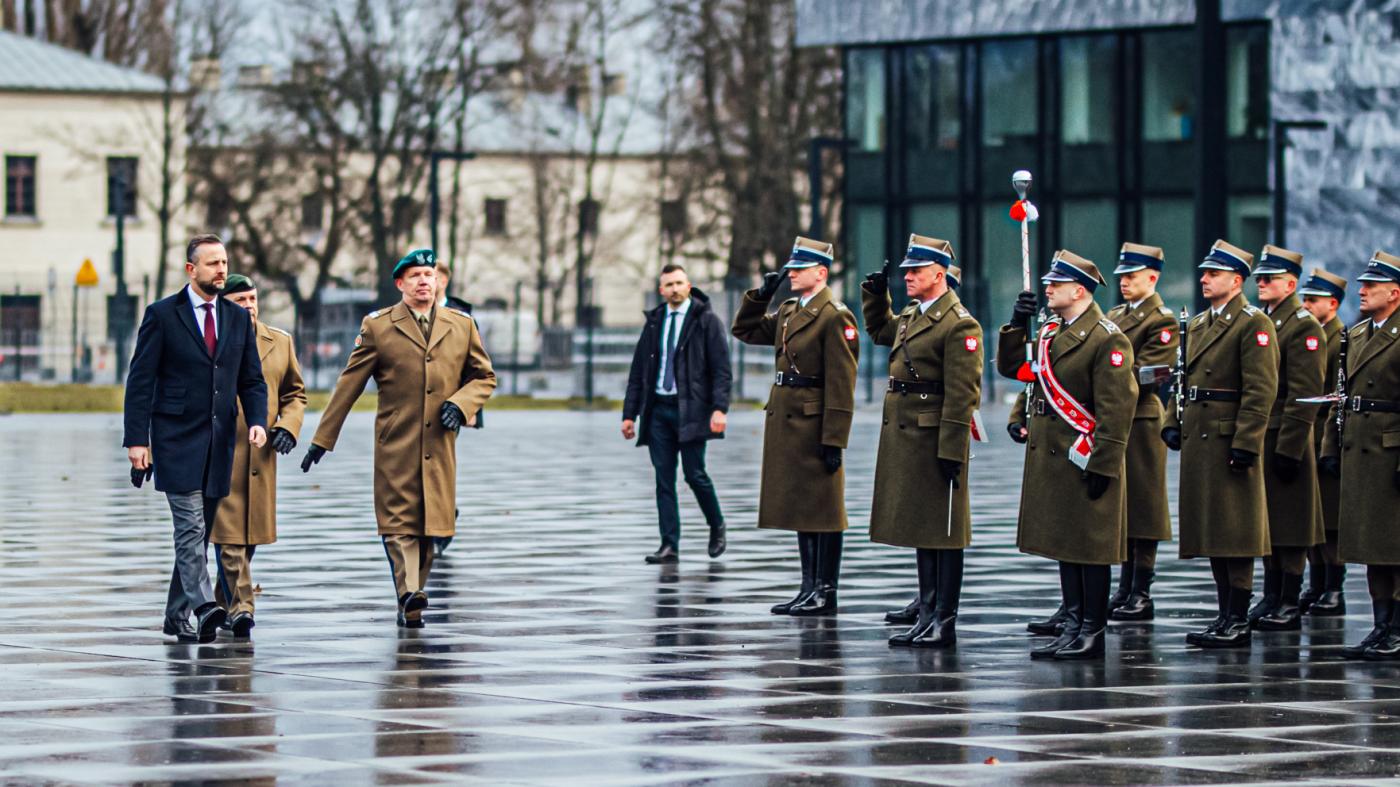
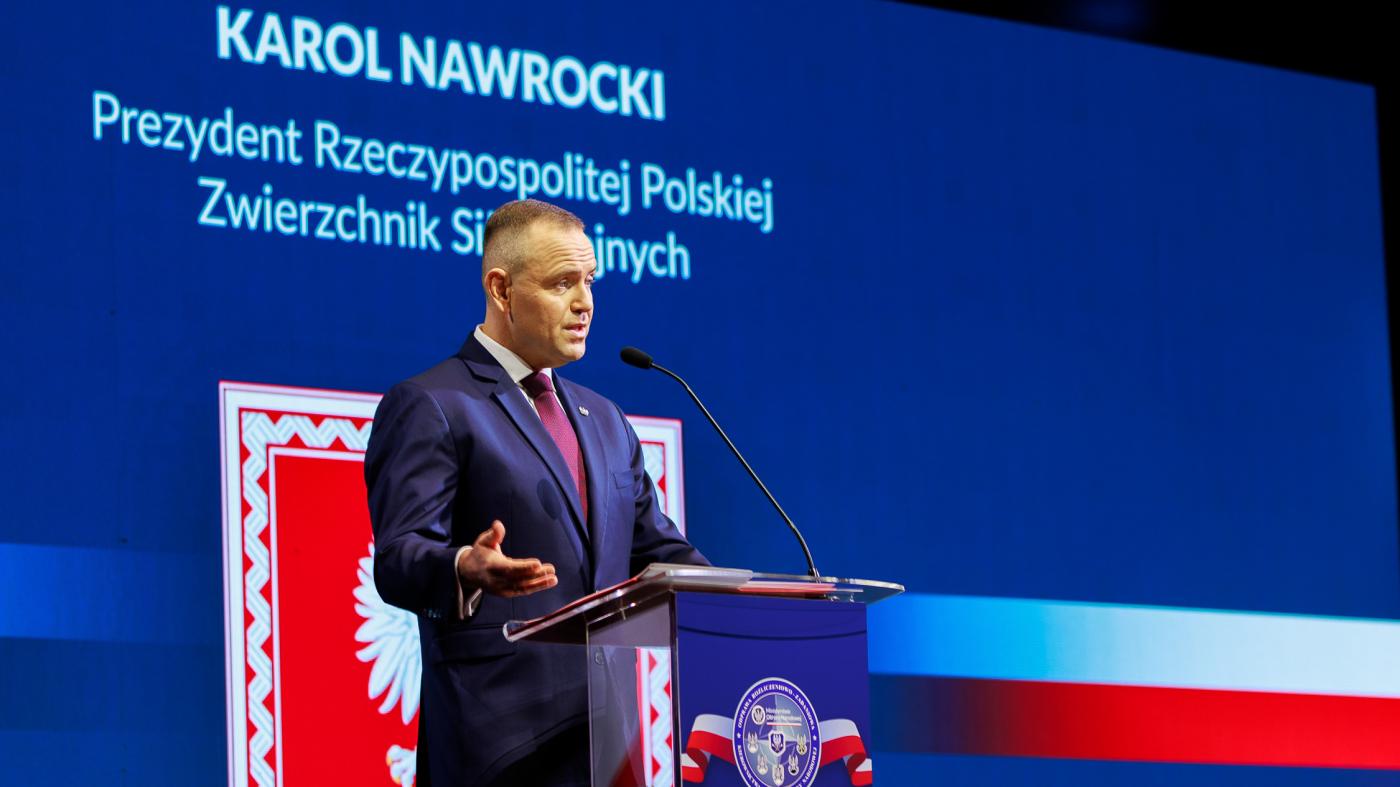
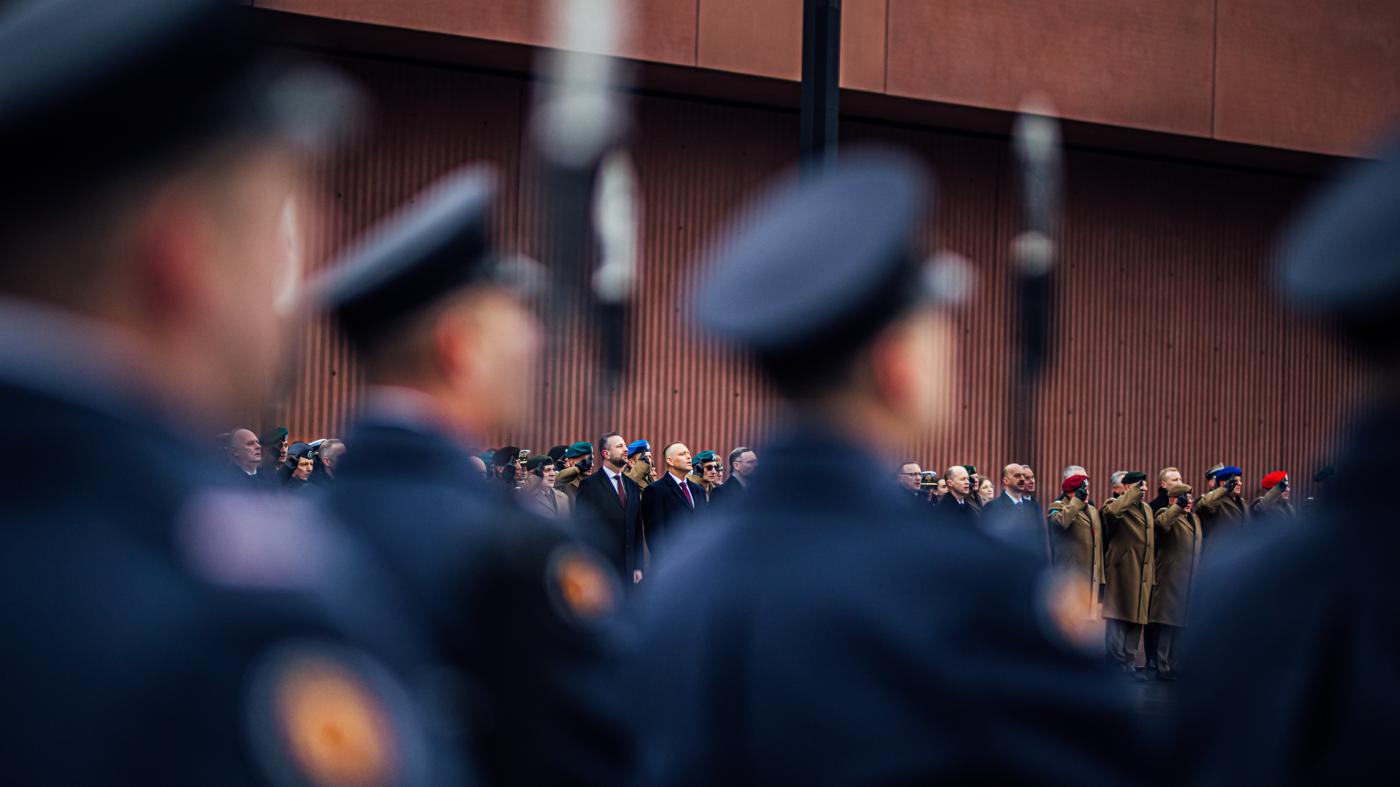
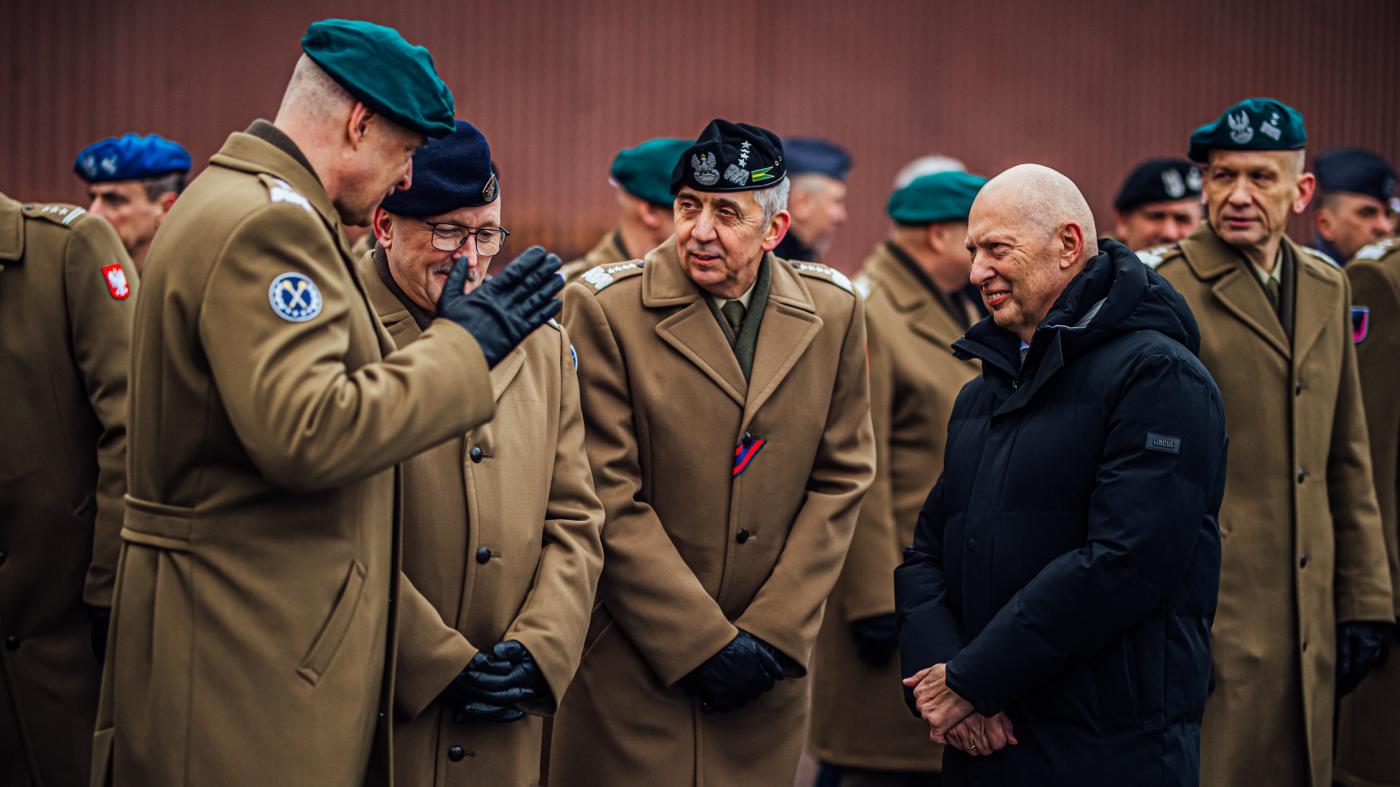
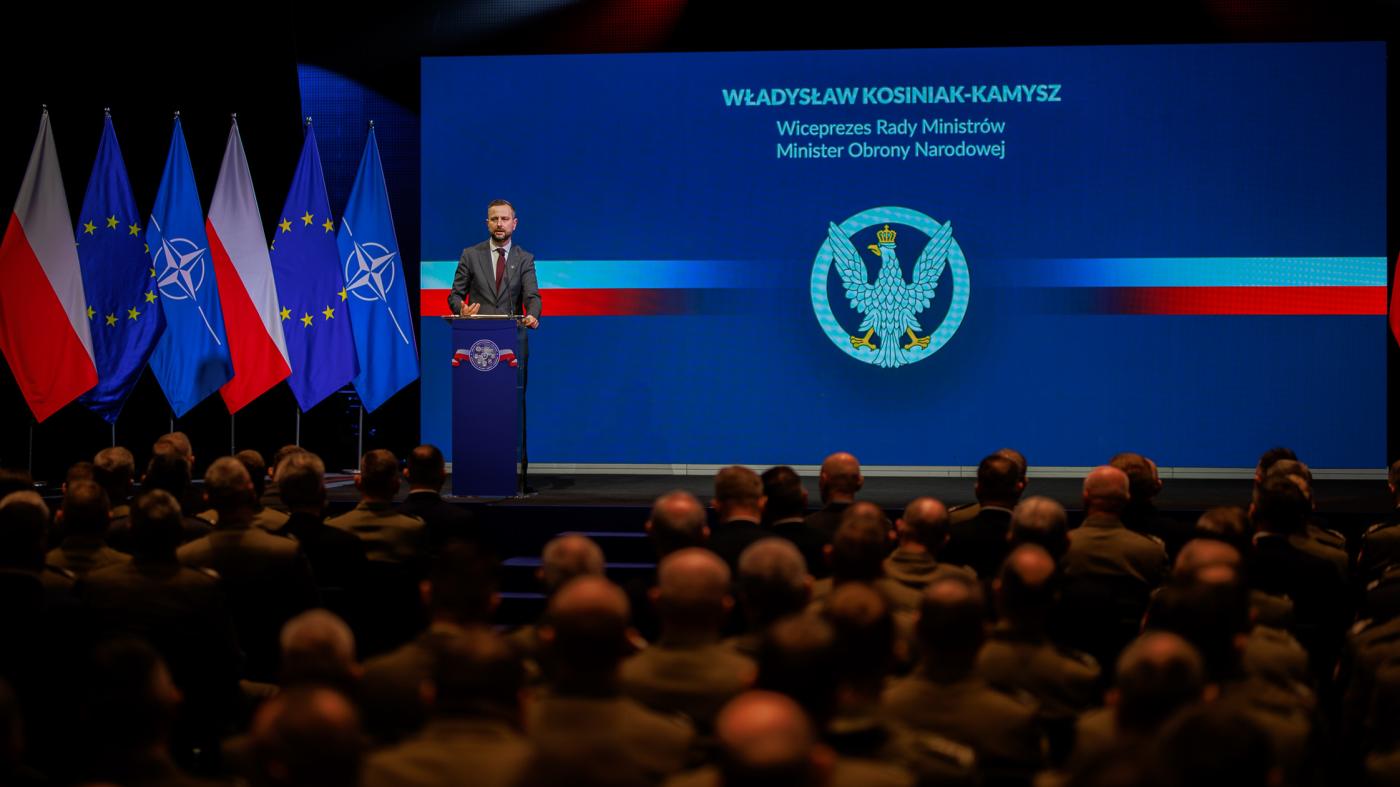
On 25 February 2026, the Museum of the Polish Army in Warsaw’s Cytadel hosted the annual performance and planning review of the leadership of the Ministry of National Defence and the Polish Armed Forces. The main focus of the event was the strategic address by General Wiesław Kukuła, chief of the general staff of the Polish Armed Forces, who outlined Poland’s assessment of regional and global security and set the direction for the development of the armed forces. The meeting was also attended by Deputy Prime Minister and Minister of National Defence Władysław Kosiniak-Kamysz and President Karol Nawrocki.
security aviation navy nato news25 february 2026 | 23:58 | Source: Gazeta Morska | Prepared by: Kamil Kusier | Print
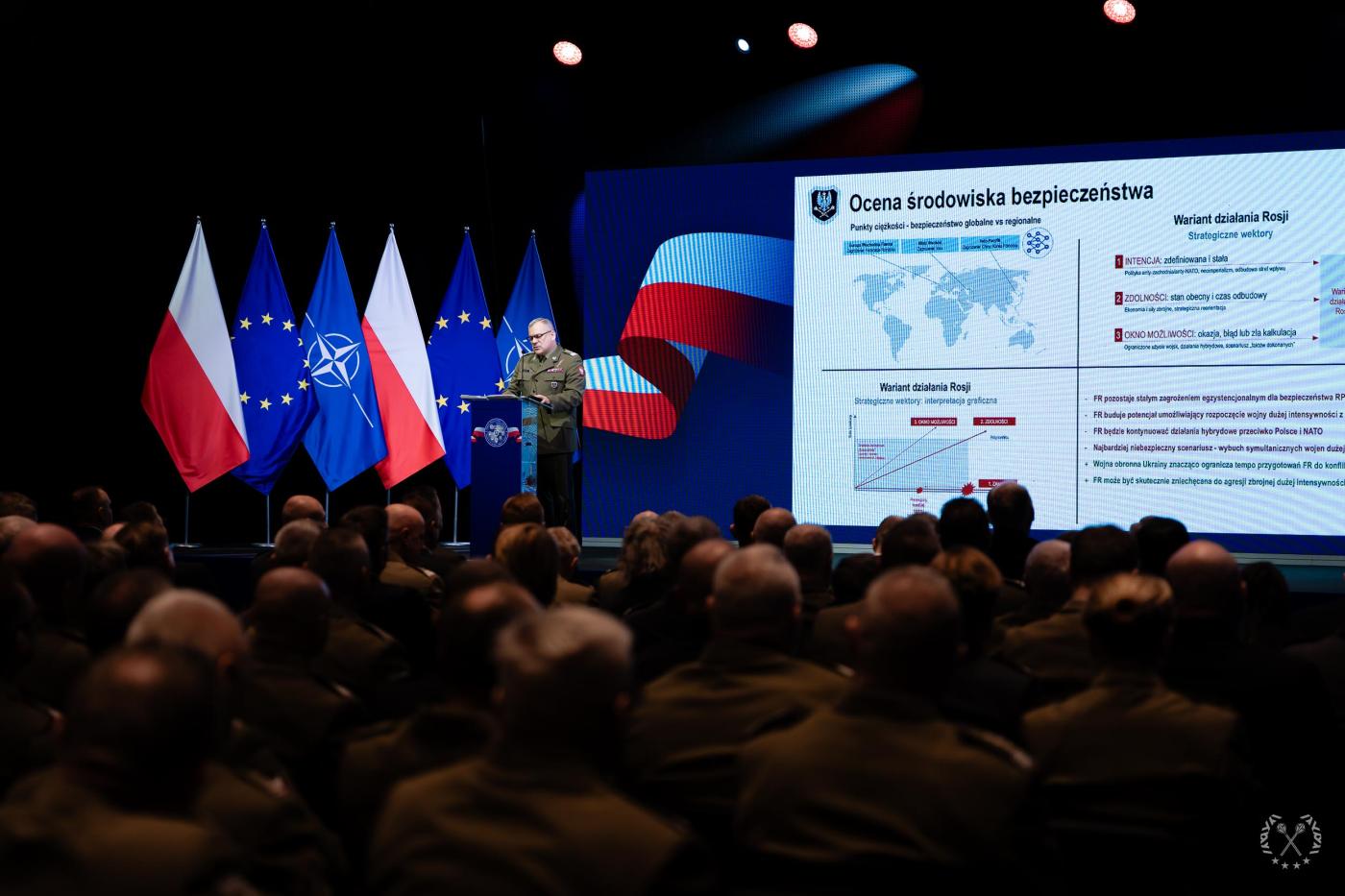
fot. SGWP
Opening his address, Gen. Kukuła summarized Poland’s military trajectory:
- If I had to characterize the past year in one sentence, I would say it was a year in which the Polish Armed Forces fulfilled their constitutional duties while executing the largest transformation in our history.
Global and regional security – 2025 overview
Gen. Kukuła highlighted that the security landscape in Central and Eastern Europe remains dominated by actions of the Russian Federation.
- Russia remains an existential threat to Poland. Despite its slowed pace, it continues reorganizing its forces, integrating lessons from the war in Ukraine, and building conventional warfighting potential against NATO, he warned.
He outlined three vectors of Russian threat:
- Political intentions – resisting NATO expansion and reverting to a post-Cold War security architecture.
- Military power – building conventional warfare capabilities against NATO, unaffected by Ukrainian defensive successes.
- Opportunity windows – the risk of miscalculation due to authoritarian decision-making, heightening the probability of aggressive actions.
- The most dangerous scenario for our security remains simultaneous high-intensity conflicts, which could overwhelm allied capabilities, Gen. Kukuła stressed, underlining the need for Poland to contribute to not only regional but also global security.
Four lines of effort in 2025
The chief of the general staff detailed the four key operational lines of effort undertaken by the Polish Armed Forces in 2025:
- Deterrence and defense readiness – operations such as Safe Podlasie, Safe West, Bay, Eastern Dawn, and Horizon, plus daily deployment of approximately 10,000 soldiers in NATO, EU, and UN missions across Europe, Asia, and Africa.
- Armed forces transformation – growth in force size, operational capability of the 2nd Polish Corps, readiness of the Patriot system, integration of lessons from Ukraine, Polish command of the Allied Joint Force Command Brunssum, and progress toward participation in Nuclear Sharing.
- Defense awareness and state resilience – operation Readiness, aimed at building public awareness of national security and strengthening societal resilience.
- Investment in personnel – providing soldiers with top-tier equipment and service conditions, described as “the most valuable part of our organization.”
Challenges and modernization risks
Despite successes, Gen. Kukuła identified key challenges:
- It remains difficult to synchronize two critical processes – combat readiness and Armed Forces transformation. Even record defence spending over the past three years has not compensated for nearly three decades of chronic underfunding.
Technical modernization pace is slower than personnel growth, particularly in land forces, where some units have not reached full combat readiness due to equipment shortages.
- Ensuring appropriate financing for modernization and quickly implementing a new command and control system is essential, he stated.
Armed forces development program 2025–2039
A major highlight of the address was the Polish Armed Forces development program for 2025–2039, aimed at maintaining deterrence capabilities and preparing Poland to prevail in future conflicts. The program introduces a new deterrence paradigm: instead of solely relying on costly anti-access systems, the Polish Armed Forces will emphasize long-range precision strike capabilities, capable of targeting enemy sources of power and creating strategic and operational dilemmas.
By 2039, the peacetime strength of the armed forces is projected to reach approximately 500,000 soldiers, including a new high-readiness reserve, capable of tripling force projection during wartime. Gen. Kukuła emphasized that 2026 will mark the “year of reserves”, launching a long-term program to rebuild and strengthen them.
From tradition to the “new Polish device”
Gen. Kukuła also referenced Poland’s historical strategic culture, recalling the “Old Polish Device” (Stare Urządzenie Polskie) used by ancestors and formalized by the first chief of the general staff, Gen. Tadeusz Jordan Rozwadowski: “Let everyone know that we must prevail.”
Today, Poland is developing the “New Polish Device”, designed to ensure national sovereignty and security for present and future generations. “Let everyone know: we will prevail,” concluded Gen. Kukuła, highlighting Poland’s vision of a safe, modern, and strategically prepared nation in the face of 21st-century global challenges.
see also
Buy us a coffee, and we’ll invest in great maritime journalism! Support Gazeta Morska and help us sail forward – click here!
Kamil Kusier
redaktor naczelny
gallery

comments
Add the first comment
see also
Defence.Hub strengthens capabilities in technologies supporting maritime infrastructure security
Damen to build 13 SAR units for Turkey. Strengthening search and rescue in the Aegean Sea
Sebastian Kluska, director of MSPiR SAR: No room for improvisation at sea. Skills and judgment matter
MS Kapitan Poinc to deploy FRB 850 in Baltic SAR upgrade
105th life-saving mission. Naval Aviators conduct double "Heart Action" transport
Another successful medical evacuation over the Baltic Sea. Yet another intervention at offshore wind farms
Fishing trip on Vistula Lagoon cut short due to missing certificates
Drifting tanker near Malta highlights risks linked to the global “shadow fleet”
Cross-border SAR operation on the ice of the Gulf of Bothnia
Body recovered from the waters of Puck Bay near Babie Doły in Gdynia
ADVERTISEMENT
ADVERTISEMENT