Why Poland needs submarines?
At first glance, posing such a question by the sea or among naval-minded audiences might seem almost heretical. Yet in Poland’s broader public discourse this doubt surfaces regularly, which makes it necessary to explain why submarines—one of the most specialised categories of naval armament—remain indispensable.
security investments navy shipbuilding industry defense industry news24 november 2025 | 08:08 | Source: Gazeta Morska | Prepared by: Jarosław Wolski | Print
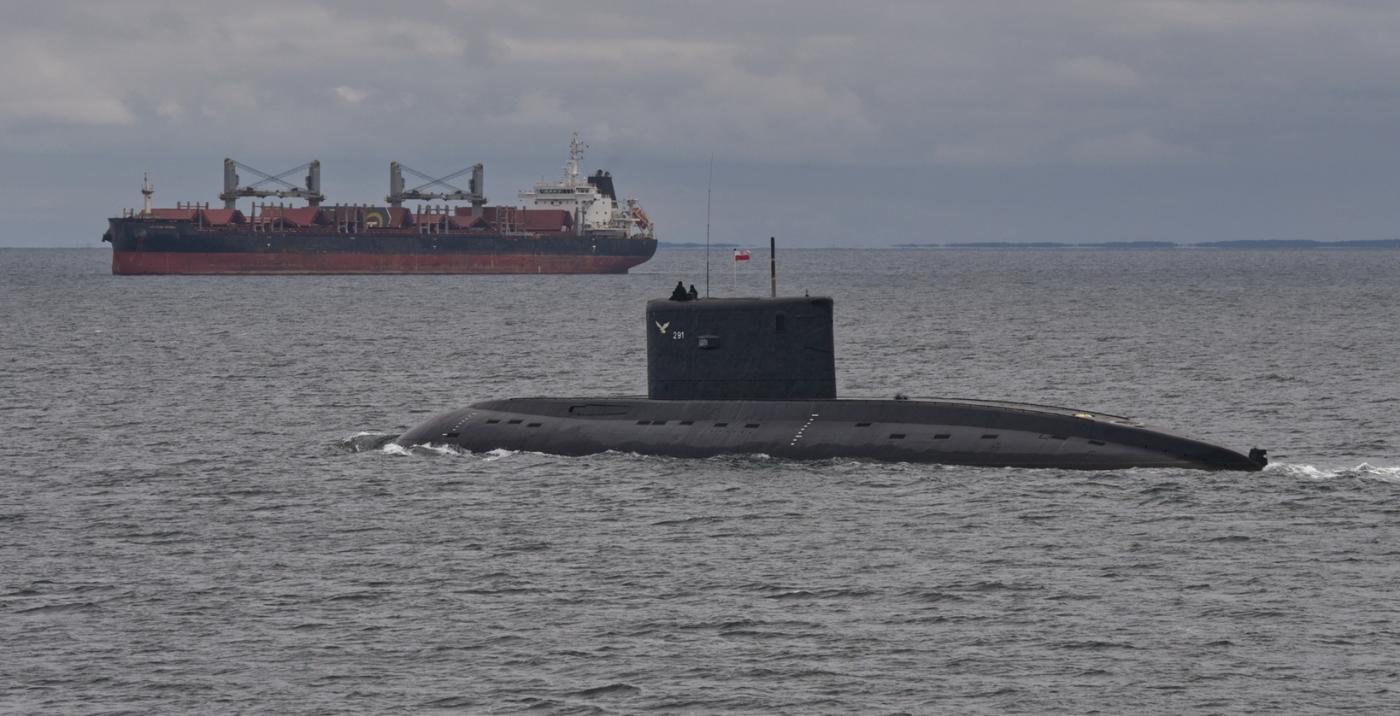
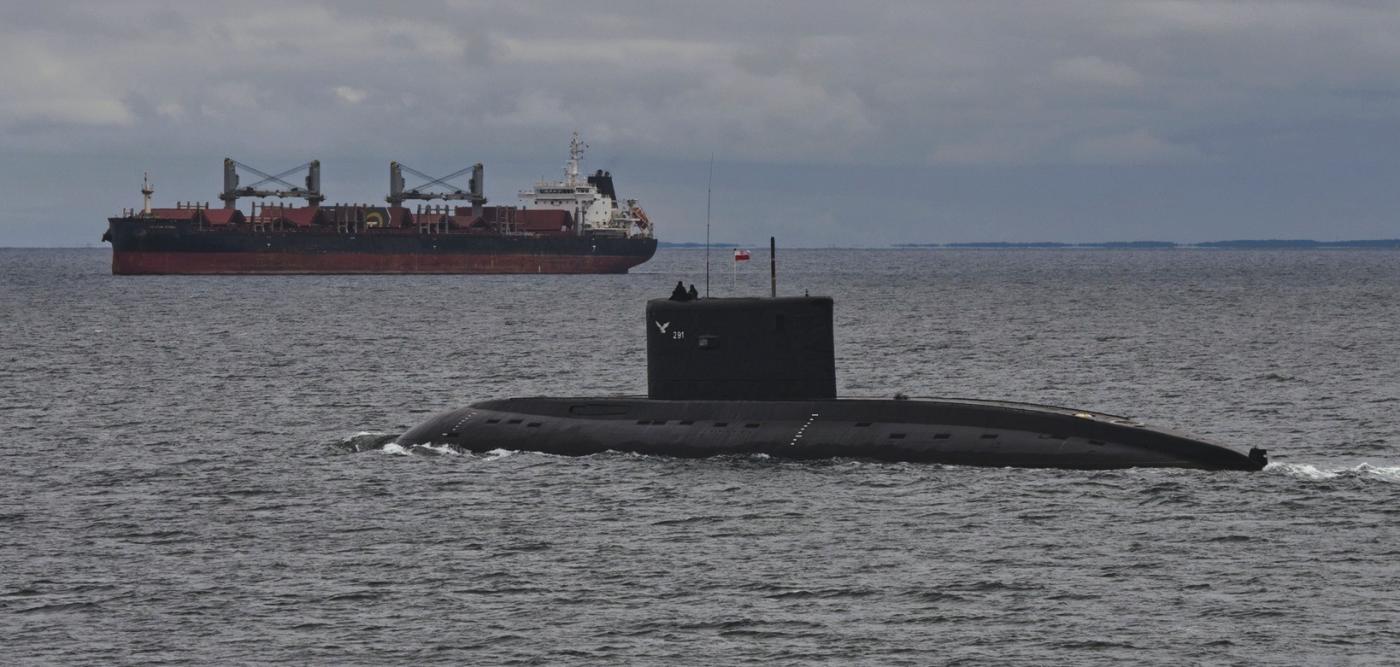
fot. Jarosław Wolski
The arguments fall into two groups: direct reasons for possessing submarines at all, and indirect reasons linked to the Polish Navy’s ability to establish local sea control in the Baltic.
Direct arguments: the unique value of submarines
- 1. Submarines introduce overwhelming asymmetry.
Any operational submarine—even one now serving largely training roles, like ORP Orzeł—forces an adversary to maintain a large, highly developed anti-submarine warfare (ASW) capability. Their mere presence drastically increases the cost of contesting the maritime domain.
- 2. In the Baltic, submarines are a genuine game-changer.
Despite being relatively shallow, the Baltic is exceptionally well suited for non-nuclear submarines. Its hydrological and acoustic characteristics allow modern boats to exploit their inherent stealth to the fullest.
- 3. No system can replace a submarine.
Neither unmanned underwater vehicles nor surface forces can replicate the full mission spectrum of a manned submarine.
Indirect arguments: submarines as a pillar of Baltic sea control
Poland’s Strategic Maritime Security Concept states explicitly that the Polish Navy must be able to achieve local sea control in the Baltic. This requires a balanced force consisting of frigates, submarines, coastal missile units, mine countermeasure vessels, air support, and NATO reinforcement.
Alliance perspective
NATO is, at its core, a coalition of maritime powers that understand the strategic value of sea control. Delivering credible naval capability is not only appreciated but often preferred.
The modern submarine: a renewed revolution
Submarines revolutionised naval warfare twice: during World War I and again with the advent of nuclear propulsion. The emergence of air-independent propulsion (AIP) has now transformed the role of non-nuclear submarines, giving them weeks of endurance below the surface.
Poland’s submarine force must be modernised not as a luxury but as a strategic necessity. Submarines give the Polish Navy capabilities that no other asset can provide and are essential for securing maritime lifelines and fulfilling alliance commitments.
see also
Buy us a coffee, and we’ll invest in great maritime journalism! Support Gazeta Morska and help us sail forward – click here!
Redakcja Gazeta Morska
użytkownik
gallery
comments
Add the first comment
see also
Polish Naval Academy students advance unmanned maritime systems
Winter on Puck Bay: ice conditions, natural values, and responsible use
Accident at offshore service base construction in Ustka highlights gaps in emergency medical response
Medical evacuation from offshore installation in the Baltic Sea. First naval SAR mission of 2026
Europe without illusions: sea, trade and security in the new transatlantic architecture. a voice of realism?
Winter navigation update: RZGW Szczecin closes Odra waterways and deploys icebreakers
Russian escort and U.S. oil chase: a new front in the North Atlantic. Implications for shipping and energy markets
Medical evacuation from Stena Ebba successfully conducted despite adverse weather conditions
The capture of President Nicolás Maduro: how U.S. maritime operations triggered a geopolitical turning point
The sea as an instrument of power: the maritime dimension of the U.S. National Security Strategy of 2025
ADVERTISEMENT
ADVERTISEMENT