Polish Navy Divers complete intensive winter under-ice training
Divers from the Polish Navy have completed a two-week winter conditioning and specialist training camp conducted on Lake Czos and at the Military Training and Conditioning Centre in Mrągowo, northern Poland.
navy news24 february 2026 | 20:32 | Source: Gazeta Morska | Prepared by: Kamil Kusier | Print
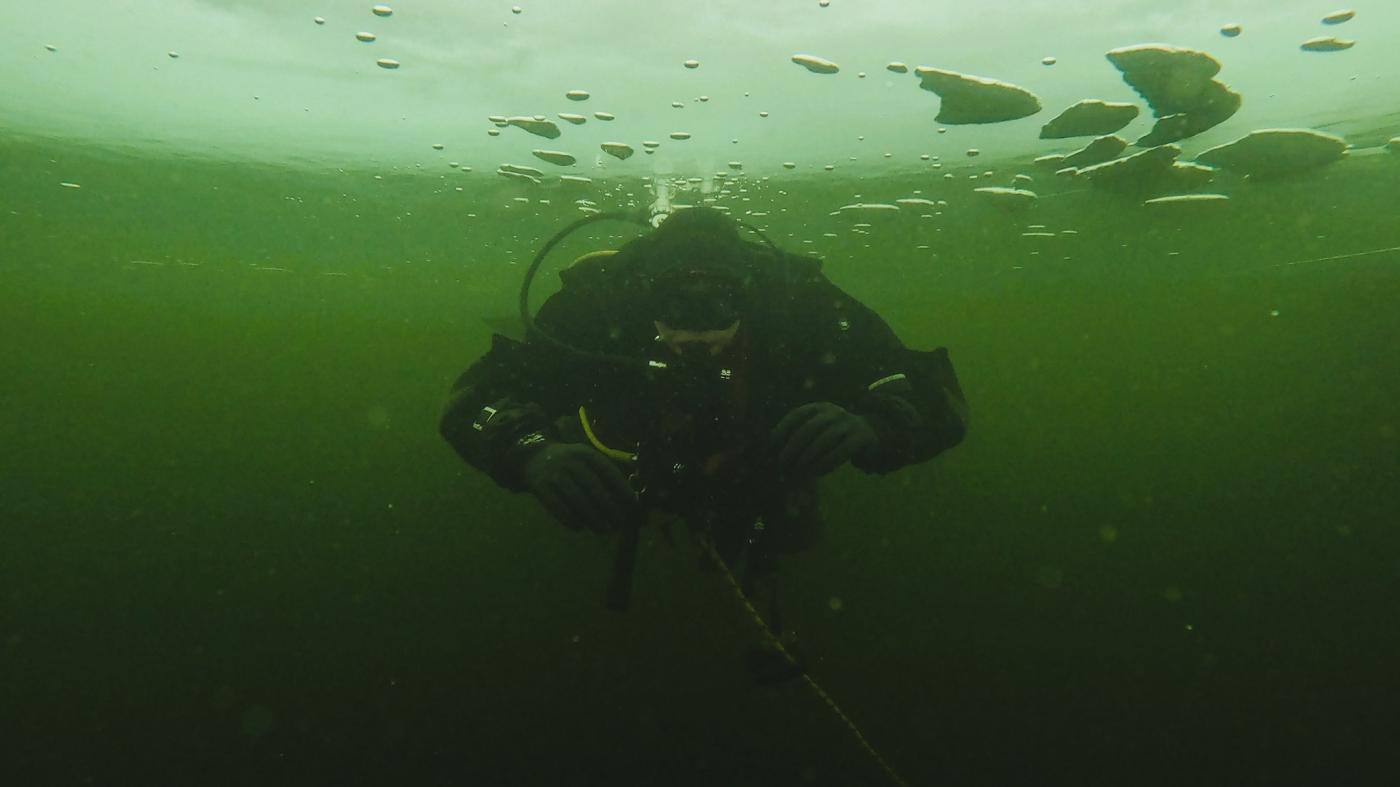
fot. Marynarka Wojenna RP
The exercise brought together several dozen clearance divers and underwater engineering specialists from the 8th Coastal Defence Flotilla and the 3rd Ship Flotilla, reinforcing interoperability across operational and shore-based units.
Overhead and under-ice diving in operational context
The core of the training focused on overhead diving, including under-ice operations — one of the most demanding forms of military diving. In overhead environments, divers have no direct vertical access to the surface due to physical barriers such as ice cover, wreck structures or confined spaces.
Under-ice diving requires:
- precise pre-dive planning and risk assessment,
- secure cutting and preparation of ice entry points,
- redundant safety and communication systems,
- strict adherence to emergency and self-rescue procedures,
- coordinated topside support and logistics.
Operating beneath a 40-centimetre ice sheet significantly increases psychological and operational pressure. As instructors underline, maintaining composure, mutual trust and procedural discipline is critical when direct ascent to the surface is impossible.
Mine countermeasure and underwater engineering skills
Beyond technical diving proficiency, the winter camp emphasised mine countermeasure (MCM) and underwater engineering capabilities. Divers conducted:
- sonar-assisted searches for submerged objects,
- identification and classification of potentially hazardous items,
- rigging (stropping) and preparation of objects for recovery,
- operations with hydraulic and specialist underwater tools in limited visibility.
These competencies directly translate into real-world explosive ordnance disposal (EOD) and clearance operations carried out throughout the year. Clearance diver groups from the 8th Coastal Defence Flotilla respond to dozens of underwater ordnance reports annually, both in the Baltic Sea and inland waters.
Sustaining year-round readiness
Within the Polish Navy structure, clearance diver groups operate in the 12th and 13th Minesweeper Squadrons of the 8th Coastal Defence Flotilla. In addition, underwater engineering specialists serve in naval shore units, including the 8th Sapper Battalion and the 43rd Sapper Battalion.
The winter training cycle forms part of a broader readiness framework aimed at sustaining operational capability in all environmental conditions. With legacy munitions and unexploded ordnance still present in Baltic and inland waters, maintaining high-level diving, EOD and engineering proficiency remains a strategic priority.
The Lake Czos exercise confirms that Polish Navy divers retain the capacity to conduct complex underwater operations year-round — including in sub-zero, ice-covered environments where technical competence and mental resilience are equally decisive.
Buy us a coffee, and we’ll invest in great maritime journalism! Support Gazeta Morska and help us sail forward – click here!
Kamil Kusier
redaktor naczelny
comments
Add the first comment
see also
Lithium at the core. TKMS and E3 Lithium align on Canada’s submarine ambitions
The end of a quiet era. Polish Navy harbour tugs in transition
105th life-saving mission. Naval Aviators conduct double "Heart Action" transport
Another successful medical evacuation over the Baltic Sea. Yet another intervention at offshore wind farms
Key leadership changes announced in the Polish Armed Forces
137 years since the Apia cyclone in Samoa: a lesson for modern shipping
RAS exercises in the Caribbean. Dutch patrol vessel Zr.Ms. Friesland conducts joint operations with French Navy
Royal Navy invests in uncrewed surface vessels. Project Beehive to accelerate development of the "Hybrid Navy"
French Navy increases operational activity from the Mediterranean to the Arctic
Polish Navy retires prototype minesweeper ORP Gopło after 44 years of service
ADVERTISEMENT
ADVERTISEMENT