World Sailing sets a new benchmark for sustainability with life-cycle assessments of Olympic sailing equipment
World Sailing has launched a landmark initiative that places environmental performance at the centre of Olympic equipment regulation, setting a precedent not only for sailing but for the wider sports and marine industries.
marine lifestyle worldwide competitive sailing news sailing22 january 2026 | 07:22 | Source: Gazeta Morska | Prepared by: Kamil Kusier | Print
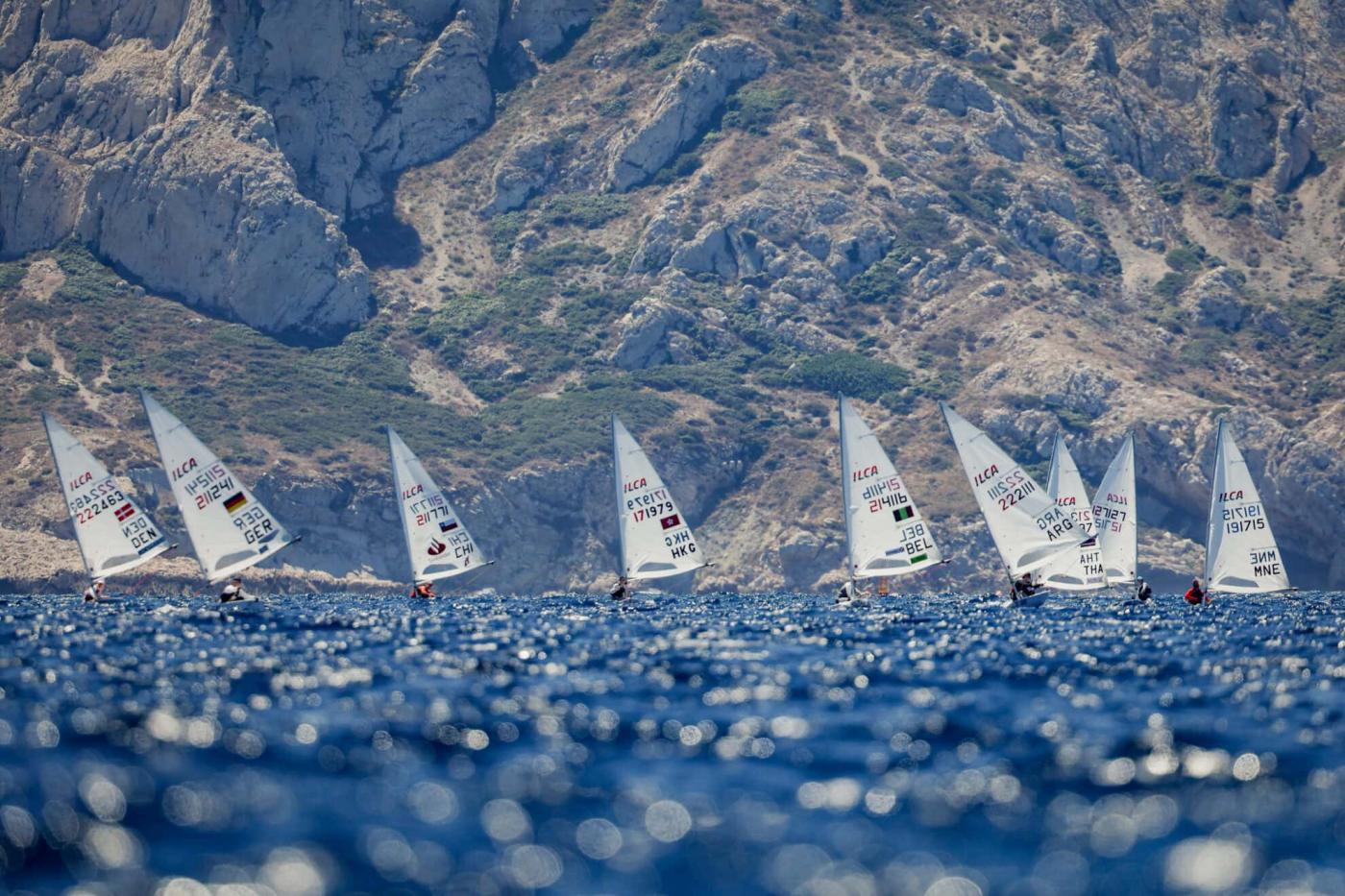
fot. World Sailing
The 12-month project will see all six Olympic sailing classes undergo a comprehensive life-cycle assessment (LCA), evaluating environmental impacts across production, use and end-of-life phases. This marks the first time an entire Olympic sport has adopted a unified, data-driven framework to assess the full footprint of its competition equipment.
The findings will directly inform future class rules, technical standards and Olympic class selection processes. From 2032 onwards, any class seeking Olympic inclusion will be required to submit an independently verified LCA, making environmental impact a formal criterion alongside performance, cost and accessibility.
The assessments will be delivered using MarineShift360, a purpose-built LCA tool for the marine sector developed by Marine Futures with support from 11th Hour Racing. The platform provides a shared methodology, training and consistent data reporting for class associations and manufacturers, enabling transparent and comparable results.
For the marine industry, the implications extend well beyond elite sport. Many Olympic equipment manufacturers also supply the recreational, youth and entry-level markets, meaning that improvements in materials, design efficiency and production processes at the top of the sport are likely to cascade across the wider boating sector.
World Sailing has already begun onboarding manufacturers, with initial workshops held in October and each class expected to complete its assessment within a three-month window. Early adopters such as iQFOiL and ILCA, which have previously conducted individual LCAs, are contributing valuable experience to the shared framework.
Future phases of the project will expand the scope to include full Olympic campaigns, covering logistics, equipment transport and athlete travel. The resulting data will help shape more sustainable event structures and identify further opportunities to reduce emissions.
By embedding life-cycle assessment into its decision-making framework, World Sailing is signalling a broader shift within the marine and sports industries: sustainability is no longer an add-on, but a core performance metric shaping the future of design, production and competition.
see also
Buy us a coffee, and we’ll invest in great maritime journalism! Support Gazeta Morska and help us sail forward – click here!
Kamil Kusier
redaktor naczelny
comments
Add the first comment
see also
Robert Lewandowski becomes Sunreef Yachts ambassador, orders 80-foot power catamaran built in Poland
Polish ice sailors claim a haul of medals as “Hollywood ice” delivers top-level competition
Aurora borealis over the Baltic Sea: a space weather signal for the maritime industry
Sailing Gryphons 2025: nominees announced for West Pomeranian Sailing Awards
Gdynia honors top athletes of 2025 and century-old sports legends
COBI & Naval Museum in Gdynia launch strategic partnership — WWII naval history at the heart of new product line
Winter on Puck Bay: ice conditions, natural values, and responsible use
A crisp and frosty Christmas morning in Ustka
Four medals for Poland at the World Sailing Youth World Championships
Kuyavian-Pomeranian Sailing School to Launch with €3.5 Million Training Vessel
ADVERTISEMENT
ADVERTISEMENT