Waterspouts over the Baltic. Spectacle or growing hazard for maritime operators?
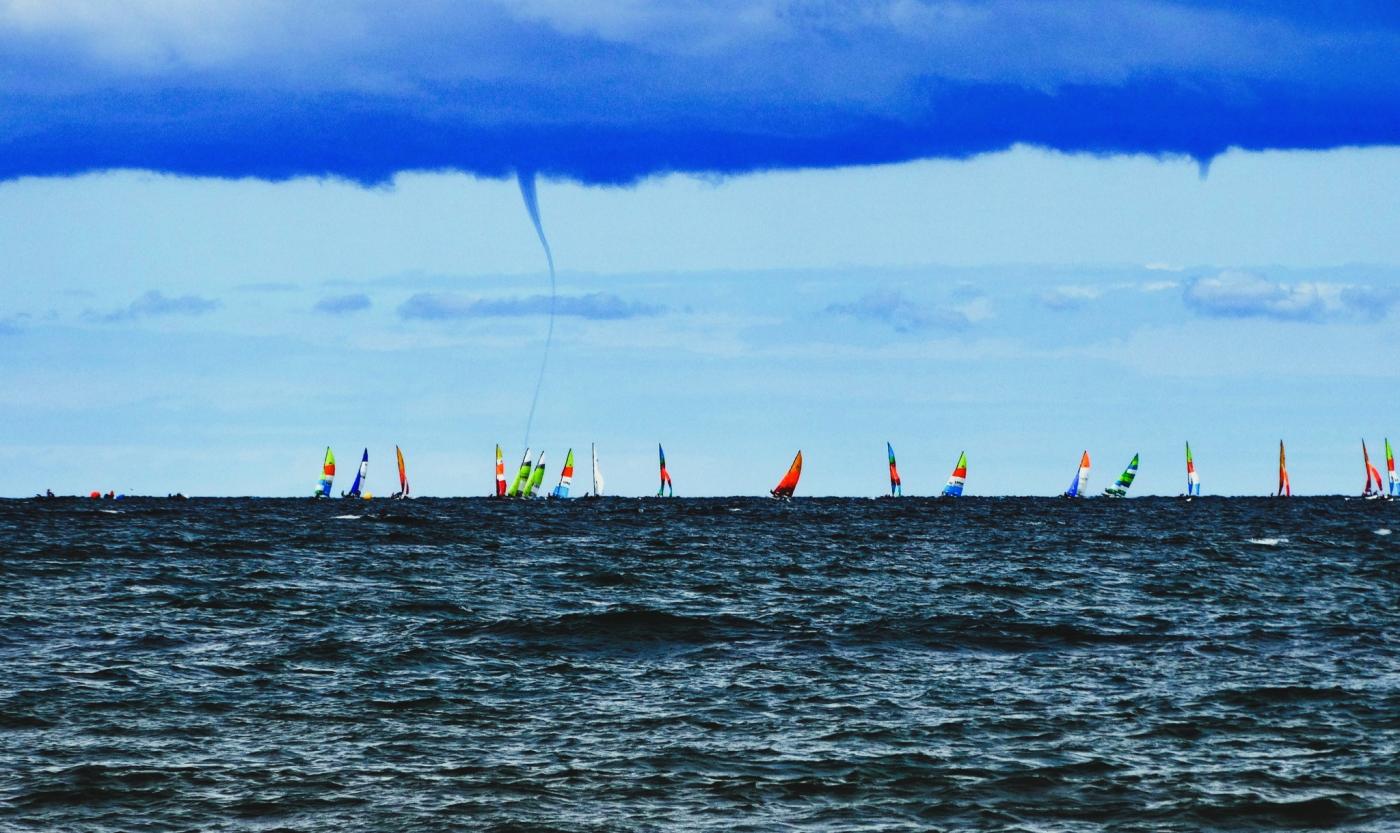
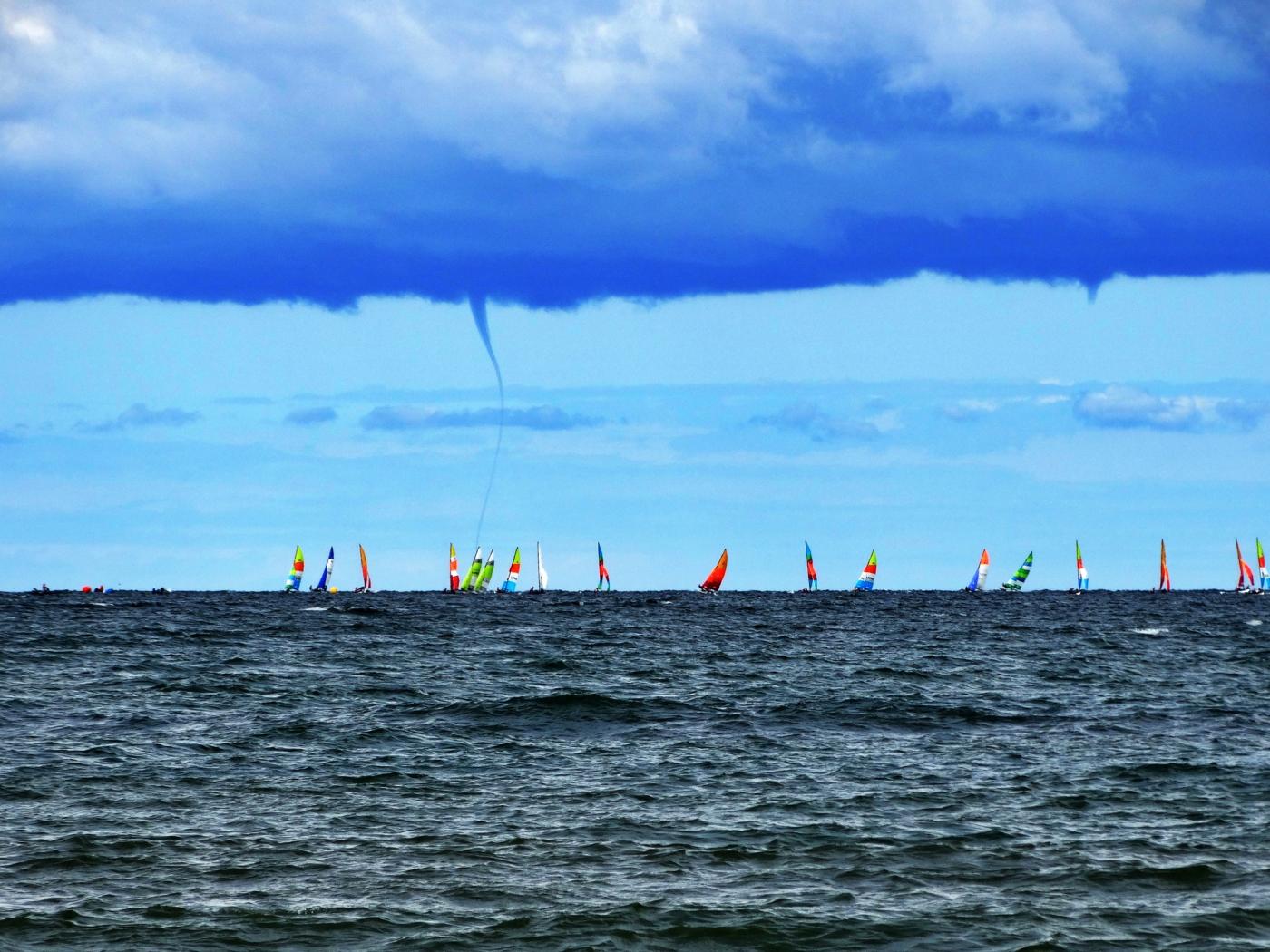
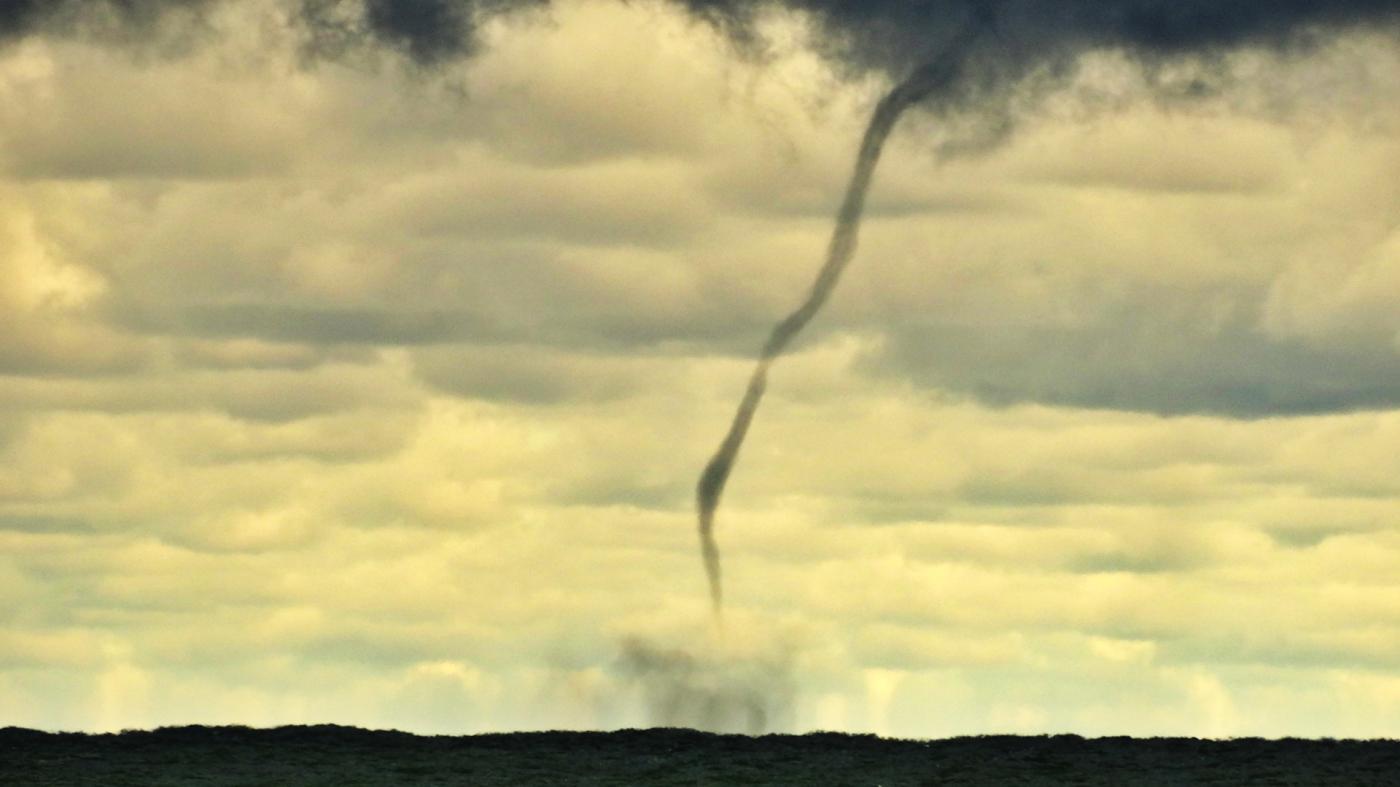
The Baltic Sea once again became the stage for a rare natural spectacle. In mid-August, observers recorded multiple simultaneous waterspouts off the Polish and Danish coasts, with as many as eight vortices forming in the same storm cell. For the maritime industry, the event is more than a visual curiosity – it is a reminder of risks that require attention.
marine lifestyle weather pomerania west pomerania news24 august 2025 | 07:25 | Source: Gazeta Morska | Prepared by: Kamil Kusier | Print
fot. Mariusz Jasłowski / meteo24.com.pl
A familiar phenomenon for mariners
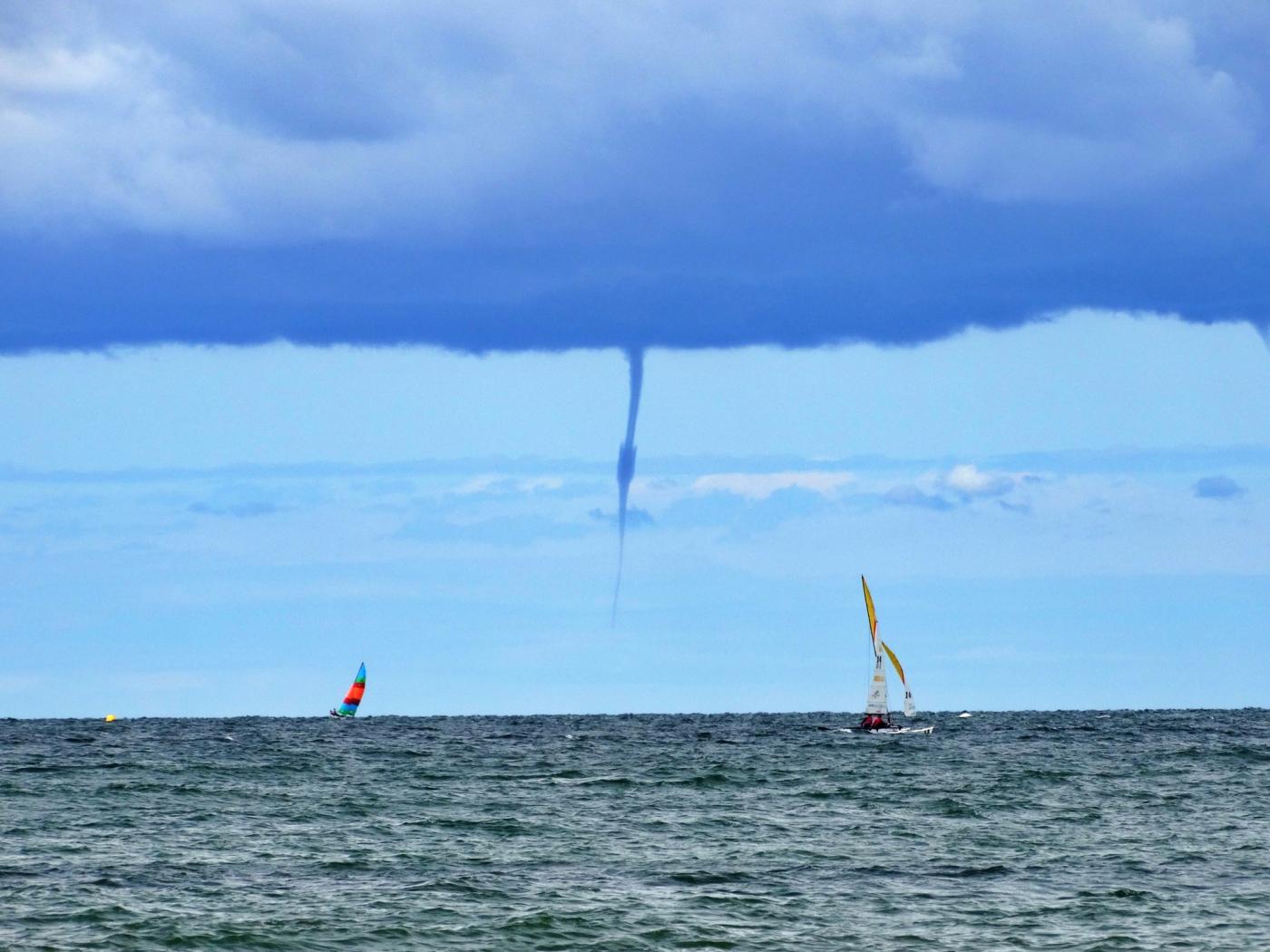
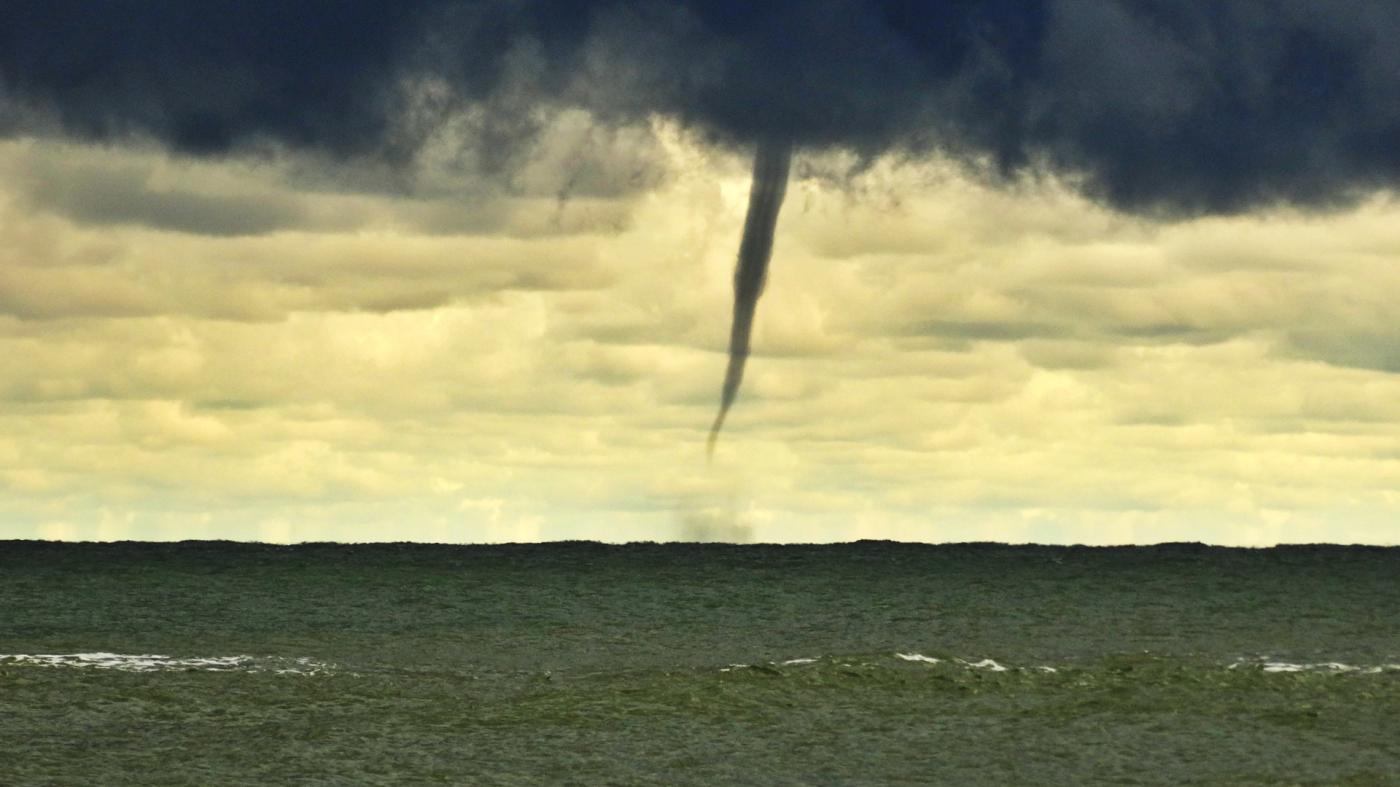
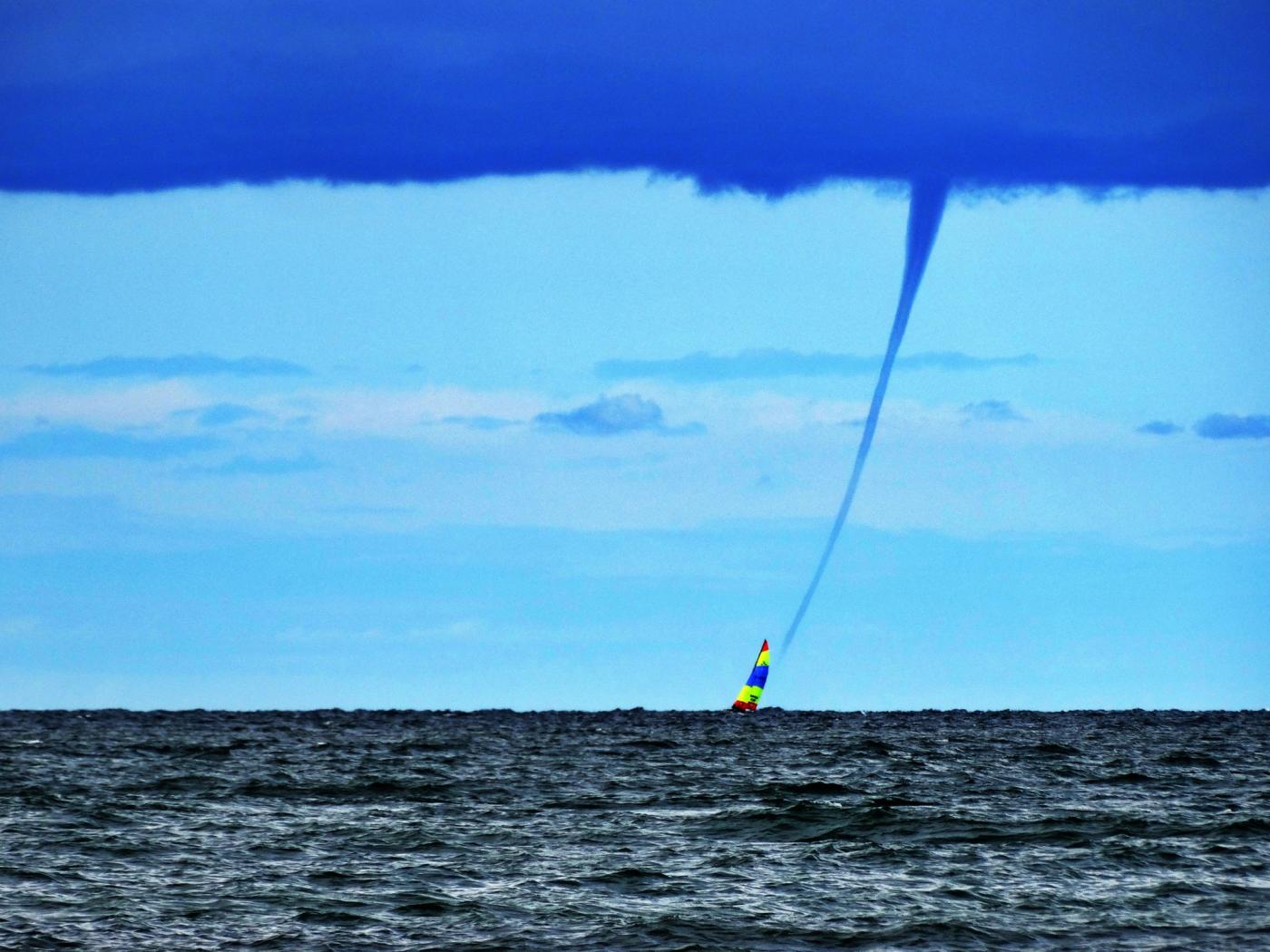
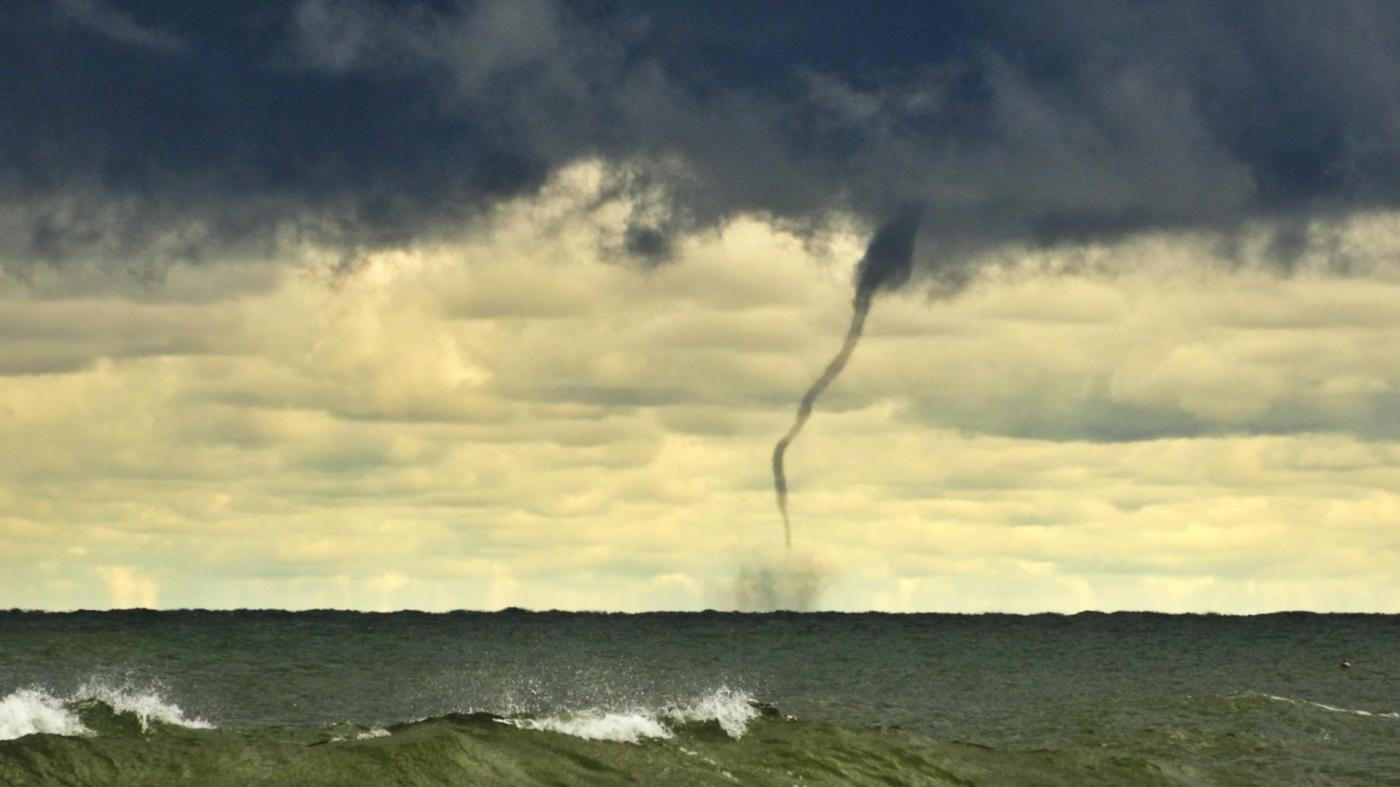
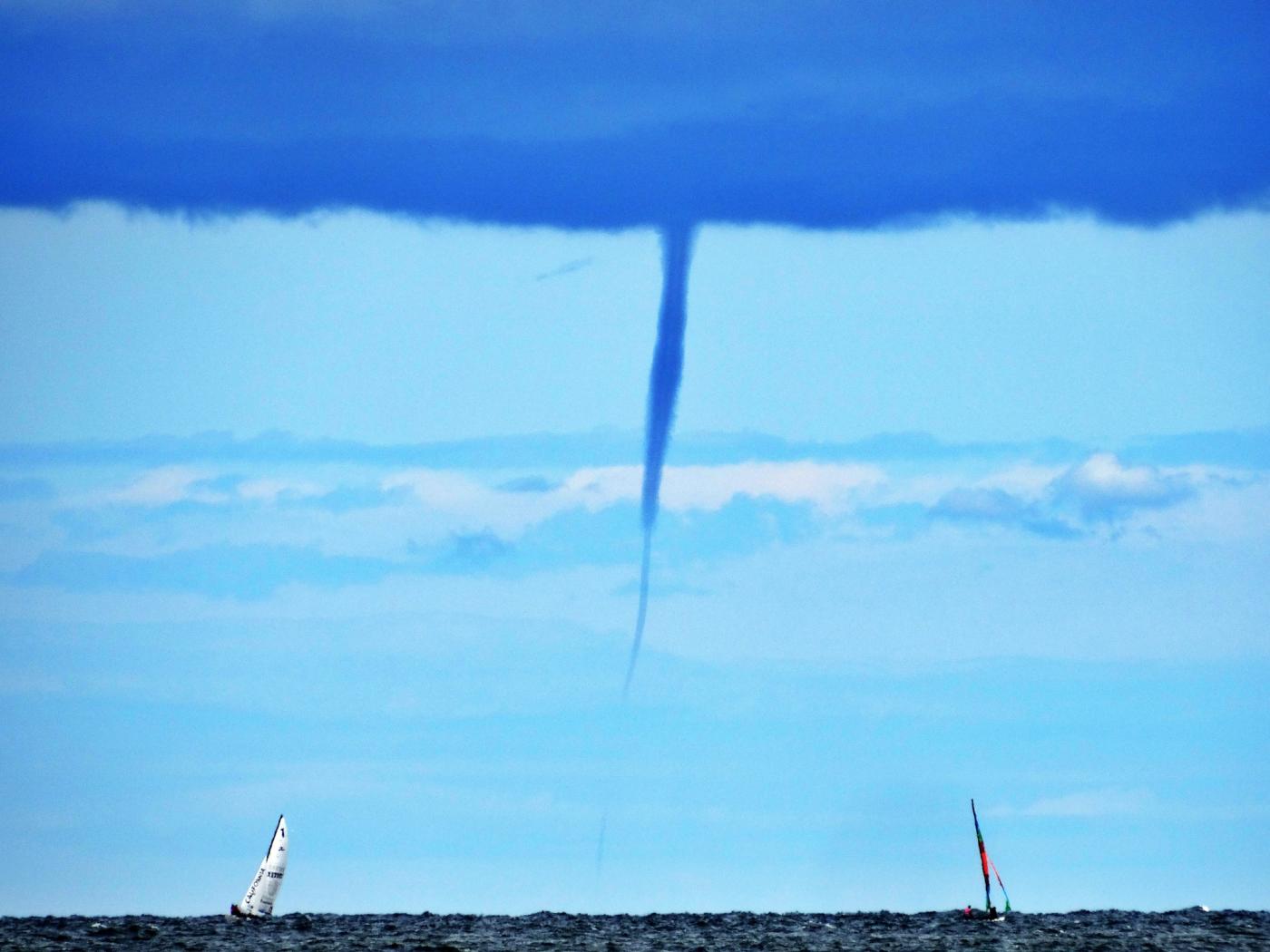
A waterspout is a rotating column of air connecting the base of a cumulonimbus cloud to the sea surface. While often associated with tropical waters, Europe records an average of 160 cases annually, with the southern Baltic ranked among the more frequent hotspots.
For sailors and fishermen, the sight of a descending funnel cloud is not unusual, but the scale observed this August – clusters of more than a dozen funnels within a short timeframe – is exceptional.
Why here, why now?
The key driver behind waterspout formation is a sharp temperature contrast: relatively warm Baltic waters in late summer (16–20 °C) combined with an intrusion of colder Arctic or polar air. Such conditions favour strong convective cloud development.
Meteorologists from the Polish Institute of Meteorology and Water Management (IMGW) noted that this year’s outbreaks followed a rapid air mass exchange between a Scandinavian high and a low-pressure system moving eastward over Germany.
More frequent – or just more visible?
Videos from Ustka, Międzyzdroje and Darłówko quickly went viral, capturing the imagination of the public. Historical records, however, suggest that Poland has long experienced several waterspouts per year. The apparent increase is likely amplified by the ubiquity of smartphones and social media rather than by a proven rise in frequency.
That said, climate researchers warn that a warming climate may intensify convective activity and severe thunderstorms, creating conditions more conducive to waterspouts in future decades.
Implications for maritime safety
Most Baltic waterspouts fall into the weaker F0–F1 category on the Fujita scale, with winds between 90 and 150 km/h. Even so, they can be highly disruptive to small vessels: sudden wind shifts, steep wave action and poor visibility are all operational hazards.
For ship operators and port authorities, the events underscore the importance of integrating waterspout awareness into safety protocols. Real-time weather warnings issued by agencies such as IMGW, coupled with vigilant onboard observation, remain the first line of defence.
Nature’s reminder
For the maritime sector, the August outbreaks were both a visual spectacle and a cautionary signal. Waterspouts may last only minutes before dissipating, but their potential impact on vessels demands respect and preparedness. Beyond the striking imagery, the industry takeaway is clear: monitor, anticipate and respond – because the Baltic, beautiful as it is, can turn quickly.
Buy us a coffee, and we’ll invest in great maritime journalism! Support Gazeta Morska and help us sail forward – click here!
Kamil Kusier
redaktor naczelny
gallery
comments
Add the first comment
see also
Winter periscope mode and sandbanks instead of ice: how seals rest in the southern Baltic
Baltic Sea water levels at a record low: a meteorological-oceanographic anomaly with major implications
106 years ago Poland “turned to the sea”. Split celebrations, one goal: a strong maritime Poland
Red Rose trapped in ice on the Bay of Puck. Sequence of events and structural risks
Crystal Sails Awards presented. Pomeranian sailing officially concludes the 2025 season
The Famous Project: first all-female crew sails non-stop around the world
Robert Lewandowski becomes Sunreef Yachts ambassador, orders 80-foot power catamaran built in Poland
Polish ice sailors claim a haul of medals as “Hollywood ice” delivers top-level competition
World Sailing sets a new benchmark for sustainability with life-cycle assessments of Olympic sailing equipment
Aurora borealis over the Baltic Sea: a space weather signal for the maritime industry
ADVERTISEMENT
ADVERTISEMENT