106 years ago Poland “turned to the sea”. Split celebrations, one goal: a strong maritime Poland
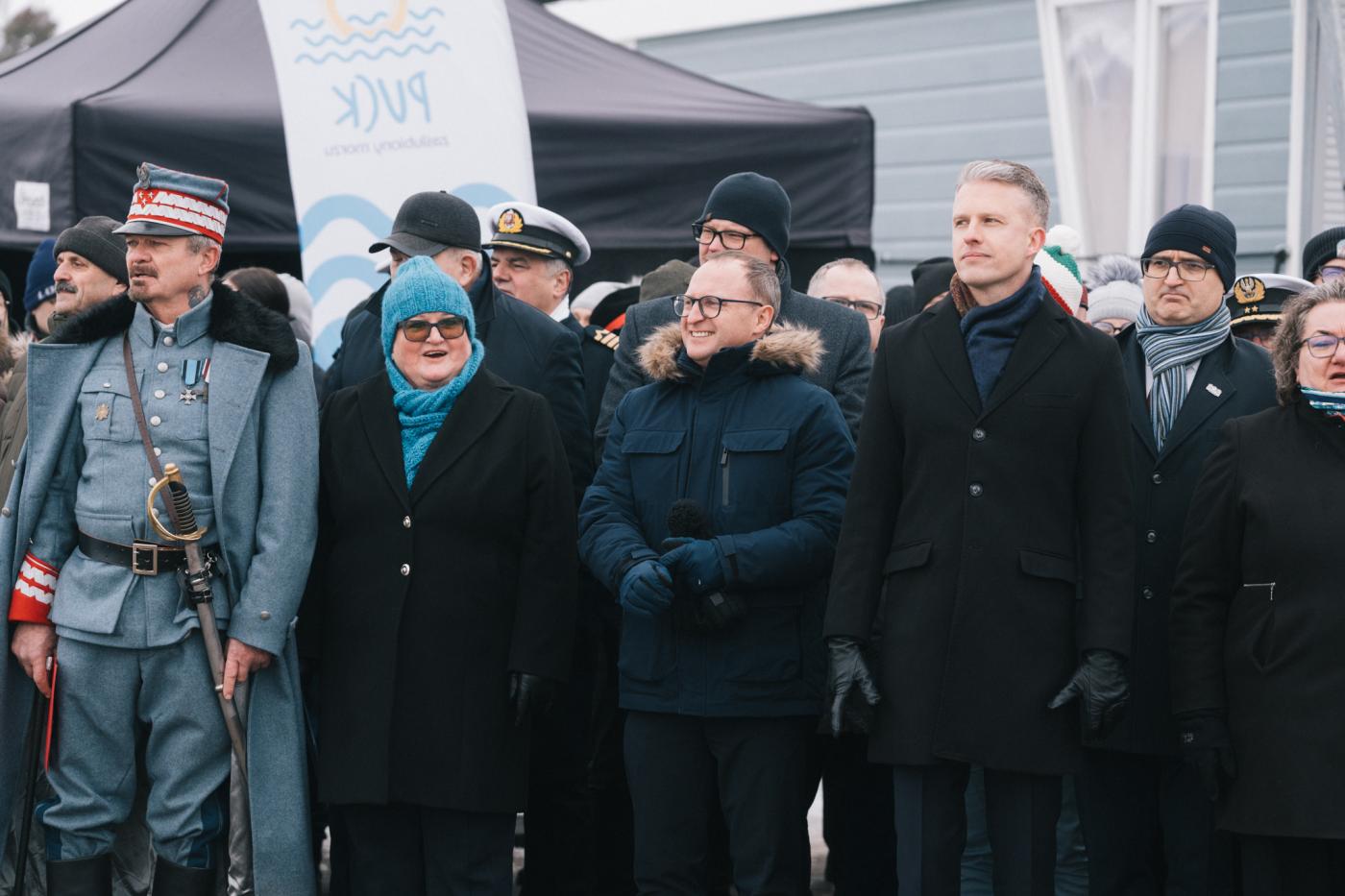
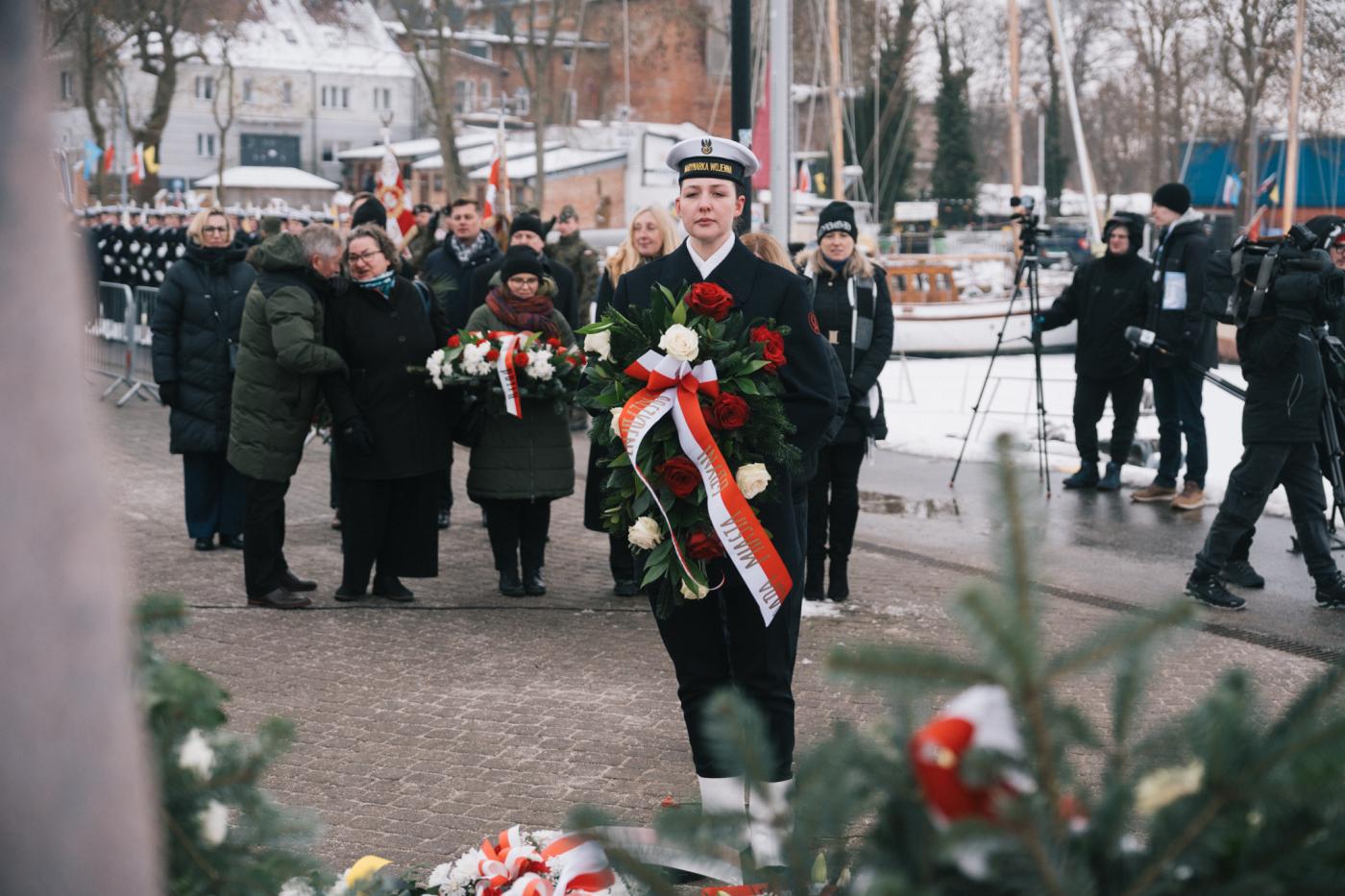
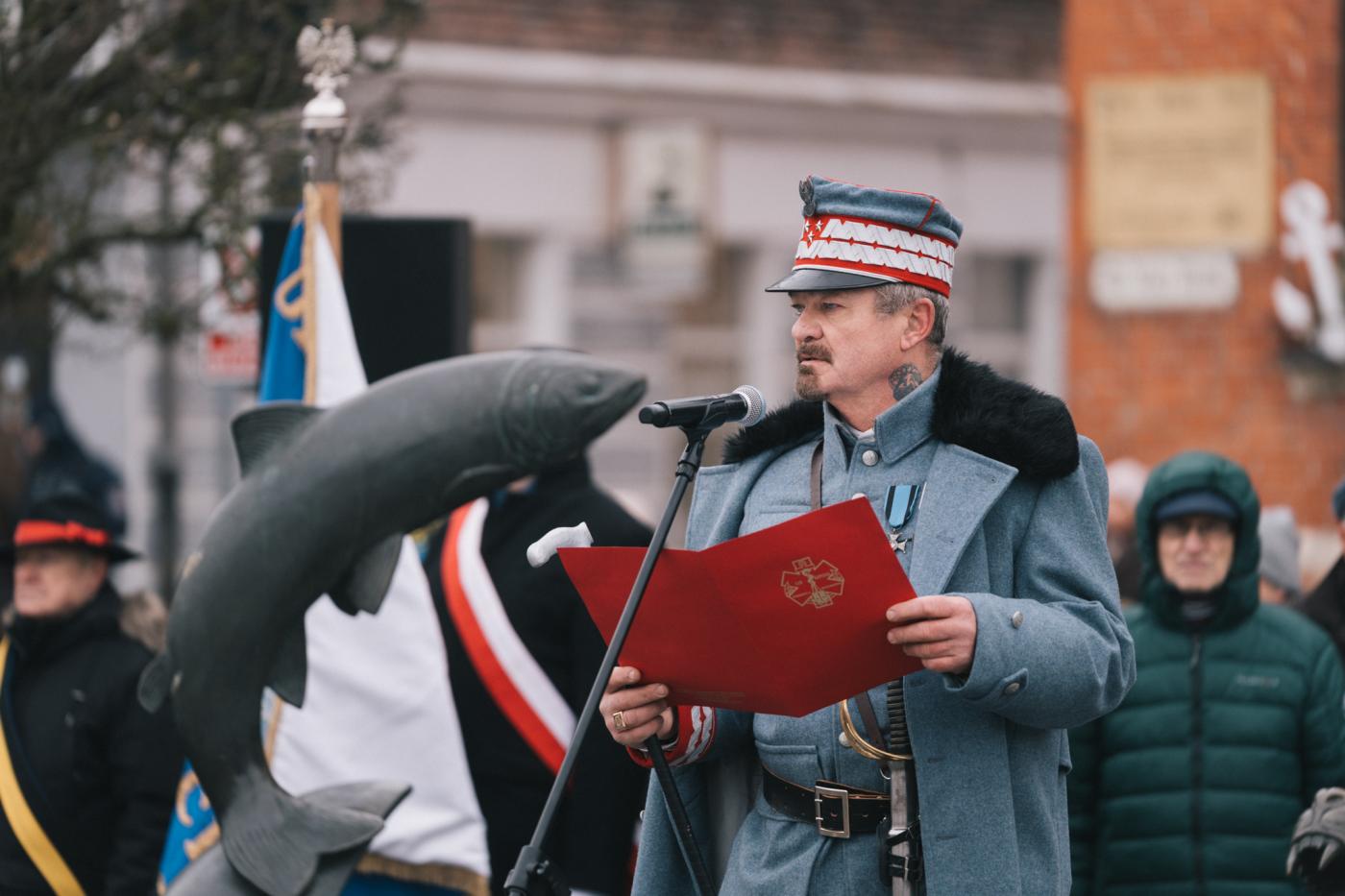
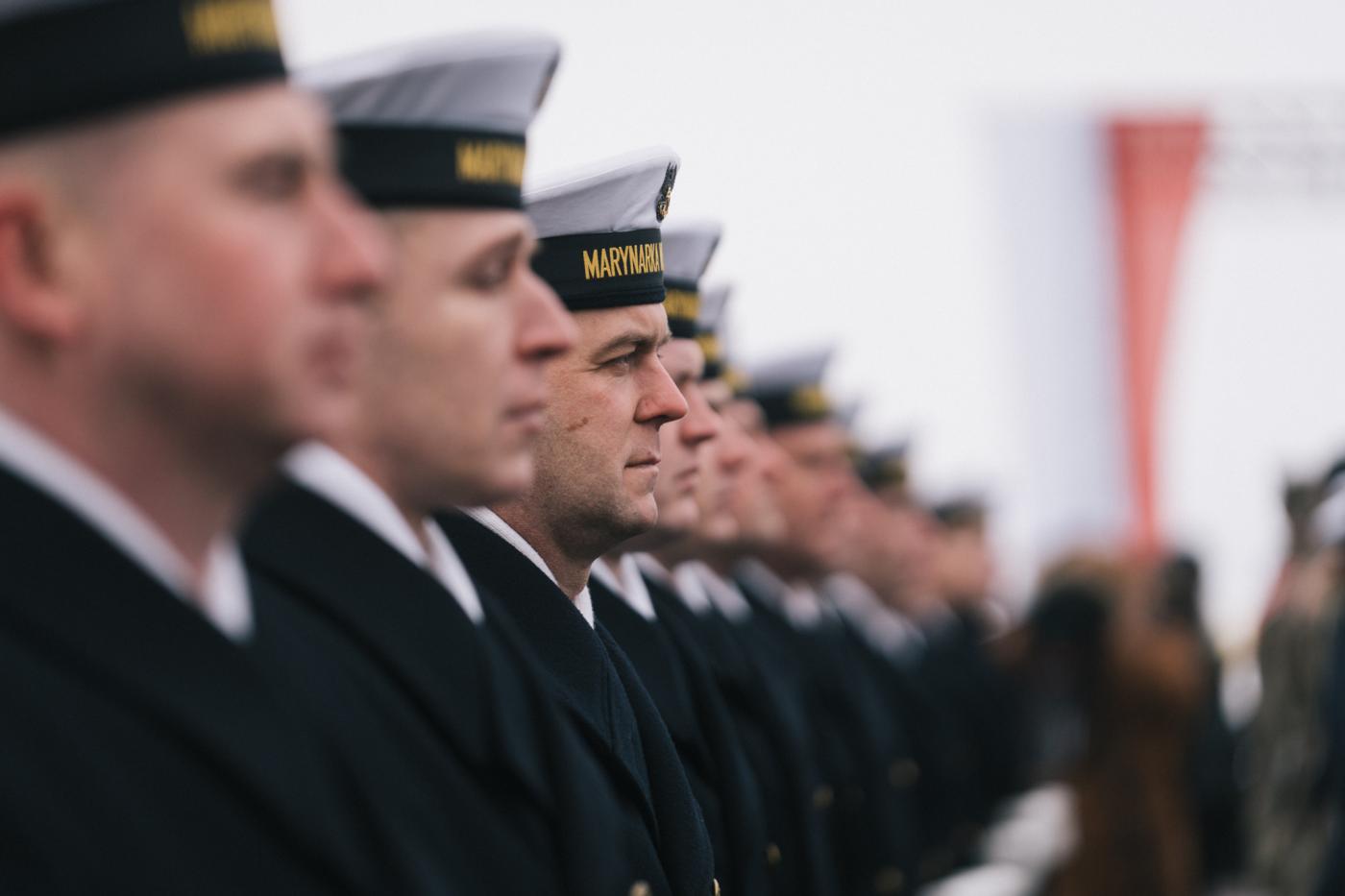
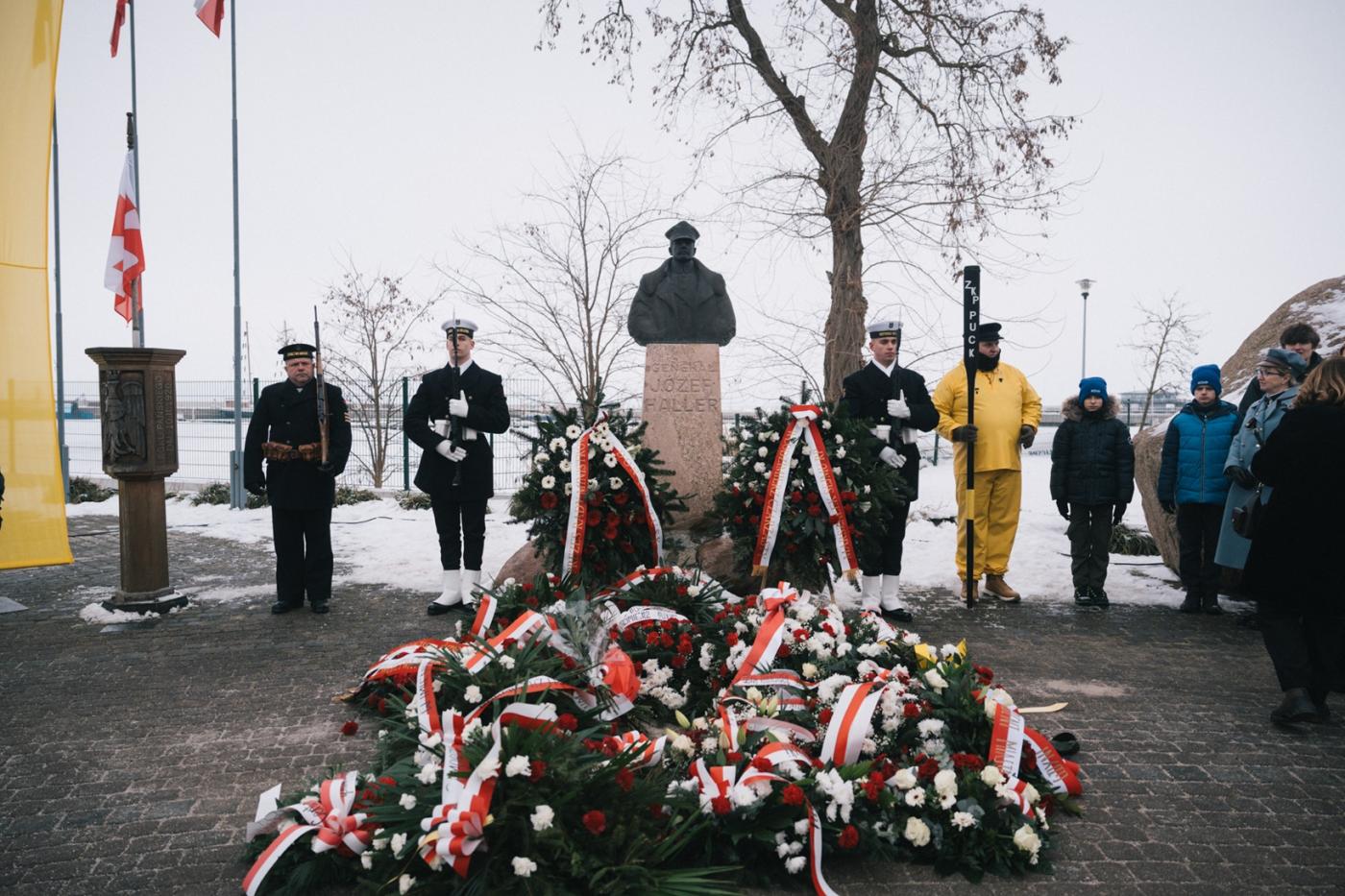
On February 10, 1920, General Józef Haller performed the first symbolic act of Poland’s wedding to the sea in Puck. 106 years later, on February 9, municipal celebrations of the event were held in Puck, attended by numerous government representatives, local residents, the Polish navy, and other services. The ceremonies took place without the president. Karol Nawrocki will participate in the next ceremony on February 10 and will then travel to Gdynia for the city’s centenary, continuing the historical tradition.
history marine lifestyle navy politics news09 february 2026 | 19:47 | Source: Gazeta Morska | Prepared by: Kamil Kusier | Print
fot. Urząd Marszałkowski Województwa Pomorskiego
A historical act that shaped the nation
The first symbolic wedding to the sea took place under harsh winter conditions. General Haller cast a platinum ring into the waters of Puck Bay, engraved with “Gdańsk – Puck 10 February 1920.” The ceremony included a mass, blessing of the naval ensign, flag raising, and a cannon salute. Haller arrived on horseback, accompanied by Uhlans, and the following day went out to the open sea with Kashubian fishermen, repeating the symbolic act.
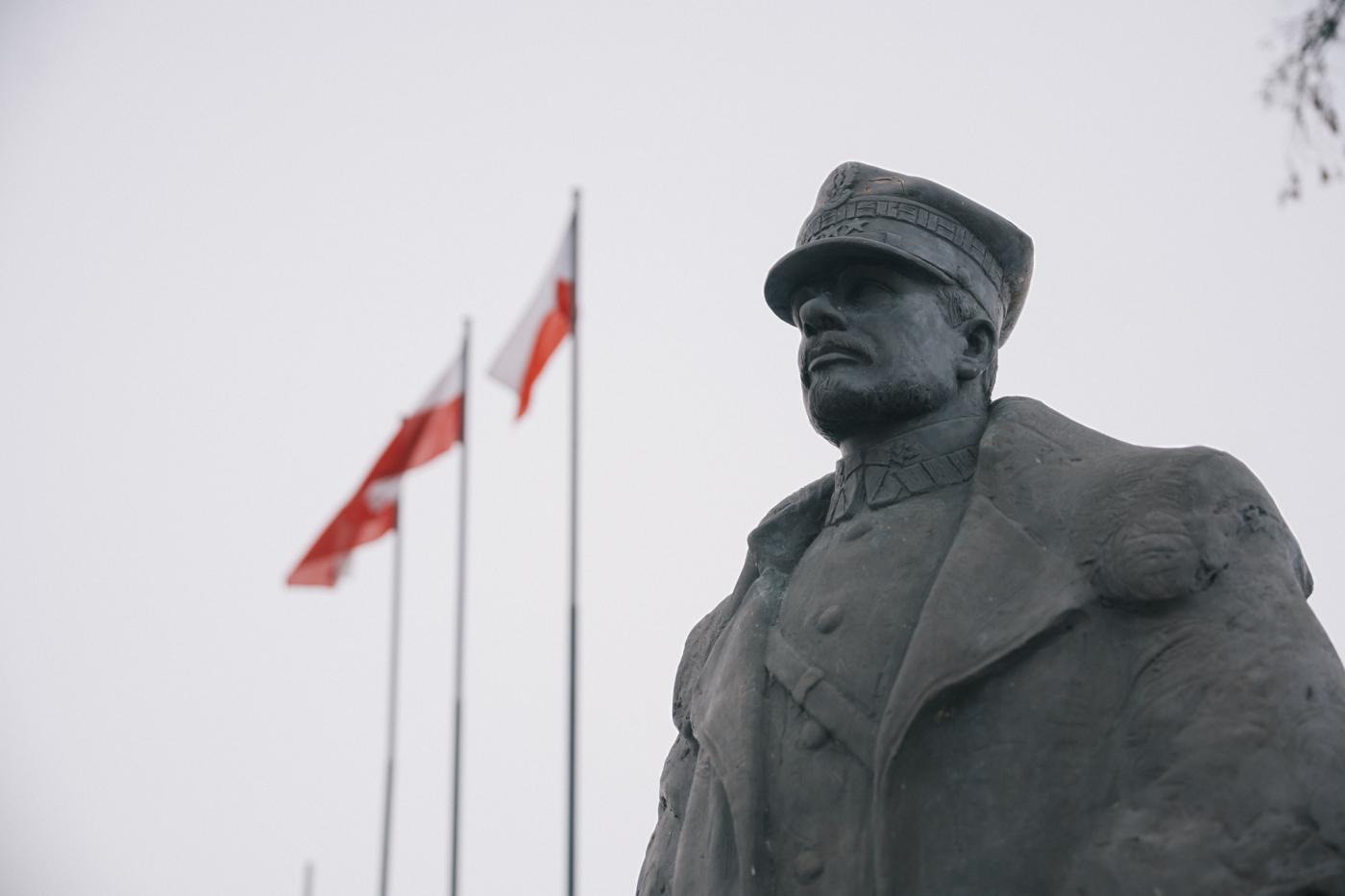
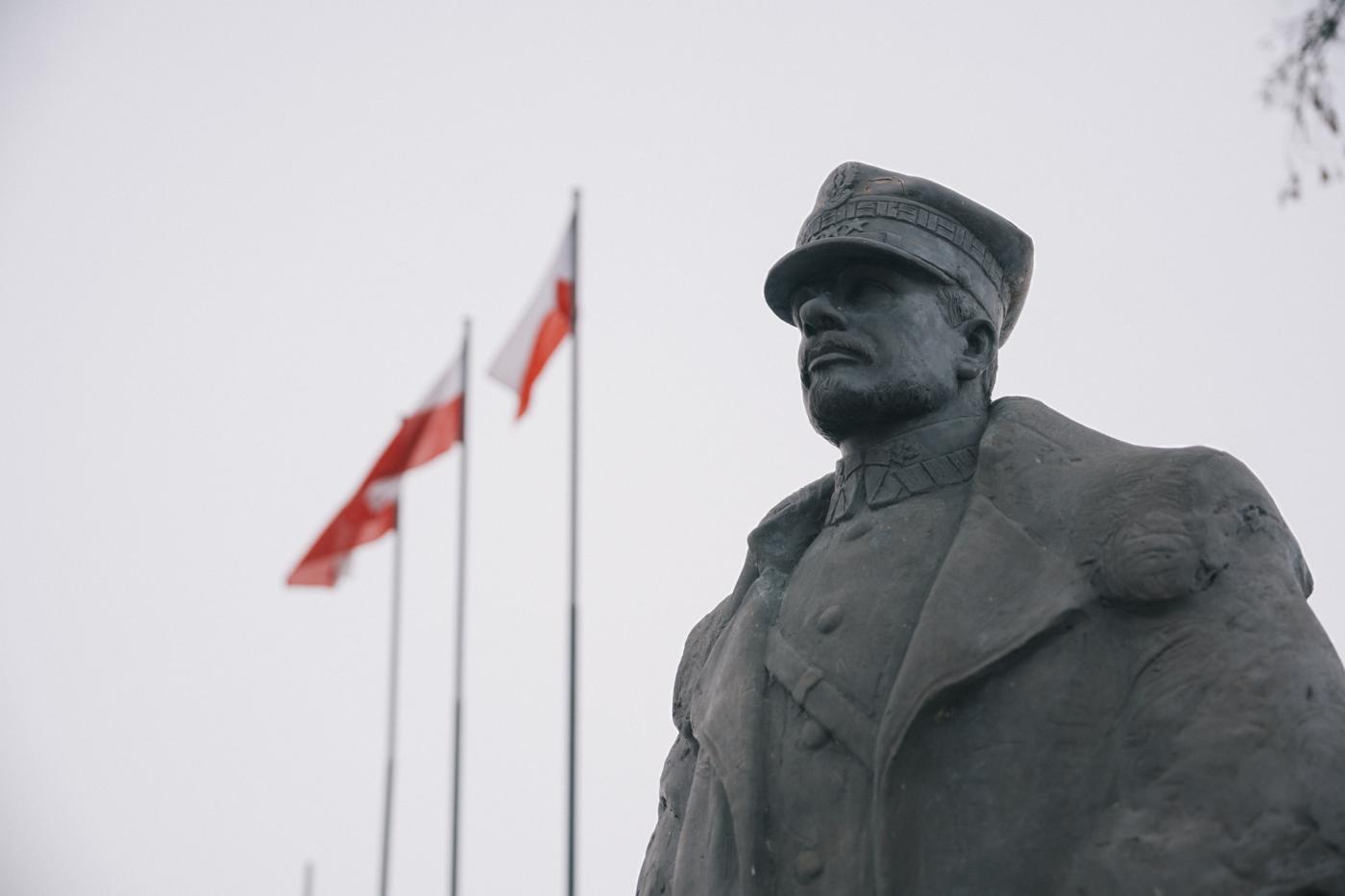
For the residents of Pomerania, especially the Kashubians, this was a moment of immense significance. At that time, Poland had only around 140 km of sparsely developed coastline and no port infrastructure. The memory of the first wedding to the sea is still commemorated in Puck through a memorial column, a monument to General Haller, and paintings by Wojciech Kossak and Julian Fałat.
- On February 10, 1920, General Haller performed the act of Poland’s wedding to the sea, casting a ring into the waters of Puck Bay. It was an extremely important moment in Poland’s history – a symbol of regaining access to the sea after years of partition, says Jacek Karnowski, deputy minister and member of parliament.
Symbolic significance for Poland and the maritime economy
The wedding to the sea became a catalyst for building a modern maritime economy. A few years later, the construction of the port of Gdynia began, quickly transforming it into one of the most modern ports on the Baltic.
- The wedding to the sea symbolized the recovery of Poland’s access to the Baltic and the country’s turn toward the sea, emphasizes Marcin Skwierawski, deputy marshal of the Pomeranian Voivodeship. - Since then, the maritime economy has developed – from the founding of Gdynia to the present day, becoming a cornerstone of national prosperity. Thanks to record investments and port throughput, Poland has joined the 20 largest economies in the world.
Access to the Baltic remains a key element of national security. Modern ports, logistics infrastructure, and the development of the commercial fleet and offshore wind energy form a strategic foundation for Poland.
- Without these events, we would not have today’s strong maritime economy and thriving ports. Access to the Baltic is crucial for our economic, military, and energy security, says Arkadiusz Marchewka, deputy minister of infrastructure. - Poland’s maritime economy is on a strong course and remains a strategic pillar of the state.
The Polish navy notes that the legacy of the first wedding to the sea is still carried out in service to the nation: Poland is a maritime country, and its development and security remain closely tied to the sea.
- This is one of those moments that reminds us how important freedom and sovereignty are, adds Rafał Siemaszko, member of parliament. - Poland’s return to the Baltic was a symbol of regained independence and national pride. Today, we draw strength from this history to serve our country.
Puck – the first base of maritime Poland and Kashubian heritage
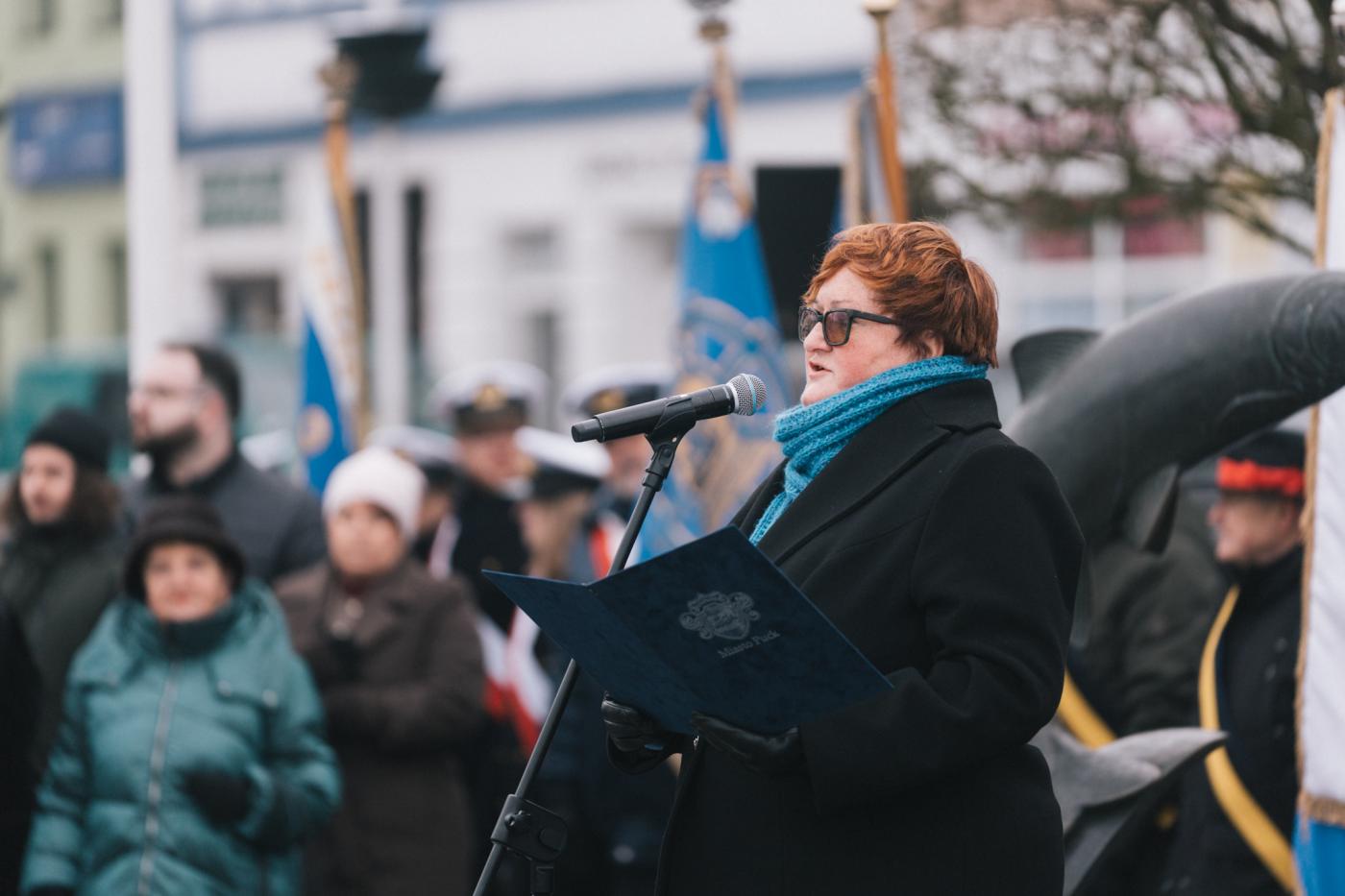
- We want to recall the euphoria of that moment and honor those who, during the partitions, faithfully protected our sea, says Hanna Pruchniewska, mayor of Puck.
The mayor emphasized the historical significance of the town:
- Puck was the first port of the reborn Republic of Poland. It was home to the first maritime aviation base and the naval air squadron. The Polish navy had its headquarters here, and its first ships were stationed in Puck. For six years, the town hosted the command of the naval port.
She also highlighted the role of Kashubian heritage and the contribution of local residents in preserving language, culture, and traditions:
- We are proud of our ancestors, who protected the Baltic coast, resisted Germanization, and preserved their language, culture, customs, and values through years of occupation. These values guide us – the next generations of Kashubians – in our daily lives. The past was not always easy. Often we were undervalued, hurt by words and actions, yet we did not give up. We endured, we developed, and we remain determined.
February 10, 2026: Puck and Gdynia – the centenary of the port city
The next ceremony will take place on February 10, 2026. The event in Puck will be attended, among others, by the President of Poland, after which he will travel to Gdynia for a ceremonial city council session marking the 100th anniversary of the city’s rights.
- This will symbolically close a hundred-year journey – from the first act of the Wedding to the Sea, through the development of the port and the city, to today’s Gdynia as a key hub of Poland’s maritime economy, emphasize the organizers of the February 10 events in Puck, highlighting the significance of this date for the Kashubian community and the entire Pomerania region.
Buy us a coffee, and we’ll invest in great maritime journalism! Support Gazeta Morska and help us sail forward – click here!
Kamil Kusier
redaktor naczelny
gallery

comments
Add the first comment
see also
137 years since the Apia cyclone in Samoa: a lesson for modern shipping
Polish Navy retires prototype minesweeper ORP Gopło after 44 years of service
Commander Maciej Janiak award. Honouring those who build maritime Poland
55 Years of the 3rd Ship Flotilla. A pillar of the Polish Navy
March 1: Remembering the “cursed soldiers”. A legacy that also resonates with today’s navy
Gdynia at 100: ceremonial city council session highlights Poland’s maritime strategy
Poland’s wedding to the sea in Puck: President Karol Nawrocki commemorates 106th anniversary
Gdynia at 100: A Strategic port city celebrates its maritime identity
A city designed from the sea. one hundred years of Gdynia as a project ahead of its time
IPN Gdańsk highlights maritime cities and port heritage in its 2026 programme
ADVERTISEMENT
ADVERTISEMENT