









They need a breakthrough, so their families are building one. A gene therapy project targets rare SLOS disorder
In the world of rare diseases, progress is often measured in decades—if it comes at all. For families of children diagnosed with Smith-Lemli-Opitz Syndrome (SLOS), time is a luxury they simply do not have.
In brief
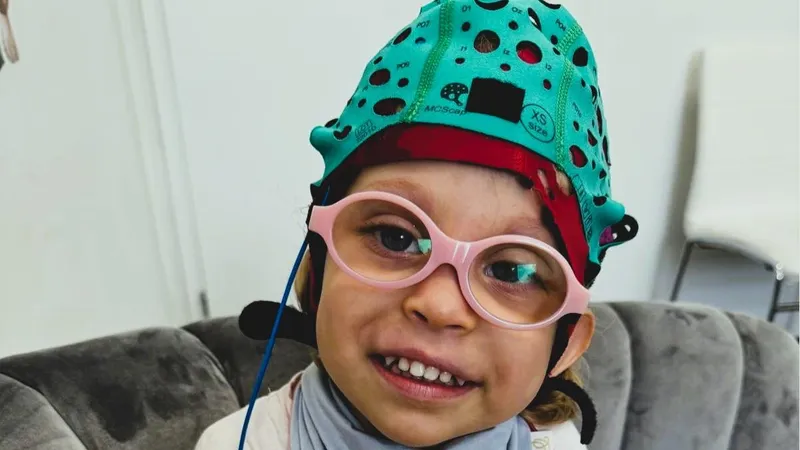
The Purestone Foundation, together with parents of children with Smith-Lemli-Opitz syndrome, is raising funds to create the first gene therapy for SLOS patients. The cost of creating the gene vector, a key element of the therapy, is around 2 million zlotys, and the whole project up to the first clinical trials may consume as much as 5 million euros. The therapy is to deliver a correct copy of the damaged gene to cells, which could trigger natural cholesterol production. Laboratory work is under way and the first prototype of the solution has already been developed.
SLOS is a severe genetic disorder that disrupts the body’s ability to produce cholesterol, a molecule essential for brain development and cellular function. The consequences are devastating: profound neurological impairment, feeding difficulties, developmental delays, and lifelong disability. There is currently no approved cure.
Faced with this reality, a group of parents - united under the Purestone Foundation - has taken an extraordinary step. Rather than waiting for the pharmaceutical industry to act, they have initiated a project to develop a gene therapy from the ground up.
Their partner in this effort is Prof. Leszek Lisowski, a Polish scientist working at the Children’s Medical Research Institute (CMRI) in Sydney, Australia, with expertise in gene delivery technologies. The proposed therapy is based on an adeno-associated viral (AAV) vector designed to deliver a functional copy of the defective gene directly into patients’ cells, potentially restoring endogenous cholesterol synthesis.
Early-stage laboratory work is already underway, and at least one prototype vector has reportedly been developed—an encouraging signal in a field where technical feasibility is often the first major hurdle. However, translating this into a clinical-grade therapy requires substantial funding.
The current fundraising goal—approximately PLN 2 million—covers the development and production of a research-grade vector necessary to advance into preclinical and early clinical evaluation. The total projected cost of the program, including initial trials in a small patient cohort, is estimated at around €5 million.
This initiative reflects a broader shift within the rare disease ecosystem: patient-led innovation. As traditional drug development pathways often overlook ultra-rare conditions due to limited commercial viability, affected communities are increasingly organizing, funding, and even co-developing therapeutic strategies.
Still, the risks are significant. Gene therapy development is complex, highly regulated, and inherently uncertain. There is no guarantee of clinical success. Yet for these families, inaction is not an option.
The project has been opened to public support through an online crowdfunding campaign, inviting individuals and organizations to contribute to what could become a first-in-class therapy for SLOS.
For industry observers, this effort underscores both the limitations of current market-driven R&D models and the growing role of grassroots initiatives in shaping the future of precision medicine.
For the families involved, the goal is far simpler: to give their children a chance at life.
Support the project: click here.
In rare diseases, breakthroughs don’t always come from the system. Sometimes, they begin with those who refuse to wait.
Source: Gazeta Morska · Compiled by: Kamil Kusier
Related articles
 Safety and rescue Polish SAR’s new rescue vessel Mistral launched at Kewatec in Finland
 Safety and rescue Icelandic Coast Guard and police delegation visits Polish Border Guard’s Maritime Division
 Safety and rescue Polish Navy helicopter evacuates man from Baltic platform 100 km off Władysławowo
 Navy and defence SNMG2 joins Allied warships in PASSEX as Italy's Mare Aperto 2026 gets under way
 Safety and rescue From lightships to solar power: 160 years of the Grundkallen light station
 Education 254 people, manikins and life rafts: Maritime University of Szczecin joins national CPR record attempt
Comments (0)
The discussion is moderated by the editors: a comment appears after review. Your e-mail address is not published.
Nobody has commented on this article yet.