









Strait of Hormuz traffic collapses by over 90% as security crisis intensifies Select 88 more words to run Humanize
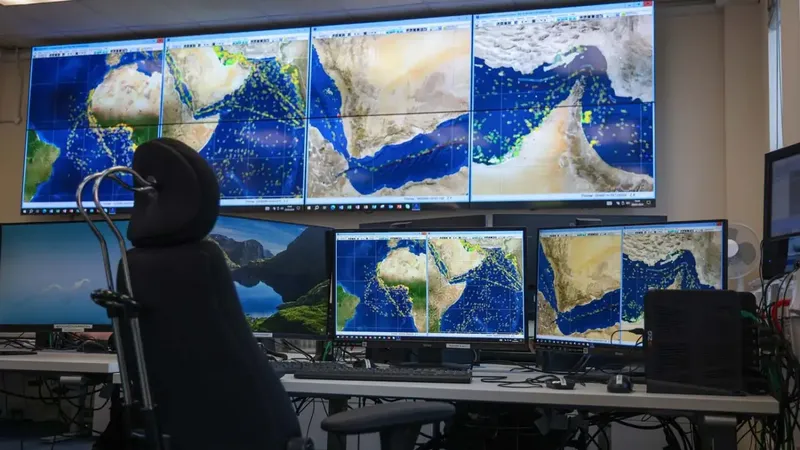
Shipping through the Strait of Hormuz has dropped by more than 90%, according to data from UK Maritime Trade Operations, marking one of the most severe disruptions to global seaborne trade in recent years.
In brief
Shipping traffic through the Strait of Hormuz has fallen by more than 90 percent as a result of escalating tensions in the Middle East, UK Maritime Trade Operations reported. At the start of the year an average of around 130 vessels a day passed through the strait, currently fewer than ten, and from 1 March to 27 April 41 security incidents were recorded, including 26 direct attacks on merchant ships or crews. Between 850 and 870 large merchant vessels remain in the Persian Gulf with around 20 thousand seafarers on board. Jo Black, head of operations at UKMTO, pointed to the enormous stress on civilian crews.
Before the current escalation, approximately 130 vessels per day transited the strait. Today, that number has fallen to fewer than ten, effectively rendering one of the world’s most critical energy corridors partially inoperative.
Surge in maritime incidents
Between 1 March and 27 April, UKMTO recorded 41 significant security incidents in the region, including:
- 26 attacks resulting in damage or casualties to vessels or crew,
- multiple harassment events affecting merchant shipping,
- several near-miss encounters involving missiles, drones, and small arms fire.
The escalation has forced many operators to suspend transits or delay voyages, while others remain anchored inside the Gulf awaiting safer conditions.
Hundreds of vessels effectively stranded
Current estimates indicate that between 850 and 870 large commercial vessels—including tankers, LNG carriers, and container ships—are now operating within Gulf waters with limited ability to exit. Around 20,000 seafarers are believed to be onboard these ships, facing prolonged deployment periods without crew rotation.
The situation is raising growing concern over both operational safety and crew welfare.
"A terrifying experience for civilian crews"
Jo Black described the nature of recent incidents in stark terms:
- The most distressing calls are those from ships under attack. It’s an absolutely terrifying experience for them – they’re civilians, they’re not prepared for this – drones, missiles, small arms fire aimed at their bridge or engine room, and threats to their safety – so they’re stressed, many speak only very rudimentary English and they’re trying to describe things often beyond their comprehension.
She added that UKMTO personnel are focused on stabilising communications with vessels under attack and ensuring rapid dissemination of verified information to the wider maritime community.
Strategic implications for global trade
The Strait of Hormuz remains a critical artery for global energy flows, handling a significant share of global crude oil and LNG exports. Any sustained disruption is expected to have immediate knock-on effects on:
- global energy pricing,
- freight and insurance premiums,
- supply chain reliability across Asia, Europe, and beyond.
Industry participants are already reporting increased war-risk insurance costs and a growing reluctance among some operators to transit the region.
Secondary risks emerging
Security analysts also warn of potential spillover effects, including a resurgence of piracy activity in other maritime corridors, particularly off the Horn of Africa, where naval attention may be partially diverted.
The evolving situation suggests a broader destabilisation of maritime security architecture across the wider Middle East and Western Indian Ocean region, with no clear timeline yet for a return to normal traffic conditions.
Source: Gazeta Morska · Compiled by: Kamil Kusier
Related articles
 Safety and rescue Polish SAR’s new rescue vessel Mistral launched at Kewatec in Finland
 Safety and rescue Icelandic Coast Guard and police delegation visits Polish Border Guard’s Maritime Division
 Safety and rescue Polish Navy helicopter evacuates man from Baltic platform 100 km off Władysławowo
 Navy and defence SNMG2 joins Allied warships in PASSEX as Italy's Mare Aperto 2026 gets under way
 Safety and rescue From lightships to solar power: 160 years of the Grundkallen light station
 Education 254 people, manikins and life rafts: Maritime University of Szczecin joins national CPR record attempt
Comments (0)
The discussion is moderated by the editors: a comment appears after review. Your e-mail address is not published.
Nobody has commented on this article yet.