









Poland advances integration with NATO fuel pipeline system. Pre-design phase launched for strategic fuel storage
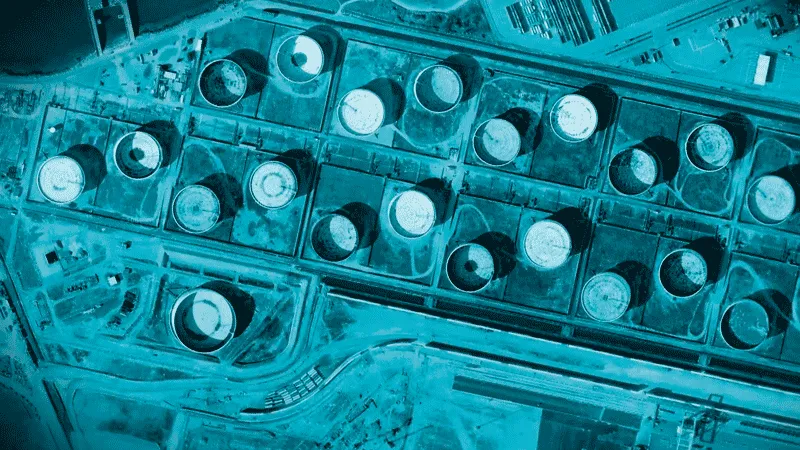
Poland has entered a new phase in its integration with NATO’s fuel pipeline infrastructure, as the NATO Investment Division has signed a contract for pre-design documentation covering the expansion of fuel storage facilities in three locations. The project is being carried out in cooperation with PERN and represents a key step in strengthening both national energy security and allied logistical capabilities.
In brief
The NATO Investment Facility (Zakład Inwestycji Organizacji Traktatu Północnoatlantyckiego) signed in April a contract for preliminary design documentation for the expansion of fuel depots at three locations, opening the way to connecting Poland to the CEPS system. PERN, which manages a network of more than 2.5 thousand km of pipelines and 23 storage depots in Poland, provides substantive and operational support. The work continues the agreement between PERN and the NATO Investment Facility of October 2025.
Groundwork for CEPS integration
The agreement, signed in April, includes the development of technical, functional, and organizational assumptions for the planned expansion of storage and distribution infrastructure. This preparatory phase will define implementation variants and provide the analytical foundation for future investment decisions, enabling Poland’s connection to NATO’s Central Europe Pipeline System (CEPS).
– The launch of pre-design work marks an important step in the development of technical infrastructure for the Alliance and Poland’s integration with the CEPS system. At this stage, precise definition of the expansion scope and technical conditions of future installations is crucial. This will allow us to properly prepare subsequent project phases and mitigate risks – said Col. Mariusz Zyglarski, Director of the NATO Investment Division.
PERN brings operational expertise
A central role in the project is played by PERN, which provides technical expertise and operational know-how in fuel infrastructure management. The company’s experience in executing large-scale infrastructure projects is expected to support efficient project delivery.
– PERN has extensive experience in delivering large infrastructure projects, supported by strong technical resources and a team of experts. This enables us to execute complex investments such as the current expansion of storage and distribution infrastructure for NATO – said Mateusz Stańczyk, Chief Technical Officer at PERN.
Strategic priority for resilience
The integration project aligns with PERN’s broader strategy to enhance the resilience of Poland’s fuel system and improve interoperability with allied infrastructure.
– The integration of PERN’s system with NATO infrastructure is currently one of our top priorities and fits well into our efforts to strengthen the resilience of the national fuel system – said Daniel Świętochowski, President of the Management Board of PERN. – We are consistently expanding our logistics and storage infrastructure to reinforce Poland’s energy security, support stable economic operations, and improve customer service quality.
Implications for the maritime sector
From a maritime and energy logistics perspective, the project carries significant long-term implications. Integration with CEPS is expected to enhance supply flexibility, strengthen the operational security of critical infrastructure, and reinforce Poland’s position as a strategic logistics hub in the Baltic Sea region.
The development of fuel storage capacities and their connection to allied systems may also improve supply stability for ports and support the growth of intermodal and maritime fuel logistics chains.
Continued cooperation framework
The current phase follows a preliminary agreement signed in October 2025 between PERN and the NATO Investment Division, which established the framework for cooperation, defined responsibilities, and outlined project milestones.
PERN currently operates over 2,500 km of crude oil and fuel pipelines and manages 23 storage terminals across Poland, forming the backbone of the country’s fuel logistics system. The NATO Investment Division, reporting to the Ministry of National Defence, is responsible for the preparation, implementation, and supervision of NATO infrastructure projects in Poland.
The integration with CEPS is poised to become one of the most significant infrastructure undertakings in the region, combining energy security objectives with defense and logistics capabilities critical to NATO operations.
Source: Gazeta Morska · Compiled by: Kamil Kusier
Related articles
 Safety and rescue Polish SAR’s new rescue vessel Mistral launched at Kewatec in Finland
 Safety and rescue Icelandic Coast Guard and police delegation visits Polish Border Guard’s Maritime Division
 Safety and rescue Polish Navy helicopter evacuates man from Baltic platform 100 km off Władysławowo
 Navy and defence SNMG2 joins Allied warships in PASSEX as Italy's Mare Aperto 2026 gets under way
 Safety and rescue From lightships to solar power: 160 years of the Grundkallen light station
 Education 254 people, manikins and life rafts: Maritime University of Szczecin joins national CPR record attempt
Comments (0)
The discussion is moderated by the editors: a comment appears after review. Your e-mail address is not published.
Nobody has commented on this article yet.