









OPLS at the naval port in Gdynia. Polish Navy enhances CBRN contamination mitigation procedures
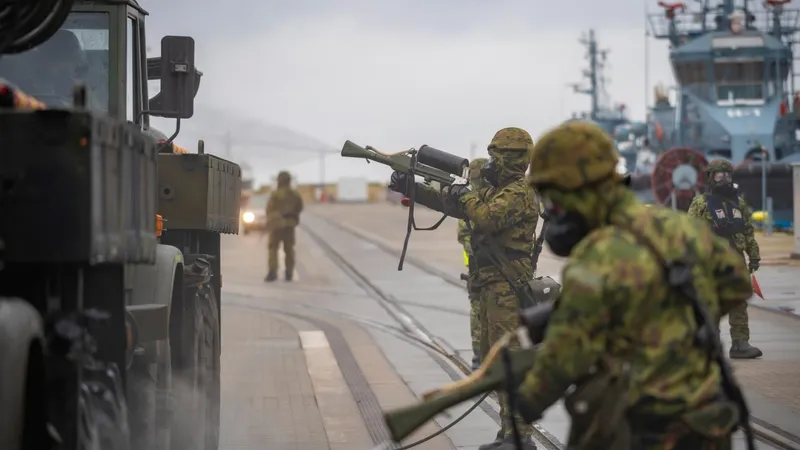
Advanced chemical, biological, and radiological (CBRN) contamination mitigation exercises were conducted at the naval port in Gdynia. The joint operation, involving chemical specialists from the 43rd Sappers Battalion and the crew of ORP Ślązak, aimed to refine threat identification protocols and enhance decontamination procedures aboard Polish Navy vessels.
In brief
Chemical, biological and radiological decontamination exercises were held at the Gdynia Naval Port with chemical specialists of the 43rd Engineer Battalion and the crew of ORP Ślązak. During the training a full decontamination process was carried out, covering identification of the contamination, designation of safety zones and the use of specialised neutralising agents. The shipboard Decontamination Point is intended to enable rapid detection of contamination and a swift return of the vessel to operational activity. Refining the procedures forms part of the strategy to increase the operational resilience of NATO naval forces.
The onboard contamination mitigation station (OPLS) is a key component of the navy’s defense system against CBRN threats. Its primary mission is the rapid detection of hazardous contamination, followed by effective decontamination, ensuring the vessel’s swift return to operational readiness.
The exercise encompassed a full decontamination cycle, including contamination identification, safety zone designation, and the application of specialized neutralizing agents. Regular training of this nature plays a crucial role in maintaining the operational readiness of naval units and ensuring the safety of their crews.
What is CBRN and what threats does it cover?
CBRN stands for chemical, biological, radiological, and nuclear threats. This term refers to hazardous substances and situations that pose serious risks to people, the environment, and infrastructure.
Types of CBRN threats:
- C (chemical) – Chemical substances, including chemical warfare agents (e.g., sarin, mustard gas) and toxic industrial chemicals.
- B (biological) – Biological warfare agents, pathogens (e.g., viruses, bacteria, toxins) capable of causing epidemics.
- R (radiological) – Radioactive materials, radiation contamination from accidents or terrorist attacks.
- N (nuclear) – Nuclear explosions, reactor failures, and fallout effects.
Armed forces, emergency response teams, and specialized military units (e.g., military chemists) train to identify, neutralize, and protect against such threats.
The continuous improvement of contamination mitigation procedures aligns with NATO’s strategy for enhancing the operational resilience of naval forces. Cooperation between specialized military units and the integration of modern CBRN protection technologies form the foundation of effective defense against chemical, biological, and radiological hazards.
Source: Gazeta Morska · Compiled by: Kamil Kusier
Related articles
 Safety and rescue Polish SAR’s new rescue vessel Mistral launched at Kewatec in Finland
 Safety and rescue Icelandic Coast Guard and police delegation visits Polish Border Guard’s Maritime Division
 Safety and rescue Polish Navy helicopter evacuates man from Baltic platform 100 km off Władysławowo
 Navy and defence SNMG2 joins Allied warships in PASSEX as Italy's Mare Aperto 2026 gets under way
 Safety and rescue From lightships to solar power: 160 years of the Grundkallen light station
 Education 254 people, manikins and life rafts: Maritime University of Szczecin joins national CPR record attempt
Comments (0)
The discussion is moderated by the editors: a comment appears after review. Your e-mail address is not published.
Nobody has commented on this article yet.