Large oceanic MPAs effectively safeguard threatened species: research from Chagos Archipelago
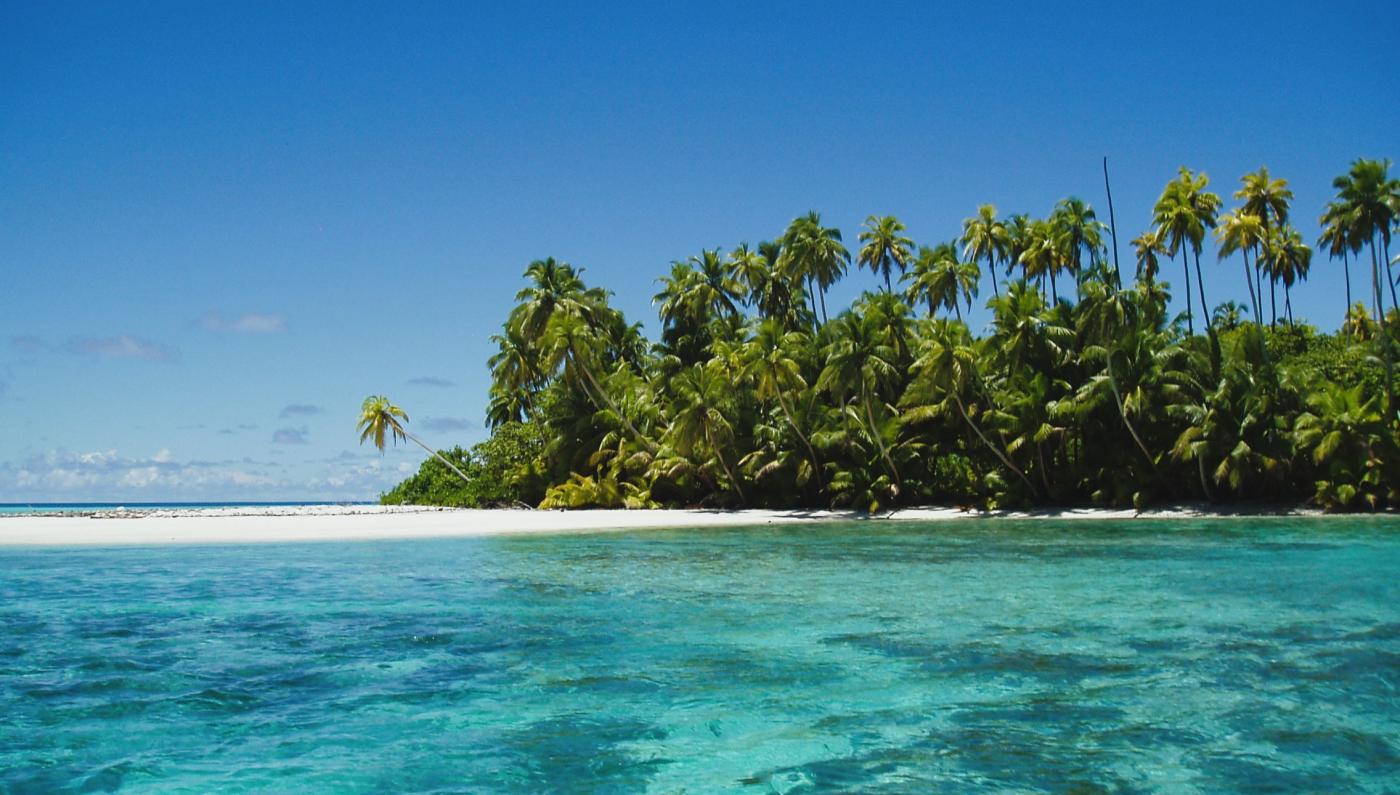
Recent research conducted around the Chagos Archipelago in the Indian Ocean provides compelling evidence that expansive Marine Protected Areas (MPAs) play a critical role in conserving large, migratory marine species. Published in the Journal of Applied Ecology, the study by scientists from the University of Exeter and Heriot-Watt University highlights the strategic importance of such MPAs in meeting international marine conservation targets.
ecology marine lifestyle worldwide news10 august 2025 | 10:06 | Source: Gazeta Morska / PAP | Prepared by: Oskar Wojciechowski | Print
fot. Wikimedia Commons
Very large MPAs—defined as areas exceeding 100,000 square kilometers—are considered vital to achieving global goals such as protecting 30 percent of the ocean by 2030. However, their conservation effectiveness has been the subject of debate. Dr. Alice Trevail, lead author of the study, emphasizes that their findings offer clear evidence of the significance of the Chagos MPA for safeguarding diverse, large, and mobile marine species.
The research team tracked the movements of green turtles, reef manta rays, and three seabird species: red-footed boobies, brown boobies, and sooty terns. These large species play essential roles in marine ecosystems, from regulating populations to facilitating nutrient transport across vast oceanic areas, notes Dr. Ruth Dunn of Heriot-Watt University.
Analysis revealed that even with an MPA area reduced to 100,000 km², 97 percent of manta ray habitats and 94 percent of turtle habitats would remain protected. For seabirds, however, only 59 percent of critical habitats would be included, underscoring the need to consider species-specific requirements when delineating MPA boundaries.
The Chagos Archipelago, soon to be administered by Mauritius, exemplifies effective large-scale marine conservation. The study not only confirms the value of large MPAs but also identifies priority zones for long-term protection efforts, according to Dr. Dunn.
- Such discoveries are only possible through interdisciplinary collaboration, comments Ernesto Bertarelli, Chairman of the Bertarelli Foundation, which funded the research. - The results demonstrate how truly large marine protected areas can provide vital protection for threatened species throughout their life cycles.
see also
Buy us a coffee, and we’ll invest in great maritime journalism! Support Gazeta Morska and help us sail forward – click here!
Oskar Wojciechowski
redaktor
comments
Add the first comment
see also
Winter periscope mode and sandbanks instead of ice: how seals rest in the southern Baltic
Baltic Sea water levels at a record low: a meteorological-oceanographic anomaly with major implications
PLN 15 million allocated for beach nourishment along Poland’s Baltic coast
Dolphins spotted in Szczecin: rare observation near the Pioneers’ Bridge ahead of Christmas
Beka nature reserve: protecting coastal heritage with support from WFOŚiGW Gdańsk
Marina Szafarnia deploys new PortBin through joint business-GOS initiative
The sound of heavy boots: summer season begins at Poland’s Arctowski Station
Bird monitoring confirms low impact of Baltic 2 offshore wind farm on local avifauna
Dead seal washed ashore on Ustka’s western beach. Marine organisations urge public to report, not approach
SG-301 General Józef Haller drills oil spill response off Gdynia
ADVERTISEMENT
ADVERTISEMENT