Contaminated waters force beach closures along U.S. East Coast
The Labor Day weekend, traditionally marking the end of the summer season in the United States, coincided this year with widespread reports of ocean water contamination. From Maine down to Florida, authorities issued warnings or outright closures of beaches due to elevated levels of fecal bacteria, which can cause nausea, rashes, and gastrointestinal illness in swimmers.
ecology worldwide marine tourism and recreation news01 september 2025 | 08:11 | Source: Gazeta Morska / PAP | Prepared by: Andrzej Dobrowolski | Print
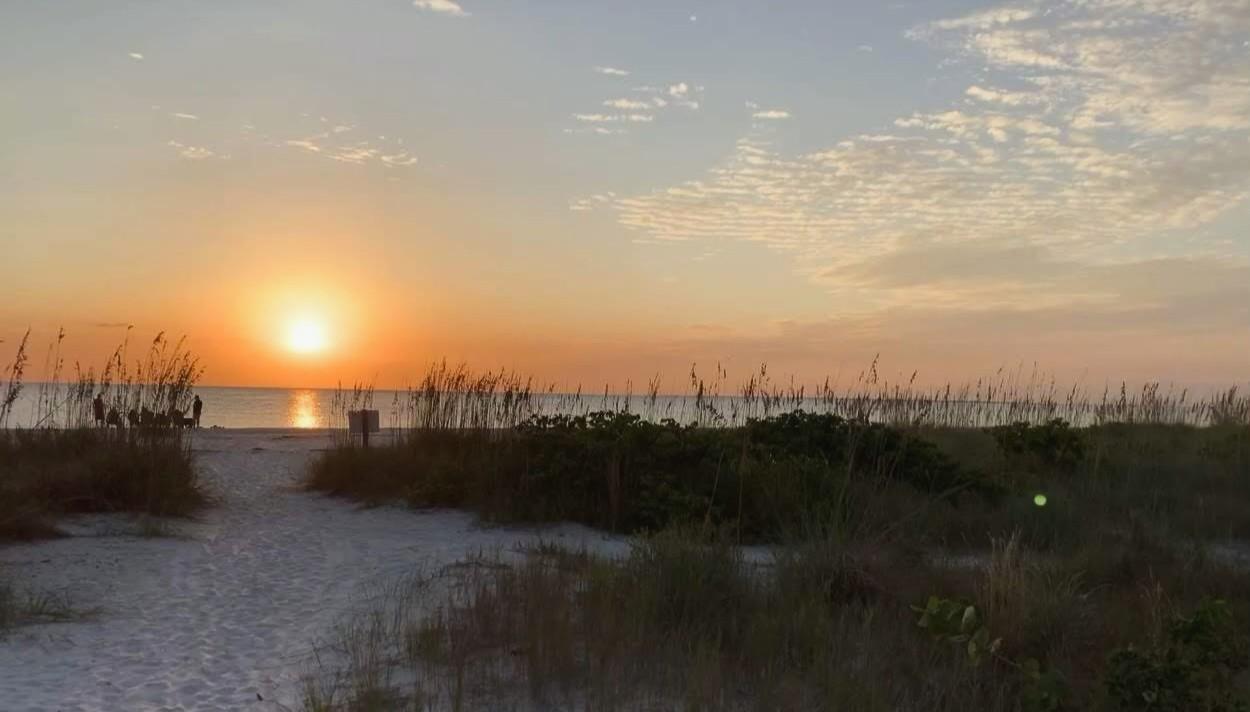
fot. Wikimedia Commons
mong the affected sites were well-known tourist destinations such as Keyes Memorial Beach in Hyannis on Cape Cod, Massachusetts, and Benjamin’s Beach in Bay Shore on Long Island, New York.
Report highlights elevated health risks
A new report by Environment America (EA) assessed beach safety based on bacterial levels relative to standards set by the U.S. Environmental Protection Agency (EPA). According to the findings, exposure to contaminated water at current levels could result in illness for 32 out of every 1,000 bathers.
The issue is not isolated. In 2023, over 60 percent of U.S. beaches experienced potentially unsafe contamination levels at least once, with 54 percent of East Coast beaches exceeding thresholds.
Aging infrastructure at the core
John Rumpler, senior attorney and clean water program director at EA, pointed to outdated sewage systems as the primary source of the problem.
- These beaches are treasures for families in New England and across the country. They are a common good. We must invest to ensure that our waste does not end up in the waters where we swim, John Rumpler told Fox News.
Weather intensifies the problem
In North Carolina, five beaches were placed under advisories in late August after water samples showed elevated bacterial concentrations. While not officially closed, state officials urged swimmers—particularly those with weakened immune systems—to exercise caution.
Erin Bryan-Millush, environmental quality department program manager, emphasized that heavy rainfall and storm systems, including Hurricane Erin, exacerbated the issue.
- Stormwater runoff carries everything to the shoreline, she explained.
Implications for the maritime sector
The scale of the closures underscores the urgent need for:
- Upgrading wastewater infrastructure to handle both volume and resilience,
- Comprehensive monitoring systems for coastal water quality, and
- Climate adaptation measures to manage increasingly intense storm events that accelerate pollutant runoff into marine environments.
For the maritime economy—where coastal recreation, tourism, and public health are directly tied to environmental quality—these findings highlight a pressing structural challenge.
Buy us a coffee, and we’ll invest in great maritime journalism! Support Gazeta Morska and help us sail forward – click here!
Kamil Kusier
redaktor naczelny
comments
Add the first comment
see also
Winter periscope mode and sandbanks instead of ice: how seals rest in the southern Baltic
Baltic Sea water levels at a record low: a meteorological-oceanographic anomaly with major implications
PLN 15 million allocated for beach nourishment along Poland’s Baltic coast
Dolphins spotted in Szczecin: rare observation near the Pioneers’ Bridge ahead of Christmas
Beka nature reserve: protecting coastal heritage with support from WFOŚiGW Gdańsk
Marina Szafarnia deploys new PortBin through joint business-GOS initiative
The sound of heavy boots: summer season begins at Poland’s Arctowski Station
Bird monitoring confirms low impact of Baltic 2 offshore wind farm on local avifauna
Dead seal washed ashore on Ustka’s western beach. Marine organisations urge public to report, not approach
SG-301 General Józef Haller drills oil spill response off Gdynia
ADVERTISEMENT
ADVERTISEMENT