Scottish government approves world’s largest offshore wind farm despite ecological concerns
The Scottish Government has granted planning permission for the construction of the Berwick Bank Wind Farm, set to become the largest offshore wind installation in the world. The decision comes just days after former U.S. President Donald Trump completed a private visit to Scotland, during which he sharply criticized wind power developments along the Scottish coast.
business power engineering investments worldwide offshore news01 august 2025 | 23:12 | Source: Gazeta Morska / PAP | Prepared by: Marta Zabłocka | Print
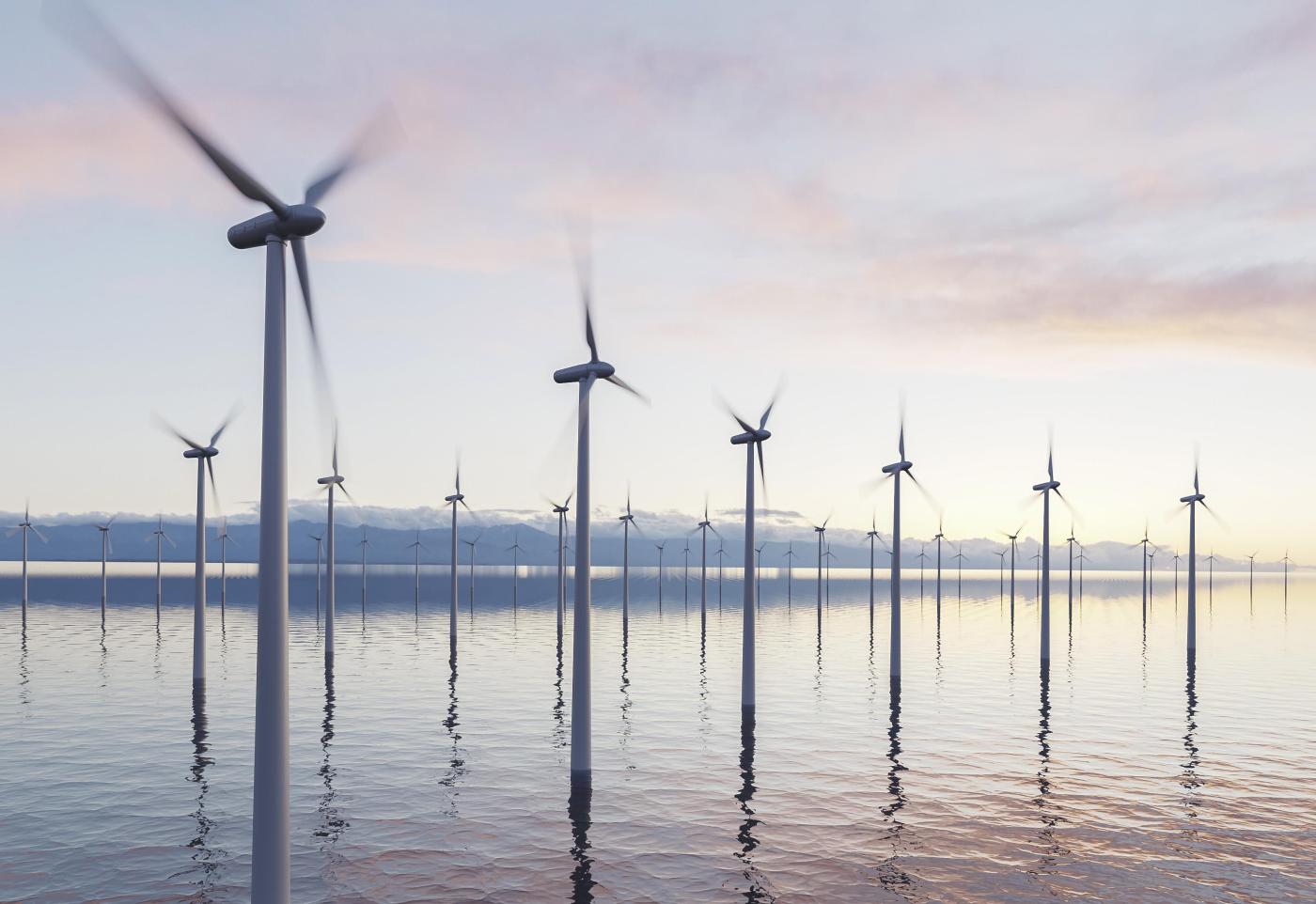
fot. Freepik
The Berwick Bank project, to be developed by SSE Renewables, will be located off the coast of East Lothian, southeast of Edinburgh. The site will feature 307 turbines and is projected to deliver up to 4.1 GW of renewable energy — enough to power twice the number of homes currently in Scotland, according to the developer.
The project is expected to bring substantial economic benefits, with SSE Renewables estimating up to £8 billion in value added to the UK economy and the creation of over 9,000 jobs throughout the project lifecycle. Completion is slated for 2030.
While the approval has been welcomed by many within the renewable energy sector as a key step toward the UK’s net-zero ambitions, the project has sparked opposition from environmental groups and wildlife advocates. Conservationists warn that the wind farm’s proximity — around 32 km — to internationally significant seabird colonies, including St. Abb’s Head and Bass Rock, could pose serious threats to native wildlife, particularly northern gannets.
According to an assessment reported by The Scotsman, the wind farm could result in over 30,000 bird collisions over its projected 35-year operational lifespan. Environmental campaigners highlight a concerning irony: a climate mitigation project potentially contributing to biodiversity loss.
SSE Renewables has been instructed to submit a mitigation strategy addressing the project's potential impact on seabirds, which must be approved by Scottish ministers before any construction can commence.
The timing of the announcement has drawn attention. Sky News noted that the decision was made just two days after Trump concluded his visit to Scotland, during which he labelled wind turbines “a scam” and “among the ugliest structures ever seen.” His comments are seen by some as being partly influenced by the proximity of his Turnberry golf resort to existing wind developments.
Trump reportedly raised his objections in a meeting with Scottish First Minister John Swinney earlier this week. According to local media, the conversation did little to sway government policy, marking what observers have described as an unsuccessful attempt at last-minute lobbying.
Despite controversy, the Berwick Bank Wind Farm represents a major milestone in the UK’s offshore wind strategy, reinforcing Scotland’s role as a global leader in renewable energy deployment — albeit with a renewed focus on ecological accountability.
Buy us a coffee, and we’ll invest in great maritime journalism! Support Gazeta Morska and help us sail forward – click here!
Redakcja Gazeta Morska
użytkownik
comments
Powielacie bzdury serwowane przez ekoświrów - cytuję "Mają one dostarczyć 4,1 GW mocy, co według szacunków wynosi dwa razy tyle, ile potrzeba do zasilenia każdego domu w Szkocji"4,1 GW mocy to jest moc zainstalowana, czyli maksymalna. W praktyce sprawność elektrowni wiatrowych na morzu to góra 30% a więc może dostarczy 1,2 GW ale też niekoniecznie, w zależności od tego czy wiatr będzie czy nie.
11:51
see also
Austal partners with Damen for local construction of LST 100 for Australian Army
The submarine contract of the decade? Canada weighs South Korea against Germany
Bechtel signs contract with Doraco for Poland’s first nuclear power plant
When two powers clash, Poland must be ready to act. Military security must be the priority
MON, Arka Gdynia and AMW sign letter of intent supporting "Green Industrial District - Kashubia" project
Mine countermeasure vessel Jaskółka begins sea acceptance trials
PEJ relocates headquarters to Pomerania. A strategic step in Poland’s nuclear power development
Radmor hosts delegation from the Republic of Turkey. Advancing maritime security cooperation
3D-printed catamaran: robotic manufacturing sets course for the future of small craft
Navantia and Fincantieri deepen cooperation on the european patrol corvette programme
ADVERTISEMENT
ADVERTISEMENT