UK sets offshore wind auction record. Offshore beats gas and nuclear on price
The United Kingdom has announced the results of the largest offshore wind auction ever held in Europe, awarding 8.4 GW of capacity – enough to power more than 12 million households. The outcome of the AR7 auction round confirms offshore wind as the most competitive large-scale clean power technology, outperforming both gas-fired and nuclear generation on cost.
business power engineering maritime economy worldwide offshore news29 january 2026 | 10:58 | Source: Gazeta Morska | Prepared by: Kamil Kusier | Print
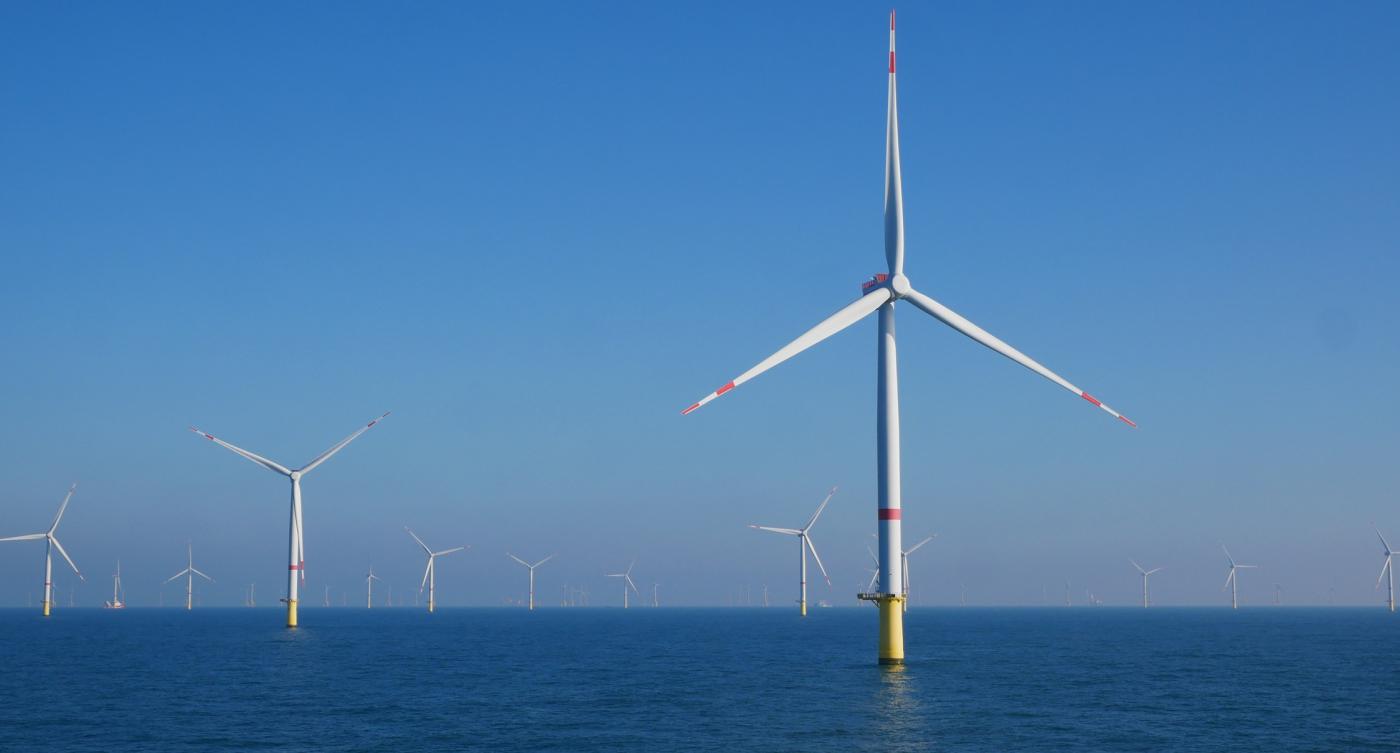
fot. PSEW
Record capacity and strong competition
The auction attracted nine offshore wind projects with a total capacity of 24 GW, making it the most competitive offshore wind auction in Europe to date. Contracts for Difference (CfDs) were awarded to:
- six bottom-fixed offshore wind farms with a combined capacity of 6.2 GW,
- two floating offshore wind projects totaling approximately 200 MW.
Strike prices for bottom-fixed projects ranged between £89.49/MWh in Scotland and £91.20/MWh in England and Wales (approximately €433–442/MWh).
By comparison, according to Carbon Brief, the levelised cost of electricity from a new nuclear power plant in the UK is around £124/MWh, while gas-fired generation costs approximately £147/MWh.
Offshore wind drives down electricity bills
Electricity generated by the newly awarded 8.4 GW of offshore wind capacity is expected to deliver annual savings of nearly £1.7 billion for UK consumers compared to alternative energy sources.
Analysis by Aurora Energy Research indicates that offshore wind could reduce household electricity bills by around £20 per year by 2035, compared with a gas-based system. Meanwhile, the Energy and Climate Intelligence Unit estimates that without wind generation, wholesale electricity prices in 2025 would be 46% higher, reaching £121/MWh instead of £83/MWh.
Political backing and long-term vision
– These results confirm offshore wind as the most competitive large-scale clean electricity generation technology, said Ed Miliband, UK Secretary of State for Energy Security.
Speaking at the signing of the Joint Offshore Wind Investment Pact on 26 January alongside representatives of nine North Sea governments, he added:
– Offshore wind is central to our energy security. Offshore wind is for the winners.
Offshore wind as a pillar of Europe’s energy transition
The UK installed its first offshore wind farm in 2000 and now operates around 16 GW of offshore capacity, making it Europe’s leading offshore wind market. Under the Clean Power 2030 plan, the country aims to reach 50 GW by 2030 and exceed 100 GW by 2050.
The success of the AR7 auction, combined with the Joint Offshore Wind Investment Pact for the North Seas, sends a strong signal that offshore wind has become a cornerstone of Europe’s future energy mix.
Buy us a coffee, and we’ll invest in great maritime journalism! Support Gazeta Morska and help us sail forward – click here!
Kamil Kusier
redaktor naczelny
comments
Add the first comment
see also
StartupHack 3.0 at GPNT: Space and maritime technologies at the core of innovation
Polish technology powers zero-emission public transport. AREX secures largest municipal contract
Defence.Hub strengthens capabilities in technologies supporting maritime infrastructure security
Hanseatic Global Terminals takes full ownership of Florida International Terminal
Aleksandra Kosiorek: The sea has always been a space of openness for us, and that will not change
Gdańsk to launch Baltic Sea monitoring center
Türkiye advances indigenous GNSS ambitions: what FGN-100-D3 means for the maritime sector
Lithium at the core. TKMS and E3 Lithium align on Canada’s submarine ambitions
Błażej Konkol appointed vice president for infrastructure at the Port of Gdańsk Authority
WB Group expands into Romania, strengthening presence in the Black Sea region
ADVERTISEMENT
ADVERTISEMENT