Poland and Finland strengthen alliance amid Russian threats. Baltic security as a priority
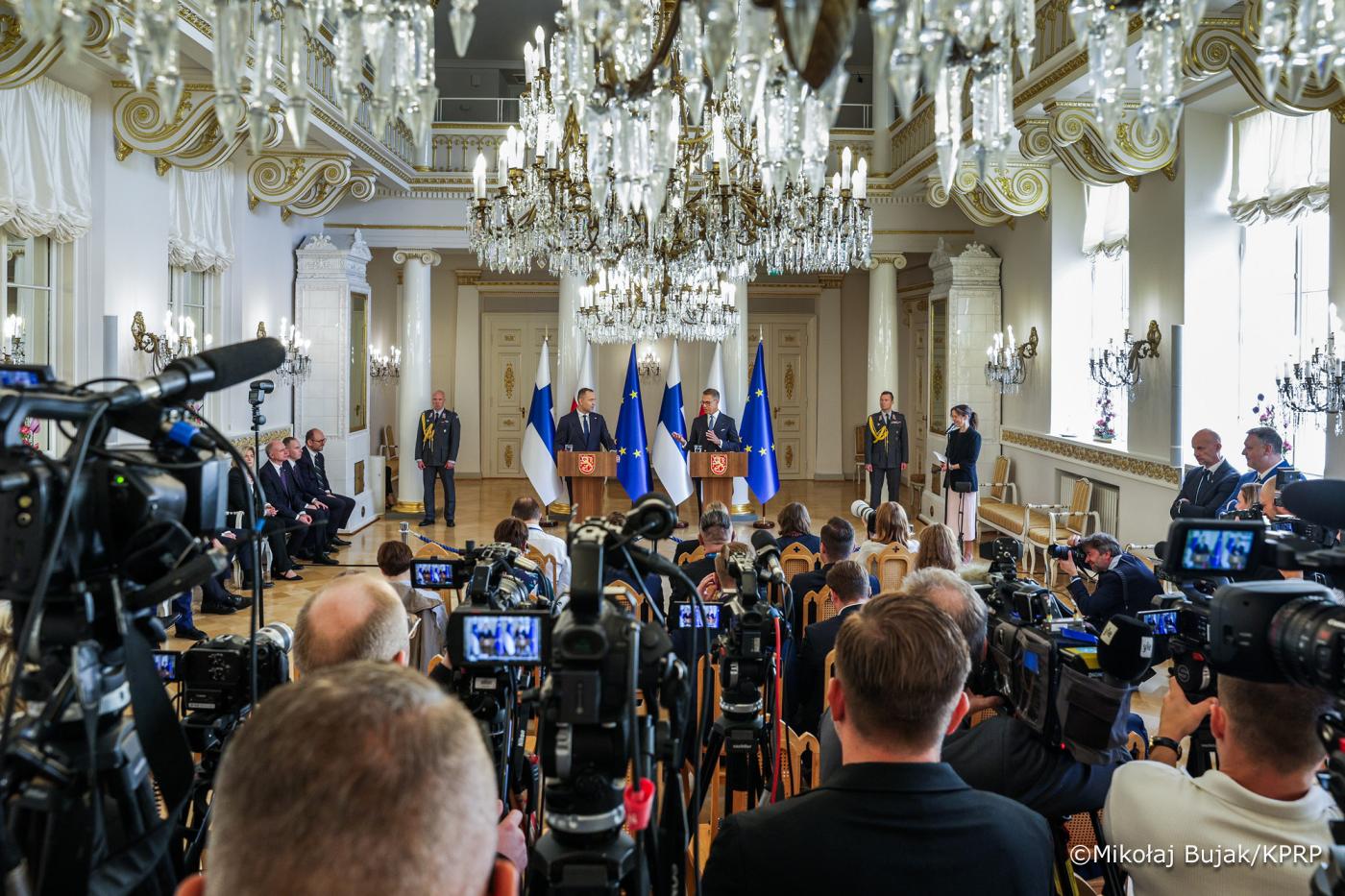
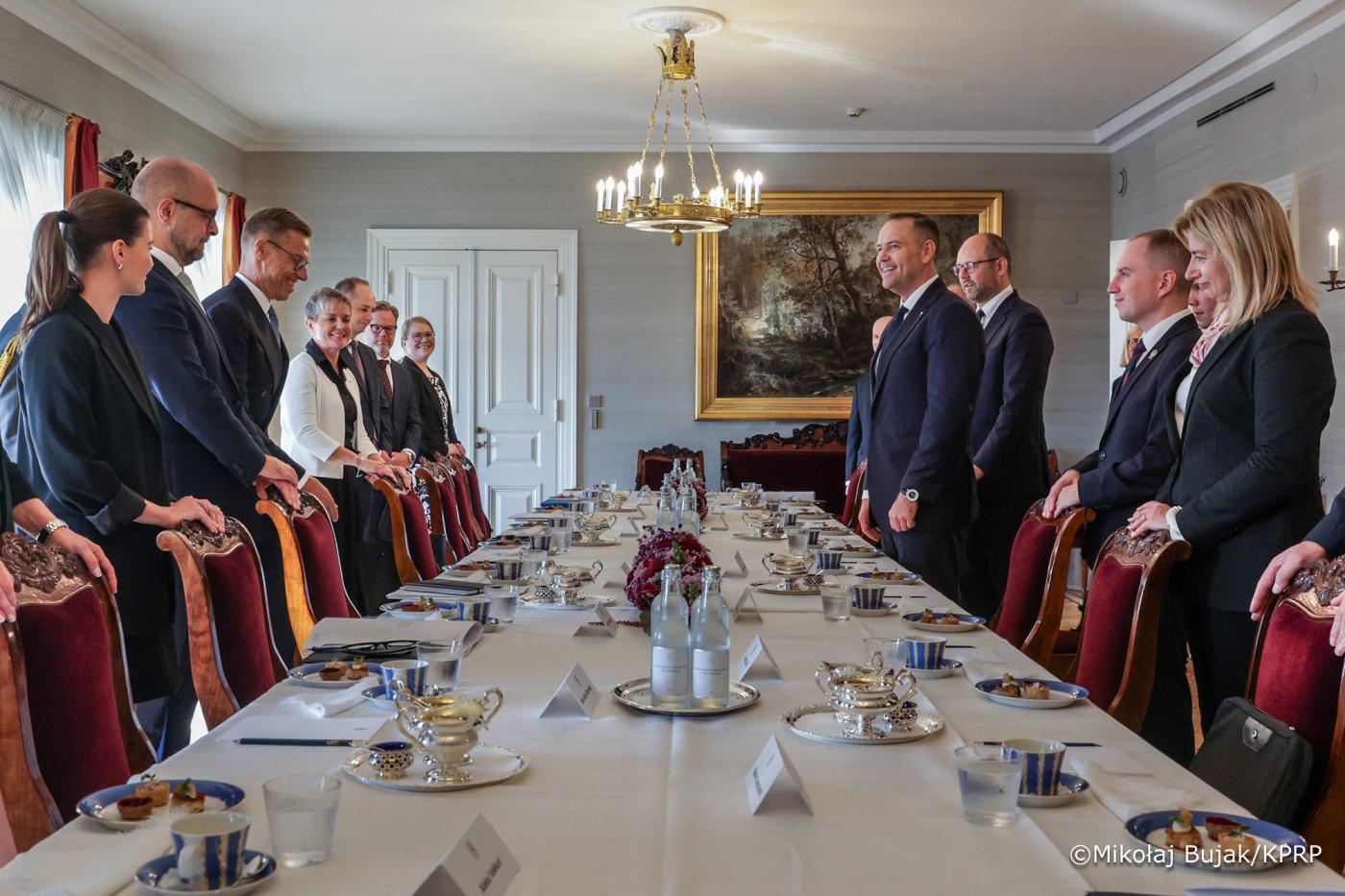
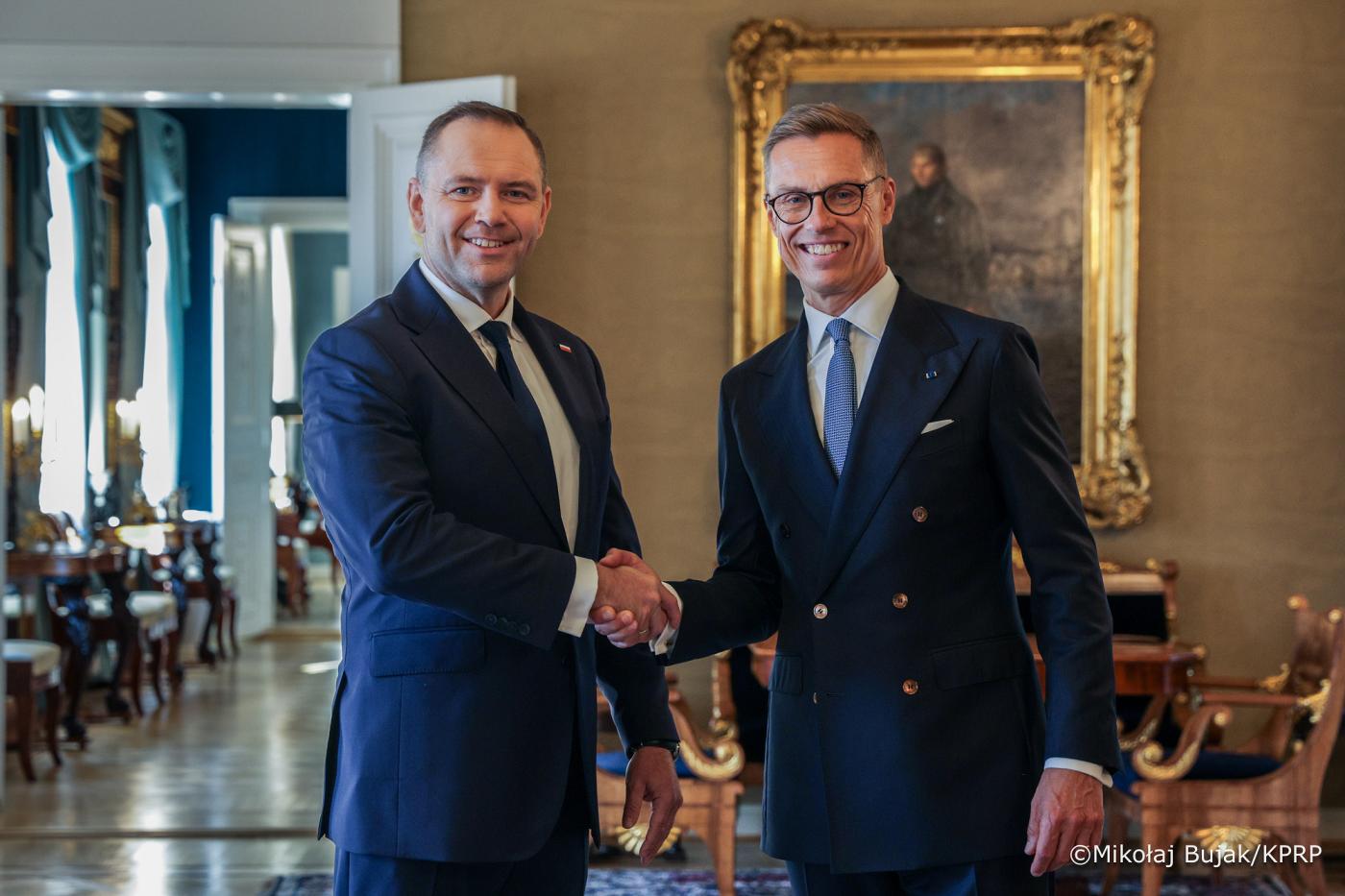
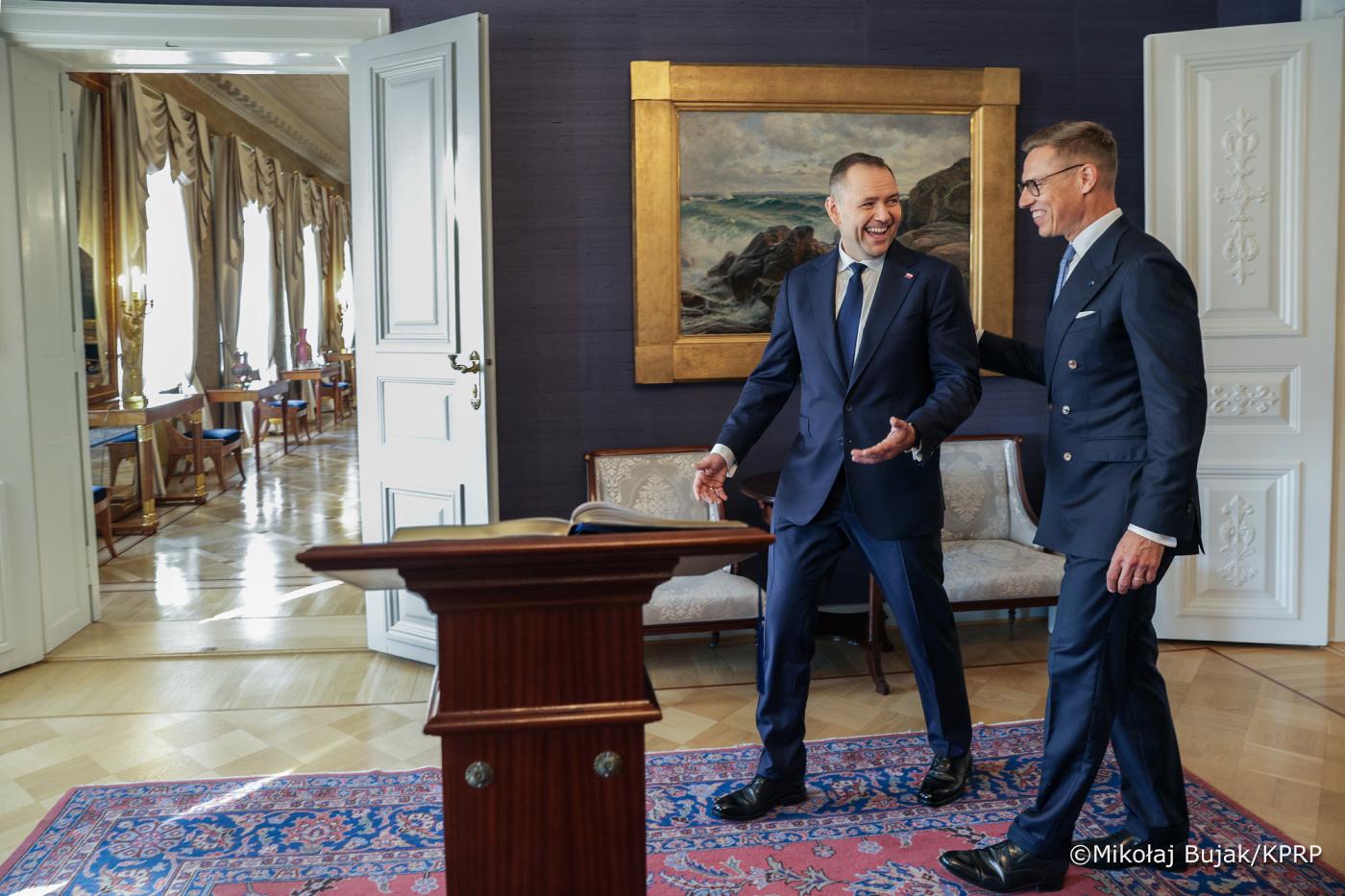
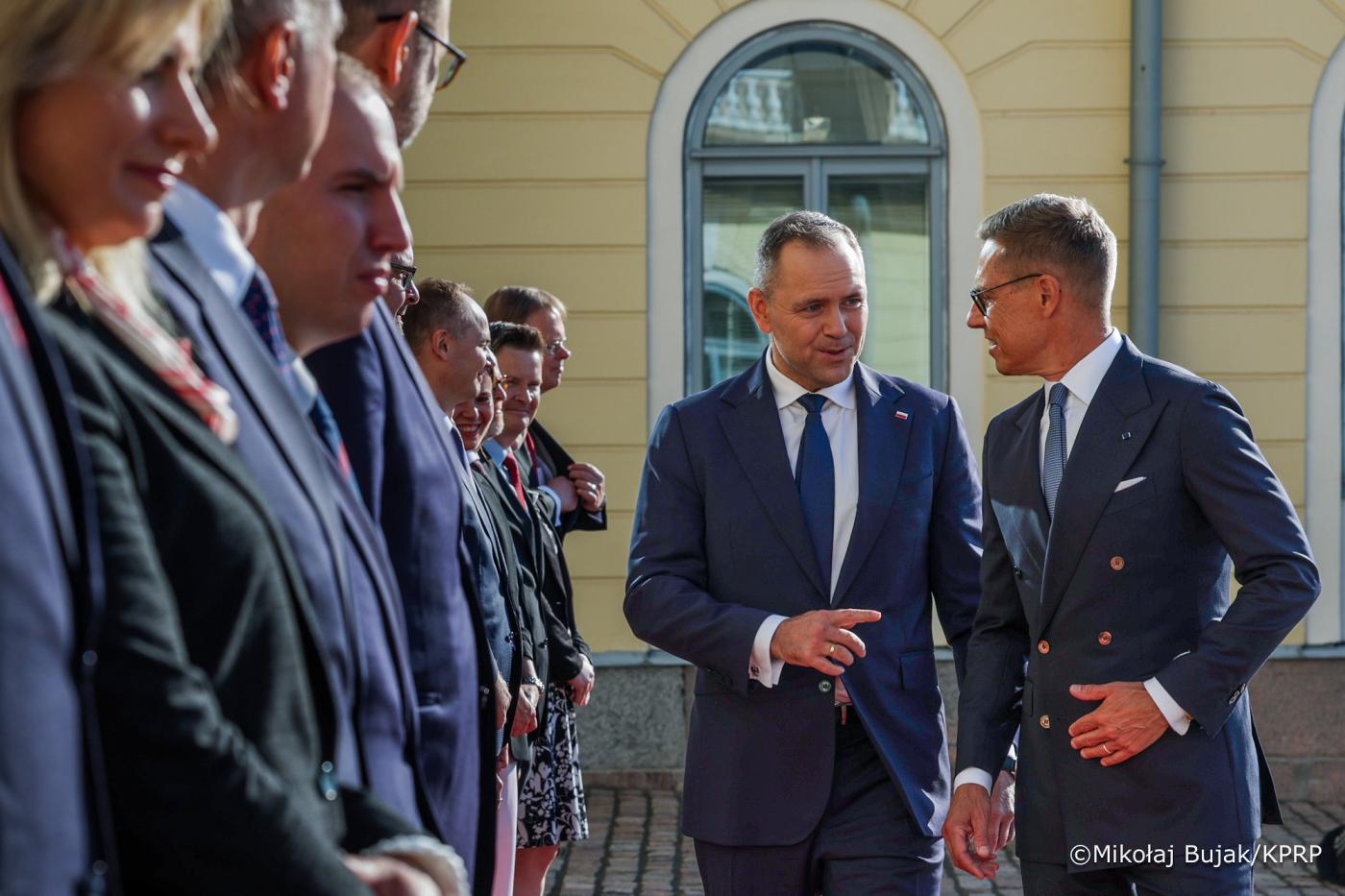
The presidents of Poland and Finland met in Helsinki to discuss regional security, NATO cooperation and joint efforts to counter Russia’s aggressive policy in the Baltic Sea region. The talks underscored the growing strategic partnership between the two countries, both as EU partners and NATO allies.
security worldwide nato politics news09 september 2025 | 18:24 | Source: Gazeta Morska | Prepared by: Kamil Kusier | Print
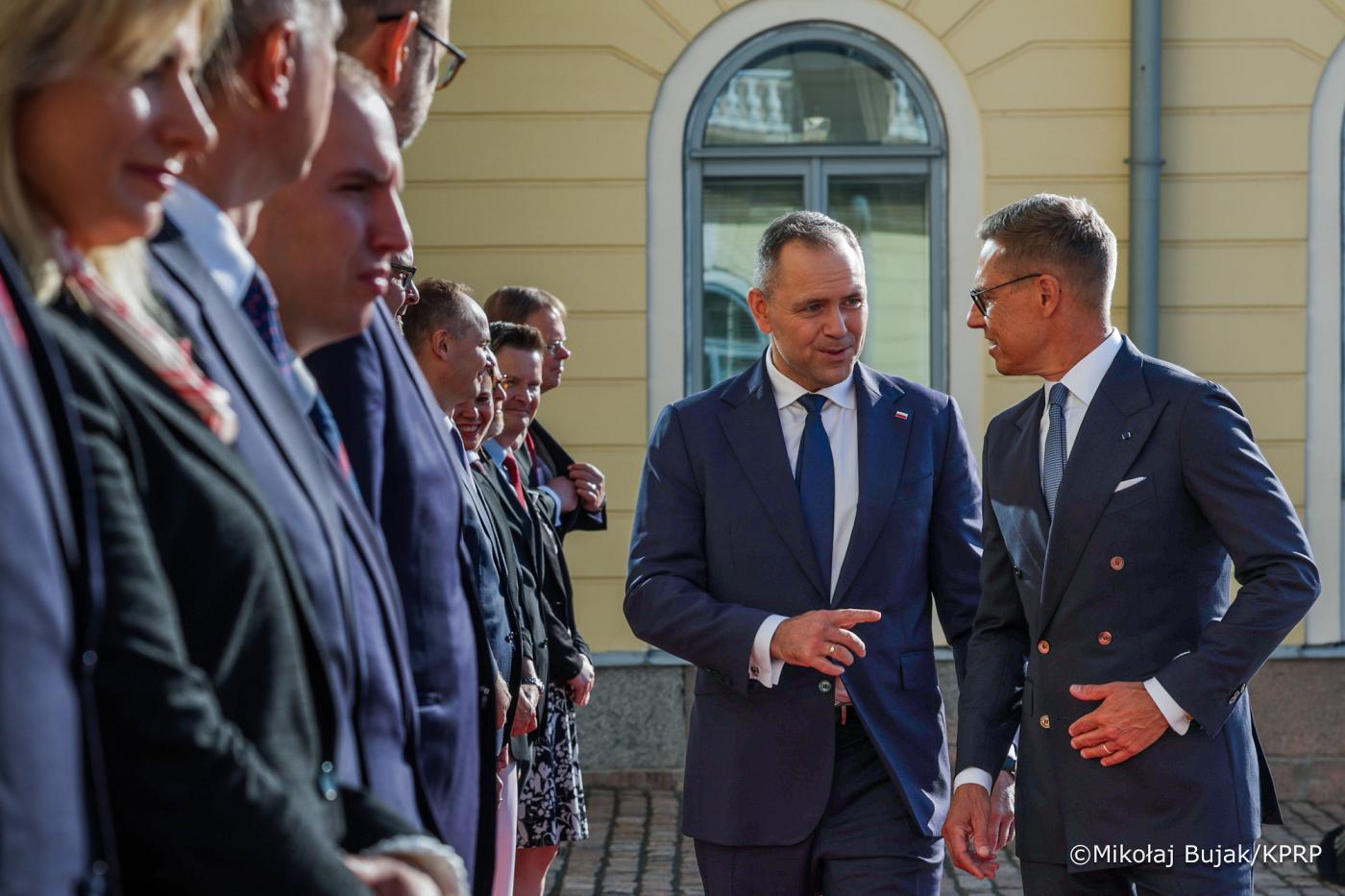
fot. Mikołaj Bujak / KPRP
Baltic Sea at the core of strategy
The Polish president emphasized that the Baltic Sea basin remains one of the top priorities for Warsaw’s foreign and security policy.
- Relations with Finland are of strategic importance. We are not only partners in the EU and in bilateral terms, but above all allies committed to regional security, he said.
Shared assessment of Russian policy
Both leaders agreed that the Kremlin’s actions continue to pose a long-term threat to Europe’s eastern flank. They underlined that Finland’s experience in civil defense and Poland’s role as a frontline state provide valuable perspectives for NATO.
- Neither Poles nor Finns trust Vladimir Putin’s intentions. Russia’s aggression against Ukraine is a clear warning that other states in the region may also be targeted, noted the Polish president.
Military cooperation and NATO framework
Recent high-level meetings between the Polish and Finnish armed forces highlight the deepening military ties. The presidents also discussed the potential expansion of the Bucharest Nine format to include Nordic countries, reinforcing NATO’s eastern and northern flanks.
At the same time, Warsaw ruled out the deployment of Polish combat troops to Ukraine. Instead, Poland will continue its role as a logistical hub for Western aid and maintain strong support in humanitarian, financial and military assistance.
Transatlantic dimension
A significant part of the talks focused on U.S. security commitments. The decision of president Donald Trump to maintain American forces in Poland was described as a “positive signal for Central Europe, the Baltics and the Nordics.”
Asked about media reports suggesting possible cuts in U.S. funding under Section 333, the Polish president said that Washington’s policy aims to encourage European allies to invest more in their own defense.
- Poland and Finland are already allocating billions of dollars to state-of-the-art equipment such as F-35 fighters. Reaching 5% of GDP on defense should be the ambition of all NATO states facing Russia’s neo-imperial threat, he stressed.
Economic and energy cooperation
Beyond defense, both presidents highlighted the development of bilateral economic cooperation, including in the nuclear energy sector and high-tech industries. Strengthening energy independence was identified as another strategic pillar of Baltic security.
The Helsinki meeting confirmed that Poland and Finland are determined to shape a joint strategy in response to Russian aggression. Their partnership – military, political and economic – plays a key role in safeguarding the Baltic Sea region and NATO’s eastern flank.
see also
Buy us a coffee, and we’ll invest in great maritime journalism! Support Gazeta Morska and help us sail forward – click here!
Kamil Kusier
redaktor naczelny
gallery
comments
Add the first comment
see also
Strait of Hormuz at a strategic crossroads: sinking of IRIS Dena and implications for maritime transport
The submarine contract of the decade? Canada weighs South Korea against Germany
When two powers clash, Poland must be ready to act. Military security must be the priority
Commodore Przemysław Karaś appointed deputy commander of the Maritime Operations Centre - Naval Component Command
Radmor hosts delegation from the Republic of Turkey. Advancing maritime security cooperation
French Navy expands global operations from the Pacific to the Red Sea
"Let everyone know we will prevail". Poland’s armed forces set strategic course for 2026-2039
“Army 500” and strategic transformation: Poland sets the course for long-term deterrence and allied readiness
Medical evacuation from offshore vessel in the Baltic. Rescue 511 helicopter and m/s Huragan deployed
Karol Nawrocki: “The strength of the republic lies in its armed forces”. Security requires national unity
ADVERTISEMENT
ADVERTISEMENT