GPS disruptions: Russia and Belarus target Europe’s transport security
The deliberate jamming of GPS signals and cyberattacks in European airspace have become a pressing challenge for aviation and maritime security across the region from the Baltic to the Black Sea. According to the Financial Times, an EU document published in May identified these incidents as “systematic and intentional actions by Russia and Belarus.”
security other worldwide nato equipment and technology news04 september 2025 | 09:17 | Source: Gazeta Morska / PAP | Prepared by: Kamil Kusier | Print
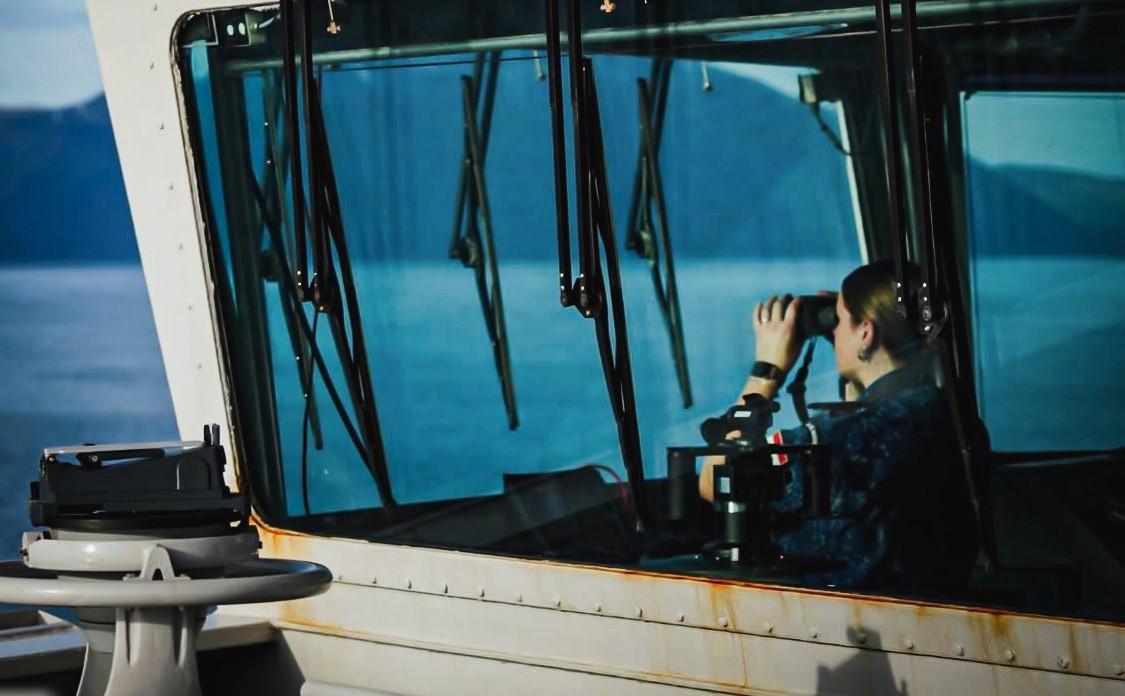
fot. NATO
Hybrid warfare at sea and in the skies
NATO Secretary General Mark Rutte warned this week that interference with commercial flights is part of Moscow’s broader hybrid strategy against Europe – alongside cyberattacks and sabotage of subsea cables. The disruptions affect not only airlines but also maritime operators, for whom satellite navigation is essential to daily operations.
Recent incidents include GPS jamming during flights carrying senior European leaders – among them European Commission President Ursula von der Leyen in Bulgaria and former UK Defence Secretary Grant Shapps in March 2024. Germany’s Chief of Defence, General Carsten Breuer, has also reported experiencing GPS interference twice in the Baltic Sea region.
Escalating risks in the Baltic region
The phenomenon is particularly acute in the Baltic. In July, Estonian authorities revealed that 85% of all flights in the country experienced GPS interference. Lithuania reported a 22-fold increase in such attacks compared with the previous year. Data collected from eight EU member states and presented to Brussels confirm that these are not random failures but coordinated electronic warfare operations linked to Russia and Belarus. In response, thirteen EU countries have called for a collective strategy to safeguard critical infrastructure.
International response
The UN’s International Civil Aviation Organization (ICAO) officially identified Russia as the source of GPS interference and gave Moscow 30 days to halt its activities or face accusations of breaching international law. Similarly, the International Telecommunication Union (ITU) ordered Russia to cease jamming operations. Moscow has rejected the allegations, claiming its actions are aimed at protecting critical infrastructure from Ukrainian drone attacks.
Impact on aviation and maritime sectors
While airlines can switch to terrestrial navigation systems during GPS outages, experts warn that this places additional strain on pilots and air traffic controllers, raising the risk of human error. In shipping, the threat is even more pronounced: false positioning signals (so-called spoofing) can mislead vessels, creating significant hazards in congested sea lanes and port approaches.
Europe’s countermeasures
The EU has already sanctioned entities linked to GPS disruption, while the Galileo satellite system in July deployed new anti-spoofing technology to detect and locate interference. Several member states, including Poland, are also investing heavily in cyber defence and electronic countermeasures.
Strategic takeaway for maritime operators
The surge in GPS disruptions underscores that transport security in Europe now depends not only on conventional military defence but also on resilience against electronic warfare and cyber threats. For the maritime sector, this means strengthening contingency protocols, investing in redundant navigation systems, and deepening cooperation with NATO and EU institutions.
see also
Buy us a coffee, and we’ll invest in great maritime journalism! Support Gazeta Morska and help us sail forward – click here!
Kamil Kusier
redaktor naczelny
comments
Add the first comment
see also
Polish Naval Academy and Institute of Fluid-Flow Machinery establish research partnership
SAR search operation in the port of Władysławowo. man who fell into the water not found
Medical evacuation from Wind Osprey underway as winter keeps Polish SAR services under pressure
Coast Guard ensures fishermen safety on the ice of the Vistula Lagoon Select 81 more words to run Humanizer.
Services on ice. False alarm in Swarzewo in Poland. Such behavior endangers those who truly need help
PIRANIA underwater inspection vehicle: Gdańsk University of Technology and Radmor join forces
Grupa WB joins ASD. Strengthening Central and Eastern Europe’s voice in the European defence industry
Poland’s security in focus. President meets with ministers and heads of special services
NATO’s persistent naval presence in the Arctic and the northern Atlantic strengthens sea lane security
Poland launches second DELFIN SIGINT ship ORP Henryk Zygalski in Gdańsk
ADVERTISEMENT
ADVERTISEMENT