NATO’s persistent naval presence in the Arctic and the northern Atlantic strengthens sea lane security
NATO naval forces are maintaining a continuous presence across the Arctic and the northern Atlantic, protecting shipping routes, subsea infrastructure and transatlantic trade corridors in a region of growing strategic and economic importance.
security logistics navy worldwide nato transport and forwarding news15 january 2026 | 18:46 | Source: Gazeta Morska | Prepared by: Kamil Kusier | Print
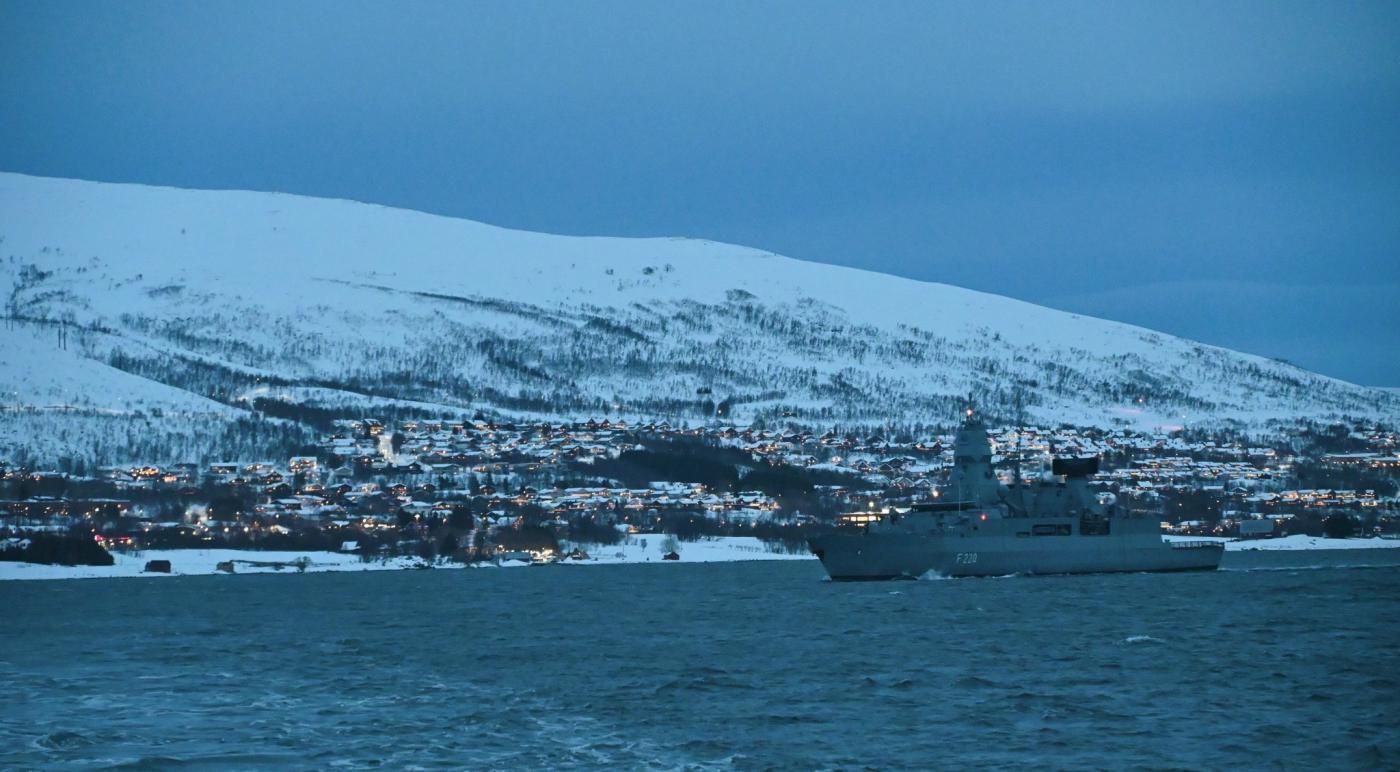
fot. NATO Maritime Command
The Arctic and the northern Atlantic as a strategic maritime hub
The Arctic, the Norwegian Sea, the Barents Sea and the northern Atlantic form one of the world’s most critical maritime corridors. These waters host major shipping routes as well as dense networks of subsea data cables and energy pipelines linking Europe and North America.
The region also sees significant Russian naval activity, including strategic submarine operations from bases on the Kola Peninsula.
From crisis response to continuous maritime presence
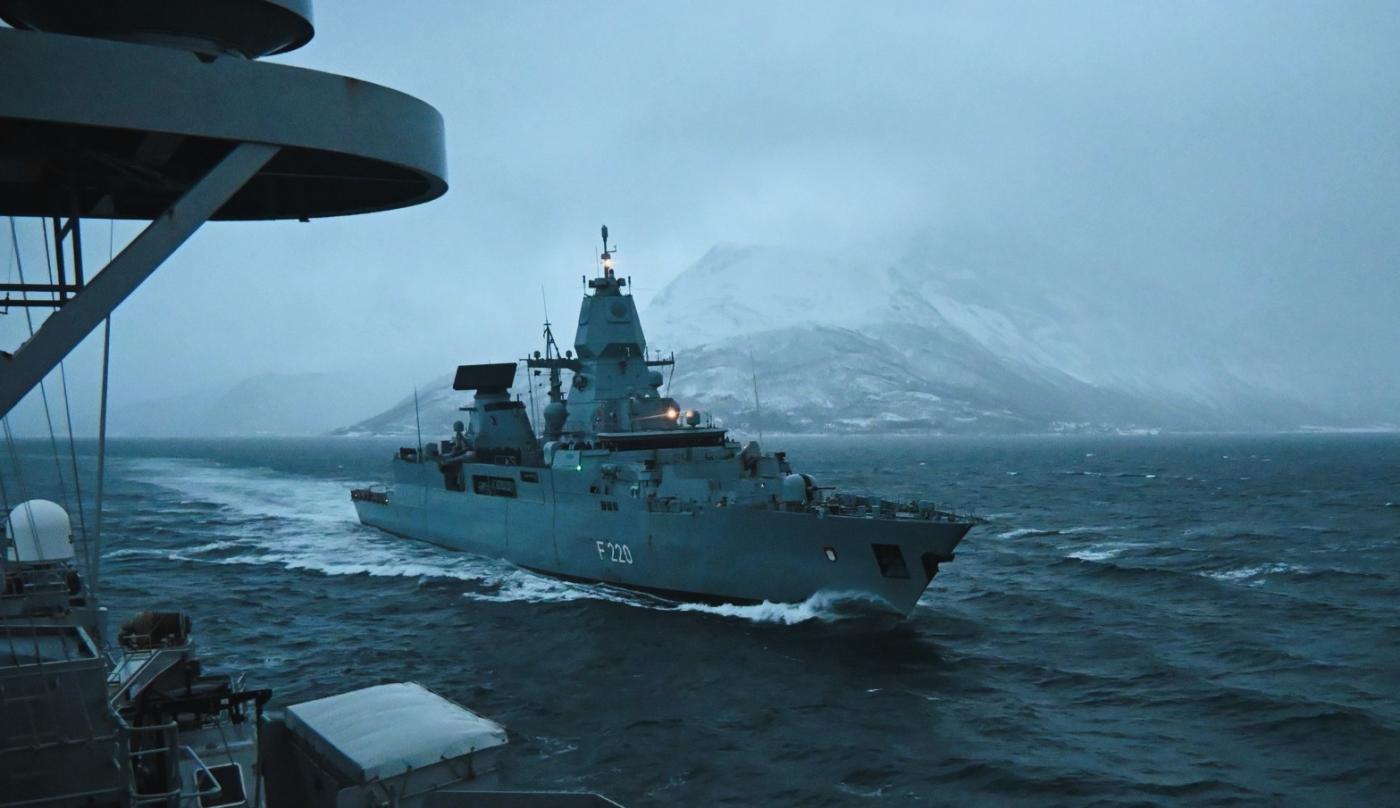
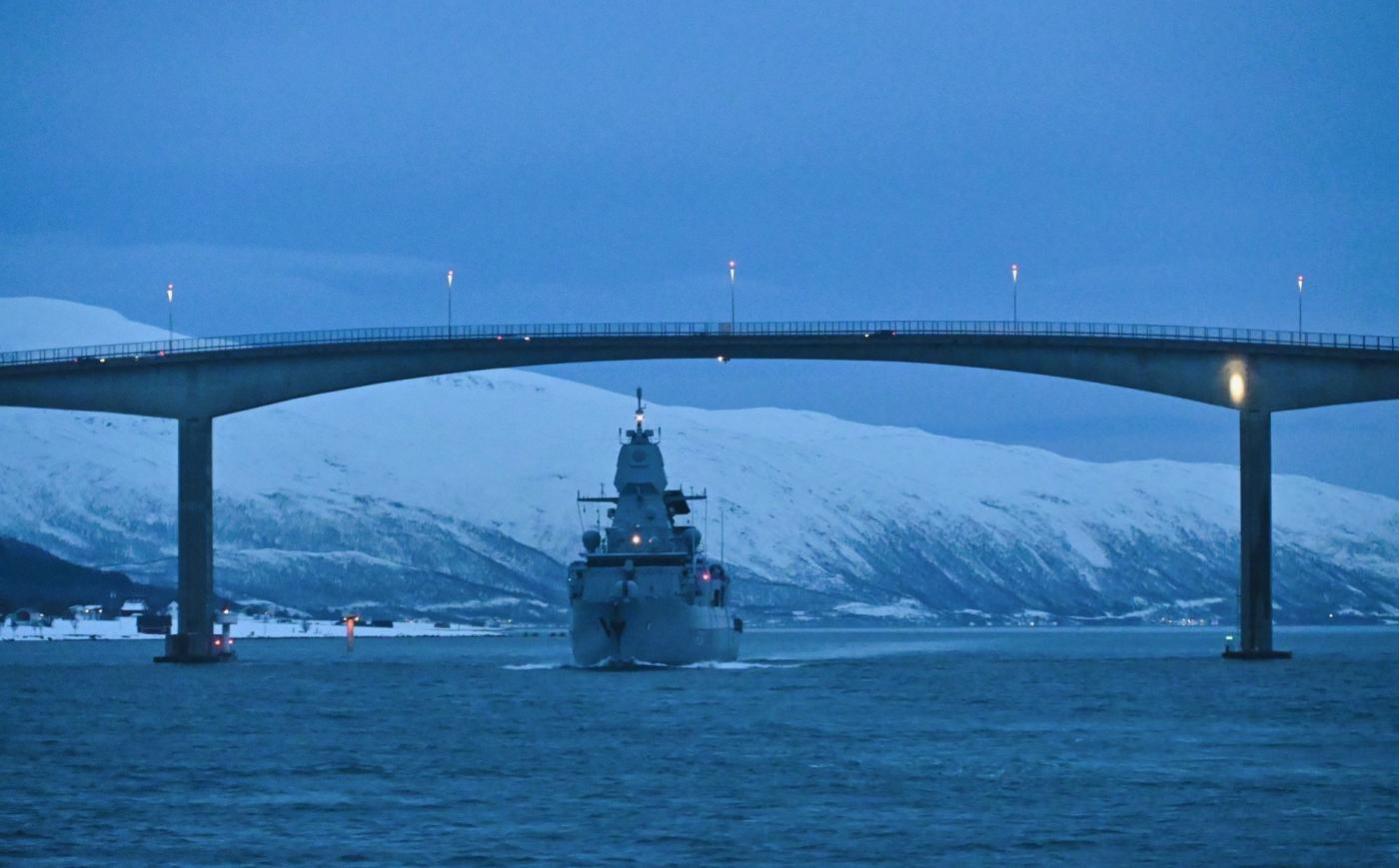
Rather than relying on sporadic patrols, NATO maintains a persistent rotational deployment of surface combatants, patrol vessels and maritime aircraft in the Arctic–North Atlantic region. This posture ensures constant situational awareness and the ability to respond rapidly to emerging risks.
Navies from Norway, the United States, the United Kingdom, Canada, Germany and France regularly operate together, maintaining high readiness in one of the world’s most challenging maritime environments.
Protecting trade routes and subsea infrastructure
Arctic and northern Atlantic sea lanes are a backbone of the global economy. Financial data, digital communications, energy flows and transatlantic trade all depend on secure subsea cables and uninterrupted shipping in this region.
NATO’s presence acts as a stabilising force, reducing the risk of disruption, sabotage and escalation in this increasingly vital maritime corridor.
The Arctic as an emerging shipping and energy corridor
As Arctic ice continues to recede, new routes are gradually becoming viable. This further elevates the importance of the Arctic–North Atlantic region for future global shipping, energy logistics and digital connectivity.
Buy us a coffee, and we’ll invest in great maritime journalism! Support Gazeta Morska and help us sail forward – click here!
Kamil Kusier
redaktor naczelny
gallery
comments
Add the first comment
see also
Strait of Hormuz at a strategic crossroads: sinking of IRIS Dena and implications for maritime transport
The submarine contract of the decade? Canada weighs South Korea against Germany
When two powers clash, Poland must be ready to act. Military security must be the priority
Commodore Przemysław Karaś appointed deputy commander of the Maritime Operations Centre - Naval Component Command
Radmor hosts delegation from the Republic of Turkey. Advancing maritime security cooperation
French Navy expands global operations from the Pacific to the Red Sea
"Let everyone know we will prevail". Poland’s armed forces set strategic course for 2026-2039
“Army 500” and strategic transformation: Poland sets the course for long-term deterrence and allied readiness
Medical evacuation from offshore vessel in the Baltic. Rescue 511 helicopter and m/s Huragan deployed
Karol Nawrocki: “The strength of the republic lies in its armed forces”. Security requires national unity
ADVERTISEMENT
ADVERTISEMENT