









Patagonia Azul: Argentina’s largest coastal marine reserve unveiled
In a landmark move for marine conservation and sustainable development, the province of Chubut has officially designated the Patagonia Azul Provincial Park—a new coastal marine reserve covering nearly 300,000 hectares of ecologically critical Atlantic shoreline and nearshore waters in southern Argentina.
In brief
The legislature of Chubut province has established Parque Provincial Patagonia Azul, the largest marine reserve in the Argentine part of Patagonia, covering nearly 300 thousand hectares of coastal waters and South Atlantic coastline. The Patagonia Azul reserve introduces a total ban on industrial and recreational fishing and strict protection of seven species recognised as Natural Monuments. Fundación Rewilding Argentina donated 18,000 ha of the former Estancia San Miguel for the Portal Isla Tova centre in Camarones. Estimates point to up to 445 permanent jobs within a decade.
The reserve consolidates and expands several existing protected areas, including Cabo Dos Bahías and Isla Leones, and introduces sweeping new protections across the biologically rich Camarones coastal zone.
Critical habitat for megafauna and fisheries-relevant ecosystems
The newly protected zone includes some of the most productive marine ecosystems in the South Atlantic, including kelp forests (macroalgae beds) that act as nurseries for commercially important species. The area supports over 50 species of seabirds, such as Magellanic penguins, imperial shags, and the endemic flightless steamer ducks (pato vapor)—widely regarded as environmental health indicators.
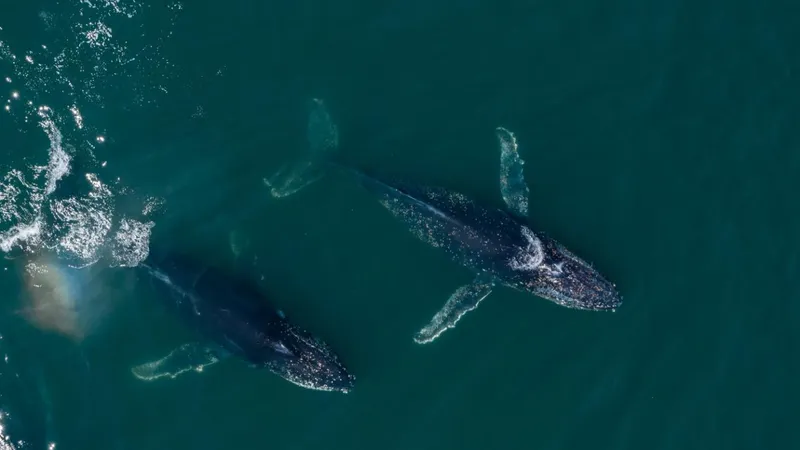
Marine megafauna is also abundant: humpback whales, sei whales, Commerson’s dolphins, Patagonian dolphins, orcas, elephant seals, and both South American sea lion species are regularly observed in the region.
“No-take” zone with simplified enforcement
The park has been designated a strict no-take zone, prohibiting all forms of commercial and recreational fishing. Its boundaries were deliberately drawn with geometric simplicity to facilitate enforcement—responding to the persistent issue of illegal, unreported, and unregulated (IUU) fishing along Argentina’s continental shelf.
Seven species within the park—including humpbacks, sei whales, Commerson’s dolphins, and steamer ducks—have been legally declared Natural Monuments, affording them the highest level of legal protection under provincial law.
Infrastructure for eco-tourism and blue jobs
The reserve is also expected to become a driver for marine ecotourism and local job creation. The "Isla Tova Gateway," being developed in the town of Camarones, will serve as an access hub for research vessels, wildlife tours, kayaking routes, and coastal trekking trails.
A key enabler of the project was the donation of 18,000 hectares of former private land by the Rewilding Argentina Foundation. Economic forecasts suggest the initiative could generate up to 445 new jobs in sustainable tourism and support services over the next decade.
Ocean diplomacy and long-term impact
Patagonia Azul aligns Argentina with the Global 30x30 Target, which aims to protect 30% of the world’s oceans and land by 2030. In an era of escalating pressure from distant-water fleets, this strategic expansion of marine protection represents not just an environmental victory, but also a clear assertion of sovereign maritime stewardship.
Patagonia Azul emerges as a powerful blueprint for how science-based conservation, community development, and ocean governance can converge in pursuit of a resilient, sustainable marine future.
Source: Gazeta Morska · Compiled by: Kamil Kusier
Related articles
 Environment Two tonnes of oil and sand collected by sieve. Rowy to Ustka clean, two stretches still need work
 Environment A disaster warning on Lake Łebsko, a fishing dispute and a CBA arrest. Słowiński National Park's hardest autumn
 Environment The world's largest seahorses move into the Gdynia Aquarium. In this species it is the male that gets pregnant
 Maritime lifestyle and tourism Fuel oil along 50 km of Polish coast. Ustka beaches closed, illegal discharge suspected
 Safety and rescue Fuel oil on the beach in Ustka. The Baltic hands back what nobody wants to collect
 Ports and logistics Maersk to fit a 35 m rotor sail on an 8,700 TEU Lima-class ship in 2027
Comments (0)
The discussion is moderated by the editors: a comment appears after review. Your e-mail address is not published.
Nobody has commented on this article yet.