Norway tightens tanker inspections, targets Russia’s “shadow fleet”
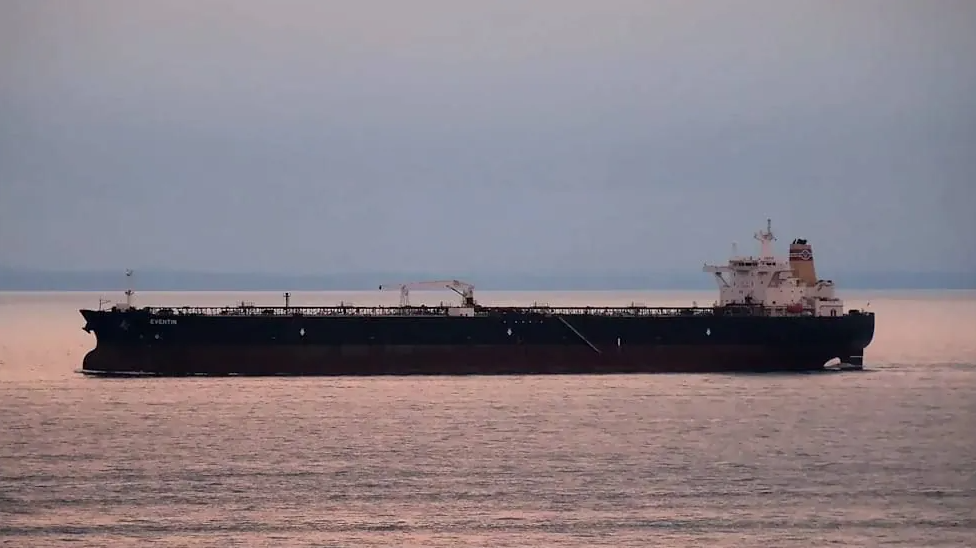
Starting Monday, 11 August, Norwegian authorities will implement new control measures aimed at disrupting the operations of the so-called “shadow fleet” – a network of tankers transporting Russian crude oil in circumvention of international sanctions. Vessels transiting Norway’s exclusive economic zone (EEZ) will be required to carry an additional CLC insurance certificate, confirming coverage for potential costs of an environmental disaster.
maritime economy worldwide politics ports news10 august 2025 | 07:39 | Source: Gazeta Morska / PAP | Prepared by: Michał Iwański | Print
fot. Wikimedia Commons
The Norwegian Coastal Administration will be responsible for inspecting passing vessels, while the Norwegian Maritime Authority will verify the provided documentation. Ships lacking valid CLC coverage may be denied passage through waters adjacent to Norway’s coastline.
According to Oslo, the measure could significantly impact tanker routes from northern Russian ports, many of which pass close to Norwegian waters. “The ‘shadow fleet’ poses increased risks both to the environment and to maritime safety. It also contributes to financing Russia’s illegal war,” said Minister of Fisheries and Oceans Marianne Sivertsen Næss.
Norway’s exclusive economic zone spans the western coast of the Scandinavian Peninsula, the waters surrounding the Svalbard archipelago in the Arctic Ocean, and Jan Mayen Island in the North Atlantic. By joining Denmark, Finland, Sweden, Germany, and the United Kingdom – all of which have already introduced similar measures – Norway aims to further restrict the shadow fleet’s operational access to European ports.
see also
Michał Iwański
redaktor
comments
Add the first comment
see also
Austal partners with Damen for local construction of LST 100 for Australian Army
The submarine contract of the decade? Canada weighs South Korea against Germany
Mine countermeasure vessel Jaskółka begins sea acceptance trials
Radmor hosts delegation from the Republic of Turkey. Advancing maritime security cooperation
3D-printed catamaran: robotic manufacturing sets course for the future of small craft
Swedish ports record lowest ship calls in 18 years. Implications for the maritime sector
February in Szczecin’s shiprepair sector. Ice, overhauls and North Sea expansion
Advanced ROV trials conducted at CTO to validate subsea technologies for offshore applications
Stadt Naval to deliver electric propulsion system for Polish rescue vessel Ratownik
Gdańsk port’s Basen Górniczy to gain modern port infrastructure
ADVERTISEMENT
ADVERTISEMENT