Poland’s MoD forms task force for Orka submarine program. Final preparatory phase underway
The Polish Ministry of Defence (MoD) has officially launched the task force for the acquisition of Orka-class submarines, marking a critical stage in the country’s efforts to modernize its underwater fleet. The task force is tasked with preparing recommendations for the Council of Ministers regarding partner selection and the implementation model for the new generation of submarines.
business investments navy politics shipbuilding industry defense industry news02 october 2025 | 08:18 | Source: Gazeta Morska | Prepared by: Kamil Kusier | Print
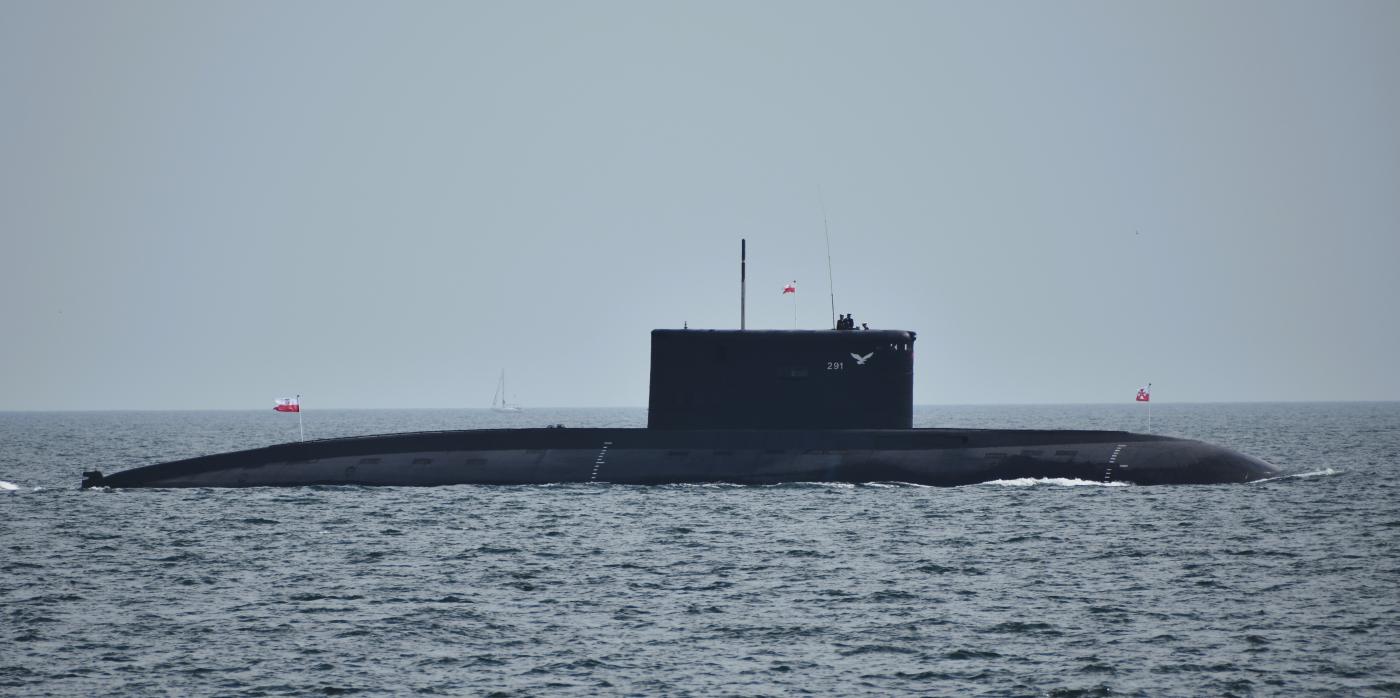
fot. Kamil Kusier / Gazeta Morska
At the same time, the MoD has sent supplementary RFI (request for information) questions to participating states and shipbuilding companies, focusing on technology transfer and bridging capabilities — temporary solutions designed to maintain the Polish Navy’s operational readiness until new submarines are delivered.
Who received the RFI?
The RFI has been sent to six governments and shipbuilding groups that previously expressed interest:
- France (Naval Group)
- Spain (Navantia)
- South Korea (Hanwha Ocean/DSM)
- Germany (ThyssenKrupp Marine Systems)
- Sweden (Saab Kockums)
- Italy (Fincantieri)
Each participant was asked to detail the scope of potential technology transfer, industrial cooperation mechanisms, and planned investments in Polish shipyards and service facilities.
Technology transfer — building industrial sovereignty
Technology transfer is a non-negotiable element of the Orka program. It includes not only construction and offsets but also the ability to perform a full MRO cycle (maintenance, repair, overhaul) domestically. This is essential for strengthening Poland’s naval shipbuilding industry and ensuring long-term operational independence for the Navy.
Without credible guarantees on technology transfer, Orka risks becoming a simple procurement exercise rather than a strategic industrial investment.
Bridging capabilities — filling the gap
Bridging capabilities are another focus of the RFI. Poland currently operates only the aging ORP Orzeł, while new submarine construction will take several years. To maintain operational continuity, the MoD is evaluating three scenarios:
- Acquisition of second-hand units from allied fleets
- Temporary leasing of submarines
- Accelerated delivery of initial units from the selected supplier’s production line
Each option carries additional costs but is crucial to prevent gaps in training and operational capability.
Racing against time
The task force is working on an accelerated timeline. According to media reports, recommendations may reach the Council of Ministers before year-end, with government-to-government negotiations beginning in 2026. Delays could further exacerbate Poland’s submarine capability gap.
Selecting a partner involves not only technical and military considerations but also strategic, political, and industrial factors. Technology transfer, offsets, financing, and local industrial participation will shape the Polish shipbuilding sector for decades.
Implications for the shipbuilding industry
Orka is more than a procurement program; it is an opportunity for industrial transformation. Polish shipyards should actively define their competencies and highlight areas where they can integrate technology from foreign partners.
The program’s value is measured not only in billions of euros but in the capacity to retain technology, skills, and personnel domestically. Successful negotiation of technology transfer and bridging capabilities could mark a historic turning point for Poland’s maritime industry.
see also
Buy us a coffee, and we’ll invest in great maritime journalism! Support Gazeta Morska and help us sail forward – click here!
Kamil Kusier
redaktor naczelny
comments
Add the first comment
see also
Austal partners with Damen for local construction of LST 100 for Australian Army
The submarine contract of the decade? Canada weighs South Korea against Germany
Bechtel signs contract with Doraco for Poland’s first nuclear power plant
When two powers clash, Poland must be ready to act. Military security must be the priority
MON, Arka Gdynia and AMW sign letter of intent supporting "Green Industrial District - Kashubia" project
Mine countermeasure vessel Jaskółka begins sea acceptance trials
PEJ relocates headquarters to Pomerania. A strategic step in Poland’s nuclear power development
Radmor hosts delegation from the Republic of Turkey. Advancing maritime security cooperation
3D-printed catamaran: robotic manufacturing sets course for the future of small craft
Navantia and Fincantieri deepen cooperation on the european patrol corvette programme
ADVERTISEMENT
ADVERTISEMENT