Klaipėda Port launches green hydrogen infrastructure. A first for the Baltic region
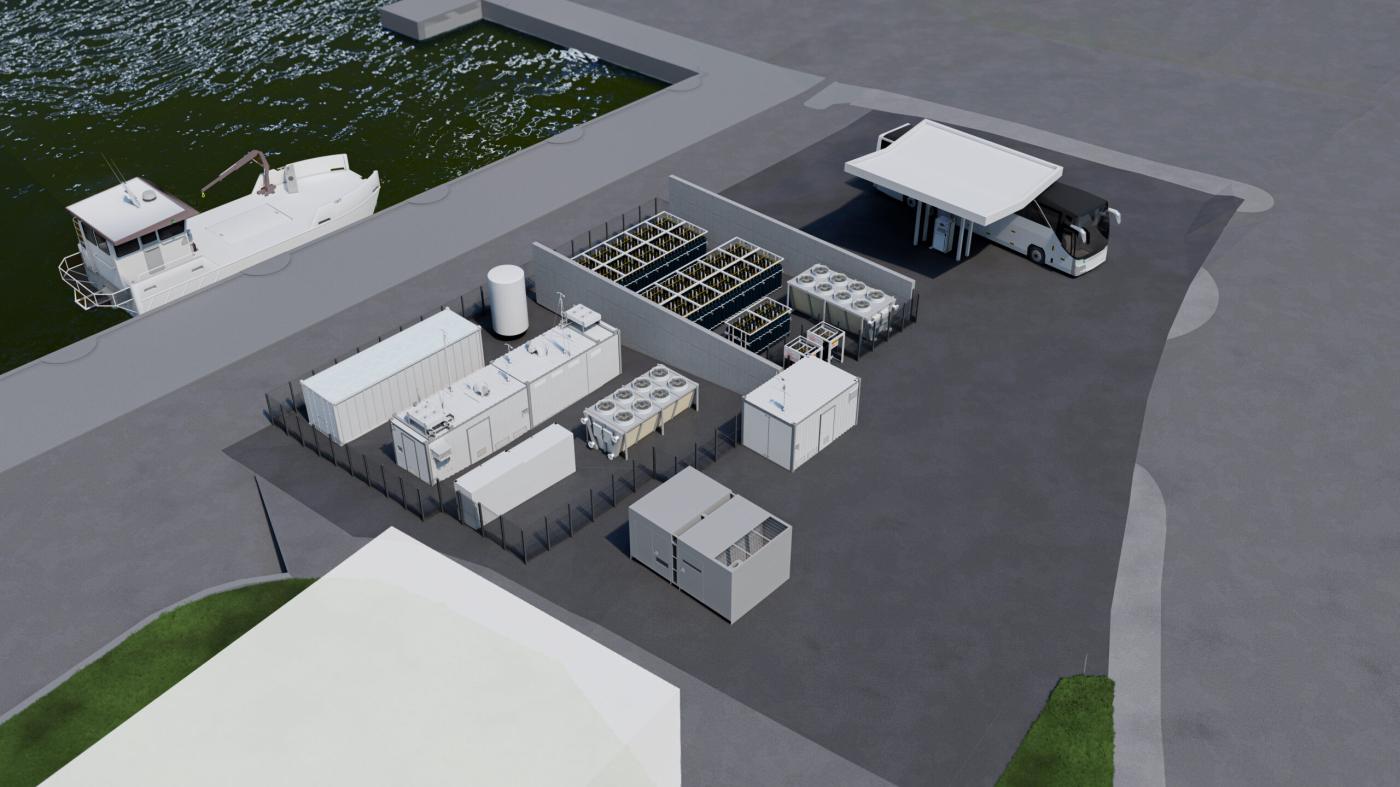
Klaipėda Port has taken a significant step toward becoming the first port in Lithuania and the Baltic Sea region to produce and supply green hydrogen for maritime, port, and land-based applications. With a construction permit already granted, building works on the facility are set to begin this June.
business maritime economy investments worldwide ports news06 june 2025 | 07:33 | Source: Gazeta Morska | Prepared by: Kamil Kusier | Print
fot. Port Kłajpeda
- The ambition to lead the region in green hydrogen is bold, but necessary, said Algis Latakas, Director General of the Klaipėda State Seaport Authority. - Klaipėda Port is taking the path of sustainability, and with this project, we are advancing both national and EU decarbonisation goals. We expect hydrogen production to begin next year, and construction of the first hydrogen-powered vessel is already underway.
The port authority is finalizing its construction tender, with site development scheduled to include installation and upgrades of engineering infrastructure—power supply, water and stormwater systems, hydrogen pipelines, and communications networks.
The hydrogen production system will be housed in a standard 40-foot sea container, with an estimated electricity requirement of 2.25 MW. The facility will supply green hydrogen not only to vessels and port machinery, but also to trucks, buses, and private vehicles.
Annual production is expected to reach 127 tonnes of hydrogen. Simultaneously, planning is ongoing for the fuel’s integration across port and transport operations.
In 2024, Klaipėda Port signed a memorandum of understanding with terminal operator Bega to explore hydrogen use in cargo-handling equipment. Another agreement, signed with Lithuania’s national rail group LTG, focuses on potential hydrogen use in rail transport and on building a broader supply chain, leveraging EU project participation and joint technical expertise.
The project is financed through the Lithuanian Recovery and Resilience Plan “Next Generation Lithuania,” part of the EU’s NextGenerationEU framework. Total investment is estimated at €12 million, with €6 million provided through EU funding.
This project positions Klaipėda as a frontrunner in the region’s maritime energy transition—laying the groundwork for a cleaner, hydrogen-based port economy.
Buy us a coffee, and we’ll invest in great maritime journalism! Support Gazeta Morska and help us sail forward – click here!
Kamil Kusier
redaktor naczelny
comments
Add the first comment
see also
Austal partners with Damen for local construction of LST 100 for Australian Army
The submarine contract of the decade? Canada weighs South Korea against Germany
Bechtel signs contract with Doraco for Poland’s first nuclear power plant
When two powers clash, Poland must be ready to act. Military security must be the priority
MON, Arka Gdynia and AMW sign letter of intent supporting "Green Industrial District - Kashubia" project
Mine countermeasure vessel Jaskółka begins sea acceptance trials
PEJ relocates headquarters to Pomerania. A strategic step in Poland’s nuclear power development
Radmor hosts delegation from the Republic of Turkey. Advancing maritime security cooperation
3D-printed catamaran: robotic manufacturing sets course for the future of small craft
Navantia and Fincantieri deepen cooperation on the european patrol corvette programme
ADVERTISEMENT
ADVERTISEMENT