Kaszubia Industrial Green Zone emerges as Poland’s strategic gateway to Baltic security and innovation
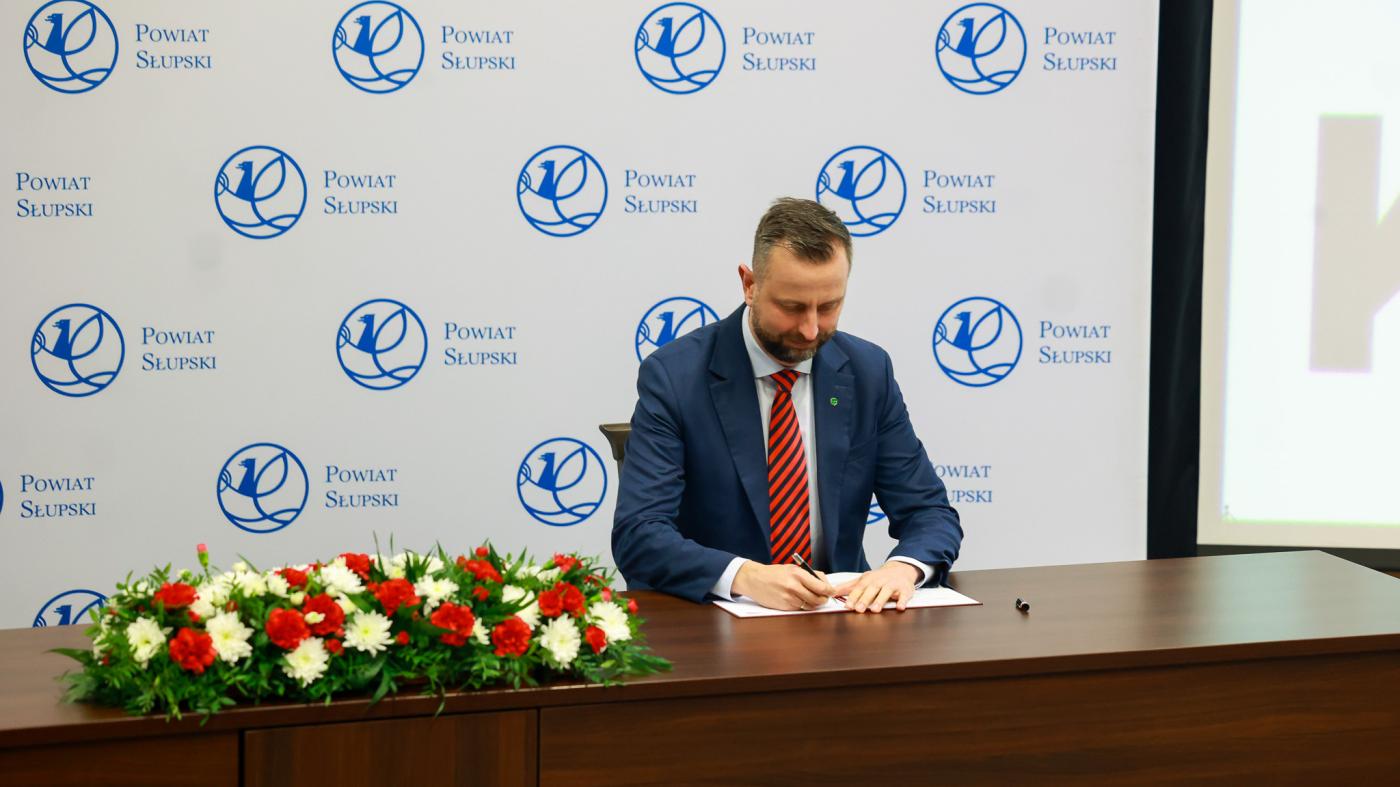
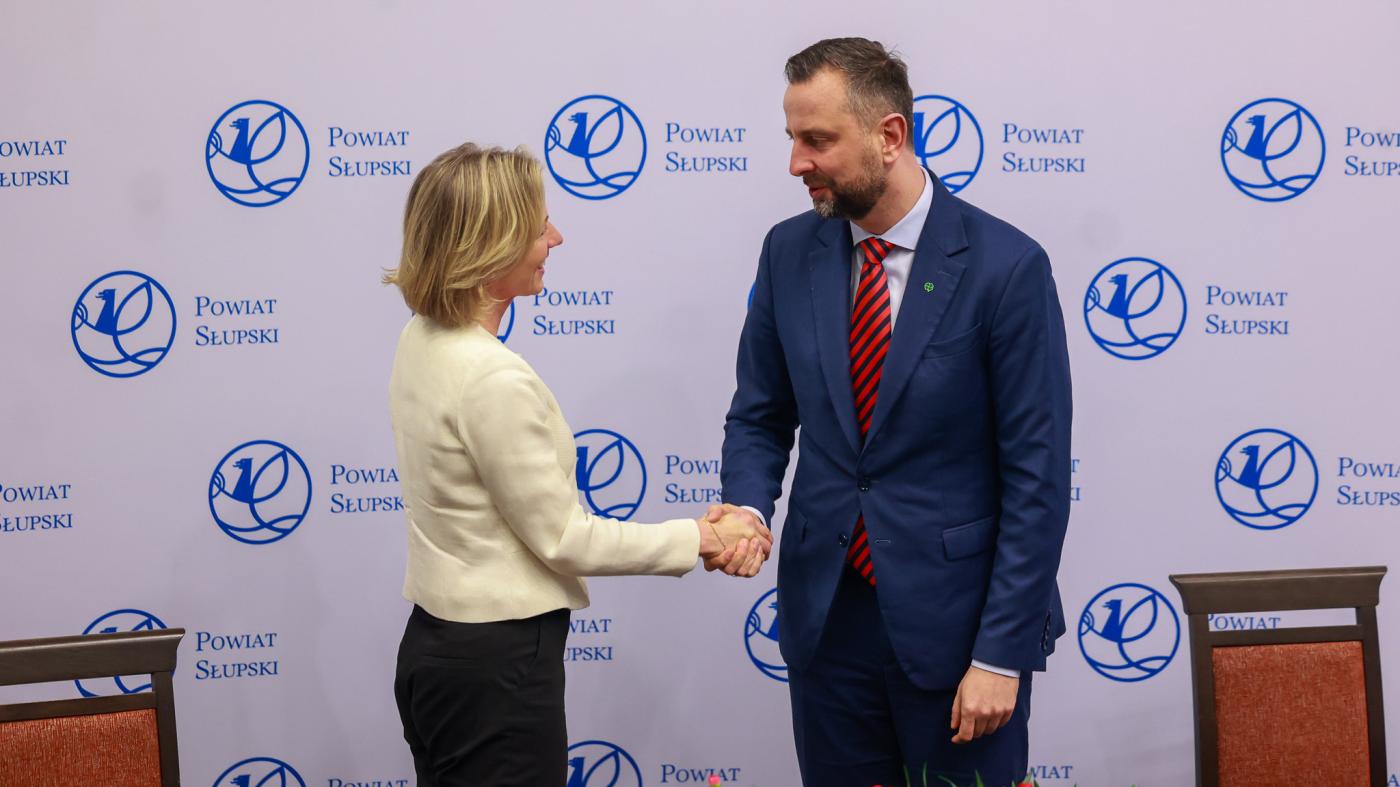
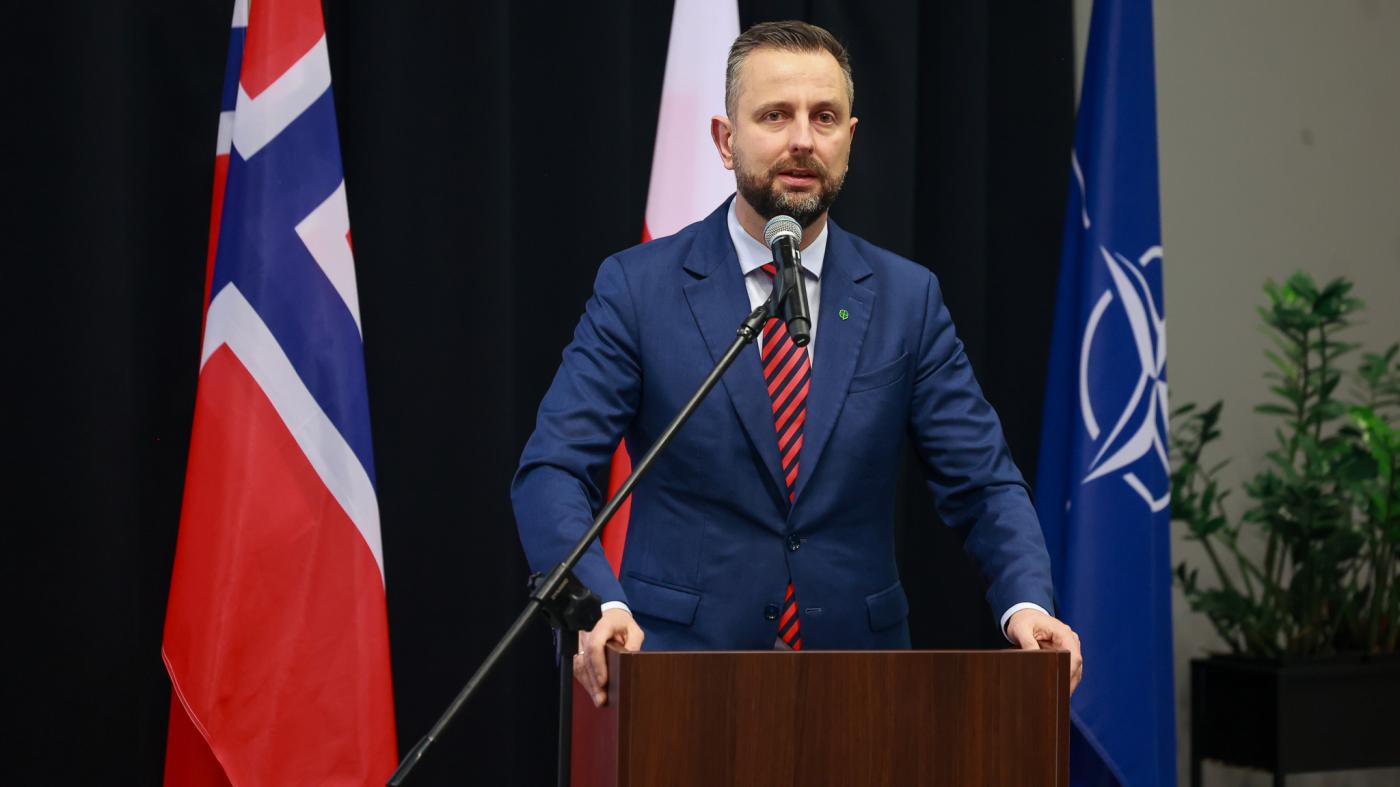
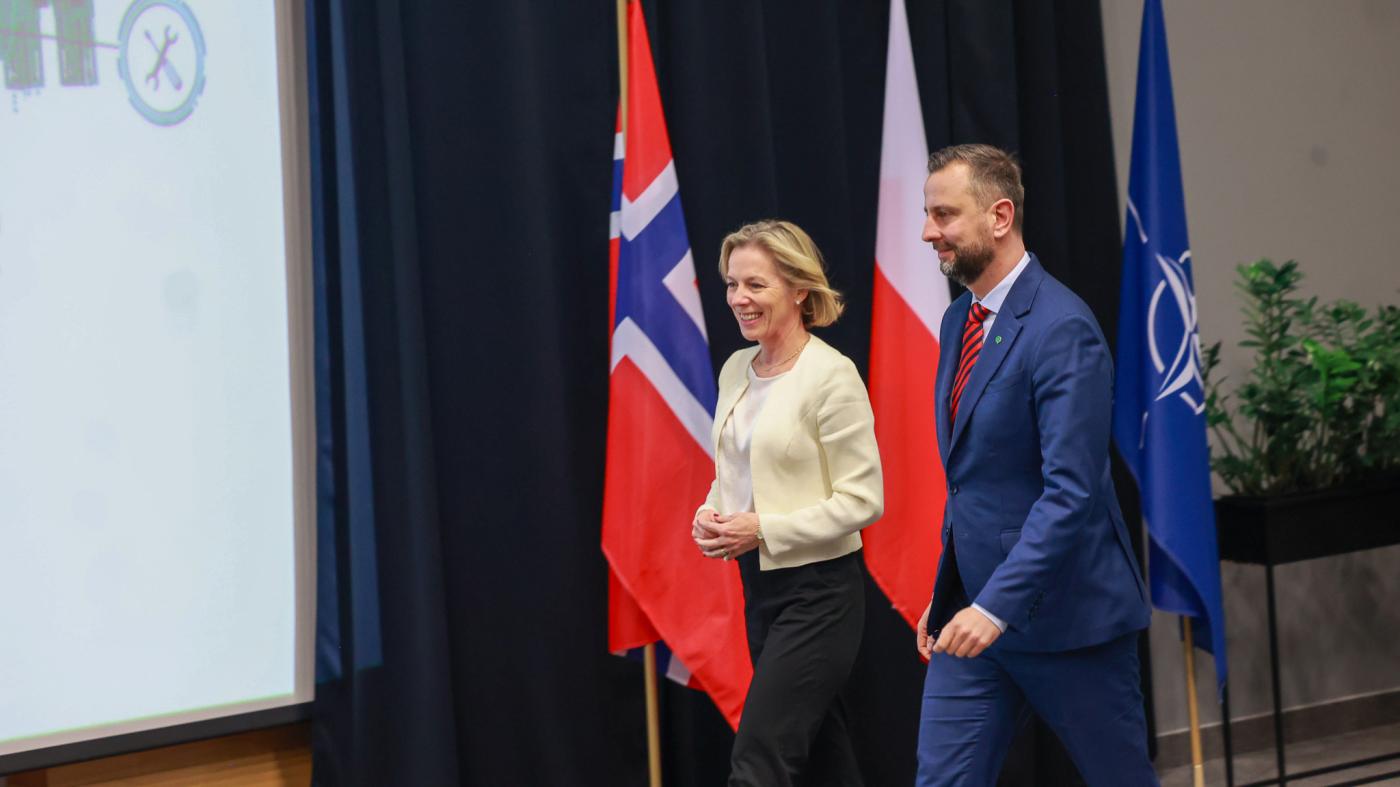
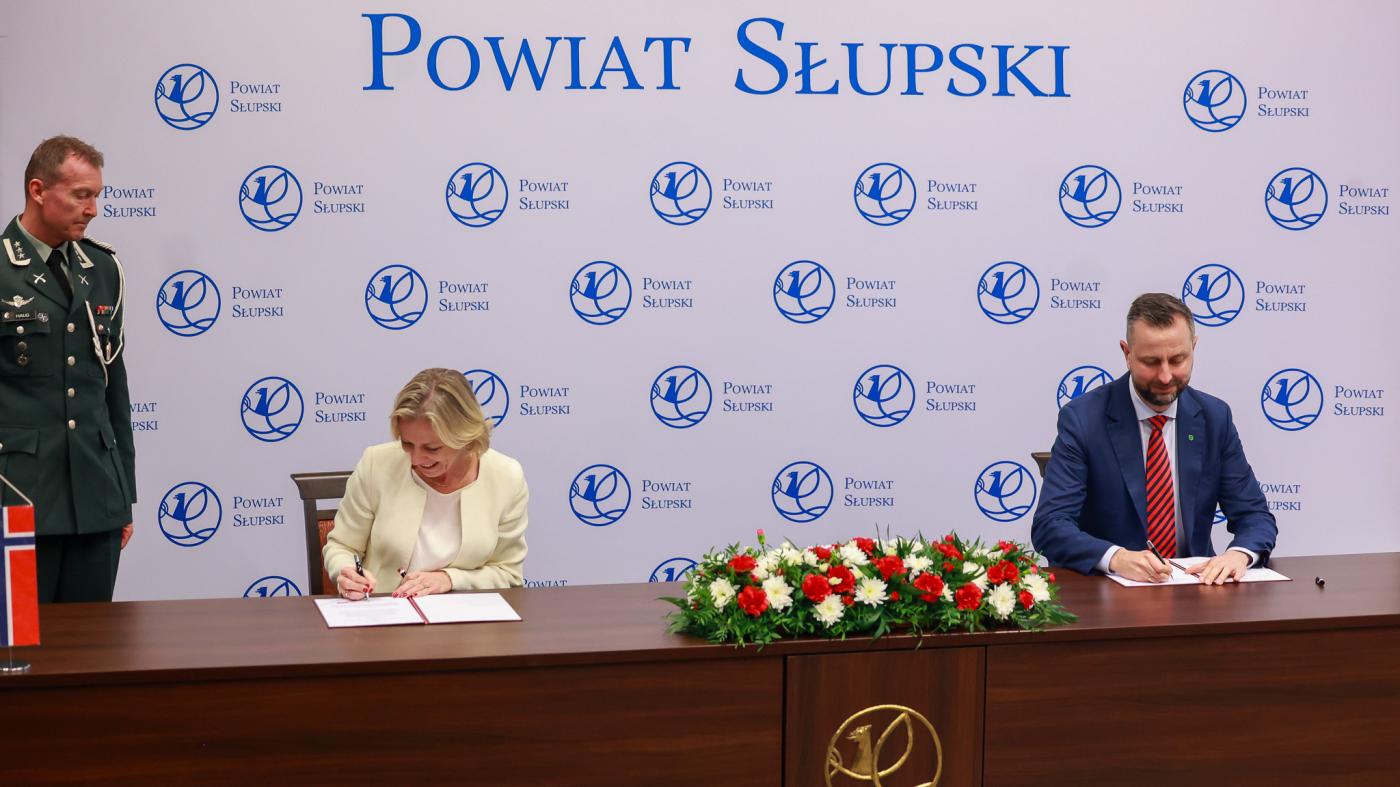
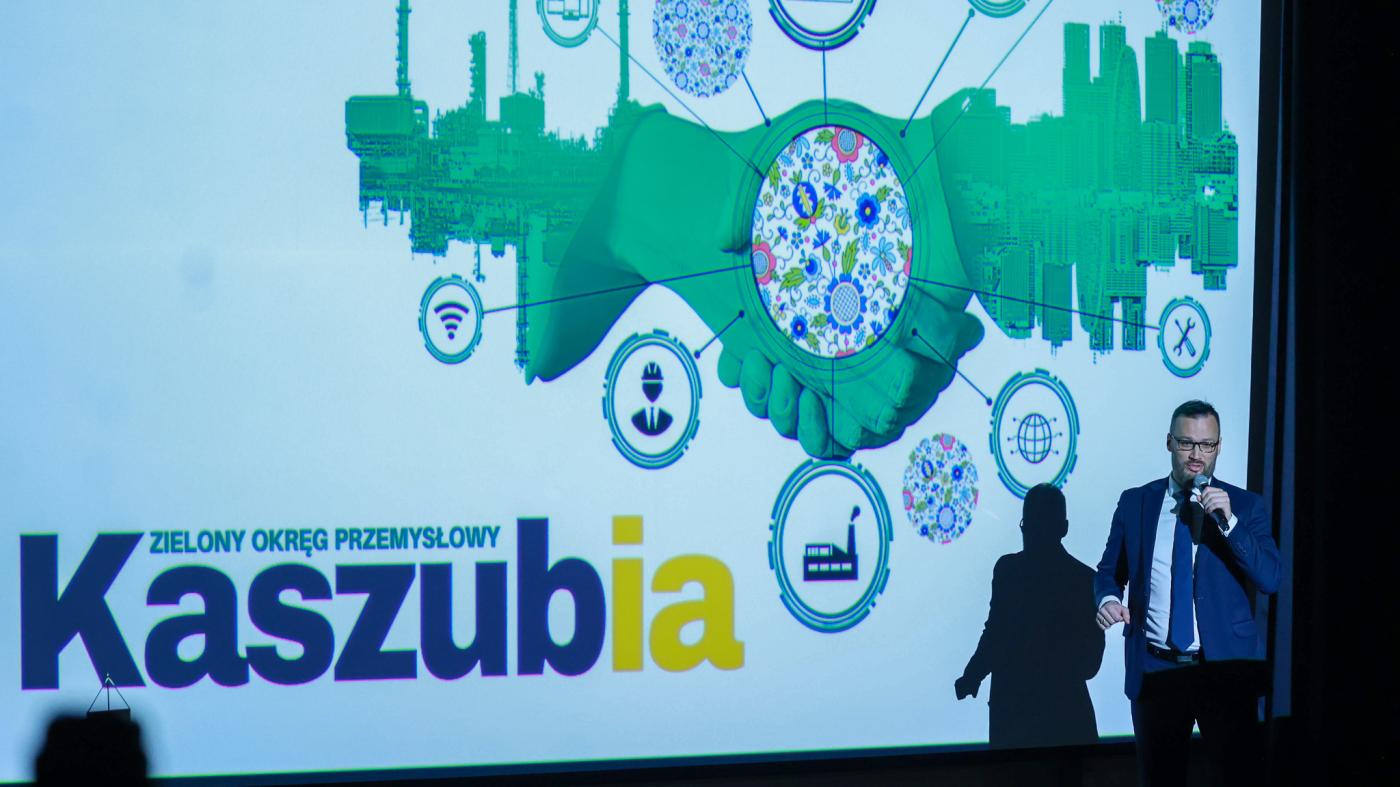
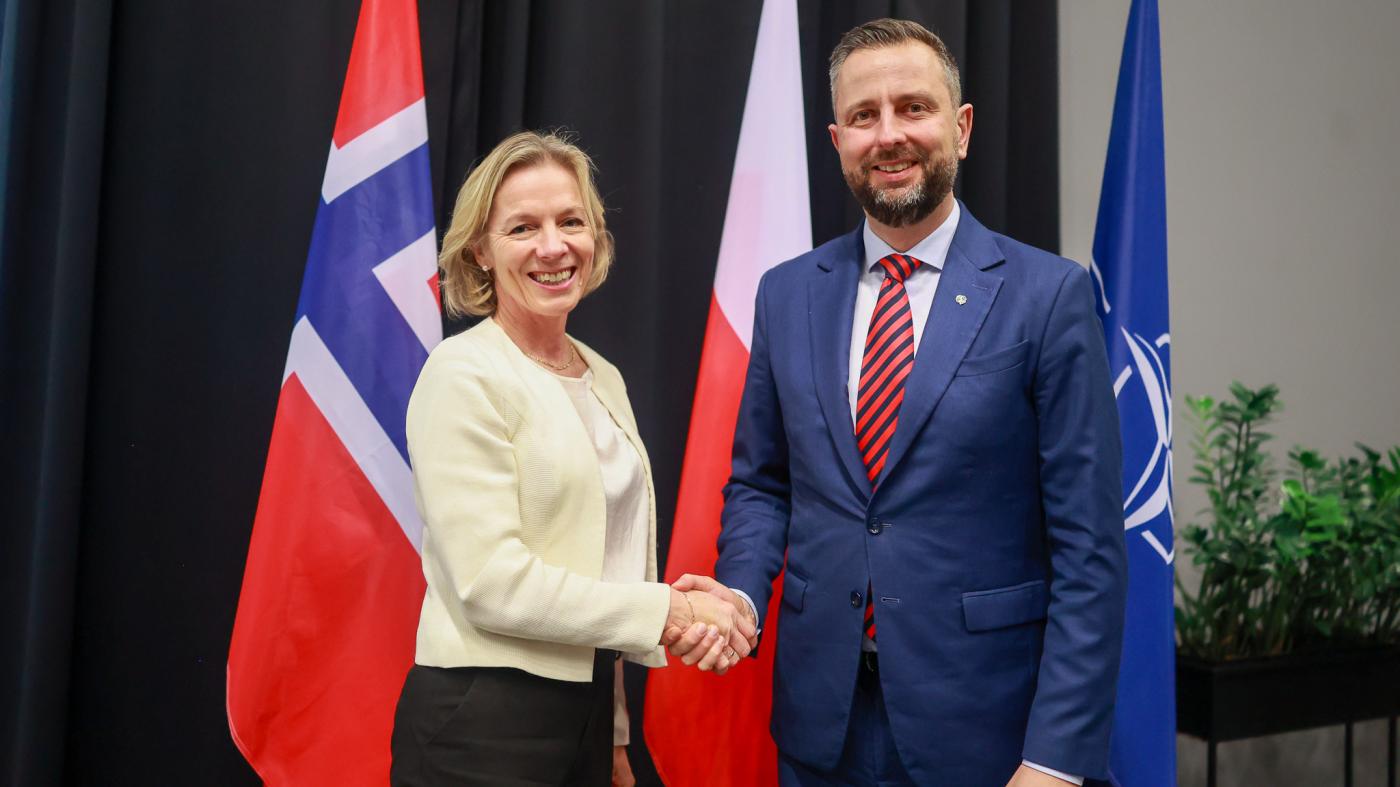
Poland is positioning the Baltic coastline as a strategic hub for defense, renewable energy, and critical infrastructure development. The “Kaszubia Industrial Green Zone”, presented in Słupsk with the participation of Polish Deputy Prime Minister and Minister of Defence Władysław Kosiniak-Kamysz, signifies a transformative shift in how Central Europe approaches industrial security, energy independence, and military cooperation.
business investments politics pomerania defense industry equipment and technology news20 november 2025 | 20:04 | Source: Gazeta Morska | Prepared by: Kamil Kusier | Print
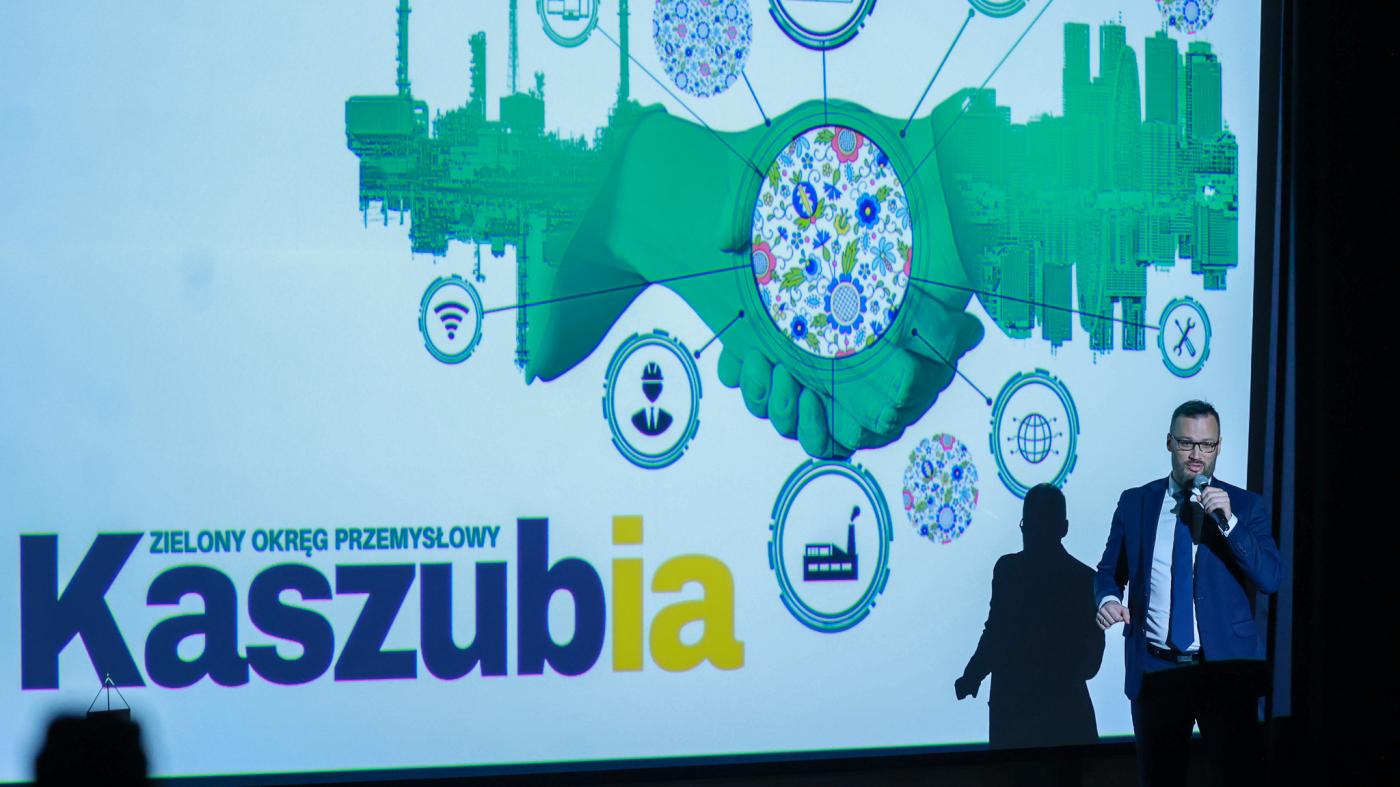
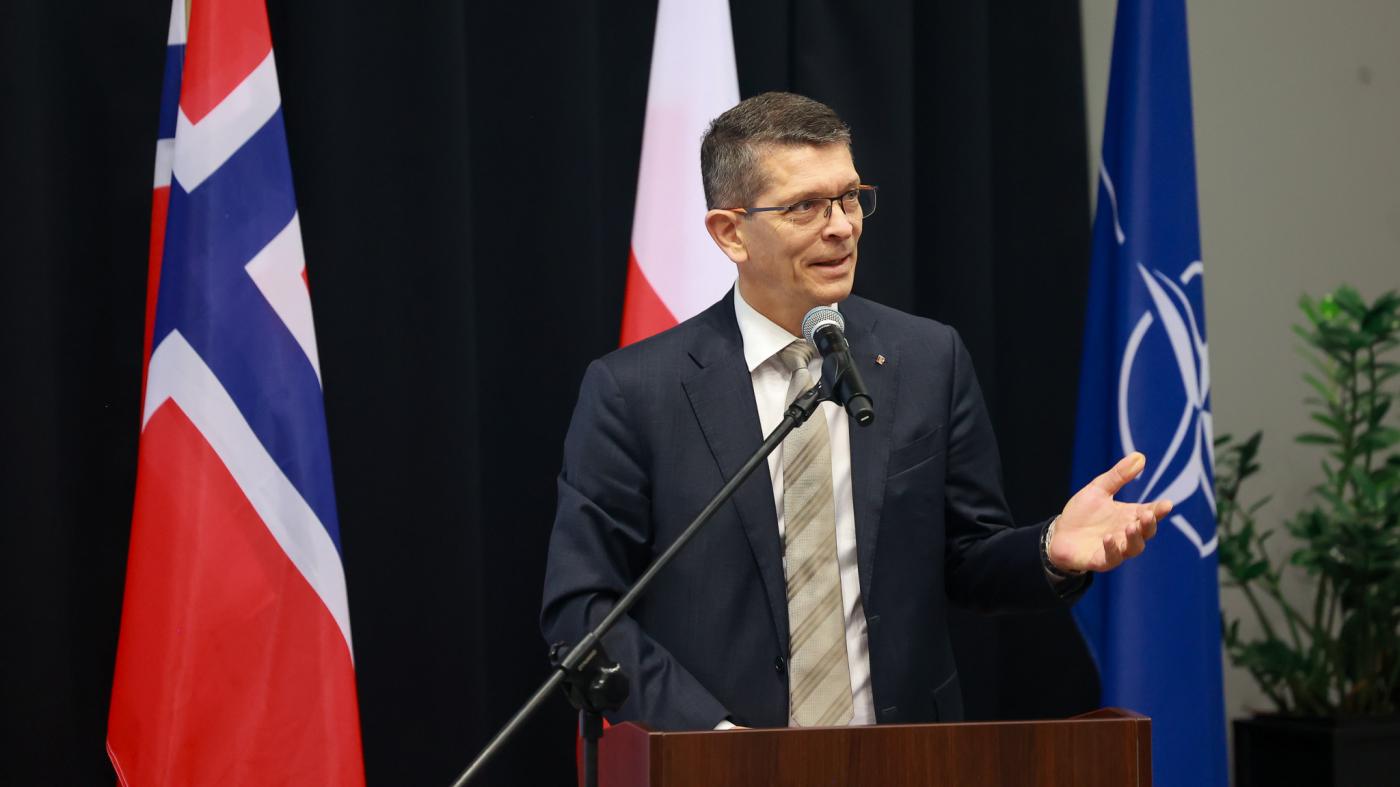
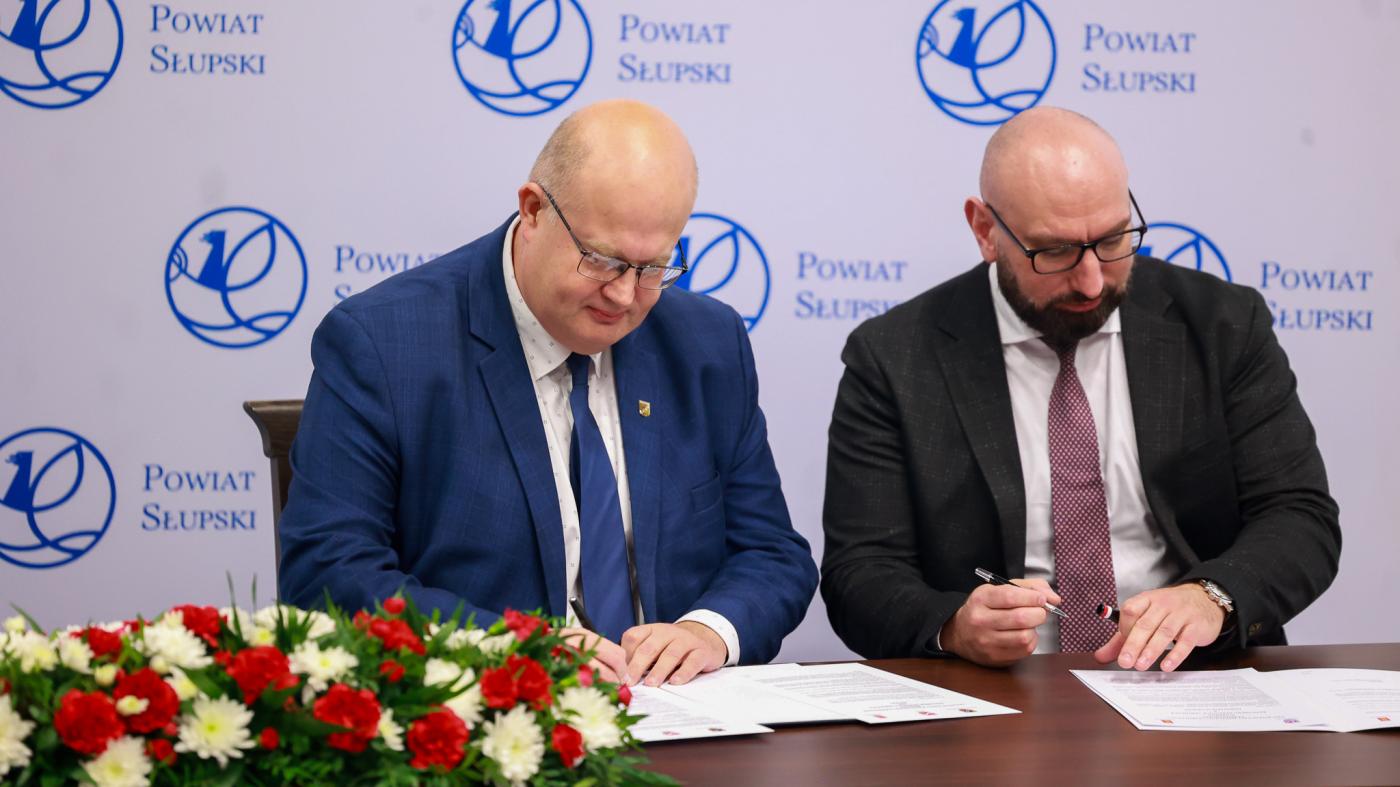
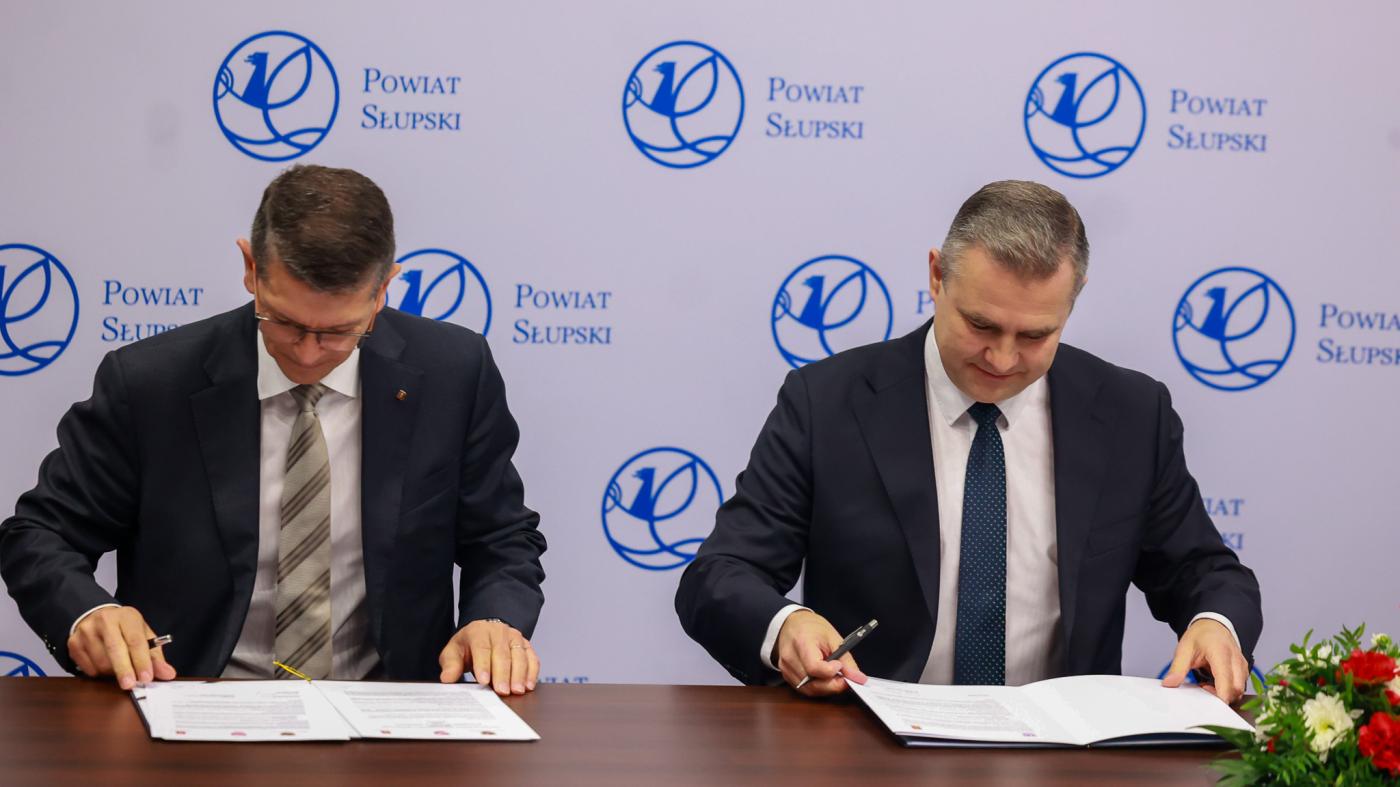
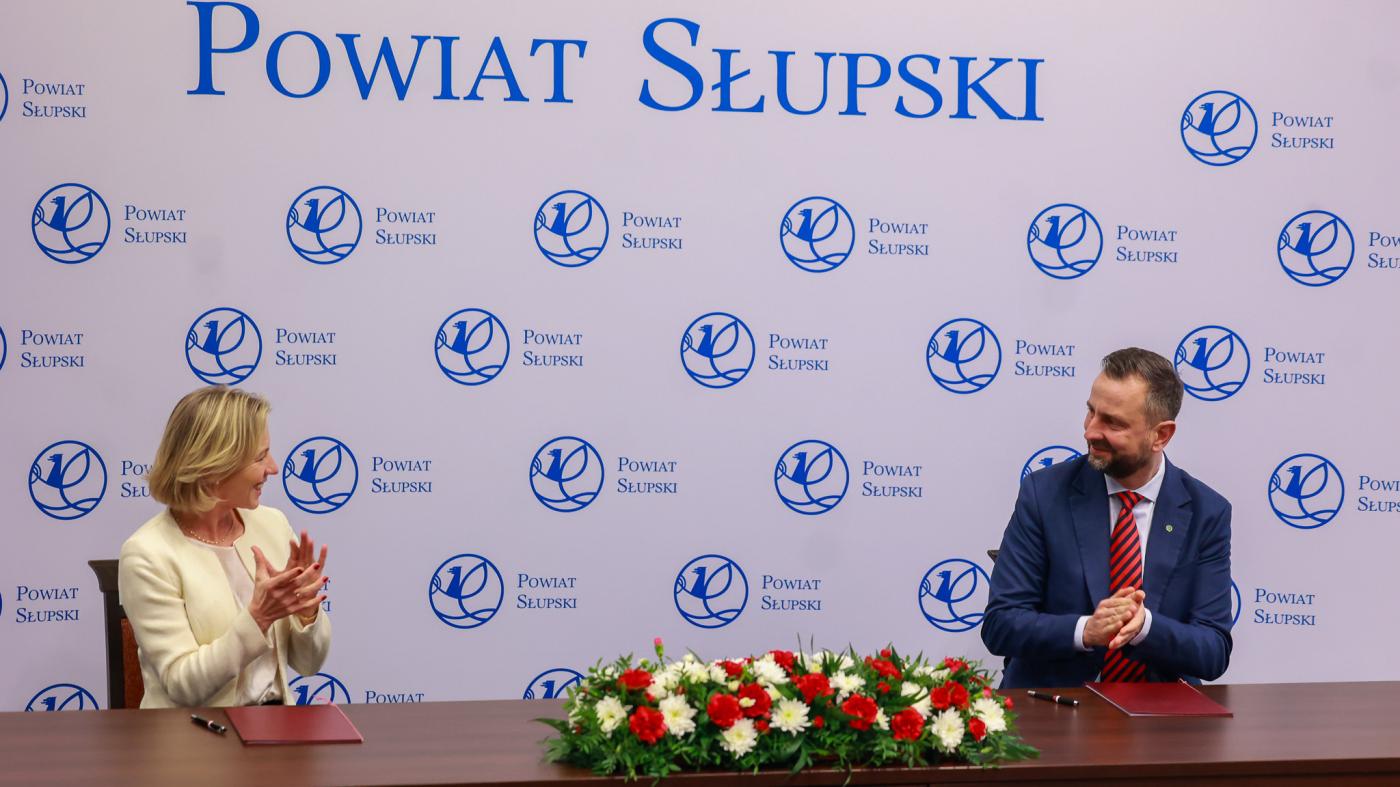
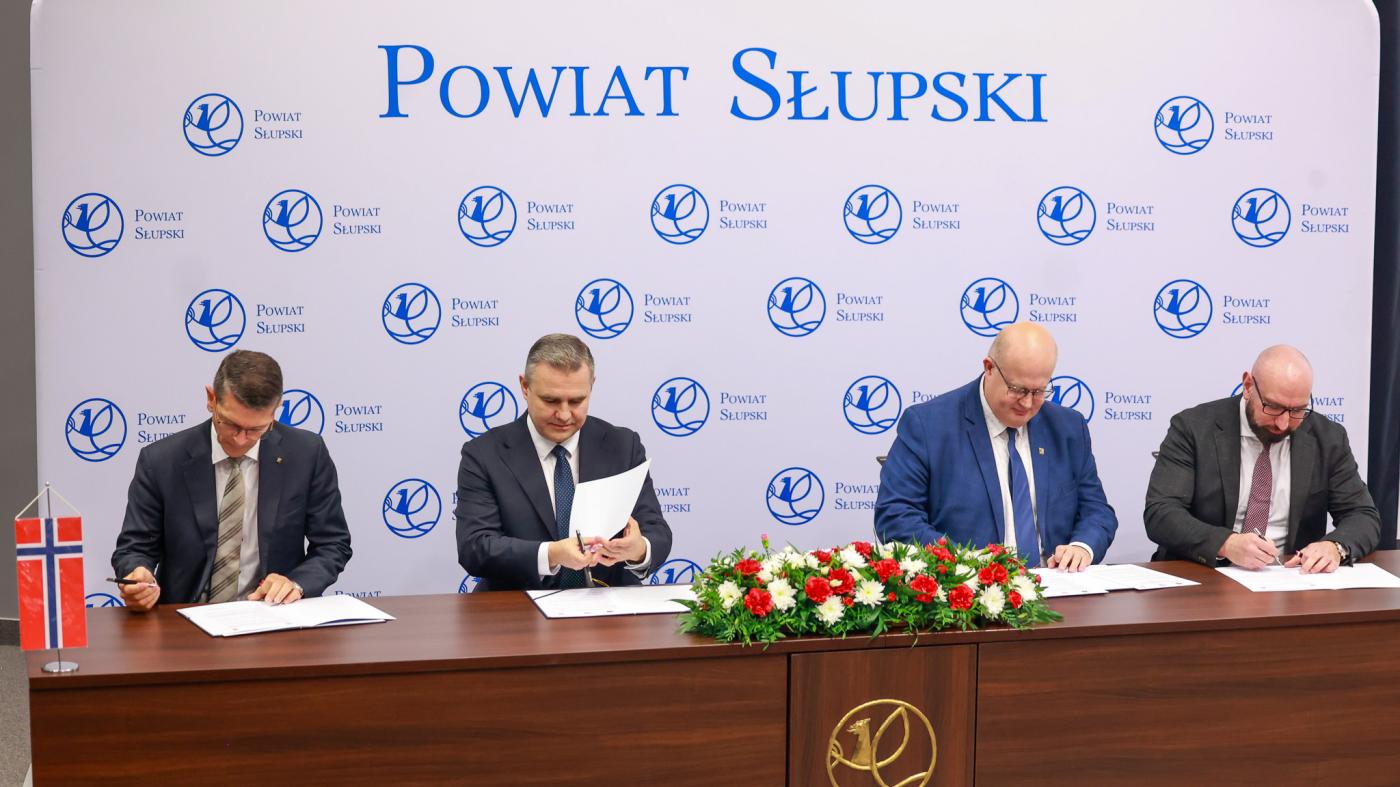
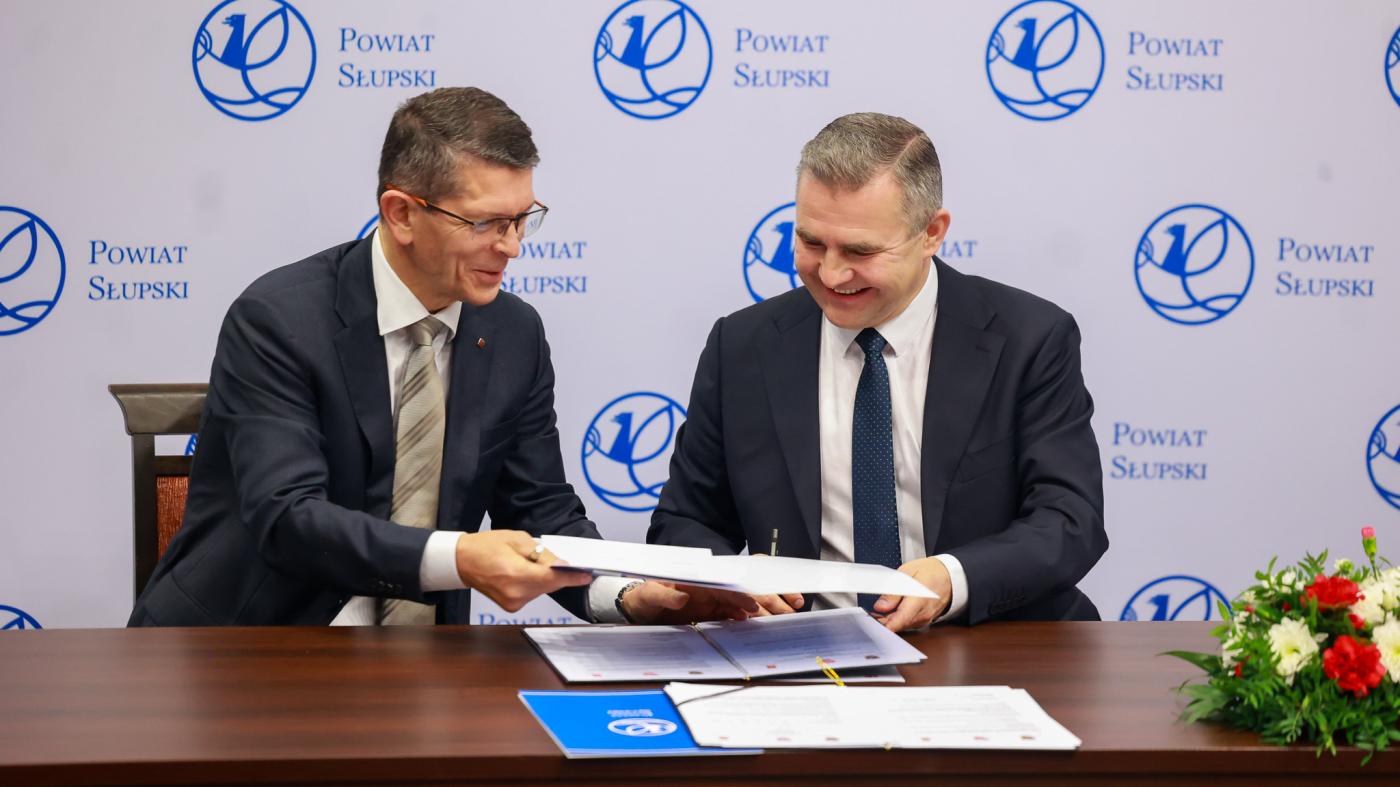
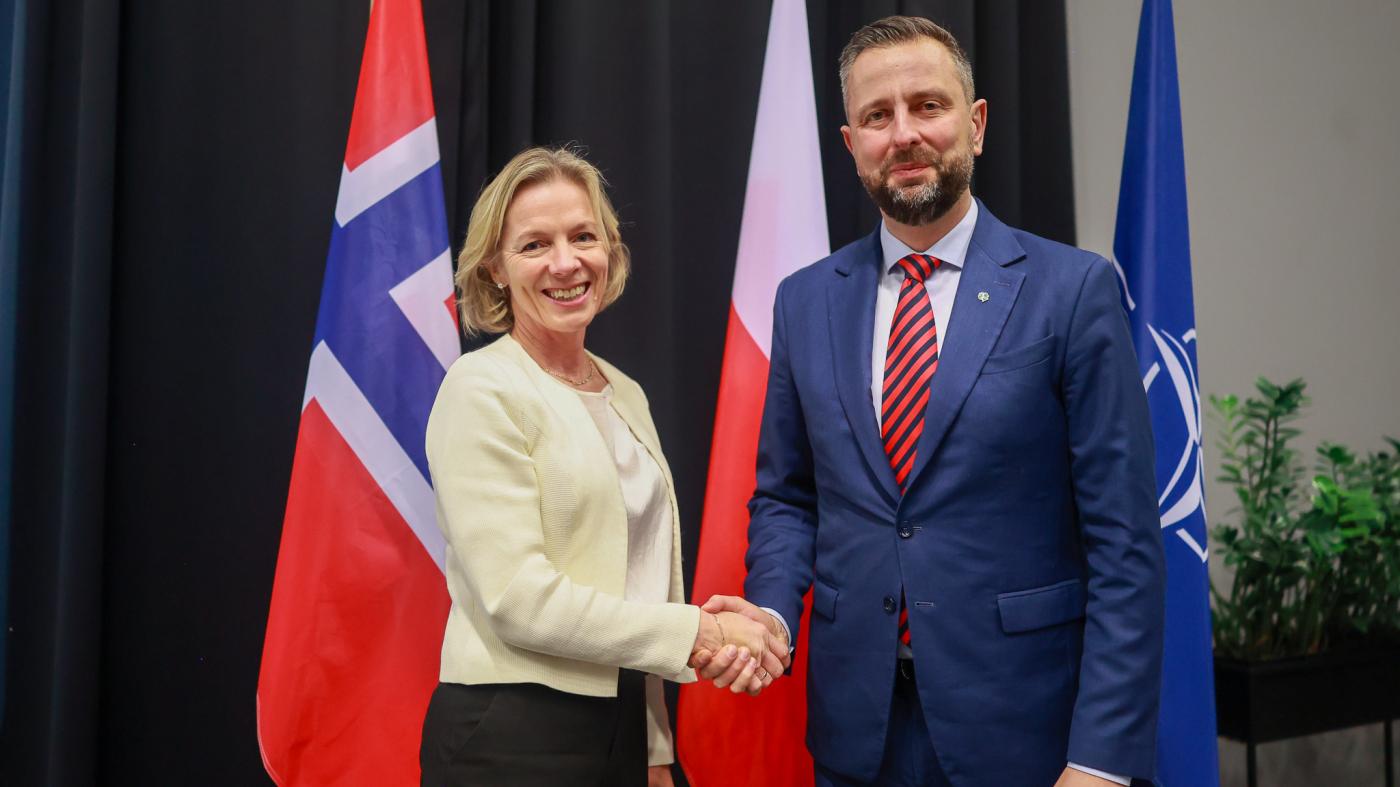
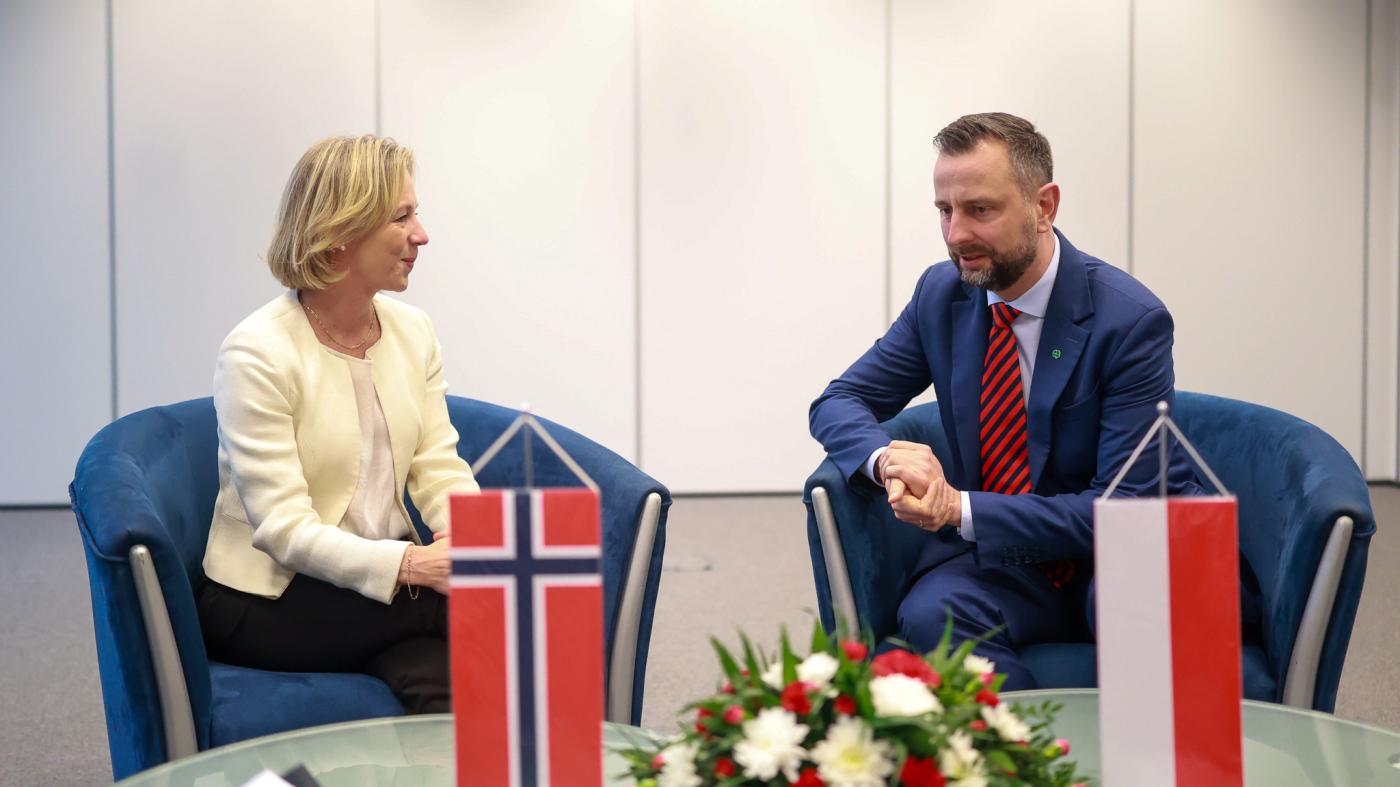
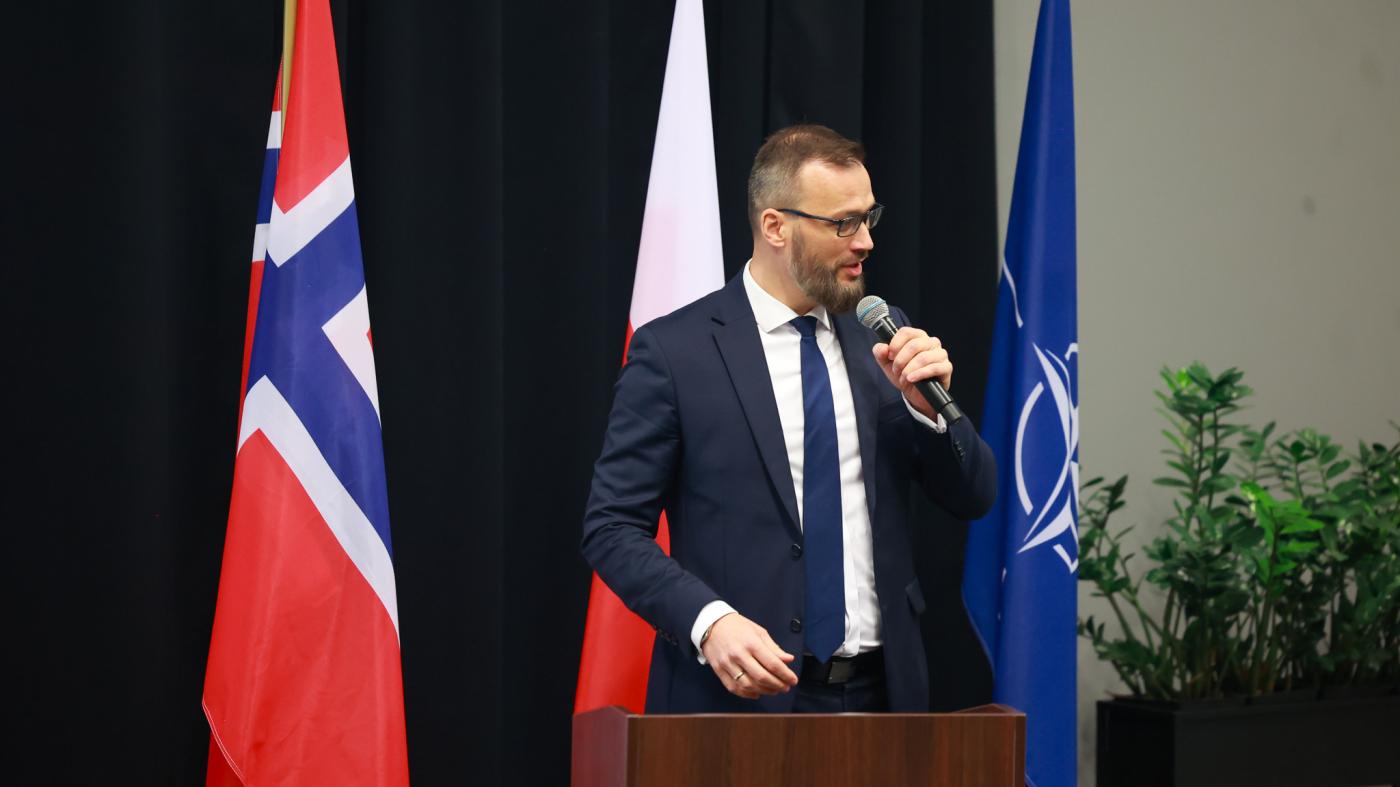
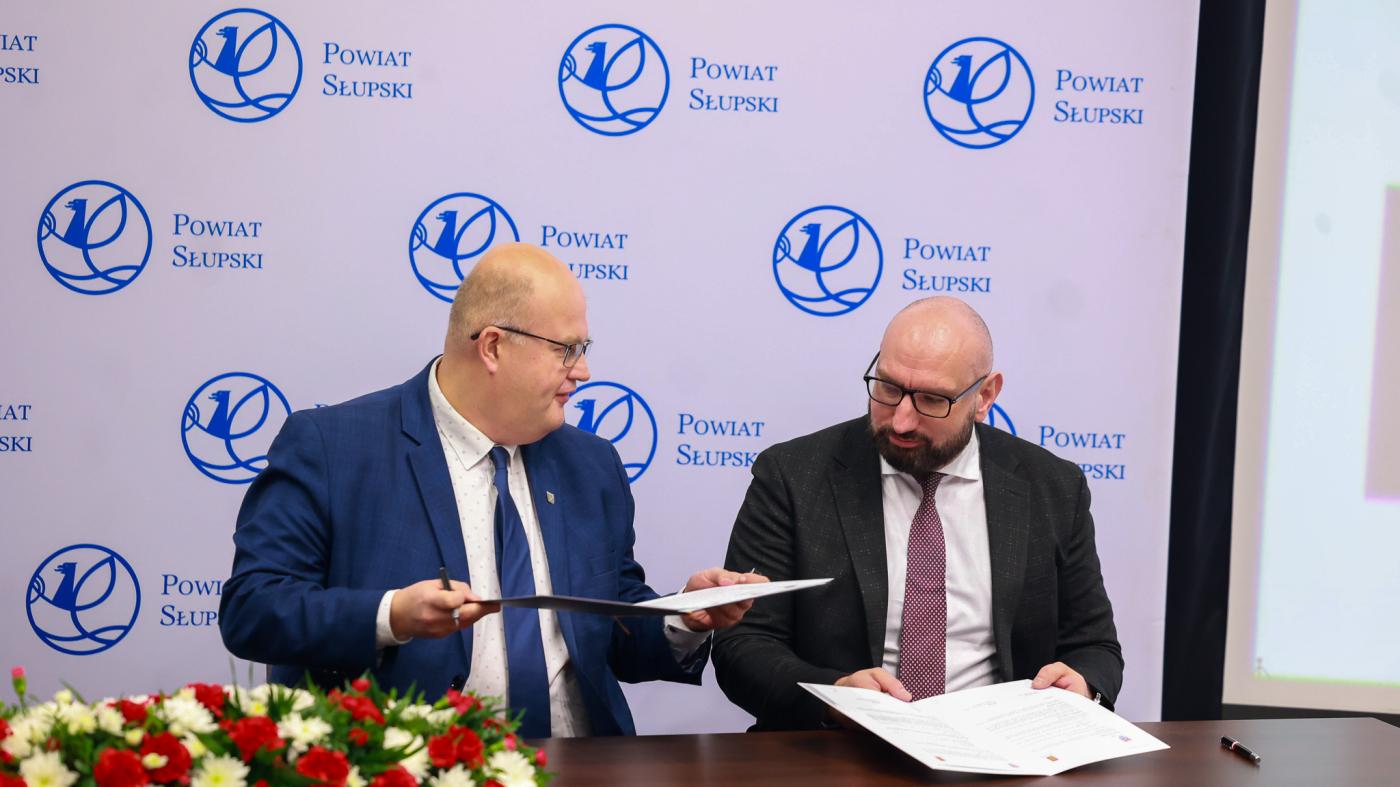
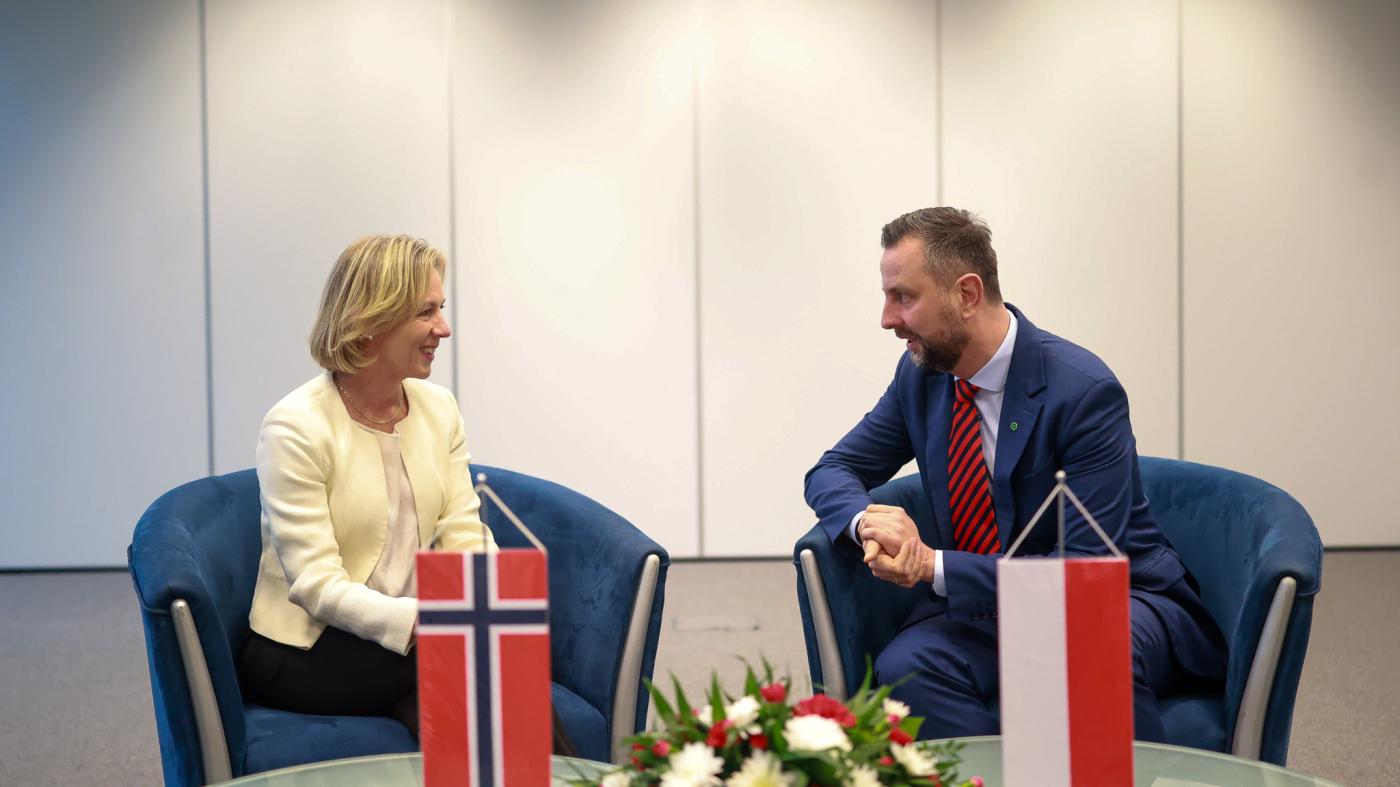
fot. Krzysztof Niedziela / MON
The initiative unites three key provinces—Pomeranian, West Pomeranian, and Kuyavian-Pomeranian—into one innovation corridor focused on high-tech manufacturing, defense logistics, and offshore energy technologies, including wind power and energy storage.
According to Minister Kosiniak-Kamysz, the plan is not just infrastructural—it is strategic. It aims to fuse industrial potential with national defense capabilities, unlocking foreign investment and strengthening NATO’s operational resilience in the Baltic region.
- The Kaszubia Industrial Green Zone is not a theory anymore—it’s becoming a cornerstone of Poland’s defense and energy strategy, he stated during the conference. - We are linking investment, security, and cutting-edge technologies to build Europe’s shield on the Baltic.
Defense industry and critical infrastructure at the helm
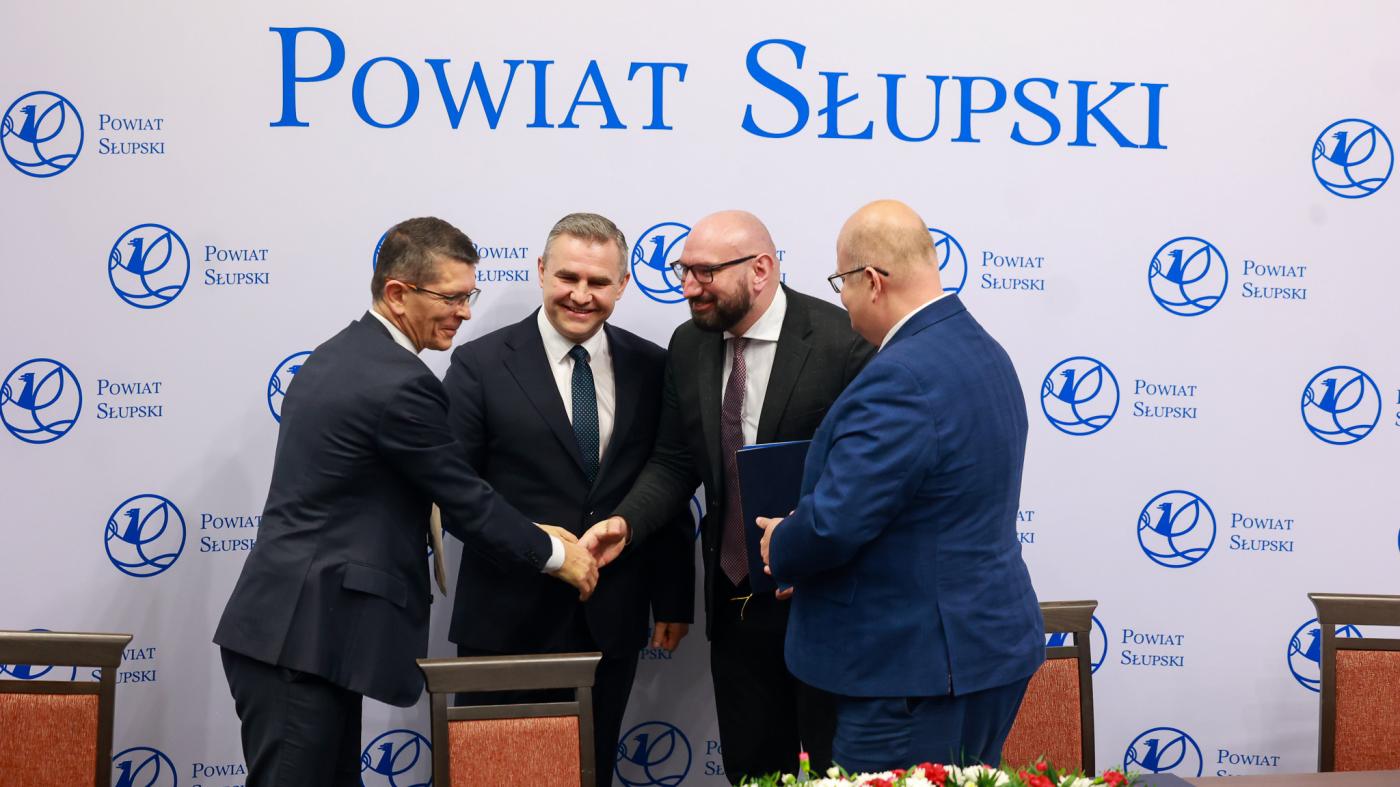
Since the announcement of the initiative, over €45 million (200 million PLN) has already been secured for the first industrial installations, including defense manufacturing operations by Norwegian group Kongsberg. Several other European defense players are exploring partnerships within the zone.
The Kaszubia zone will serve as a logistics gateway for NATO operations across the Baltic Sea, providing infrastructure for:
- Missile defense system development and support
- Advanced drone surveillance and maritime monitoring technologies
- Offshore wind farm security and energy storage
- Military supply chain hubs and rapid response logistics
The aim is to create a hybrid ecosystem that merges civilian energy infrastructure with defense capabilities, ensuring resilience against cyber threats, sabotage, and geopolitical tensions.
Baltic Declaration: a strategic pact reinforced by Norway
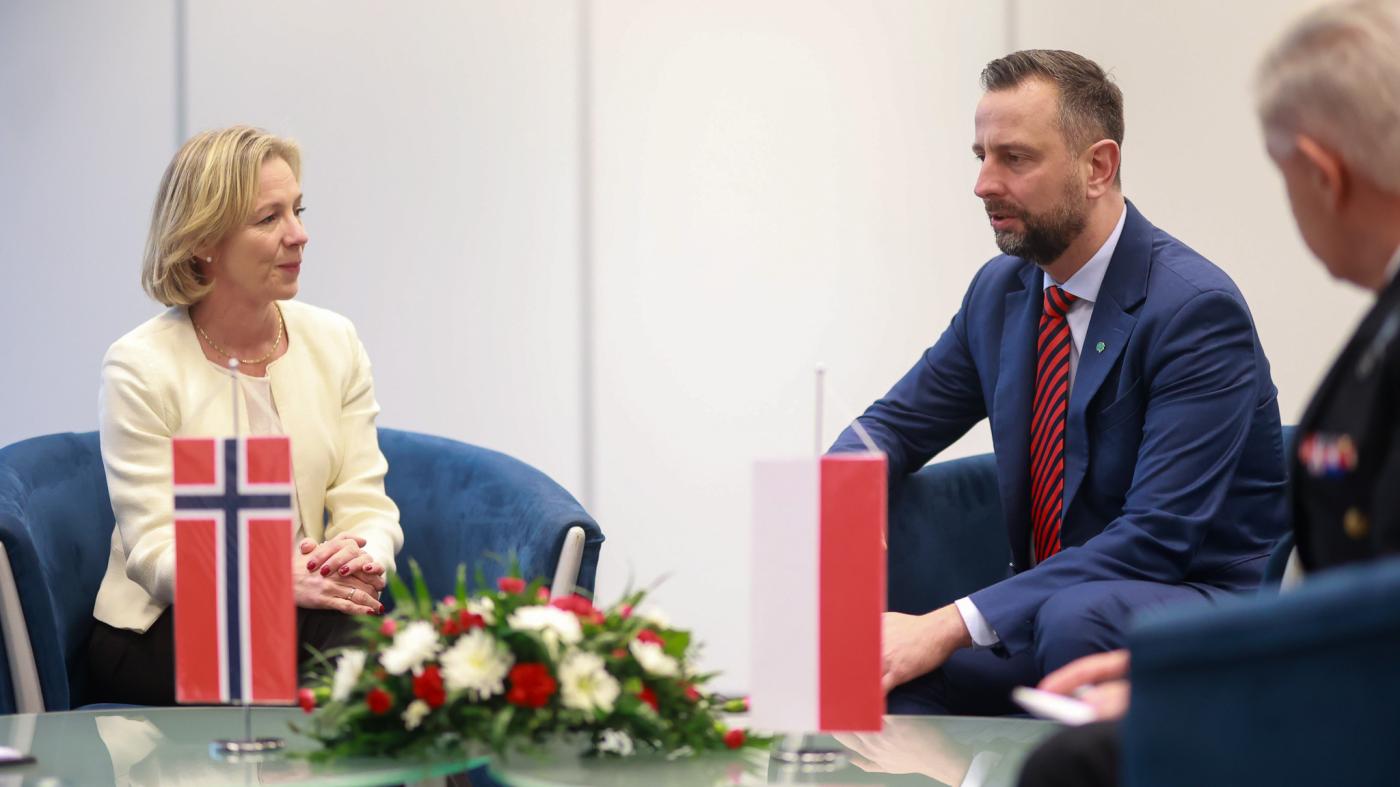
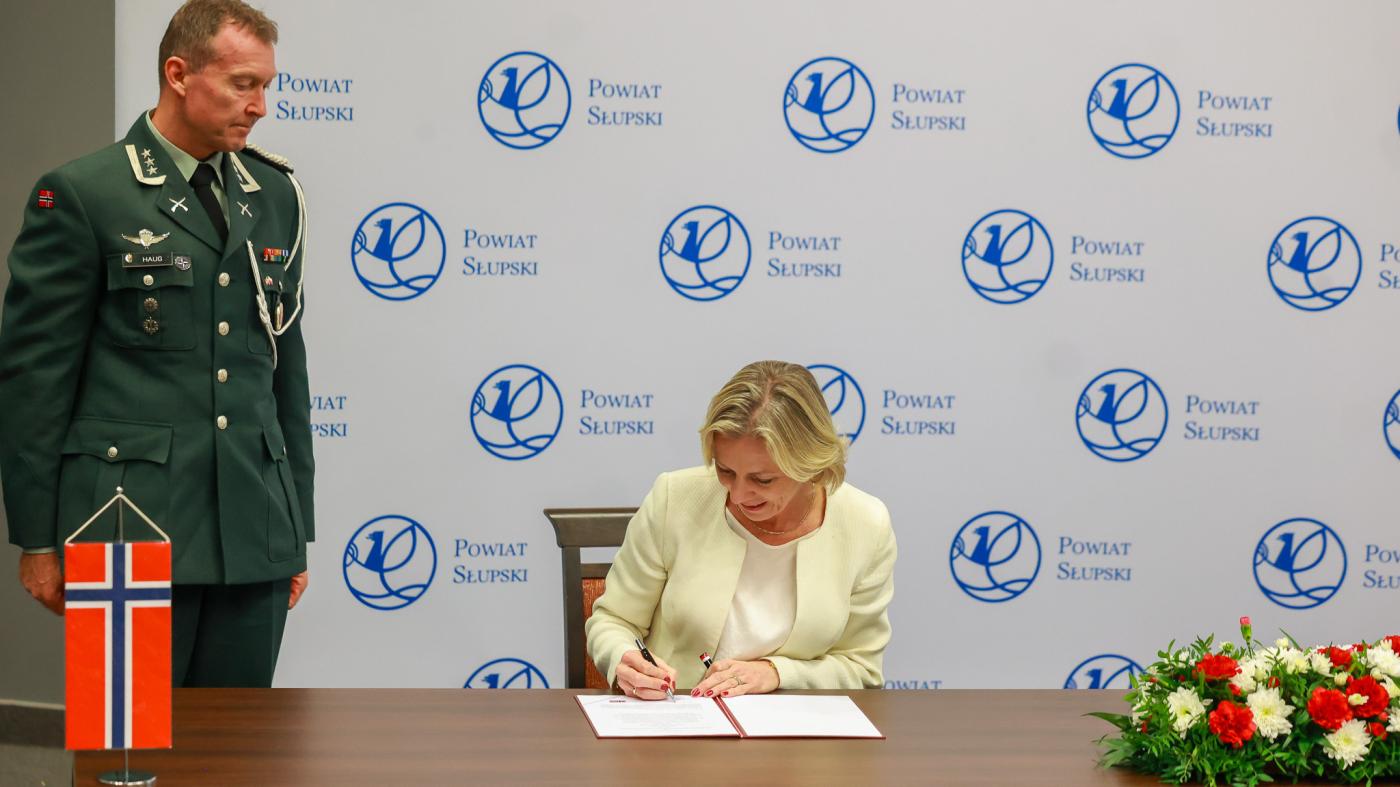
A cornerstone of the initiative is the Baltic Declaration, now joined by Norway, alongside Finland, Sweden, Denmark, Germany, Poland, Estonia, Latvia, and Lithuania. This document strengthens transnational cooperation for Baltic maritime and airspace protection.
Norway’s commitment is particularly significant. Its F-35 fighter jets and NASAMS air defense systems are already supporting Polish airspace missions from bases in Powidz and Krzesiny, reinforcing NATO surveillance and protection capacity.
- Norway is not just an ally—it is a critical partner in building the future architecture of Baltic security, Kosiniak-Kamysz emphasized.
Baltic Sea: from trade route to security frontier
The Baltic has rapidly evolved from a commercial corridor into one of the most strategically sensitive areas of NATO’s eastern flank. Increasing incidents—GPS disruptions, cyber threats, unexplained cable damage, drone reconnaissance, and airspace violations—highlight the urgency of building a security infrastructure integrated with maritime trade and energy supply systems.
The Kaszubia Industrial Green Zone ties into this new reality, with a mission to protect:
- Undersea data cables and gas pipelines
- Offshore wind infrastructure
- Maritime trade and shipping routes
- Energy transmission nodes and ports
Poland is positioning itself as both an engineering center and a strategic defender of Baltic critical infrastructure.
A vision for a resilient Baltic future
The Kaszubia zone goes beyond traditional industrial planning. It reflects a shift toward strategic autonomy and regional defense preparedness—supporting technology, manufacturing, energy, cyber defense, and NATO-mandated operational capabilities.
As Kosiniak-Kamysz concluded:
- The Baltic is no longer just a sea. It is a strategic field for innovation, resilience, and security. Kaszubia is where Europe builds its future defenses.
see also
Buy us a coffee, and we’ll invest in great maritime journalism! Support Gazeta Morska and help us sail forward – click here!
Kamil Kusier
redaktor naczelny
gallery
comments
Add the first comment
see also
Austal partners with Damen for local construction of LST 100 for Australian Army
The submarine contract of the decade? Canada weighs South Korea against Germany
Bechtel signs contract with Doraco for Poland’s first nuclear power plant
When two powers clash, Poland must be ready to act. Military security must be the priority
MON, Arka Gdynia and AMW sign letter of intent supporting "Green Industrial District - Kashubia" project
Mine countermeasure vessel Jaskółka begins sea acceptance trials
PEJ relocates headquarters to Pomerania. A strategic step in Poland’s nuclear power development
Radmor hosts delegation from the Republic of Turkey. Advancing maritime security cooperation
3D-printed catamaran: robotic manufacturing sets course for the future of small craft
Navantia and Fincantieri deepen cooperation on the european patrol corvette programme
ADVERTISEMENT
ADVERTISEMENT