Tanker mortgages: the shadow fleet’s role in evading oil sanctions
Russia has reportedly adapted Iran’s shadow fleet system to transport oil to China, circumventing Western sanctions, according to an investigation by the Financial Times. The scheme is estimated to be worth billions of dollars.
business maritime economy logistics worldwide transport and forwarding news21 august 2025 | 17:59 | Source: Gazeta Morska / PAP | Prepared by: Marta Zabłocka | Print
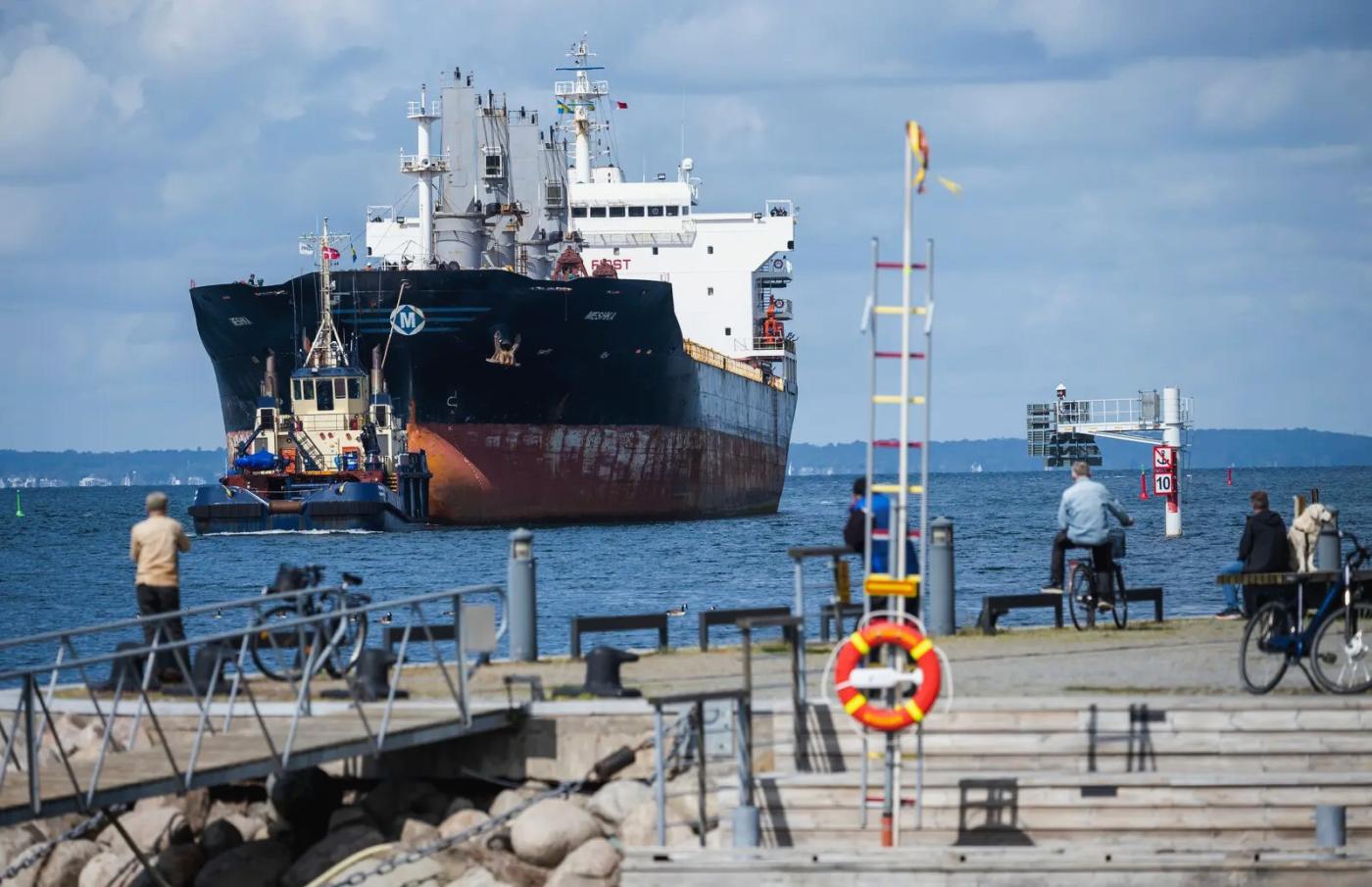
fot. Johan Nilsson / X
The investigative report detailed how a criminal network linked to Iran used maritime mortgages to conceal oil shipments from Iran, Venezuela, and Russia to China between 2019 and 2023.
In 2019, an Iranian named Saeed Alikhani contacted a Swiss lawyer in Zug to arrange tanker mortgages through the Panama-based broker Ocean Glory Giant. Mortgages, normally used as collateral for shipping loans, were repurposed as guarantees for oil trading.
Journalists, collaborating with the Washington-based think tank C4ADS (Center for Advanced Defense Studies), tracked at least nine tankers registered within months of the initial meeting. Over time, the fleet grew to more than 30 vessels, valued at around $1 billion.
Monitoring revealed that these ships were transporting oil subject to Western sanctions. Each vessel was nominally owned by a separate company, with Chinese directors, many of whom had no shipping experience. Some contact information in the mortgage documents linked the companies to Chinese nationals already sanctioned by the U.S. during Donald Trump’s presidency.
The Swiss lawyer admitted signing a $24 million mortgage for a Hong Kong company whose director was later sanctioned for trading Iranian oil. He described the procedures as routine: checking contracts and vessels against sanction lists before signing.
Data analyzed by FT and C4ADS showed that the mortgaged ships transported Iranian oil from Iran’s largest oil port on Khark Island to China. After 2022, the network also began shipping Russian crude from the Urals. Over five years, the operation handled approximately 130 million barrels of oil worth nearly $10 billion, with 93 percent of shipments going to China.
China, the world’s largest oil importer, has never denied purchasing sanctioned oil. In 2024 alone, the country imported around 1.5 million barrels per day from Iran and 2 million barrels per day from Russia, about a third of its total imports.
When asked for comment, the Chinese Ministry of Foreign Affairs said that “normal cooperation between states and Iran under international law is justified, reasonable, lawful, and should be respected and protected.”
- Ocean Glory Giant and its network have become a model for facilitating the flow of oil from illicit sources eastward, said Claire Jungman, director of maritime risk at Vortexa, a firm analyzing energy and shipping data.
The Financial Times reported that by late 2024, the broker Ocean Glory Giant was placed under U.S. sanctions.
Buy us a coffee, and we’ll invest in great maritime journalism! Support Gazeta Morska and help us sail forward – click here!
Kamil Kusier
redaktor naczelny
comments
Add the first comment
see also
Austal partners with Damen for local construction of LST 100 for Australian Army
The submarine contract of the decade? Canada weighs South Korea against Germany
Bechtel signs contract with Doraco for Poland’s first nuclear power plant
When two powers clash, Poland must be ready to act. Military security must be the priority
MON, Arka Gdynia and AMW sign letter of intent supporting "Green Industrial District - Kashubia" project
Mine countermeasure vessel Jaskółka begins sea acceptance trials
PEJ relocates headquarters to Pomerania. A strategic step in Poland’s nuclear power development
Radmor hosts delegation from the Republic of Turkey. Advancing maritime security cooperation
3D-printed catamaran: robotic manufacturing sets course for the future of small craft
Navantia and Fincantieri deepen cooperation on the european patrol corvette programme
ADVERTISEMENT
ADVERTISEMENT