Full-depth modernization: Orka program enters intergovernmental phase. Saab contract possible in 2025?
The decision to select Sweden as the strategic partner for the Orka program marks a milestone in the modernization of the Polish Navy. The Polish government adopted the recommendation of the Ministry of Defence, paving the way for an intergovernmental agreement on three new submarines and a wide-ranging package of industrial, operational, and training cooperation.
26 november 2025 | 18:30 | Source: Gazeta Morska | Prepared by: Kamil Kusier | Print
fot. Saab
Government priority and strategic choice
Deputy Prime Minister and Minister of Defence Władysław Kosiniak-Kamysz emphasized that the Orka program has been a key priority since the government took office:
- This is a great day for the security of the Polish state and the Navy. Poland will acquire three submarines, building a new security architecture in the Baltic. Sweden’s offer was the only one that met all the expectations of the Polish Navy.
He added that the intergovernmental agreement should be signed this year, noting that submarine construction will be carried out in Sweden with the involvement of Polish shipyards and the defence industry.
- Orka is not only the acquisition of new equipment, but also the development of capabilities for the Polish economy and defence sector.
Strengthening Polish-Swedish cooperation
The choice of Sweden received an immediate and positive response from Stockholm. Prime Minister Ulf Kristersson emphasized that Warsaw’s decision strengthens bilateral defence relations:
- In these uncertain times, we are stronger together. Poland and Sweden share the same perception of threats, and today we deepen political, defence, and industrial cooperation to an unprecedented level.
Coordinator of special services Tomasz Siemoniak also highlighted close collaboration in security matters, including intelligence:
- This is an important day for peace in the Baltic.
Technology designed for the Baltic
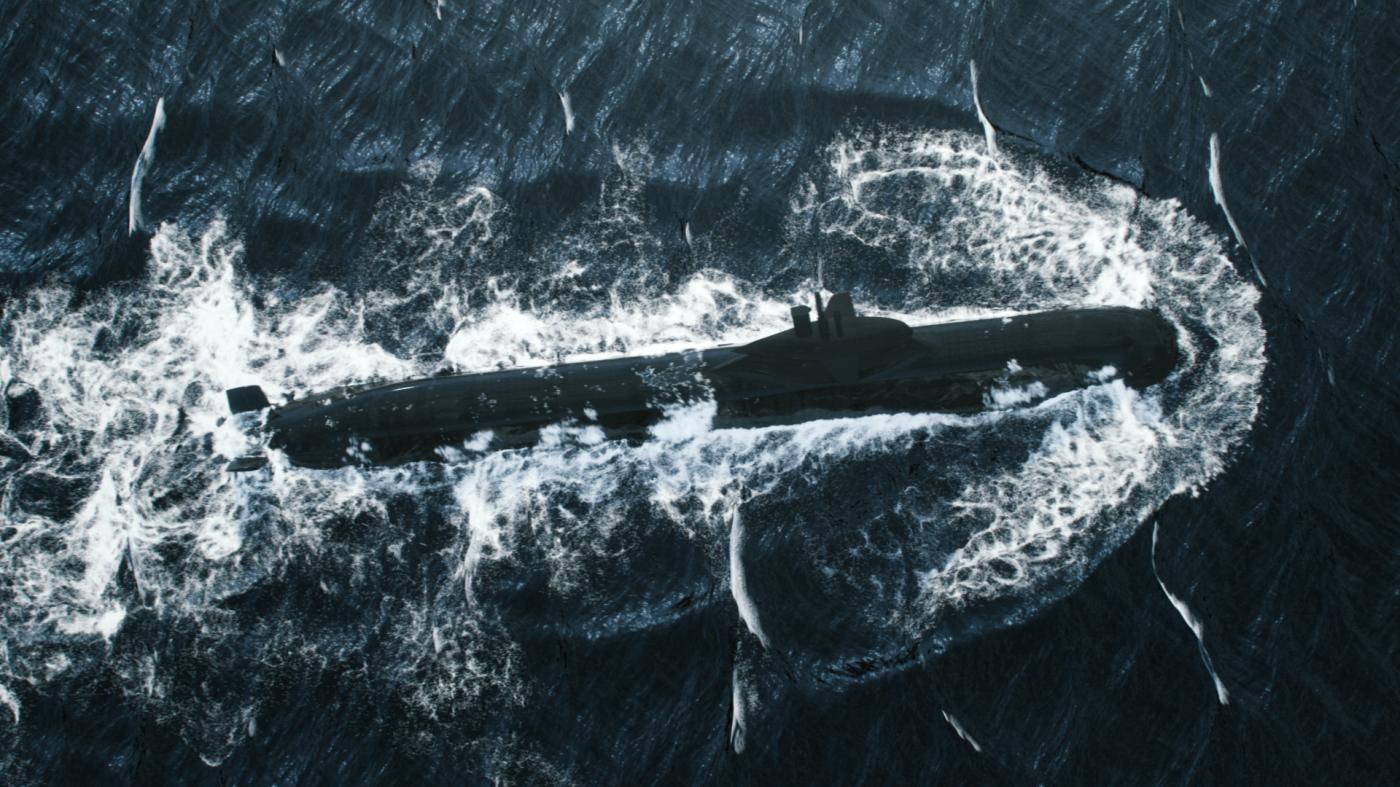
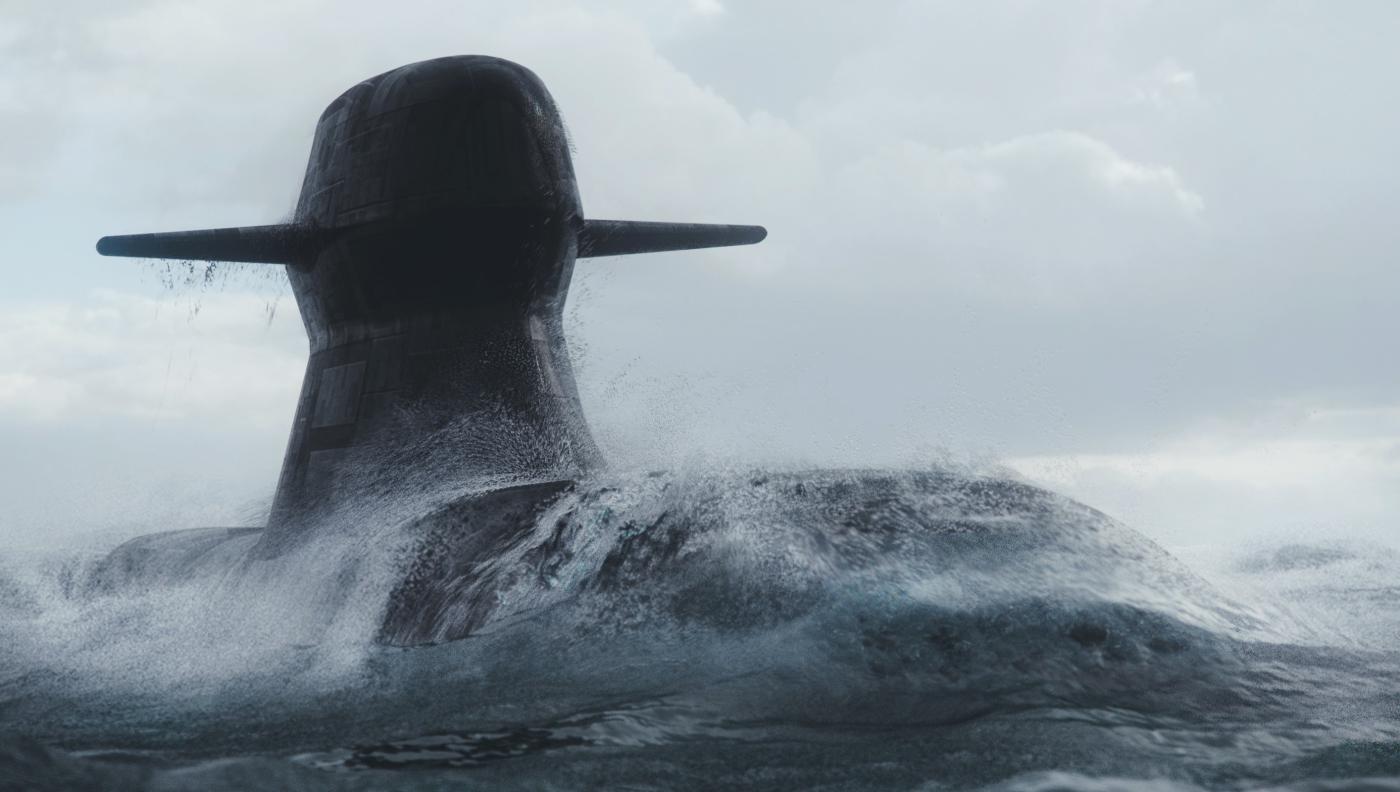
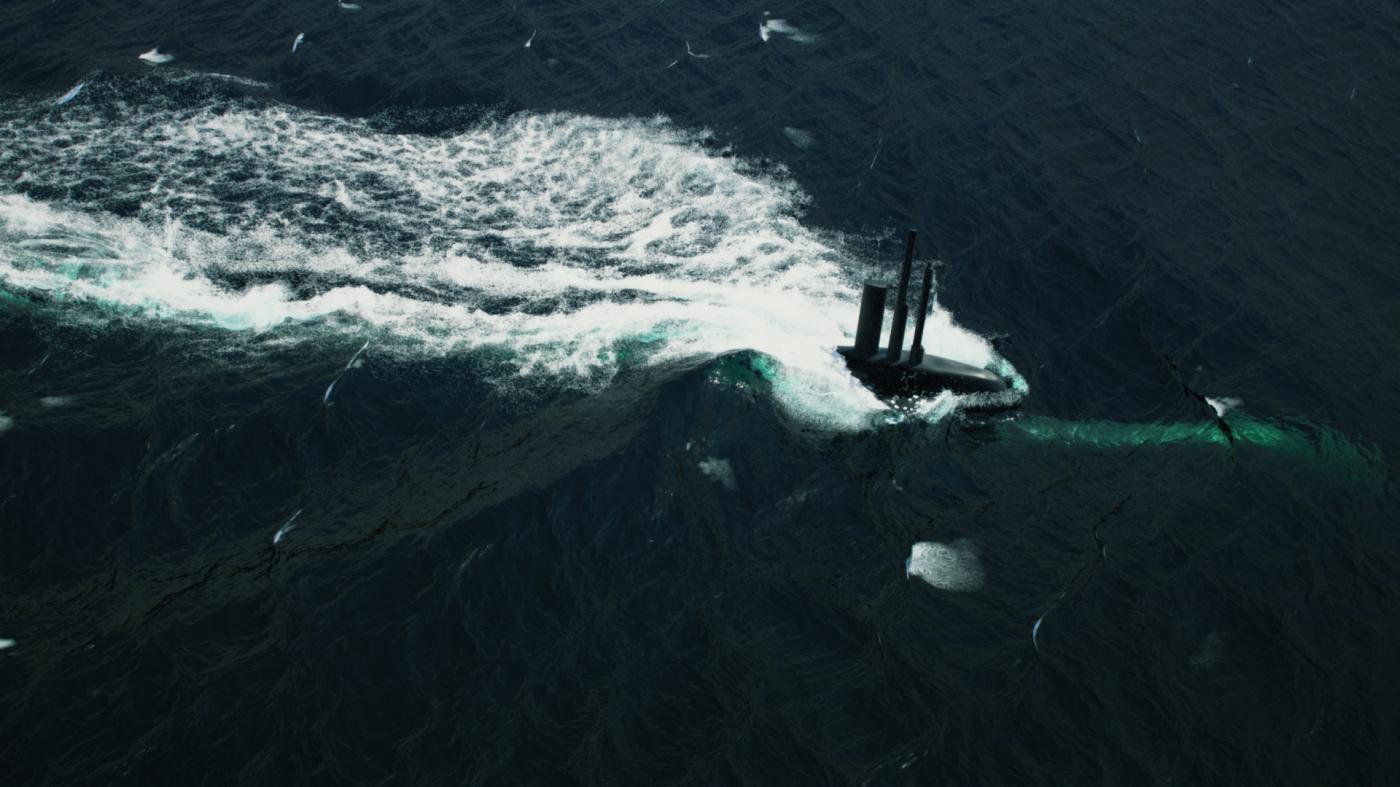
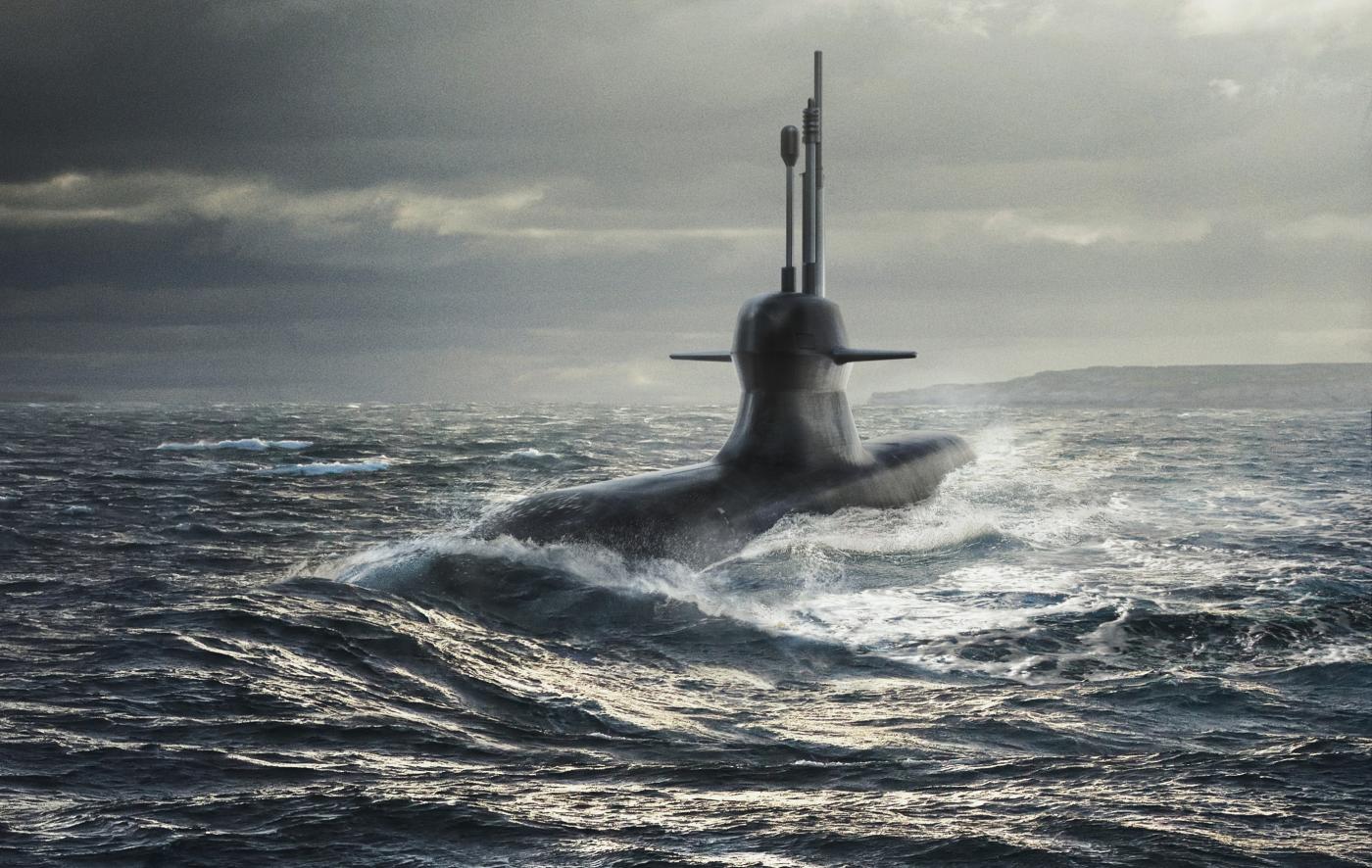
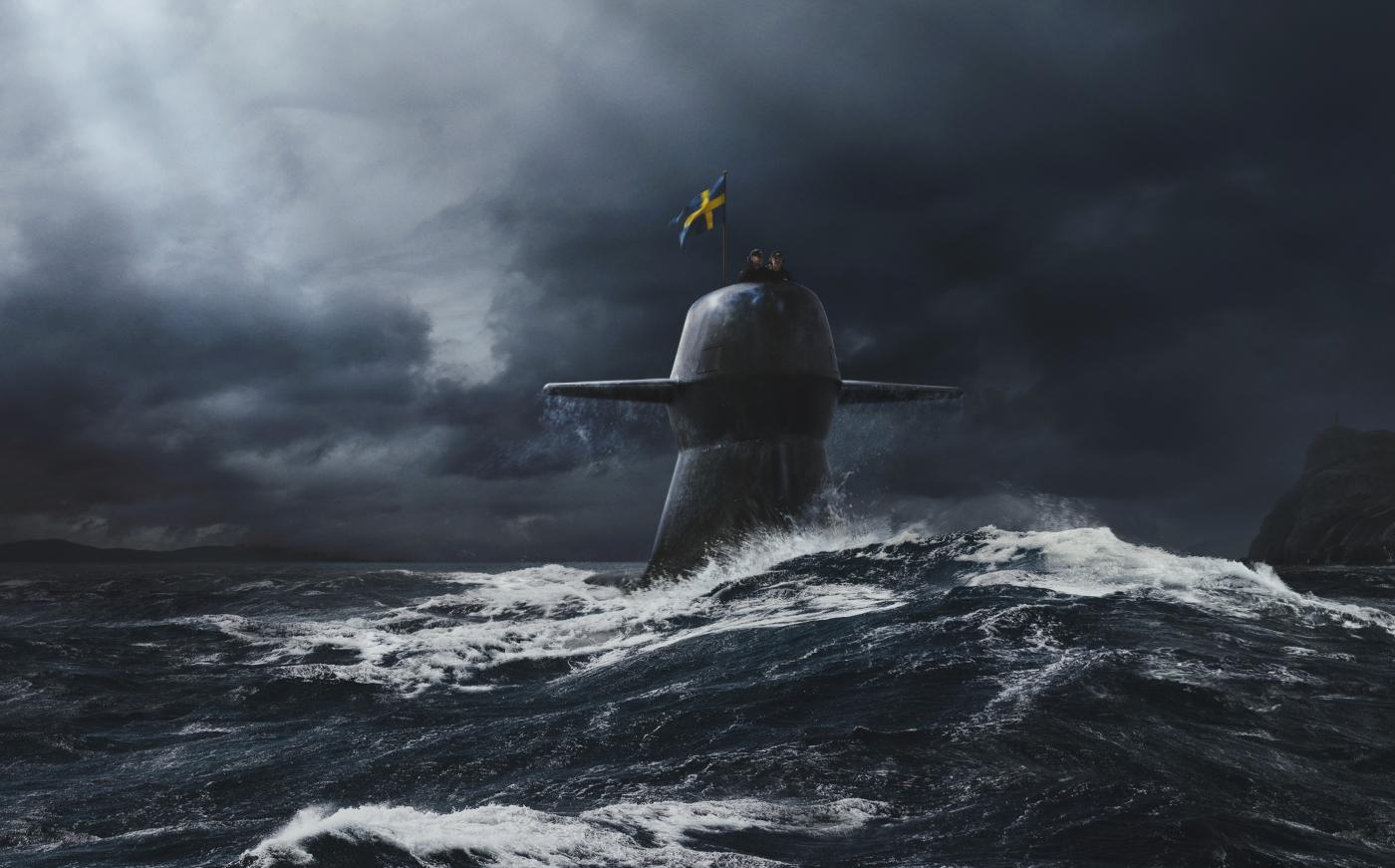
Saab emphasizes that the offered A26 submarines are specifically designed for operations in the shallow and challenging waters of the Baltic Sea.
- The Swedish offer, featuring submarines tailored for the Baltic Sea, will significantly enhance the operational capabilities of the Polish Navy and benefit the Polish economy, said Micael Johansson, president and CEO of Saab.
Swedish ambassador to Poland Martina Quick noted that Orka opens a “historic opportunity” to strengthen cooperation, with both countries set to operate “the most advanced submarines in the world.”
Industrial component and UK participation
The offer includes significant investments in the Polish shipbuilding industry, procurement of Polish weapons by Sweden, and the participation of the United Kingdom as a technological partner. According to the Ministry of Defence, Orka is a multi-layered project encompassing submarine acquisition as well as the development of service, training, and engineering capabilities in Poland.
Opposition voices: support with caution
Former Minister of Defence Mariusz Błaszczak welcomed the continuation of the Orka program, but warned of risks related to the A26 project, including past delays and cost increases. He also noted a lack of details on the SAFE fund utilization and the share of Polish industry.
Deputy Speaker of the Sejm, Krzysztof Bosak, called the decision “bold and rational,” highlighting Sweden’s centuries-long shipbuilding experience and the existing personnel and industrial cooperation with Saab. However, he pointed out that competitors from South Korea and Germany offered advantages in terms of faster delivery and production scale.
A new security architecture in the Baltic
The Orka program is an intergovernmental initiative aimed at strengthening Poland’s underwater deterrence capabilities and establishing long-term industrial and operational partnerships. Government representatives note that Polish sailors will begin training on Swedish submarines before the new units are delivered, while the involvement of Polish shipyards will increase domestic competencies in key maritime technologies.
The final cost of the program will be known after signing the execution contract, which will cover the full life cycle of the submarines — from integration to operation, maintenance, and modernization.
see also
Buy us a coffee, and we’ll invest in great maritime journalism! Support Gazeta Morska and help us sail forward – click here!
Kamil Kusier
redaktor naczelny
gallery
comments
Add the first comment
see also
Strait of Hormuz at a strategic crossroads: sinking of IRIS Dena and implications for maritime transport
Austal partners with Damen for local construction of LST 100 for Australian Army
The submarine contract of the decade? Canada weighs South Korea against Germany
Bechtel signs contract with Doraco for Poland’s first nuclear power plant
When two powers clash, Poland must be ready to act. Military security must be the priority
MON, Arka Gdynia and AMW sign letter of intent supporting "Green Industrial District - Kashubia" project
Commodore Przemysław Karaś appointed deputy commander of the Maritime Operations Centre - Naval Component Command
Mine countermeasure vessel Jaskółka begins sea acceptance trials
PEJ relocates headquarters to Pomerania. A strategic step in Poland’s nuclear power development
March 1: Remembering the “cursed soldiers”. A legacy that also resonates with today’s navy
ADVERTISEMENT
ADVERTISEMENT