Poland selects Sweden as strategic partner for the Orka submarine program
Poland has officially selected Sweden as the preferred partner in the Orka submarine program—one of the largest naval modernization initiatives in the history of the Polish Navy. The decision, announced by Deputy Prime Minister and Minister of National Defence Władysław Kosiniak-Kamysz, marks a turning point for Poland’s maritime defense posture on the Baltic Sea and significantly strengthens defence–industrial cooperation between Warsaw and Stockholm.
security investments navy worldwide nato politics shipbuilding industry defense industry news26 november 2025 | 15:31 | Source: Gazeta Morska | Prepared by: Kamil Kusier | Print
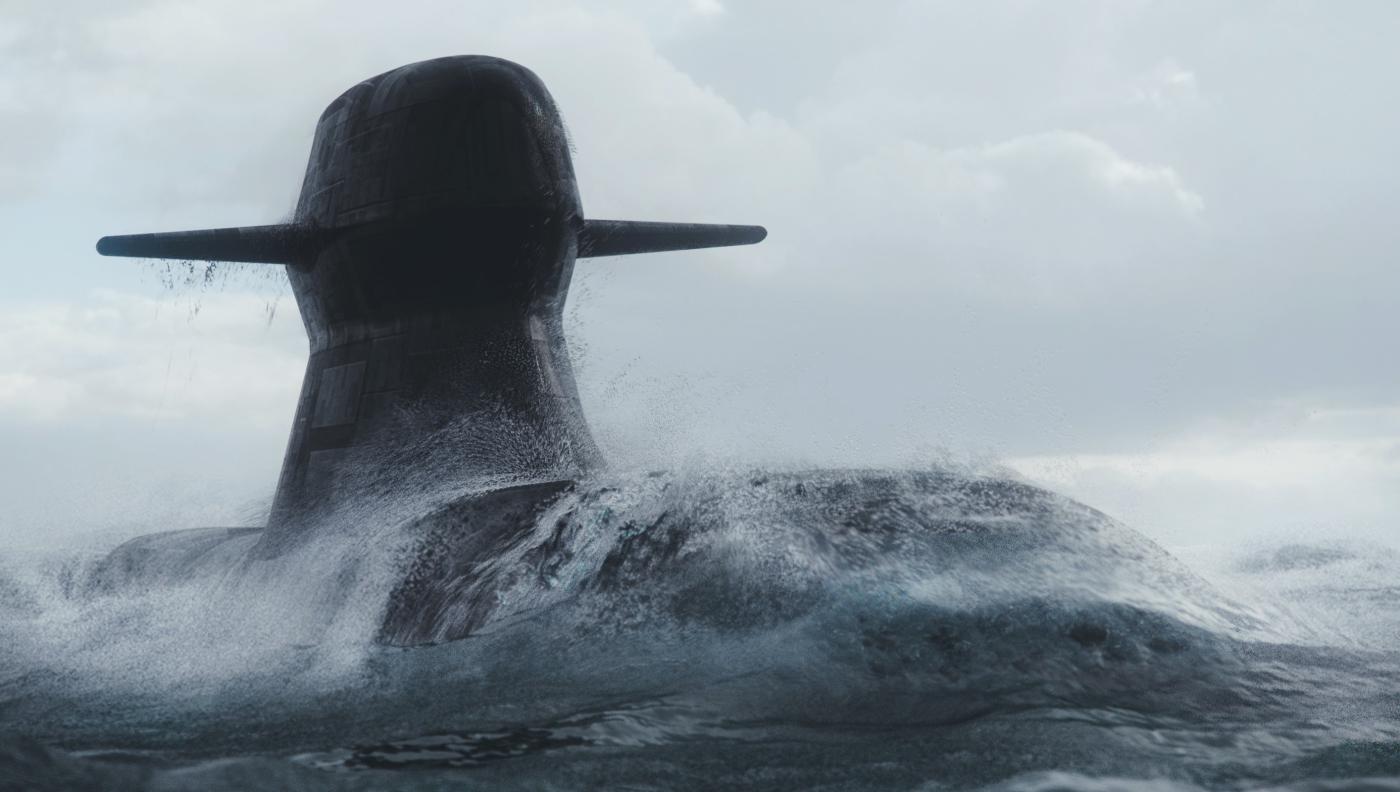
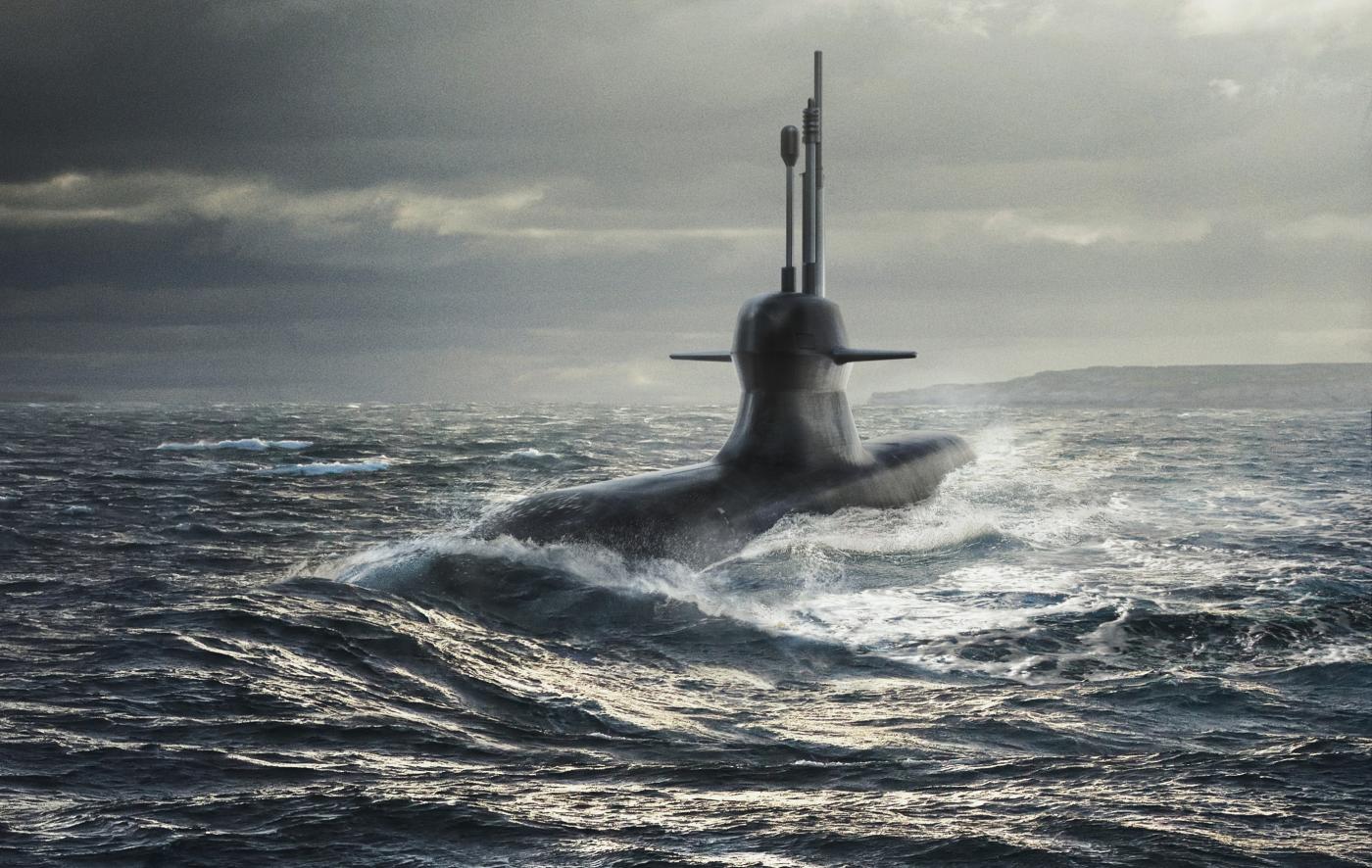
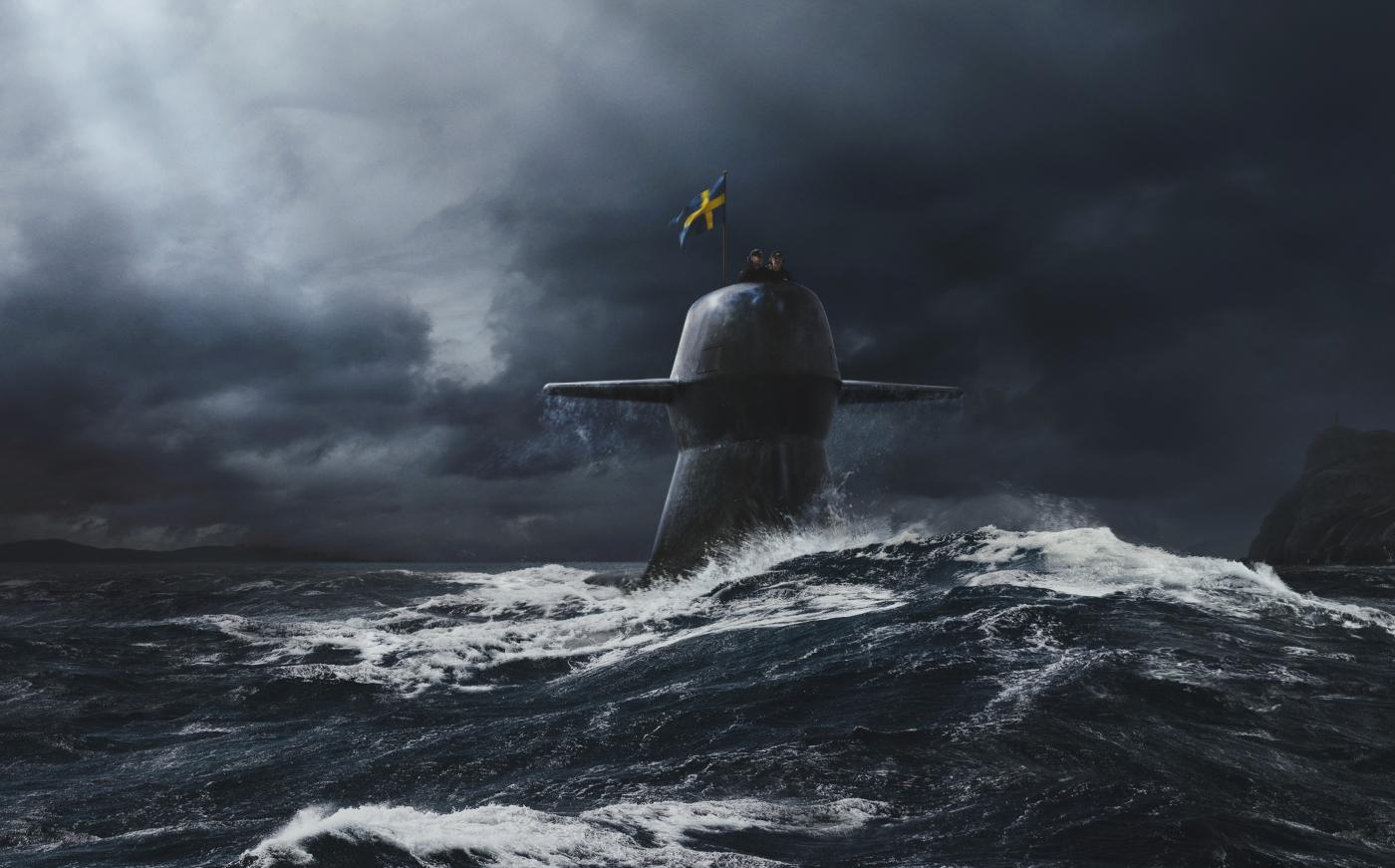
fot. Saab
Swedish offer meets all operational and industrial criteria
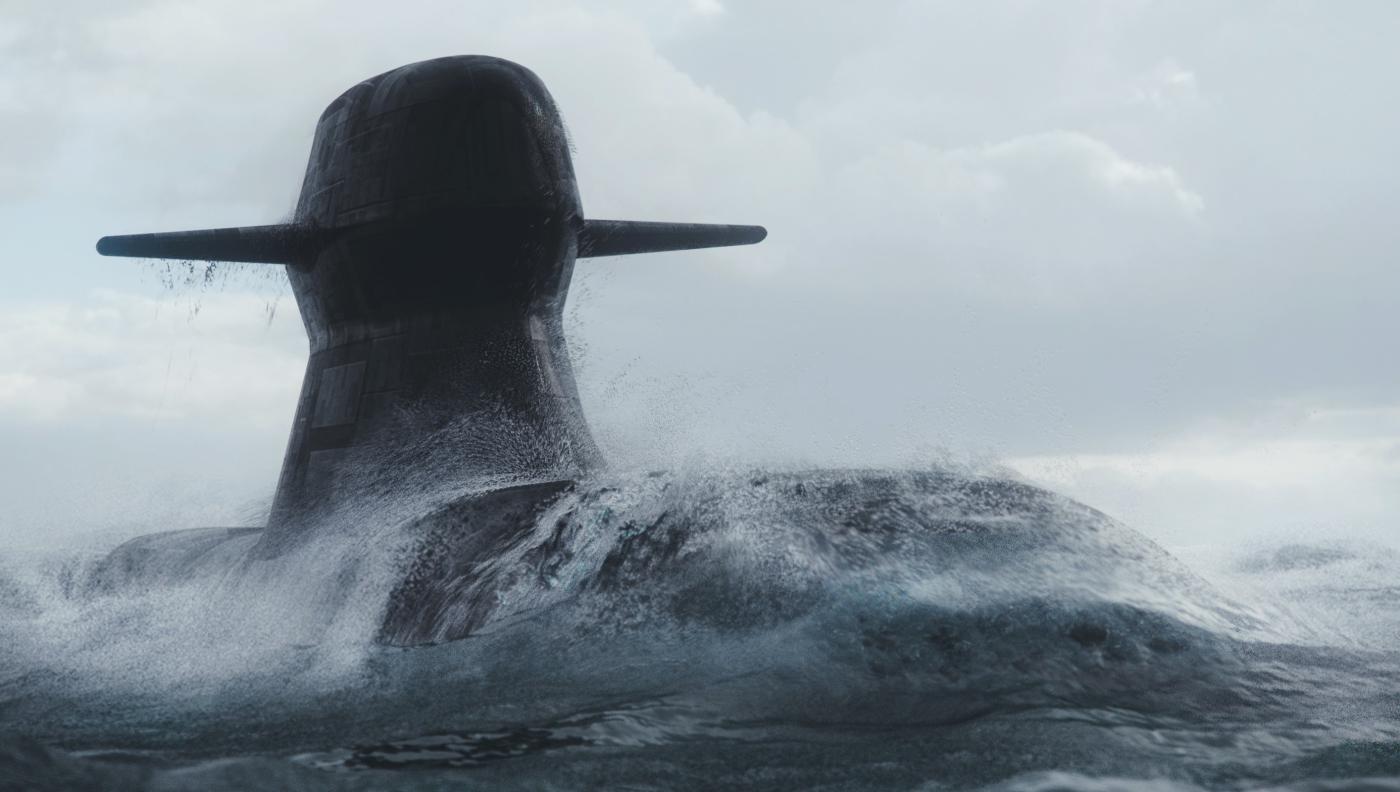
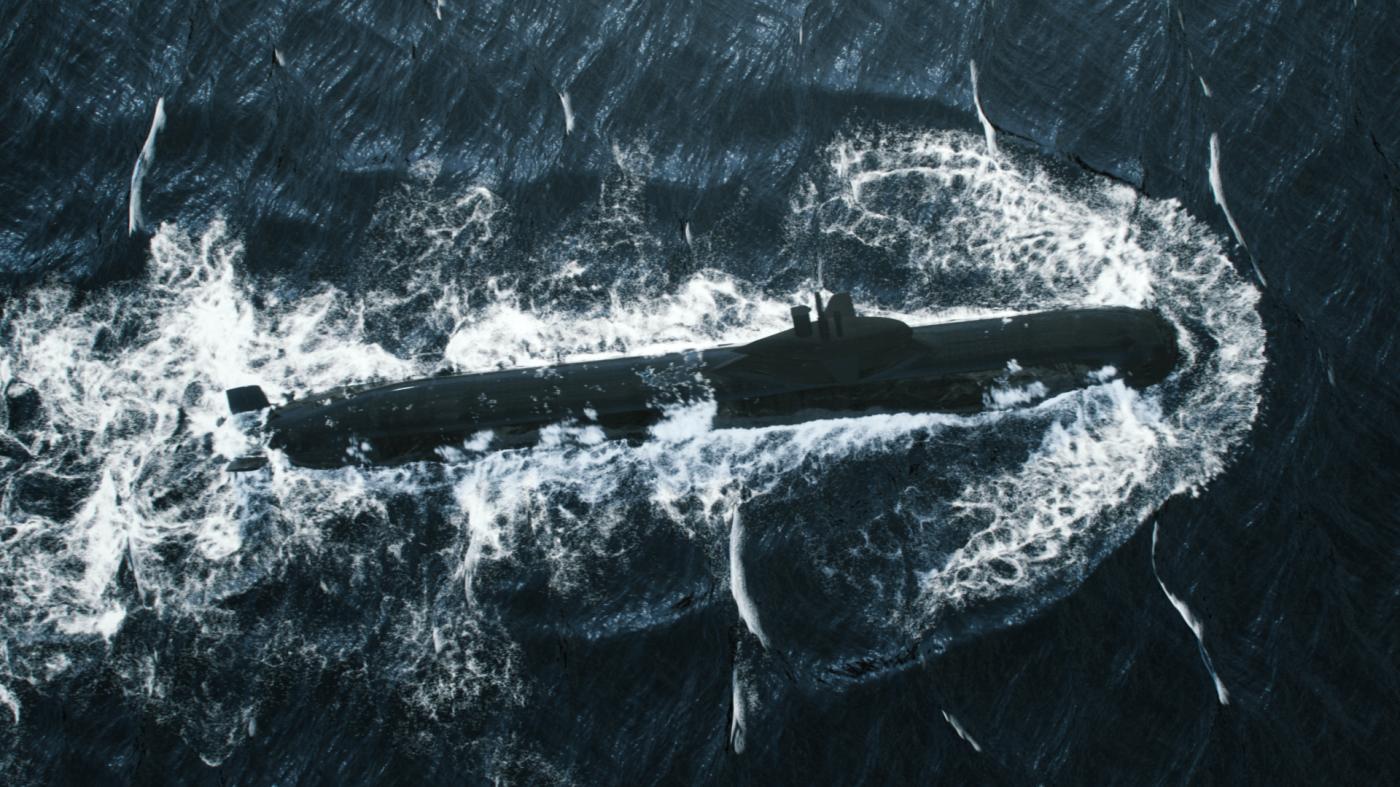
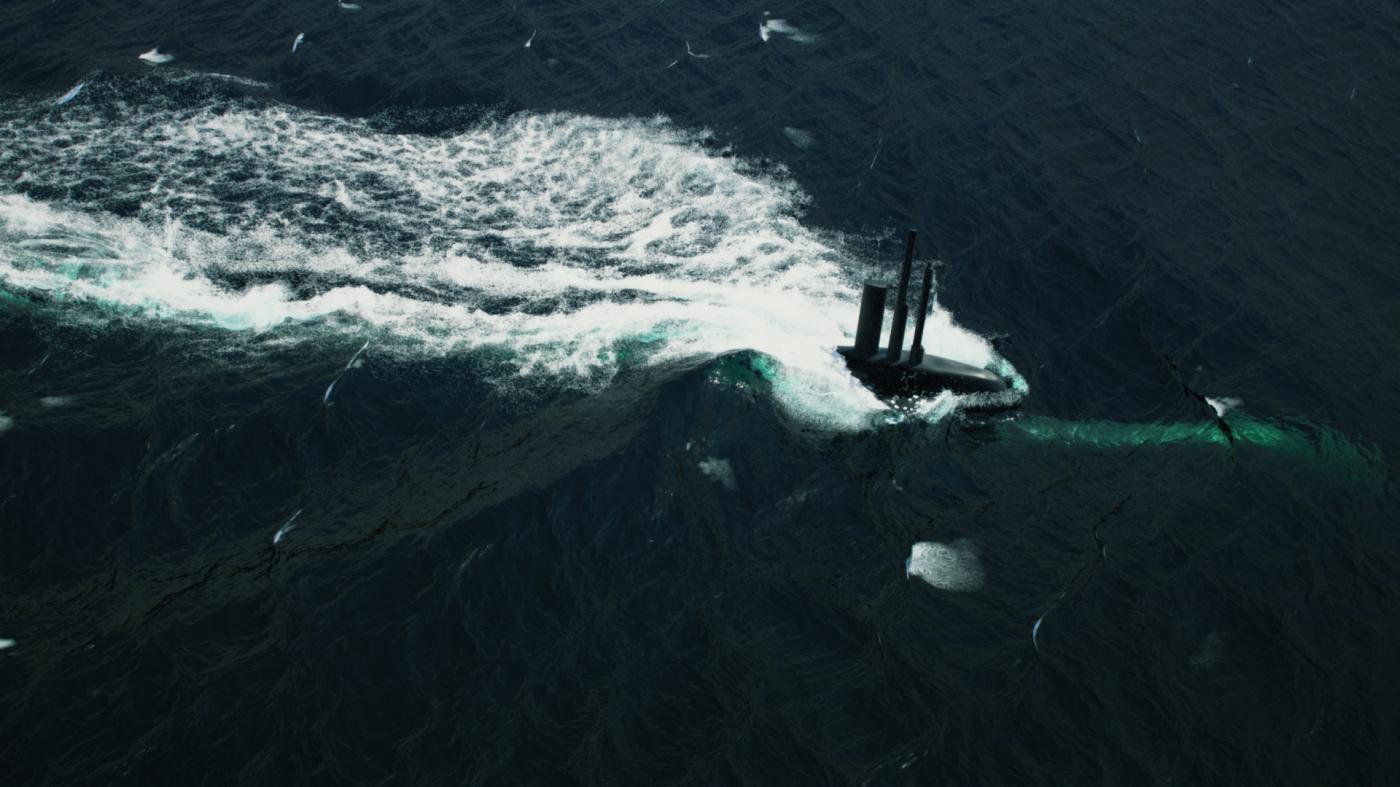
According to Deputy Prime Minister Kosiniak-Kamysz, Sweden’s bid—based on Saab’s proven submarine technologies—was the only proposal that met all operational, technical, industrial and schedule-based criteria defined by the Polish Navy.
Poland will acquire three new-generation submarines, built in Sweden with extensive participation from the Polish shipbuilding sector. The government aims to sign the intergovernmental contract before the end of this year.
In parallel with the construction phase, Polish sailors will begin training in Sweden as early as next year. To prevent a capability gap, a transitional submarine (“gap filler”) will be made available to the Polish Navy by 2027—ensuring continuous operational readiness.
Building a new security architecture on the Baltic Sea
Kosiniak-Kamysz emphasized that the Orka program is not only about purchasing new naval platforms, but also about shaping a new security architecture on the Baltic Sea in close cooperation with Sweden, now a NATO member.
He noted that both nations share strategic interests in maritime surveillance, undersea domain awareness, protection of seabed infrastructure, and readiness in the High North and Baltic regions.
Longstanding industrial cooperation between Poland and Sweden
The Orka partnership is reinforced by decades of cooperation between the Polish shipbuilding industry and Swedish maritime and defense sectors. Polish shipyards have repeatedly executed contracts for Swedish defense and state institutions, including the production of hull sections, modular structures, and specialized vessels.
On the Swedish side, Saab has been active on the Polish market for many years, delivering key components, conducting service work and cooperating with the Polish defense sector across multiple domains—from naval systems to radar technologies and underwater platforms.
Polish shipyards as regional service and production hubs
For years, Polish shipyards have served as major service, modernization and production hubs for Northern European fleets. They regularly support:
- Norwegian offshore, naval and state vessels through repairs, overhauls and construction projects.
- British auxiliary and governmental vessels, including modular deliveries and specialized structural components for programs linked to the Royal Navy.
- Scandinavian naval and governmental fleets (Denmark, Sweden, Finland) through refits, construction of modular sections and production of dual-use marine platforms.
This industrial base—combined with deep-water infrastructure, competitive costs and high engineering standards—positions Poland as one of the most capable shipbuilding ecosystems in the Baltic Sea region.
Strengthening reciprocal commitments: Swedish purchase of a twin rescue vessel
In addition, as confirmed by Władysław Kosiniak-Kamysz, Sweden has committed to purchasing a twin rescue vessel to the one whose construction was inaugurated on 26 November by PGZ Stocznia Wojenna under the Polish Navy’s Ratownik program.
This reciprocal procurement demonstrates the depth of industrial cooperation and mutual trust underpinning the Orka agreement.
A landmark program for the Polish Navy and national industry
The Orka program is seen as a cornerstone initiative that will:
- restore Poland’s submarine capability at a NATO-interoperable level,
- deliver advanced underwater warfare platforms tailored to Baltic Sea conditions,
- expand Polish shipbuilding capacity through technology transfer and local participation,
- and strengthen strategic cooperation with Sweden for decades to come.
Kosiniak-Kamysz underscored that the program is not only an investment in naval combat capability but also a long-term boost for the Polish defense industrial base, creating new competencies, production lines and high-value engineering jobs.
A new strategic chapter for Baltic Sea security
Poland’s selection of Sweden as its partner in the Orka submarine program brings long-awaited clarity to the future of the Polish submarine fleet and marks a transformative moment for Northern European maritime cooperation. Warsaw and Stockholm—aligned by shared interests on the Baltic Sea and strengthened by Sweden’s NATO membership—are now shaping one of the most consequential bilateral defence-industrial partnerships in the region.
Orka is more than a procurement project. It is a strategic accelerator that expands the technological capabilities of Polish shipyards, unlocks new industrial synergies and reinforces the long-term stability of the Polish defence sector. Coupled with Sweden’s commitment to purchase a twin rescue vessel corresponding to the unit launched by PGZ Stocznia Wojenna under the Ratownik program, this cooperation gains the rare quality of balanced, reciprocal benefit.
At a time when maritime security is rapidly becoming a defining domain of both competition and cooperation, the Polish–Swedish partnership sends a clear message: the Baltic states are no longer merely responding to evolving threats—they are jointly shaping the future architecture of defence and naval technology in the region.
see also
Buy us a coffee, and we’ll invest in great maritime journalism! Support Gazeta Morska and help us sail forward – click here!
Kamil Kusier
redaktor naczelny
gallery
comments
Add the first comment
see also
"Let everyone know we will prevail". Poland’s armed forces set strategic course for 2026-2039
“Army 500” and strategic transformation: Poland sets the course for long-term deterrence and allied readiness
Medical evacuation from offshore vessel in the Baltic. Rescue 511 helicopter and m/s Huragan deployed
Karol Nawrocki: “The strength of the republic lies in its armed forces”. Security requires national unity
Human trafficking, money laundering, millions frozen. Successful operation by border guard and tax administration
Evening SAR operation in the Baltic. Two kitesurfers stranded offshore
Medical evacuation from sailing ship in Gdynia port. 17-year-old safely transported
Medical evacuation from Danish-flagged vessel Skoven off Łeba. Joint SAR operation in the Baltic Sea
Almost 2.5 million travellers cleared in 2025 by the Maritime Border Guard
Frontex officers train with Polish Maritime Border Guard
ADVERTISEMENT
ADVERTISEMENT