First offshore turbines with Polish nacelles installed at Baltic Power wind farm
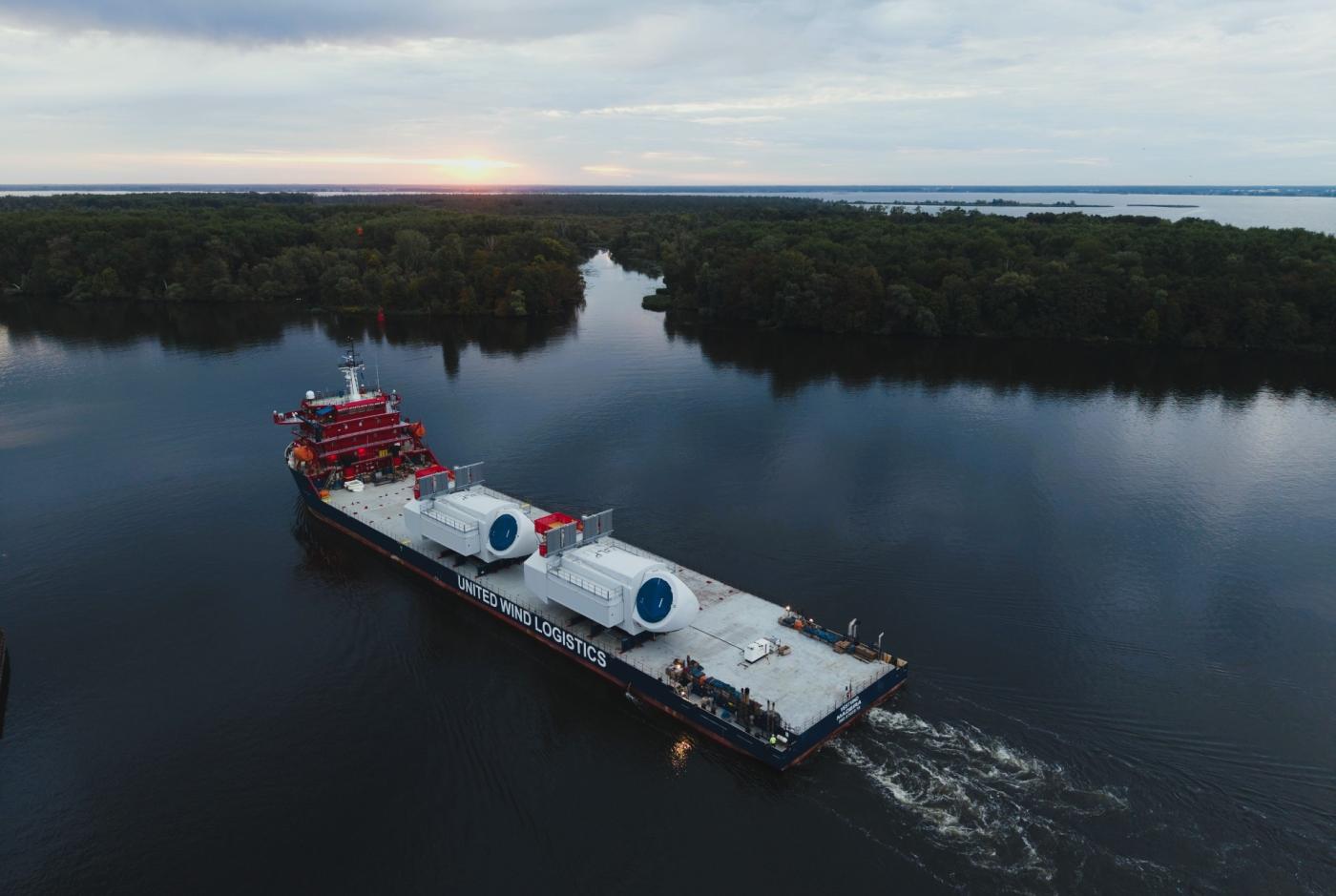
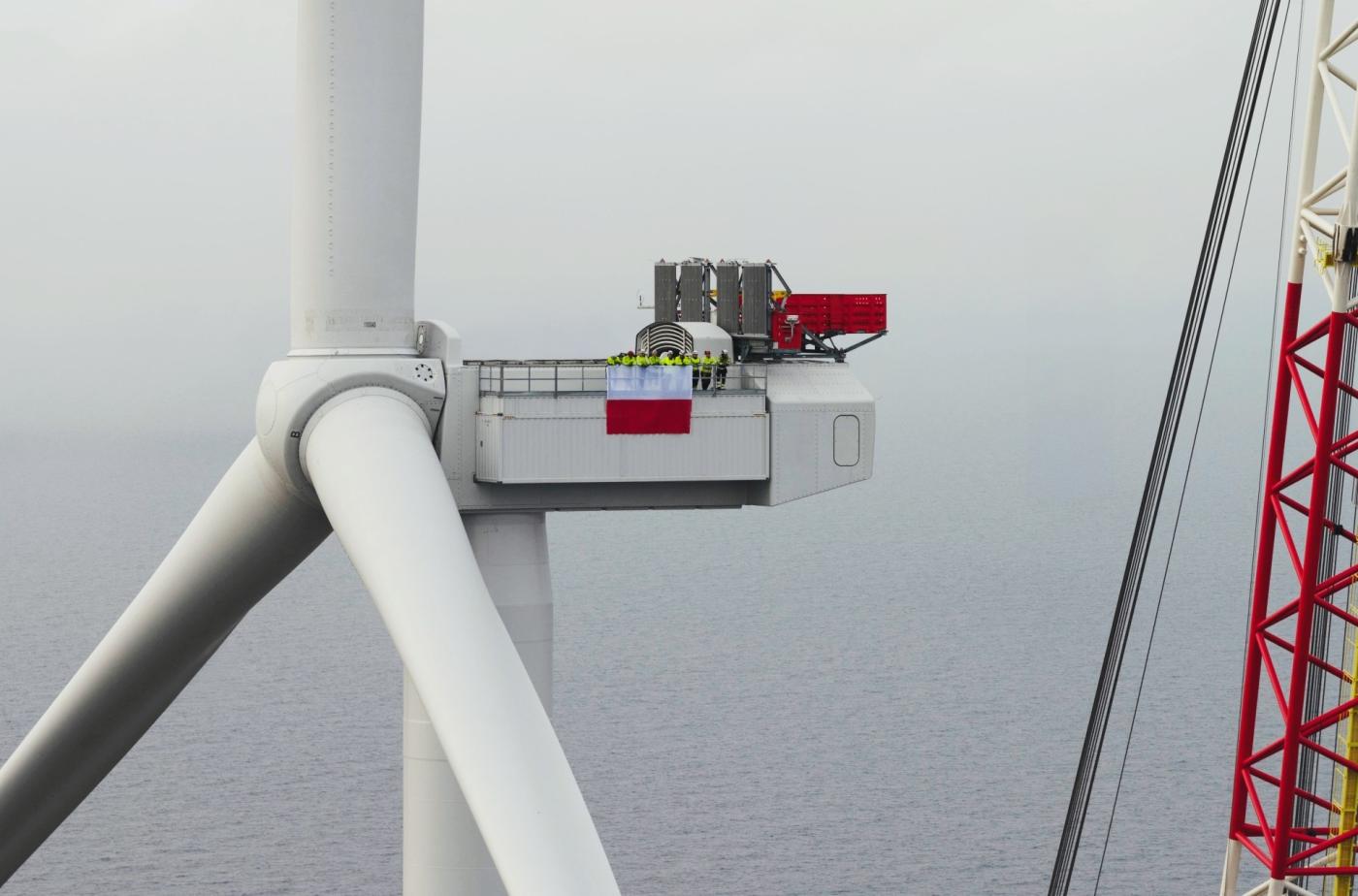
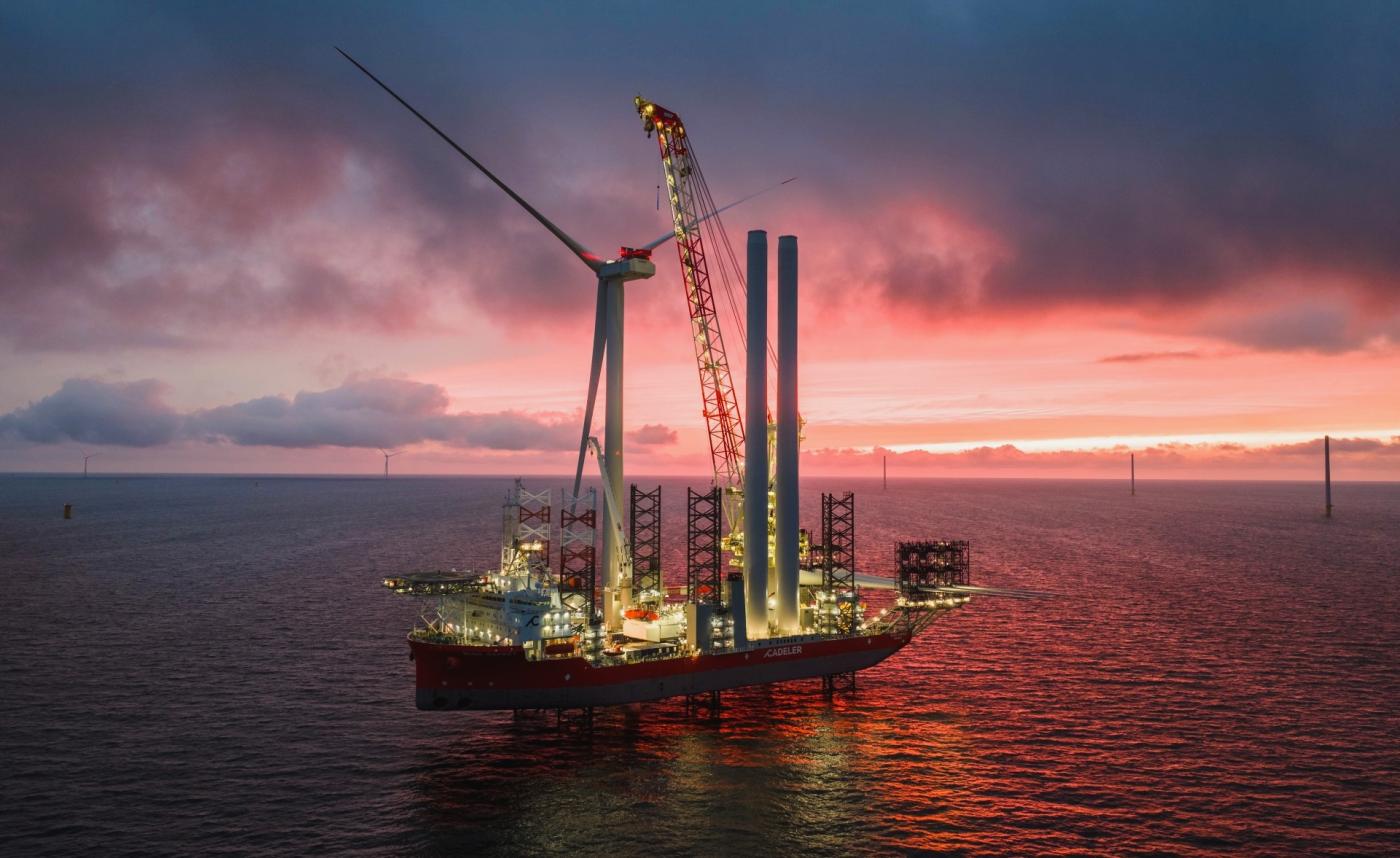
The Baltic Power offshore wind farm, jointly developed by ORLEN Group and Northland Power, has reached another major milestone. The latest 15 MW turbines have been installed, including the first three equipped with Polish-made nacelles produced at the Vestas factory in Szczecin. This marks a breakthrough for the domestic offshore wind supply chain, as Polish components are now powering one of the most advanced renewable energy projects in the Baltic Sea.
business power engineering investments offshore news13 november 2025 | 15:17 | Source: Gazeta Morska | Prepared by: Kamil Kusier | Print
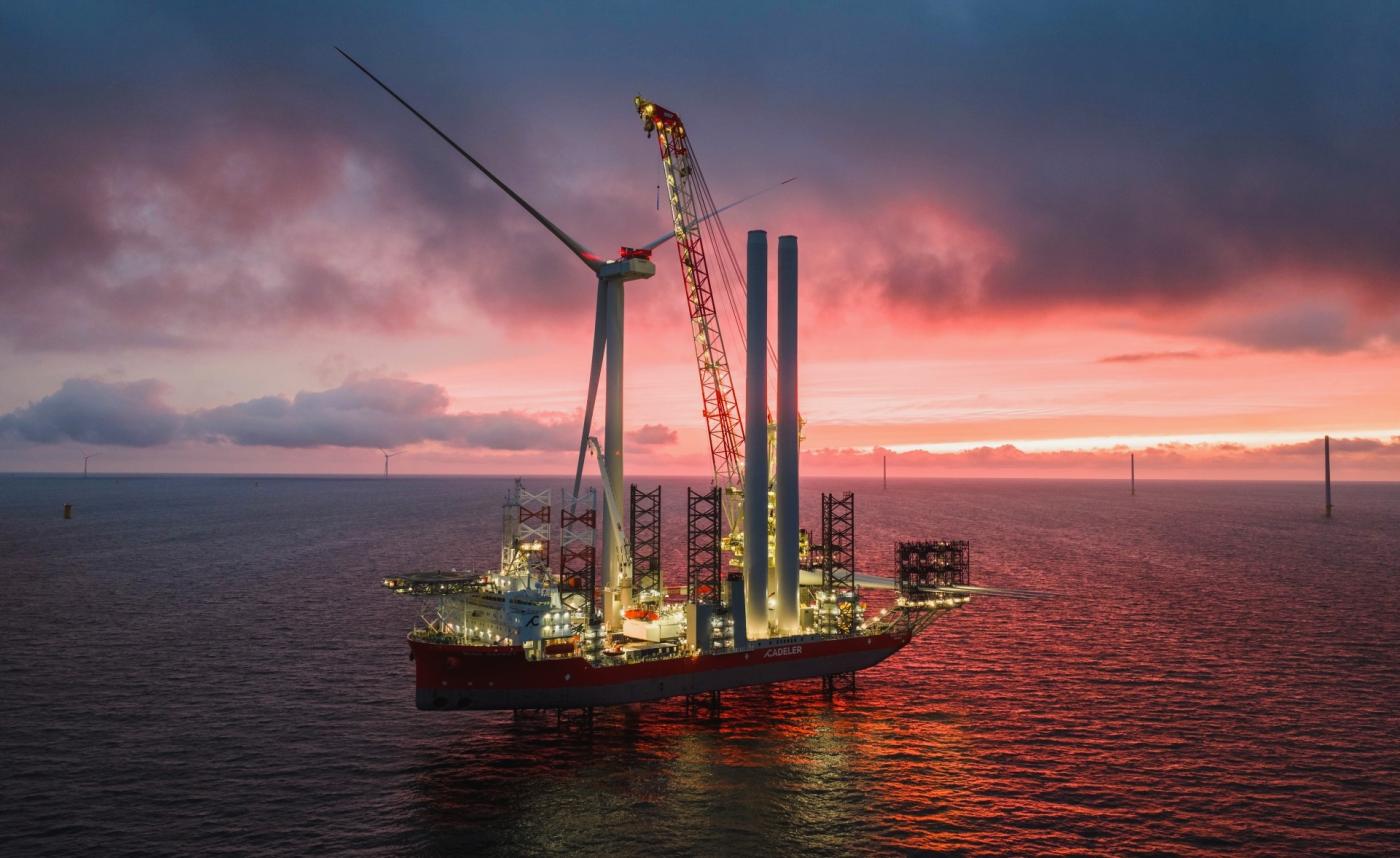
fot. Baltic Power
Polish engineering takes to the sea
Baltic Power is currently the most advanced offshore wind project in the Polish part of the Baltic Sea. Turbine installation began in July 2025, and completion is expected in 2026. The first megawatt-hours of electricity are scheduled to flow to the national grid next year, covering up to 3% of Poland’s electricity demand.
- We are determined that next year, electricity from our first offshore wind farm, Baltic Power, will begin flowing into the national grid. We are now in a key phase of offshore construction, installing the first turbines — some of which feature nacelles manufactured in Poland, in our partner’s factory in Szczecin. Our consistent goal is to maximize the participation of local suppliers. Offshore wind is becoming not only a driver of regional growth in Pomerania but also a foundation for a new, forward-looking industrial sector in Poland, said Ireneusz Fąfara, CEO of ORLEN Group.
Advanced technology and sustainability
Each of Baltic Power’s turbines delivers 15 MW of capacity and, including its monopile foundation, stands over 250 meters tall. The 115.5-meter blades sweep an area larger than six football fields.
Baltic Power is also the first project to incorporate recycled steel in the upper sections of its turbine towers, reducing their carbon footprint by approximately 10% compared to traditional manufacturing methods.
Building a local offshore supply chain
The nacelles, produced in Szczecin by Vestas, represent a key technological component of the turbines. The facility is Vestas’ first offshore wind manufacturing plant in Poland, employing more than 600 people. Baltic Power is also the first commercial project worldwide to install nacelles from the Szczecin factory.
Polish companies play a significant role throughout the 30-year life cycle of the project, accounting for over 21% of its total value. Domestic contributions include:
- Baltic Industrial Group and ARP – steel structures for offshore substations,
- Tele-Fonika Kable – onshore power cables,
- Smulders Polska – transition pieces.
Polish firms have also been involved in environmental and geotechnical surveys, logistics and transport services, and construction of onshore infrastructure. The service base in Łeba is being built by Erbud, while the onshore substation in Choczewo is under construction by Enprom in consortium with GE Vernova.
Powering Poland’s energy transition
Once operational, Baltic Power will generate up to 4 TWh of clean electricity annually, enough to supply around 1.5 million households. The wind farm covers an area of 130 km² and is located 23 km off the coast, near Choczewo and Łeba.
Baltic Power represents a milestone in the development of Poland’s offshore wind industry — combining state-of-the-art technology, domestic manufacturing, and international expertise to accelerate the country’s transition toward a sustainable energy future.
Buy us a coffee, and we’ll invest in great maritime journalism! Support Gazeta Morska and help us sail forward – click here!
Kamil Kusier
redaktor naczelny
gallery
comments
Add the first comment
see also
Austal partners with Damen for local construction of LST 100 for Australian Army
The submarine contract of the decade? Canada weighs South Korea against Germany
Bechtel signs contract with Doraco for Poland’s first nuclear power plant
When two powers clash, Poland must be ready to act. Military security must be the priority
MON, Arka Gdynia and AMW sign letter of intent supporting "Green Industrial District - Kashubia" project
Mine countermeasure vessel Jaskółka begins sea acceptance trials
PEJ relocates headquarters to Pomerania. A strategic step in Poland’s nuclear power development
Radmor hosts delegation from the Republic of Turkey. Advancing maritime security cooperation
3D-printed catamaran: robotic manufacturing sets course for the future of small craft
Navantia and Fincantieri deepen cooperation on the european patrol corvette programme
ADVERTISEMENT
ADVERTISEMENT