Energy Currents 2025: Poland’s energy sovereignty in the shadow of European integration
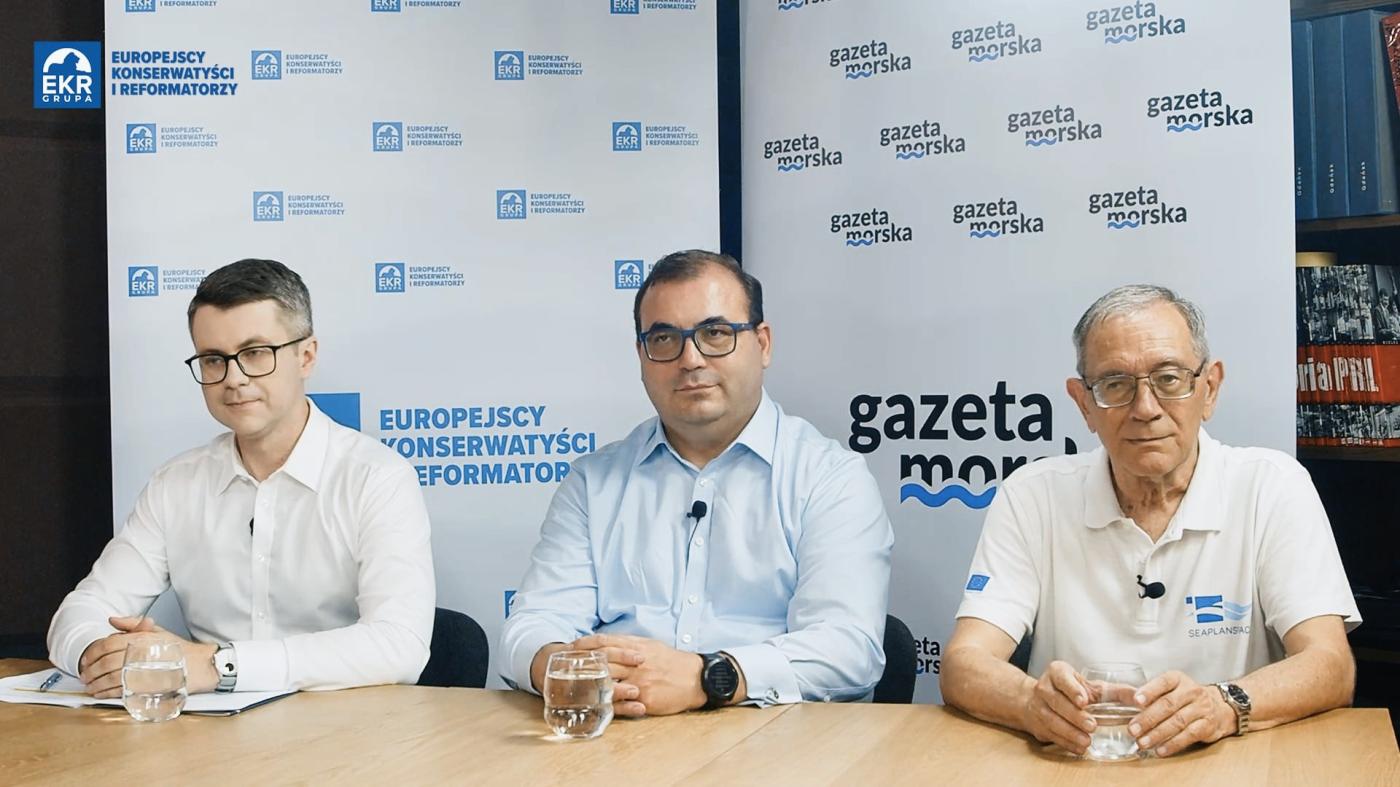
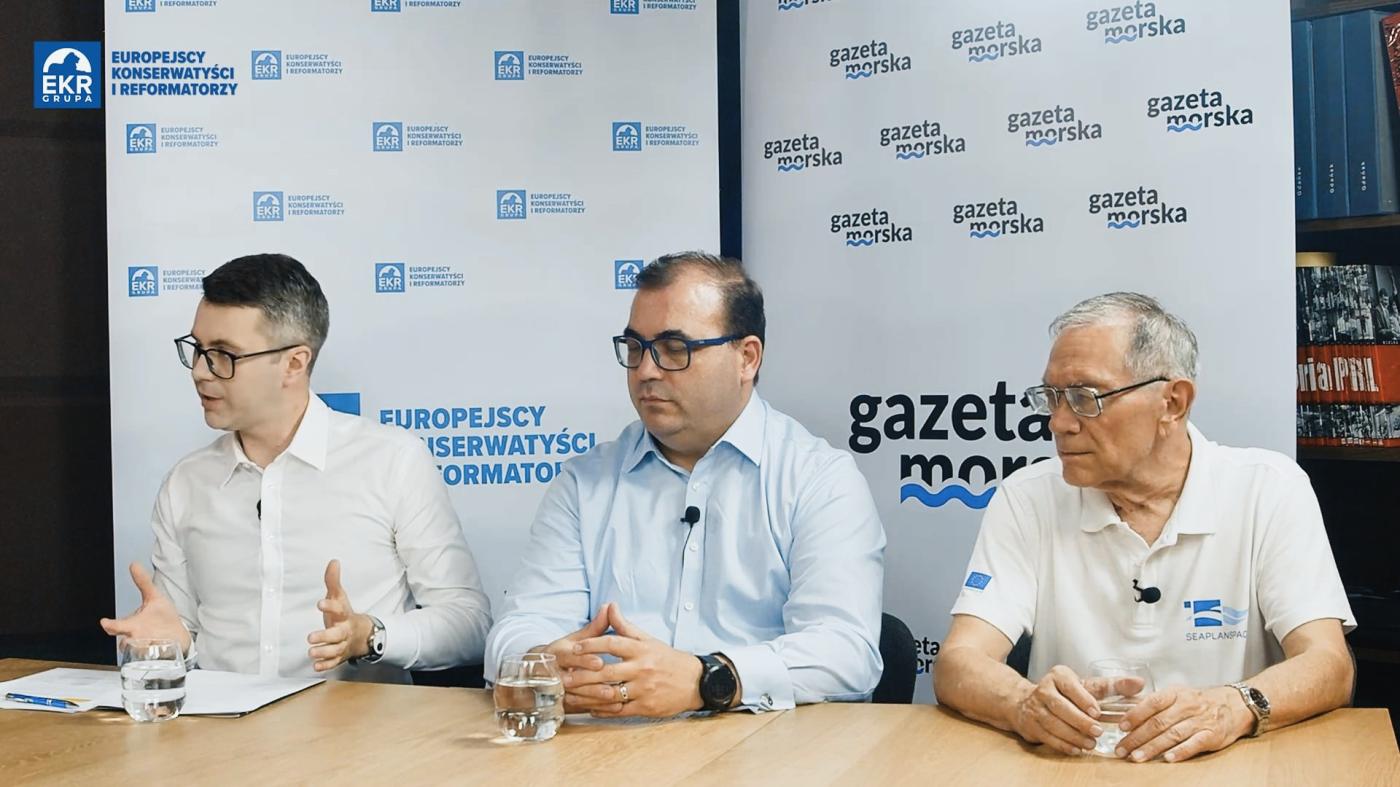
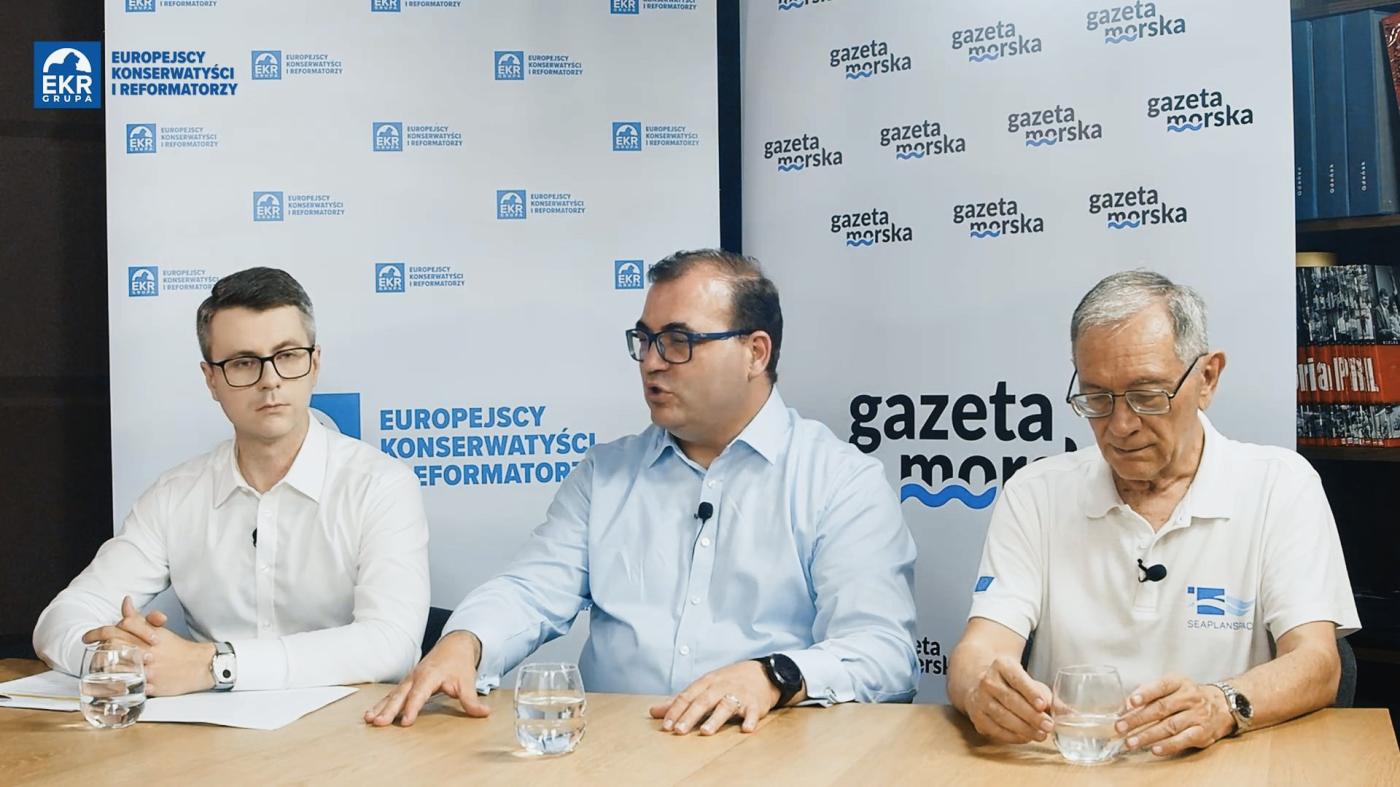
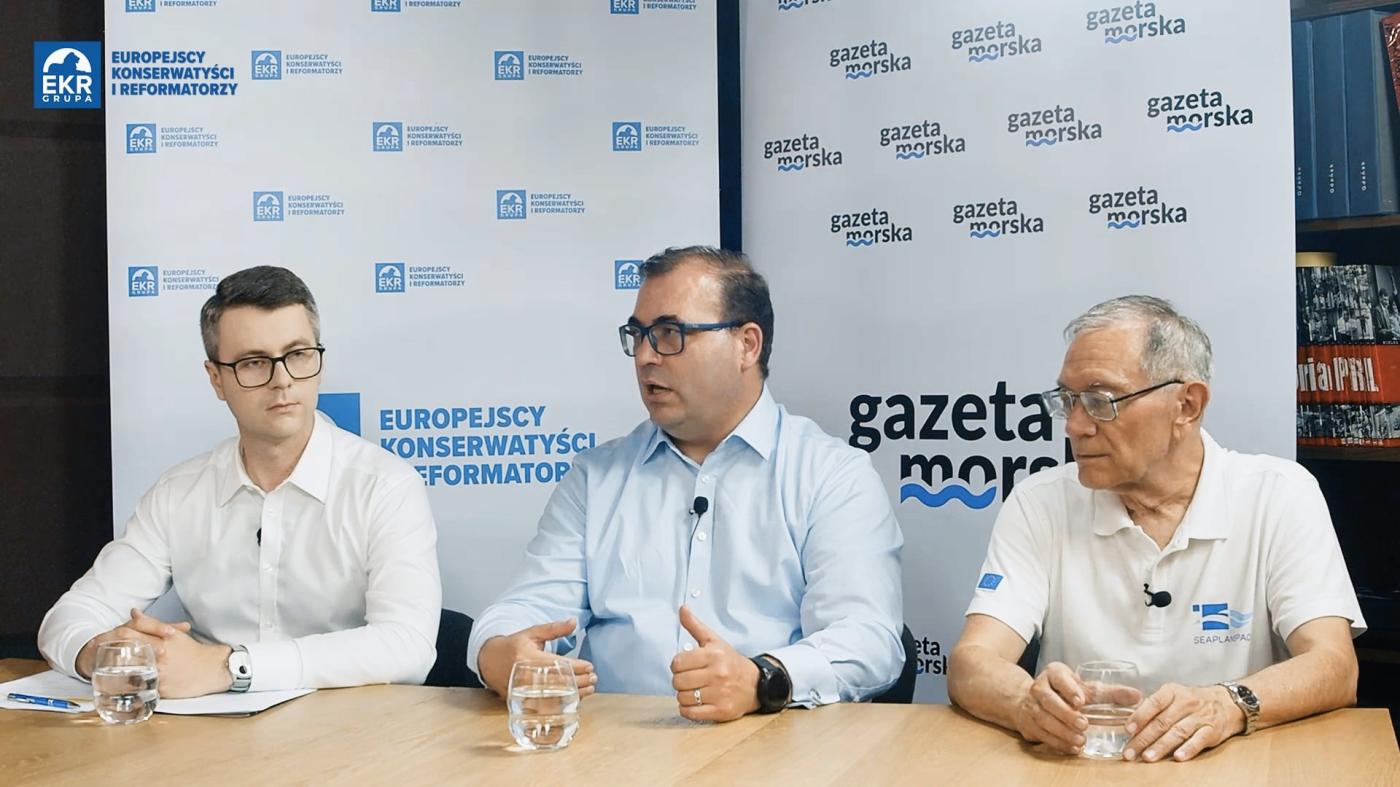
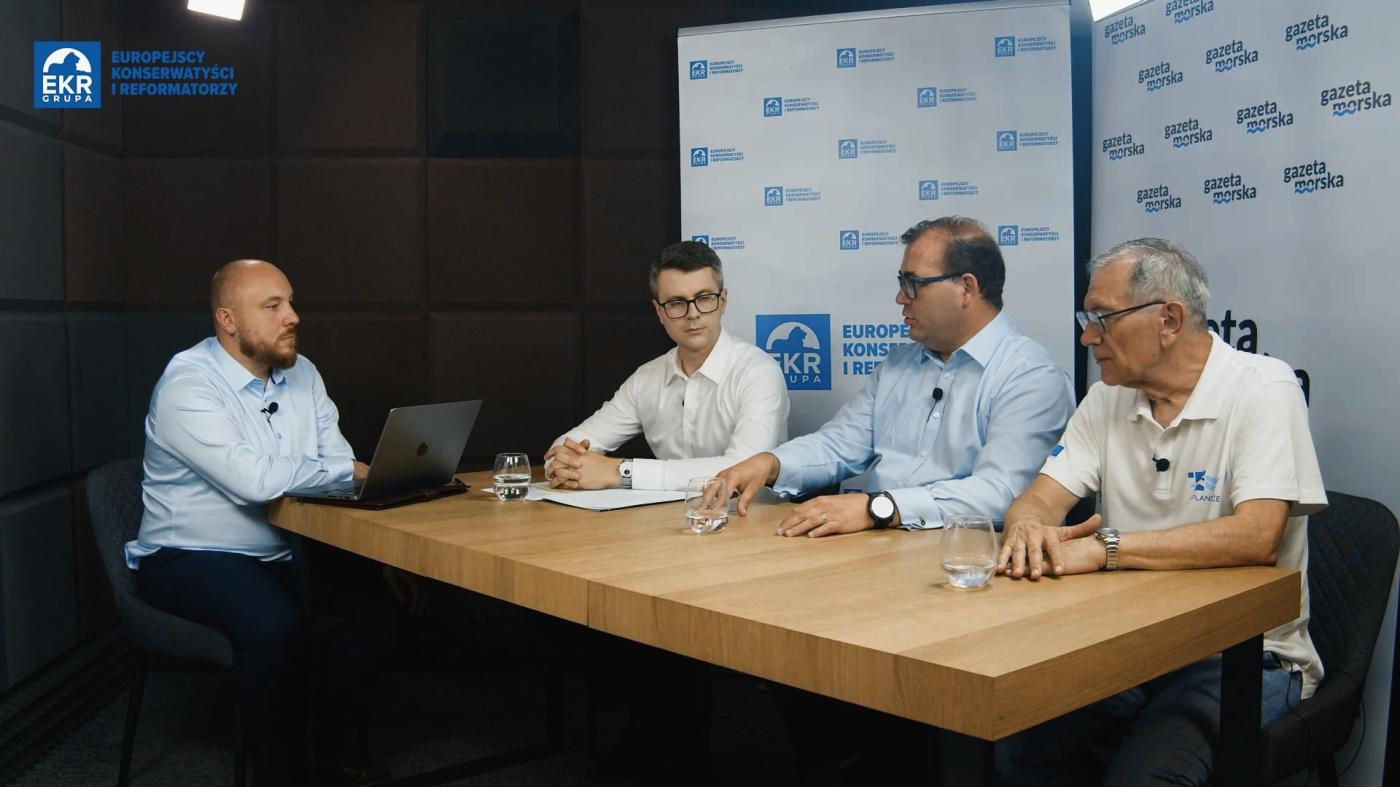
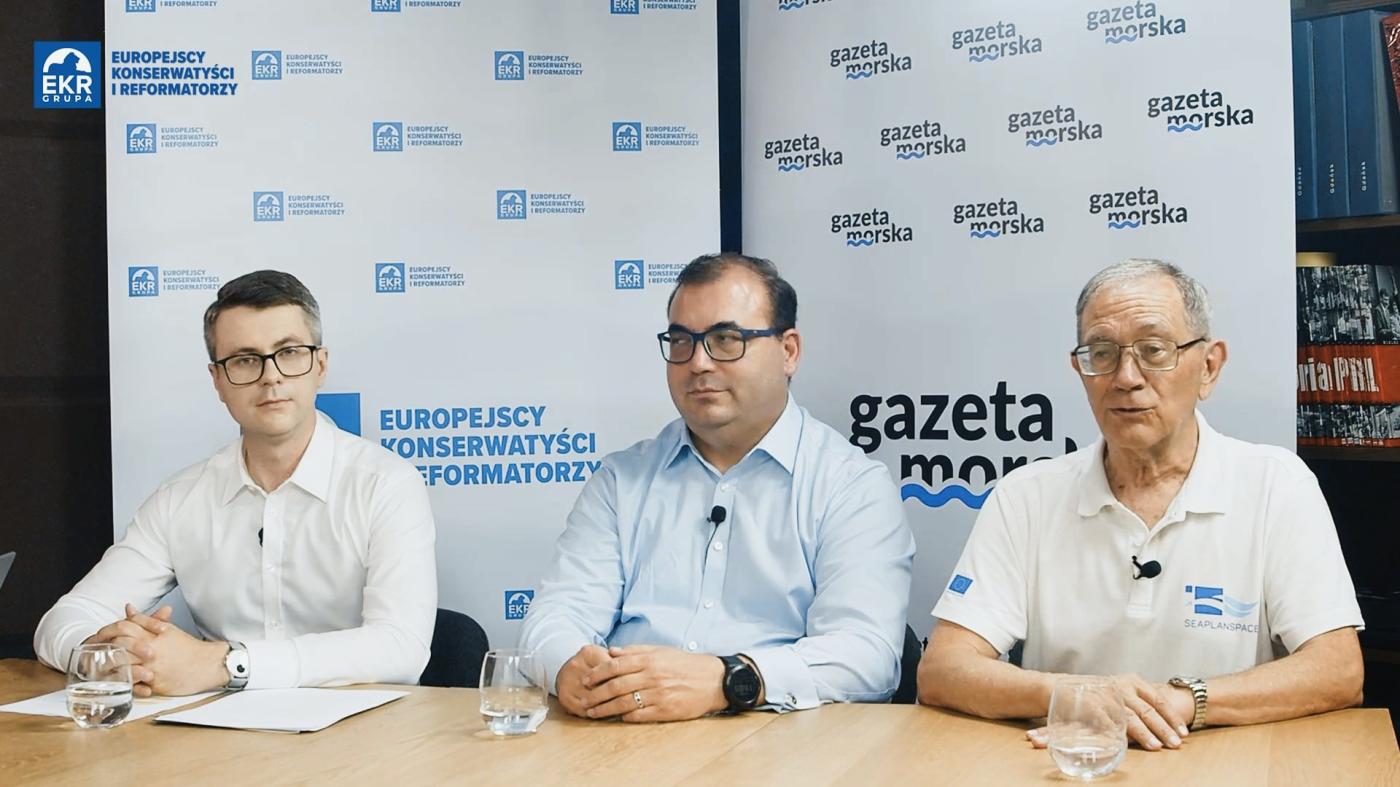
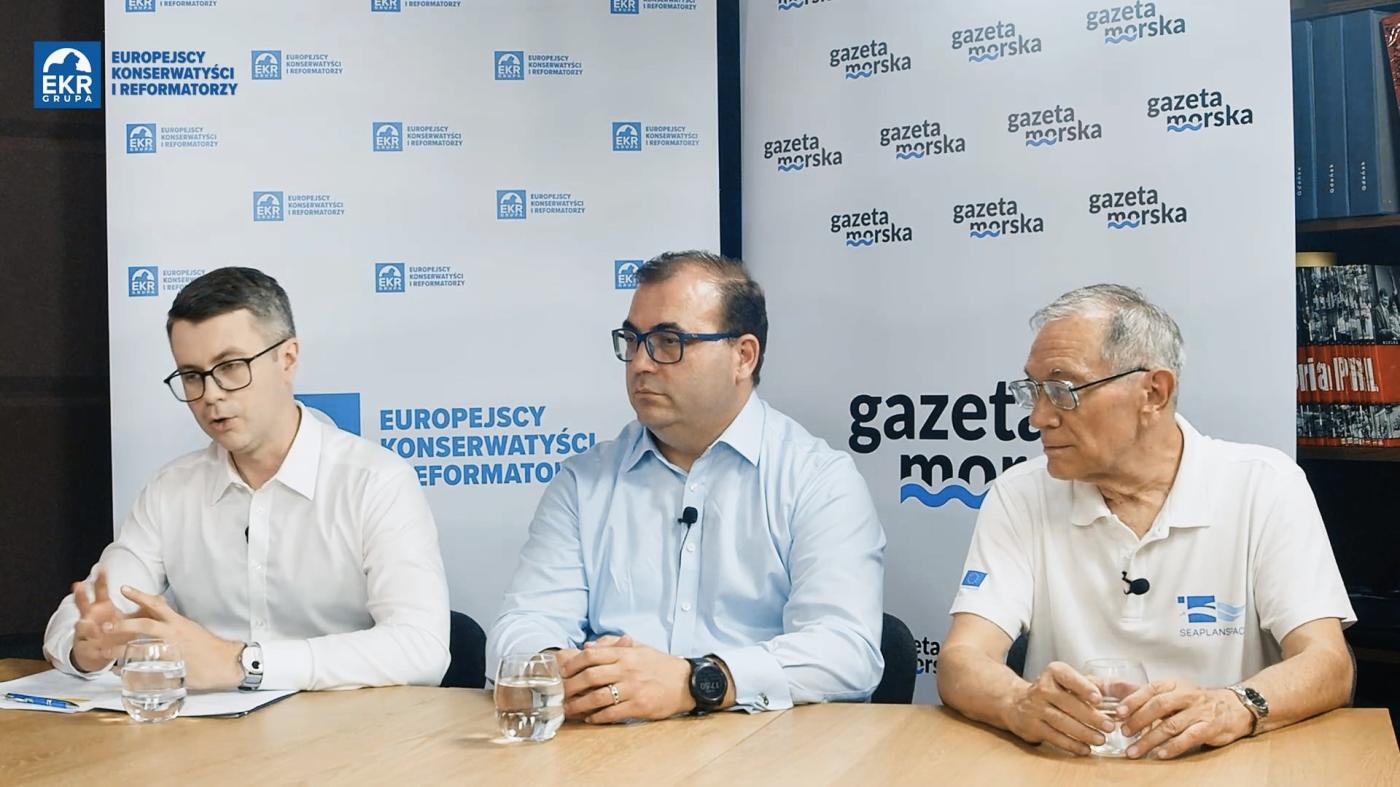
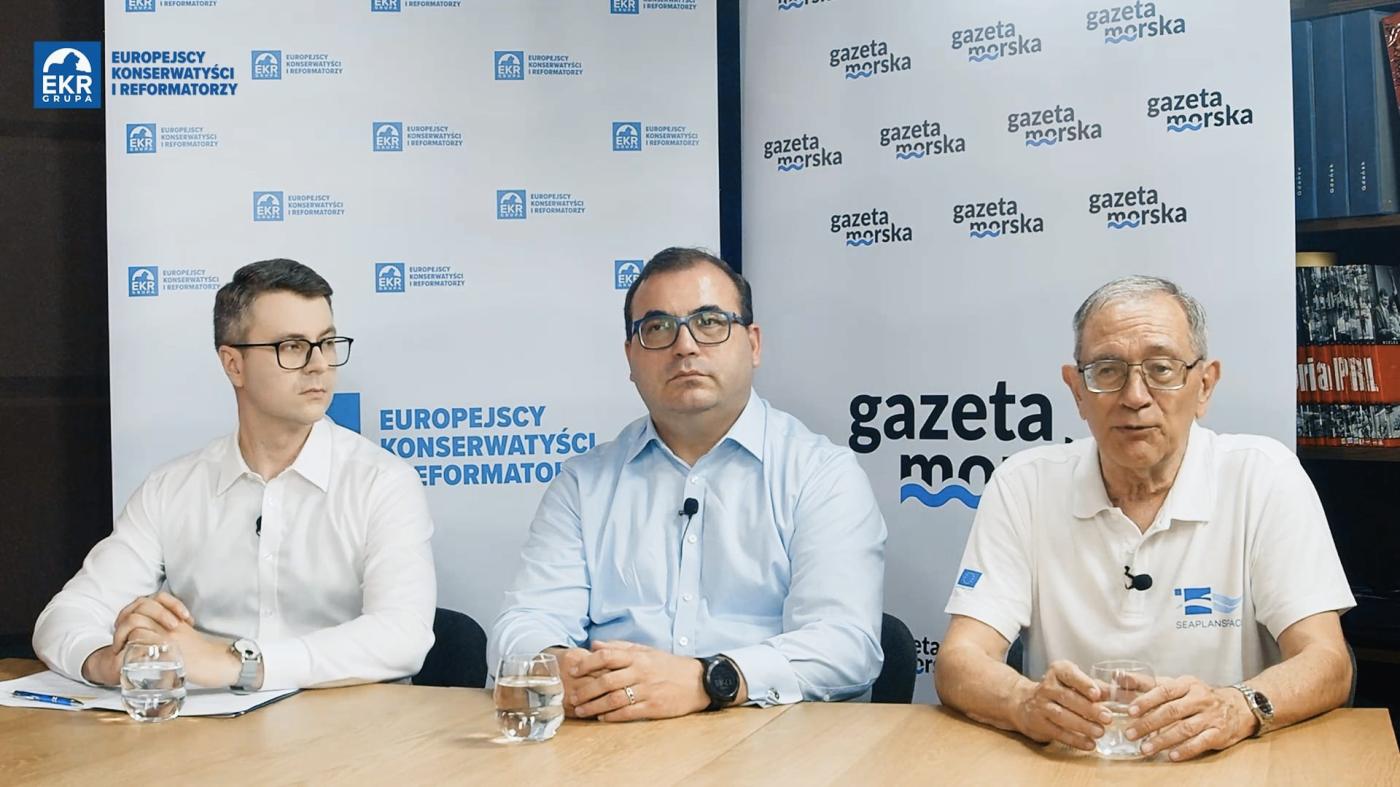
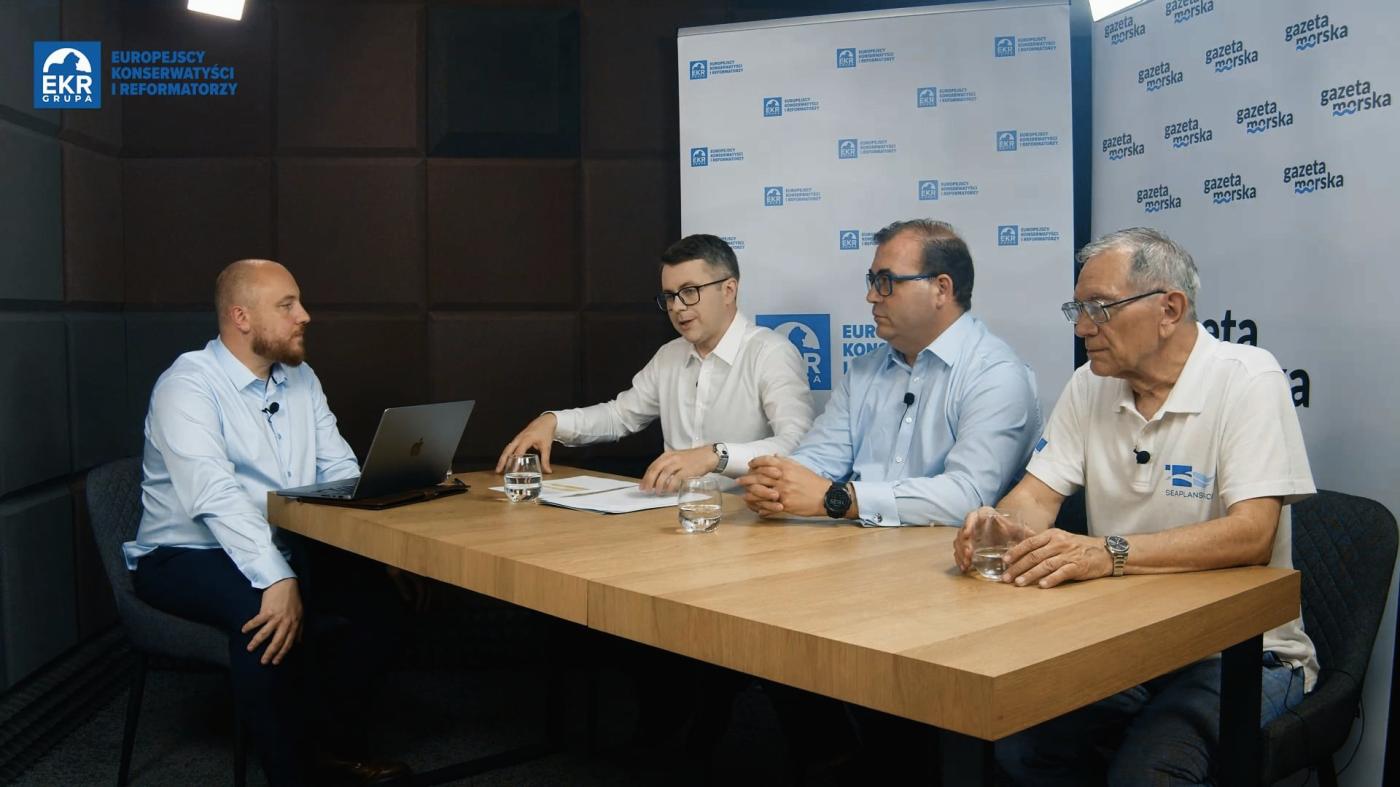
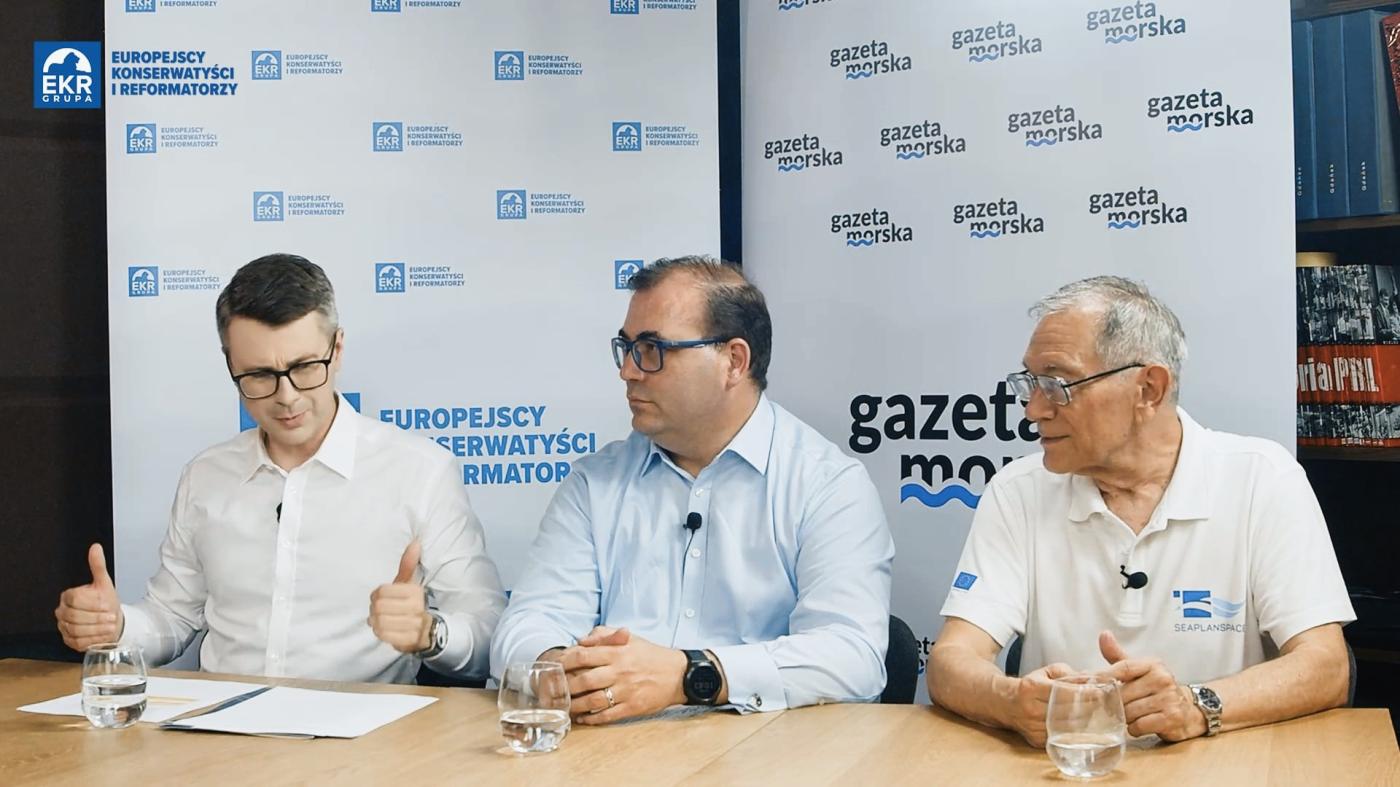
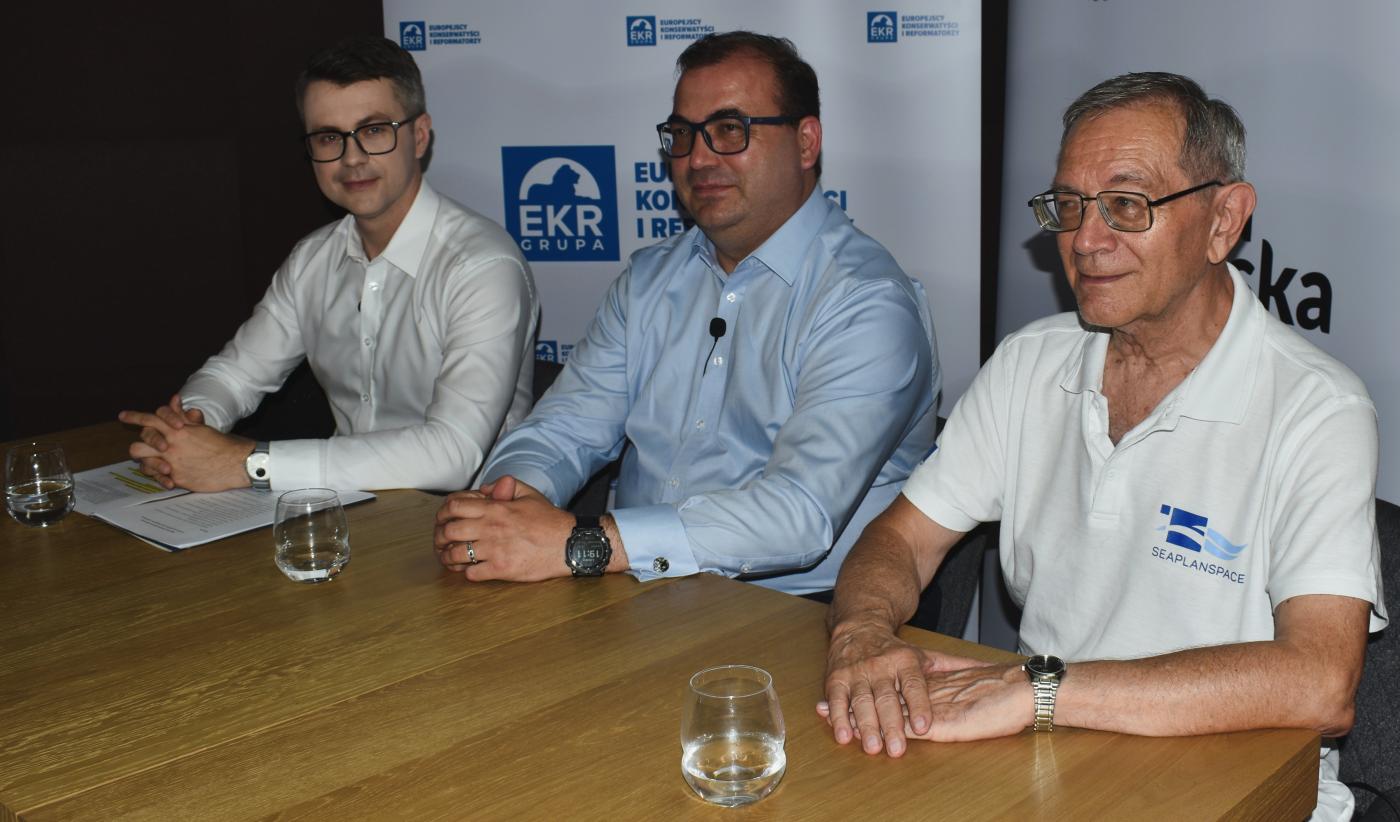
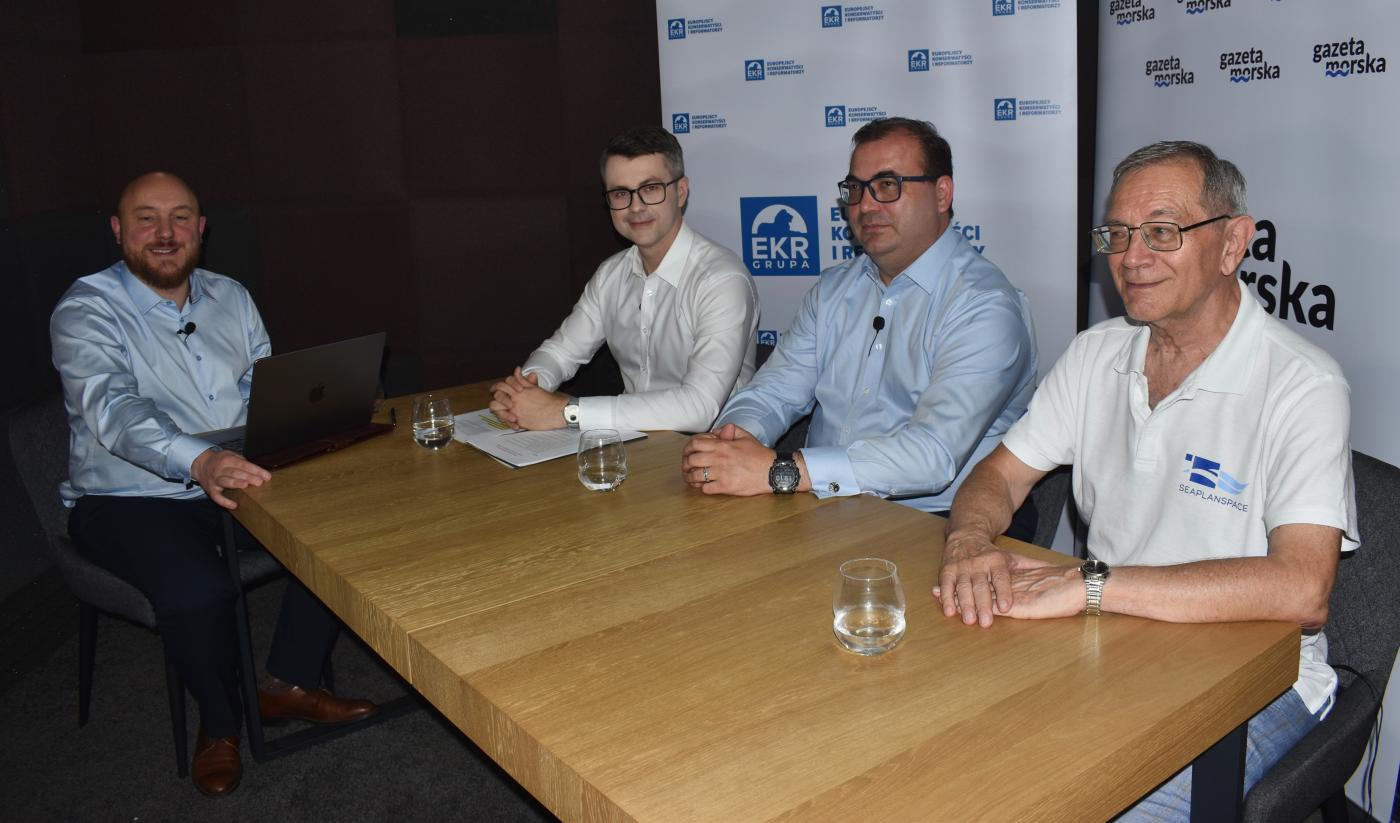
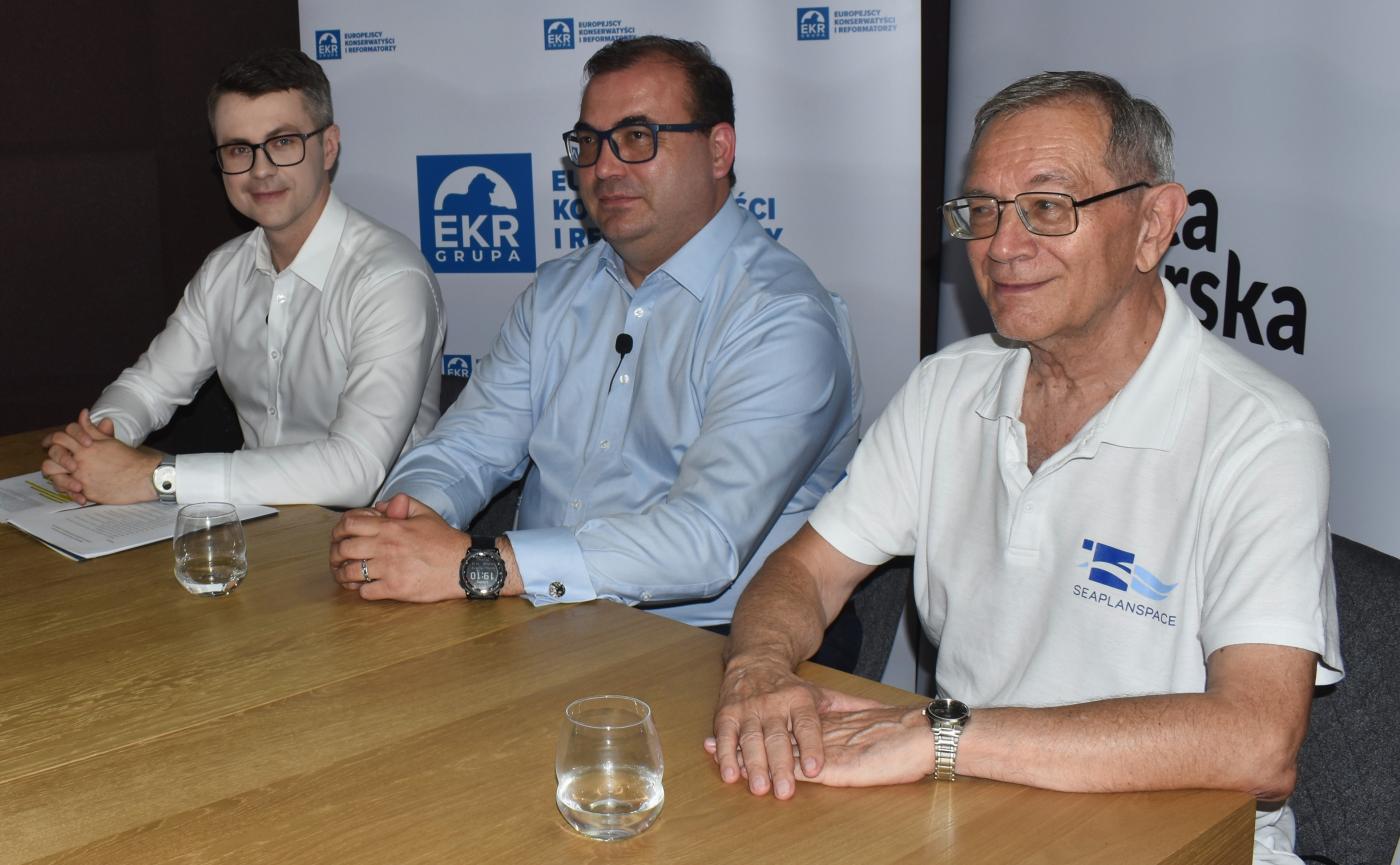
Is Poland ready for an energy crisis? How should sovereignty be understood in a globalized world? And does European energy policy integration represent an opportunity or a threat? These were the central questions dominating the Energy Currents 2025 debate, which brought together experts, policymakers, and energy sector leaders to discuss Poland’s role in Europe’s evolving energy architecture.
business power engineering maritime economy offshore opinions and comments politics news18 august 2025 | 08:48 | Source: Gazeta Morska / Grupa Europejskich Konserwatystów i Reformatorów w Parlamencie Europejskim | Prepared by: Kamil Kusier | Print

Sovereignty vs. the European grid – a paradox of dependence
– Poland is not fully energy sovereign, because we operate within the European energy grid – and it is difficult to speak of complete detachment today – argued Prof. Marek Grzybowski, President of the Polish Nautological Society. – Our independence depends on how far domestic energy sources can ensure stable supply within Poland.
Grzybowski warned, however, that renewables alone cannot provide sufficient resilience. He pointed to Spain – a leader in renewable energy and an integrated part of the EU electricity market – where overreliance on intermittent sources leaves the system exposed to shocks such as natural disasters, supply crises, or cyberattacks.
– Energy sovereignty must be built on sources that guarantee continuity and reliability of supply – Grzybowski stressed. – In situations like those faced by Ukraine today, a nation’s resilience must match the real security needs of the state and its citizens.
Prepared for extreme scenarios?
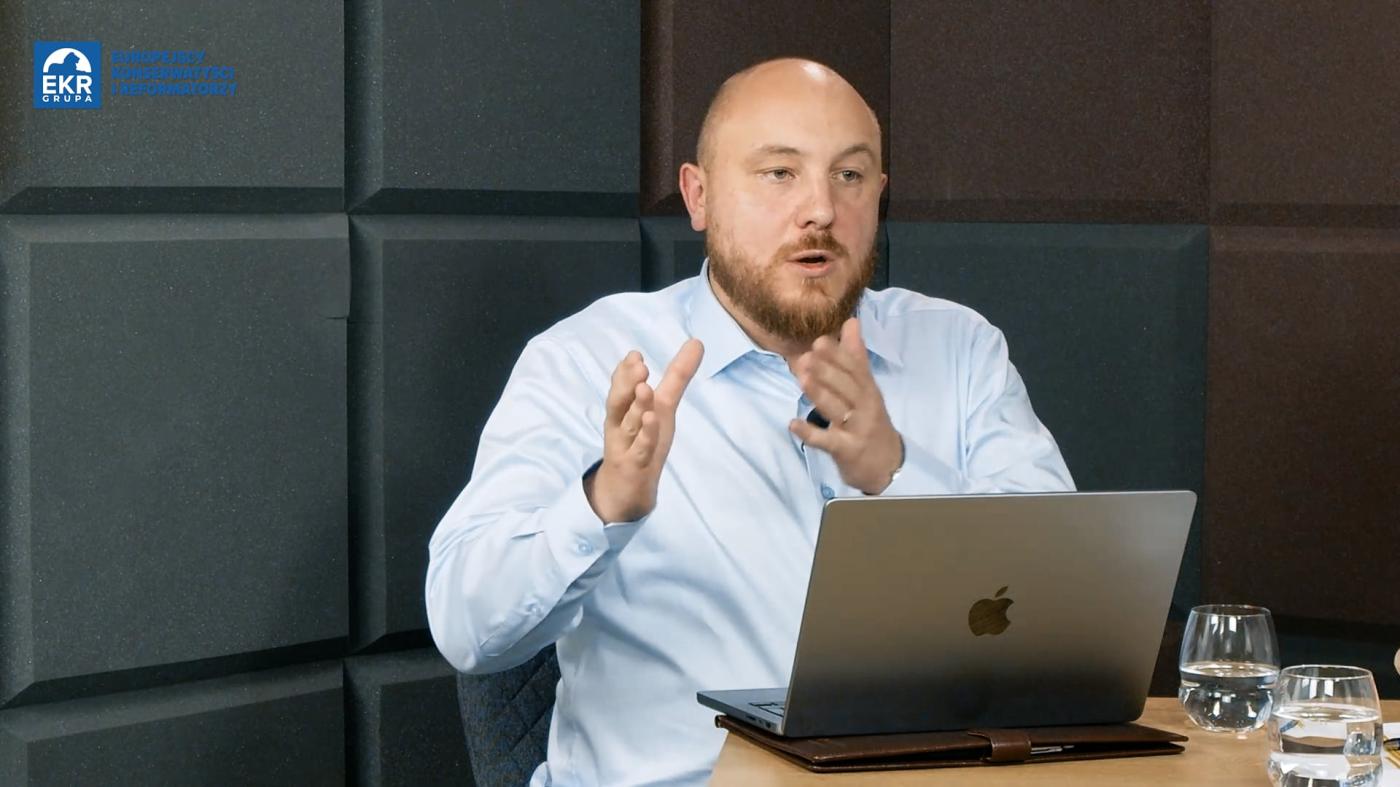
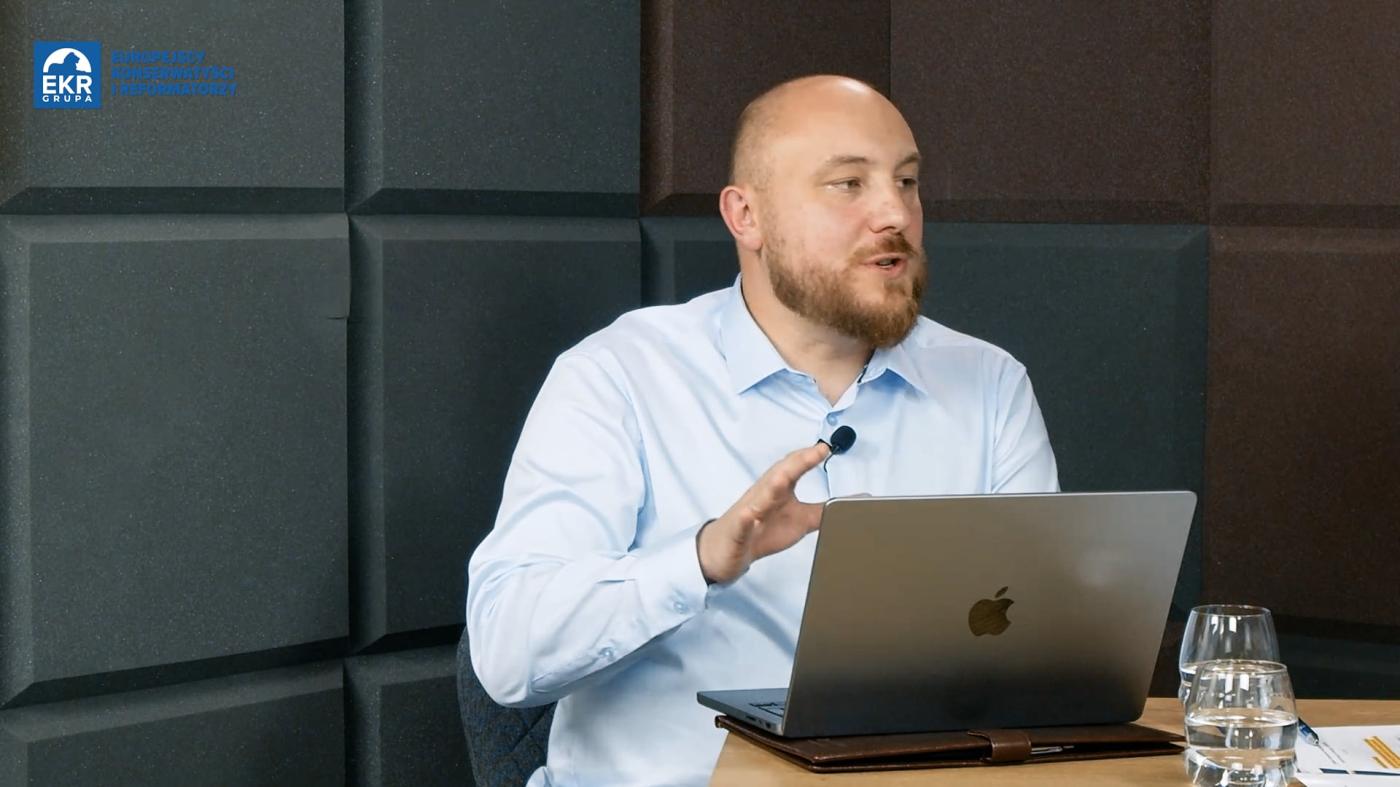
Moderator Dr. Paweł Kusiak posed a fundamental question: Does Poland have the real capability to ensure continuity of state operations in the event of a deep crisis – such as system failure or sabotage?
Prof. Grzybowski admitted that while Poland currently operates in relative stability, vulnerabilities remain:
– If a major disruption or ecological disaster hit the Gulf of Gdańsk, we could be practically cut off from ports – and thus from key energy resources. In such cases, the response time is too short to make up for decades of neglect.
This brings into focus Poland’s role in the EU’s Energy Preparedness Plan and solidarity mechanisms. Although Poland formally participates in EU crisis frameworks, the winter of 2022/23 revealed their limits, as national priorities often override collective commitments.
National approach vs. EU integration
Piotr Müller, MEP (ECR Group), emphasized that while integration of energy systems in the EU advances, Poland must prioritize its own independence.
– Our priority should be Poland’s energy sovereignty – Müller said. – We have achieved a lot in recent years – such as the Baltic Pipe project. But if Poland transitions without securing stable domestic sources, it may become cheaper to import energy from Germany or France. And in a crisis, energy solidarity could prove illusory.
His remarks reflect the broader European debate: should energy policy be increasingly centralized (as advocated by Germany and the Netherlands), or should national competencies in security of supply prevail?
Renewables and dependence on China
Müller also raised concerns about Europe’s external dependencies – not only on fossil fuels but also on renewable energy supply chains:
- 75% of solar panels installed in the EU are imported from China
- 80% of rare earth elements used in the European power sector also originate in China
– This shows how dependent we are on Chinese components – Müller argued. – That is why I believe Poland should invest primarily in nuclear and gas power, while diversifying gas supplies.
The European Commission’s Net-Zero Industry Act seeks to strengthen domestic production of renewable components. Yet think tanks such as Bruegel and CEPS warn that Europe’s reindustrialization pace may lag behind the immediate needs of the energy transition.
Business view – sovereignty also means prices and infrastructure
Andrzej Jaworski, President of the Chamber of Commerce and Trade, stressed the economic dimension:
– Why is electricity in Poland the most expensive in Europe? If I pay the highest bills every month, it’s hard to say we are sovereign. If we are sovereign, it means we fail to use it properly.
He added that independence is not only about generation but also about infrastructure and logistics:
– We bought coal when it was expensive, but now – when prices are lower – we cannot take full advantage due to limited logistical flexibility. Poland must capitalize on existing assets, particularly our well-developed port infrastructure.
EU cohesion funds and programs like Connecting Europe Facility can support these investments – provided Poland ensures effective, coordinated planning.
Flexibility – a lesson from Asia
Prof. Grzybowski drew a comparison with Asia’s rapid responsiveness:
– Vietnam, Malaysia, China – there, decisions are made instantly. Europe debates endlessly while others act. Poland, as a transit country with strong maritime logistics, can become a key distribution hub for goods from Asia, America, and the Middle East. This is an opportunity we must seize.
Initiatives such as the Three Seas Initiative and the EU’s Global Gateway could help – but only if Poland leverages its geographical position and port capacity strategically.
Key takeaway – realism, not ideology
The Energy Currents 2025 debate converged on one conclusion: Poland’s energy security requires realistic, strategic planning, balancing national sovereignty with European cooperation.
– We need a thoughtful energy mix. Renewables – yes, but not at the cost of stability and common sense. Sovereignty is not a slogan; it’s concrete action: nuclear power, logistics infrastructure, diversified supplies, and control over supply chains – Müller concluded.
The discussion made clear that in an age of geopolitical tensions, pandemics, and war, energy sovereignty is not an abstract goal – but a condition of survival. For Poland and Europe alike, meeting this challenge will require pragmatism, foresight, and resilience.
Energy Currents 2025 was organized by KPH Group, publisher of Gazeta Morska and Daily Mare, in cooperation with the European Conservatives and Reformists (ECR Group) in the European Parliament.

Buy us a coffee, and we’ll invest in great maritime journalism! Support Gazeta Morska and help us sail forward – click here!
Kamil Kusier
redaktor naczelny
gallery
comments
Add the first comment
see also
Austal partners with Damen for local construction of LST 100 for Australian Army
The submarine contract of the decade? Canada weighs South Korea against Germany
Bechtel signs contract with Doraco for Poland’s first nuclear power plant
When two powers clash, Poland must be ready to act. Military security must be the priority
MON, Arka Gdynia and AMW sign letter of intent supporting "Green Industrial District - Kashubia" project
Mine countermeasure vessel Jaskółka begins sea acceptance trials
PEJ relocates headquarters to Pomerania. A strategic step in Poland’s nuclear power development
Radmor hosts delegation from the Republic of Turkey. Advancing maritime security cooperation
3D-printed catamaran: robotic manufacturing sets course for the future of small craft
Navantia and Fincantieri deepen cooperation on the european patrol corvette programme
ADVERTISEMENT
ADVERTISEMENT