Energy Currents 2025: the strategic role of coastal regions in Poland’s energy future
Coastal regions, particularly Pomerania and West Pomerania, are emerging as key players not only in Poland’s energy transition but also in the broader transformation of Central and Eastern Europe. In the context of EU climate targets, decarbonization, and efforts to reduce dependency on Russian imports, Poland’s coastal assets gain exceptional importance. Experts, policymakers, and industry leaders agree that Poland has a unique opportunity to embed itself in Europe’s green transformation through offshore wind development, nuclear power, and modern port and offshore infrastructure.
business power engineering maritime economy offshore opinions and comments politics news20 august 2025 | 09:05 | Source: Gazeta Morska / Grupa Europejskich Konserwatystów i Reformatorów w Parlamencie Europejskim | Prepared by: Kamil Kusier | Print
.png)
Pomerania – a hub of Europe’s energy transition
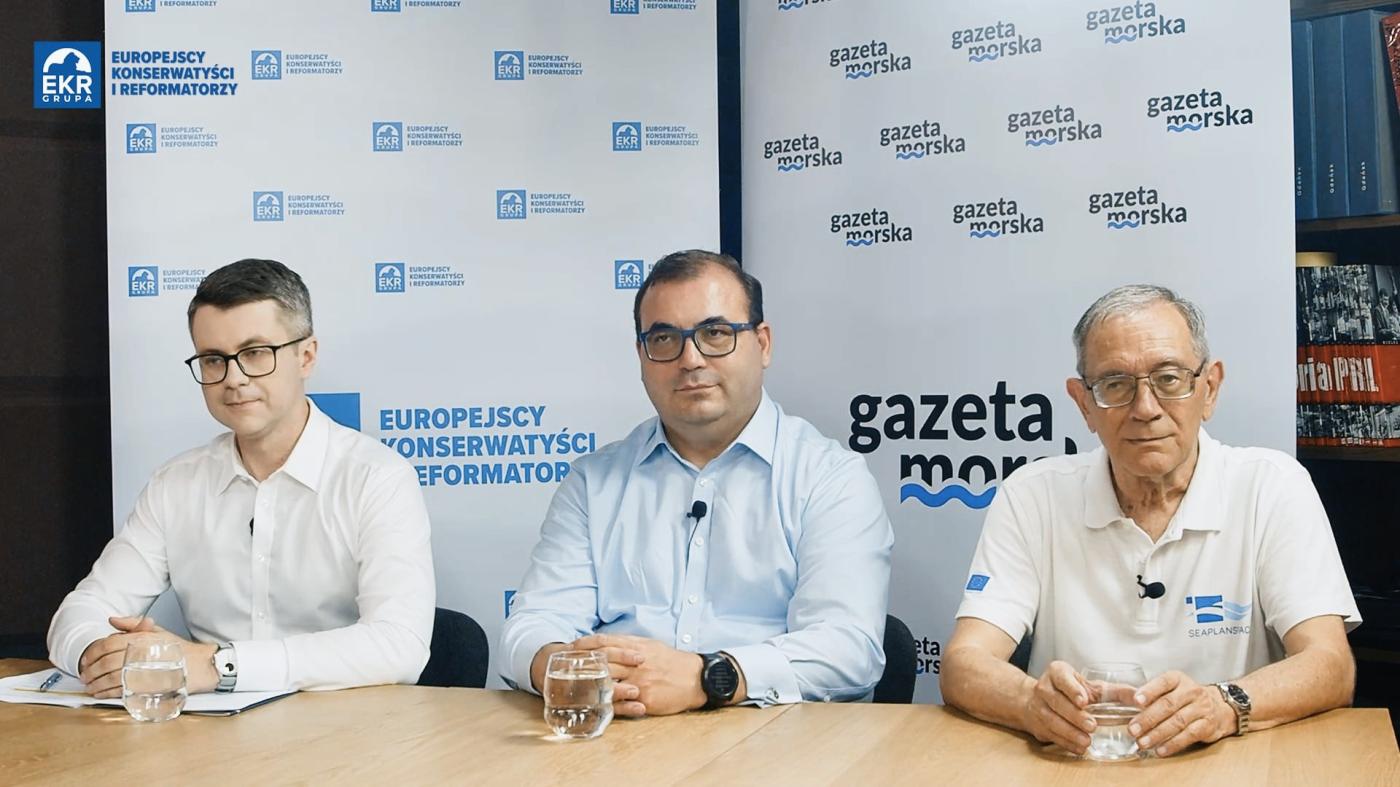
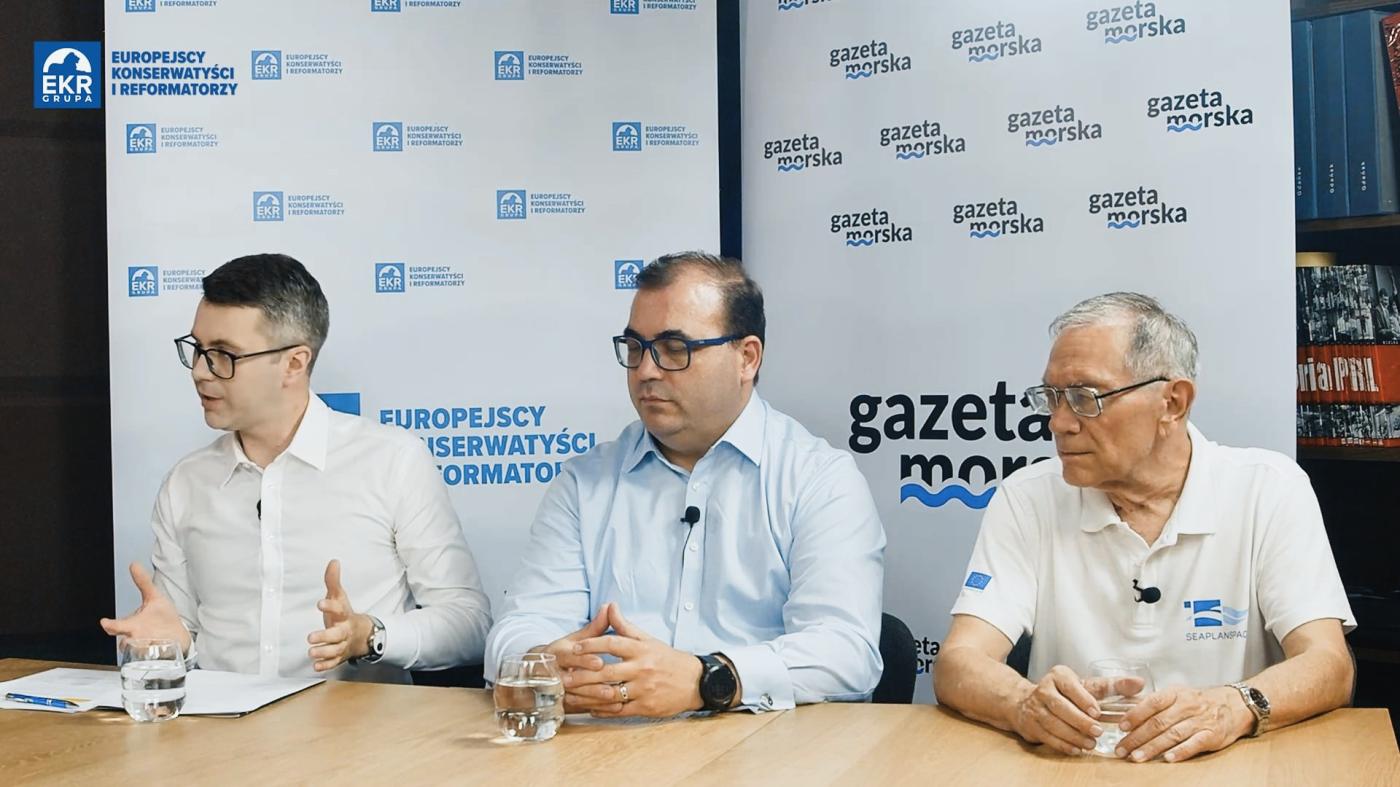
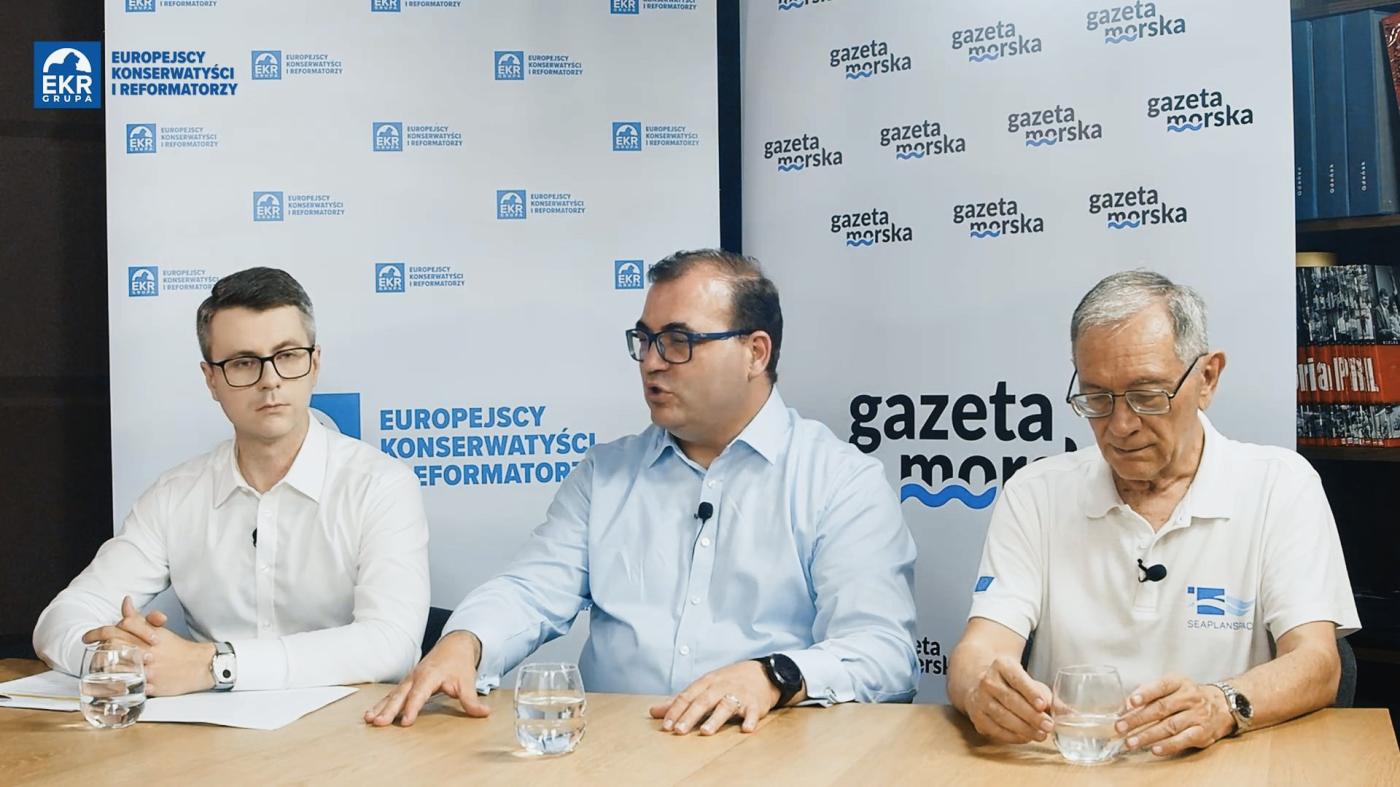
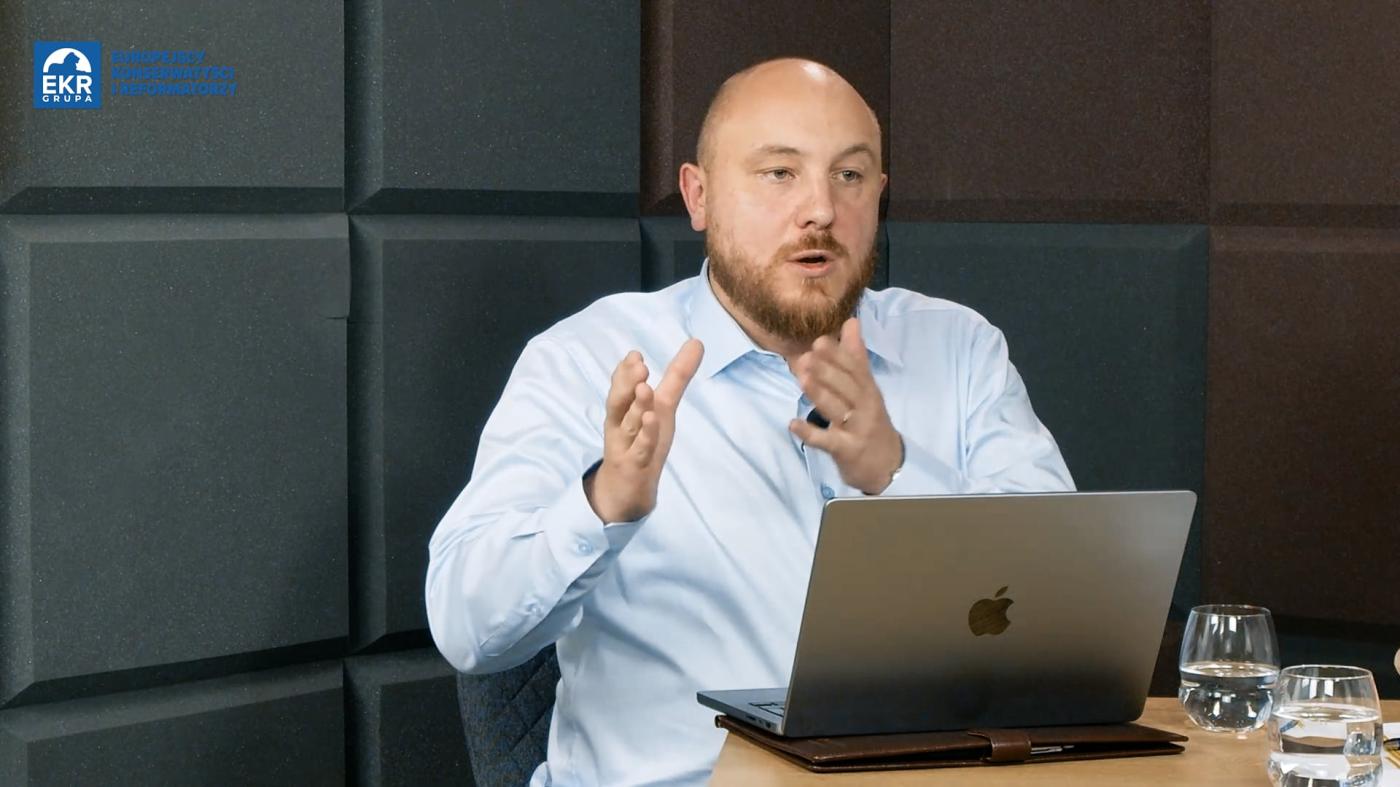
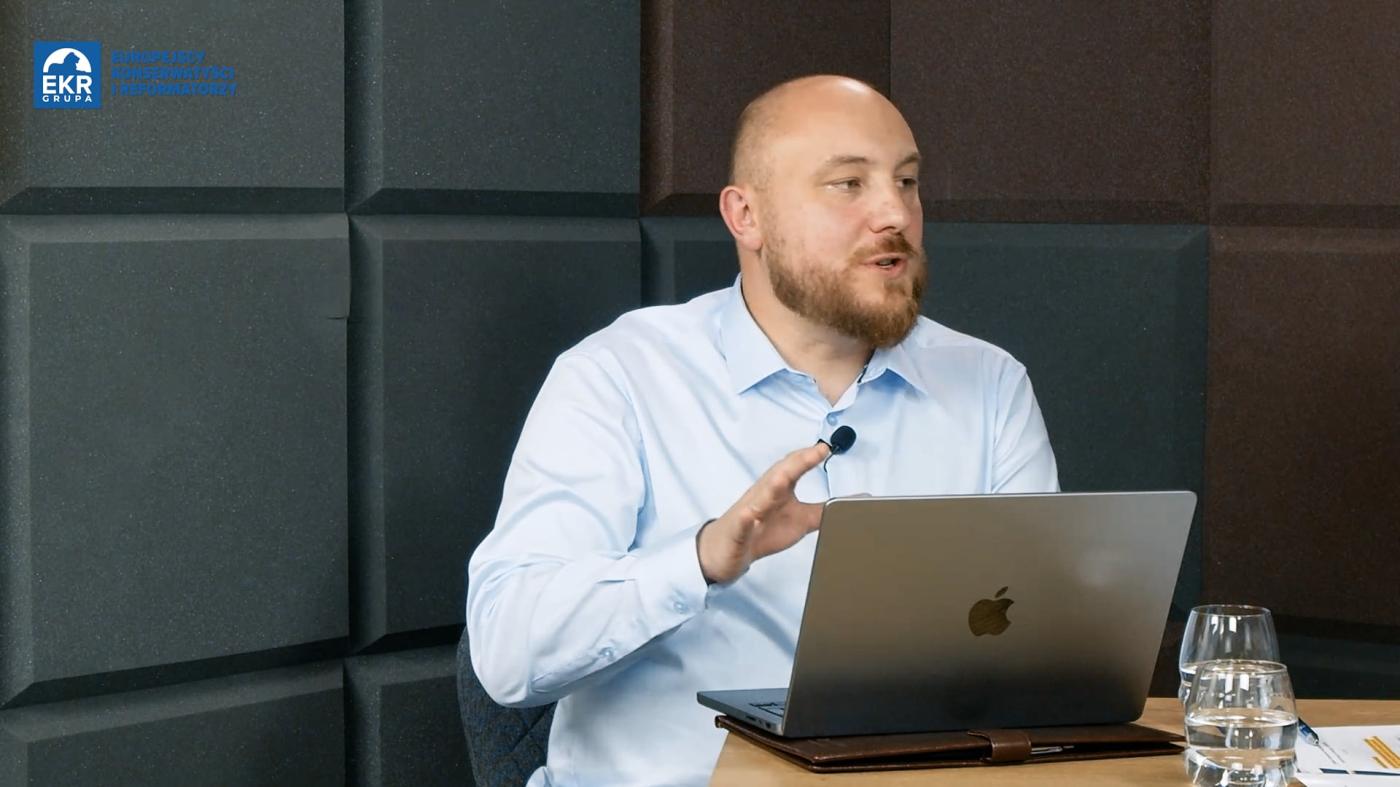
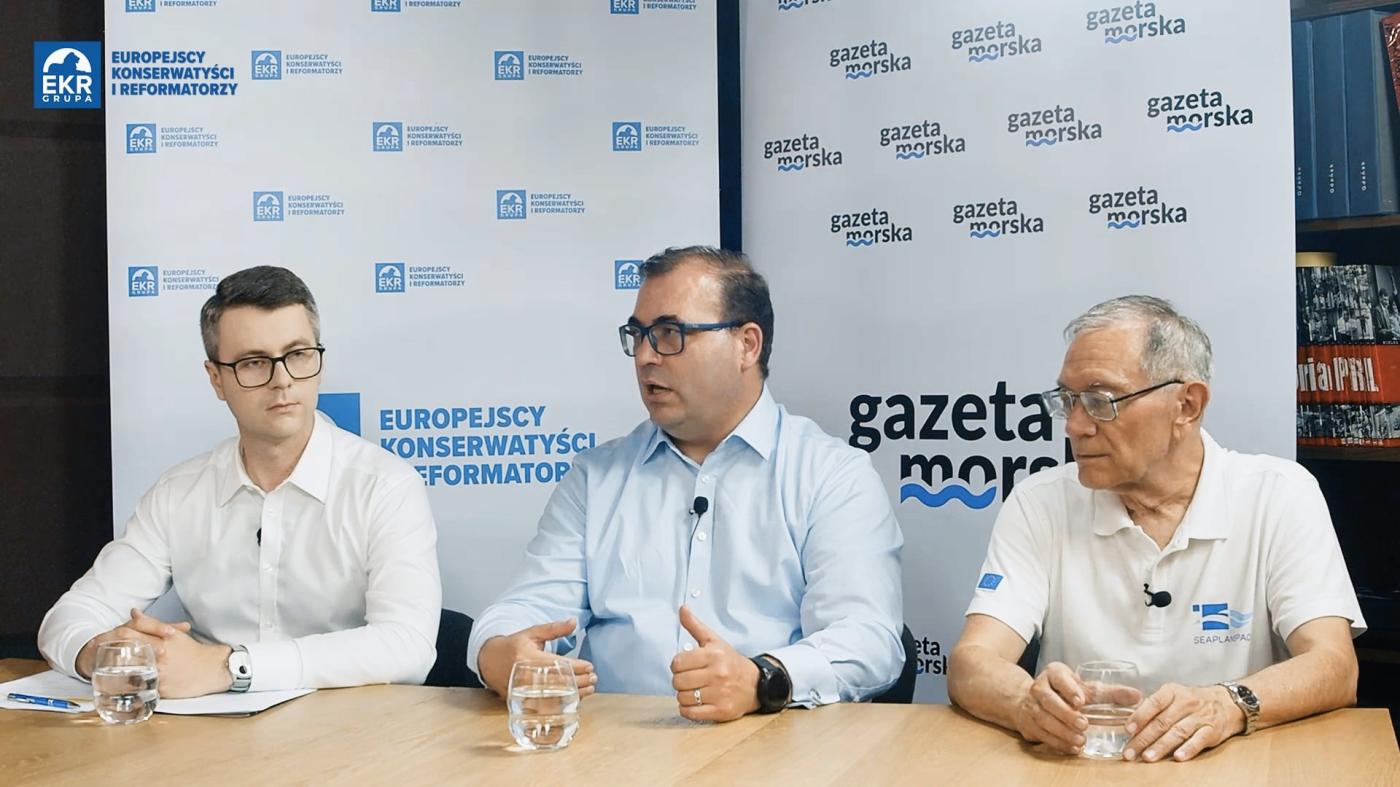
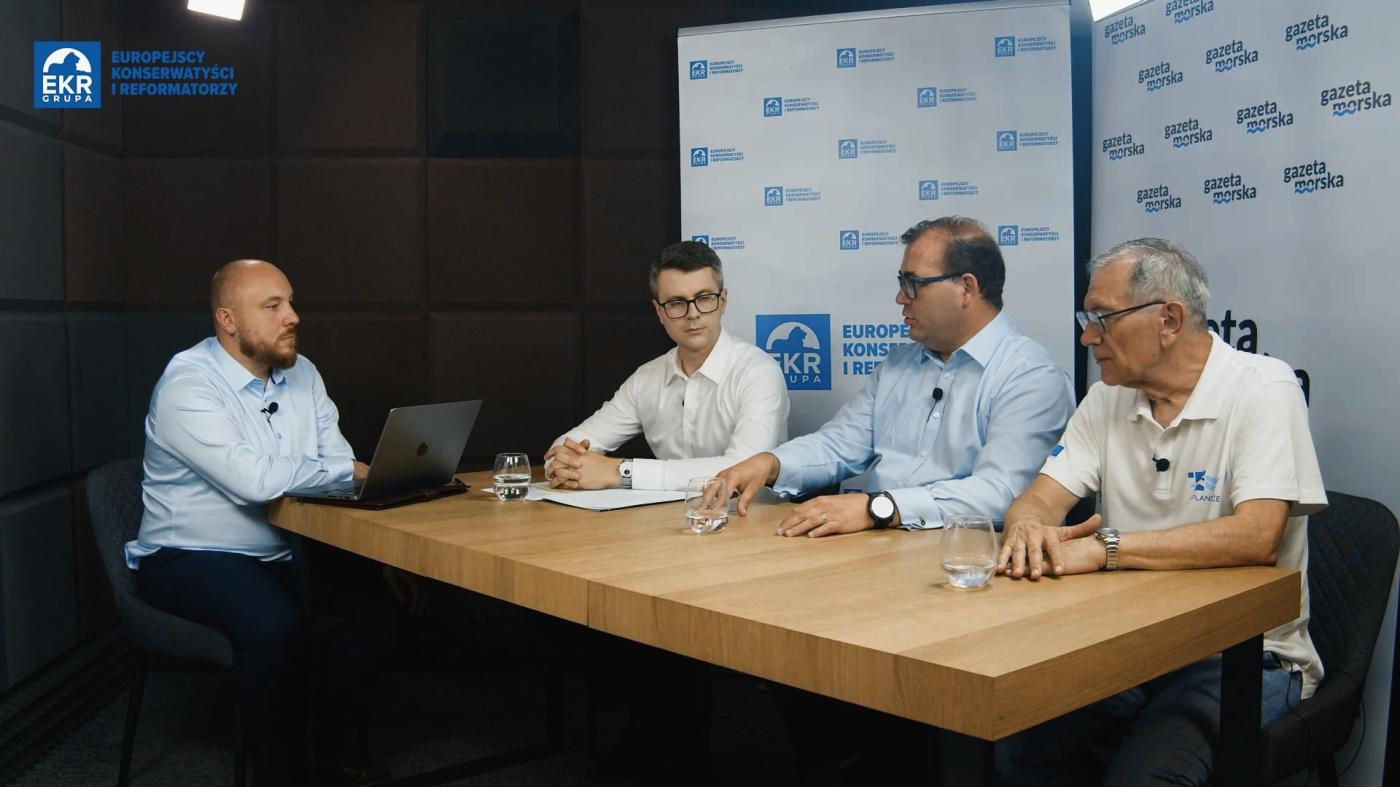
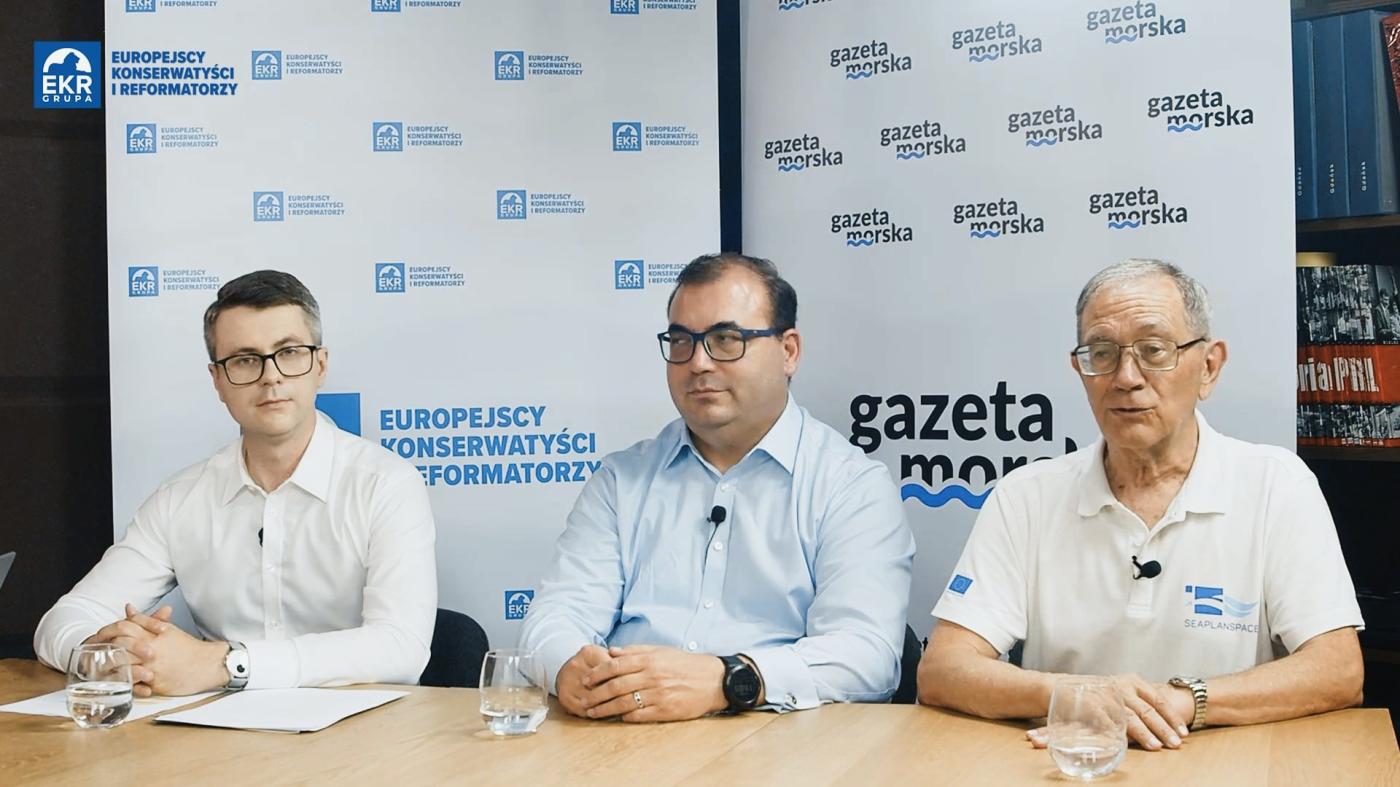
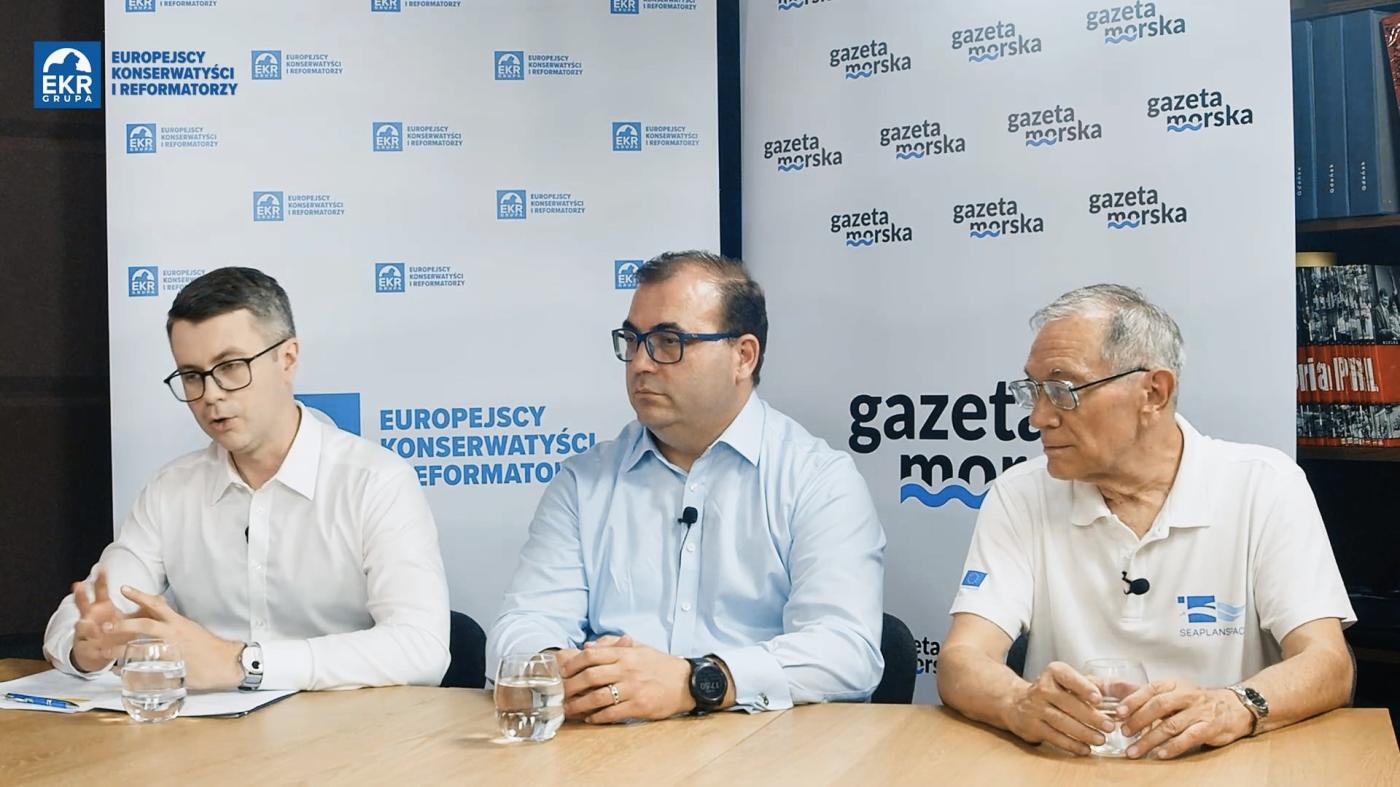
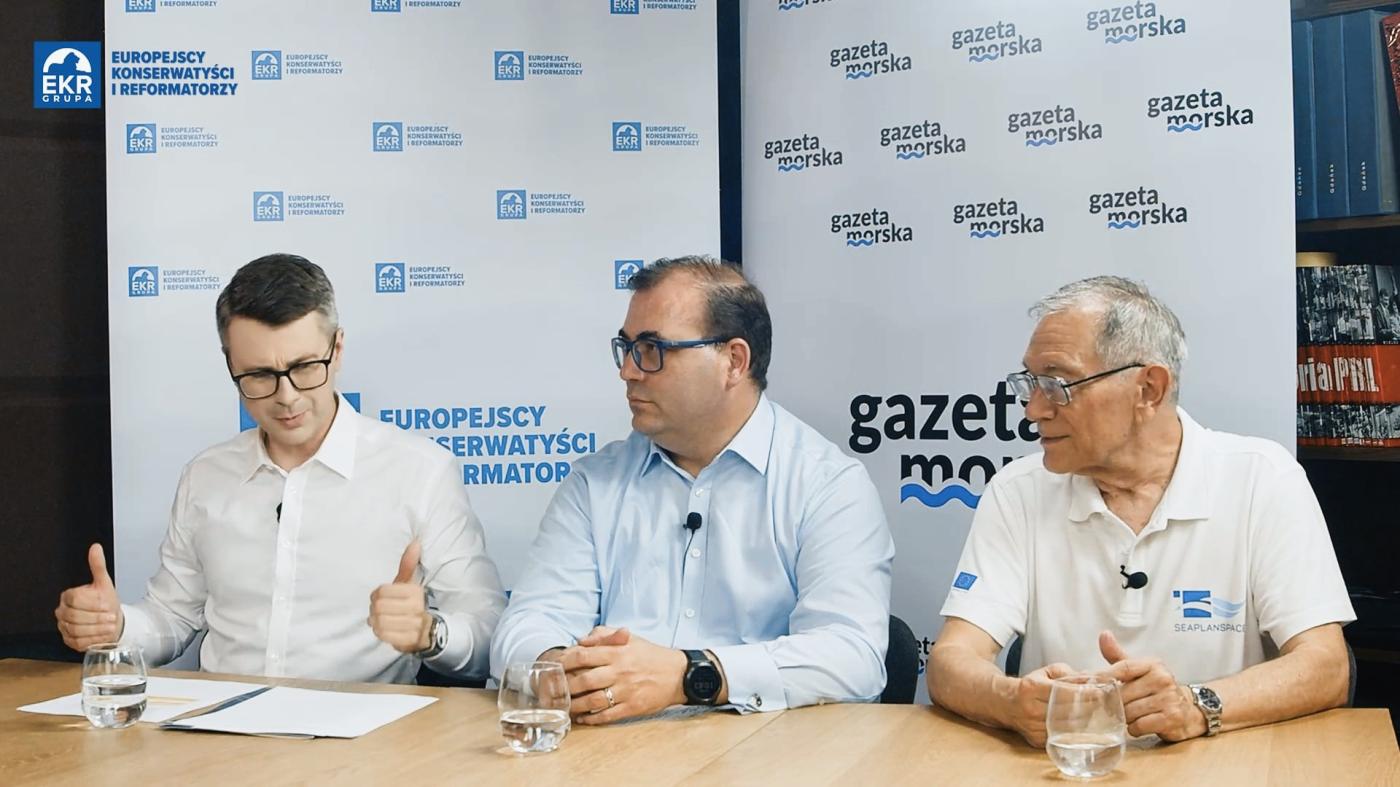
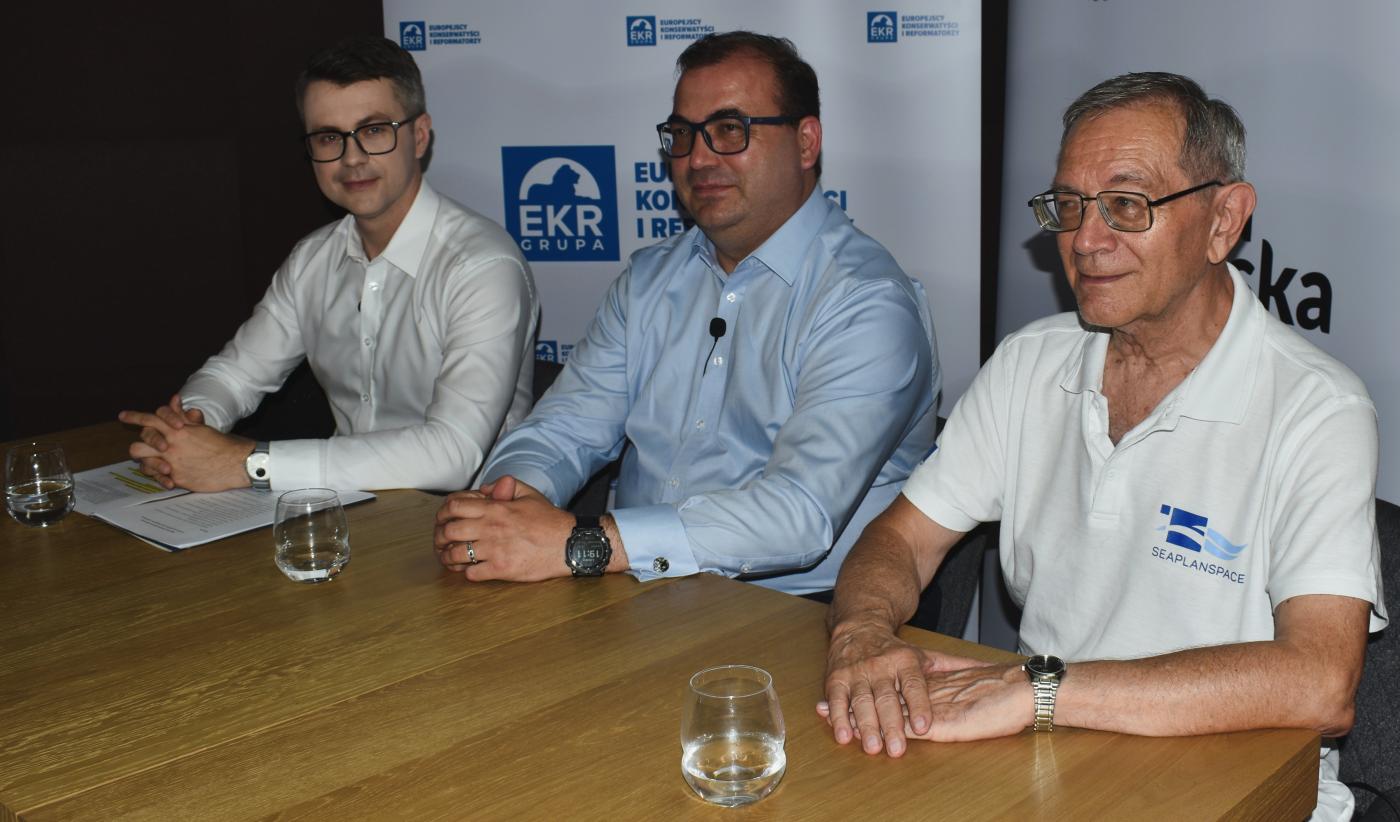
– The Pomeranian and West Pomeranian regions play a central role in Poland’s strategic policy, especially in maritime trade – emphasized Piotr Müller, MEP (ECR Group), pointing to the rapid growth in importance of ports such as Gdańsk and Gdynia.
He noted that many in Poland underestimate how significant a share of trade flows through maritime routes. Polish ports have captured a large part of cargo traffic previously handled by Western hubs – a shift that has stirred discontent in countries like Germany and the Netherlands.
Müller highlighted that this realignment of logistics and maritime flows is not just a regional ambition, but part of a broader geostrategic shift in the EU’s energy and trade infrastructure. He also stressed the need to build autonomous supply chains in the offshore wind sector, reducing Central and Eastern Europe’s reliance on foreign corporations.
– This is a huge opportunity for Polish companies and universities – such as Gdańsk University of Technology, the University of Gdańsk, or Gdynia Maritime University – to expand engineering, business, and maritime competencies – Müller said.
Energy as a growth driver – new jobs for the maritime sector?
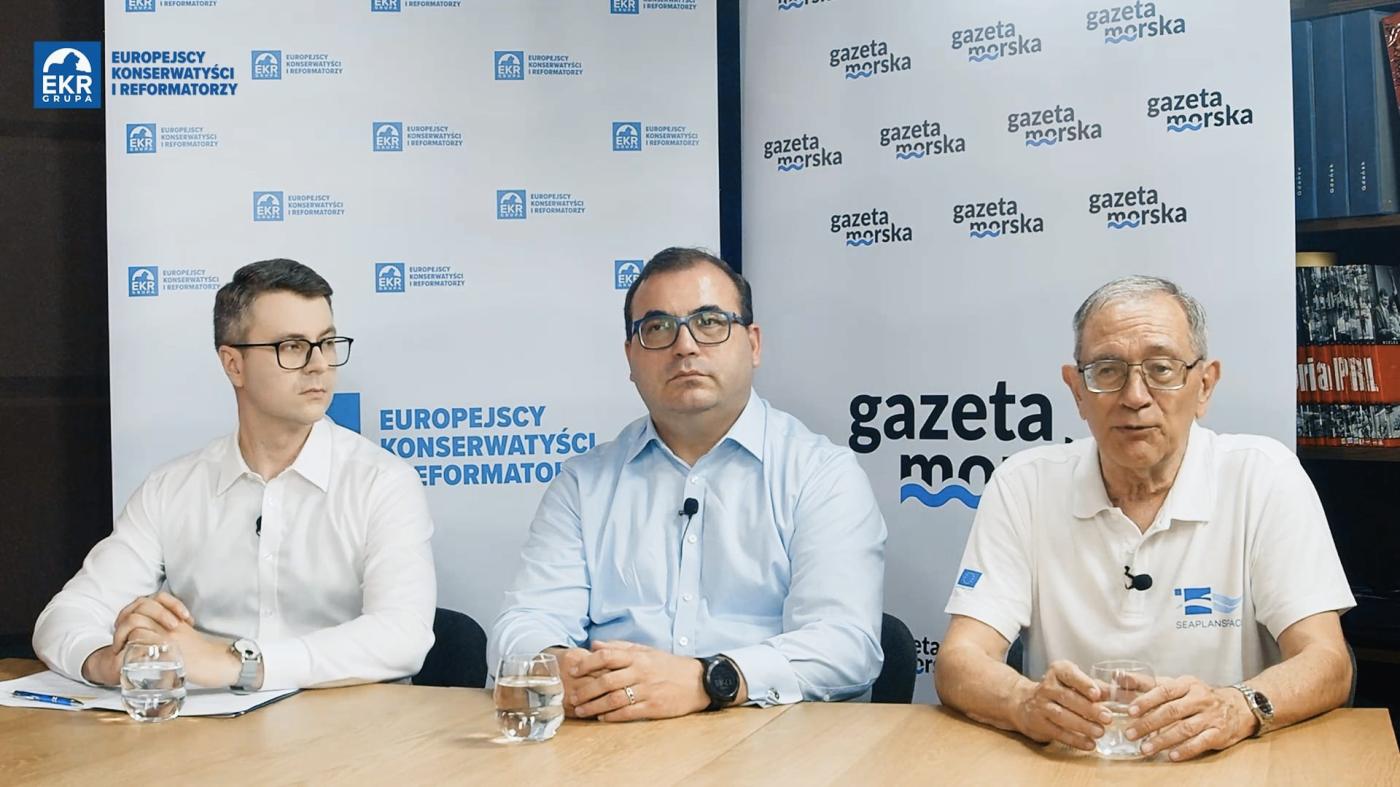
Andrzej Jaworski underlined the turning point facing the region:
– A few years ago we lost tens of thousands of jobs in the maritime industry. Today we have a real chance not only to regain them but to increase employment five- or sixfold.
His remarks resonate with the EU’s Just Transition strategy, which seeks not only decarbonization but also job recovery and modernization in industrial regions by creating so-called green jobs.
Jaworski added that upcoming investments – from Poland’s first nuclear power plant to potential deployment of SMR (small modular reactor) technology – could revolutionize the local labor market, aligning with Europe’s debate on energy diversification.
– I can imagine that towns like Reda, with available land, could become hubs for globally competitive firms – even in fields such as artificial intelligence. Why not? – he asked, stressing the need for synergy between energy and digital technologies in Europe’s twin transition.
Ports as centers of innovation and added value
Prof. Marek Grzybowski reminded that ports today are much more than cargo terminals:
– They are spaces of added value creation – places where shipbuilding, energy, and advanced technologies develop.
He argued that Poland already has a proven industrial and startup base that could become a cornerstone of the Green Deal in the Baltic Sea region, in line with the EU’s Maritime Strategy and offshore wind roadmap.
– On post-shipyard sites in Gdańsk, Gdynia, Szczecin, and Świnoujście, factories producing components for offshore wind are emerging. Companies like CRIST shipyard or Hydromega are prime examples – solid ventures that have grown into globally recognized players – Grzybowski said.
Offshore wind – national and European potential at stake
For Jaworski, the greatest risk is inaction:
– The biggest problem is blocked investments, frozen funds, lack of decisions. Unfortunately, this can happen anytime. Yet all of us want electricity – cheap and reliable.
Participants stressed that Poland must establish a domestic value chain in offshore wind – from component production and workforce training to servicing and farm operation – in line with European Commission guidelines for the Baltic Sea.
– Questions like whether farms near Bornholm or Słupsk will be serviced from Poland should not even arise. Everything that can be done in Poland must be done here – Jaworski urged.
The future of the region – skills, demographics, and logistics
According to Müller, one of the key challenges is workforce shortages, which will require internal migration and education–industry partnerships.
– Pomeranian universities have great opportunities here, especially through collaboration with business. One example is the University of Gdańsk’s agreement with Bechtel, a global leader in nuclear plant construction – he noted.
This vision reflects the EU’s push to develop regional competence centers and industrial clusters, where universities, enterprises, and local governments work together.
Müller also pointed to the need for cold chains and storage infrastructure:
– This could make Pomerania the logistics hub of Central and Eastern Europe. Already in Słupsk, modern food processing plants operate using raw materials from Norway. This is not just transit – it is production and logistics at a European scale.
Science–industry cooperation as a key to success
– The cooperation between science and practice is still far from perfect, but offshore investments can change this – Müller observed.
Prof. Grzybowski added:
– Beyond universities like Szczecin University or the Maritime University of Technology, Poland also has research institutes with advanced facilities, ready to support offshore energy development. It’s worth remembering.
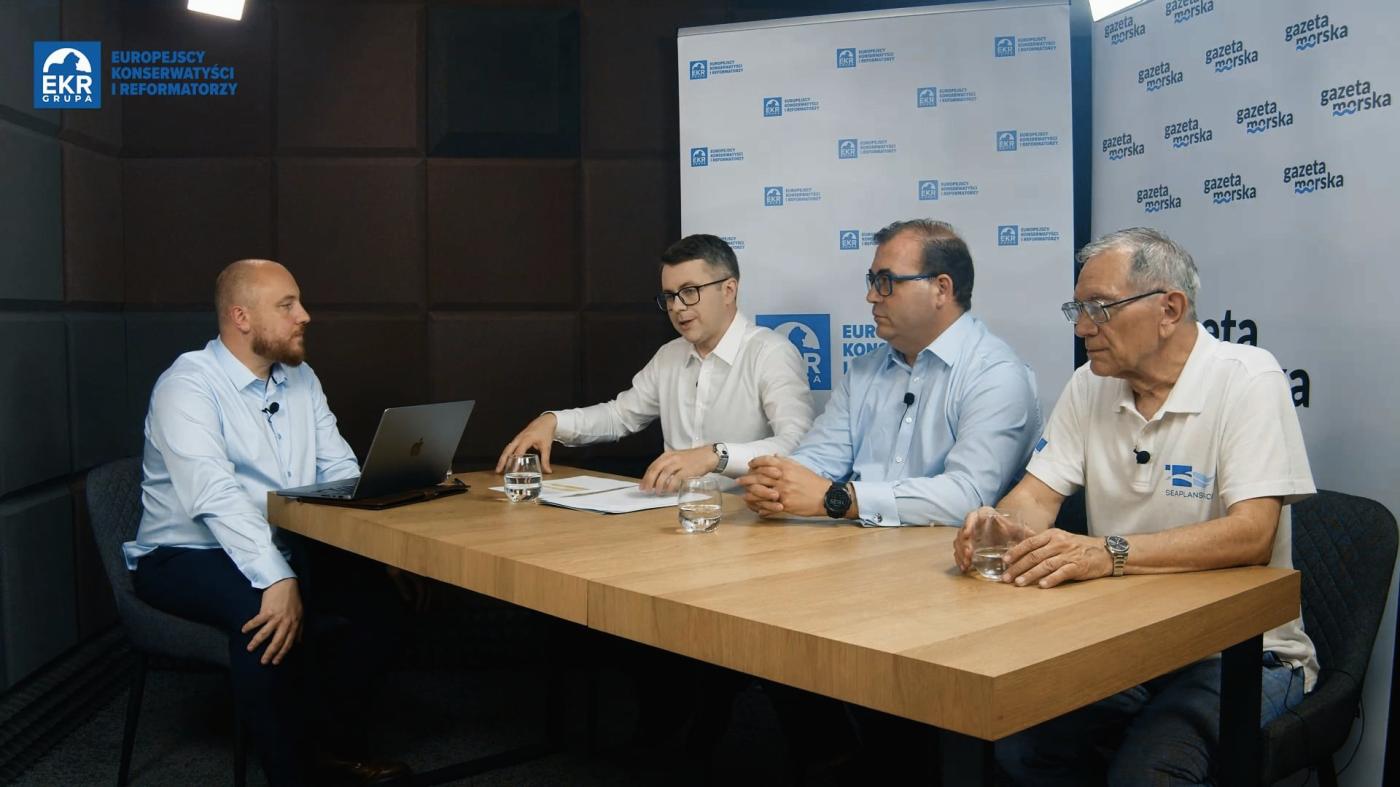
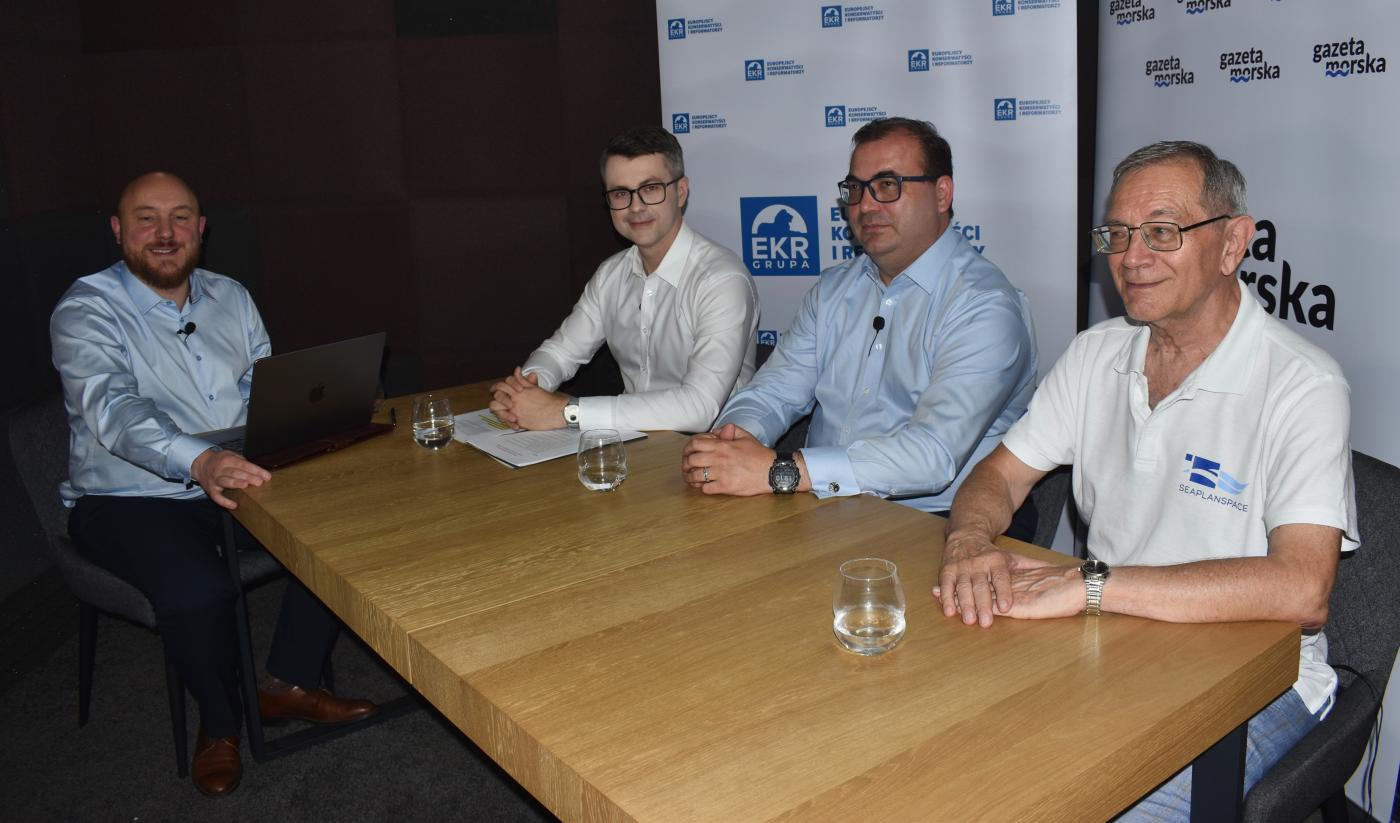
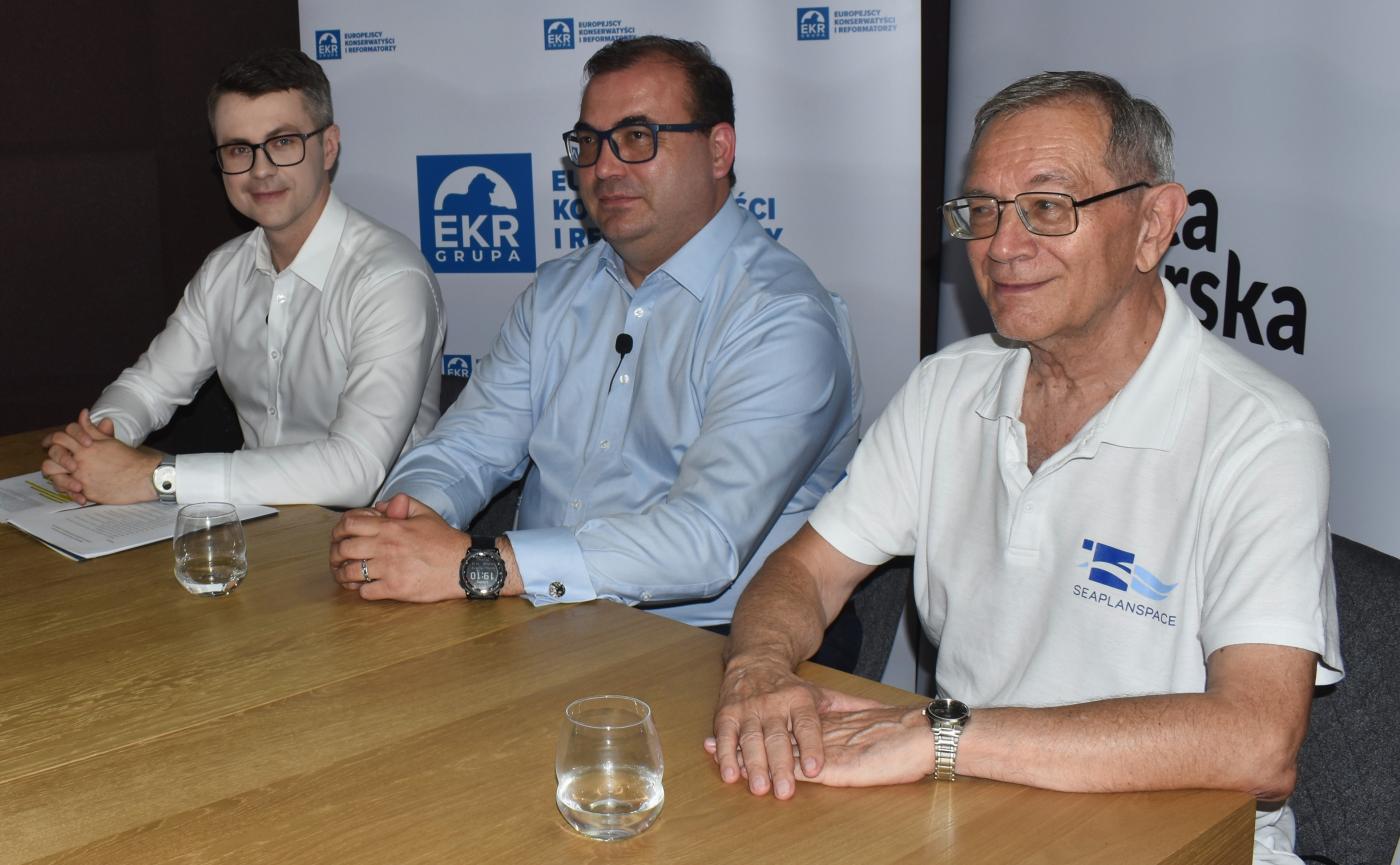
Energy Currents 2025 was organized by KPH Group, publisher of Gazeta Morska and Daily Mare, together with the European Conservatives and Reformists (ECR Group) in the European Parliament.
.png)
Buy us a coffee, and we’ll invest in great maritime journalism! Support Gazeta Morska and help us sail forward – click here!
Kamil Kusier
redaktor naczelny
gallery
comments
Add the first comment
see also
Austal partners with Damen for local construction of LST 100 for Australian Army
The submarine contract of the decade? Canada weighs South Korea against Germany
Bechtel signs contract with Doraco for Poland’s first nuclear power plant
When two powers clash, Poland must be ready to act. Military security must be the priority
MON, Arka Gdynia and AMW sign letter of intent supporting "Green Industrial District - Kashubia" project
Mine countermeasure vessel Jaskółka begins sea acceptance trials
PEJ relocates headquarters to Pomerania. A strategic step in Poland’s nuclear power development
Radmor hosts delegation from the Republic of Turkey. Advancing maritime security cooperation
3D-printed catamaran: robotic manufacturing sets course for the future of small craft
Navantia and Fincantieri deepen cooperation on the european patrol corvette programme
ADVERTISEMENT
ADVERTISEMENT