Energy Currents 2025: the role of nuclear power in Poland’s energy mix and the challenges ahead
As demand for stable and emission-free energy sources grows, Poland faces a strategic choice – either successfully implement nuclear energy or remain dependent on fossil fuels and energy imports. The European context makes this choice even more pressing – the EU is accelerating decarbonisation, tightening climate targets, and increasingly linking access to funding and support mechanisms to compliance with the Green Deal.
business power engineering opinions and comments politics news22 august 2025 | 17:04 | Source: Gazeta Morska / Grupa Europejskich Konserwatystów i Reformatorów w Parlamencie Europejskim | Prepared by: Kamil Kusier | Print
.png)
Although decisions to build nuclear power plants in Poland have been made for decades, real progress remains limited. Experts, policymakers and business leaders agree: the question is no longer whether to build, but why it has not been done yet – and how to avoid repeating the mistakes of the past.
Can Poland act strategically?
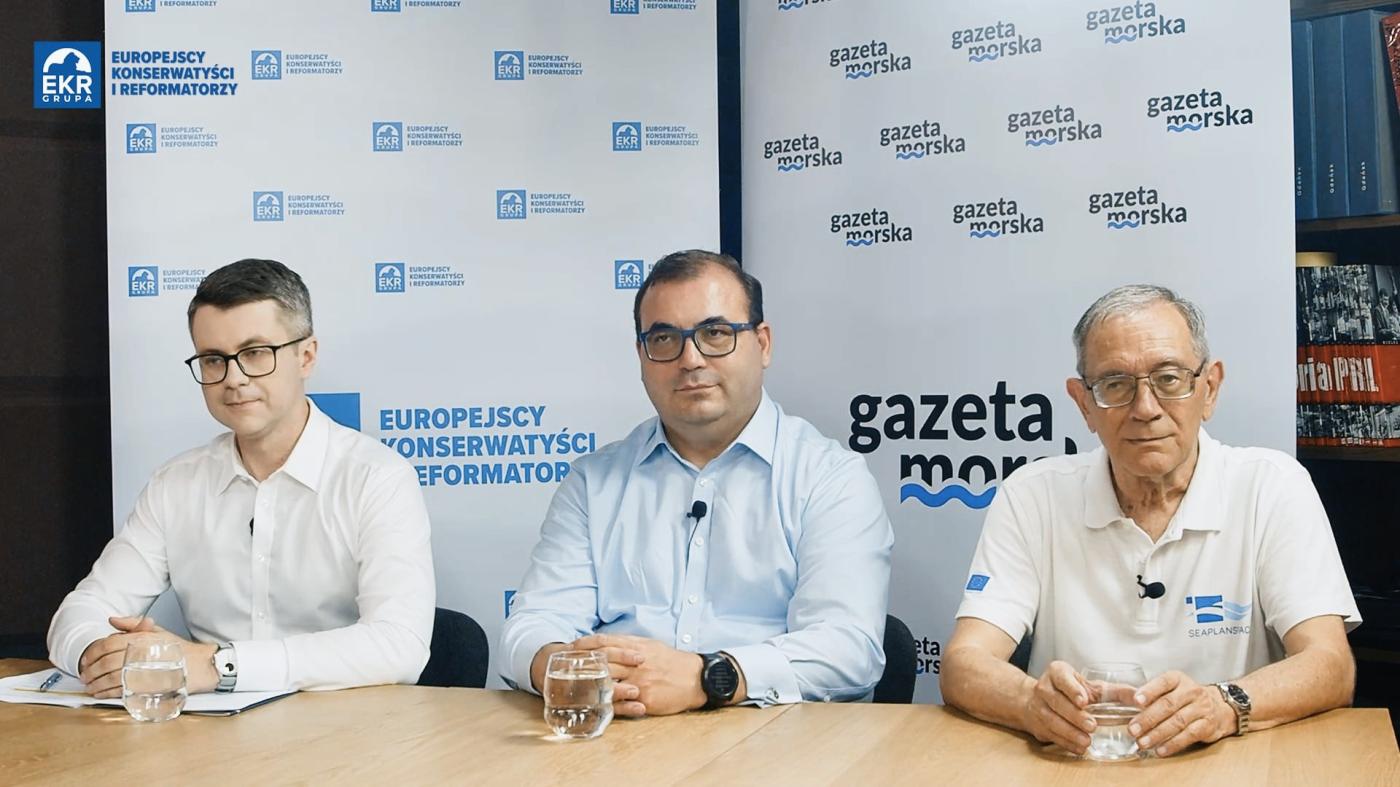
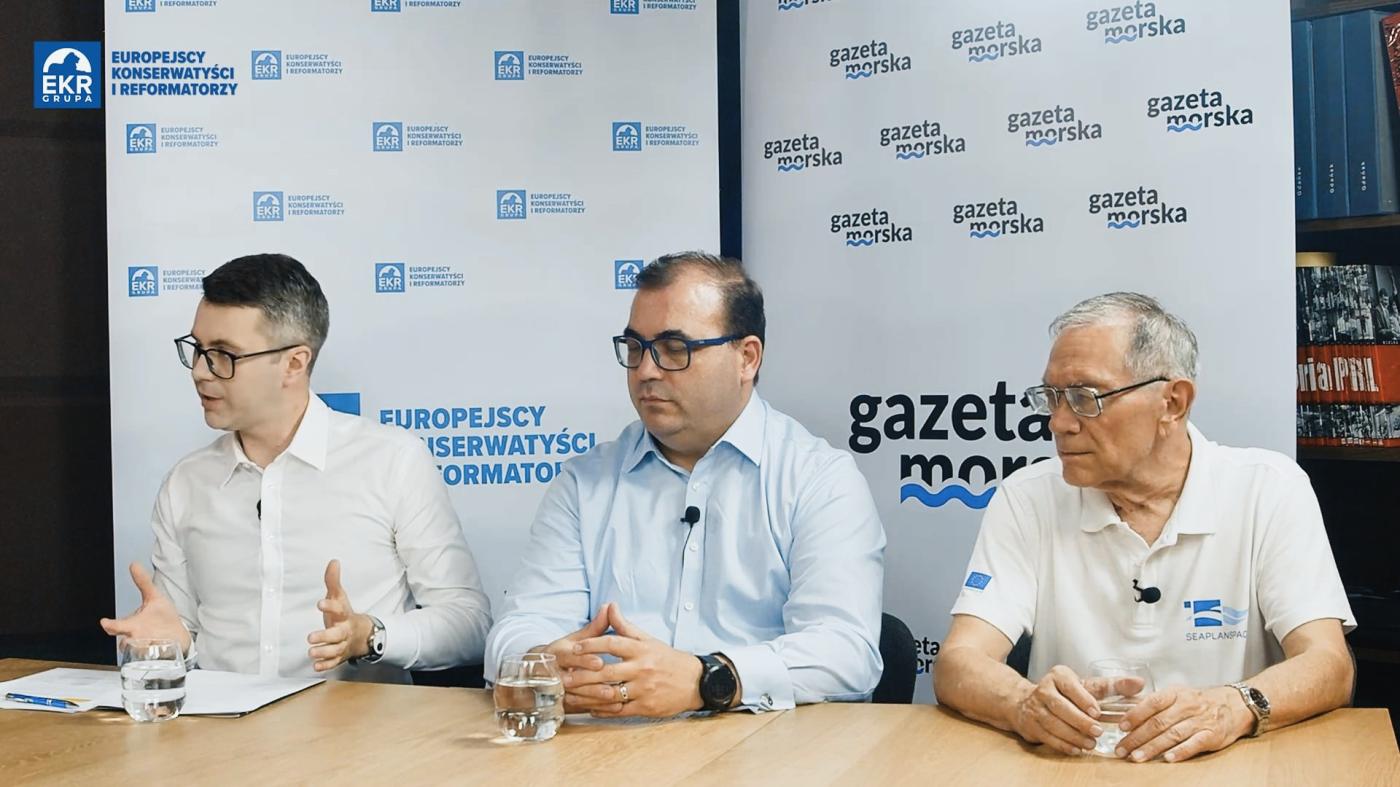
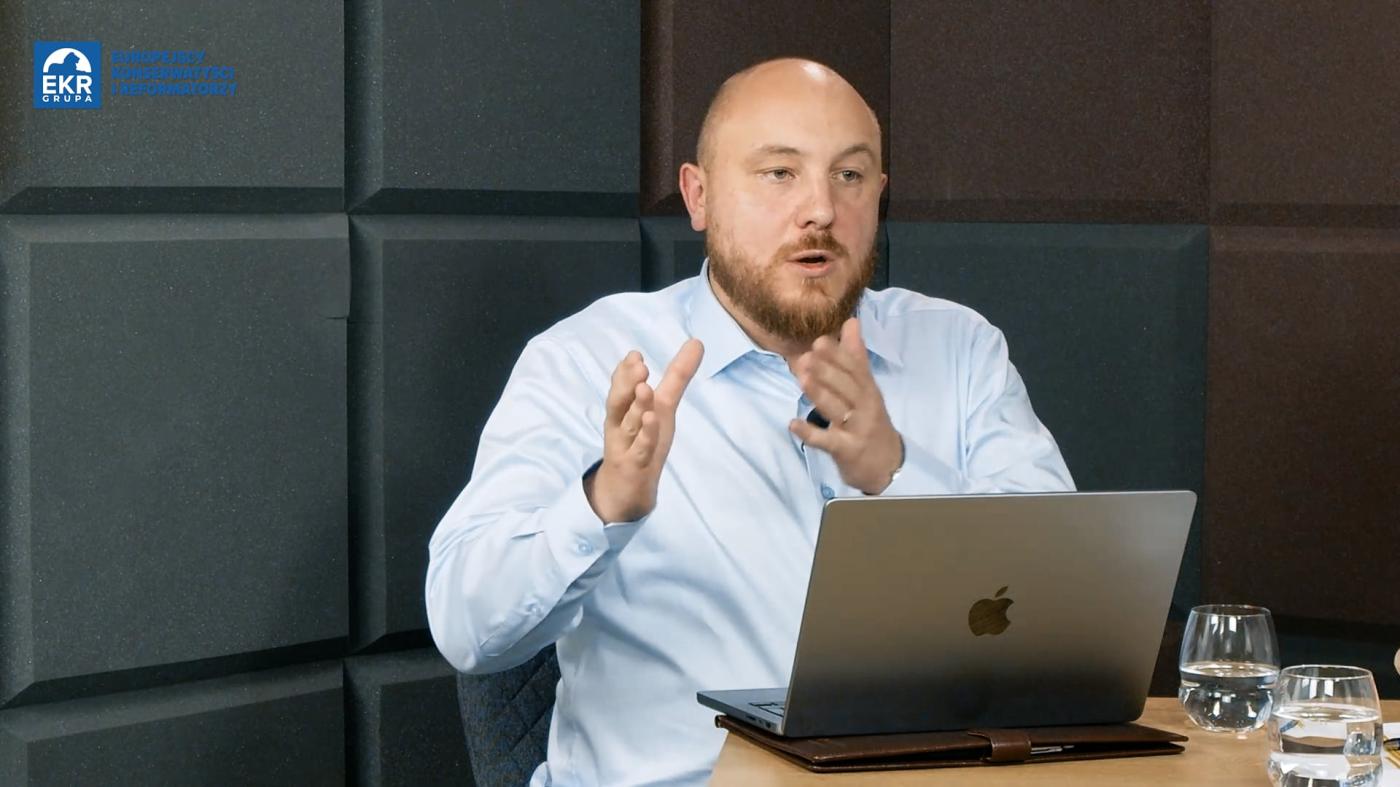
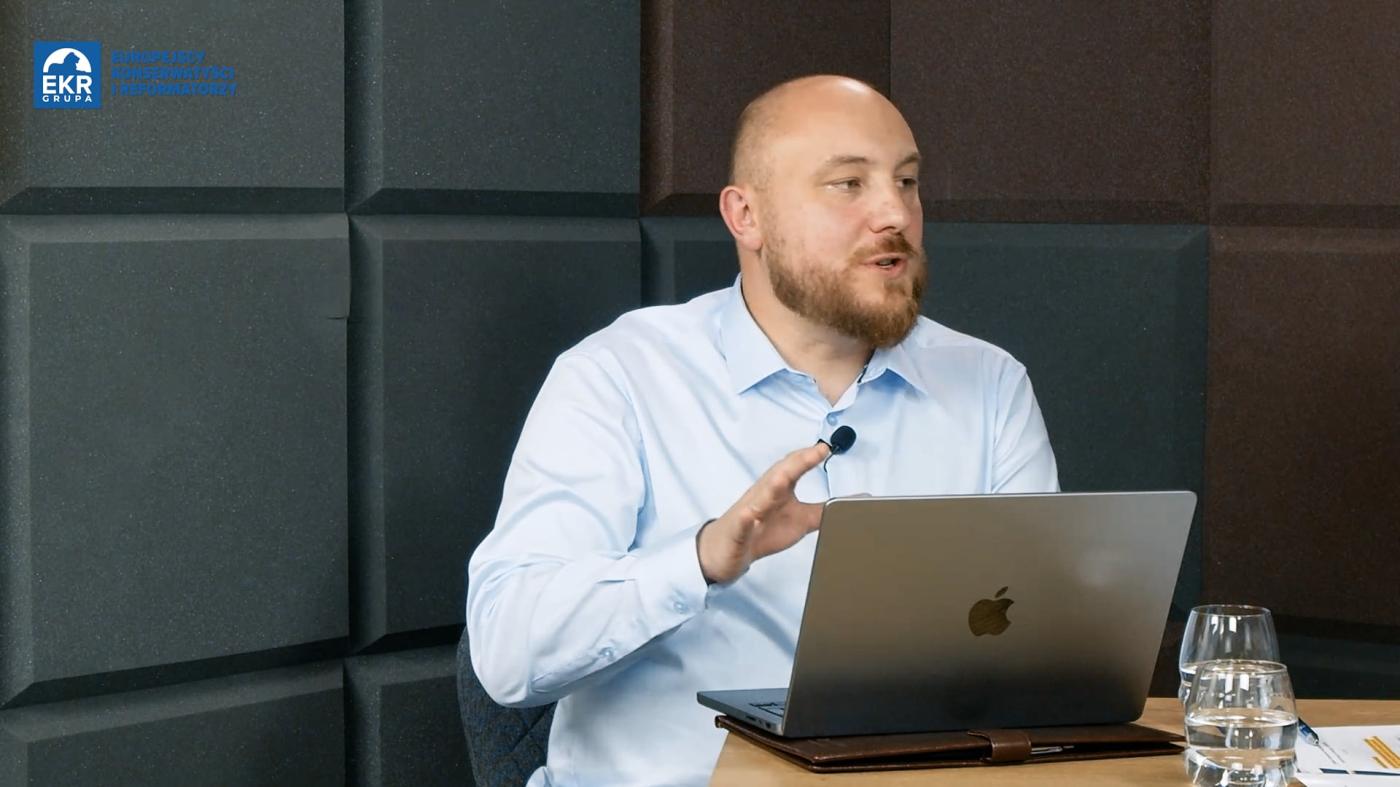
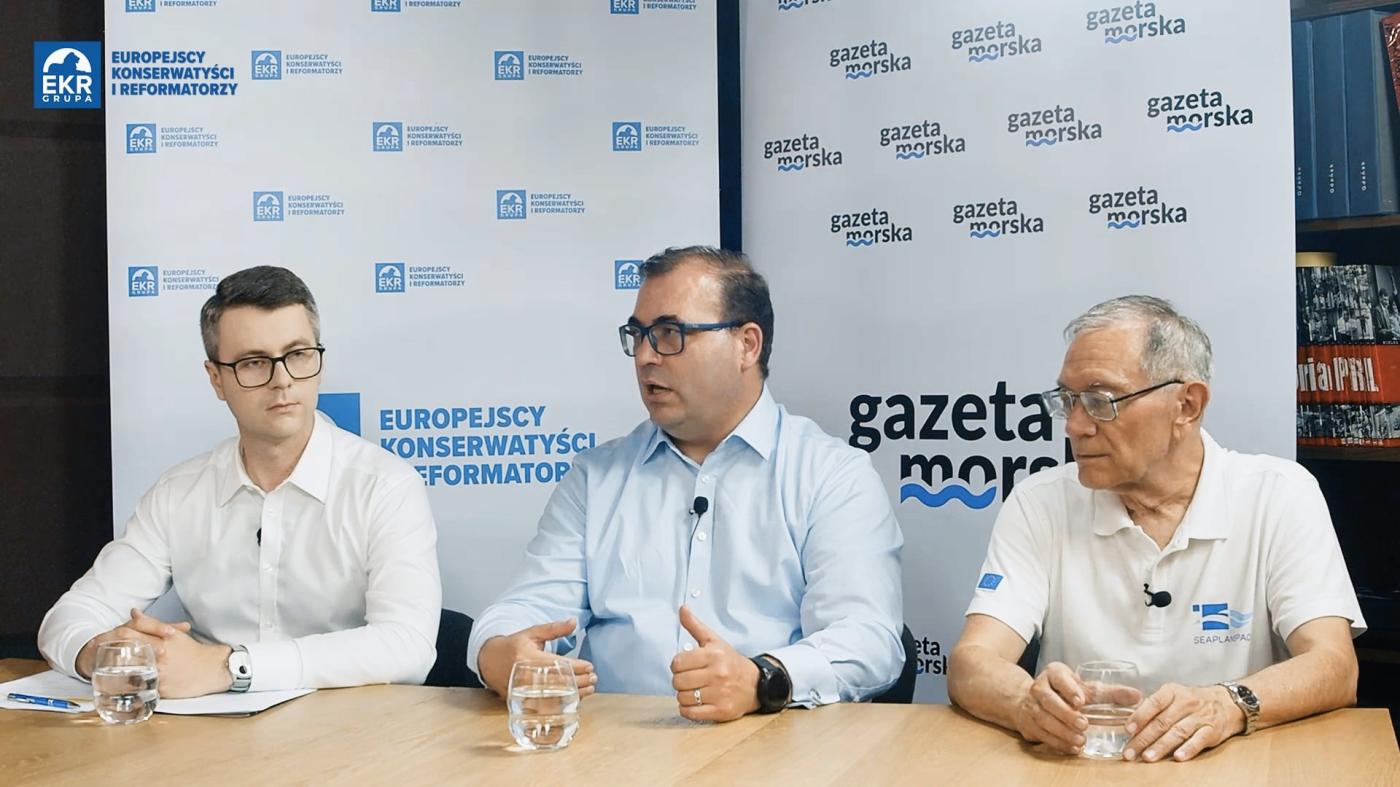
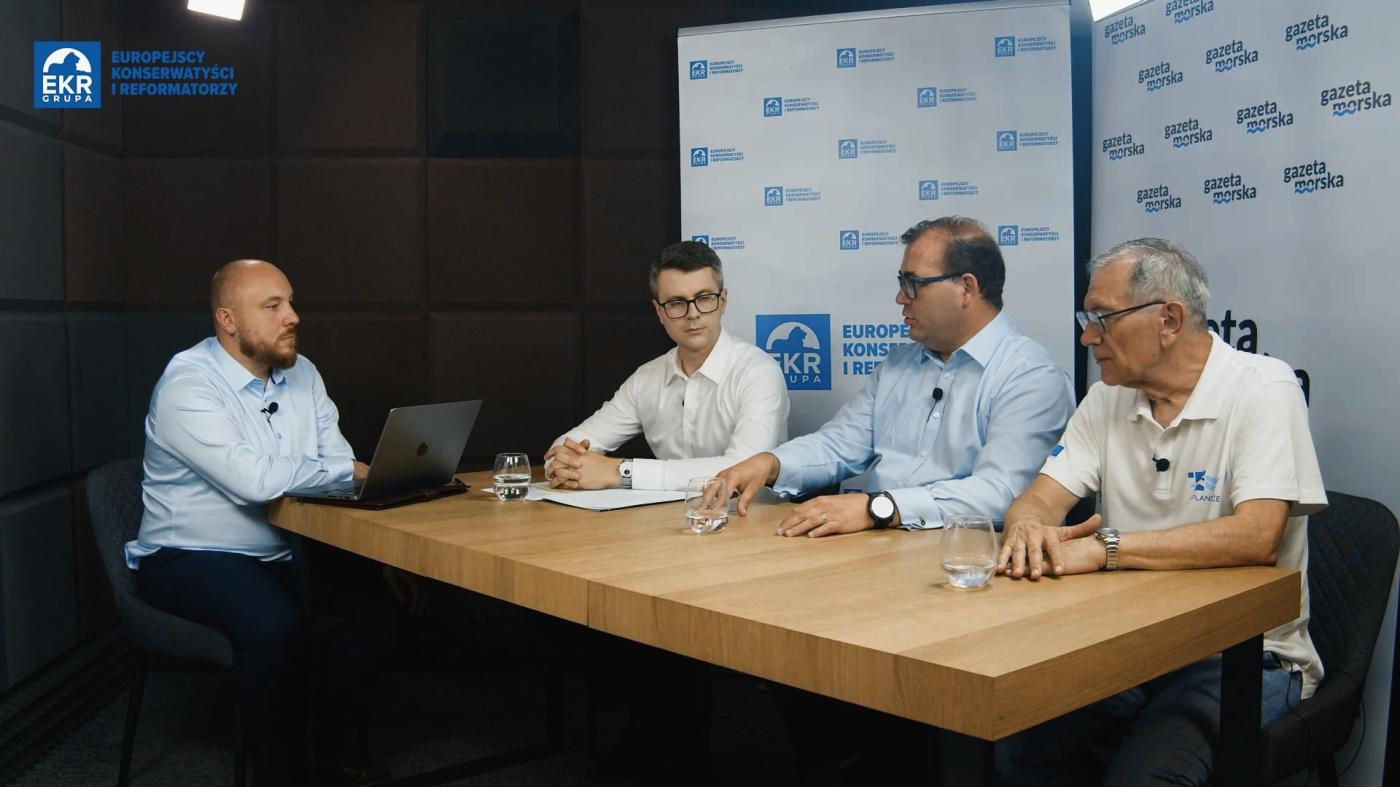
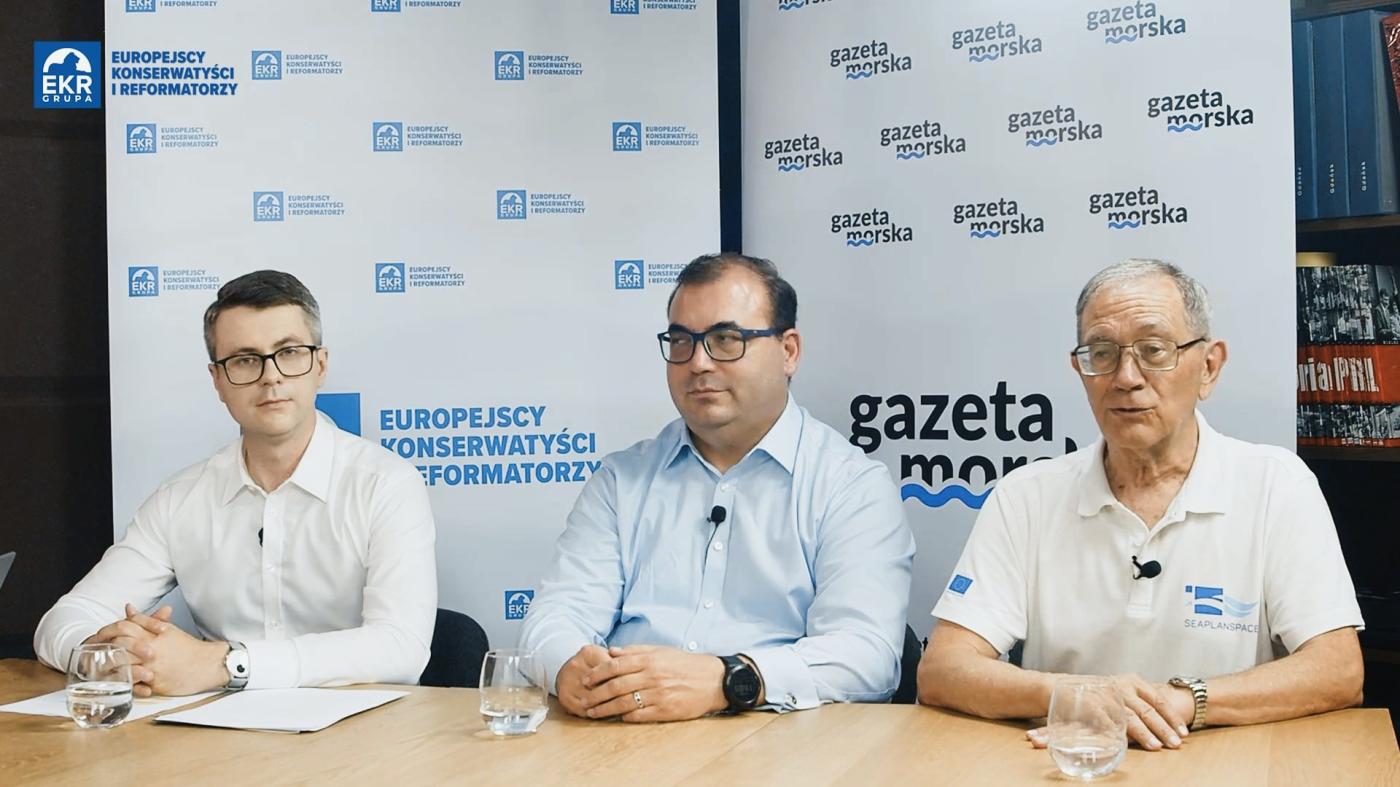
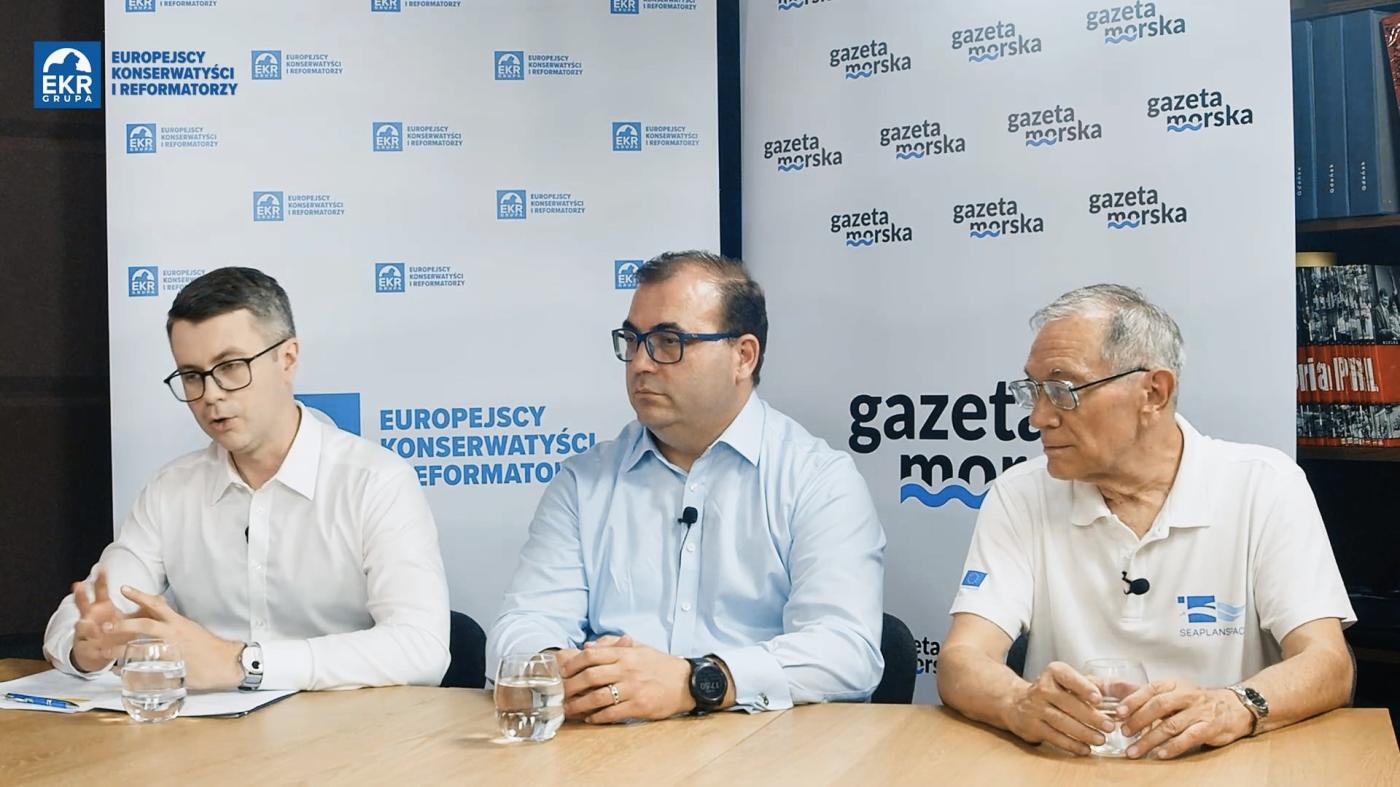
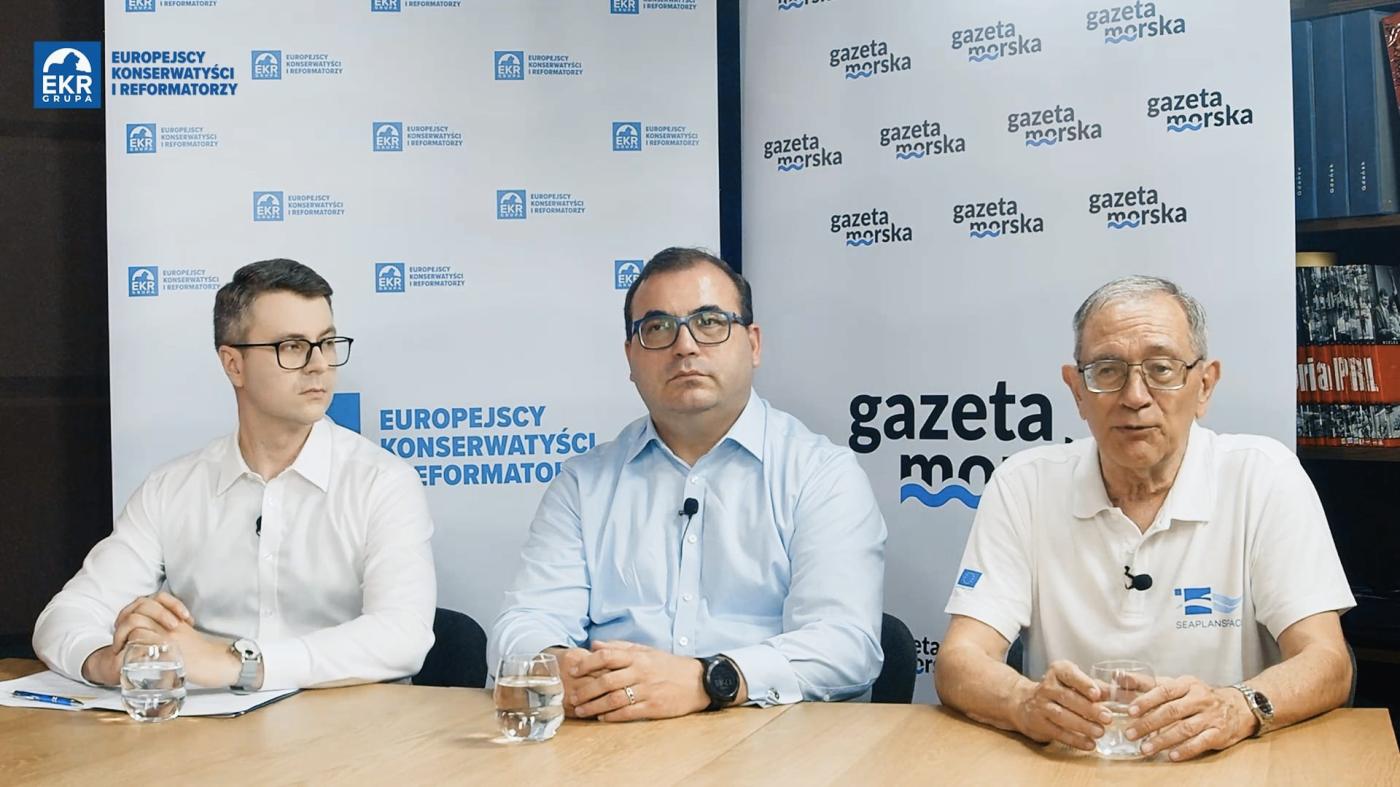
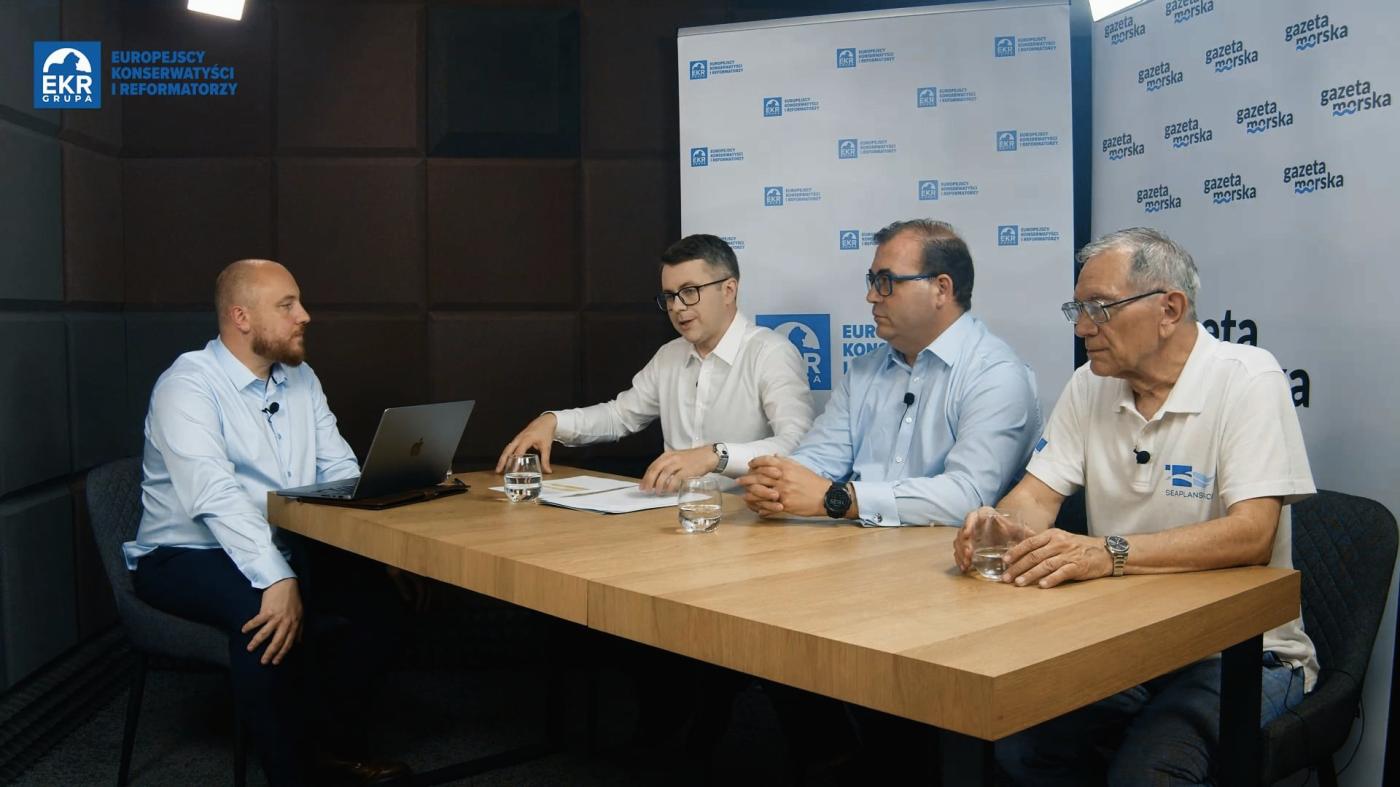
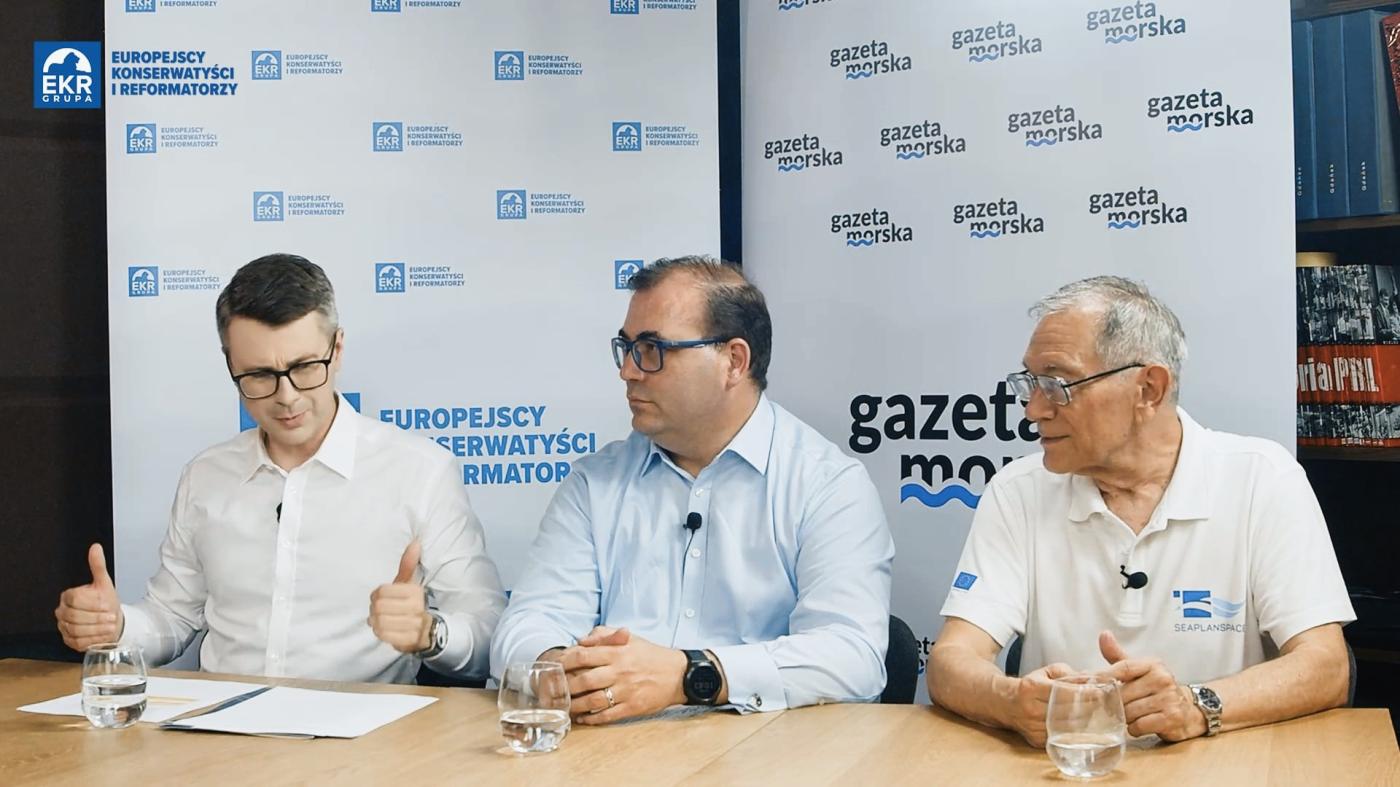
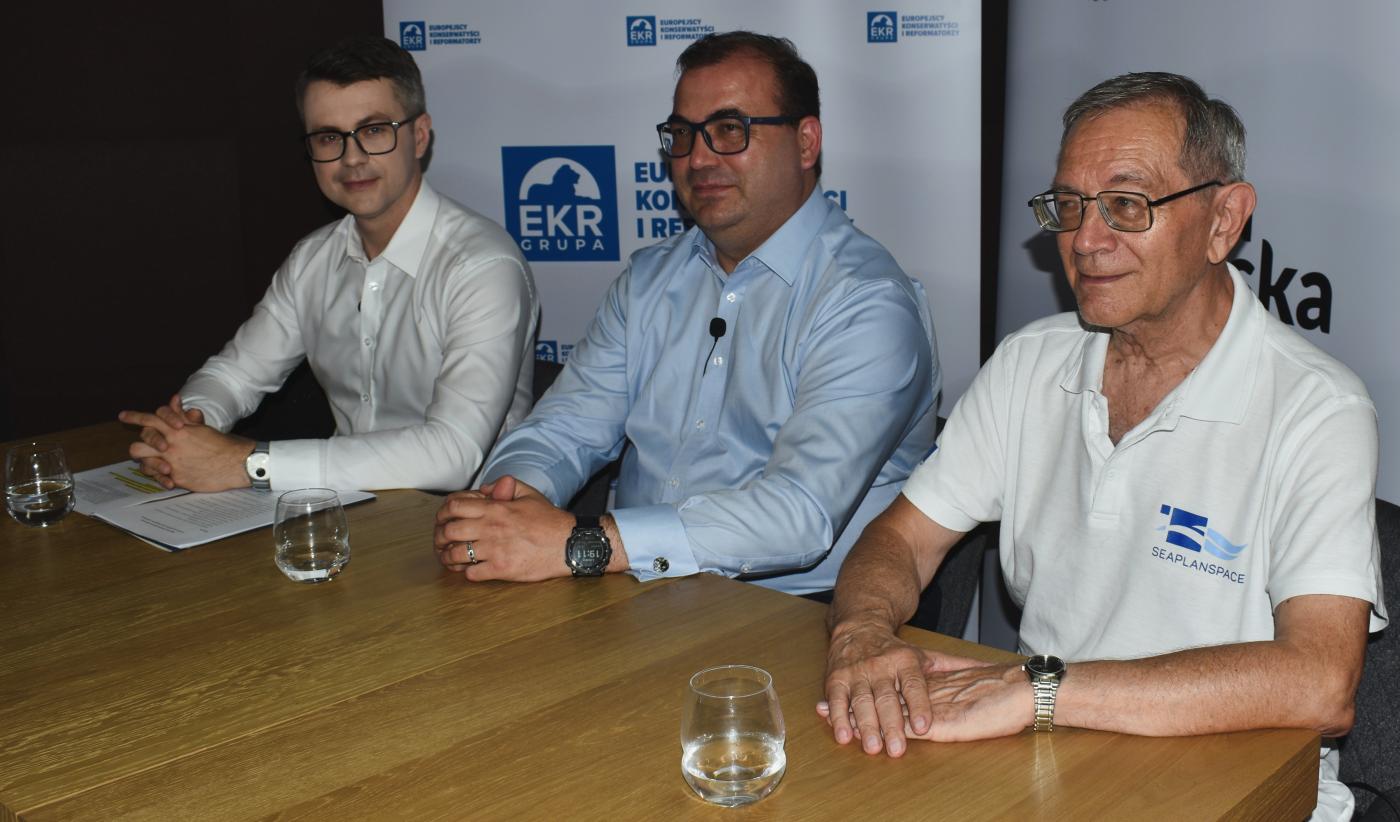
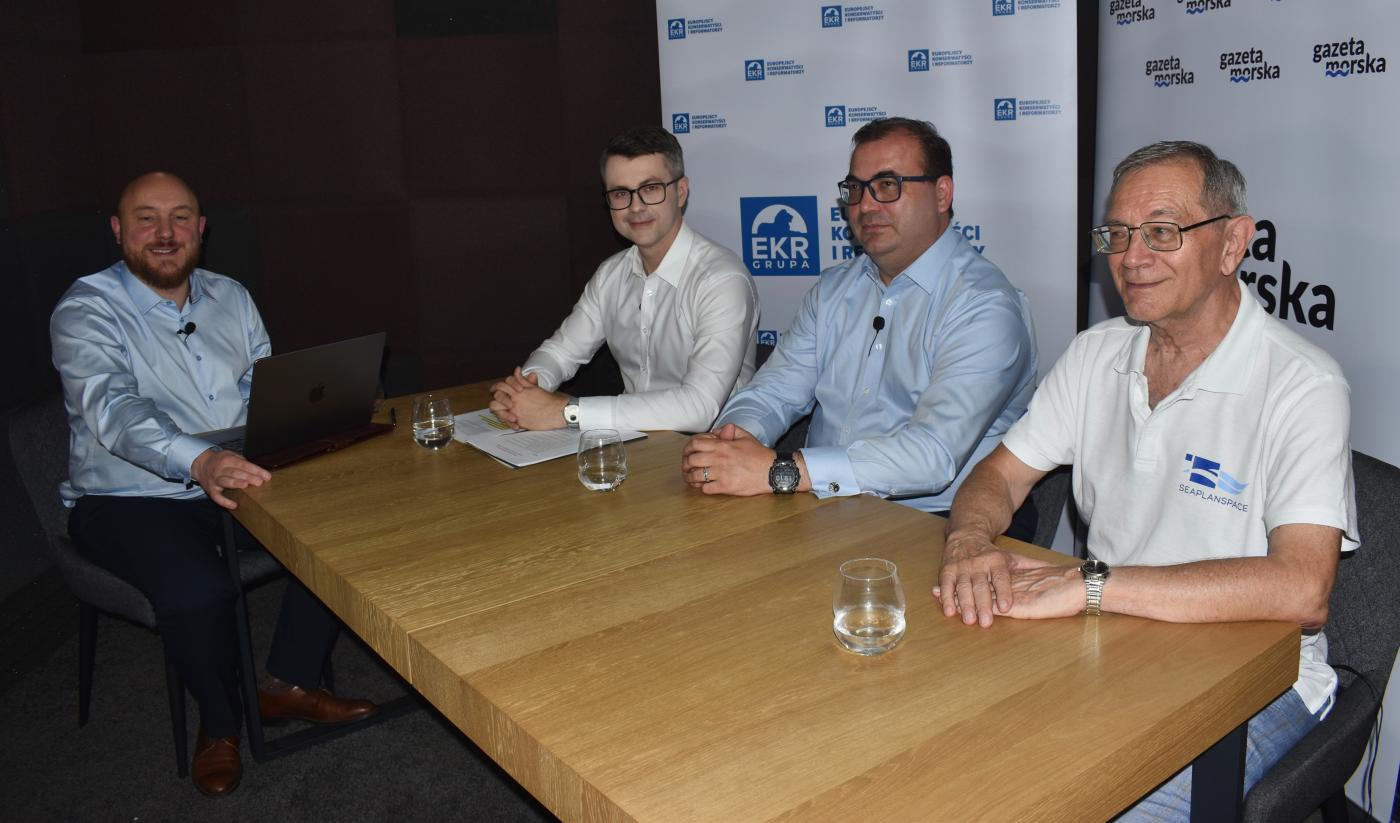
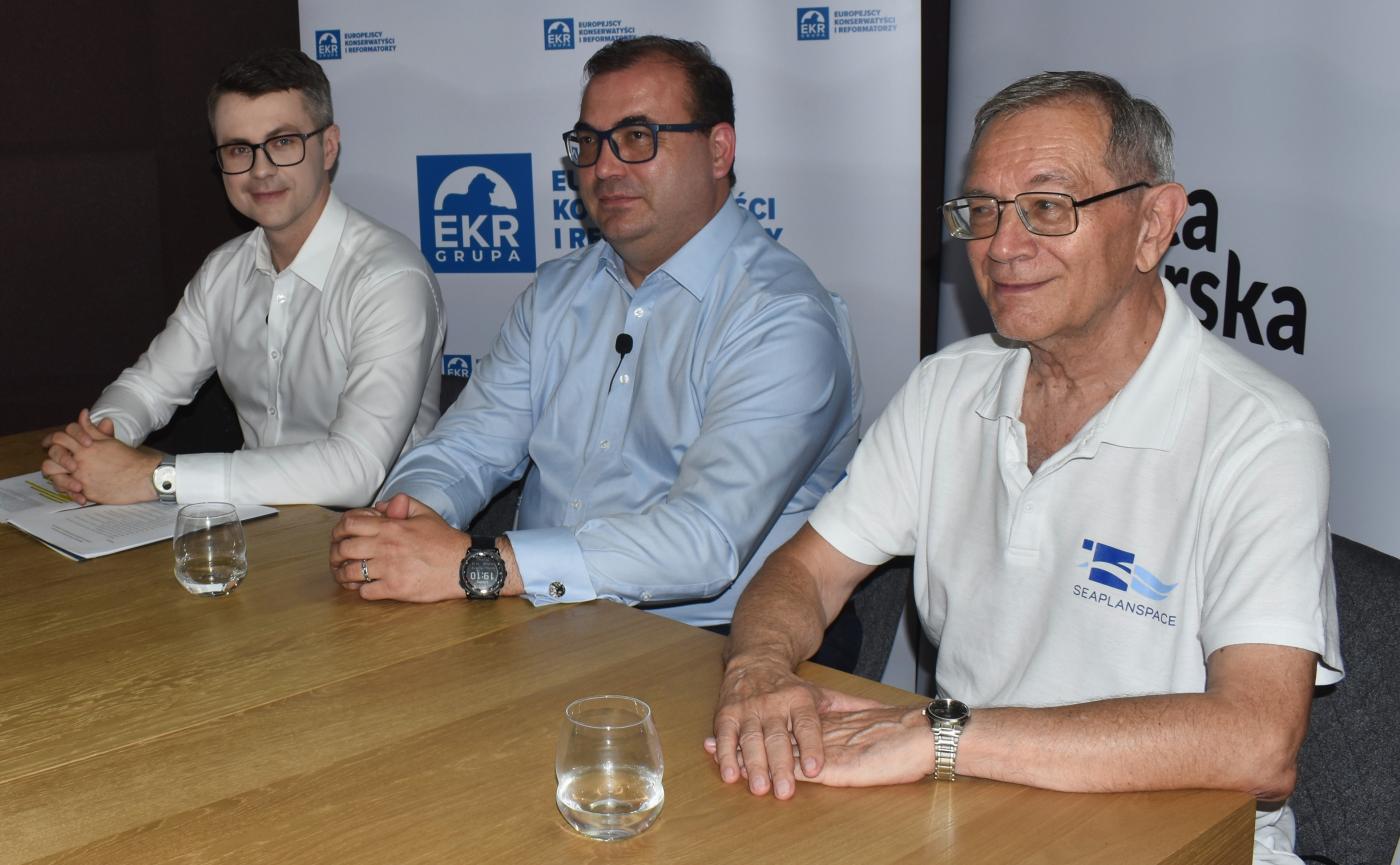
– Perhaps the most important question we should ask, even if we still struggle to formulate it precisely, concerns the need to change our way of thinking and acting. Poland is at a moment when questions about what comes next – how to build modernity and state responsibility – will arise more and more often – said Dr. Paweł Kusiak, moderator of the Energy Currents 2025 debate and expert at Gazeta Morska.
In this context, the role of nuclear power in the national energy mix – and its contribution to meeting EU climate targets for 2030 and 2050 – cannot be ignored.
An obvious need – an unclear lack of progress
– It is no longer a matter of repeating that it would be good to have a nuclear power plant – that is obvious. The essential question is: why do we still not have one? – continued Dr. Kusiak.
Despite years of declarations and modernization potential, Poland has not implemented a single nuclear project.
– In the interwar period, we were able to build Gdynia, the Central Industrial District or the coal railway line. Today, despite better conditions, we have not built a single nuclear plant. This is a question about our ability to make long-term decisions – he added.
For many European countries – including France, the Czech Republic, Finland and Hungary – nuclear power is the foundation of climate transition and a tool for strengthening energy sovereignty in the face of geopolitical crises such as the war in Ukraine. Poland cannot afford further delays if it wants to be a full participant in the common European energy policy.
Economic growth without energy security
– The cumulative economic growth after 1989 places Poland among the world leaders – stressed Piotr Müller, MEP from the European Conservatives and Reformists. – But what if we had made wiser decisions? What if we had prepared for tougher times like the current energy crisis? Nuclear power should have been one of the key investments.
According to him, this is even more crucial as we stand on the brink of a technological revolution.
– Mass implementation of AI requires huge energy resources. Stable sources – especially nuclear – are more necessary than ever.
The EU is pushing for digitalisation, automation and technological independence – but the prerequisite is access to affordable and stable energy. Without such sources, Poland risks economic marginalisation on a continental scale.
Three decades of delay and geopolitical obstacles
– We must say it honestly – for the last 30 years the entire political class should admit its failure. The nuclear power plant has not been built due to political reasons and the lack of a coherent plan across all parties, which should have been focused on development – argued Piotr Müller.
He pointed out that the most advanced stage was reached during Prime Minister Mateusz Morawiecki’s government, when the agreement with Westinghouse was signed and preparatory work began. – I regret that the current government has slowed down this process – he added.
A particular concern is the lack of a European Commission decision on state aid:
– This request is still pending. We are dealing with a political game – perhaps aimed at forcing French technology participation or other interests in EU–US negotiations. This is a risk we cannot ignore – noted Müller.
This also highlights tensions within the EU – where, despite common climate goals, individual states and corporations push their own industrial interests. Without firm preparation and determination, Poland may fall victim to geopolitical tug-of-war between Paris, Brussels and Washington.
SMRs – nuclear decentralisation of the future
Alongside large reactors, Piotr Müller emphasised the need to develop SMR (Small Modular Reactor) technology.
– This solution will soon become reality. Orlen has indicated specific sites. Unfortunately, the current government has completely halted activities – he said.
Andrzej Jaworski, president of the Economic Chamber, added:
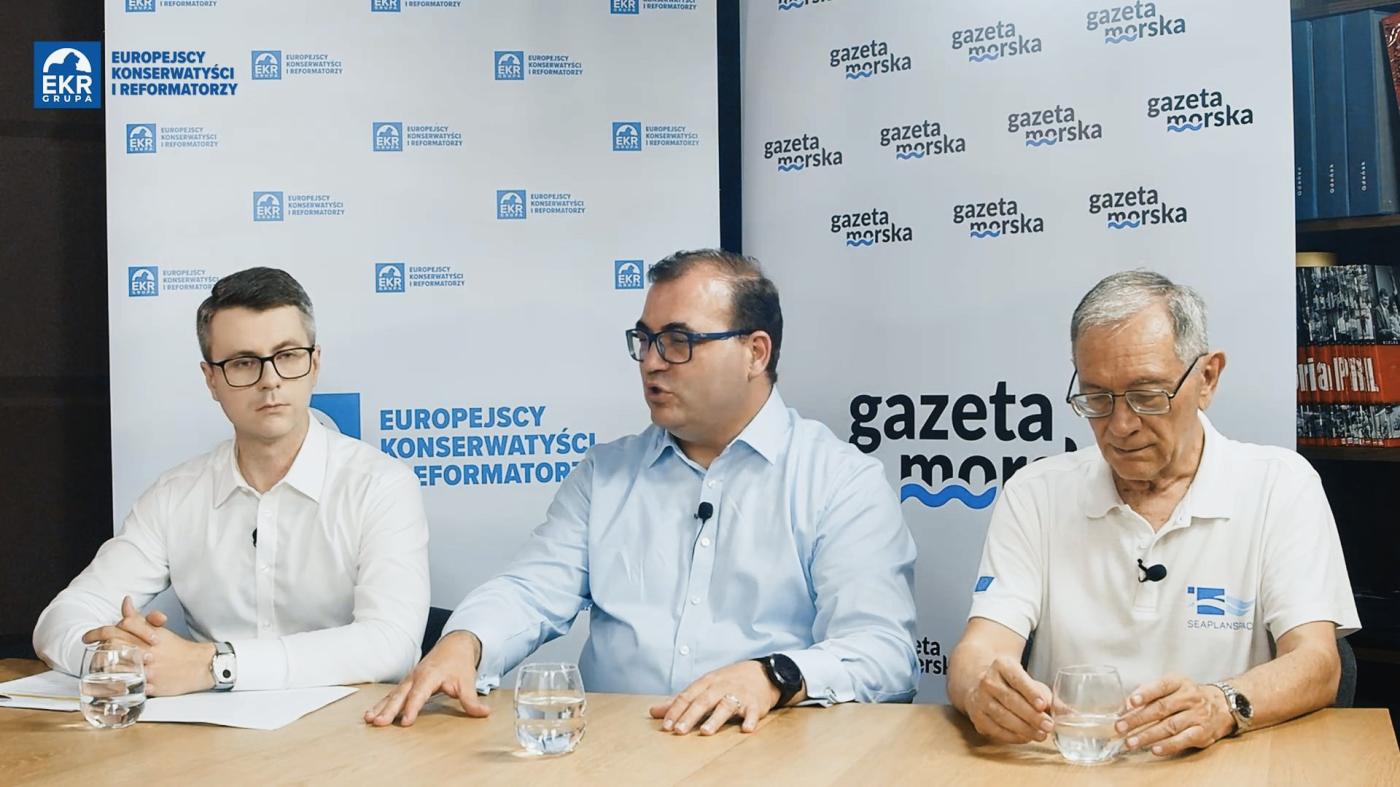
– SMRs are an opportunity for distributed, safe and sovereign supply. This is the solution of the future – especially given the rising demand driven by AI. One power plant is not enough – we must think broader.
Several European countries are already running SMR pilots – the UK, Estonia, Sweden and Romania are actively supporting this technology, while the European Commission is considering a special legislative and financial package for SMRs under the Net Zero Industry Act.
Infrastructure – the systemic challenge
A key problem remains infrastructure.
– We need to build not only power plants, but the entire accompanying infrastructure – roads, transmission networks, social facilities – said Prof. Marek Grzybowski. – Poland plans too slowly and too fragmentarily.
However, the Choczewo project, where Poland’s first nuclear power plant is under development, points to a positive direction.
– It is an example of a comprehensive approach – with roads, a port, a loading pier, transmission networks. Northern Poland is becoming the new energy heart of the country – noted Piotr Müller.
This fits into the broader EU regional energy transition strategy, including the Just Transition Fund, which promotes creating new energy centres in regions with significant economic and logistical potential.
Location and environmental aspects
Why was Pomerania chosen? Dr. Paweł Kusiak asked provocatively.
Prof. Marek Grzybowski, president of the Baltic Maritime and Space Cluster, responded:
– It is a strategic location – proximity to the sea facilitates cooling, and the region is gaining economic and demographic importance. Of course, every such investment affects the environment, but what matters is scale, duration and compensatory planning.
The site selection also complied with EU requirements for Environmental Impact Assessment (EIA) and cross-border consultations involving Baltic states – showing that Poland’s nuclear investment is becoming a regional project.
Lessons from Żarnowiec and the social factor
– We already tried once – in Żarnowiec. But protests and lack of determination prevented the plant from being completed. Today, a very similar unit operates in the Baltic region – recalled Prof. Grzybowski.
He admitted that – we need a global approach to planning – today entrepreneurs operate in conditions of unpredictability.
Building social support, transparent communication and energy education are now standard in EU countries developing nuclear power. Poland must reach that level if it wants to build lasting foundations for its energy policy.
Conclusion: time for decisions
– We built Gdynia – we can build a nuclear power plant – concluded Dr. Paweł Kusiak. – But this requires will, consistency and strategic thinking – not only technological, but also political, spatial and social.
Poland today has a unique opportunity to seize the geopolitical, technological and economic moment – and to embed itself in Europe’s broader energy security architecture. The question is: will it take it?
The Energy Currents 2025 project was organised by the KPH group, publisher of Gazeta Morska and Daily Mare, together with the European Conservatives and Reformists (ECR) Group in the European Parliament. The project was financed by the ECR Group in the European Parliament.
.png)
Buy us a coffee, and we’ll invest in great maritime journalism! Support Gazeta Morska and help us sail forward – click here!
Kamil Kusier
redaktor naczelny
gallery
comments
Add the first comment
see also
Austal partners with Damen for local construction of LST 100 for Australian Army
The submarine contract of the decade? Canada weighs South Korea against Germany
Bechtel signs contract with Doraco for Poland’s first nuclear power plant
When two powers clash, Poland must be ready to act. Military security must be the priority
MON, Arka Gdynia and AMW sign letter of intent supporting "Green Industrial District - Kashubia" project
Mine countermeasure vessel Jaskółka begins sea acceptance trials
PEJ relocates headquarters to Pomerania. A strategic step in Poland’s nuclear power development
Radmor hosts delegation from the Republic of Turkey. Advancing maritime security cooperation
3D-printed catamaran: robotic manufacturing sets course for the future of small craft
Navantia and Fincantieri deepen cooperation on the european patrol corvette programme
ADVERTISEMENT
ADVERTISEMENT